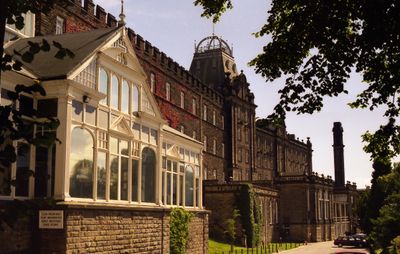
Derbyshire, Ceremonial county in East Midlands, England
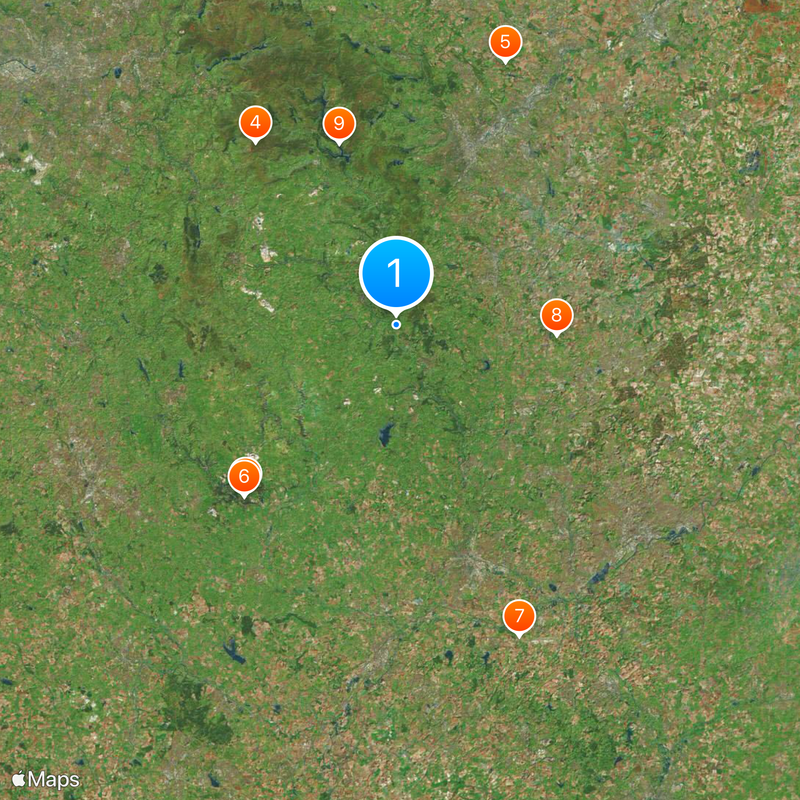
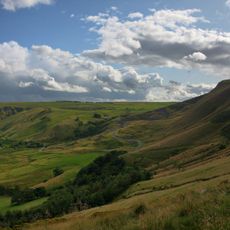
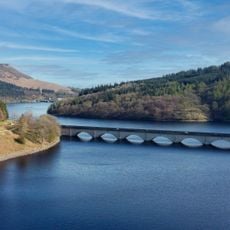
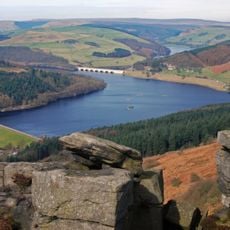
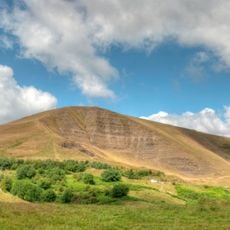
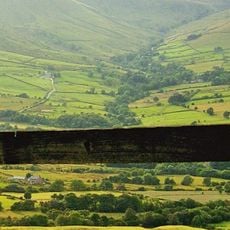
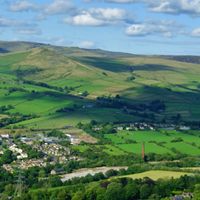
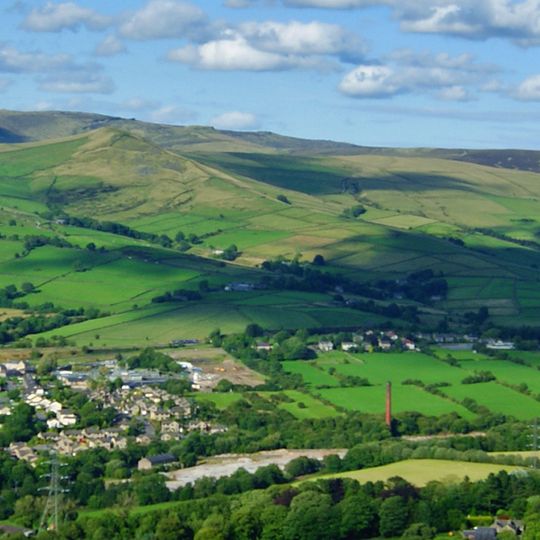
Derbyshire is a ceremonial county in the East Midlands of central England, stretching from moorland in the northern Peak District down to the river lowlands along the Trent. The landscape shows limestone hills to the south, dark moorland in the north, and several river valleys winding through the terrain.
Romans built forts and settlements here in the first century, drawn by the rich lead deposits in the hills. Later, the county became a center for textile manufacturing before coal mining shaped the eastern villages and towns during the nineteenth century.
Across this part of England you can still see drystone walls dividing the hills, built by hand over generations and now used by walkers as landmarks. In the market towns, traders hold regular weekly markets where local produce like cheese and bread is sold.
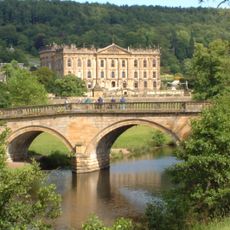
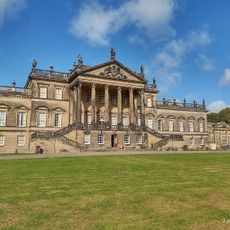
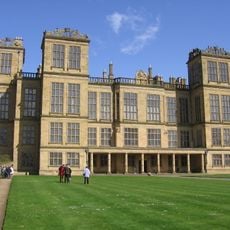
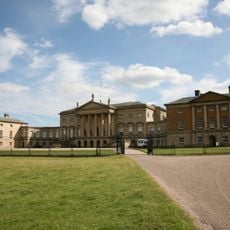
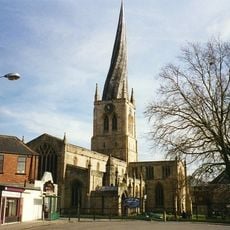
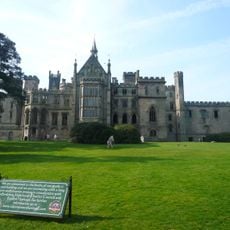
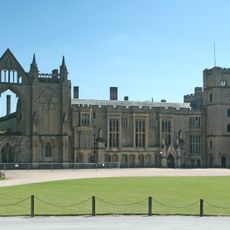
The Peak District National Park, covering much of the county, offers marked trails for walking and cycling, with visitor centers providing maps and advice. Market towns and historic estates are spread throughout and can be reached by car or public transport.
Two plant species found here exist nowhere else on Earth, making the area important for botanical research. You can see these rare plants at protected sites that conservationists visit regularly.
The community of curious travelers
AroundUs brings together thousands of curated places, local tips, and hidden gems, enriched daily by 90,888 contributors worldwide.