West Midlands, Administrative region in central England.
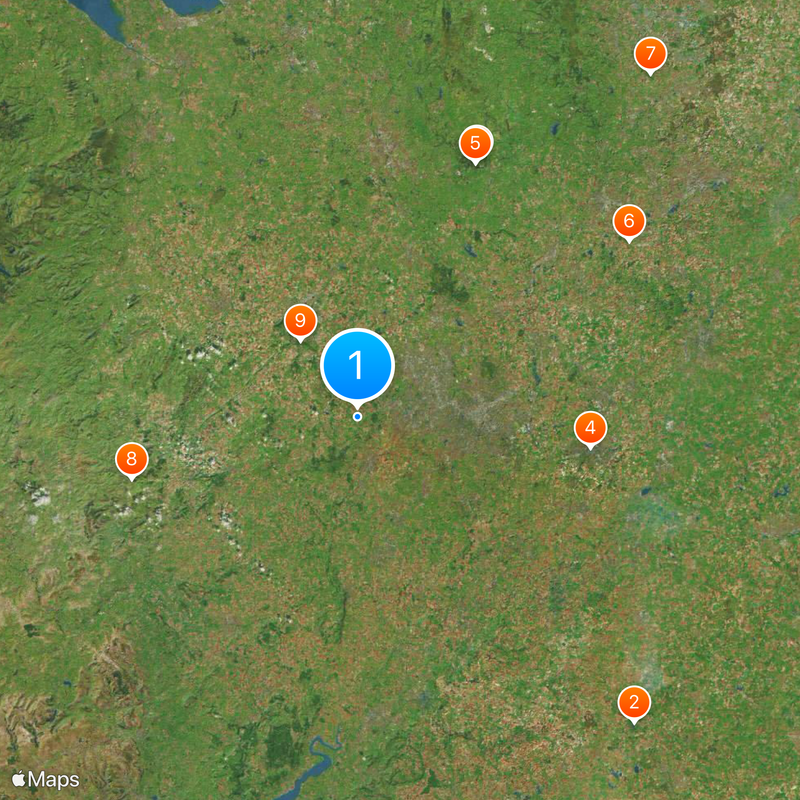
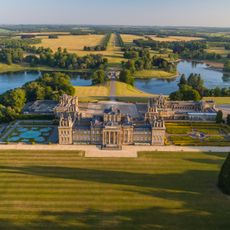
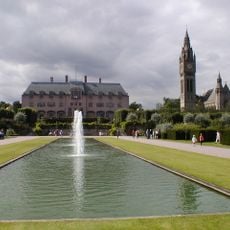
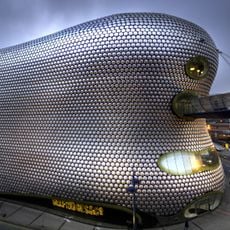
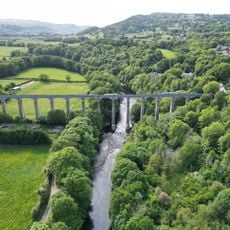
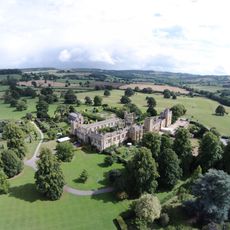
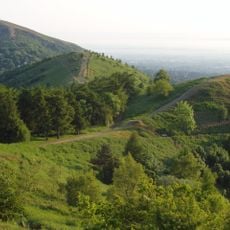
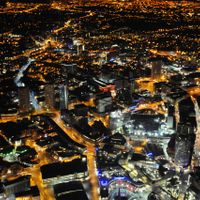
The West Midlands forms an administrative territory across central England that stretches over industrial landscapes and countryside, covering several major cities. The area reaches from northern valleys to southern hills and shows housing estates, factory grounds, parks, and canals threading through built-up zones.
In the second half of the 18th century, this territory turned into a metalworking hub through steam engines and iron foundries that supplied tools and machinery to the world. After the Second World War, the economy shifted gradually as old factories closed and new industries like services and technology replaced them.
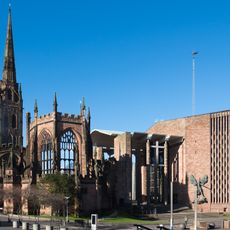
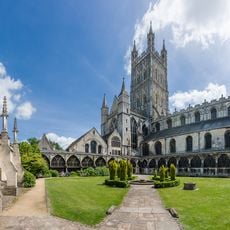
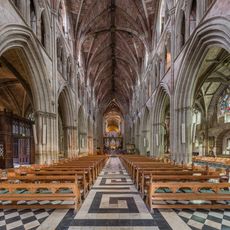
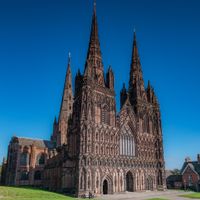
The Second City houses a jewellery quarter where artisans hammer rings and chains by hand, while Coventry shows visitors cathedrals from different centuries standing side by side. Local pubs and curry houses line the streets of many neighborhoods, and in some areas you hear multilingual conversations on street corners and inside shops.
Trains from several directions stop at stations throughout the territory, and main roads link the cities to each other and to other parts of England. Visitors find accommodation and restaurants in the centers of larger towns and can use buses to move between neighborhoods and smaller communities.
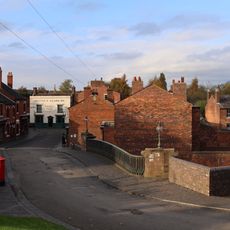
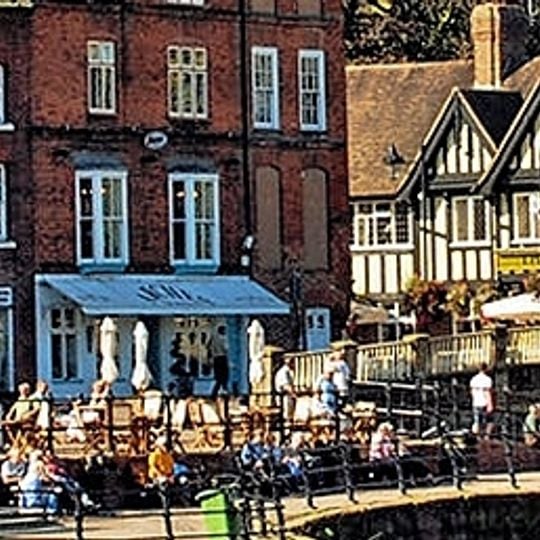
Beneath the streets of the capital city of this territory run more miles of canal than Venice contains, a legacy from the 18th century that now draws walkers and boat enthusiasts. In some neighborhoods you can still see red brick factory buildings converted into flats or artist studios, preserving the silhouette of the industrial age.
The community of curious travelers
AroundUs brings together thousands of curated places, local tips, and hidden gems, enriched daily by 90,826 contributors worldwide.