University of Wisconsin–Madison, Public research university in Madison, United States
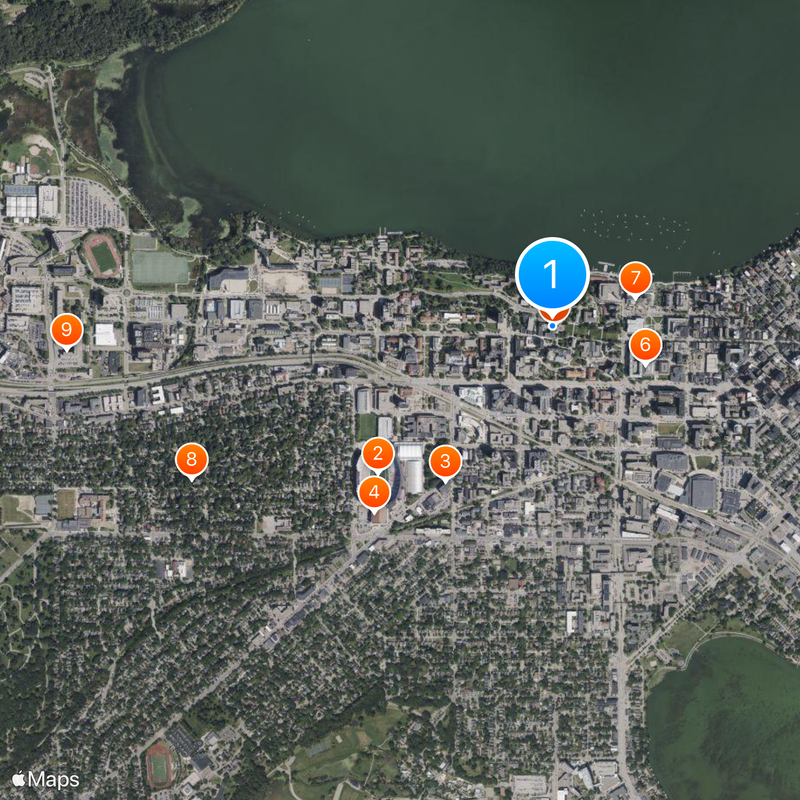
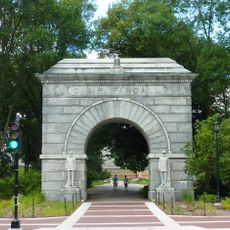
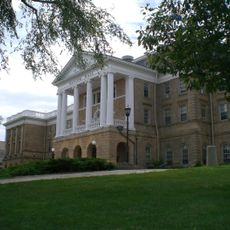
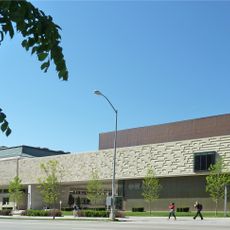
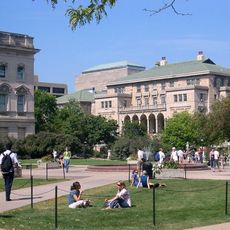
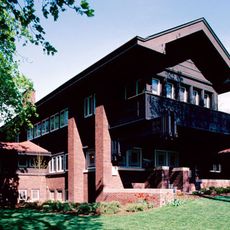
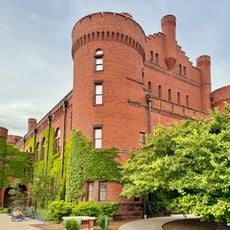
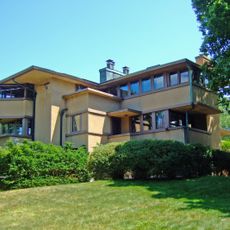
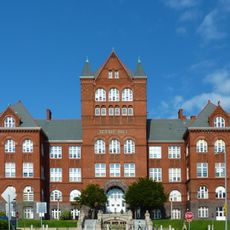
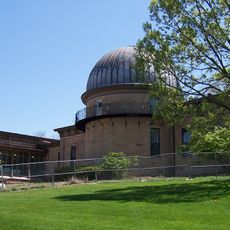
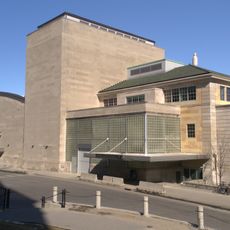
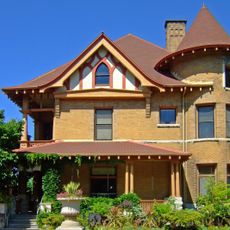
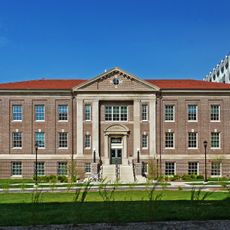
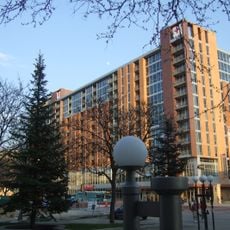
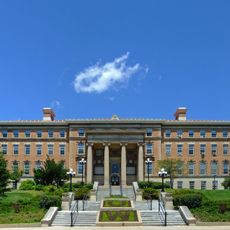
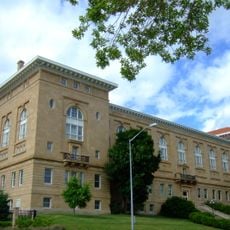
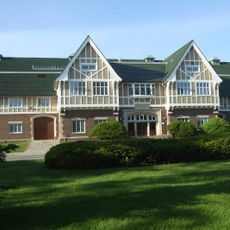
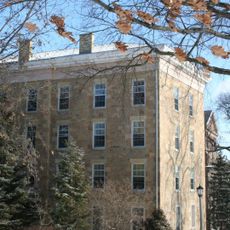
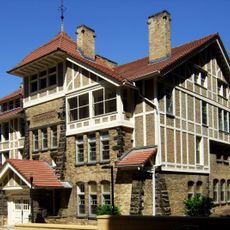
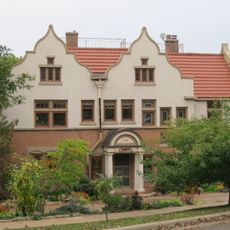
The University of Wisconsin–Madison is a public research institution in Madison that spreads over a large area along the shore of Lake Mendota and includes several protected historic structures as well as many research centers. The grounds combine open green spaces with laboratory buildings, libraries, and residence halls distributed across different parts of the city.
Founded in 1848 when Wisconsin became a state, the institution later became a land-grant university meant to advance education in agriculture and technical fields. Over the course of the 20th century it grew into one of the leading research centers in the country.
The main campus sits right on the lakeshore, where students and visitors gather on the Union terraces to look out over the water. On most afternoons you can see groups studying, playing music, or simply relaxing under the old trees between the buildings.
Visitors can walk through the public areas of the campus and explore the architecture and green spaces, with most buildings accessible during the academic terms. The area around the Memorial Union provides orientation and serves as a central point for navigating the large grounds.
Researchers from the university have been involved in work that led to twenty Nobel Prizes, and some projects are still carried out at the South Pole. The work there focuses in part on studying cosmic rays in one of the most isolated environments on Earth.
The community of curious travelers
AroundUs brings together thousands of curated places, local tips, and hidden gems, enriched daily by 92,306 contributors worldwide.