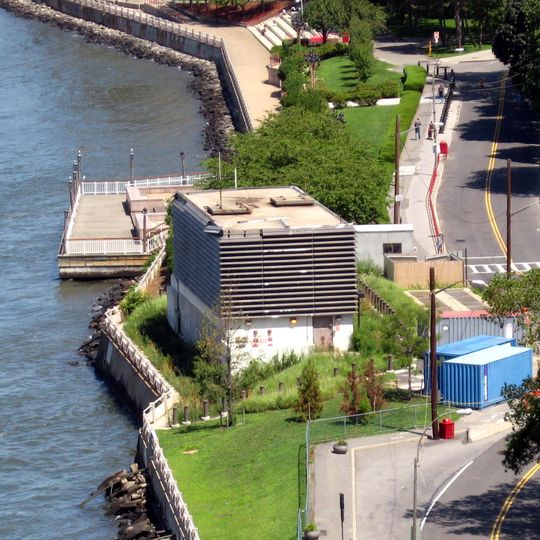
63rd Street Tunnel, New York City railroad and subway tunnel
The 63rd Street Tunnel is a railway tunnel under the East River in New York that connects Manhattan and Queens. It contains two levels with four tracks total, with the upper level serving subway trains and the lower level designed for Long Island Rail Road service.
Construction of the tunnel started in 1969 and was completed beneath Roosevelt Island in 1972, though additional years were needed for full implementation. The project represented a turning point by creating a more direct route for trains and was later connected to the Queens Boulevard line in 2001.
The tunnel serves as a vital link that quietly connects two boroughs and shapes how people move through their daily routines. Its presence, though hidden underground, has become central to how residents and commuters experience the city's neighborhoods and their connections to one another.
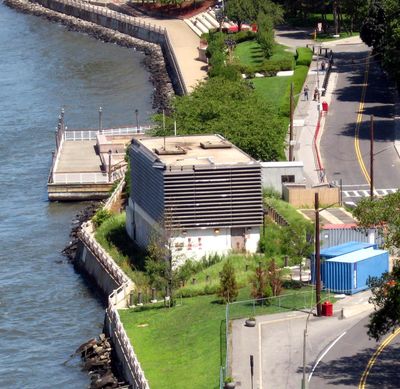
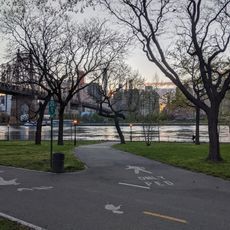
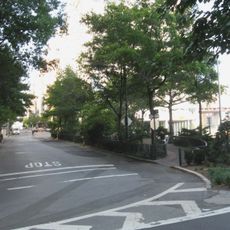
The tunnel is accessible through connected stations such as the Lexington Avenue/63rd Street Station, which sits deep below street level and features elevators for easy access. The ventilation systems are integrated into the streetscape, so orienting yourself by the entrances and nearby parks is helpful when visiting the area.
The tunnel was built using large prefabricated concrete sections that were floated into the riverbed and sunk into place, an innovative method that kept the river cleaner during construction. The lower level, which sat unused for decades and was once called the tunnel to nowhere, finally opened for Long Island Rail Road service in 2023.
The community of curious travelers
AroundUs brings together thousands of curated places, local tips, and hidden gems, enriched daily by 90,916 contributors worldwide.