Orinoco Belt, Oil field basin in eastern Venezuela
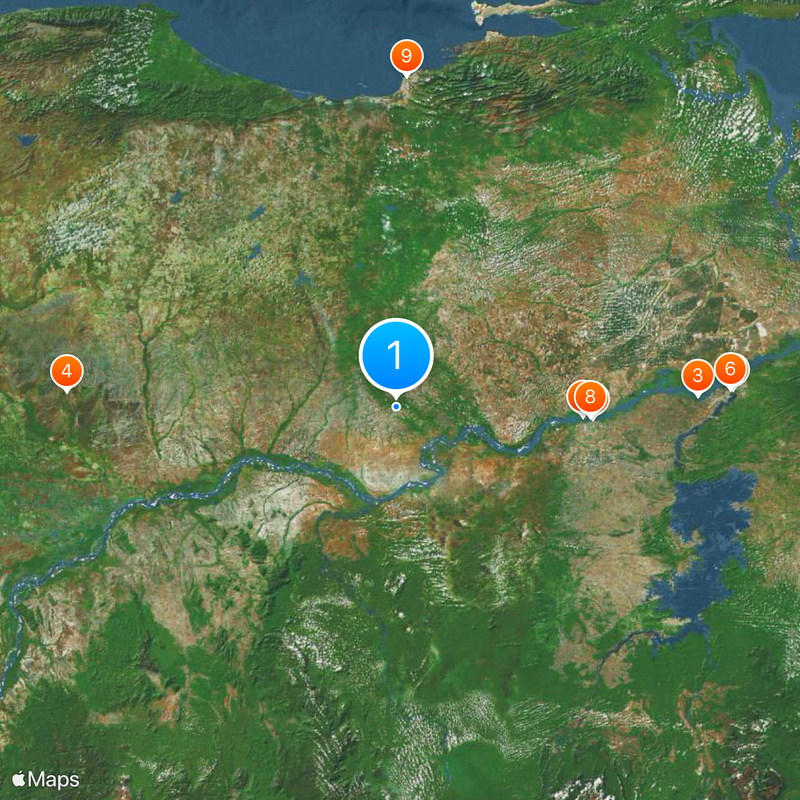
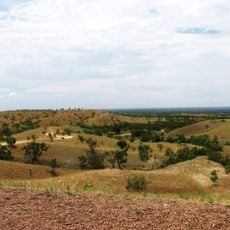
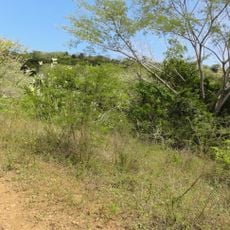
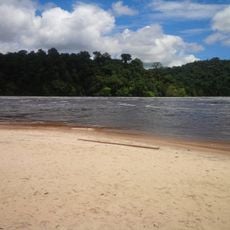
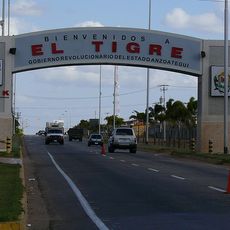
The Orinoco Belt forms a petroleum-producing region extending 600 kilometers across eastern Venezuela between the Orinoco River and the northern foothills. The deposits consist of extra heavy crude oil trapped in sandstone formations beneath grassland plains spanning Monagas, Anzoátegui, Guárico, and Delta Amacuro states.
Standard Oil drilled the first exploratory well La Canoa-1 in 1936, opening access to the underground petroleum reserves in this region. Further geological surveys during the 1970s confirmed the size of the deposits and initiated industrial development through PDVSA.
The development of the Orinoco Belt changed Venezuela's economic structure, establishing petroleum production as the primary national industry.
Production facilities divide into four blocks named Boyacá, Junín, Ayacucho, and Carabobo, each covering several thousand square kilometers. PDVSA operates the infrastructure jointly with international partner companies through long-term cooperation agreements.
The extra heavy crude from this region contains more than 1.2 trillion barrels of proven reserves, forming the largest known fossil fuel accumulation worldwide. The black, viscous substance must be heated or mixed with lighter oil before transport, as it barely flows at normal temperature.
The community of curious travelers
AroundUs brings together thousands of curated places, local tips, and hidden gems, enriched daily by 91,639 contributors worldwide.