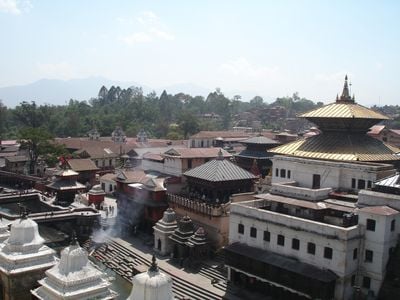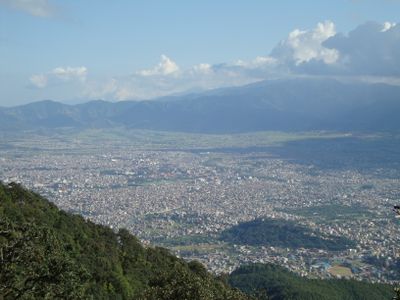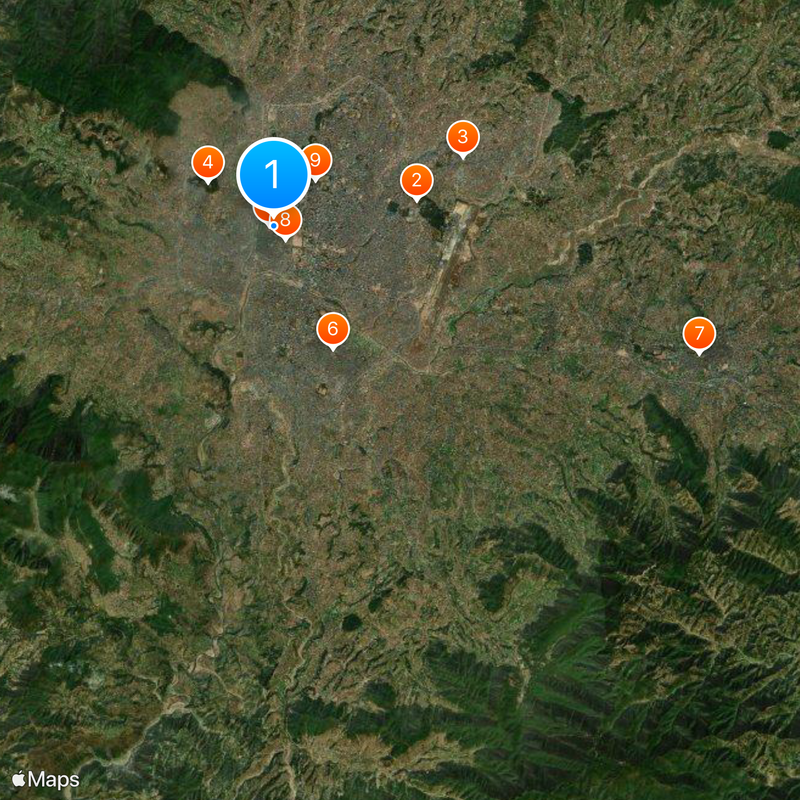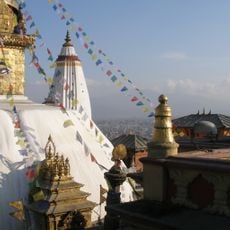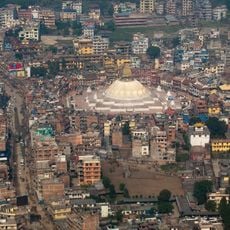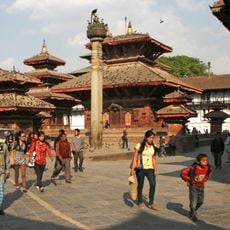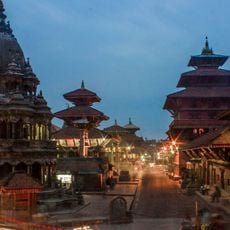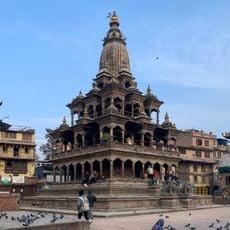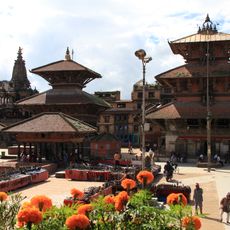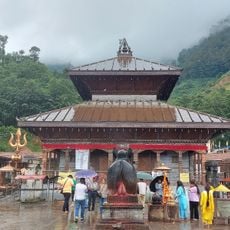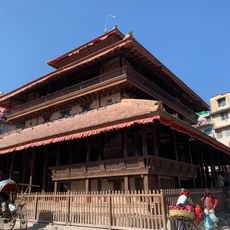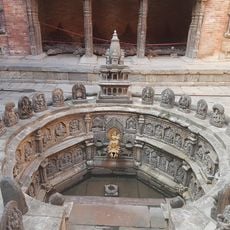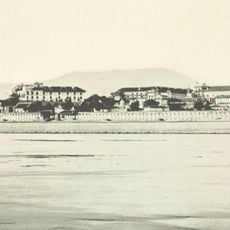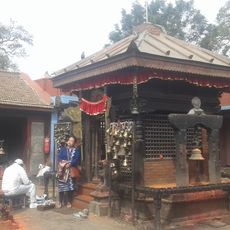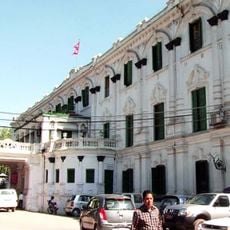
Kathmandu Valley, UNESCO World Heritage Valley in Nepal
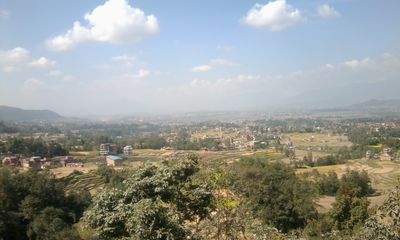
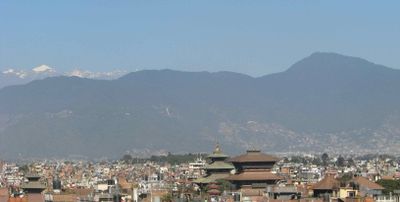
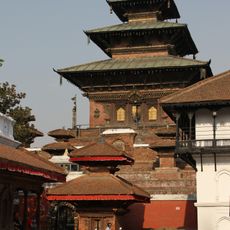
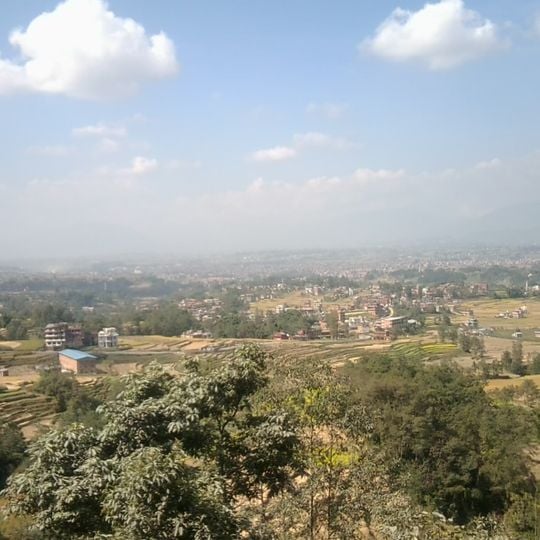
Kathmandu Valley sits between mountain ranges at 1,425 meters elevation and holds three major cities along with many smaller towns. Rice terraces and wooded areas cover the hillsides while settlements spread along the Bagmati and Bishnumati rivers.
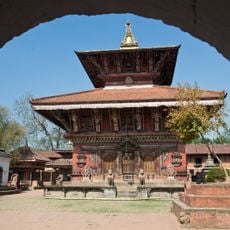
Early settlements formed here more than 2,000 years ago when the valley was said to be a lake. The Malla rulers shaped its architecture and culture from the 12th to the 18th century before the area became part of unified Nepal.
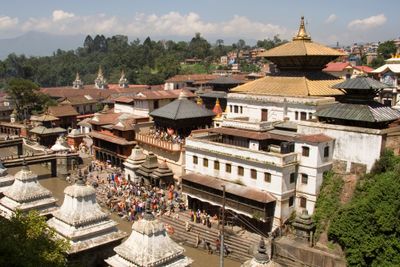
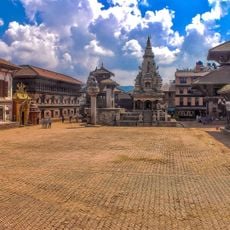
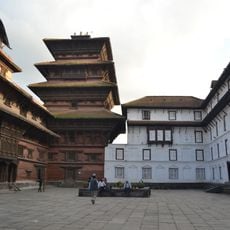
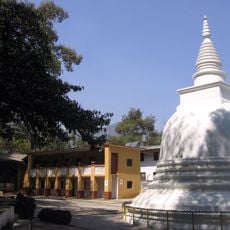
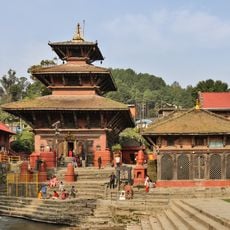
The valley's religious sites draw daily worshippers and pilgrims who bring offerings and participate in ceremonies. In the old town centers, craftspeople still live in multi-story brick houses arranged around paved courtyards.
The best time to visit is between October and April when the weather is dry and sunny. Many temples and squares are freely accessible, though visitors should dress appropriately and remove shoes before entering sacred areas.
In some temple courtyards, fresh flowers and rice grains are arranged each morning into geometric patterns that disappear by evening. Local potters still shape vessels on hand-spun wheels and leave them to dry in the open air.
The community of curious travelers
AroundUs brings together thousands of curated places, local tips, and hidden gems, enriched daily by 60,000 contributors worldwide.