See the monuments around you in AROpen chests in the app
Around Us is built for your phone — point your camera at the streets and discover the monuments and places around you in augmented reality.Around Us is built for your phone — chests unlock when you walk, explore and capture nearby places.
The Kanto region brings together historical shrines, modern shopping areas, and accessible mountains that show how Japan blends tradition and modernity.
The Kanto region brings together Tokyo and its surroundings, offering an experience rich in contrasts. You will find ancient temples next to modern skyscrapers, lively shopping districts, and accessible natural spaces. This region shows how Japan preserves its past while embracing the present.
In Tokyo itself, you will discover iconic places like the Senso-ji temple in the Asakusa district, with its small restaurants and traditional shops. Intersections like Shibuya Crossing buzz with energy, while Harajuku and Akihabara attract those who follow trends and pop culture. For views of the city, Tokyo Skytree and Tokyo Tower offer spectacular panoramas.
Beyond Tokyo, the region offers varied getaways. Kamakura, a small coastal town, houses temples and the famous Great Buddha in bronze. Hakone, in the mountains, offers hot springs and views of Mount Fuji. Nikko invites you to explore forests and traditional shrines, while Kawagoe preserves the atmosphere of old Japanese towns. Parks like Ashikaga Flower Park color the seasons, and accessible hikes on Mount Takao complete a diverse visit to this fascinating region.
The Kanto region brings together historical shrines, modern shopping areas, and accessible mountains that show how Japan blends tradition and modernity.
The Kanto region brings together Tokyo and its surroundings, offering an experience rich in contrasts. You will find ancient temples next to modern skyscrapers, lively shopping districts, and accessible natural spaces. This region shows how Japan preserves its past while embracing the present.
In Tokyo itself, you will discover iconic places like the Senso-ji temple in the Asakusa district, with its small restaurants and traditional shops. Intersections like Shibuya Crossing buzz with energy, while Harajuku and Akihabara attract those who follow trends and pop culture. For views of the city, Tokyo Skytree and Tokyo Tower offer spectacular panoramas.
Beyond Tokyo, the region offers varied getaways. Kamakura, a small coastal town, houses temples and the famous Great Buddha in bronze. Hakone, in the mountains, offers hot springs and views of Mount Fuji. Nikko invites you to explore forests and traditional shrines, while Kawagoe preserves the atmosphere of old Japanese towns. Parks like Ashikaga Flower Park color the seasons, and accessible hikes on Mount Takao complete a diverse visit to this fascinating region.
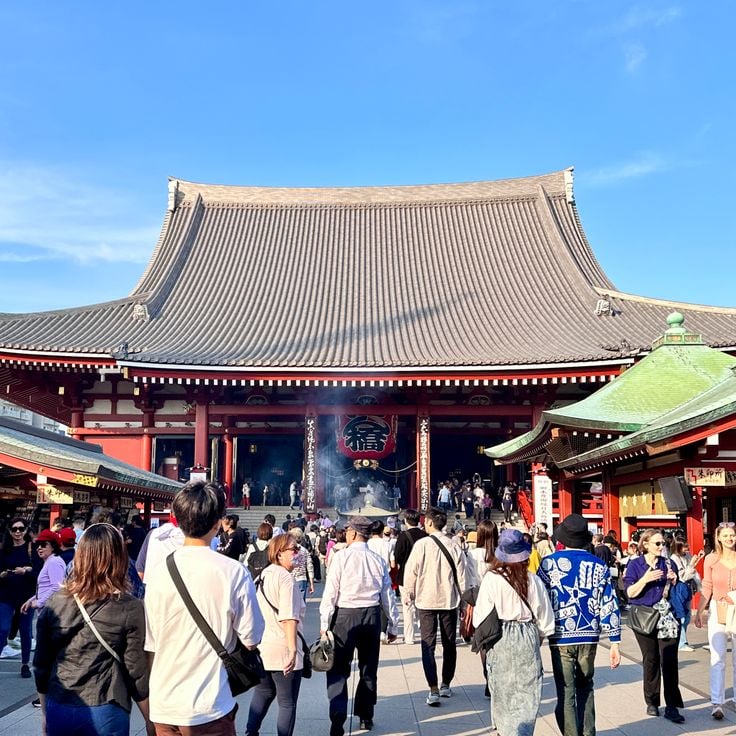
Senso-ji is the oldest Buddhist temple in Tokyo and sits in the heart of Asakusa. Visitors walk through the large red gate, the Kaminarimon, before heading down Nakamise-dori, a long lane lined with small shops selling snacks and souvenirs. At the end of the lane, the main hall draws people who come to light incense and pray. The temple is busy year-round and shows how religious life and daily culture mix naturally in this part of the city.
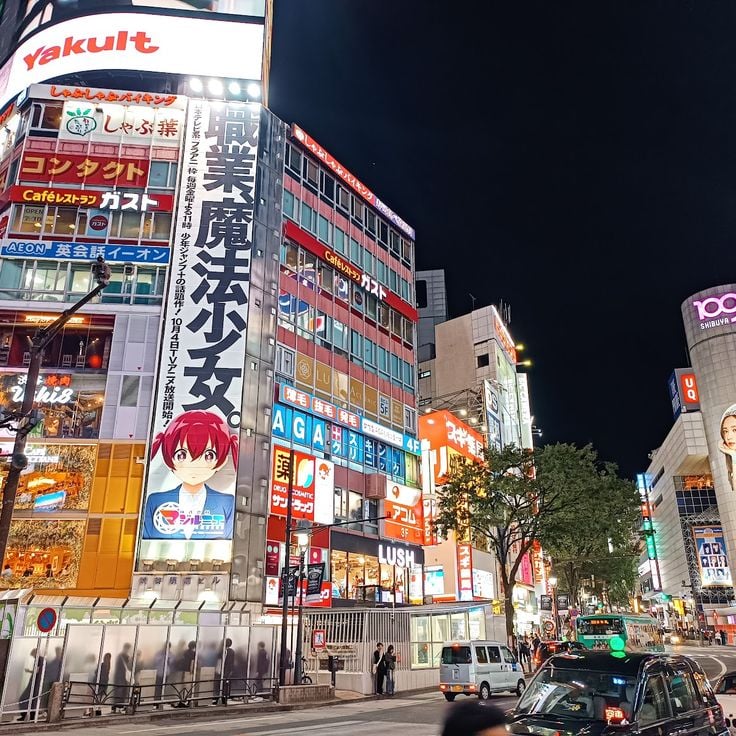
Shibuya Crossing is one of the most recognizable intersections in Tokyo. When the lights turn red, all traffic stops at once. When they turn green, people cross from every direction at the same time, filling the street in a matter of seconds. It is a part of everyday life in Tokyo, but the sheer flow of people moving in all directions without bumping into each other makes it worth seeing. Around the crossing, shops, cafes, and large screens add to the energy of the moment.
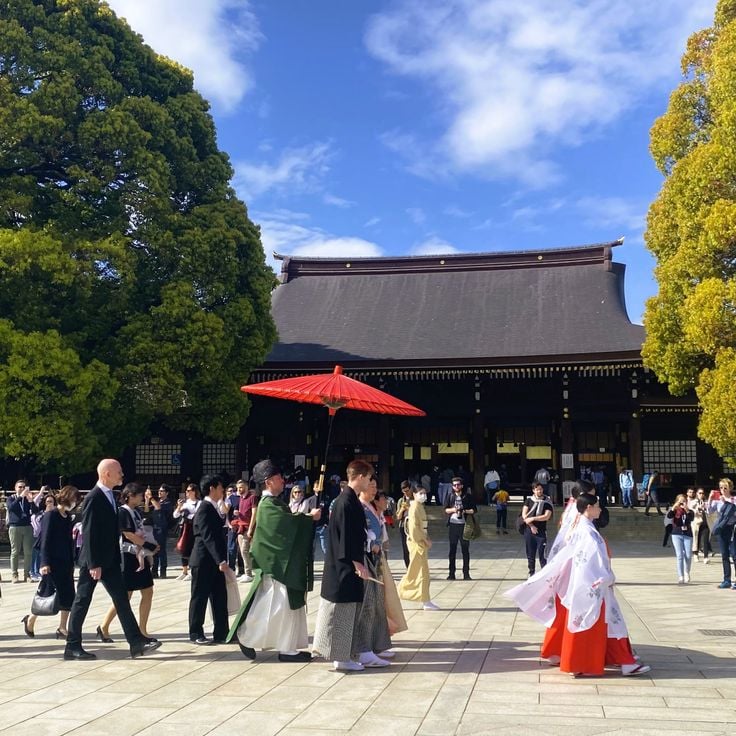
Meiji-jingu is a Shinto shrine in Shibuya dedicated to Emperor Meiji and his wife. It sits inside a dense forest that feels completely removed from the surrounding city. Walking through the large wooden torii gate, you move along wide gravel paths lined with tall trees. The contrast with the busy streets nearby is immediate. The shrine is a living place of worship, often visited for traditional ceremonies such as weddings and New Year celebrations.
Tokyo Skytree is a broadcasting tower in the Sumida neighborhood, one of the tallest structures in the world. From its observation decks, on a clear day, you can see far across the city, all the way to distant mountains and Tokyo Bay. At the base, there are shops, restaurants, and an aquarium, making it easy to spend half a day here.
Tokyo Tower stands in the Minato district and is one of the most recognized landmarks in the city. Built in the late 1950s, the red-and-white steel structure was inspired by the Eiffel Tower in Paris. Its observation floors offer wide views over the city, and on a clear day you can spot Mount Fuji in the distance, roughly 60 miles (about 100 km) away. At night, the tower lights up and can be seen from many parts of Tokyo.
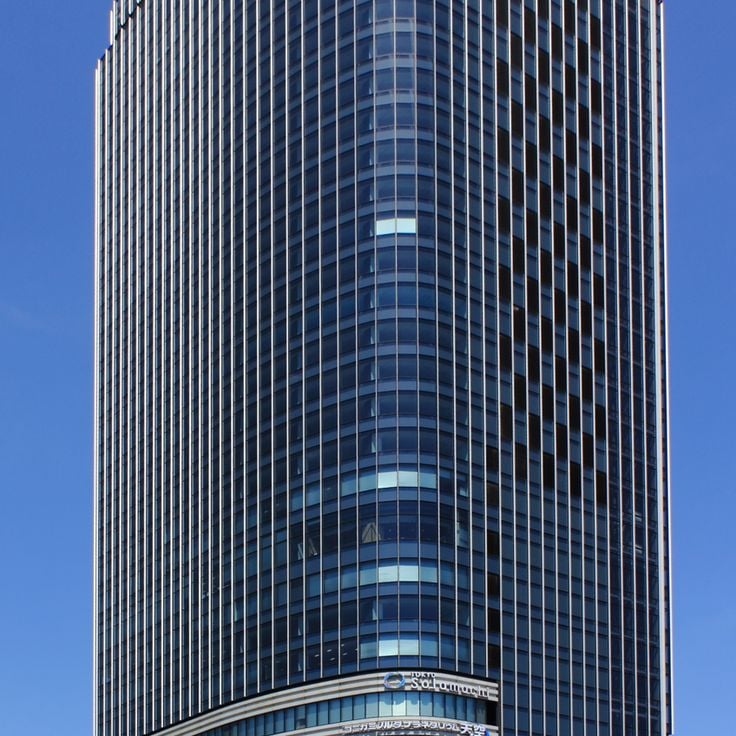
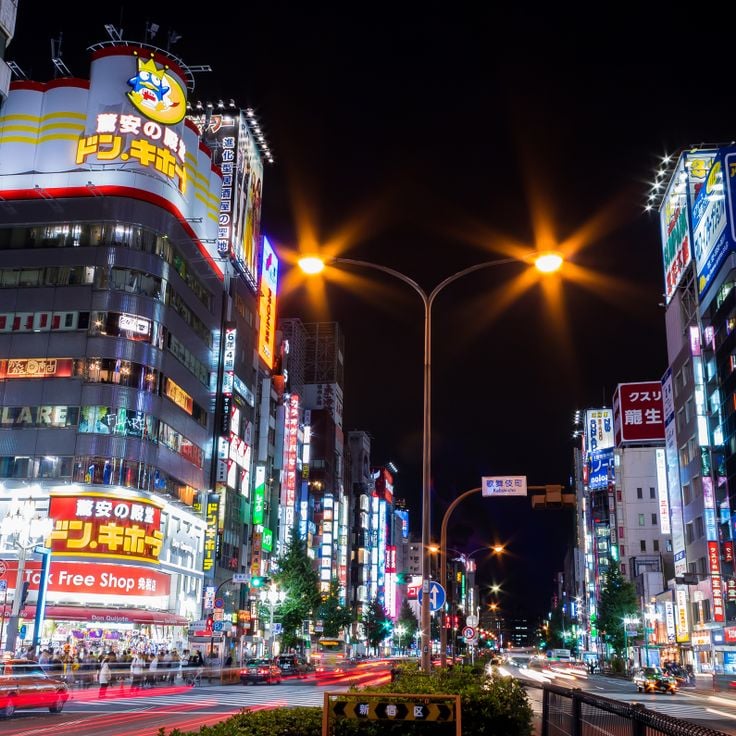
Shinjuku is one of Tokyo's most active districts, where office towers, department stores, restaurants, and nightlife spots all sit close together. During the day, commuters and visitors fill the streets around the station, one of the busiest in the world. In the evening, the alleys of Kabukicho and the tiny bars of Golden Gai draw crowds looking for a taste of Tokyo after dark.
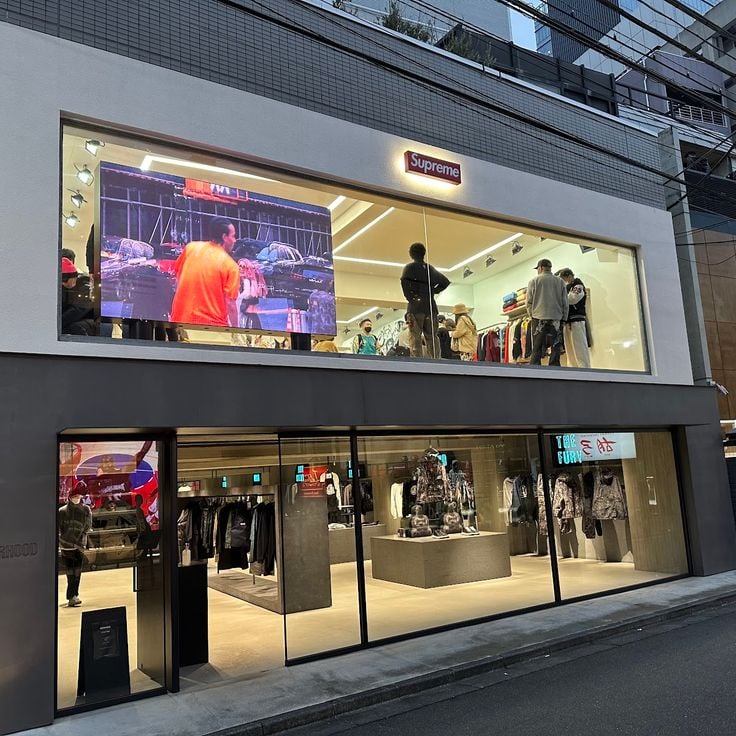
Harajuku is a neighborhood in the Shibuya district of Tokyo, best known for its youth fashion and street style. The main street, Takeshita Street, is lined with small shops selling colorful clothing, accessories, and sweet snacks. Young people come here to dress boldly and express themselves through their outfits. Just a short walk away, the area around Omotesando feels calmer and more polished, with a very different kind of shopping. Harajuku shows two sides of Tokyo in a single neighborhood.
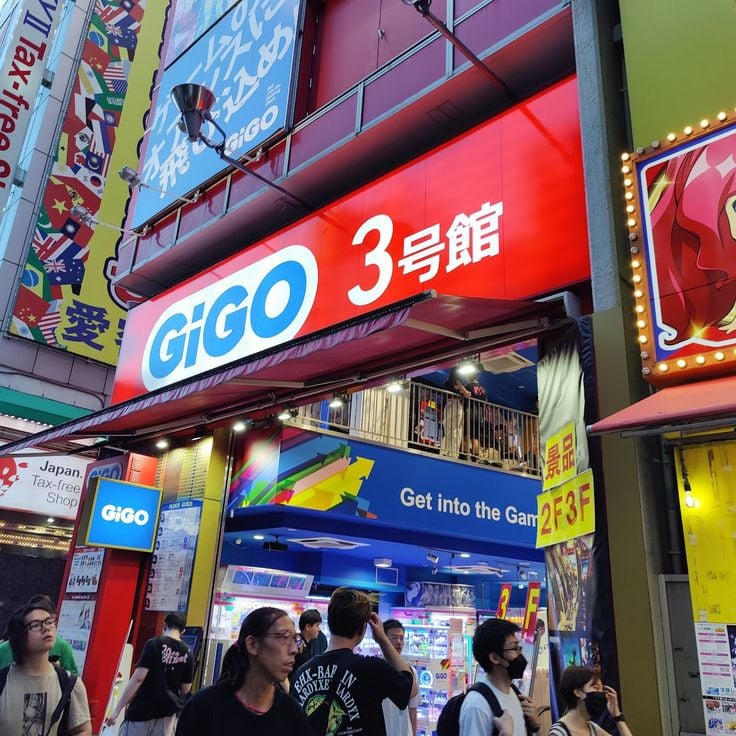
Akihabara is a neighborhood in Tokyo known for its electronics shops and its manga, anime, and video game culture. Multi-story stores line the streets, selling everything from computer parts to collector figures. The area draws both tech enthusiasts and fans of Japanese pop culture. Colorful posters and neon signs cover the buildings, giving the streets a look unlike anywhere else in the city.
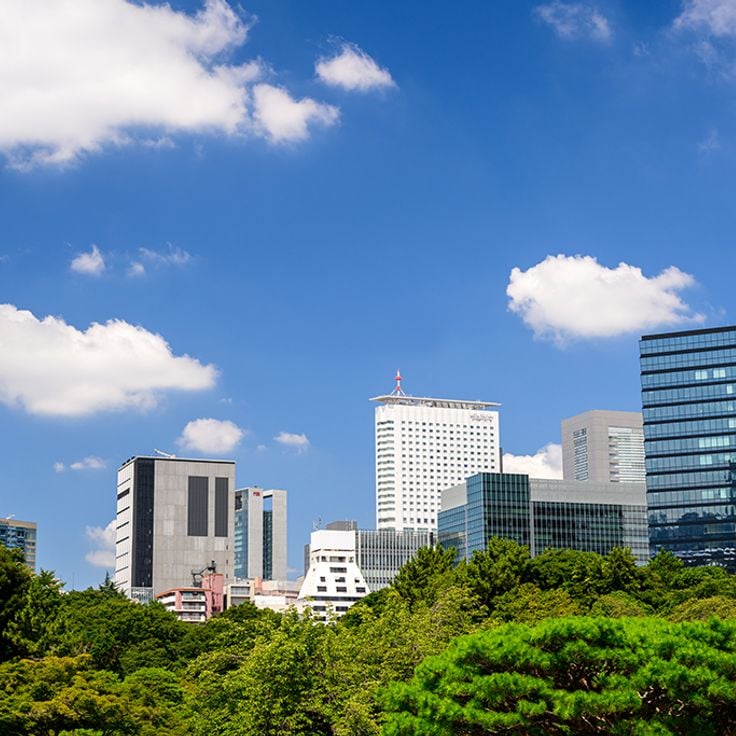
The Imperial Palace in Tokyo sits at the center of the city, surrounded by wide moats and old stone walls. It is the official residence of the Emperor of Japan and his family. Parts of the gardens open to the public on select days of the year. Walking through Chiyoda, visitors notice a sharp contrast between this green space and the office towers that surround it.
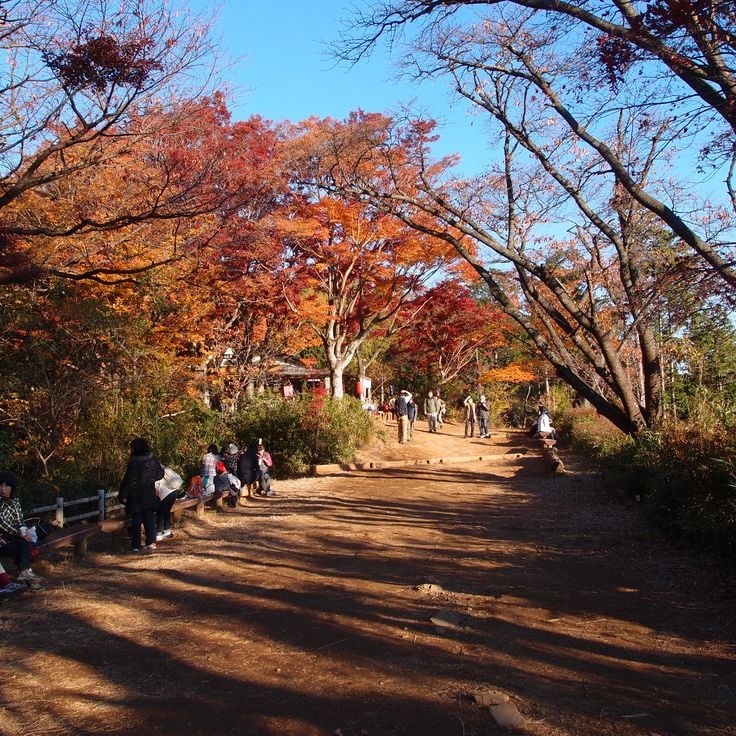
Mount Takao sits on the western edge of Tokyo, in the city of Hachioji, and is reachable by train in under an hour. The mountain is covered with trails of varying lengths that wind through forested slopes and lead to an old temple at the top. On clear days, the view stretches all the way to Mount Fuji. Many Tokyo residents come here on weekends to walk, breathe fresh air, and step away from the city.
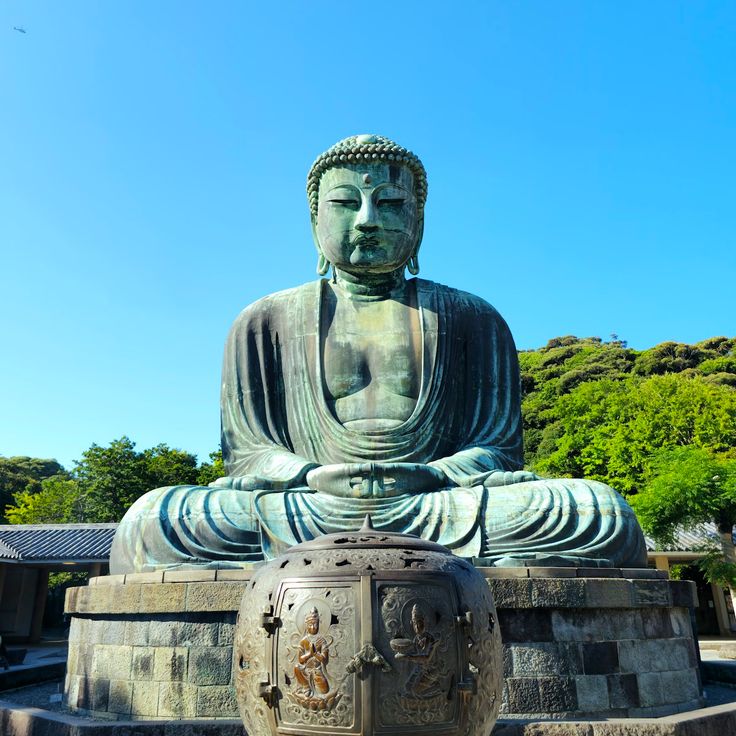
The Great Buddha of Kamakura is a large bronze statue of the seated Buddha dating from the 13th century. It stands outdoors on the grounds of Kotoku-in temple, surrounded by wooded hills. Visitors can walk around the statue and even step inside it. Standing about 44 feet (13 meters) tall, it is one of the most recognizable sights in Japan.
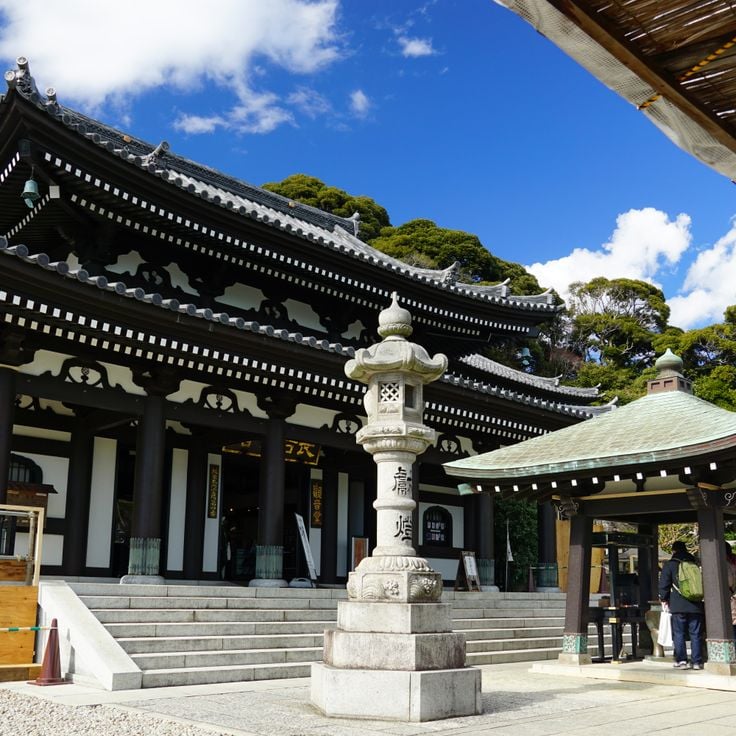
Hase-dera is a Buddhist temple set on a hillside in Kamakura, about an hour south of Tokyo by train. It houses a tall wooden statue of the goddess Kannon, carved from a single camphor tree. From the upper terrace, you can see the rooftops of Kamakura and the waters of Sagami Bay. The gardens change with the seasons, drawing visitors who come to see the hydrangeas in summer. The temple grounds are also dotted with small stone figures, left by families as offerings.
Enoshima is a small island off the coast of Kanagawa, connected to the mainland by a long bridge. Once across, a narrow street climbs uphill through shops selling local snacks and souvenirs, leading to a Shinto shrine dedicated to the sea. On the far side of the island, sea caves open onto the Pacific, and from the higher points, Mount Fuji is visible on clear days.
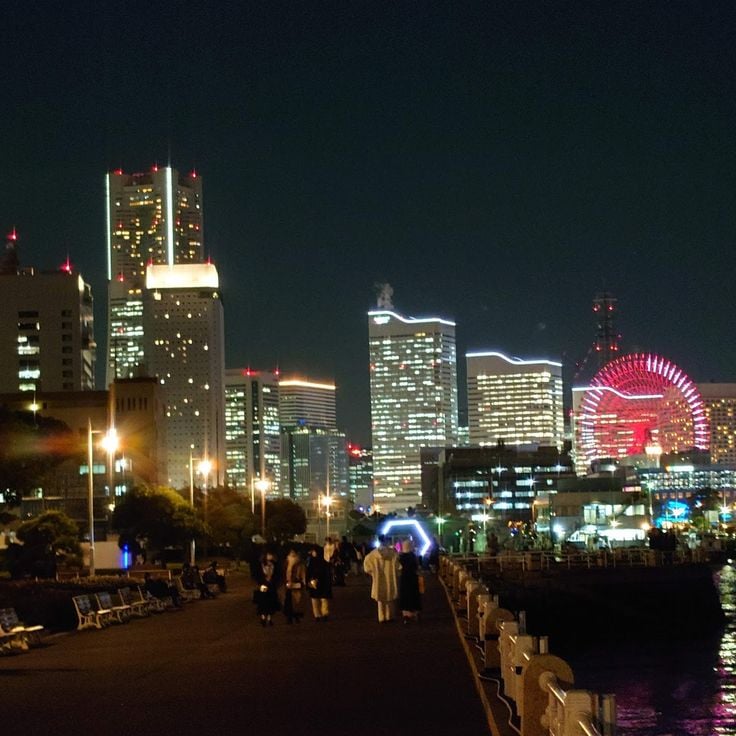
Yokohama Minato Mirai is a waterfront district in Yokohama, just south of Tokyo. Tall buildings stand alongside museums and open green spaces along the bay. You can walk by the water, take in views of the harbor, and spend time in the many shops and restaurants nearby. The area gives a good sense of how a Japanese port city reinvented itself while keeping ties to its maritime past.
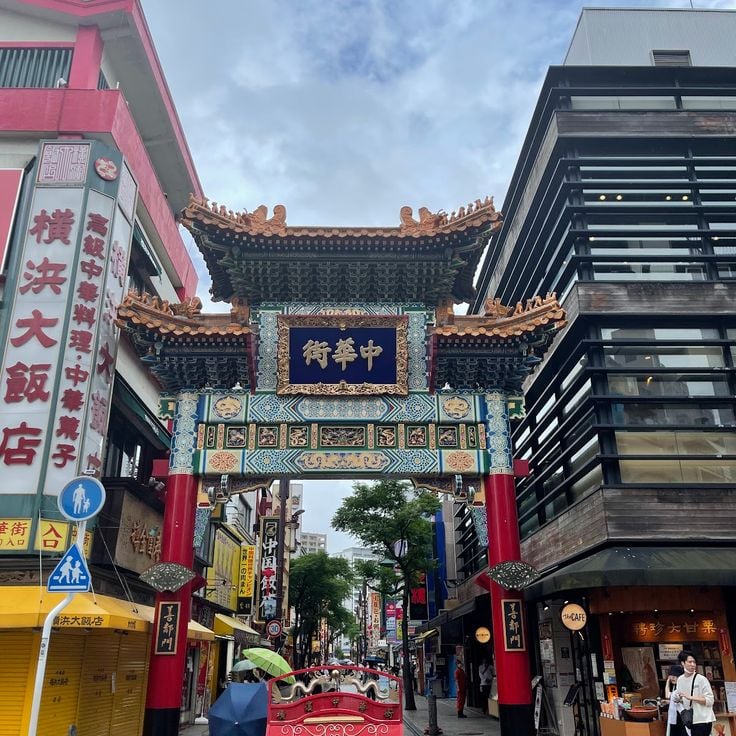
Yokohama Chinatown is Japan's largest Chinese neighborhood, just a short train ride from central Tokyo. Its narrow streets are lined with restaurants, food stalls, and shops selling Chinese goods. You can try steamed dumplings, roasted meat, and sweet sesame balls as you walk around. The Kantei-byo Temple, dedicated to the god Guan Yu, offers a moment of calm at the heart of the area. The neighborhood is busy throughout the day and draws both locals and visitors from across the country.
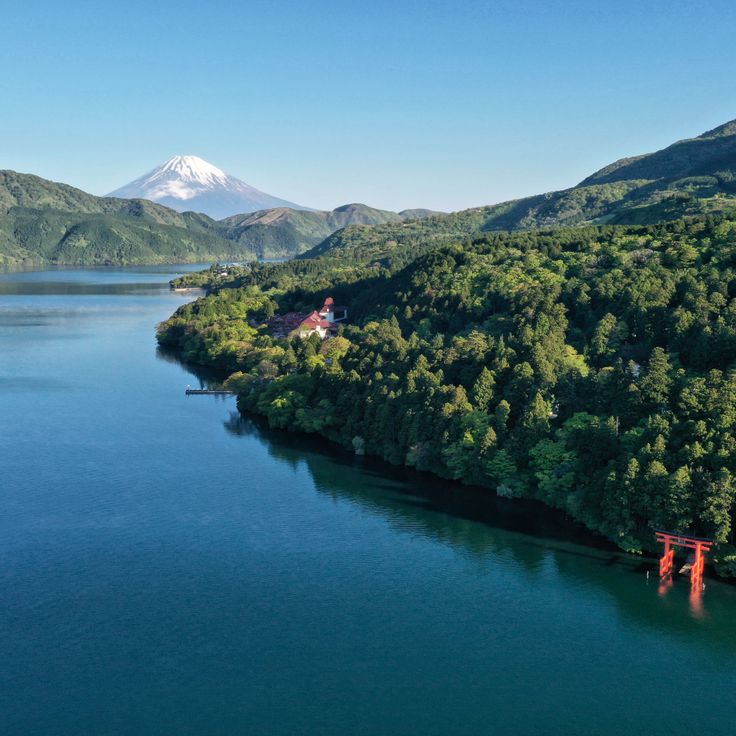
Lake Ashi sits in the mountains of Hakone, about 60 miles (95 km) southwest of Tokyo. On clear days, the cone of Mount Fuji rises above the tree line across the water. Tourist boats shaped like old sailing ships cross the lake regularly, giving visitors a view of the forested slopes around them. The shoreline is quiet and easy to walk, with a few shrines and small piers along the way.
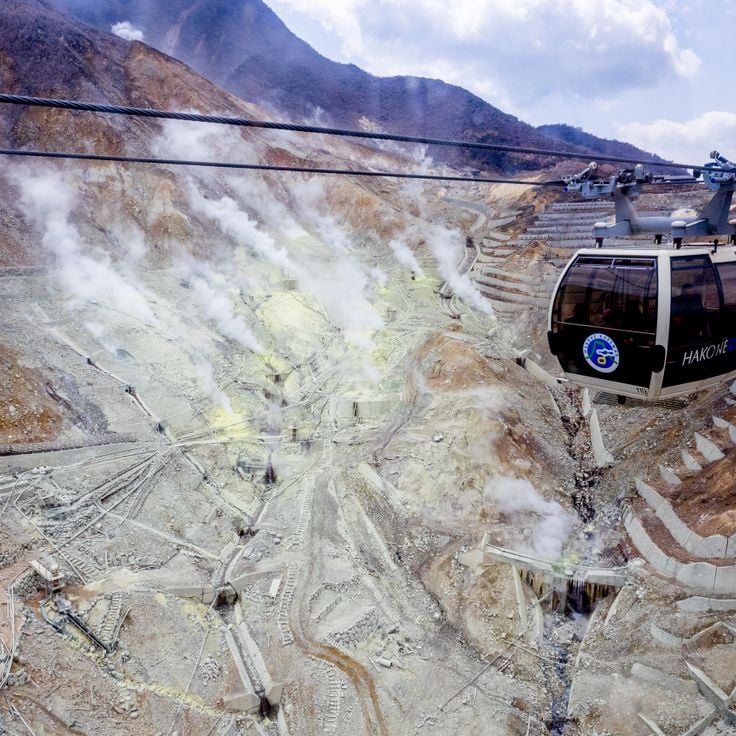
Owakudani is an active volcanic area in Hakone, best seen from the ropeway that crosses above it. The ground steams, and the smell of sulfur hangs in the air. You can see boiling water rising from the rocks below. On a clear day, Mount Fuji appears in the distance. The area is famous for its black eggs, hard-boiled in the hot spring water, which locals and visitors buy at the summit.
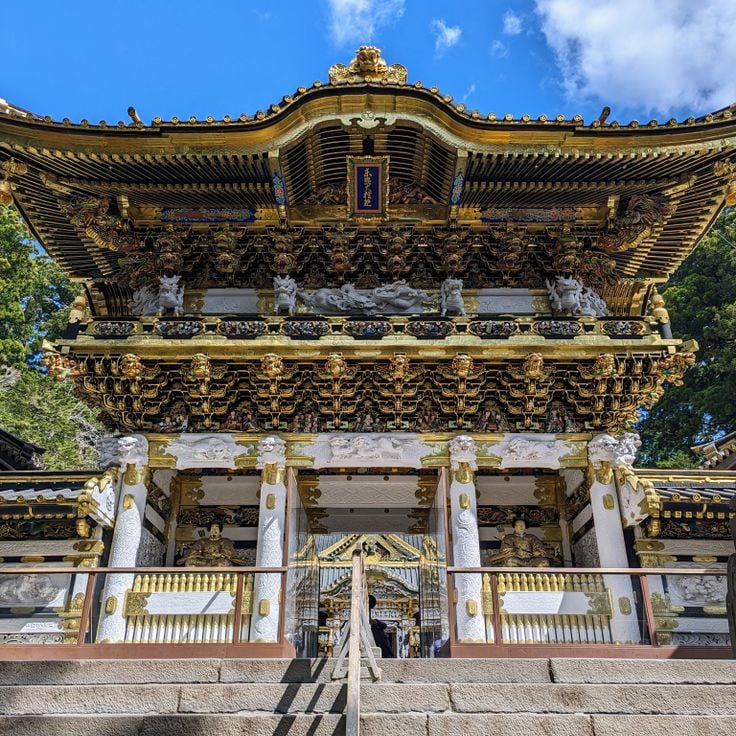
Nikko Toshogu is a large Shinto shrine dedicated to the shogun Tokugawa Ieyasu, built in the early 17th century. It sits among old forests in the mountains near Nikko, north of Tokyo. The buildings are covered in detailed wood carvings and gold leaf, giving the place a rich visual character. Walking through the grounds, you move from one gate to the next, each more ornate than the last. It is one of the most important religious sites in the Kanto region and draws visitors looking to experience Japanese history in a natural setting.
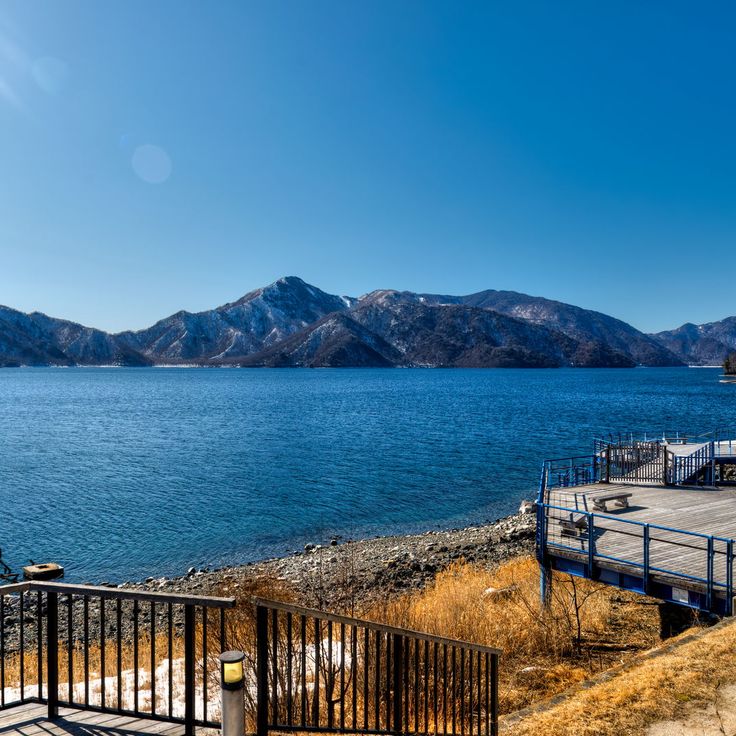
Lake Chuzenji sits in the mountains above Nikko, at about 4,200 feet (1,270 meters) above sea level. It formed long ago when a volcanic eruption blocked a river. The water is deep and dark, surrounded by forested slopes that turn red and gold in autumn. Old temples stand along the shore, and hot springs can be found nearby. The air is cooler up here, and the pace of life slows down noticeably compared to the towns below.
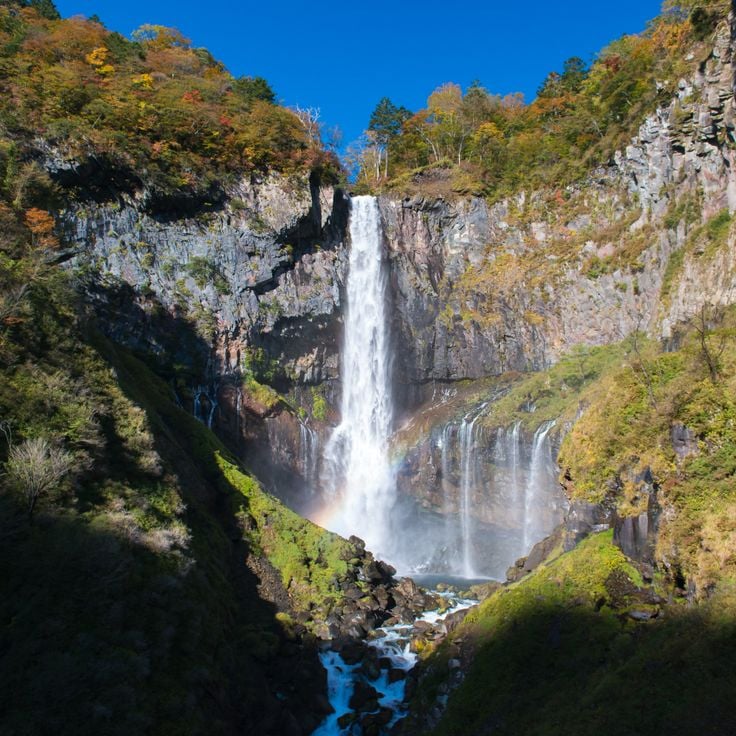
Kegon Falls is one of the most visited natural sites in the Nikko area. The water flows from Lake Chuzenji and drops about 315 feet (97 meters) straight down over a rocky cliff. An elevator takes visitors to an observation deck at the base, where you can feel the spray and hear the roar of the water. The surrounding forest changes color through the seasons, making each visit feel different.
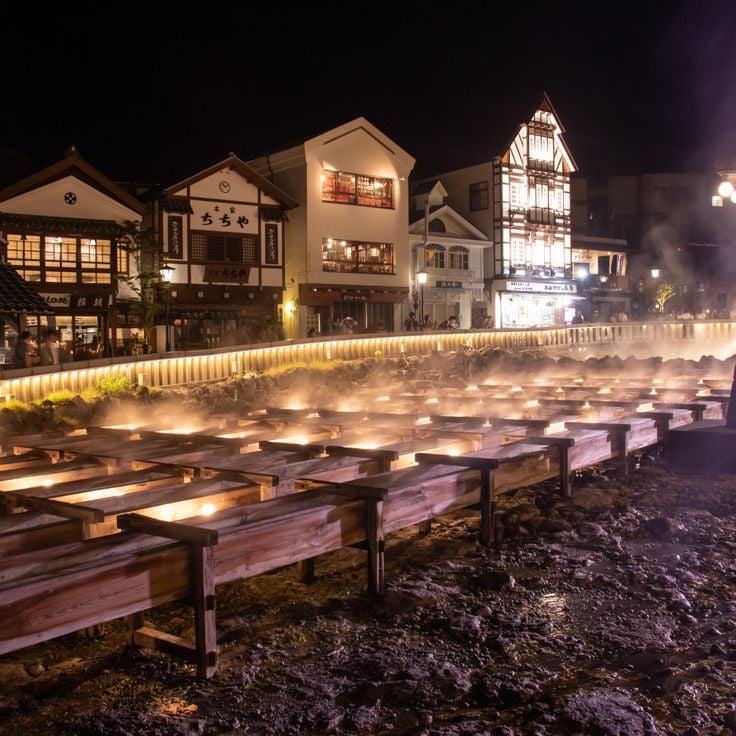
Kusatsu Onsen sits in the mountains of Gunma Prefecture and is one of Japan's most famous hot spring towns. Hot water flows directly from natural springs, and the air carries a faint smell of sulfur. At the center of town is the Yubatake, a wooden structure where the water cools as it flows through channels. Around it, traditional ryokan inns line the lanes, and visitors often wander in yukata robes between baths.
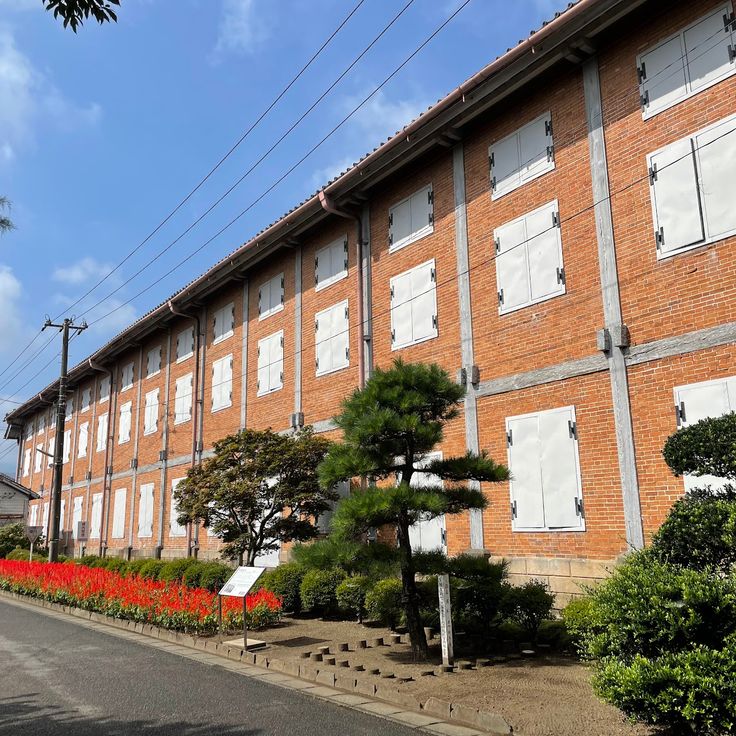
The Tomioka Silk Mill stands in the city of Tomioka, in Gunma Prefecture, north of Tokyo. Built in the 19th century, it was Japan's first modern silk factory and shows how the country adopted Western techniques to develop its textile industry. Today, visitors can walk through the old brick and wood buildings, see the machinery from the Meiji era, and learn about the role silk played in Japan's economic development.
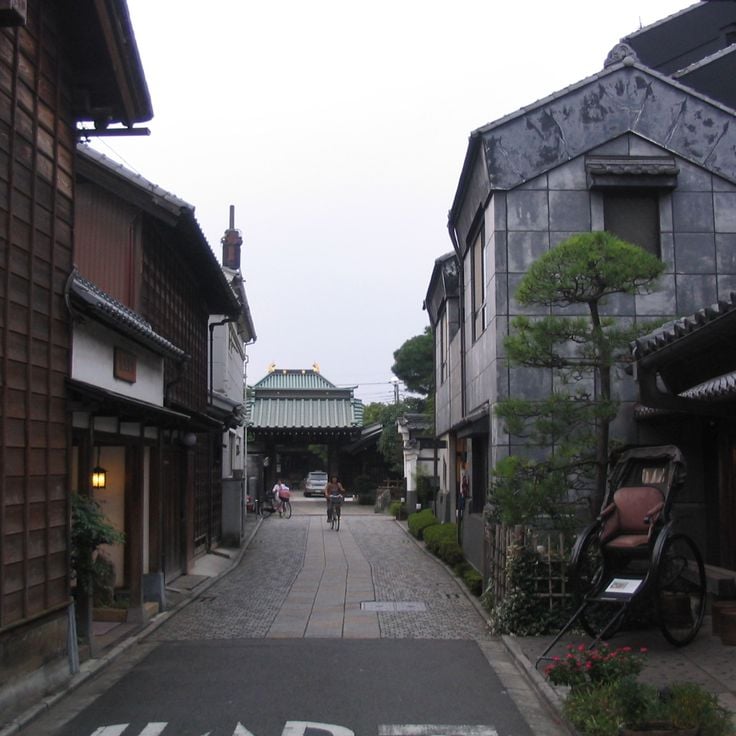
Kawagoe is a small town north of Tokyo, once known as a trading hub. Its historic main street, Kurazukuri-no-Machinami, is lined with old clay storehouses that now house shops and restaurants. Temples, shrines, and traditional buildings give the town a feel that recalls Japan of past centuries.
Chichibu is a small town nestled in the mountains of Saitama Prefecture, about 1 hour by train from central Tokyo. The town sits in a narrow valley surrounded by forested hills. It is home to ancient temples, hot springs, and hiking trails that wind through the countryside. Chichibu is especially known for its pilgrimage route linking 34 temples, which draws walkers throughout the year. It offers a slower pace compared to the capital.
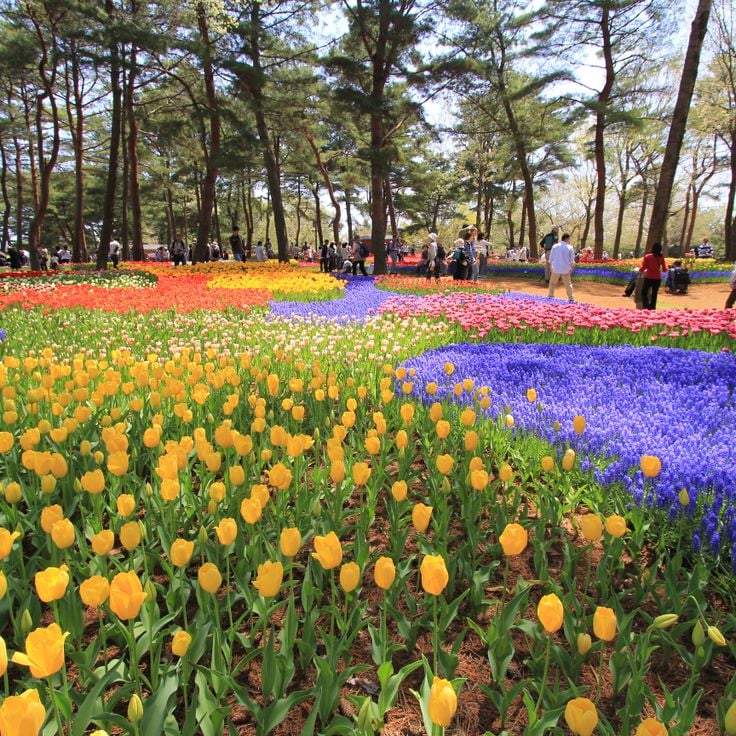
Hitachi Seaside Park sits along the coast of Ibaraki Prefecture, about 2 hours (roughly 120 km) from Tokyo. The park changes with the seasons: in spring, blue nemophila flowers cover the hills, and in autumn, round kochia bushes turn deep red. People come here to walk through open fields, take in the sea views, and follow the rhythm of the year as the landscape shifts from one season to the next.
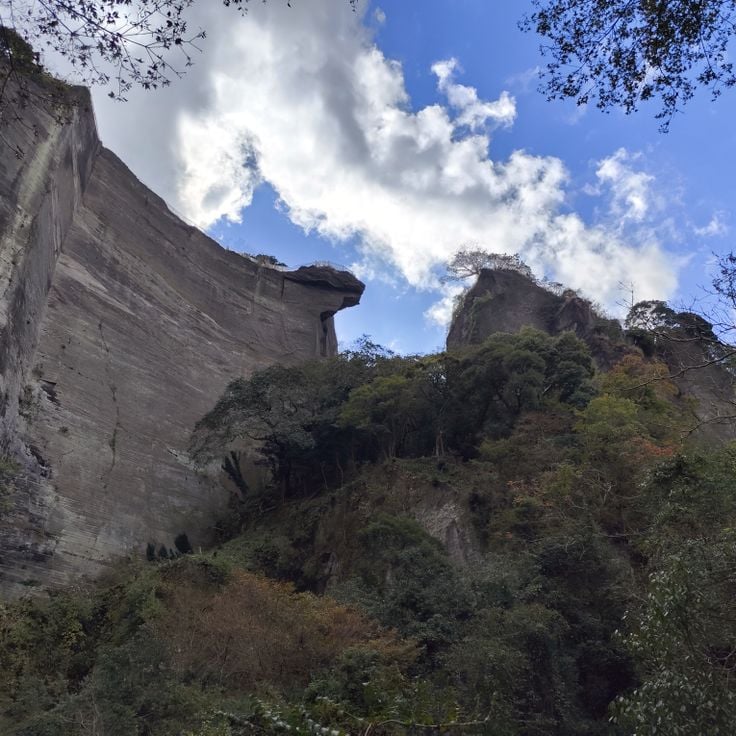
Mount Nokogiri sits on the Boso Peninsula, south of Tokyo, right along the coast. Its name means 'saw' in Japanese, a reference to the sharp, jagged ridgeline that runs across the top. The Nihonji Temple complex sits on the mountain, with a large Buddha figure carved directly into the rock face. From the upper viewpoints, you can see Tokyo Bay stretching out below, and on a clear day, Mount Fuji appears in the distance.
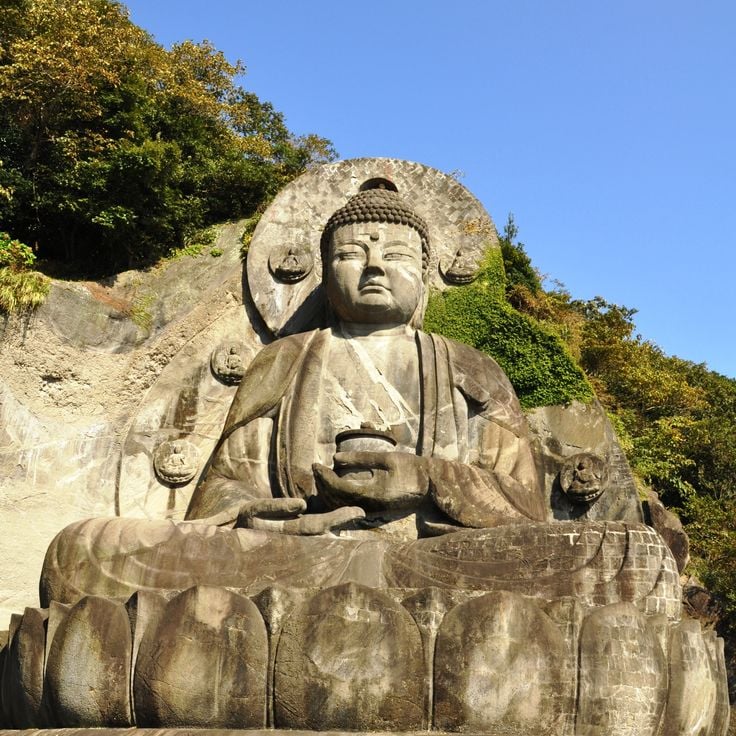
Nihon-ji is a historic temple located on Mount Nokogiri in Chiba Prefecture. The mountain's name means "saw mountain" in Japanese, and the rocky terrain shows why. The temple is known for a large Buddha figure carved directly into the rock face. Scattered along the hillside, other stone figures make the walk through the forest feel like a gradual discovery. It is a good day trip from Tokyo for those who enjoy walking and old religious sites.
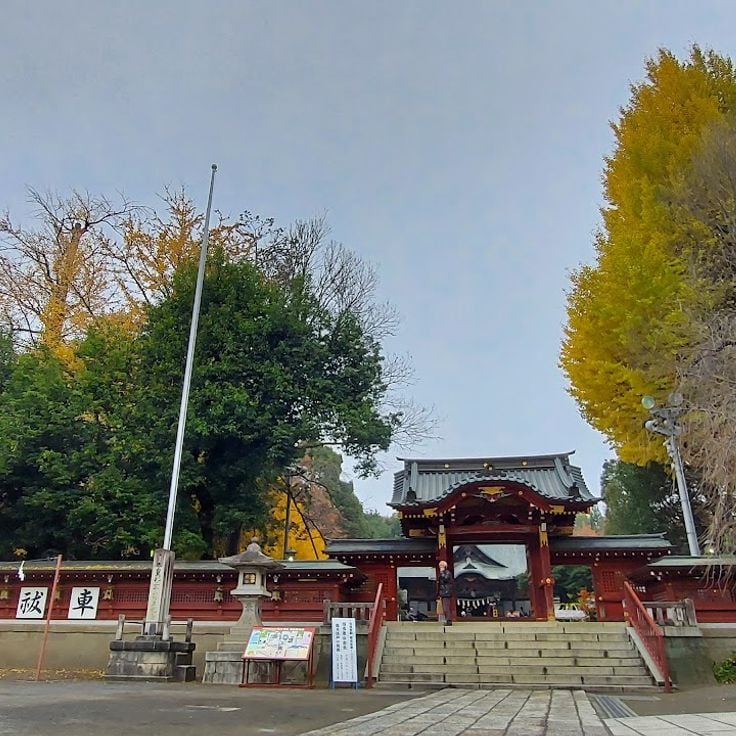
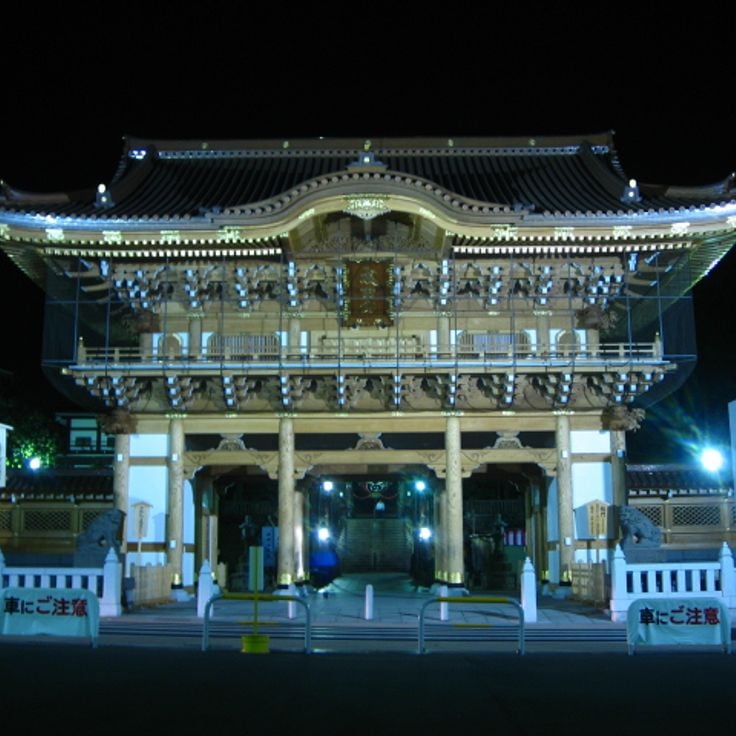
Naritasan Shinsho-ji is a large Buddhist temple in the city of Narita, not far from the international airport. A red pagoda rises on the grounds and can be spotted from a distance. Leading up to the temple entrance is a long shopping street lined with small shops and restaurants. Many travelers stop here before or after visiting Tokyo. The place gives a clear sense of how religious life in Japan remains active today.
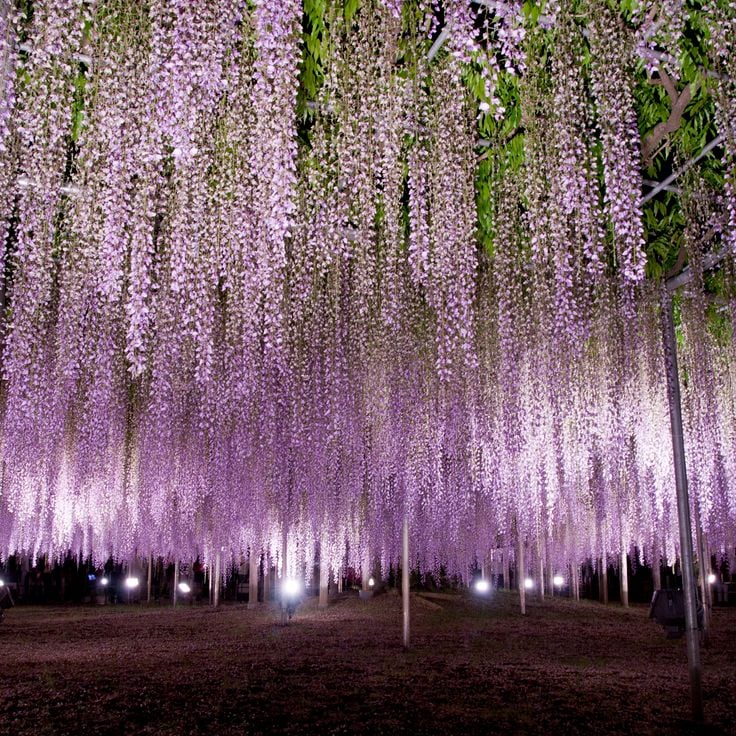
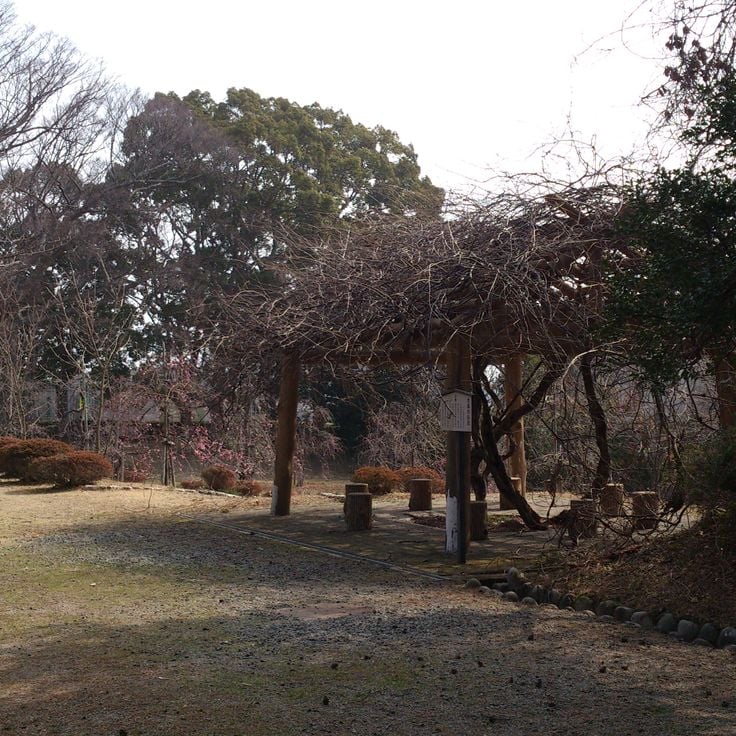
Ashikaga Flower Park is in Tochigi Prefecture, north of Tokyo. In spring, the wisteria plants grow into massive flowering arches that hang over the paths and form long tunnels of purple, pink, and white. People walk slowly through them, stopping to look up and take photos. The park draws visitors from across Japan, especially between April and May.
Senso-ji is the oldest Buddhist temple in Tokyo and sits in the heart of Asakusa. Visitors walk through the large red gate, the Kaminarimon, before heading down Nakamise-dori, a long lane lined with small shops selling snacks and souvenirs. At the end of the lane, the main hall draws people who come to light incense and pray. The temple is busy year-round and shows how religious life and daily culture mix naturally in this part of the city.
Shibuya Crossing is one of the most recognizable intersections in Tokyo. When the lights turn red, all traffic stops at once. When they turn green, people cross from every direction at the same time, filling the street in a matter of seconds. It is a part of everyday life in Tokyo, but the sheer flow of people moving in all directions without bumping into each other makes it worth seeing. Around the crossing, shops, cafes, and large screens add to the energy of the moment.
Meiji-jingu is a Shinto shrine in Shibuya dedicated to Emperor Meiji and his wife. It sits inside a dense forest that feels completely removed from the surrounding city. Walking through the large wooden torii gate, you move along wide gravel paths lined with tall trees. The contrast with the busy streets nearby is immediate. The shrine is a living place of worship, often visited for traditional ceremonies such as weddings and New Year celebrations.
Tokyo Skytree is a broadcasting tower in the Sumida neighborhood, one of the tallest structures in the world. From its observation decks, on a clear day, you can see far across the city, all the way to distant mountains and Tokyo Bay. At the base, there are shops, restaurants, and an aquarium, making it easy to spend half a day here.
Tokyo Tower stands in the Minato district and is one of the most recognized landmarks in the city. Built in the late 1950s, the red-and-white steel structure was inspired by the Eiffel Tower in Paris. Its observation floors offer wide views over the city, and on a clear day you can spot Mount Fuji in the distance, roughly 60 miles (about 100 km) away. At night, the tower lights up and can be seen from many parts of Tokyo.
Shinjuku is one of Tokyo's most active districts, where office towers, department stores, restaurants, and nightlife spots all sit close together. During the day, commuters and visitors fill the streets around the station, one of the busiest in the world. In the evening, the alleys of Kabukicho and the tiny bars of Golden Gai draw crowds looking for a taste of Tokyo after dark.
Harajuku is a neighborhood in the Shibuya district of Tokyo, best known for its youth fashion and street style. The main street, Takeshita Street, is lined with small shops selling colorful clothing, accessories, and sweet snacks. Young people come here to dress boldly and express themselves through their outfits. Just a short walk away, the area around Omotesando feels calmer and more polished, with a very different kind of shopping. Harajuku shows two sides of Tokyo in a single neighborhood.
Akihabara is a neighborhood in Tokyo known for its electronics shops and its manga, anime, and video game culture. Multi-story stores line the streets, selling everything from computer parts to collector figures. The area draws both tech enthusiasts and fans of Japanese pop culture. Colorful posters and neon signs cover the buildings, giving the streets a look unlike anywhere else in the city.
The Imperial Palace in Tokyo sits at the center of the city, surrounded by wide moats and old stone walls. It is the official residence of the Emperor of Japan and his family. Parts of the gardens open to the public on select days of the year. Walking through Chiyoda, visitors notice a sharp contrast between this green space and the office towers that surround it.
Mount Takao sits on the western edge of Tokyo, in the city of Hachioji, and is reachable by train in under an hour. The mountain is covered with trails of varying lengths that wind through forested slopes and lead to an old temple at the top. On clear days, the view stretches all the way to Mount Fuji. Many Tokyo residents come here on weekends to walk, breathe fresh air, and step away from the city.
The Great Buddha of Kamakura is a large bronze statue of the seated Buddha dating from the 13th century. It stands outdoors on the grounds of Kotoku-in temple, surrounded by wooded hills. Visitors can walk around the statue and even step inside it. Standing about 44 feet (13 meters) tall, it is one of the most recognizable sights in Japan.
Hase-dera is a Buddhist temple set on a hillside in Kamakura, about an hour south of Tokyo by train. It houses a tall wooden statue of the goddess Kannon, carved from a single camphor tree. From the upper terrace, you can see the rooftops of Kamakura and the waters of Sagami Bay. The gardens change with the seasons, drawing visitors who come to see the hydrangeas in summer. The temple grounds are also dotted with small stone figures, left by families as offerings.
Enoshima is a small island off the coast of Kanagawa, connected to the mainland by a long bridge. Once across, a narrow street climbs uphill through shops selling local snacks and souvenirs, leading to a Shinto shrine dedicated to the sea. On the far side of the island, sea caves open onto the Pacific, and from the higher points, Mount Fuji is visible on clear days.
Yokohama Minato Mirai is a waterfront district in Yokohama, just south of Tokyo. Tall buildings stand alongside museums and open green spaces along the bay. You can walk by the water, take in views of the harbor, and spend time in the many shops and restaurants nearby. The area gives a good sense of how a Japanese port city reinvented itself while keeping ties to its maritime past.
Yokohama Chinatown is Japan's largest Chinese neighborhood, just a short train ride from central Tokyo. Its narrow streets are lined with restaurants, food stalls, and shops selling Chinese goods. You can try steamed dumplings, roasted meat, and sweet sesame balls as you walk around. The Kantei-byo Temple, dedicated to the god Guan Yu, offers a moment of calm at the heart of the area. The neighborhood is busy throughout the day and draws both locals and visitors from across the country.
Lake Ashi sits in the mountains of Hakone, about 60 miles (95 km) southwest of Tokyo. On clear days, the cone of Mount Fuji rises above the tree line across the water. Tourist boats shaped like old sailing ships cross the lake regularly, giving visitors a view of the forested slopes around them. The shoreline is quiet and easy to walk, with a few shrines and small piers along the way.
Owakudani is an active volcanic area in Hakone, best seen from the ropeway that crosses above it. The ground steams, and the smell of sulfur hangs in the air. You can see boiling water rising from the rocks below. On a clear day, Mount Fuji appears in the distance. The area is famous for its black eggs, hard-boiled in the hot spring water, which locals and visitors buy at the summit.
Nikko Toshogu is a large Shinto shrine dedicated to the shogun Tokugawa Ieyasu, built in the early 17th century. It sits among old forests in the mountains near Nikko, north of Tokyo. The buildings are covered in detailed wood carvings and gold leaf, giving the place a rich visual character. Walking through the grounds, you move from one gate to the next, each more ornate than the last. It is one of the most important religious sites in the Kanto region and draws visitors looking to experience Japanese history in a natural setting.
Lake Chuzenji sits in the mountains above Nikko, at about 4,200 feet (1,270 meters) above sea level. It formed long ago when a volcanic eruption blocked a river. The water is deep and dark, surrounded by forested slopes that turn red and gold in autumn. Old temples stand along the shore, and hot springs can be found nearby. The air is cooler up here, and the pace of life slows down noticeably compared to the towns below.
Kegon Falls is one of the most visited natural sites in the Nikko area. The water flows from Lake Chuzenji and drops about 315 feet (97 meters) straight down over a rocky cliff. An elevator takes visitors to an observation deck at the base, where you can feel the spray and hear the roar of the water. The surrounding forest changes color through the seasons, making each visit feel different.
Kusatsu Onsen sits in the mountains of Gunma Prefecture and is one of Japan's most famous hot spring towns. Hot water flows directly from natural springs, and the air carries a faint smell of sulfur. At the center of town is the Yubatake, a wooden structure where the water cools as it flows through channels. Around it, traditional ryokan inns line the lanes, and visitors often wander in yukata robes between baths.
The Tomioka Silk Mill stands in the city of Tomioka, in Gunma Prefecture, north of Tokyo. Built in the 19th century, it was Japan's first modern silk factory and shows how the country adopted Western techniques to develop its textile industry. Today, visitors can walk through the old brick and wood buildings, see the machinery from the Meiji era, and learn about the role silk played in Japan's economic development.
Kawagoe is a small town north of Tokyo, once known as a trading hub. Its historic main street, Kurazukuri-no-Machinami, is lined with old clay storehouses that now house shops and restaurants. Temples, shrines, and traditional buildings give the town a feel that recalls Japan of past centuries.
Chichibu is a small town nestled in the mountains of Saitama Prefecture, about 1 hour by train from central Tokyo. The town sits in a narrow valley surrounded by forested hills. It is home to ancient temples, hot springs, and hiking trails that wind through the countryside. Chichibu is especially known for its pilgrimage route linking 34 temples, which draws walkers throughout the year. It offers a slower pace compared to the capital.
Hitachi Seaside Park sits along the coast of Ibaraki Prefecture, about 2 hours (roughly 120 km) from Tokyo. The park changes with the seasons: in spring, blue nemophila flowers cover the hills, and in autumn, round kochia bushes turn deep red. People come here to walk through open fields, take in the sea views, and follow the rhythm of the year as the landscape shifts from one season to the next.
Mount Nokogiri sits on the Boso Peninsula, south of Tokyo, right along the coast. Its name means 'saw' in Japanese, a reference to the sharp, jagged ridgeline that runs across the top. The Nihonji Temple complex sits on the mountain, with a large Buddha figure carved directly into the rock face. From the upper viewpoints, you can see Tokyo Bay stretching out below, and on a clear day, Mount Fuji appears in the distance.
Nihon-ji is a historic temple located on Mount Nokogiri in Chiba Prefecture. The mountain's name means "saw mountain" in Japanese, and the rocky terrain shows why. The temple is known for a large Buddha figure carved directly into the rock face. Scattered along the hillside, other stone figures make the walk through the forest feel like a gradual discovery. It is a good day trip from Tokyo for those who enjoy walking and old religious sites.
Naritasan Shinsho-ji is a large Buddhist temple in the city of Narita, not far from the international airport. A red pagoda rises on the grounds and can be spotted from a distance. Leading up to the temple entrance is a long shopping street lined with small shops and restaurants. Many travelers stop here before or after visiting Tokyo. The place gives a clear sense of how religious life in Japan remains active today.
Ashikaga Flower Park is in Tochigi Prefecture, north of Tokyo. In spring, the wisteria plants grow into massive flowering arches that hang over the paths and form long tunnels of purple, pink, and white. People walk slowly through them, stopping to look up and take photos. The park draws visitors from across Japan, especially between April and May.
Senso-ji is the oldest Buddhist temple in Tokyo and sits in the heart of Asakusa. Visitors walk through the large red gate, the Kaminarimon, before heading down Nakamise-dori, a long lane lined with small shops selling snacks and souvenirs. At the end of the lane, the main hall draws people who come to light incense and pray. The temple is busy year-round and shows how religious life and daily culture mix naturally in this part of the city.
Shibuya Crossing is one of the most recognizable intersections in Tokyo. When the lights turn red, all traffic stops at once. When they turn green, people cross from every direction at the same time, filling the street in a matter of seconds. It is a part of everyday life in Tokyo, but the sheer flow of people moving in all directions without bumping into each other makes it worth seeing. Around the crossing, shops, cafes, and large screens add to the energy of the moment.
Meiji-jingu is a Shinto shrine in Shibuya dedicated to Emperor Meiji and his wife. It sits inside a dense forest that feels completely removed from the surrounding city. Walking through the large wooden torii gate, you move along wide gravel paths lined with tall trees. The contrast with the busy streets nearby is immediate. The shrine is a living place of worship, often visited for traditional ceremonies such as weddings and New Year celebrations.
Tokyo Skytree is a broadcasting tower in the Sumida neighborhood, one of the tallest structures in the world. From its observation decks, on a clear day, you can see far across the city, all the way to distant mountains and Tokyo Bay. At the base, there are shops, restaurants, and an aquarium, making it easy to spend half a day here.
Tokyo Tower stands in the Minato district and is one of the most recognized landmarks in the city. Built in the late 1950s, the red-and-white steel structure was inspired by the Eiffel Tower in Paris. Its observation floors offer wide views over the city, and on a clear day you can spot Mount Fuji in the distance, roughly 60 miles (about 100 km) away. At night, the tower lights up and can be seen from many parts of Tokyo.
Shinjuku is one of Tokyo's most active districts, where office towers, department stores, restaurants, and nightlife spots all sit close together. During the day, commuters and visitors fill the streets around the station, one of the busiest in the world. In the evening, the alleys of Kabukicho and the tiny bars of Golden Gai draw crowds looking for a taste of Tokyo after dark.
Harajuku is a neighborhood in the Shibuya district of Tokyo, best known for its youth fashion and street style. The main street, Takeshita Street, is lined with small shops selling colorful clothing, accessories, and sweet snacks. Young people come here to dress boldly and express themselves through their outfits. Just a short walk away, the area around Omotesando feels calmer and more polished, with a very different kind of shopping. Harajuku shows two sides of Tokyo in a single neighborhood.
Akihabara is a neighborhood in Tokyo known for its electronics shops and its manga, anime, and video game culture. Multi-story stores line the streets, selling everything from computer parts to collector figures. The area draws both tech enthusiasts and fans of Japanese pop culture. Colorful posters and neon signs cover the buildings, giving the streets a look unlike anywhere else in the city.
The Imperial Palace in Tokyo sits at the center of the city, surrounded by wide moats and old stone walls. It is the official residence of the Emperor of Japan and his family. Parts of the gardens open to the public on select days of the year. Walking through Chiyoda, visitors notice a sharp contrast between this green space and the office towers that surround it.
Mount Takao sits on the western edge of Tokyo, in the city of Hachioji, and is reachable by train in under an hour. The mountain is covered with trails of varying lengths that wind through forested slopes and lead to an old temple at the top. On clear days, the view stretches all the way to Mount Fuji. Many Tokyo residents come here on weekends to walk, breathe fresh air, and step away from the city.
The Great Buddha of Kamakura is a large bronze statue of the seated Buddha dating from the 13th century. It stands outdoors on the grounds of Kotoku-in temple, surrounded by wooded hills. Visitors can walk around the statue and even step inside it. Standing about 44 feet (13 meters) tall, it is one of the most recognizable sights in Japan.
Hase-dera is a Buddhist temple set on a hillside in Kamakura, about an hour south of Tokyo by train. It houses a tall wooden statue of the goddess Kannon, carved from a single camphor tree. From the upper terrace, you can see the rooftops of Kamakura and the waters of Sagami Bay. The gardens change with the seasons, drawing visitors who come to see the hydrangeas in summer. The temple grounds are also dotted with small stone figures, left by families as offerings.
Enoshima is a small island off the coast of Kanagawa, connected to the mainland by a long bridge. Once across, a narrow street climbs uphill through shops selling local snacks and souvenirs, leading to a Shinto shrine dedicated to the sea. On the far side of the island, sea caves open onto the Pacific, and from the higher points, Mount Fuji is visible on clear days.
Yokohama Minato Mirai is a waterfront district in Yokohama, just south of Tokyo. Tall buildings stand alongside museums and open green spaces along the bay. You can walk by the water, take in views of the harbor, and spend time in the many shops and restaurants nearby. The area gives a good sense of how a Japanese port city reinvented itself while keeping ties to its maritime past.
Yokohama Chinatown is Japan's largest Chinese neighborhood, just a short train ride from central Tokyo. Its narrow streets are lined with restaurants, food stalls, and shops selling Chinese goods. You can try steamed dumplings, roasted meat, and sweet sesame balls as you walk around. The Kantei-byo Temple, dedicated to the god Guan Yu, offers a moment of calm at the heart of the area. The neighborhood is busy throughout the day and draws both locals and visitors from across the country.
Lake Ashi sits in the mountains of Hakone, about 60 miles (95 km) southwest of Tokyo. On clear days, the cone of Mount Fuji rises above the tree line across the water. Tourist boats shaped like old sailing ships cross the lake regularly, giving visitors a view of the forested slopes around them. The shoreline is quiet and easy to walk, with a few shrines and small piers along the way.
Owakudani is an active volcanic area in Hakone, best seen from the ropeway that crosses above it. The ground steams, and the smell of sulfur hangs in the air. You can see boiling water rising from the rocks below. On a clear day, Mount Fuji appears in the distance. The area is famous for its black eggs, hard-boiled in the hot spring water, which locals and visitors buy at the summit.
Nikko Toshogu is a large Shinto shrine dedicated to the shogun Tokugawa Ieyasu, built in the early 17th century. It sits among old forests in the mountains near Nikko, north of Tokyo. The buildings are covered in detailed wood carvings and gold leaf, giving the place a rich visual character. Walking through the grounds, you move from one gate to the next, each more ornate than the last. It is one of the most important religious sites in the Kanto region and draws visitors looking to experience Japanese history in a natural setting.
Lake Chuzenji sits in the mountains above Nikko, at about 4,200 feet (1,270 meters) above sea level. It formed long ago when a volcanic eruption blocked a river. The water is deep and dark, surrounded by forested slopes that turn red and gold in autumn. Old temples stand along the shore, and hot springs can be found nearby. The air is cooler up here, and the pace of life slows down noticeably compared to the towns below.
Kegon Falls is one of the most visited natural sites in the Nikko area. The water flows from Lake Chuzenji and drops about 315 feet (97 meters) straight down over a rocky cliff. An elevator takes visitors to an observation deck at the base, where you can feel the spray and hear the roar of the water. The surrounding forest changes color through the seasons, making each visit feel different.
Kusatsu Onsen sits in the mountains of Gunma Prefecture and is one of Japan's most famous hot spring towns. Hot water flows directly from natural springs, and the air carries a faint smell of sulfur. At the center of town is the Yubatake, a wooden structure where the water cools as it flows through channels. Around it, traditional ryokan inns line the lanes, and visitors often wander in yukata robes between baths.
The Tomioka Silk Mill stands in the city of Tomioka, in Gunma Prefecture, north of Tokyo. Built in the 19th century, it was Japan's first modern silk factory and shows how the country adopted Western techniques to develop its textile industry. Today, visitors can walk through the old brick and wood buildings, see the machinery from the Meiji era, and learn about the role silk played in Japan's economic development.
Kawagoe is a small town north of Tokyo, once known as a trading hub. Its historic main street, Kurazukuri-no-Machinami, is lined with old clay storehouses that now house shops and restaurants. Temples, shrines, and traditional buildings give the town a feel that recalls Japan of past centuries.
Chichibu is a small town nestled in the mountains of Saitama Prefecture, about 1 hour by train from central Tokyo. The town sits in a narrow valley surrounded by forested hills. It is home to ancient temples, hot springs, and hiking trails that wind through the countryside. Chichibu is especially known for its pilgrimage route linking 34 temples, which draws walkers throughout the year. It offers a slower pace compared to the capital.
Hitachi Seaside Park sits along the coast of Ibaraki Prefecture, about 2 hours (roughly 120 km) from Tokyo. The park changes with the seasons: in spring, blue nemophila flowers cover the hills, and in autumn, round kochia bushes turn deep red. People come here to walk through open fields, take in the sea views, and follow the rhythm of the year as the landscape shifts from one season to the next.
Mount Nokogiri sits on the Boso Peninsula, south of Tokyo, right along the coast. Its name means 'saw' in Japanese, a reference to the sharp, jagged ridgeline that runs across the top. The Nihonji Temple complex sits on the mountain, with a large Buddha figure carved directly into the rock face. From the upper viewpoints, you can see Tokyo Bay stretching out below, and on a clear day, Mount Fuji appears in the distance.
Nihon-ji is a historic temple located on Mount Nokogiri in Chiba Prefecture. The mountain's name means "saw mountain" in Japanese, and the rocky terrain shows why. The temple is known for a large Buddha figure carved directly into the rock face. Scattered along the hillside, other stone figures make the walk through the forest feel like a gradual discovery. It is a good day trip from Tokyo for those who enjoy walking and old religious sites.
Naritasan Shinsho-ji is a large Buddhist temple in the city of Narita, not far from the international airport. A red pagoda rises on the grounds and can be spotted from a distance. Leading up to the temple entrance is a long shopping street lined with small shops and restaurants. Many travelers stop here before or after visiting Tokyo. The place gives a clear sense of how religious life in Japan remains active today.
Ashikaga Flower Park is in Tochigi Prefecture, north of Tokyo. In spring, the wisteria plants grow into massive flowering arches that hang over the paths and form long tunnels of purple, pink, and white. People walk slowly through them, stopping to look up and take photos. The park draws visitors from across Japan, especially between April and May.
The Kanto region deserves more than a quick visit. If you have a few days, stay several nights in different places: one night in Tokyo, one in Kamakura, one in Hakone. Each place tells a different story of Japan.