See the monuments around you in AROpen chests in the app
Around Us is built for your phone — point your camera at the streets and discover the monuments and places around you in augmented reality.Around Us is built for your phone — chests unlock when you walk, explore and capture nearby places.
California's beaches stretch from the southern coast to the northern shores, each with its own character. Santa Monica features a historic pier and boardwalk, while Venice Beach buzzes with artists and street performers. Laguna Beach impresses with its cliffs and hidden coves, and Pfeiffer Beach stands out with dark volcanic sand. The coastline varies greatly from one place to the next.
You'll find everything from busy urban beaches with piers and restaurants to wilder stretches with rock formations and protected marine areas. Malibu has secluded coves tucked between cliffs, Big Sur offers raw, rugged landscapes, and the northern coast near San Francisco brings bigger waves and local wildlife. Southern spots like San Diego and Coronado feature wide, sunny sandy beaches that feel more welcoming and open.
Whether you want to swim, surf, or simply walk along the water, these beaches offer something for everyone. Some buzz with activity and people, while others feel remote and untouched. Each place has its own feel and its own appeal.
California's beaches stretch from the southern coast to the northern shores, each with its own character. Santa Monica features a historic pier and boardwalk, while Venice Beach buzzes with artists and street performers. Laguna Beach impresses with its cliffs and hidden coves, and Pfeiffer Beach stands out with dark volcanic sand. The coastline varies greatly from one place to the next.
You'll find everything from busy urban beaches with piers and restaurants to wilder stretches with rock formations and protected marine areas. Malibu has secluded coves tucked between cliffs, Big Sur offers raw, rugged landscapes, and the northern coast near San Francisco brings bigger waves and local wildlife. Southern spots like San Diego and Coronado feature wide, sunny sandy beaches that feel more welcoming and open.
Whether you want to swim, surf, or simply walk along the water, these beaches offer something for everyone. Some buzz with activity and people, while others feel remote and untouched. Each place has its own feel and its own appeal.
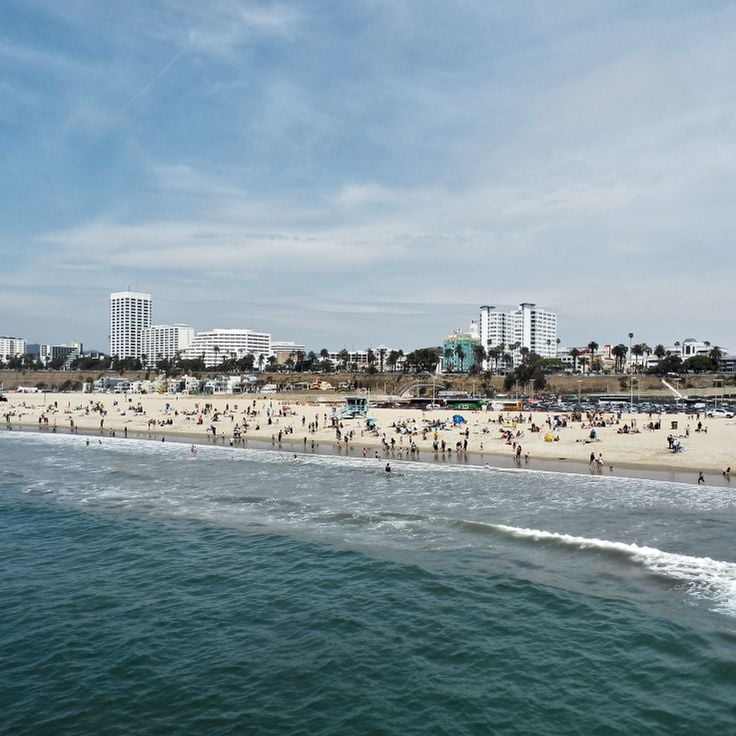
Santa Monica State Beach is a wide stretch of sand in Los Angeles and a gathering place for people seeking sun and sea activities. The beach features a famous pier extending into the water, filled with amusement rides, restaurants, and shops. On the sand itself, visitors can swim, play beach volleyball, or fish. The shoreline is open and inviting, drawing crowds year-round who come to relax by the water and enjoy the California coast as part of their stay in the area.
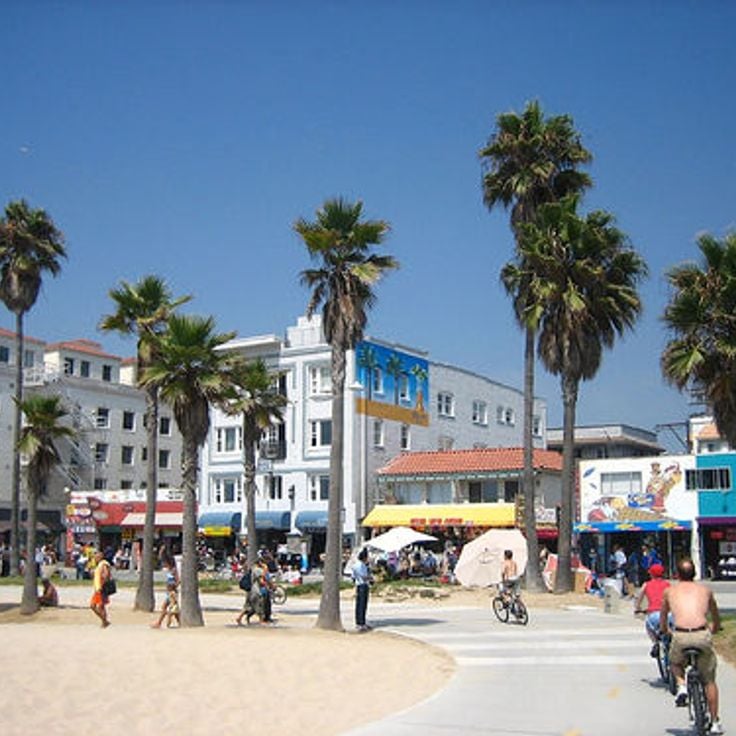
Venice Beach in Los Angeles is a busy coastal strip where street performers and artists entertain, vendors sell their goods, and Muscle Beach at the water's edge offers visitors a unique fitness experience on white sand. This beach fits into California's coastline, which ranges from developed urban beaches to natural areas with rock formations and protected marine zones for water sports and wildlife watching.
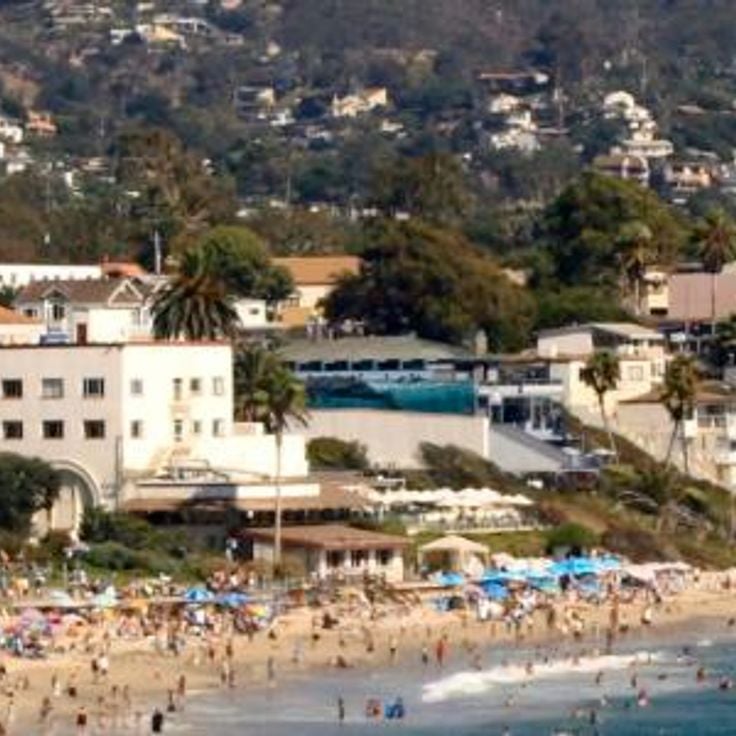
Laguna Beach stretches along a coastline with about 30 different beaches and coves. The water here is clear and cool, with rock formations defining the landscape. Tide pools invite exploration, and paths run along the bluffs. The location attracts visitors who value nature and ocean life. Compared to the busier beaches further north, it feels more secluded and less developed.
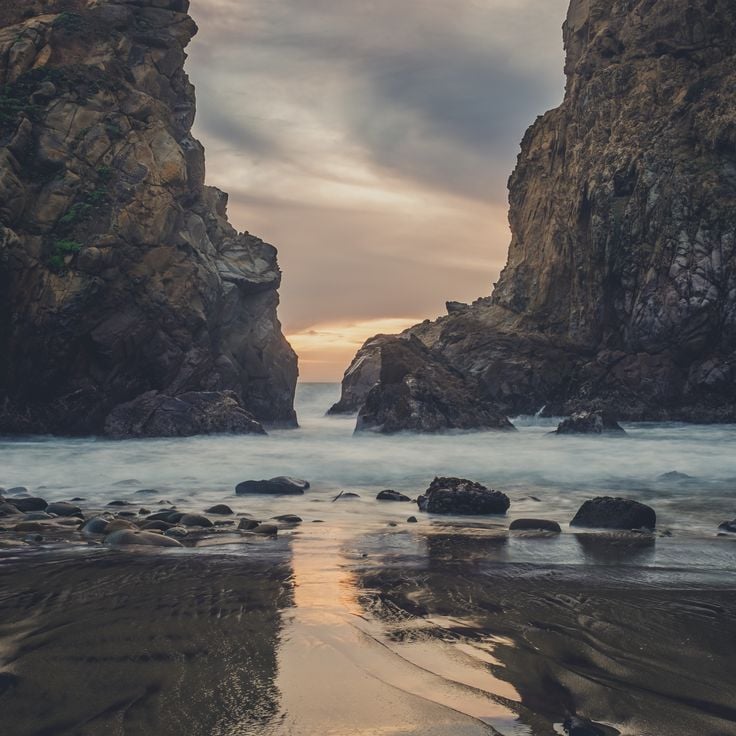
Pfeiffer Beach in Big Sur displays sand with a violet hue created by mineral deposits, along with granite rock formations rising from the water, including the distinctive Keyhole Rock. This beach fits within California's range of coastal experiences, from urban developed shores to wild natural areas. The colored sand and towering rock formations make this a distinctive stop along the California coast.
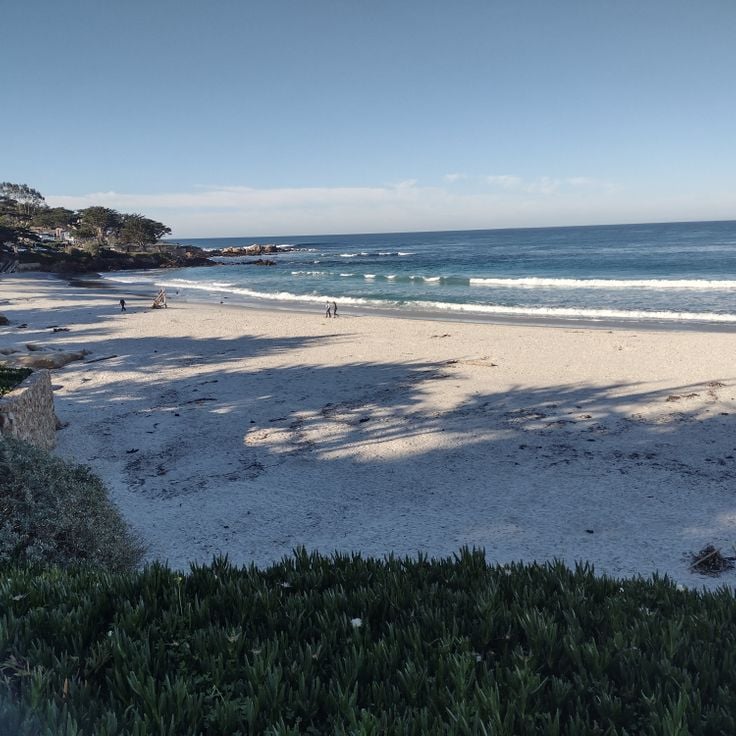
Carmel Beach is a wide sandy shore lined with cypress trees and marked by rocky outcrops. This beach sits alongside residential neighborhoods and golf courses, offering visitors a relaxed setting for walking and enjoying the California coastline.
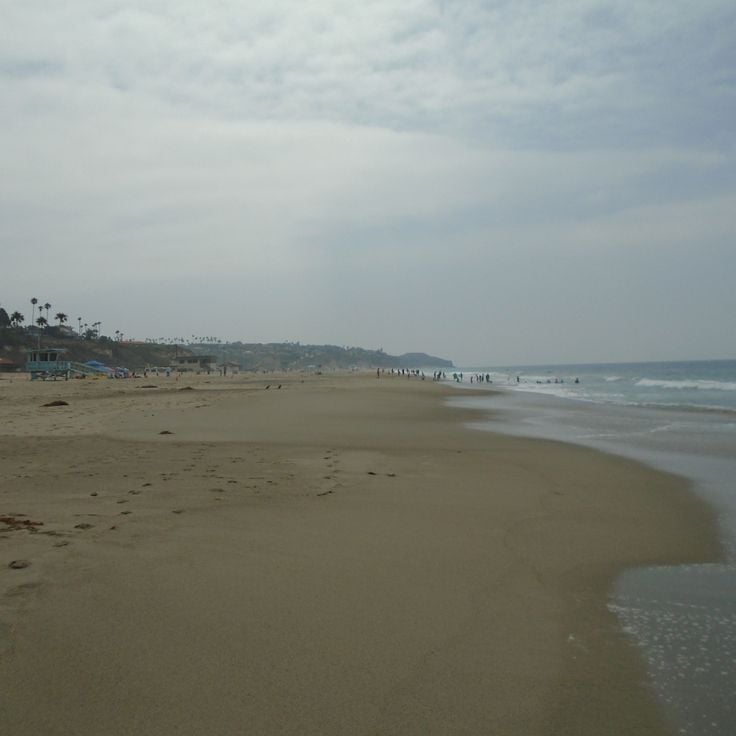
Zuma Beach in Malibu is a long sandy shore that draws swimmers and bodyboard enthusiasts. The beach has lifeguard towers, restrooms, showers, and parking areas. In summer, it becomes a popular spot for water sports fans who come for the waves. The beach is well-equipped and easy to access.
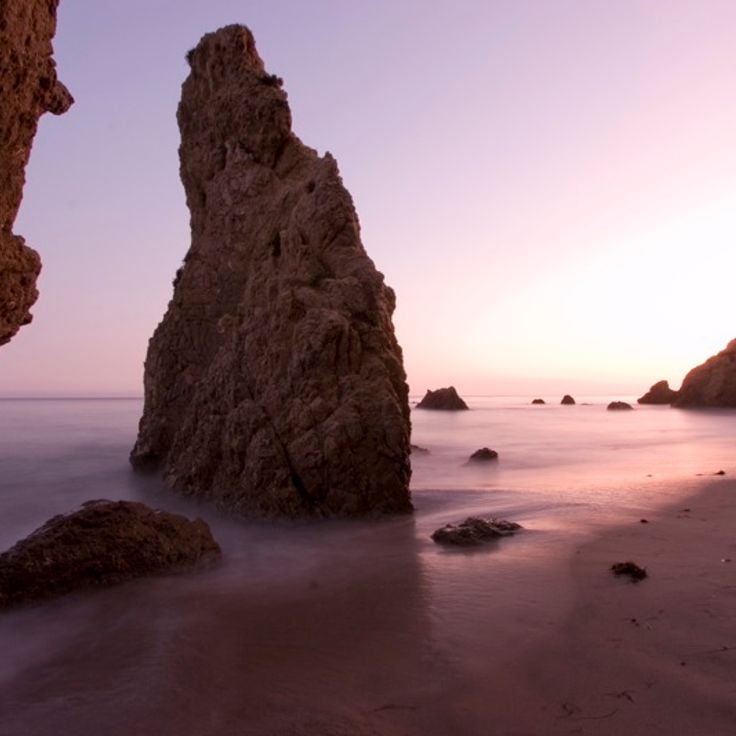
El Matador State Beach near Malibu is a small cove featuring sea caves, natural rock arches, and formations rising from the water. Getting there means descending a steep staircase from the parking area to the sand below. This beach fits into California's diverse coastline, which ranges from developed urban shores to natural areas with dramatic rock formations.
Huntington State Beach is a long stretch of sand in California known for its reliable waves that attract surfers from all over. The beach has fire pits where you can have a barbecue, volleyball nets for games, and a paved path perfect for biking. Whether you want to catch waves, play in the sand, or simply enjoy a day by the water, this beach offers something for everyone.
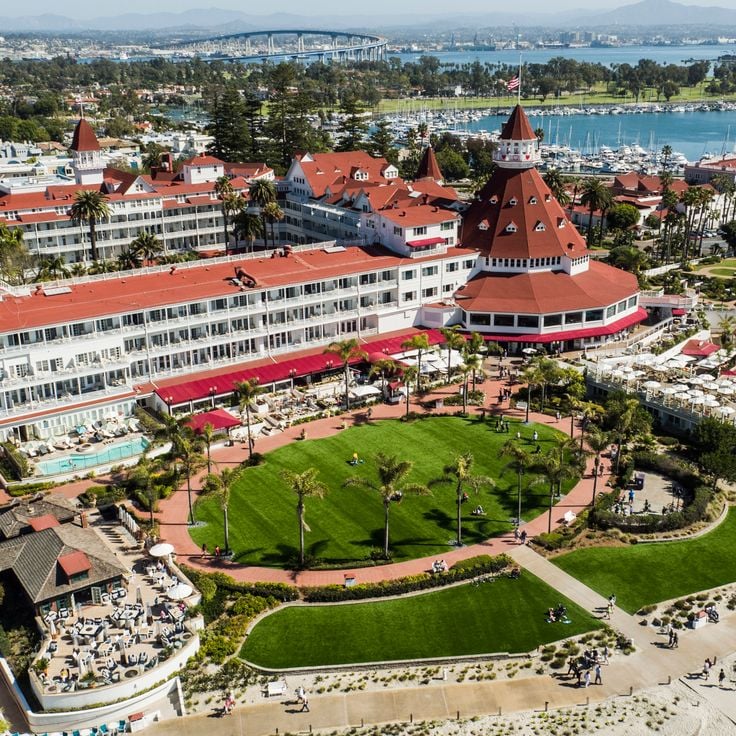
Coronado Beach is a wide sandy shore with a mineral sheen that catches the light. The flat terrain makes it suitable for swimming and surfing. This beach is part of California's coastal landscape, which ranges from urban shores to natural rock formations and protected marine areas.
Half Moon Bay extends across several kilometers of protected coastline with gray sand beaches. This place attracts surfers seeking good waves and visitors watching for migrating whales during the winter season. The bay reflects the natural character of California's diverse shores, offering both recreational opportunities and chances to observe marine life.
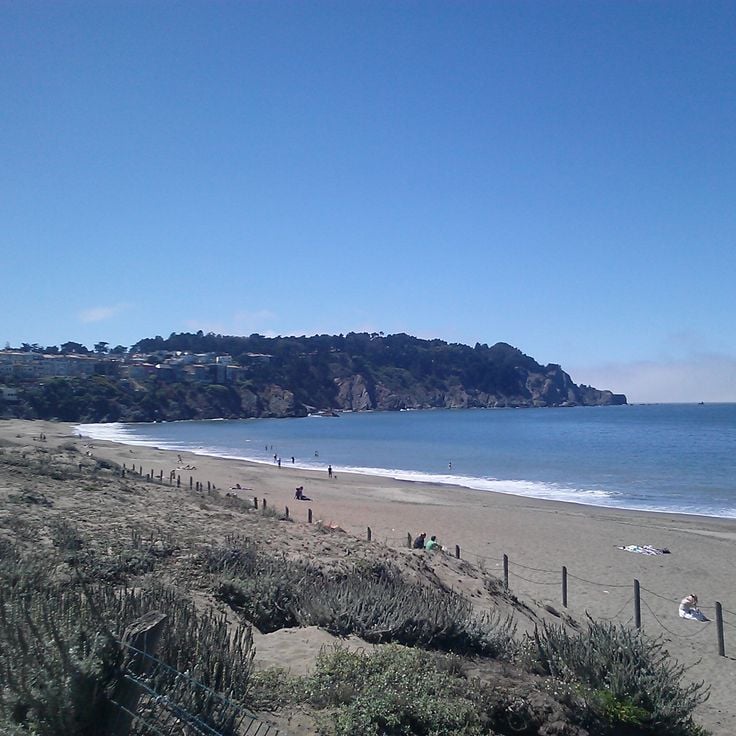
Baker Beach is a sandy shore at the foot of granite cliffs near the Presidio, offering views of the Golden Gate Bridge. The northern section is popular with visitors who prefer to sunbathe without clothing. This beach represents the natural side of California's coastline, where rocky formations meet open water and the landscape feels far from the city bustle.
Moonstone Beach near Cambria is bordered by small pebbles that line the shoreline. Pine forests frame this beach and create a natural backdrop. At low tide, rocky pools form where starfish, sea urchins, and other marine creatures live. The water is cool and inviting for visitors who want to explore the coast.
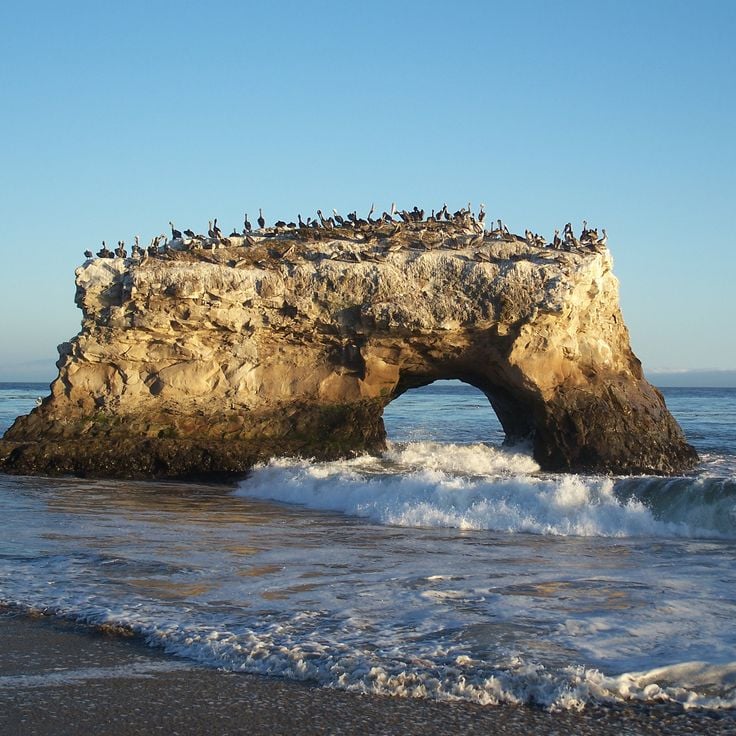
The Natural Bridges Beach in Santa Cruz is a place where rock and ocean meet dramatically. Three stone arches stand in the water, carved by centuries of waves. Seals and sea otters swim in the waters below, while monarch butterflies gather here by the thousands each winter. This beach shows you the wild side of California's coast, where you can watch animals in their natural home.
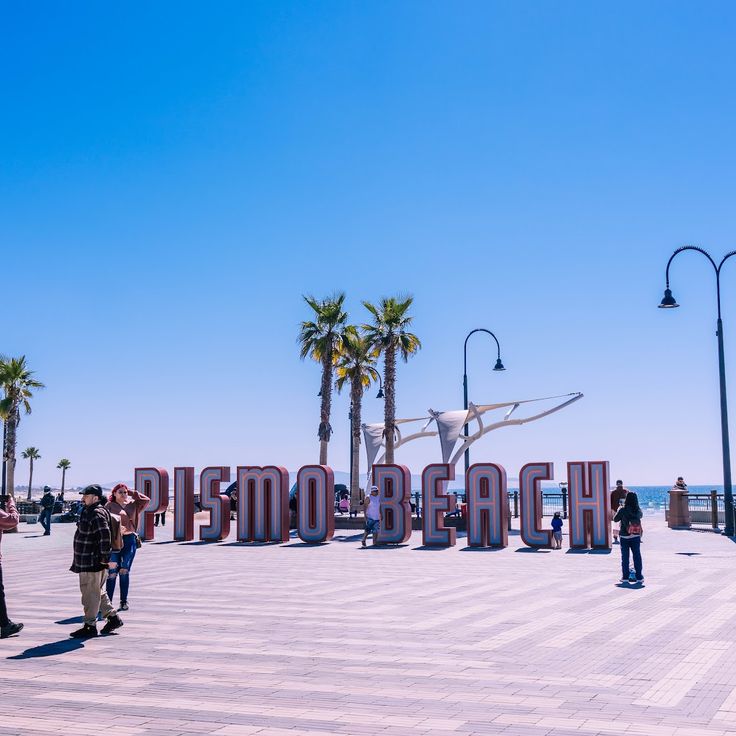
Pismo Beach stretches along California's central coast and offers soft sand dunes, a long pier for fishing, and opportunities to collect shells. This beach fits perfectly into the diversity of the California coastline, ranging from urban beaches to natural areas with rock formations.
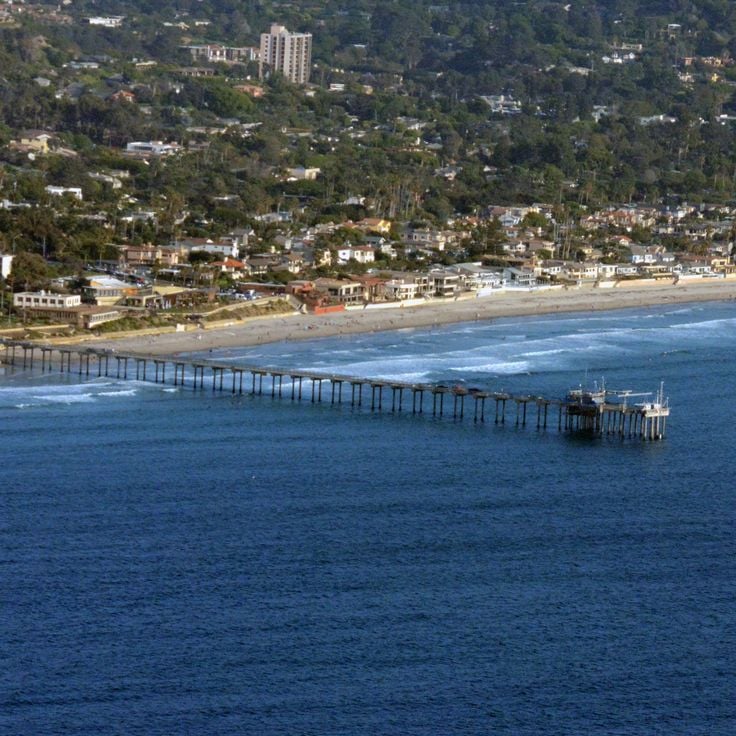
La Jolla Shores stretches for about a mile and offers gentle waves perfect for beginning surfers. The adjacent underwater park with two artificial reefs attracts marine life year-round, making this beach a favorite spot for snorkelers and divers exploring California's protected waters.
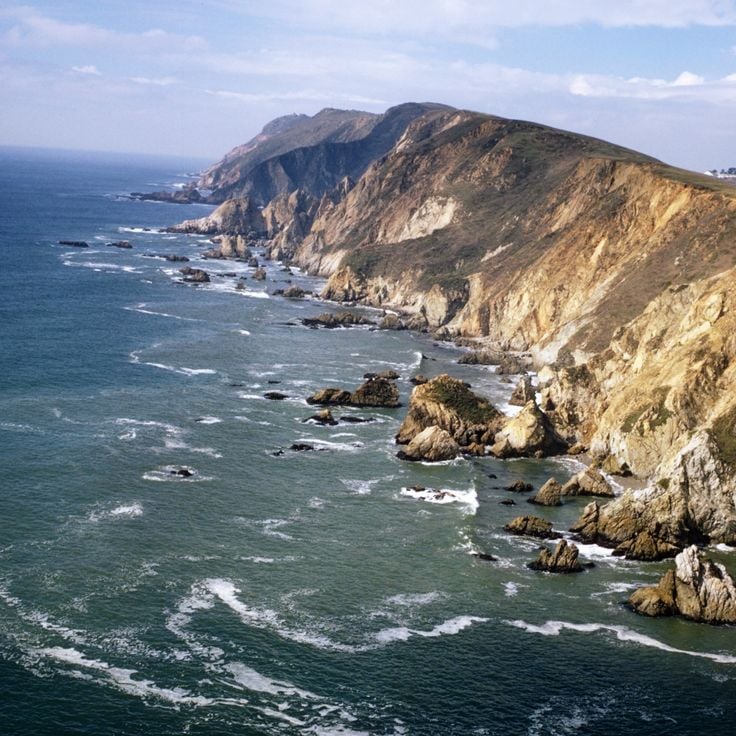
Point Reyes sits along the Marin County coast with granite cliffs and sandy beaches that extend far along the shoreline. This location is part of California's finest beaches and offers visitors a rugged, undeveloped coastline where nature remains the main attraction. Gray whales pass through these waters from December to May, drawing visitors who come to watch their migration.
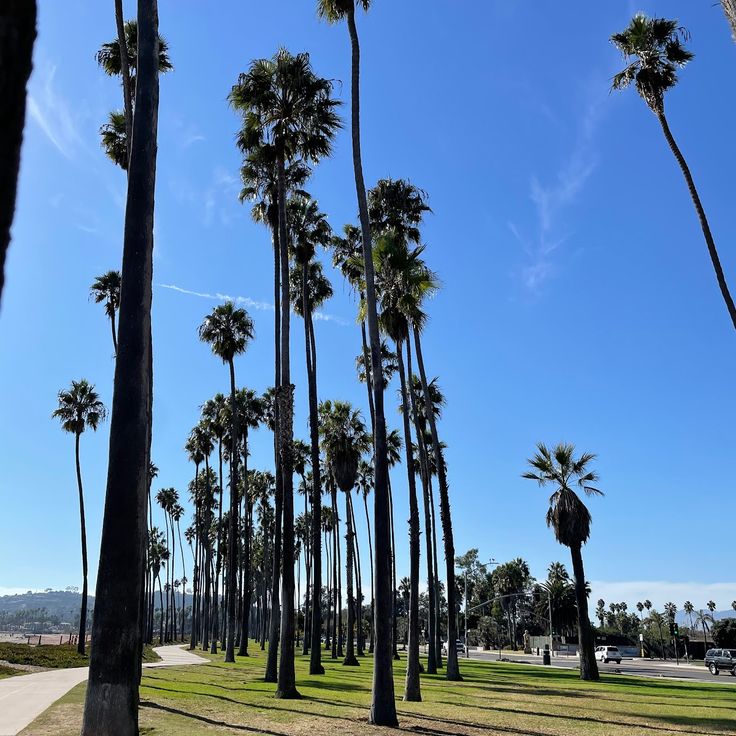
East Beach is a wide sandy shore in Santa Barbara with public volleyball courts, restroom facilities, and shaded tables close to the water. This beach fits into California's coastal collection, which stretches from south to north, each location offering its own character – from Santa Monica's pier to Venice's cultural scene, Laguna's views, and Pfeiffer's mineral-rich sand. East Beach represents the type of equipped urban beach where both locals and travelers spend time playing, eating, and enjoying the seaside.
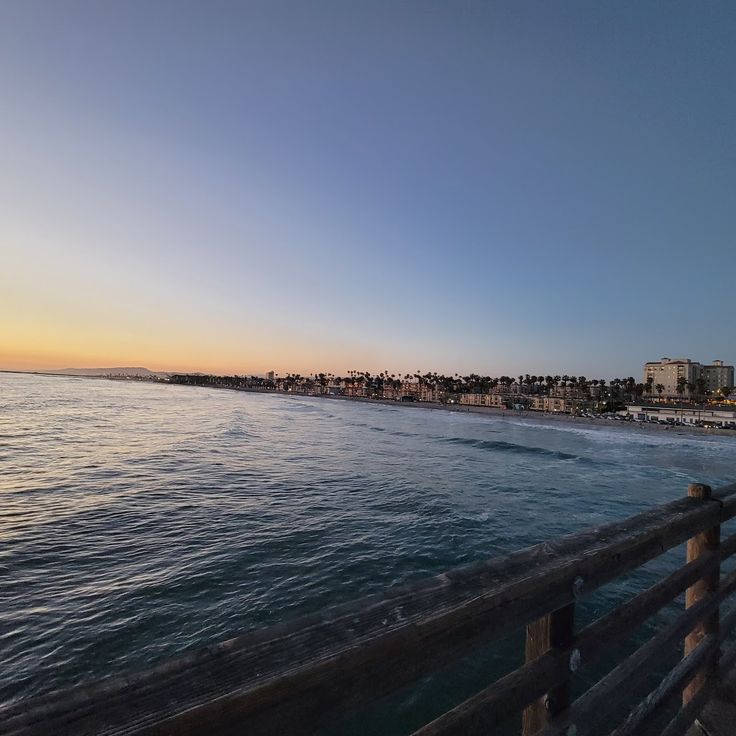
Ocean Beach is a popular San Diego destination featuring a wide stretch of sand extending for several kilometers. The beach has a concrete pier where visitors can fish or simply watch the sea. There are areas where dogs can roam freely, and fire pits for grilling. The beach draws families, surfers, and dog owners who enjoy the water sports and the character of this California coastal section.
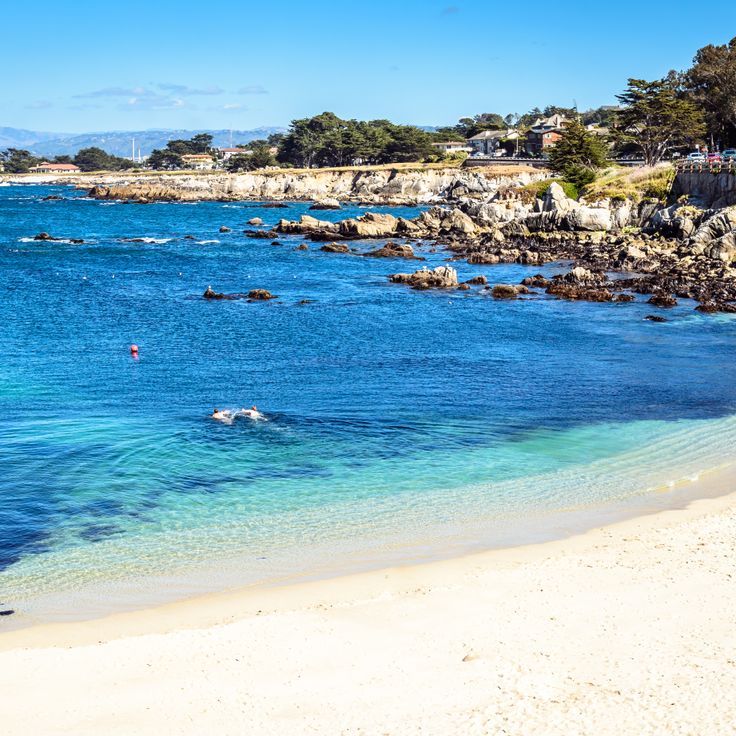
Lover's Point in Pacific Grove is a small cove surrounded by rocks and rocky formations. The bay has swimming areas for swimmers and a grassy park with benches overlooking the water. This beach fits into California's coastal story, which stretches from urban beaches to natural areas with rock formations and protected marine zones.
Carpinteria Beach stretches for about 1 mile (1.6 km) with a gentle slope into shallow water. From December to May, seals and sea lions visit regularly. The sand is smooth and the waves are calm, making this beach good for swimming and watching marine animals.
This protected bay at Catalina Island offers clear views down to about 30 feet (9 meters) of depth. Rock formations line the shoreline, and beneath the water, kelp and other marine plants grow. The water here is calm and good for swimming and snorkeling. Birds and sea creatures move through the area, especially in the early morning hours.
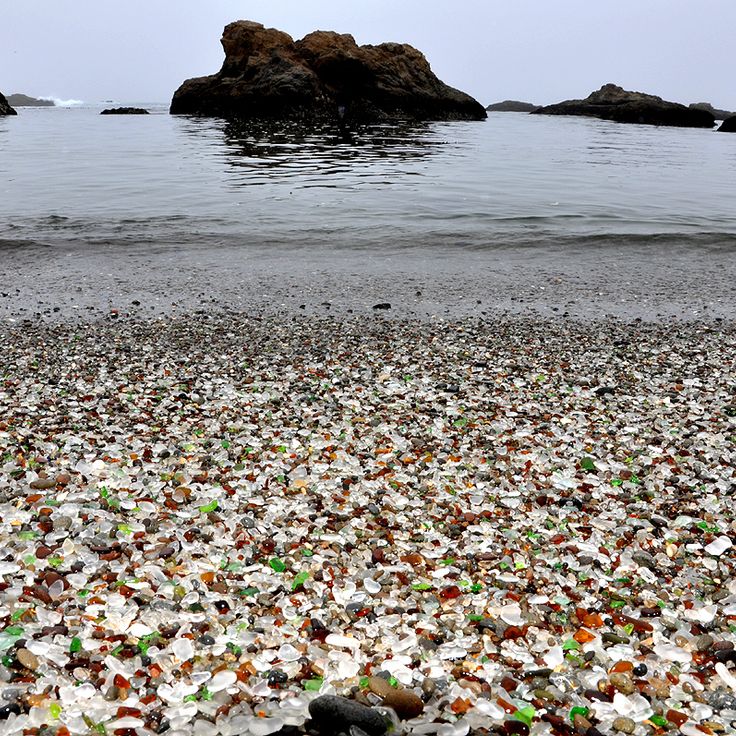
This beach in Fort Bragg shows a shoreline covered with smooth glass pebbles in shades of green, brown, and blue. The pebbles come from glass bottles that were washed ashore over many years. Today, they create a one-of-a-kind setting where visitors can walk along the water and collect or simply admire the polished stones. This strand fits into California's coastal variety, where each beach has its own character, from city piers to natural rocky formations.
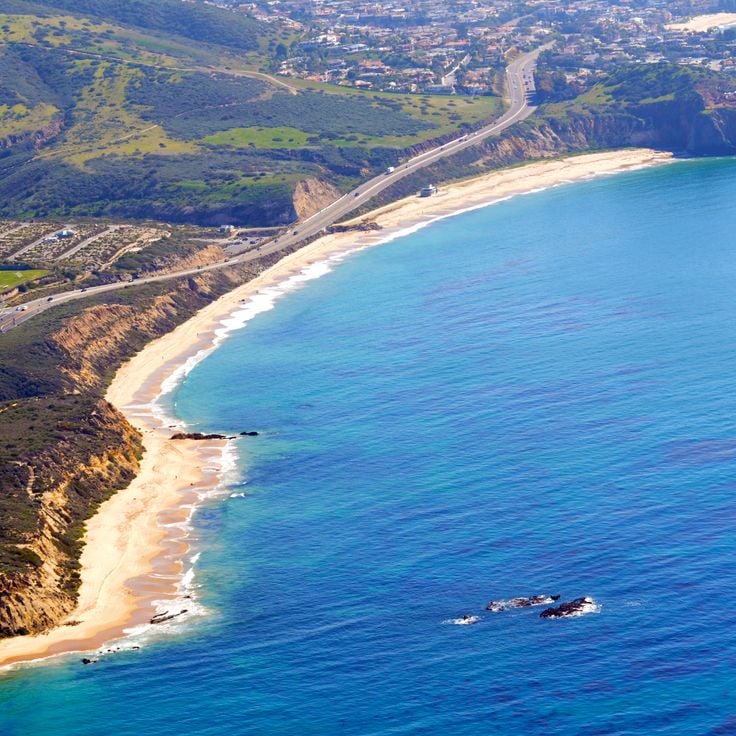
Crystal Cove State Park sits along 3 miles of Newport Beach coastline with sandy shores that feel soft underfoot. Tide pools dot the rocks and offer glimpses of starfish and anemones. Offshore reefs invite divers and snorkelers. Behind the beach, forested canyons rise up with trails for hiking. This park fits into California's larger coastal story, where each stretch of sand and rock has its own character.
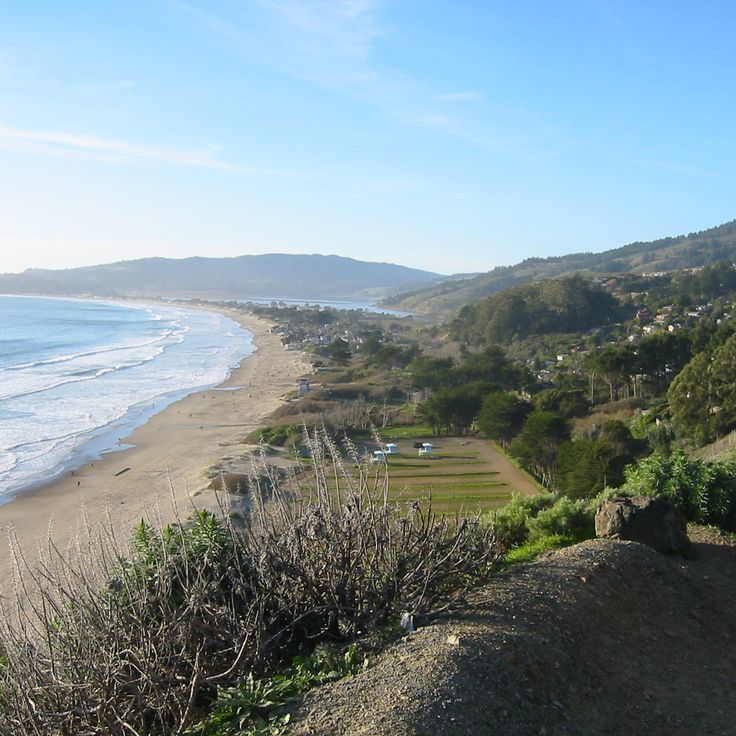
Stinson Beach sits between Bolinas Bay and Mount Tamalpais, with a wide strip of sand that draws swimmers, surfers, and walkers. Trails connect the beach to the mountain, offering routes that lead both toward the water and uphill through the landscape. On clear days, you can see the Golden Gate Bridge from the shore. The beach has a relaxed feel where people spend time in the water or along the sand.
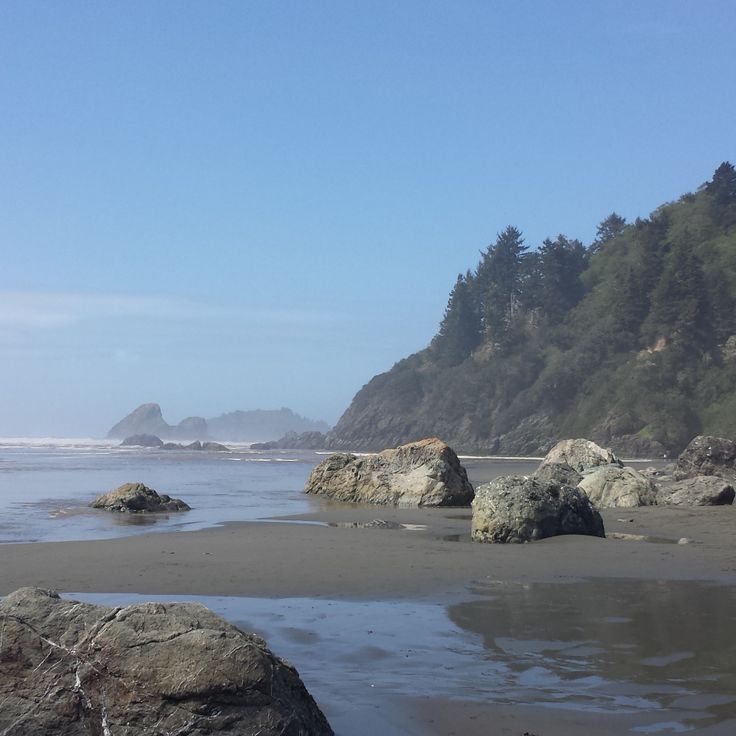
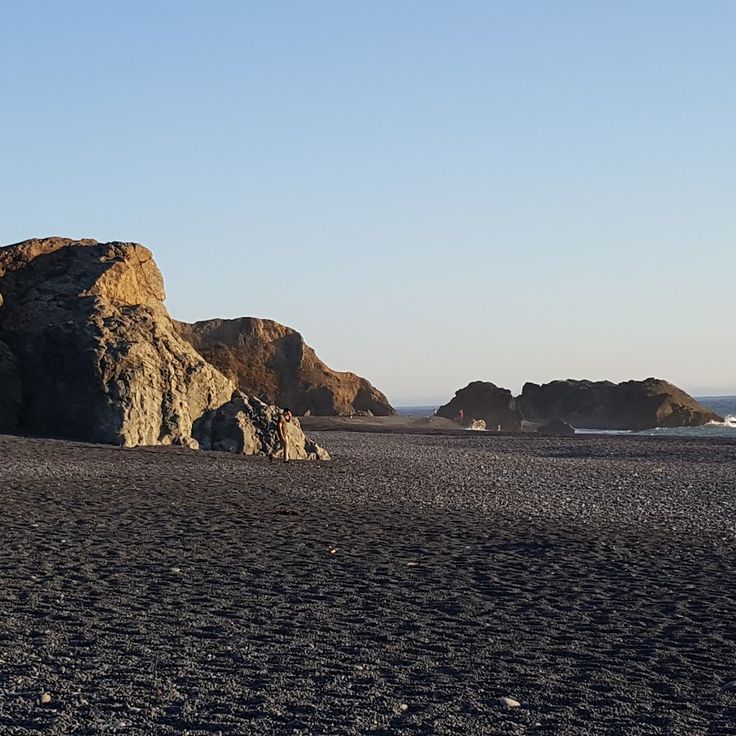
This Lost Coast beach features dark volcanic sand stretching for about 3 miles along a remote section of Northern California's coastline. Rocky formations rise from the water, creating a dramatic shoreline. The sand is smooth and dark gray. Waves crash with force here, and the air feels fresh and salty. This is a place where the coast shows its raw power. You will find few crowds, mostly hikers and photographers who come to experience the wild character of the California shore.
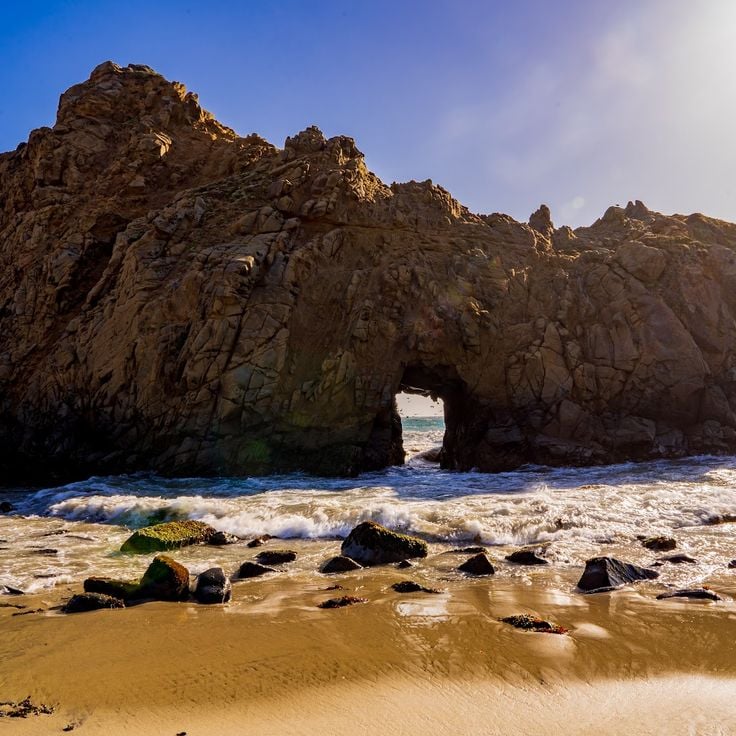
Pfeiffer Beach at Big Sur features a natural rock arch formation rising from the water, creating a window-like opening that becomes visible at low tide. This coastal section stands apart from other California beaches for its distinctive geological feature. The location invites exploration and photography, combining the rugged coastline with memorable natural formations.
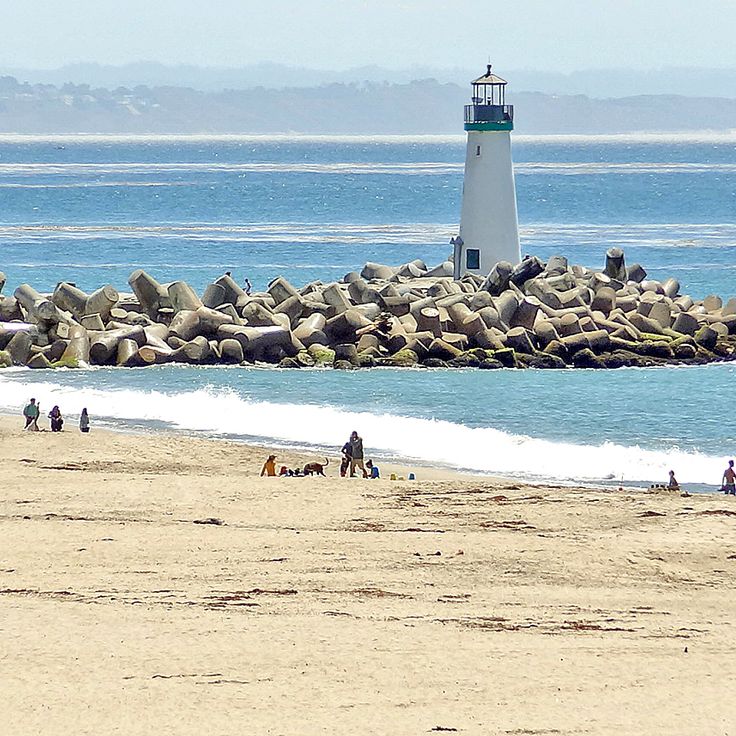
This Santa Cruz beach connects the port with the San Lorenzo River mouth and provides space for swimming and sunbathing. The sandy shore draws both locals and visitors who want to explore the water or relax along the shore. The beach is easily accessible from the boardwalk and is part of California's coastal beaches, where urban conveniences blend with natural beach features.
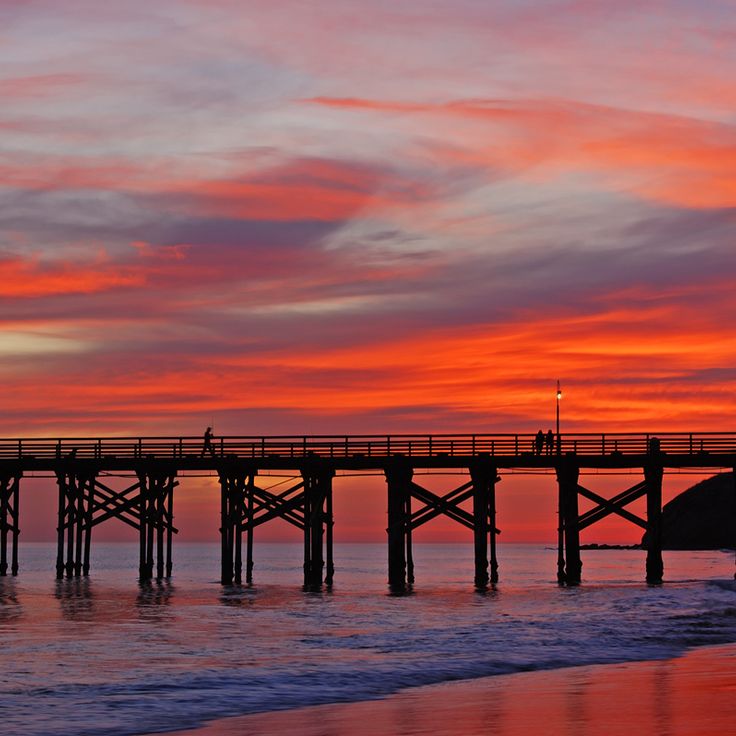
Gaviota Beach sits along California's coastline and brings together beach life with remarkable natural features. This stretch of shore is defined by limestone cliffs that rise dramatically above the sand and give the beach its distinctive character. An old railroad trestle and historic pier stand as visible marks of the past. The beach provides direct access to trails that follow the coast, where visitors can explore the local landscape on foot.
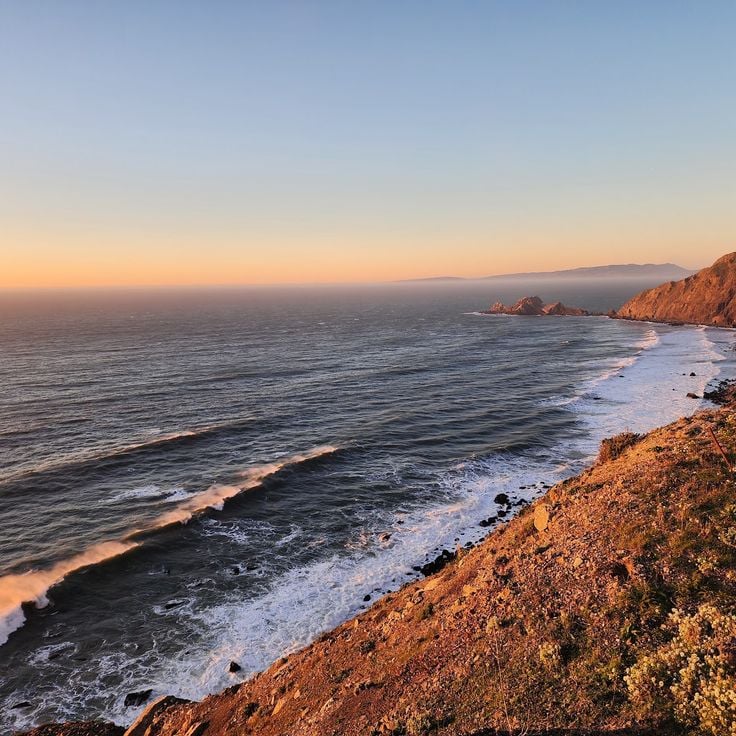
Devil's Slide Beach is a small cove nestled between steep rock formations along the Pacific Coast Highway. Gray sand stretches for several hundred meters, and tide pools offer natural exploration. An abandoned military bunker stands nearby, marking the site's history. This beach stands apart from other California beaches for its rugged character and the dramatic cliffs that frame it.
Santa Monica State Beach is a wide stretch of sand in Los Angeles and a gathering place for people seeking sun and sea activities. The beach features a famous pier extending into the water, filled with amusement rides, restaurants, and shops. On the sand itself, visitors can swim, play beach volleyball, or fish. The shoreline is open and inviting, drawing crowds year-round who come to relax by the water and enjoy the California coast as part of their stay in the area.
Venice Beach in Los Angeles is a busy coastal strip where street performers and artists entertain, vendors sell their goods, and Muscle Beach at the water's edge offers visitors a unique fitness experience on white sand. This beach fits into California's coastline, which ranges from developed urban beaches to natural areas with rock formations and protected marine zones for water sports and wildlife watching.
Laguna Beach stretches along a coastline with about 30 different beaches and coves. The water here is clear and cool, with rock formations defining the landscape. Tide pools invite exploration, and paths run along the bluffs. The location attracts visitors who value nature and ocean life. Compared to the busier beaches further north, it feels more secluded and less developed.
Pfeiffer Beach in Big Sur displays sand with a violet hue created by mineral deposits, along with granite rock formations rising from the water, including the distinctive Keyhole Rock. This beach fits within California's range of coastal experiences, from urban developed shores to wild natural areas. The colored sand and towering rock formations make this a distinctive stop along the California coast.
Carmel Beach is a wide sandy shore lined with cypress trees and marked by rocky outcrops. This beach sits alongside residential neighborhoods and golf courses, offering visitors a relaxed setting for walking and enjoying the California coastline.
Zuma Beach in Malibu is a long sandy shore that draws swimmers and bodyboard enthusiasts. The beach has lifeguard towers, restrooms, showers, and parking areas. In summer, it becomes a popular spot for water sports fans who come for the waves. The beach is well-equipped and easy to access.
El Matador State Beach near Malibu is a small cove featuring sea caves, natural rock arches, and formations rising from the water. Getting there means descending a steep staircase from the parking area to the sand below. This beach fits into California's diverse coastline, which ranges from developed urban shores to natural areas with dramatic rock formations.
Huntington State Beach is a long stretch of sand in California known for its reliable waves that attract surfers from all over. The beach has fire pits where you can have a barbecue, volleyball nets for games, and a paved path perfect for biking. Whether you want to catch waves, play in the sand, or simply enjoy a day by the water, this beach offers something for everyone.
Coronado Beach is a wide sandy shore with a mineral sheen that catches the light. The flat terrain makes it suitable for swimming and surfing. This beach is part of California's coastal landscape, which ranges from urban shores to natural rock formations and protected marine areas.
Half Moon Bay extends across several kilometers of protected coastline with gray sand beaches. This place attracts surfers seeking good waves and visitors watching for migrating whales during the winter season. The bay reflects the natural character of California's diverse shores, offering both recreational opportunities and chances to observe marine life.
Baker Beach is a sandy shore at the foot of granite cliffs near the Presidio, offering views of the Golden Gate Bridge. The northern section is popular with visitors who prefer to sunbathe without clothing. This beach represents the natural side of California's coastline, where rocky formations meet open water and the landscape feels far from the city bustle.
Moonstone Beach near Cambria is bordered by small pebbles that line the shoreline. Pine forests frame this beach and create a natural backdrop. At low tide, rocky pools form where starfish, sea urchins, and other marine creatures live. The water is cool and inviting for visitors who want to explore the coast.
The Natural Bridges Beach in Santa Cruz is a place where rock and ocean meet dramatically. Three stone arches stand in the water, carved by centuries of waves. Seals and sea otters swim in the waters below, while monarch butterflies gather here by the thousands each winter. This beach shows you the wild side of California's coast, where you can watch animals in their natural home.
Pismo Beach stretches along California's central coast and offers soft sand dunes, a long pier for fishing, and opportunities to collect shells. This beach fits perfectly into the diversity of the California coastline, ranging from urban beaches to natural areas with rock formations.
La Jolla Shores stretches for about a mile and offers gentle waves perfect for beginning surfers. The adjacent underwater park with two artificial reefs attracts marine life year-round, making this beach a favorite spot for snorkelers and divers exploring California's protected waters.
Point Reyes sits along the Marin County coast with granite cliffs and sandy beaches that extend far along the shoreline. This location is part of California's finest beaches and offers visitors a rugged, undeveloped coastline where nature remains the main attraction. Gray whales pass through these waters from December to May, drawing visitors who come to watch their migration.
East Beach is a wide sandy shore in Santa Barbara with public volleyball courts, restroom facilities, and shaded tables close to the water. This beach fits into California's coastal collection, which stretches from south to north, each location offering its own character – from Santa Monica's pier to Venice's cultural scene, Laguna's views, and Pfeiffer's mineral-rich sand. East Beach represents the type of equipped urban beach where both locals and travelers spend time playing, eating, and enjoying the seaside.
Ocean Beach is a popular San Diego destination featuring a wide stretch of sand extending for several kilometers. The beach has a concrete pier where visitors can fish or simply watch the sea. There are areas where dogs can roam freely, and fire pits for grilling. The beach draws families, surfers, and dog owners who enjoy the water sports and the character of this California coastal section.
Lover's Point in Pacific Grove is a small cove surrounded by rocks and rocky formations. The bay has swimming areas for swimmers and a grassy park with benches overlooking the water. This beach fits into California's coastal story, which stretches from urban beaches to natural areas with rock formations and protected marine zones.
Carpinteria Beach stretches for about 1 mile (1.6 km) with a gentle slope into shallow water. From December to May, seals and sea lions visit regularly. The sand is smooth and the waves are calm, making this beach good for swimming and watching marine animals.
This protected bay at Catalina Island offers clear views down to about 30 feet (9 meters) of depth. Rock formations line the shoreline, and beneath the water, kelp and other marine plants grow. The water here is calm and good for swimming and snorkeling. Birds and sea creatures move through the area, especially in the early morning hours.
This beach in Fort Bragg shows a shoreline covered with smooth glass pebbles in shades of green, brown, and blue. The pebbles come from glass bottles that were washed ashore over many years. Today, they create a one-of-a-kind setting where visitors can walk along the water and collect or simply admire the polished stones. This strand fits into California's coastal variety, where each beach has its own character, from city piers to natural rocky formations.
Crystal Cove State Park sits along 3 miles of Newport Beach coastline with sandy shores that feel soft underfoot. Tide pools dot the rocks and offer glimpses of starfish and anemones. Offshore reefs invite divers and snorkelers. Behind the beach, forested canyons rise up with trails for hiking. This park fits into California's larger coastal story, where each stretch of sand and rock has its own character.
Stinson Beach sits between Bolinas Bay and Mount Tamalpais, with a wide strip of sand that draws swimmers, surfers, and walkers. Trails connect the beach to the mountain, offering routes that lead both toward the water and uphill through the landscape. On clear days, you can see the Golden Gate Bridge from the shore. The beach has a relaxed feel where people spend time in the water or along the sand.
This Lost Coast beach features dark volcanic sand stretching for about 3 miles along a remote section of Northern California's coastline. Rocky formations rise from the water, creating a dramatic shoreline. The sand is smooth and dark gray. Waves crash with force here, and the air feels fresh and salty. This is a place where the coast shows its raw power. You will find few crowds, mostly hikers and photographers who come to experience the wild character of the California shore.
Pfeiffer Beach at Big Sur features a natural rock arch formation rising from the water, creating a window-like opening that becomes visible at low tide. This coastal section stands apart from other California beaches for its distinctive geological feature. The location invites exploration and photography, combining the rugged coastline with memorable natural formations.
This Santa Cruz beach connects the port with the San Lorenzo River mouth and provides space for swimming and sunbathing. The sandy shore draws both locals and visitors who want to explore the water or relax along the shore. The beach is easily accessible from the boardwalk and is part of California's coastal beaches, where urban conveniences blend with natural beach features.
Gaviota Beach sits along California's coastline and brings together beach life with remarkable natural features. This stretch of shore is defined by limestone cliffs that rise dramatically above the sand and give the beach its distinctive character. An old railroad trestle and historic pier stand as visible marks of the past. The beach provides direct access to trails that follow the coast, where visitors can explore the local landscape on foot.
Devil's Slide Beach is a small cove nestled between steep rock formations along the Pacific Coast Highway. Gray sand stretches for several hundred meters, and tide pools offer natural exploration. An abandoned military bunker stands nearby, marking the site's history. This beach stands apart from other California beaches for its rugged character and the dramatic cliffs that frame it.
Santa Monica State Beach is a wide stretch of sand in Los Angeles and a gathering place for people seeking sun and sea activities. The beach features a famous pier extending into the water, filled with amusement rides, restaurants, and shops. On the sand itself, visitors can swim, play beach volleyball, or fish. The shoreline is open and inviting, drawing crowds year-round who come to relax by the water and enjoy the California coast as part of their stay in the area.
Venice Beach in Los Angeles is a busy coastal strip where street performers and artists entertain, vendors sell their goods, and Muscle Beach at the water's edge offers visitors a unique fitness experience on white sand. This beach fits into California's coastline, which ranges from developed urban beaches to natural areas with rock formations and protected marine zones for water sports and wildlife watching.
Laguna Beach stretches along a coastline with about 30 different beaches and coves. The water here is clear and cool, with rock formations defining the landscape. Tide pools invite exploration, and paths run along the bluffs. The location attracts visitors who value nature and ocean life. Compared to the busier beaches further north, it feels more secluded and less developed.
Pfeiffer Beach in Big Sur displays sand with a violet hue created by mineral deposits, along with granite rock formations rising from the water, including the distinctive Keyhole Rock. This beach fits within California's range of coastal experiences, from urban developed shores to wild natural areas. The colored sand and towering rock formations make this a distinctive stop along the California coast.
Carmel Beach is a wide sandy shore lined with cypress trees and marked by rocky outcrops. This beach sits alongside residential neighborhoods and golf courses, offering visitors a relaxed setting for walking and enjoying the California coastline.
Zuma Beach in Malibu is a long sandy shore that draws swimmers and bodyboard enthusiasts. The beach has lifeguard towers, restrooms, showers, and parking areas. In summer, it becomes a popular spot for water sports fans who come for the waves. The beach is well-equipped and easy to access.
El Matador State Beach near Malibu is a small cove featuring sea caves, natural rock arches, and formations rising from the water. Getting there means descending a steep staircase from the parking area to the sand below. This beach fits into California's diverse coastline, which ranges from developed urban shores to natural areas with dramatic rock formations.
Huntington State Beach is a long stretch of sand in California known for its reliable waves that attract surfers from all over. The beach has fire pits where you can have a barbecue, volleyball nets for games, and a paved path perfect for biking. Whether you want to catch waves, play in the sand, or simply enjoy a day by the water, this beach offers something for everyone.
Coronado Beach is a wide sandy shore with a mineral sheen that catches the light. The flat terrain makes it suitable for swimming and surfing. This beach is part of California's coastal landscape, which ranges from urban shores to natural rock formations and protected marine areas.
Half Moon Bay extends across several kilometers of protected coastline with gray sand beaches. This place attracts surfers seeking good waves and visitors watching for migrating whales during the winter season. The bay reflects the natural character of California's diverse shores, offering both recreational opportunities and chances to observe marine life.
Baker Beach is a sandy shore at the foot of granite cliffs near the Presidio, offering views of the Golden Gate Bridge. The northern section is popular with visitors who prefer to sunbathe without clothing. This beach represents the natural side of California's coastline, where rocky formations meet open water and the landscape feels far from the city bustle.
Moonstone Beach near Cambria is bordered by small pebbles that line the shoreline. Pine forests frame this beach and create a natural backdrop. At low tide, rocky pools form where starfish, sea urchins, and other marine creatures live. The water is cool and inviting for visitors who want to explore the coast.
The Natural Bridges Beach in Santa Cruz is a place where rock and ocean meet dramatically. Three stone arches stand in the water, carved by centuries of waves. Seals and sea otters swim in the waters below, while monarch butterflies gather here by the thousands each winter. This beach shows you the wild side of California's coast, where you can watch animals in their natural home.
Pismo Beach stretches along California's central coast and offers soft sand dunes, a long pier for fishing, and opportunities to collect shells. This beach fits perfectly into the diversity of the California coastline, ranging from urban beaches to natural areas with rock formations.
La Jolla Shores stretches for about a mile and offers gentle waves perfect for beginning surfers. The adjacent underwater park with two artificial reefs attracts marine life year-round, making this beach a favorite spot for snorkelers and divers exploring California's protected waters.
Point Reyes sits along the Marin County coast with granite cliffs and sandy beaches that extend far along the shoreline. This location is part of California's finest beaches and offers visitors a rugged, undeveloped coastline where nature remains the main attraction. Gray whales pass through these waters from December to May, drawing visitors who come to watch their migration.
East Beach is a wide sandy shore in Santa Barbara with public volleyball courts, restroom facilities, and shaded tables close to the water. This beach fits into California's coastal collection, which stretches from south to north, each location offering its own character – from Santa Monica's pier to Venice's cultural scene, Laguna's views, and Pfeiffer's mineral-rich sand. East Beach represents the type of equipped urban beach where both locals and travelers spend time playing, eating, and enjoying the seaside.
Ocean Beach is a popular San Diego destination featuring a wide stretch of sand extending for several kilometers. The beach has a concrete pier where visitors can fish or simply watch the sea. There are areas where dogs can roam freely, and fire pits for grilling. The beach draws families, surfers, and dog owners who enjoy the water sports and the character of this California coastal section.
Lover's Point in Pacific Grove is a small cove surrounded by rocks and rocky formations. The bay has swimming areas for swimmers and a grassy park with benches overlooking the water. This beach fits into California's coastal story, which stretches from urban beaches to natural areas with rock formations and protected marine zones.
Carpinteria Beach stretches for about 1 mile (1.6 km) with a gentle slope into shallow water. From December to May, seals and sea lions visit regularly. The sand is smooth and the waves are calm, making this beach good for swimming and watching marine animals.
This protected bay at Catalina Island offers clear views down to about 30 feet (9 meters) of depth. Rock formations line the shoreline, and beneath the water, kelp and other marine plants grow. The water here is calm and good for swimming and snorkeling. Birds and sea creatures move through the area, especially in the early morning hours.
This beach in Fort Bragg shows a shoreline covered with smooth glass pebbles in shades of green, brown, and blue. The pebbles come from glass bottles that were washed ashore over many years. Today, they create a one-of-a-kind setting where visitors can walk along the water and collect or simply admire the polished stones. This strand fits into California's coastal variety, where each beach has its own character, from city piers to natural rocky formations.
Crystal Cove State Park sits along 3 miles of Newport Beach coastline with sandy shores that feel soft underfoot. Tide pools dot the rocks and offer glimpses of starfish and anemones. Offshore reefs invite divers and snorkelers. Behind the beach, forested canyons rise up with trails for hiking. This park fits into California's larger coastal story, where each stretch of sand and rock has its own character.
Stinson Beach sits between Bolinas Bay and Mount Tamalpais, with a wide strip of sand that draws swimmers, surfers, and walkers. Trails connect the beach to the mountain, offering routes that lead both toward the water and uphill through the landscape. On clear days, you can see the Golden Gate Bridge from the shore. The beach has a relaxed feel where people spend time in the water or along the sand.
This Lost Coast beach features dark volcanic sand stretching for about 3 miles along a remote section of Northern California's coastline. Rocky formations rise from the water, creating a dramatic shoreline. The sand is smooth and dark gray. Waves crash with force here, and the air feels fresh and salty. This is a place where the coast shows its raw power. You will find few crowds, mostly hikers and photographers who come to experience the wild character of the California shore.
Pfeiffer Beach at Big Sur features a natural rock arch formation rising from the water, creating a window-like opening that becomes visible at low tide. This coastal section stands apart from other California beaches for its distinctive geological feature. The location invites exploration and photography, combining the rugged coastline with memorable natural formations.
This Santa Cruz beach connects the port with the San Lorenzo River mouth and provides space for swimming and sunbathing. The sandy shore draws both locals and visitors who want to explore the water or relax along the shore. The beach is easily accessible from the boardwalk and is part of California's coastal beaches, where urban conveniences blend with natural beach features.
Gaviota Beach sits along California's coastline and brings together beach life with remarkable natural features. This stretch of shore is defined by limestone cliffs that rise dramatically above the sand and give the beach its distinctive character. An old railroad trestle and historic pier stand as visible marks of the past. The beach provides direct access to trails that follow the coast, where visitors can explore the local landscape on foot.
Devil's Slide Beach is a small cove nestled between steep rock formations along the Pacific Coast Highway. Gray sand stretches for several hundred meters, and tide pools offer natural exploration. An abandoned military bunker stands nearby, marking the site's history. This beach stands apart from other California beaches for its rugged character and the dramatic cliffs that frame it.