See the monuments around you in AROpen chests in the app
Around Us is built for your phone — point your camera at the streets and discover the monuments and places around you in augmented reality.Around Us is built for your phone — chests unlock when you walk, explore and capture nearby places.
Discover Cape Verde: volcanoes, beaches and natural treasures, cultural heritage
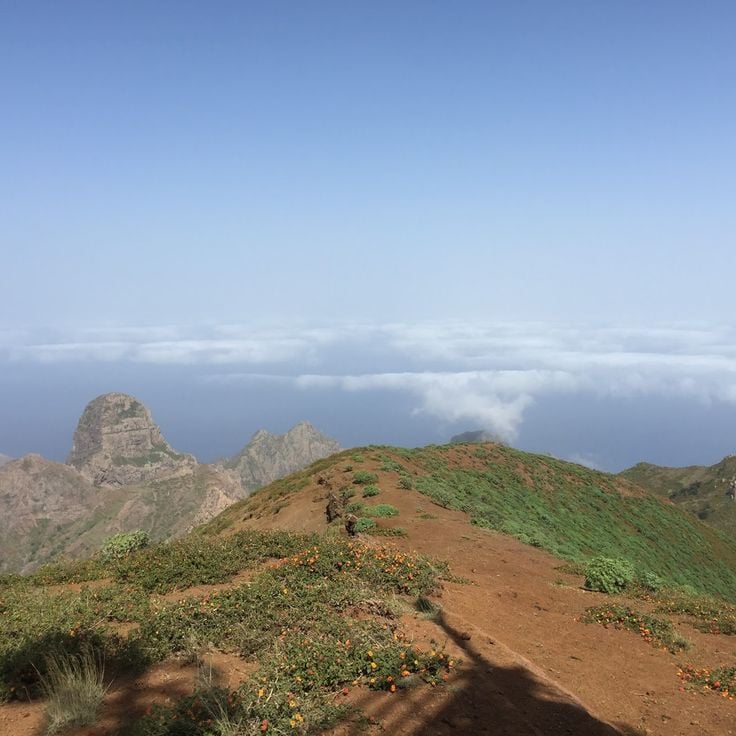
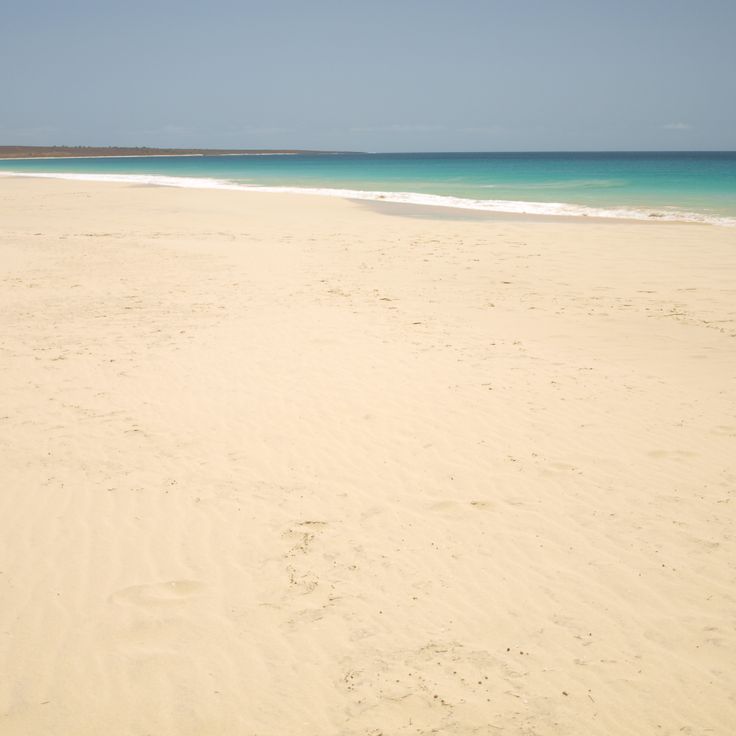
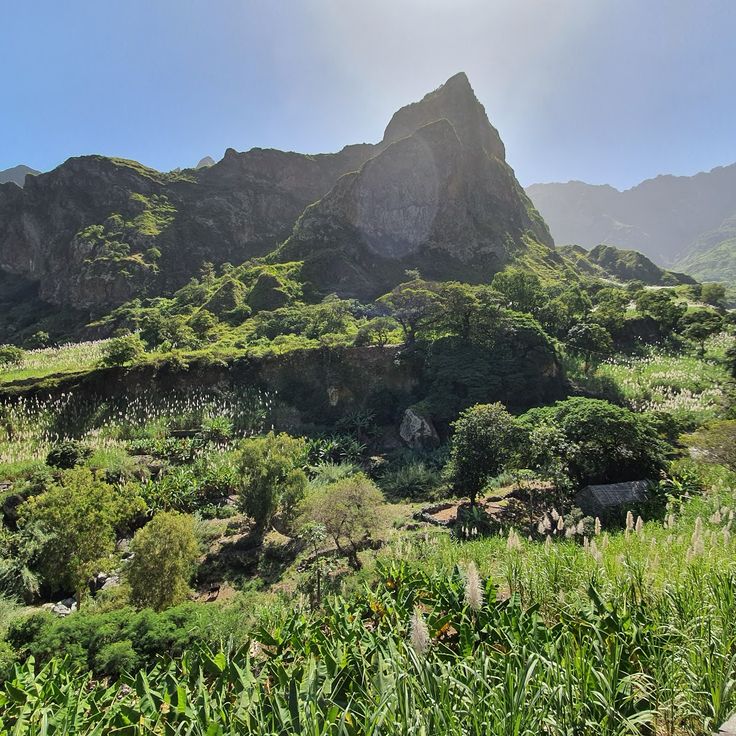
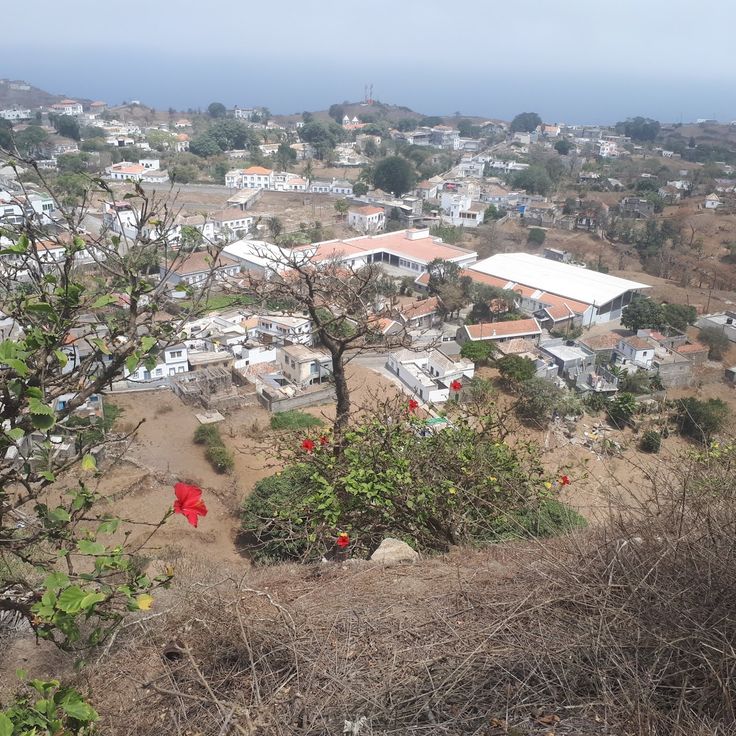
Cape Verde offers landscapes and places full of stories that tell how these islands in the Atlantic came to be. This collection shows natural and cultural sites that make the archipelago special — from white sandy beaches to volcanic formations, colonial churches, and markets where the local life is active.
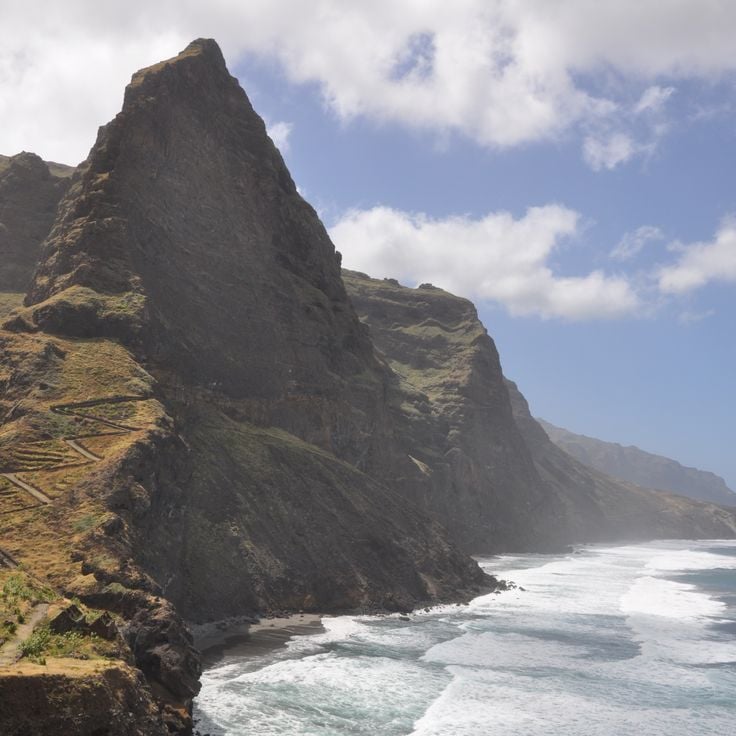
You will find spots shaped by nature: volcanoes with black lava slopes, salt ponds in extinct craters, deserts of fine sand blown by Sahara winds, and rocks whipped by the ocean that form pools. Some sites invite you to watch the sea life, like shallow bays where sharks swim, or cliffs that look over turquoise waters.
Beyond nature, Cape Verde also has a rich culture to explore. Colorful markets are full of local products and craft objects. White churches show the colonial past, and botanical gardens protect the unique plants of the islands. Whether you want to walk on mountain tops, relax on beaches, or get to know the daily life of locals — these places have much to show you.
Discover Cape Verde: volcanoes, beaches and natural treasures, cultural heritage
Cape Verde offers landscapes and places full of stories that tell how these islands in the Atlantic came to be. This collection shows natural and cultural sites that make the archipelago special — from white sandy beaches to volcanic formations, colonial churches, and markets where the local life is active.
You will find spots shaped by nature: volcanoes with black lava slopes, salt ponds in extinct craters, deserts of fine sand blown by Sahara winds, and rocks whipped by the ocean that form pools. Some sites invite you to watch the sea life, like shallow bays where sharks swim, or cliffs that look over turquoise waters.
Beyond nature, Cape Verde also has a rich culture to explore. Colorful markets are full of local products and craft objects. White churches show the colonial past, and botanical gardens protect the unique plants of the islands. Whether you want to walk on mountain tops, relax on beaches, or get to know the daily life of locals — these places have much to show you.
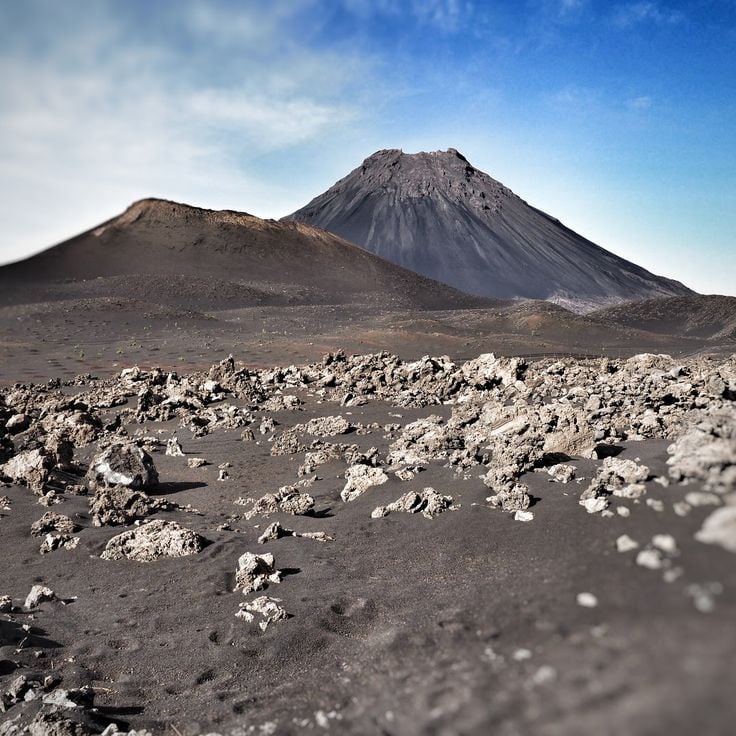
Pico do Fogo is an active volcano on the island of Fogo that shapes the island's landscape with its dark volcanic slopes. The mountain reaches 2829 meters in elevation and displays clear traces of lava flows from the 2014 eruption along its sides. The dark rock masses stretch from the peak downward, telling the story of this island's geological history. Those who hike to the summit can see across the entire island archipelago. The volcano stands as a reminder of how powerfully nature has shaped these islands.
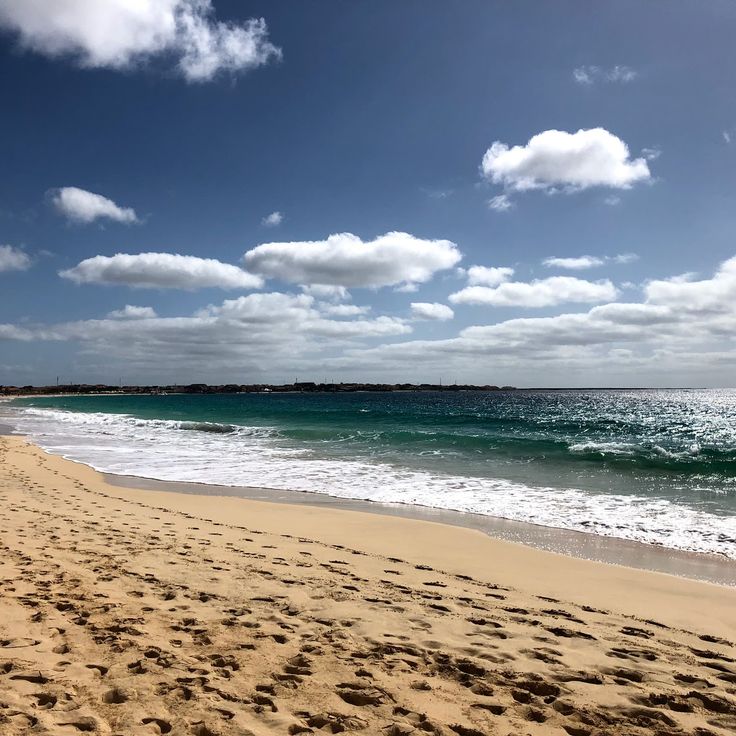
Santa Maria Beach is a long stretch of white sand on the island of Sal. Here you will find restaurants and shops selling the work of local artisans. The beach offers a place to relax and explore daily island life, where visitors can enjoy the coastal setting and learn about local culture.
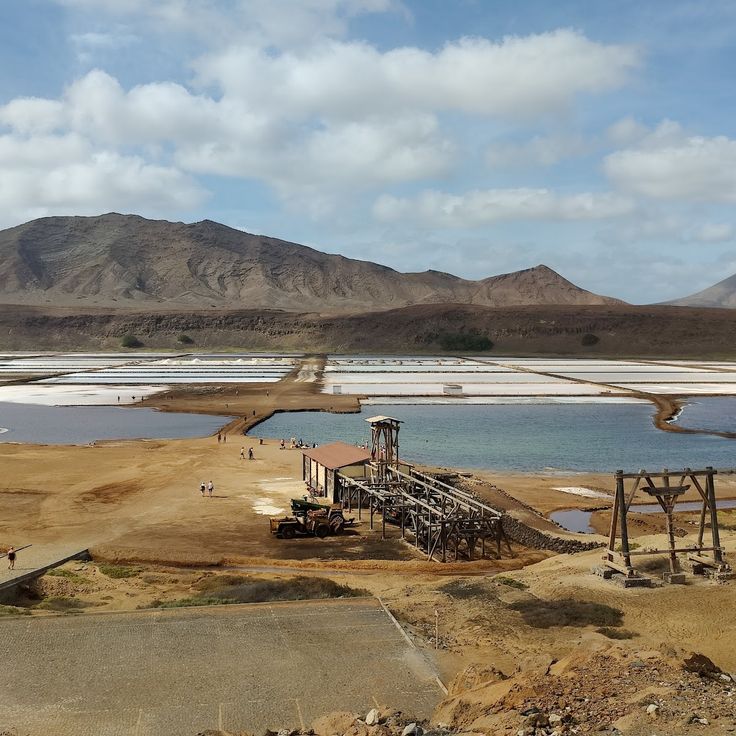
The salt ponds of Pedra de Lume sit in an extinct volcanic crater and have produced sea salt for more than 200 years. This place shows how the people of Cape Verde use the landscape to harvest their resources. The water in the basins is saltier than the ocean, allowing visitors to float almost weightlessly. White salt deposits coat the crater walls, creating an otherworldly sight. The work of salt harvesters still shapes the rhythm of this place, where sun and wind craft salt crystals.
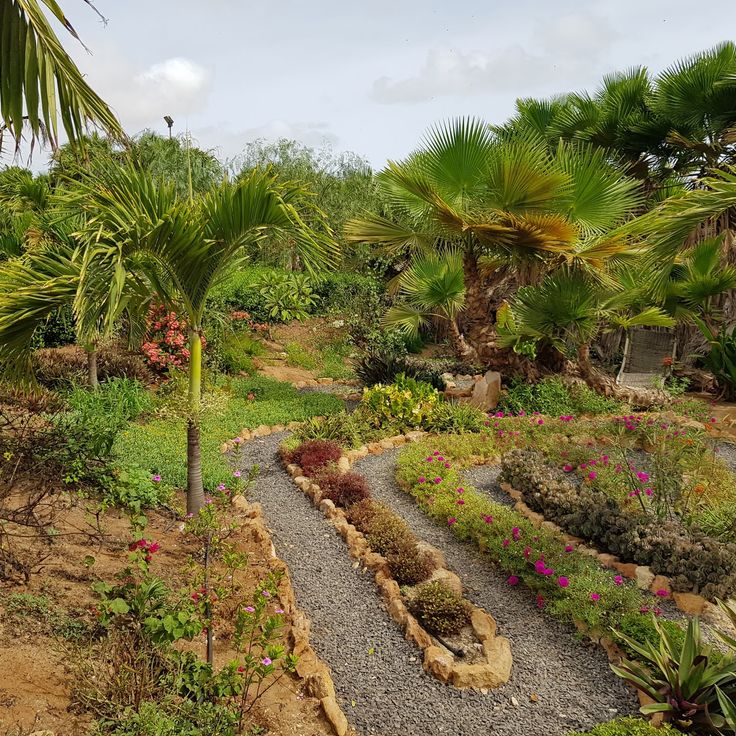
The Viveiro Botanical Garden contains plants that are native to Cape Verde. Within the garden there is also a small enclosure with monkeys and tortoises. This place shows the special plant life of the island group and invites visitors to explore nature in a calm setting. You can see here how the local wildlife connects with the plants of Cape Verde.
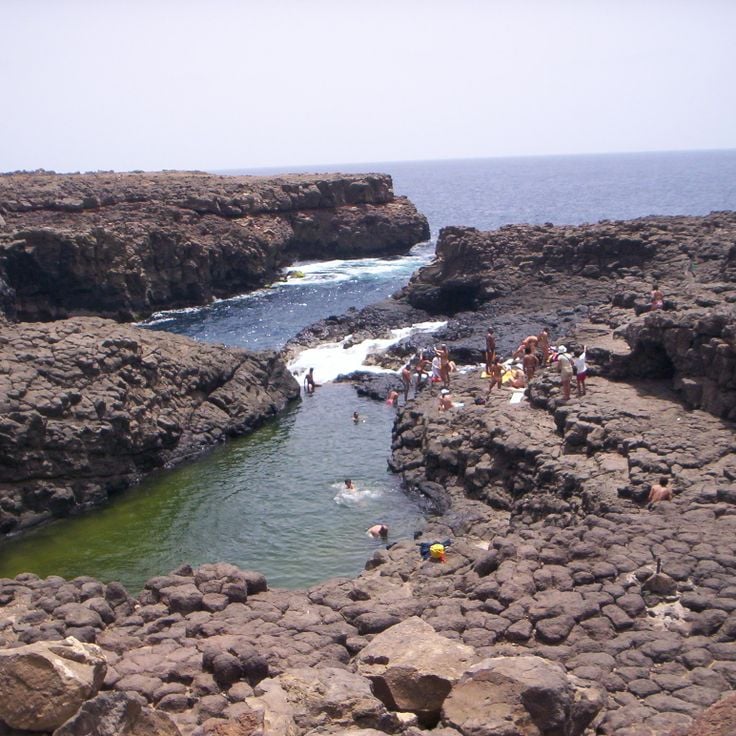
Buracona is a rock formation on the coast of Sal Island where the ocean has carved a natural pool into the stone. When waves crash against the rocks, water jets shoot up through the openings. On calmer days, you can swim in this natural stone basin and watch how the water moves through the crevices. This place shows how the power of the sea shapes the coastline over time.
Shark Bay on the island of Sal is a shallow bay where lemon sharks swim. You can watch these fish from the beach or while diving. The water is warm and clear, and the bay provides a safe place to see the marine life up close. This location shows the rich sea life that makes the Cape Verde islands special.
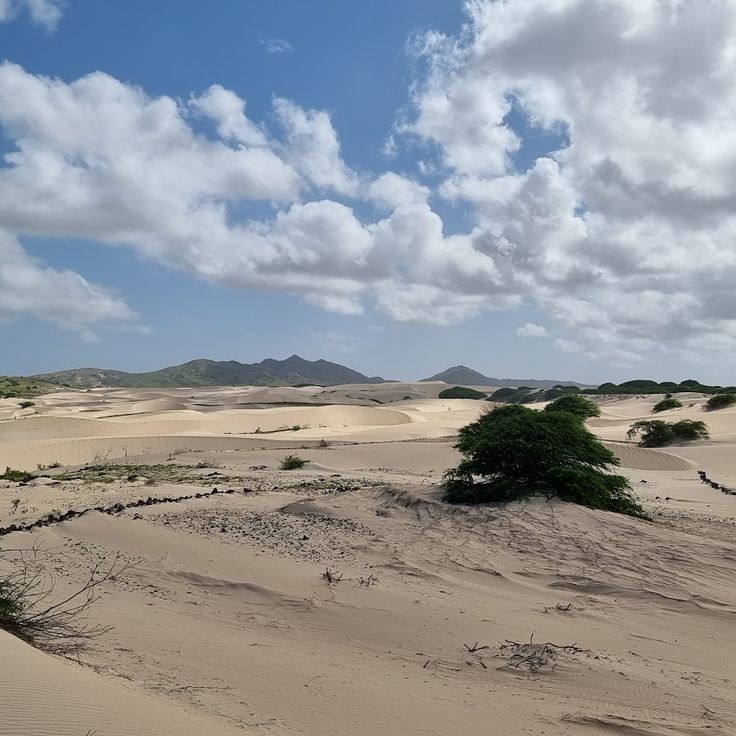
The Viana Desert on Boa Vista Island spreads across sand shaped constantly by the wind. The sand comes from the Sahara, carried here by trade winds. You can walk across the dunes and see how nature reshapes this landscape every day. The place shows how desert and ocean exist side by side, feeling like a piece of the African Sahara that juts into the sea.
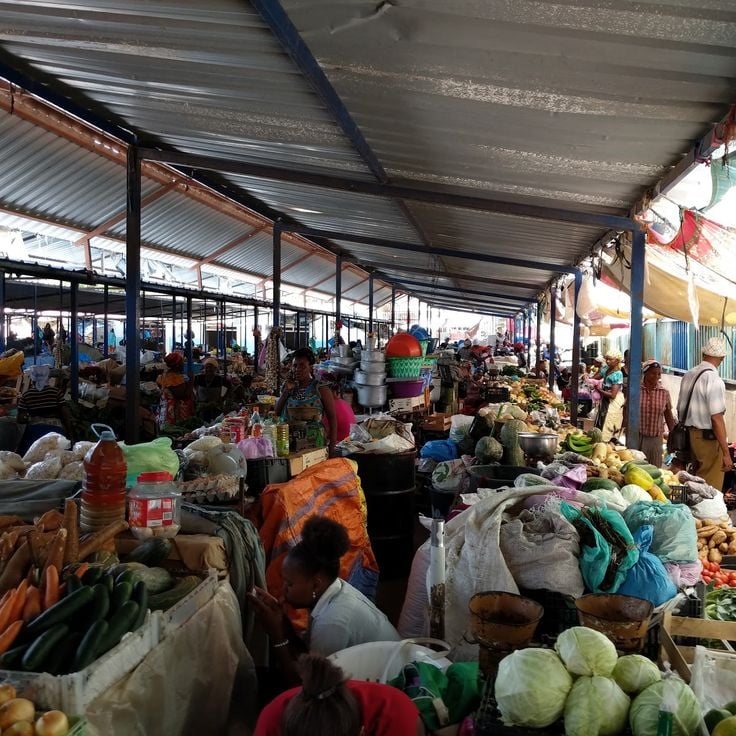
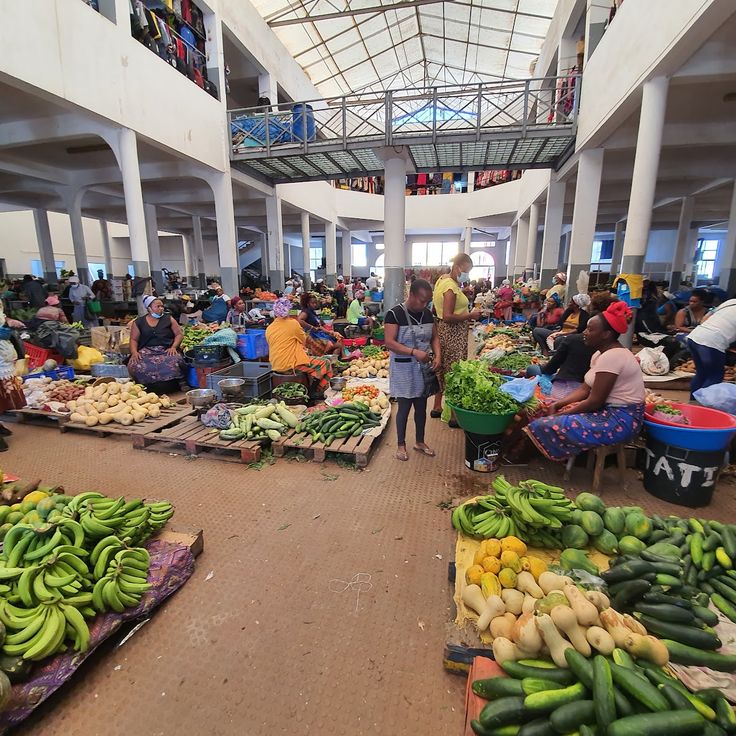
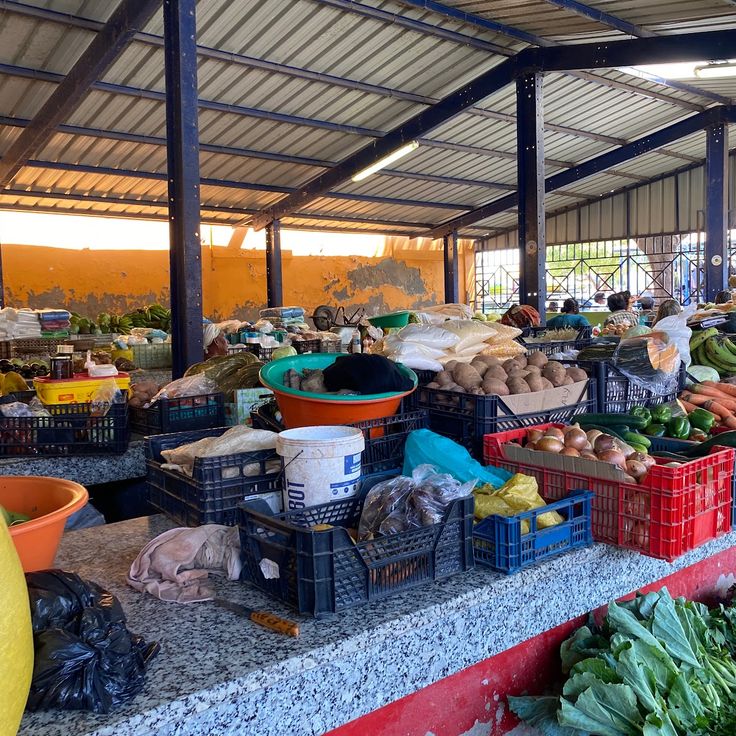
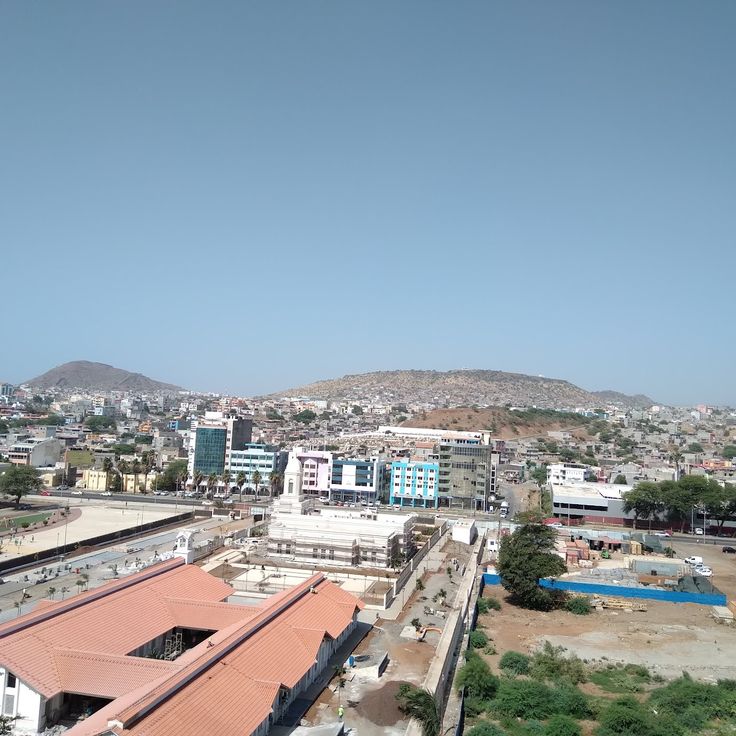
This market in Praia is the heart of local commerce and daily life. Under its roofs, merchants sell fresh produce, colorful fabrics, spices, and handcrafted goods. The space is busy and full of energy, with people shopping, negotiating, and gathering. You find here what island residents need, from vegetables to traditional items. It is a place where you directly experience local culture and see how people spend their time.
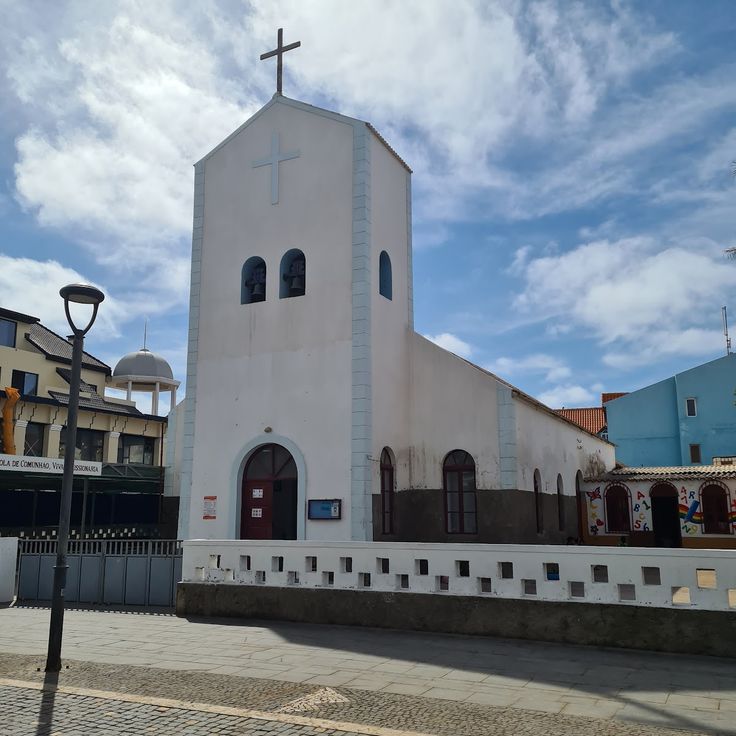
Built in the 19th century, this church shows the traces of Portuguese colonial history. Its white facade shapes the appearance of Santa Maria, and it remains the main place of worship for the people who live here. The church tells through its architecture the story of the island and stands as a witness to the religious traditions that have shaped the life of this community.
Monte Verde is the highest point on the island of São Vicente. From this summit, visitors can see the city of Mindelo and the ocean below. Marked trails lead to the top, making it accessible for those who want to explore the island's landscape. The climb offers views of the island's volcanic structure and the surrounding sea.
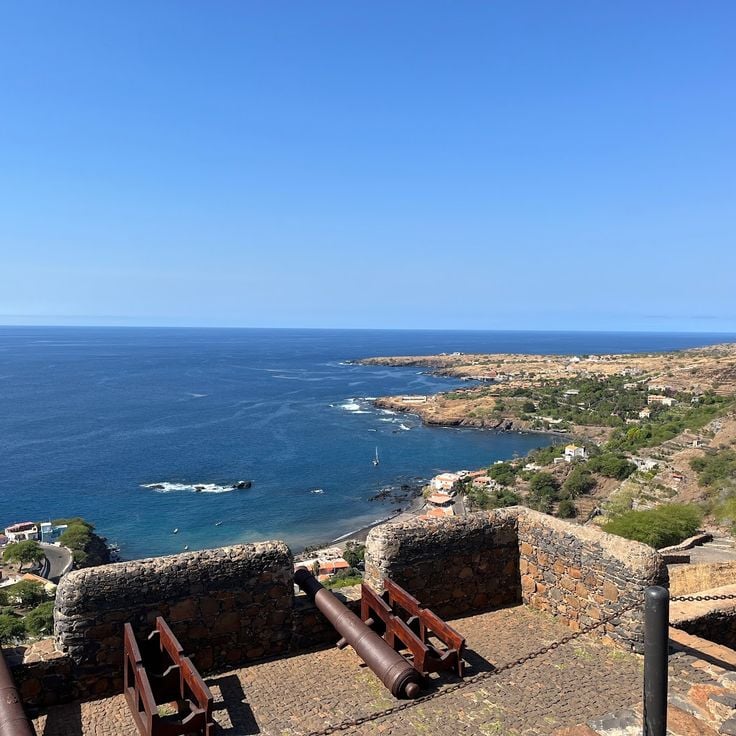
Cidade Velha is the historical heart of Cape Verde, founded in 1462 on the island of Santiago. This old city tells the story of Portuguese colonial times through its architecture and monuments. The fortress Real de São Felipe rises above the town, offering views of the sea and the surrounding houses. The cathedral stands at the center and shows the religious importance of this place. The pillory on the square reminds us of the difficult past of the city. The narrow streets with their old houses invite you to walk and immerse yourself in the daily history of these people. Here you feel the time that lives in these walls.
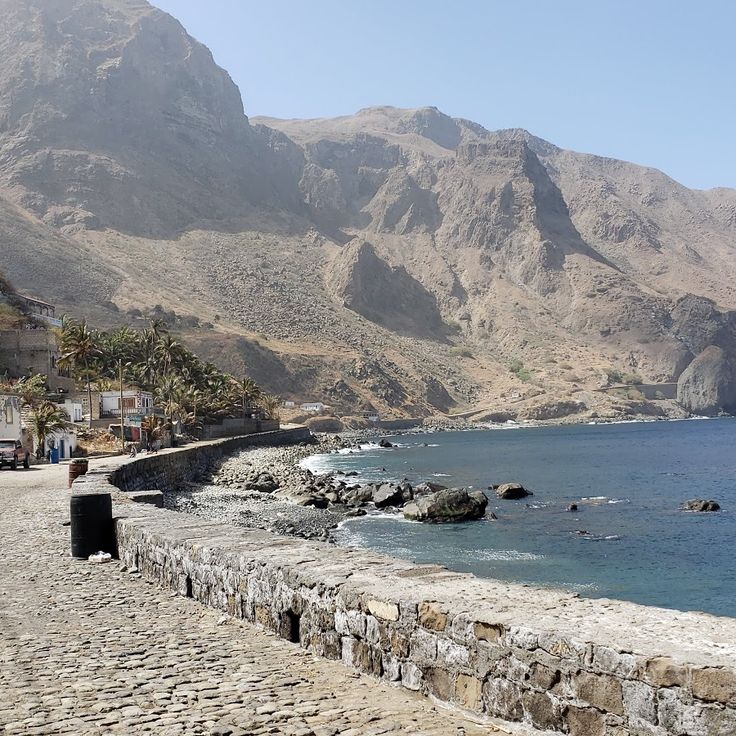
The natural pools of Faja d'Água on the island of Brava form where rocky outcrops create basins that fill with seawater at high tide. The water sits calm and protected while Atlantic waves crash against the rocks outside. These pools are among the few places in the archipelago where you can swim safely without fighting the open ocean. The rocks around the pools show generations of salt spray and weather. Local people and visitors come here to swim in warm water and experience the raw beauty of this coastline.
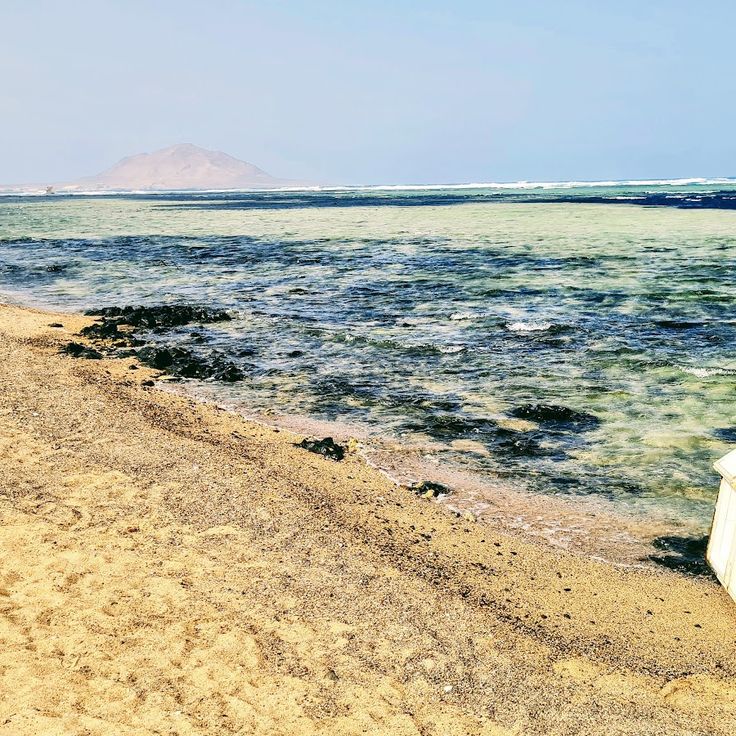
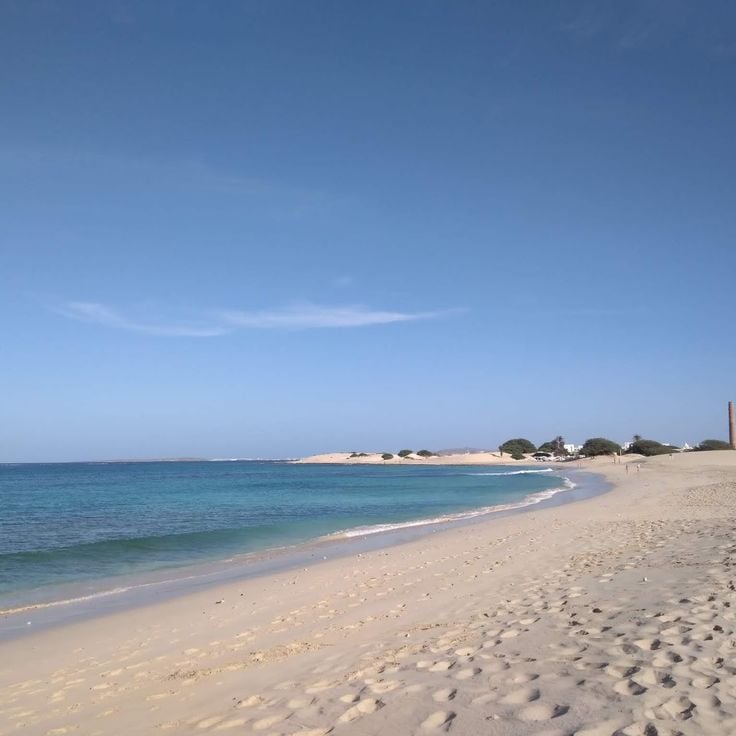
Chaves Beach stretches along the western coast of Boa Vista with kilometers of white sand bordered by dunes. The Atlantic waters wash against the shore, creating a wide and open space. The sand is fine and bright, and the water invites swimming. Wind shapes the landscape, giving it a raw quality. You can walk for a long time here, watch the waves, and sit by the sea. The dunes behind the beach add to the scenery. This is a place where you feel the ocean's presence.
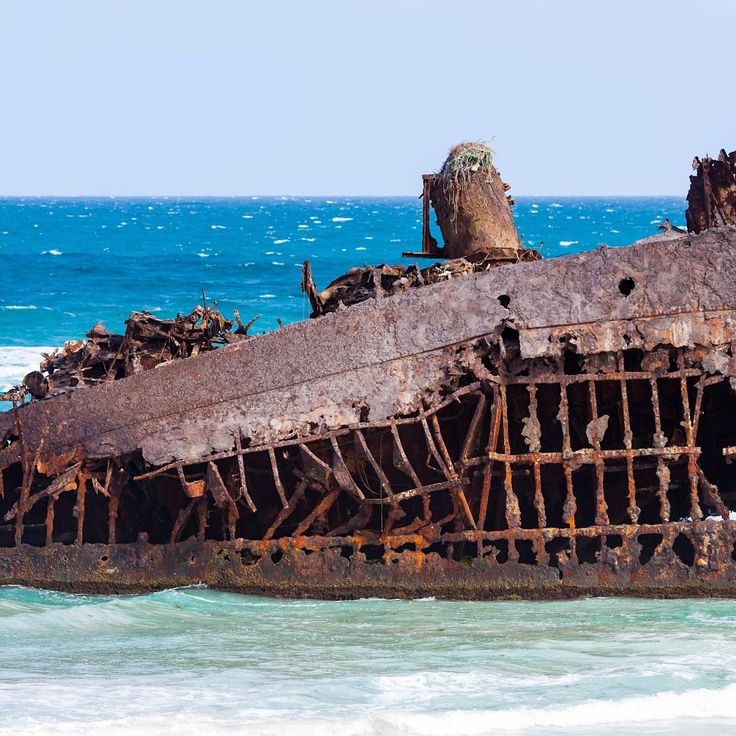
The Cabo Santa Maria wreck on Boa Vista is the rusted skeleton of a Spanish cargo ship that ran aground on the beach in September 1968. The vessel lies partially in the water, telling the story of a time when ships met their end on these coasts. The iron structure bears the marks of rust and time, offering a view of the ocean's power. Visitors walking along the shore see here a reminder of maritime history, showing the connection between Cape Verde and the world's trade routes.
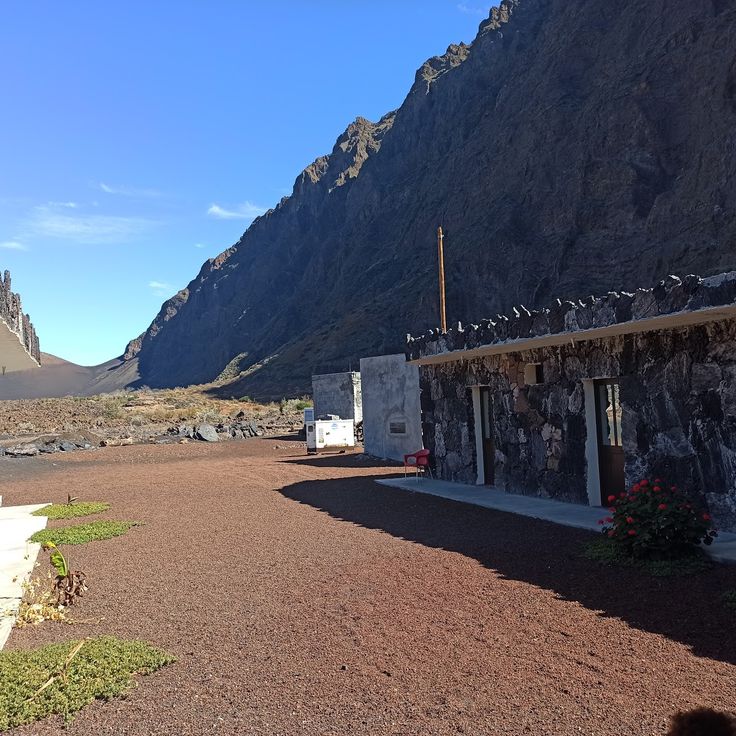
These wine caves sit in the caldera of Fogo volcano, where vines grow on volcanic soil at an elevation of 5,577 feet (1,700 meters). You can walk through the vineyards and see how the dark earth shapes the wine production here. The steep terrain and volcanic ground create unusual conditions for growing grapes. Visitors experience how local winemakers have adapted to this extreme landscape. The setting shows the connection between the land and the wine made from it.
Serra da Malagueta is a mountain range in the north of Santiago Island, characterized by hiking trails and natural observation points. This mountain massif offers visitors a chance to explore endemic vegetation and observe wildlife in their natural habitat. The slopes and paths wind through a landscape shaped by the Cape Verde archipelago, showing how nature has sculpted these Atlantic islands.
The market at Assomada is the commercial heart of Santiago Island and shows daily life here. Local farmers and traders sell fresh fruits, vegetables, fish, and handmade goods. The market is a lively place where people come to shop and meet. The goods come from the surrounding area and reflect what grows and is caught on these islands.
Tarrafal is a town on the northern coast of Santiago with a white sand beach, a working fishing port, and a former detention camp now open as a museum. The beach stretches along the shore, offering views of daily fishing activity, while the museum building preserves the memory of the island's harder past. Visitors can walk along the sand, watch boats come and go, or spend time learning about the people who lived through the camp's history.
Mindelo is the second city of Cape Verde, located on the island of São Vicente. This active port city carries the marks of its Portuguese colonial past. Walking through the historic center, you see white buildings that speak to centuries of maritime tradition. Markets here are where local people gather daily to buy and sell, filled with the rhythm of everyday life. The harbor area shows how much the sea shapes the city's identity. Museums hold stories about the island and its inhabitants. Mindelo weaves together history, commerce, and the daily life of a port town on an Atlantic island.
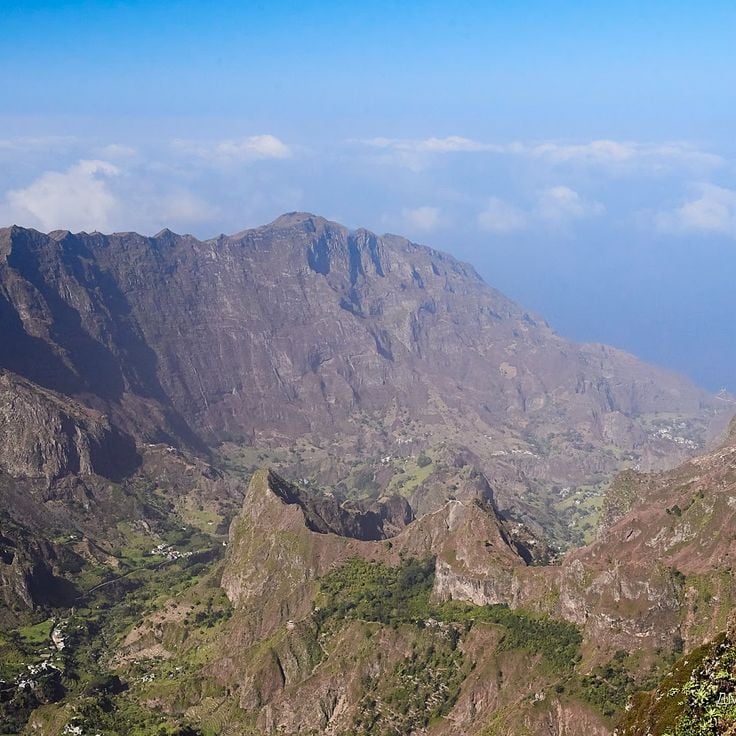
Santo Antão is a mountainous island where you'll find deep valleys with coffee plantations and terraced sugarcane fields. The island reaches 1900 meters in elevation and offers landscapes shaped by both nature and human work. Here you can hike and learn about the way of life of the people who live and work in these mountains.
The fish market of Mindelo is the beating heart of São Vicente's fishing industry. Here fishermen sell their catches directly from their boats, offering tuna, mackerel, and other local species. The market opens each day in the early morning hours, revealing the rhythm of daily life on the Cape Verde islands, where the sea and its resources shape the life of the community.
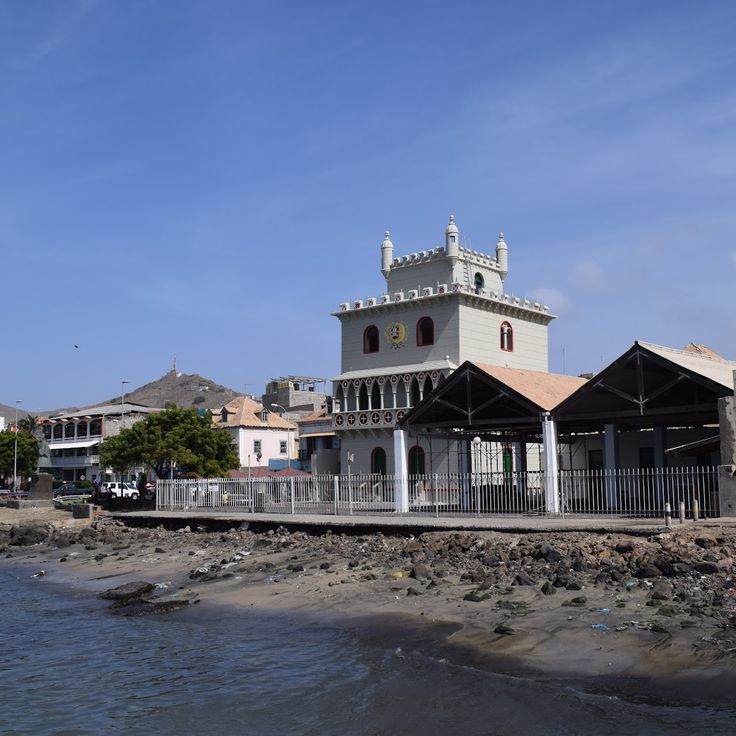
Belem Tower in Mindelo stands white at the harbor entrance, a reminder of Portuguese colonial architecture. This tower follows the design of the original Belem Tower in Lisbon from the 16th century. It marks the history of seafaring and European presence on the Cape Verde islands. The tower is a stone witness to the past and offers insights into when these islands were important stops for ships traveling the Atlantic.
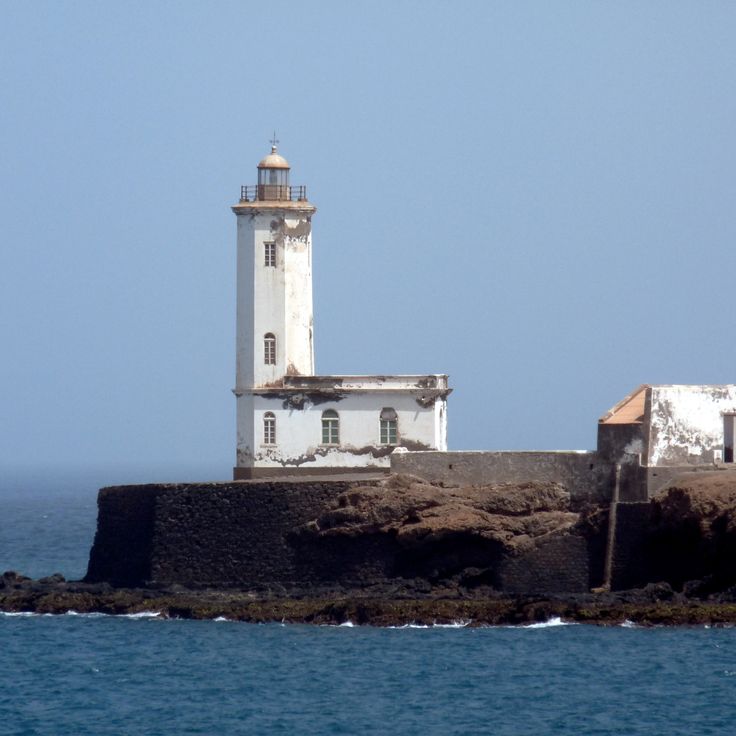
The Dona Maria Pia Lighthouse in Praia is a structure built from stone blocks that stands along the coast of Santiago. This lighthouse has long helped ships navigate safely into Praia's harbor. It remains a witness to Cape Verde's maritime history and shows how important this port was for Atlantic shipping. Visitors can explore this historic site to learn more about the islands' connection to the sea.
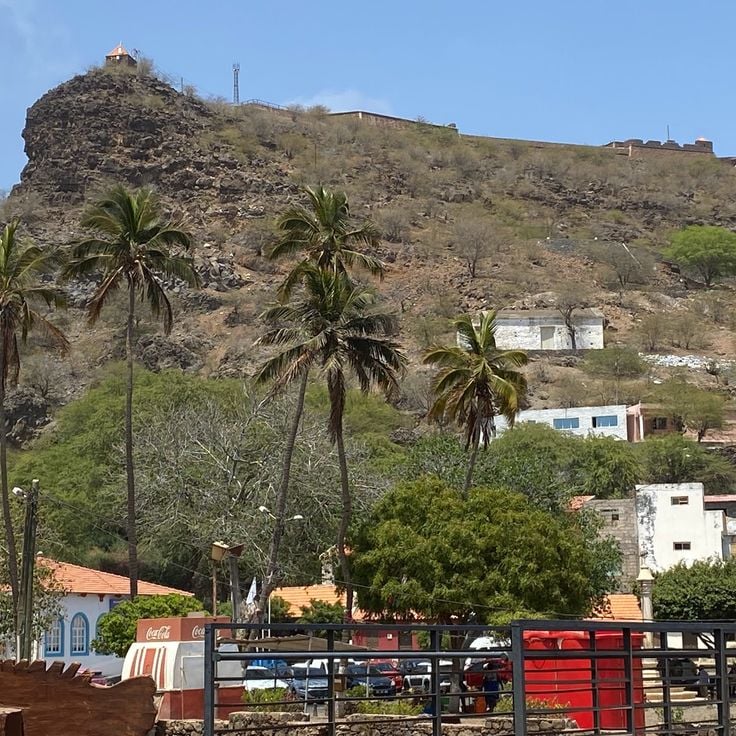
The Forteresse Real de São Filipe is a military fortress from the 16th century perched on a hill overlooking Cidade Velha. Built to protect the harbor from pirate attacks, it stands as a symbol of Cape Verde's colonial past. Today, visitors can walk through its stone walls, take in views of the town and the Atlantic, and learn about the islands' history through the structures and stories that remain.
The Ildo Lobo Palace of Culture in Praia is a former colonial building that now serves as a cultural center. Art exhibitions and performances take place here throughout the year, drawing locals and visitors alike. The building sits in a central location and functions as a gathering place for artistic events and cultural exchange.
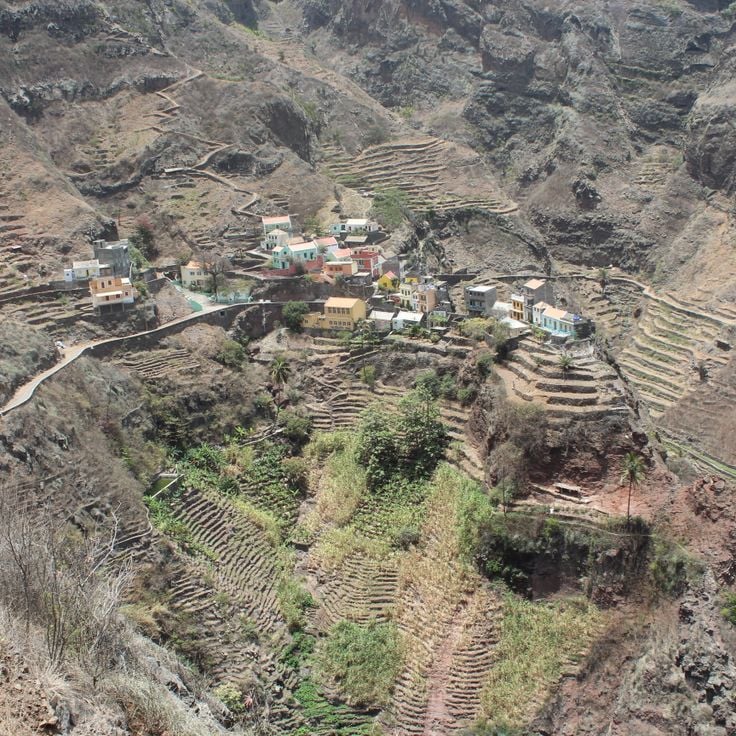
Fontainhas is a village perched on the mountainside of Santo Antão island at 400 meters elevation. The houses with painted walls line the steep streets. This place shows how people in the archipelago have built their homes on the slopes of the volcanic islands. The colored facades reflect the daily life of the islanders and tell of a culture adapted to challenging terrain. Walking through the village, you see how residents have created their community in this remote mountain setting, making use of every available space.
Cova de Paul is a striking volcanic crater on the island of Santo Antão, plunging about 1000 meters deep into the earth. Farmers have built terraces along its slopes to grow coffee, fruits, and vegetables. The green fields create a sharp contrast against the black volcanic rock, showing how people have adapted to this dramatic landscape. Looking down into the crater, you see a patchwork of cultivated land where farmers work daily to feed their families and communities.
Monte Gordo on the island of São Nicolau is a volcanic peak where dark slopes climb steeply upward. From the top, you can see neighboring islands and the ocean stretching beyond. Trails cross the landscape, passing plants that grow nowhere else. The air grows cooler as you climb higher, and on clear days, views stretch far across the Atlantic.
Santa Monica Beach extends along the southwest coast of Boa Vista Island and represents the natural beauty that defines Cape Verde's archipelago. With its white sand and turquoise waters, this beach showcases the coastal landscape that draws visitors to these Atlantic islands. The broad sand dunes were shaped by winds that blow from the Sahara across the ocean, creating a place where you can experience Cape Verde's shoreline up close, whether walking along the water's edge or watching the sea.
The Vallée de Paul on the island of Santo Antão is an agricultural valley where sugarcane, bananas, and mango trees grow on terraces along the slopes. This valley shows how the people of the archipelago used and continue to use the steep landscapes to grow their crops. The terraced fields are signs of human work and adaptation to nature. When you walk through the Vallée de Paul, you see green plants standing up against the dry Saharan wind, and you understand better how life works on these islands.
Nova Sintra serves as the administrative center of Brava Island, located 500 meters (1,600 ft) above sea level. The town features cobbled streets lined with white Portuguese colonial houses that cling to the hillsides. These buildings display typical elements of colonial architecture, with colorful doors and shutters. From this elevated position, you can see the green valleys and the island's coastline stretching below. The town retains the character of earlier times and offers a glimpse into how people live on the island.
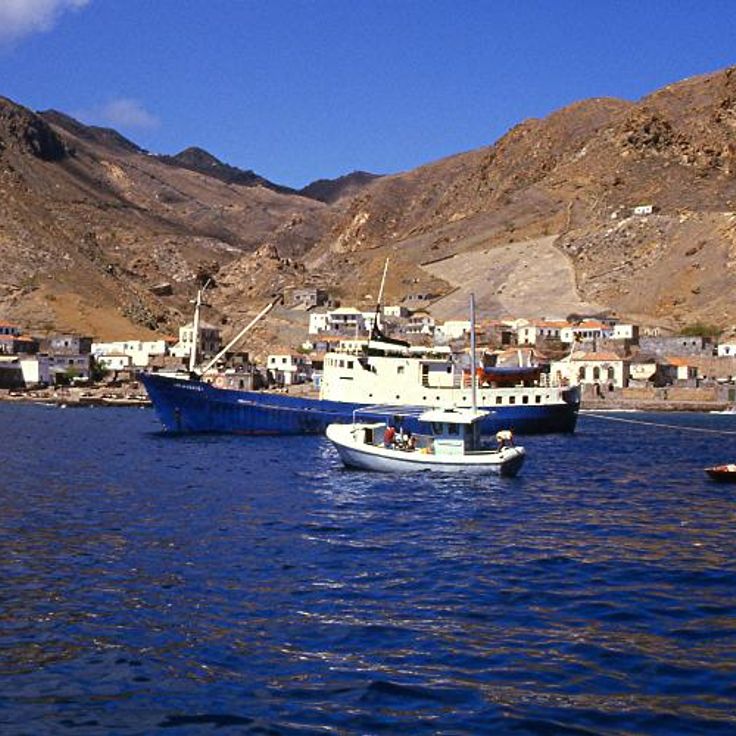
Furna village is a small fishing community on the island of Brava. White houses sit on a hillside overlooking the ocean. The fishermen of the village leave at dawn to catch tuna. Life here moves to the rhythm of the sea and the daily work of people who know the water. Walking through the narrow streets, you see simple houses and boats at the harbor.
Pico do Fogo is an active volcano on the island of Fogo that shapes the island's landscape with its dark volcanic slopes. The mountain reaches 2829 meters in elevation and displays clear traces of lava flows from the 2014 eruption along its sides. The dark rock masses stretch from the peak downward, telling the story of this island's geological history. Those who hike to the summit can see across the entire island archipelago. The volcano stands as a reminder of how powerfully nature has shaped these islands.
Santa Maria Beach is a long stretch of white sand on the island of Sal. Here you will find restaurants and shops selling the work of local artisans. The beach offers a place to relax and explore daily island life, where visitors can enjoy the coastal setting and learn about local culture.
The salt ponds of Pedra de Lume sit in an extinct volcanic crater and have produced sea salt for more than 200 years. This place shows how the people of Cape Verde use the landscape to harvest their resources. The water in the basins is saltier than the ocean, allowing visitors to float almost weightlessly. White salt deposits coat the crater walls, creating an otherworldly sight. The work of salt harvesters still shapes the rhythm of this place, where sun and wind craft salt crystals.
The Viveiro Botanical Garden contains plants that are native to Cape Verde. Within the garden there is also a small enclosure with monkeys and tortoises. This place shows the special plant life of the island group and invites visitors to explore nature in a calm setting. You can see here how the local wildlife connects with the plants of Cape Verde.
Buracona is a rock formation on the coast of Sal Island where the ocean has carved a natural pool into the stone. When waves crash against the rocks, water jets shoot up through the openings. On calmer days, you can swim in this natural stone basin and watch how the water moves through the crevices. This place shows how the power of the sea shapes the coastline over time.
Shark Bay on the island of Sal is a shallow bay where lemon sharks swim. You can watch these fish from the beach or while diving. The water is warm and clear, and the bay provides a safe place to see the marine life up close. This location shows the rich sea life that makes the Cape Verde islands special.
The Viana Desert on Boa Vista Island spreads across sand shaped constantly by the wind. The sand comes from the Sahara, carried here by trade winds. You can walk across the dunes and see how nature reshapes this landscape every day. The place shows how desert and ocean exist side by side, feeling like a piece of the African Sahara that juts into the sea.
This market in Praia is the heart of local commerce and daily life. Under its roofs, merchants sell fresh produce, colorful fabrics, spices, and handcrafted goods. The space is busy and full of energy, with people shopping, negotiating, and gathering. You find here what island residents need, from vegetables to traditional items. It is a place where you directly experience local culture and see how people spend their time.
Built in the 19th century, this church shows the traces of Portuguese colonial history. Its white facade shapes the appearance of Santa Maria, and it remains the main place of worship for the people who live here. The church tells through its architecture the story of the island and stands as a witness to the religious traditions that have shaped the life of this community.
Monte Verde is the highest point on the island of São Vicente. From this summit, visitors can see the city of Mindelo and the ocean below. Marked trails lead to the top, making it accessible for those who want to explore the island's landscape. The climb offers views of the island's volcanic structure and the surrounding sea.
Cidade Velha is the historical heart of Cape Verde, founded in 1462 on the island of Santiago. This old city tells the story of Portuguese colonial times through its architecture and monuments. The fortress Real de São Felipe rises above the town, offering views of the sea and the surrounding houses. The cathedral stands at the center and shows the religious importance of this place. The pillory on the square reminds us of the difficult past of the city. The narrow streets with their old houses invite you to walk and immerse yourself in the daily history of these people. Here you feel the time that lives in these walls.
The natural pools of Faja d'Água on the island of Brava form where rocky outcrops create basins that fill with seawater at high tide. The water sits calm and protected while Atlantic waves crash against the rocks outside. These pools are among the few places in the archipelago where you can swim safely without fighting the open ocean. The rocks around the pools show generations of salt spray and weather. Local people and visitors come here to swim in warm water and experience the raw beauty of this coastline.
Chaves Beach stretches along the western coast of Boa Vista with kilometers of white sand bordered by dunes. The Atlantic waters wash against the shore, creating a wide and open space. The sand is fine and bright, and the water invites swimming. Wind shapes the landscape, giving it a raw quality. You can walk for a long time here, watch the waves, and sit by the sea. The dunes behind the beach add to the scenery. This is a place where you feel the ocean's presence.
The Cabo Santa Maria wreck on Boa Vista is the rusted skeleton of a Spanish cargo ship that ran aground on the beach in September 1968. The vessel lies partially in the water, telling the story of a time when ships met their end on these coasts. The iron structure bears the marks of rust and time, offering a view of the ocean's power. Visitors walking along the shore see here a reminder of maritime history, showing the connection between Cape Verde and the world's trade routes.
These wine caves sit in the caldera of Fogo volcano, where vines grow on volcanic soil at an elevation of 5,577 feet (1,700 meters). You can walk through the vineyards and see how the dark earth shapes the wine production here. The steep terrain and volcanic ground create unusual conditions for growing grapes. Visitors experience how local winemakers have adapted to this extreme landscape. The setting shows the connection between the land and the wine made from it.
Serra da Malagueta is a mountain range in the north of Santiago Island, characterized by hiking trails and natural observation points. This mountain massif offers visitors a chance to explore endemic vegetation and observe wildlife in their natural habitat. The slopes and paths wind through a landscape shaped by the Cape Verde archipelago, showing how nature has sculpted these Atlantic islands.
The market at Assomada is the commercial heart of Santiago Island and shows daily life here. Local farmers and traders sell fresh fruits, vegetables, fish, and handmade goods. The market is a lively place where people come to shop and meet. The goods come from the surrounding area and reflect what grows and is caught on these islands.
Tarrafal is a town on the northern coast of Santiago with a white sand beach, a working fishing port, and a former detention camp now open as a museum. The beach stretches along the shore, offering views of daily fishing activity, while the museum building preserves the memory of the island's harder past. Visitors can walk along the sand, watch boats come and go, or spend time learning about the people who lived through the camp's history.
Mindelo is the second city of Cape Verde, located on the island of São Vicente. This active port city carries the marks of its Portuguese colonial past. Walking through the historic center, you see white buildings that speak to centuries of maritime tradition. Markets here are where local people gather daily to buy and sell, filled with the rhythm of everyday life. The harbor area shows how much the sea shapes the city's identity. Museums hold stories about the island and its inhabitants. Mindelo weaves together history, commerce, and the daily life of a port town on an Atlantic island.
Santo Antão is a mountainous island where you'll find deep valleys with coffee plantations and terraced sugarcane fields. The island reaches 1900 meters in elevation and offers landscapes shaped by both nature and human work. Here you can hike and learn about the way of life of the people who live and work in these mountains.
The fish market of Mindelo is the beating heart of São Vicente's fishing industry. Here fishermen sell their catches directly from their boats, offering tuna, mackerel, and other local species. The market opens each day in the early morning hours, revealing the rhythm of daily life on the Cape Verde islands, where the sea and its resources shape the life of the community.
Belem Tower in Mindelo stands white at the harbor entrance, a reminder of Portuguese colonial architecture. This tower follows the design of the original Belem Tower in Lisbon from the 16th century. It marks the history of seafaring and European presence on the Cape Verde islands. The tower is a stone witness to the past and offers insights into when these islands were important stops for ships traveling the Atlantic.
The Dona Maria Pia Lighthouse in Praia is a structure built from stone blocks that stands along the coast of Santiago. This lighthouse has long helped ships navigate safely into Praia's harbor. It remains a witness to Cape Verde's maritime history and shows how important this port was for Atlantic shipping. Visitors can explore this historic site to learn more about the islands' connection to the sea.
The Forteresse Real de São Filipe is a military fortress from the 16th century perched on a hill overlooking Cidade Velha. Built to protect the harbor from pirate attacks, it stands as a symbol of Cape Verde's colonial past. Today, visitors can walk through its stone walls, take in views of the town and the Atlantic, and learn about the islands' history through the structures and stories that remain.
The Ildo Lobo Palace of Culture in Praia is a former colonial building that now serves as a cultural center. Art exhibitions and performances take place here throughout the year, drawing locals and visitors alike. The building sits in a central location and functions as a gathering place for artistic events and cultural exchange.
Fontainhas is a village perched on the mountainside of Santo Antão island at 400 meters elevation. The houses with painted walls line the steep streets. This place shows how people in the archipelago have built their homes on the slopes of the volcanic islands. The colored facades reflect the daily life of the islanders and tell of a culture adapted to challenging terrain. Walking through the village, you see how residents have created their community in this remote mountain setting, making use of every available space.
Cova de Paul is a striking volcanic crater on the island of Santo Antão, plunging about 1000 meters deep into the earth. Farmers have built terraces along its slopes to grow coffee, fruits, and vegetables. The green fields create a sharp contrast against the black volcanic rock, showing how people have adapted to this dramatic landscape. Looking down into the crater, you see a patchwork of cultivated land where farmers work daily to feed their families and communities.
Monte Gordo on the island of São Nicolau is a volcanic peak where dark slopes climb steeply upward. From the top, you can see neighboring islands and the ocean stretching beyond. Trails cross the landscape, passing plants that grow nowhere else. The air grows cooler as you climb higher, and on clear days, views stretch far across the Atlantic.
Santa Monica Beach extends along the southwest coast of Boa Vista Island and represents the natural beauty that defines Cape Verde's archipelago. With its white sand and turquoise waters, this beach showcases the coastal landscape that draws visitors to these Atlantic islands. The broad sand dunes were shaped by winds that blow from the Sahara across the ocean, creating a place where you can experience Cape Verde's shoreline up close, whether walking along the water's edge or watching the sea.
The Vallée de Paul on the island of Santo Antão is an agricultural valley where sugarcane, bananas, and mango trees grow on terraces along the slopes. This valley shows how the people of the archipelago used and continue to use the steep landscapes to grow their crops. The terraced fields are signs of human work and adaptation to nature. When you walk through the Vallée de Paul, you see green plants standing up against the dry Saharan wind, and you understand better how life works on these islands.
Nova Sintra serves as the administrative center of Brava Island, located 500 meters (1,600 ft) above sea level. The town features cobbled streets lined with white Portuguese colonial houses that cling to the hillsides. These buildings display typical elements of colonial architecture, with colorful doors and shutters. From this elevated position, you can see the green valleys and the island's coastline stretching below. The town retains the character of earlier times and offers a glimpse into how people live on the island.
Furna village is a small fishing community on the island of Brava. White houses sit on a hillside overlooking the ocean. The fishermen of the village leave at dawn to catch tuna. Life here moves to the rhythm of the sea and the daily work of people who know the water. Walking through the narrow streets, you see simple houses and boats at the harbor.
Pico do Fogo is an active volcano on the island of Fogo that shapes the island's landscape with its dark volcanic slopes. The mountain reaches 2829 meters in elevation and displays clear traces of lava flows from the 2014 eruption along its sides. The dark rock masses stretch from the peak downward, telling the story of this island's geological history. Those who hike to the summit can see across the entire island archipelago. The volcano stands as a reminder of how powerfully nature has shaped these islands.
Santa Maria Beach is a long stretch of white sand on the island of Sal. Here you will find restaurants and shops selling the work of local artisans. The beach offers a place to relax and explore daily island life, where visitors can enjoy the coastal setting and learn about local culture.
The salt ponds of Pedra de Lume sit in an extinct volcanic crater and have produced sea salt for more than 200 years. This place shows how the people of Cape Verde use the landscape to harvest their resources. The water in the basins is saltier than the ocean, allowing visitors to float almost weightlessly. White salt deposits coat the crater walls, creating an otherworldly sight. The work of salt harvesters still shapes the rhythm of this place, where sun and wind craft salt crystals.
The Viveiro Botanical Garden contains plants that are native to Cape Verde. Within the garden there is also a small enclosure with monkeys and tortoises. This place shows the special plant life of the island group and invites visitors to explore nature in a calm setting. You can see here how the local wildlife connects with the plants of Cape Verde.
Buracona is a rock formation on the coast of Sal Island where the ocean has carved a natural pool into the stone. When waves crash against the rocks, water jets shoot up through the openings. On calmer days, you can swim in this natural stone basin and watch how the water moves through the crevices. This place shows how the power of the sea shapes the coastline over time.
Shark Bay on the island of Sal is a shallow bay where lemon sharks swim. You can watch these fish from the beach or while diving. The water is warm and clear, and the bay provides a safe place to see the marine life up close. This location shows the rich sea life that makes the Cape Verde islands special.
The Viana Desert on Boa Vista Island spreads across sand shaped constantly by the wind. The sand comes from the Sahara, carried here by trade winds. You can walk across the dunes and see how nature reshapes this landscape every day. The place shows how desert and ocean exist side by side, feeling like a piece of the African Sahara that juts into the sea.
This market in Praia is the heart of local commerce and daily life. Under its roofs, merchants sell fresh produce, colorful fabrics, spices, and handcrafted goods. The space is busy and full of energy, with people shopping, negotiating, and gathering. You find here what island residents need, from vegetables to traditional items. It is a place where you directly experience local culture and see how people spend their time.
Built in the 19th century, this church shows the traces of Portuguese colonial history. Its white facade shapes the appearance of Santa Maria, and it remains the main place of worship for the people who live here. The church tells through its architecture the story of the island and stands as a witness to the religious traditions that have shaped the life of this community.
Monte Verde is the highest point on the island of São Vicente. From this summit, visitors can see the city of Mindelo and the ocean below. Marked trails lead to the top, making it accessible for those who want to explore the island's landscape. The climb offers views of the island's volcanic structure and the surrounding sea.
Cidade Velha is the historical heart of Cape Verde, founded in 1462 on the island of Santiago. This old city tells the story of Portuguese colonial times through its architecture and monuments. The fortress Real de São Felipe rises above the town, offering views of the sea and the surrounding houses. The cathedral stands at the center and shows the religious importance of this place. The pillory on the square reminds us of the difficult past of the city. The narrow streets with their old houses invite you to walk and immerse yourself in the daily history of these people. Here you feel the time that lives in these walls.
The natural pools of Faja d'Água on the island of Brava form where rocky outcrops create basins that fill with seawater at high tide. The water sits calm and protected while Atlantic waves crash against the rocks outside. These pools are among the few places in the archipelago where you can swim safely without fighting the open ocean. The rocks around the pools show generations of salt spray and weather. Local people and visitors come here to swim in warm water and experience the raw beauty of this coastline.
Chaves Beach stretches along the western coast of Boa Vista with kilometers of white sand bordered by dunes. The Atlantic waters wash against the shore, creating a wide and open space. The sand is fine and bright, and the water invites swimming. Wind shapes the landscape, giving it a raw quality. You can walk for a long time here, watch the waves, and sit by the sea. The dunes behind the beach add to the scenery. This is a place where you feel the ocean's presence.
The Cabo Santa Maria wreck on Boa Vista is the rusted skeleton of a Spanish cargo ship that ran aground on the beach in September 1968. The vessel lies partially in the water, telling the story of a time when ships met their end on these coasts. The iron structure bears the marks of rust and time, offering a view of the ocean's power. Visitors walking along the shore see here a reminder of maritime history, showing the connection between Cape Verde and the world's trade routes.
These wine caves sit in the caldera of Fogo volcano, where vines grow on volcanic soil at an elevation of 5,577 feet (1,700 meters). You can walk through the vineyards and see how the dark earth shapes the wine production here. The steep terrain and volcanic ground create unusual conditions for growing grapes. Visitors experience how local winemakers have adapted to this extreme landscape. The setting shows the connection between the land and the wine made from it.
Serra da Malagueta is a mountain range in the north of Santiago Island, characterized by hiking trails and natural observation points. This mountain massif offers visitors a chance to explore endemic vegetation and observe wildlife in their natural habitat. The slopes and paths wind through a landscape shaped by the Cape Verde archipelago, showing how nature has sculpted these Atlantic islands.
The market at Assomada is the commercial heart of Santiago Island and shows daily life here. Local farmers and traders sell fresh fruits, vegetables, fish, and handmade goods. The market is a lively place where people come to shop and meet. The goods come from the surrounding area and reflect what grows and is caught on these islands.
Tarrafal is a town on the northern coast of Santiago with a white sand beach, a working fishing port, and a former detention camp now open as a museum. The beach stretches along the shore, offering views of daily fishing activity, while the museum building preserves the memory of the island's harder past. Visitors can walk along the sand, watch boats come and go, or spend time learning about the people who lived through the camp's history.
Mindelo is the second city of Cape Verde, located on the island of São Vicente. This active port city carries the marks of its Portuguese colonial past. Walking through the historic center, you see white buildings that speak to centuries of maritime tradition. Markets here are where local people gather daily to buy and sell, filled with the rhythm of everyday life. The harbor area shows how much the sea shapes the city's identity. Museums hold stories about the island and its inhabitants. Mindelo weaves together history, commerce, and the daily life of a port town on an Atlantic island.
Santo Antão is a mountainous island where you'll find deep valleys with coffee plantations and terraced sugarcane fields. The island reaches 1900 meters in elevation and offers landscapes shaped by both nature and human work. Here you can hike and learn about the way of life of the people who live and work in these mountains.
The fish market of Mindelo is the beating heart of São Vicente's fishing industry. Here fishermen sell their catches directly from their boats, offering tuna, mackerel, and other local species. The market opens each day in the early morning hours, revealing the rhythm of daily life on the Cape Verde islands, where the sea and its resources shape the life of the community.
Belem Tower in Mindelo stands white at the harbor entrance, a reminder of Portuguese colonial architecture. This tower follows the design of the original Belem Tower in Lisbon from the 16th century. It marks the history of seafaring and European presence on the Cape Verde islands. The tower is a stone witness to the past and offers insights into when these islands were important stops for ships traveling the Atlantic.
The Dona Maria Pia Lighthouse in Praia is a structure built from stone blocks that stands along the coast of Santiago. This lighthouse has long helped ships navigate safely into Praia's harbor. It remains a witness to Cape Verde's maritime history and shows how important this port was for Atlantic shipping. Visitors can explore this historic site to learn more about the islands' connection to the sea.
The Forteresse Real de São Filipe is a military fortress from the 16th century perched on a hill overlooking Cidade Velha. Built to protect the harbor from pirate attacks, it stands as a symbol of Cape Verde's colonial past. Today, visitors can walk through its stone walls, take in views of the town and the Atlantic, and learn about the islands' history through the structures and stories that remain.
The Ildo Lobo Palace of Culture in Praia is a former colonial building that now serves as a cultural center. Art exhibitions and performances take place here throughout the year, drawing locals and visitors alike. The building sits in a central location and functions as a gathering place for artistic events and cultural exchange.
Fontainhas is a village perched on the mountainside of Santo Antão island at 400 meters elevation. The houses with painted walls line the steep streets. This place shows how people in the archipelago have built their homes on the slopes of the volcanic islands. The colored facades reflect the daily life of the islanders and tell of a culture adapted to challenging terrain. Walking through the village, you see how residents have created their community in this remote mountain setting, making use of every available space.
Cova de Paul is a striking volcanic crater on the island of Santo Antão, plunging about 1000 meters deep into the earth. Farmers have built terraces along its slopes to grow coffee, fruits, and vegetables. The green fields create a sharp contrast against the black volcanic rock, showing how people have adapted to this dramatic landscape. Looking down into the crater, you see a patchwork of cultivated land where farmers work daily to feed their families and communities.
Monte Gordo on the island of São Nicolau is a volcanic peak where dark slopes climb steeply upward. From the top, you can see neighboring islands and the ocean stretching beyond. Trails cross the landscape, passing plants that grow nowhere else. The air grows cooler as you climb higher, and on clear days, views stretch far across the Atlantic.
Santa Monica Beach extends along the southwest coast of Boa Vista Island and represents the natural beauty that defines Cape Verde's archipelago. With its white sand and turquoise waters, this beach showcases the coastal landscape that draws visitors to these Atlantic islands. The broad sand dunes were shaped by winds that blow from the Sahara across the ocean, creating a place where you can experience Cape Verde's shoreline up close, whether walking along the water's edge or watching the sea.
The Vallée de Paul on the island of Santo Antão is an agricultural valley where sugarcane, bananas, and mango trees grow on terraces along the slopes. This valley shows how the people of the archipelago used and continue to use the steep landscapes to grow their crops. The terraced fields are signs of human work and adaptation to nature. When you walk through the Vallée de Paul, you see green plants standing up against the dry Saharan wind, and you understand better how life works on these islands.
Nova Sintra serves as the administrative center of Brava Island, located 500 meters (1,600 ft) above sea level. The town features cobbled streets lined with white Portuguese colonial houses that cling to the hillsides. These buildings display typical elements of colonial architecture, with colorful doors and shutters. From this elevated position, you can see the green valleys and the island's coastline stretching below. The town retains the character of earlier times and offers a glimpse into how people live on the island.
Furna village is a small fishing community on the island of Brava. White houses sit on a hillside overlooking the ocean. The fishermen of the village leave at dawn to catch tuna. Life here moves to the rhythm of the sea and the daily work of people who know the water. Walking through the narrow streets, you see simple houses and boats at the harbor.