See the monuments around you in AROpen chests in the app
Around Us is built for your phone — point your camera at the streets and discover the monuments and places around you in augmented reality.Around Us is built for your phone — chests unlock when you walk, explore and capture nearby places.
Moldova holds a collection of places that tell the story of the country through wine, religion, and history. You can descend into the underground galleries of Cricova and Milestii Mici, where thousands of bottles rest in cool tunnels carved into the earth. Monasteries like Saharna and Căpriana show the deep roots of Orthodox faith, with their churches sitting quietly in the landscape. Stone fortresses at Soroca and Bender stand as reminders of times when these walls protected the people living here. In the capital, Chișinău, you will find museums filled with artifacts, parks where locals spend their afternoons, and monuments that mark important moments in the nation's past. Together, these sites create a path through Moldova that moves from underground cellars to mountaintop monasteries, from ancient ruins to modern gardens. Each place shows a different piece of how people have lived here over centuries.
Moldova holds a collection of places that tell the story of the country through wine, religion, and history. You can descend into the underground galleries of Cricova and Milestii Mici, where thousands of bottles rest in cool tunnels carved into the earth. Monasteries like Saharna and Căpriana show the deep roots of Orthodox faith, with their churches sitting quietly in the landscape. Stone fortresses at Soroca and Bender stand as reminders of times when these walls protected the people living here. In the capital, Chișinău, you will find museums filled with artifacts, parks where locals spend their afternoons, and monuments that mark important moments in the nation's past. Together, these sites create a path through Moldova that moves from underground cellars to mountaintop monasteries, from ancient ruins to modern gardens. Each place shows a different piece of how people have lived here over centuries.
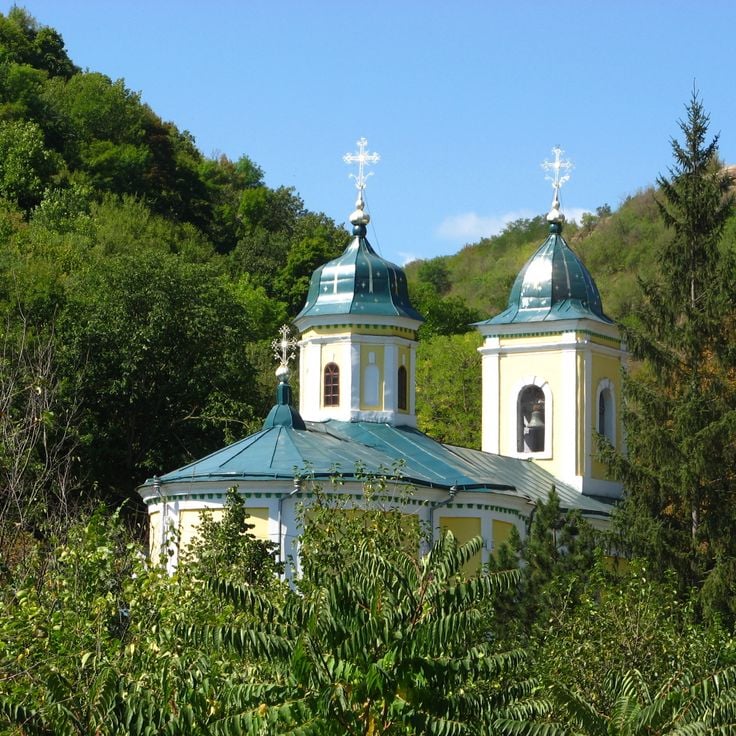
Saharna Monastery reveals the deep roots of Orthodox faith in Moldova. This 18th-century complex sits quietly in the landscape, with a church, monastic cells, and gardens tended by monks. The site fits into the larger story of how people have lived here over centuries, connecting to underground wine galleries, fortress walls, and the spiritual life that shaped the nation.
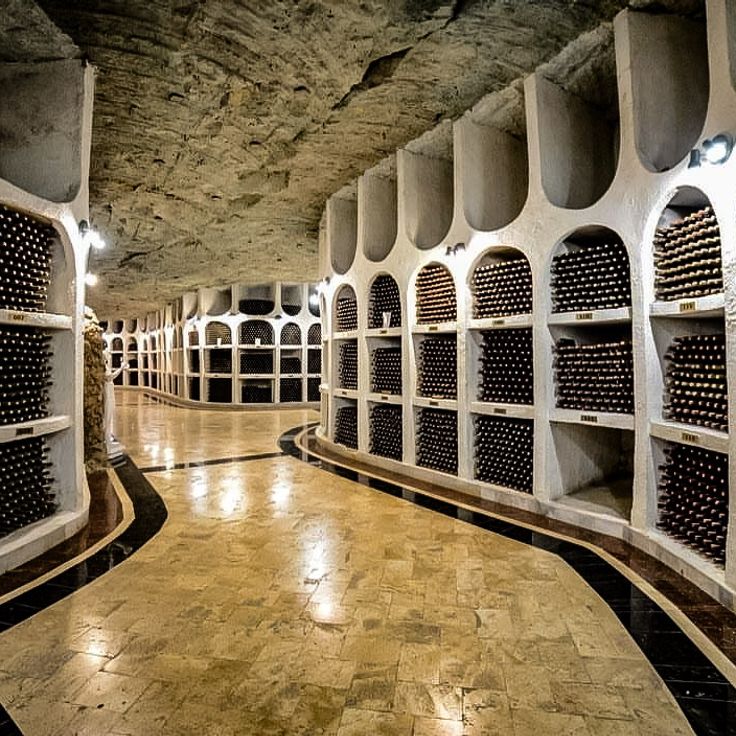
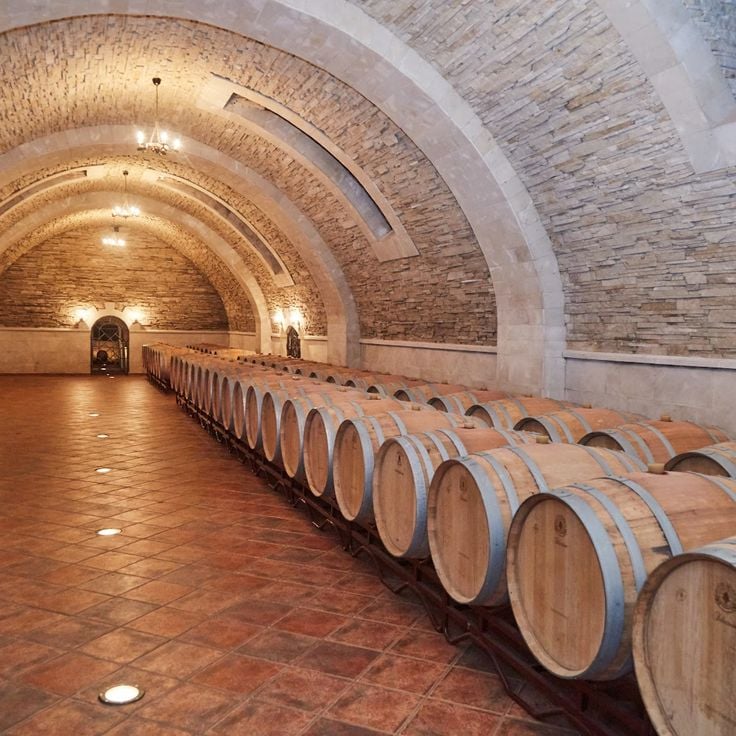
Cricova Wine Cellar is part of Moldova's underground heritage and shows how the country has developed its wine culture over the centuries. This cellar extends through limestone tunnels beneath the earth, where thousands of bottles rest in a cool environment. The place connects traditional winemaking craftsmanship with the geological characteristics of the region and tells the story of wine's importance to Moldovan identity.
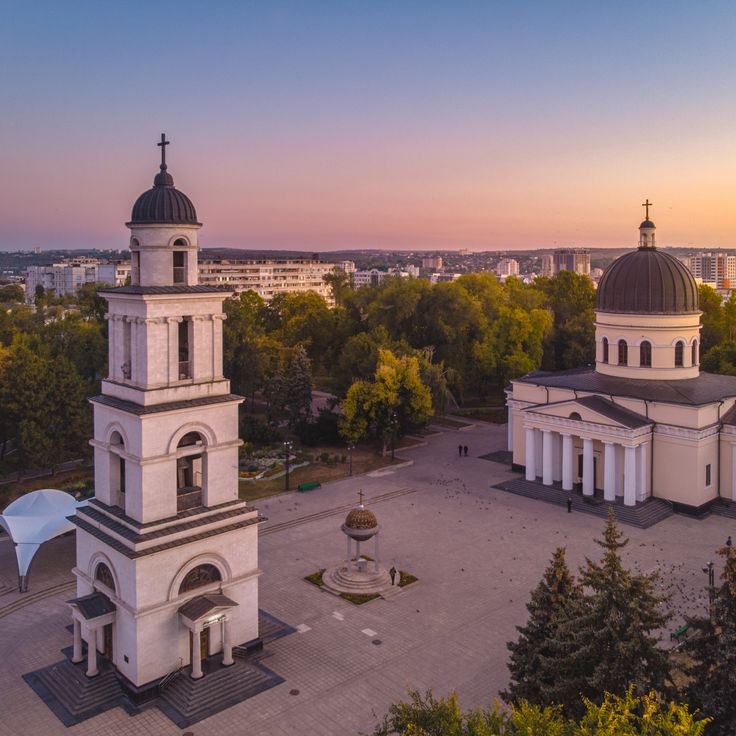
The Nativity Cathedral stands in the heart of Chișinău and speaks to Moldova's religious past. Built in 1836 in neoclassical style, this church holds an important place in the country's spiritual life. Inside, you will find frescoes and a wooden iconostasis carved by hand in the 19th century. This cathedral connects to the other sites in this collection that reveal how Orthodox faith runs deep through Moldova's history.
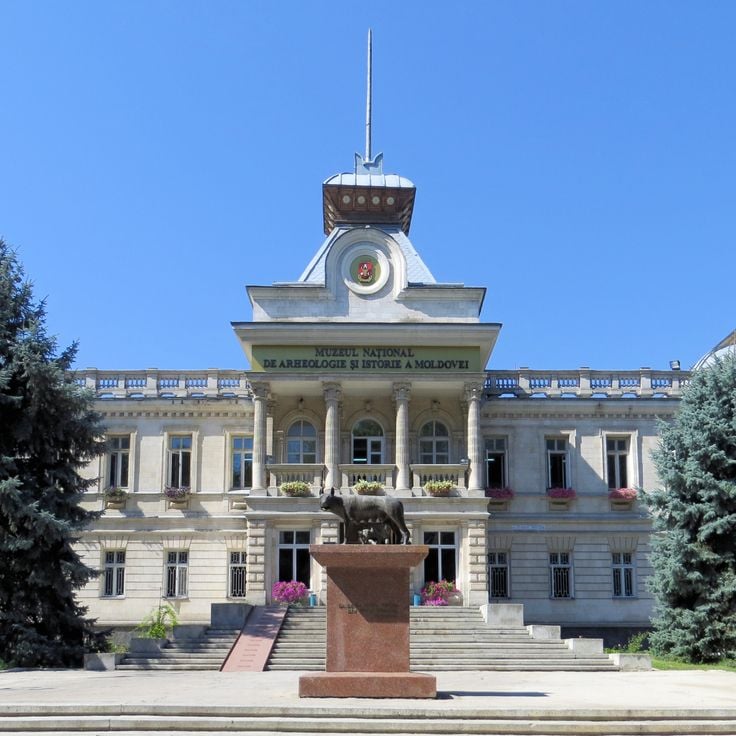
The National Museum of History displays Moldovan history from the earliest times to today. With over 263,000 objects, this museum tells the story of the country through artifacts, artworks, and historical documents. As part of these journeys through less-travelled places, the museum connects the stories told at other locations like the wine cellars and monasteries, offering a comprehensive view of Moldova's past in one central place in the capital.
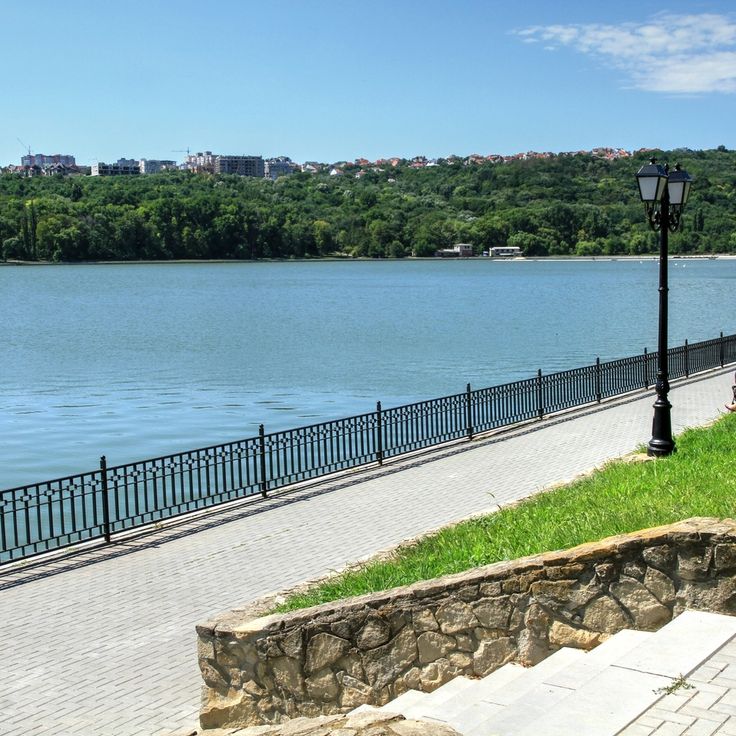
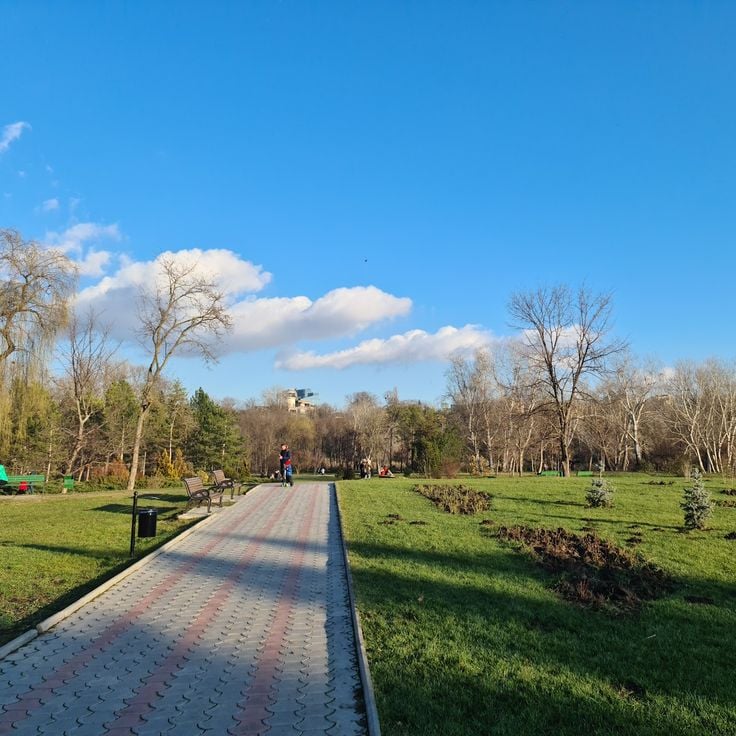
Valea Morilor is one of the places that shows how people in Moldova's capital spend their time. This park was developed in the 1950s and contains a large artificial lake, walking paths, and open areas where locals gather. The 34-hectare space offers a window into daily life in Chișinău and how the city has grown over time. Valea Morilor fits into Moldova's story as a place where locals relax and enjoy nature within the city.
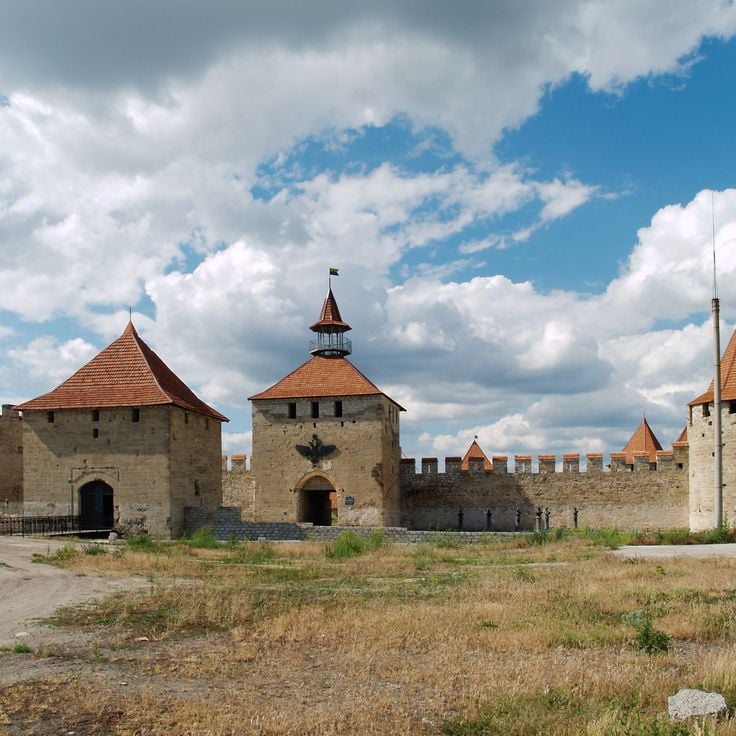
Bender Fortress is a stone military structure built in the 16th century on the banks of the Dniester. As part of Moldova's collection of places that tell the nation's story, it stands as a reminder of times when walls like these protected the people living here. With eight towers and thick defensive walls, visitors can explore how fortresses shaped life in this region and what role they played in keeping communities safe.
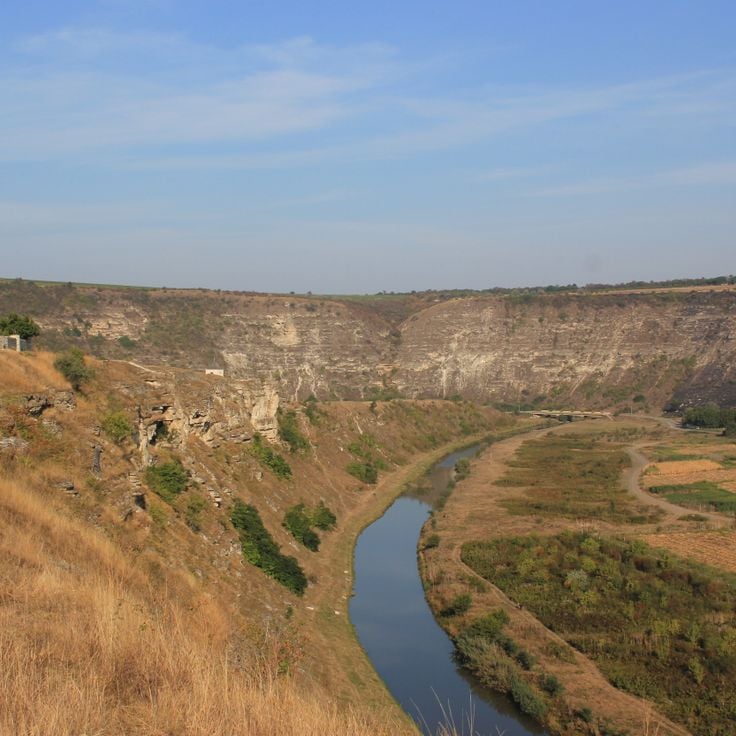
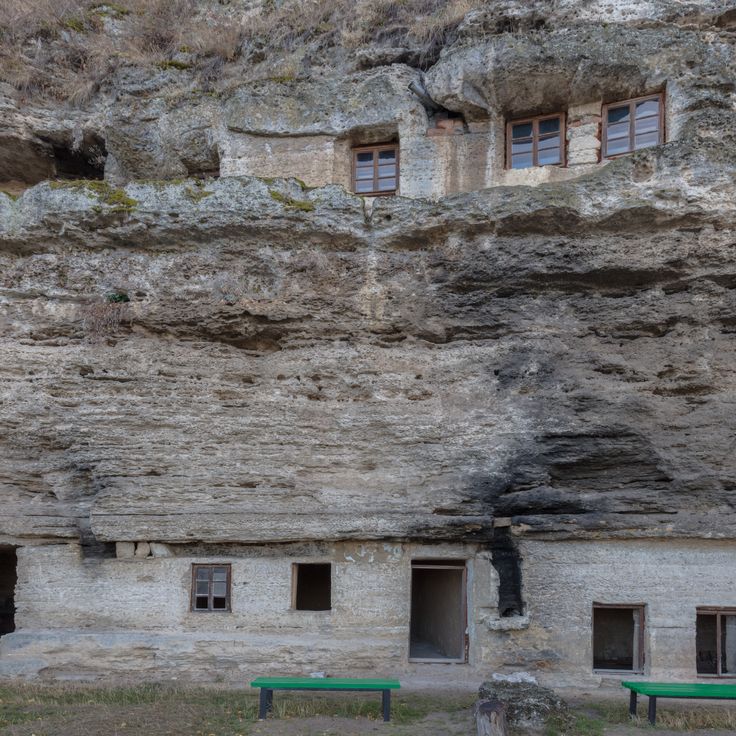
Orheiul Vechi sits in a loop of the Răut River and merges history with natural surroundings. A monastery is carved directly into the limestone cliffs, and remains from the 14th century are scattered across the site. The place shows how people built their lives here over centuries, adapting to the landscape and creating structures that blend with the rock. Walking through this valley, visitors can explore old buildings, understand the religious importance of the site, and see how this location fits into Moldova's past.
Dendrariu Park is a large green space in Chișinău that shows how people in Moldova connect with their surroundings. Created in 1973, this park spans 78 hectares and holds more than 2000 plant species arranged in different themed sections. Visitors walk through gardens, including a rose garden, and around a lake where locals spend their afternoons. The park offers a quiet place to experience nature and represents the modern side of Moldova's story, balancing the country's historical sites and wine cellars with spaces for everyday life.
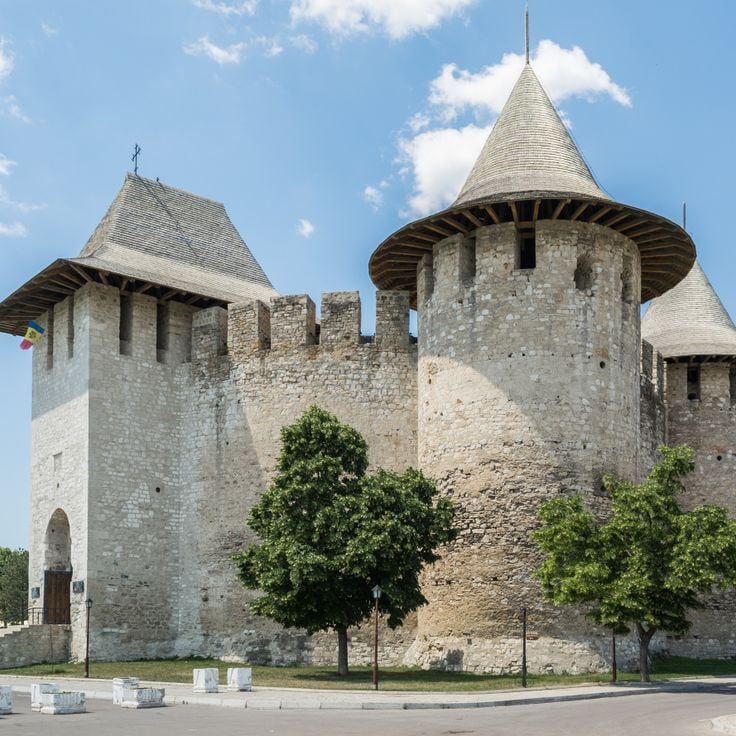
Soroca Fortress is a circular defensive structure built in 1499 under Stephen the Great, consisting of five towers connected by high walls. This fortress tells the story of Moldova's need to protect itself during turbulent times. You can walk along the walls and climb the towers to see across the Dnestr plain. The fortress still stands strong on its hilltop, visible from far away. It shows how people built lasting structures to keep their lands safe. Walking through it, you sense the determination of those who constructed and defended these walls.
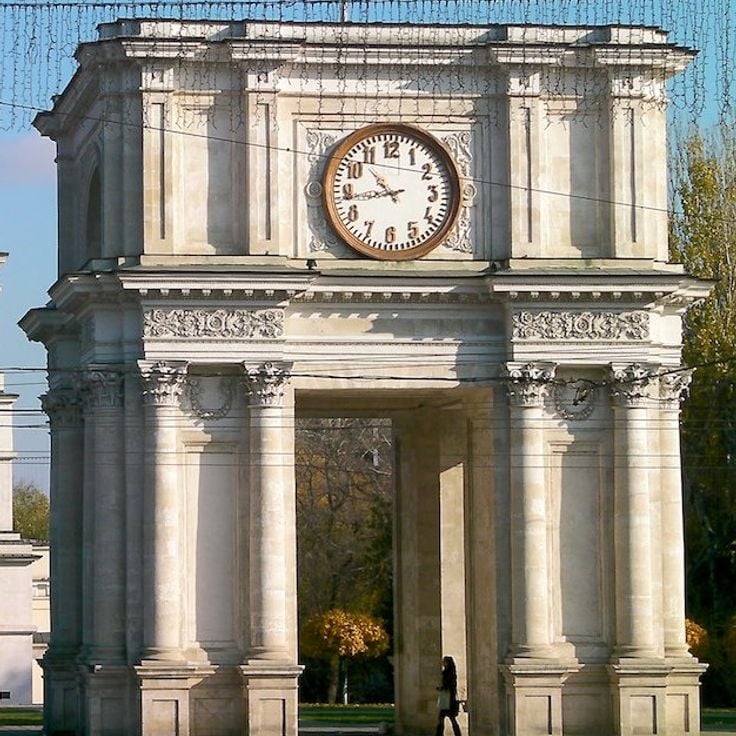
The Triumphal Arch stands in Chișinău as a military monument from 1841, built during the Russian Empire period. Each side features a victory bell and a clock, making it a notable landmark in the capital. It fits within the broader journey through Moldova that traces the nation's story from underground wine galleries to monastery-topped hills, showing how the country has developed over time.
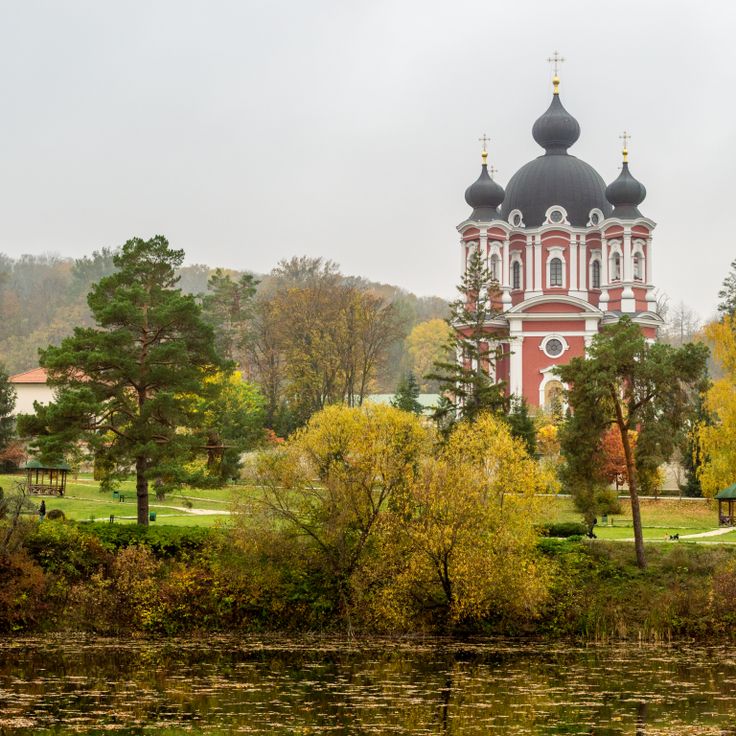
Curchi Monastery tells the story of Orthodox faith through its five churches, gardens, and monastic buildings. This 19th-century religious ensemble shows how deeply rooted spirituality is in Moldova's culture and fits into the larger path through the country's hidden places where religion, wine, and history intertwine.
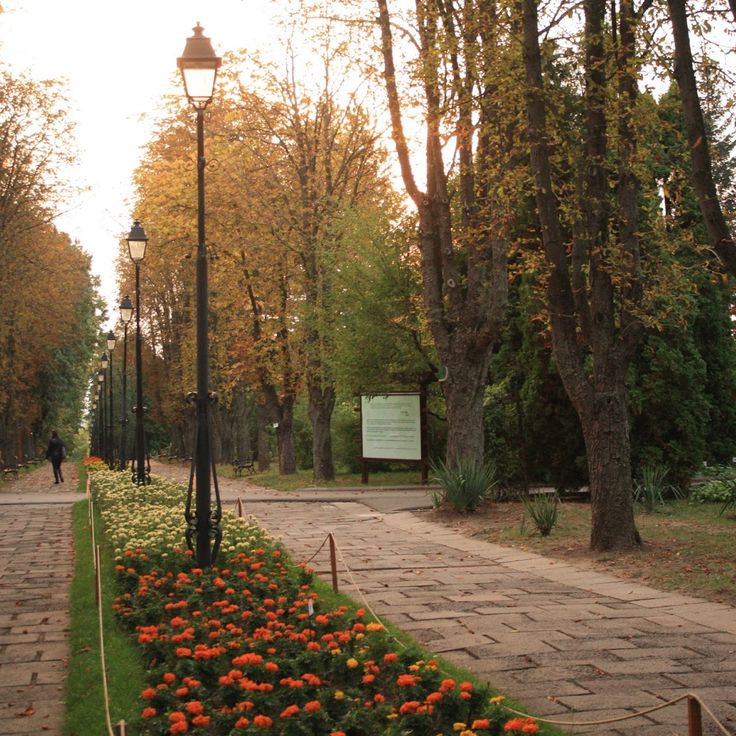
Pushkin Park is a green space in the heart of Chișinău, part of this journey through Moldova. Created in 1818, it shows how the city has grown over time. The park has tree-lined pathways that provide shade, a central fountain where water sprays into the air, and monuments that mark important moments in history. Here you see how locals spend their free time, sitting on benches and walking under the trees.
The National Public Garden of Chișinău is a botanical research center where visitors walk through gardens filled with thousands of plant species from around the world. Tropical greenhouses display plants from warm climates, a rose garden showcases flowering varieties, and laboratories show how scientists study plants. This garden fits naturally into a journey through Moldova that also includes underground wine tunnels, historic monasteries, and stone fortresses. Walking through this garden reveals how people have cultivated and understood nature across different periods of time.
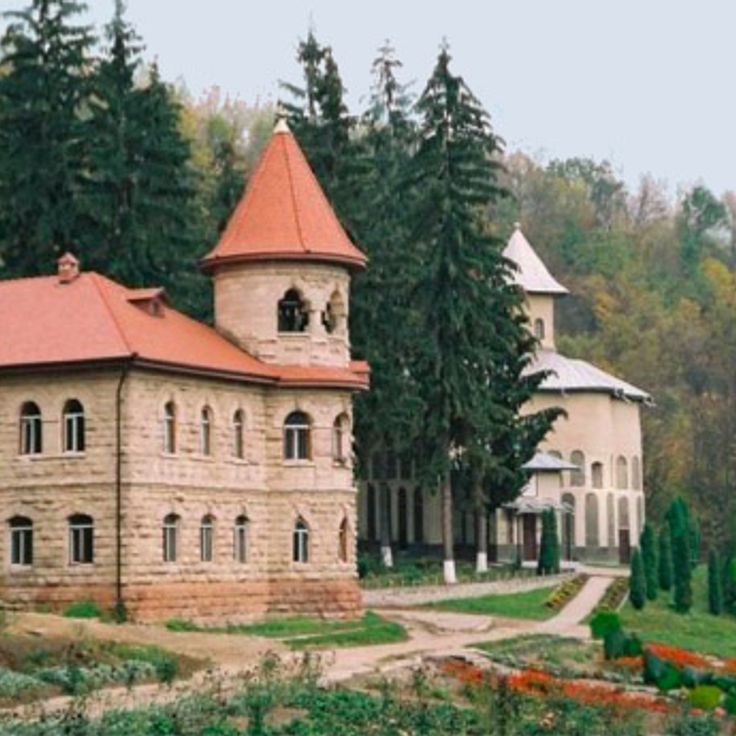
This monastery tells an important chapter of Moldova's religious history. Rudi Monastery is an Orthodox complex built from white stone in the 18th century. It sits in a quiet forest landscape near the Dniester River. The monastery fits into Moldova's story, where faith runs deep through the culture and shapes how people have lived here over centuries.
Milestii Mici Wine Cellar is an underground world of limestone tunnels carved deep beneath the earth. Here, millions of wine bottles rest in cool, steady conditions that have been maintained across generations. The passages spread like a labyrinth under the land, with names of years and decades etched into the walls. Visitors walk through these subterranean spaces and come to understand winemaking as a craft deeply rooted in Moldova. This cellar demonstrates how the country has woven wine into its history and identity.
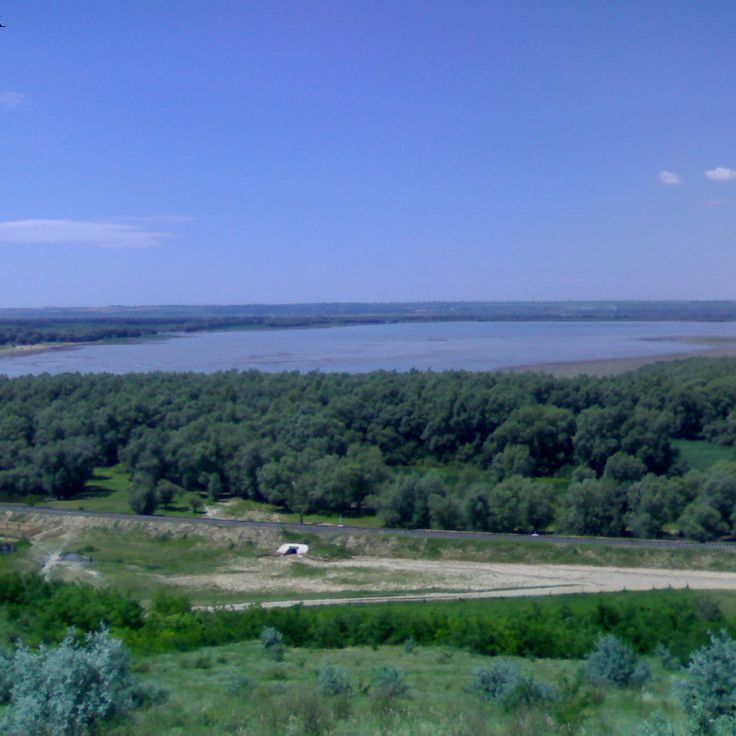
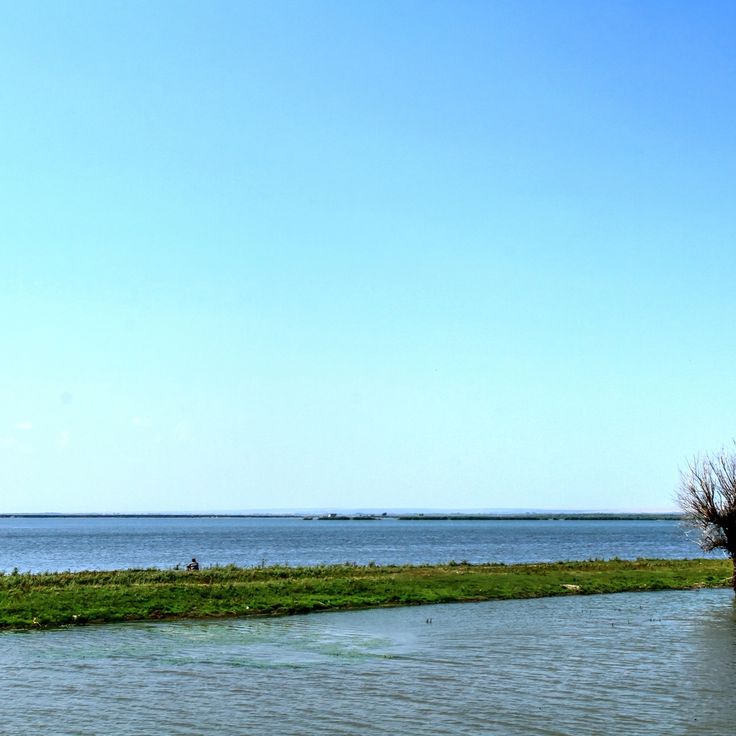
Lake Beleu is a 628-hectare nature reserve in Slobozia Mare that protects fish and migratory bird species within a wetland system. It fits into Moldova's story, which spans from underground wine cellars to mountaintop monasteries. This lake shows a different side of the country: how nature thrives here and how people and animals share the land. Walking paths lead through reed beds and open water, where you can watch birds that migrate between two worlds.
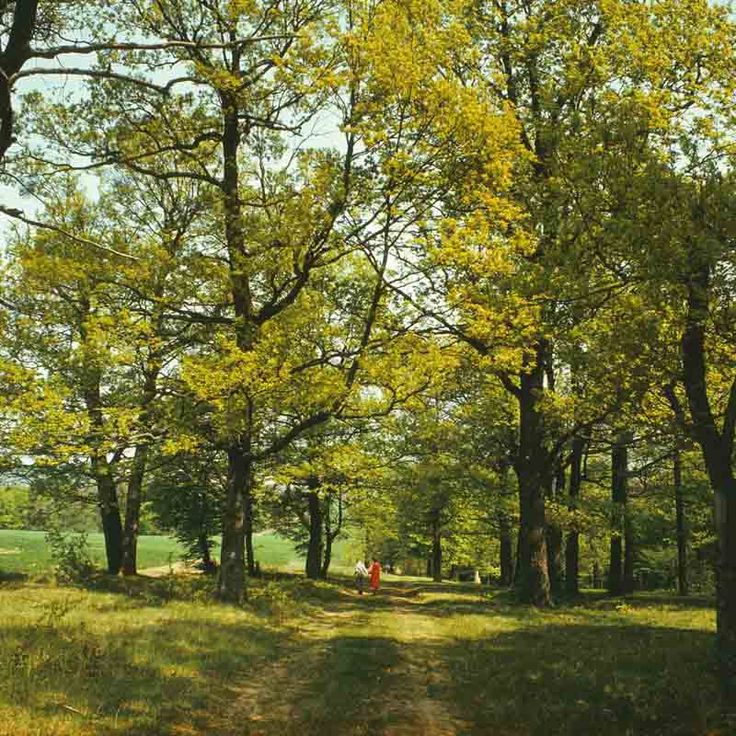
Princely Forest is a natural reserve that fits into Moldova's story of protecting and restoring nature. This 2800-hectare forest of oak and beech trees is home to reintroduced European bison, deer, and various bird species. The reserve shows how people work to bring back wildlife to places where it once thrived. Visitors can walk through the woodland and observe animals that had disappeared from these lands, making it a living example of conservation in action.
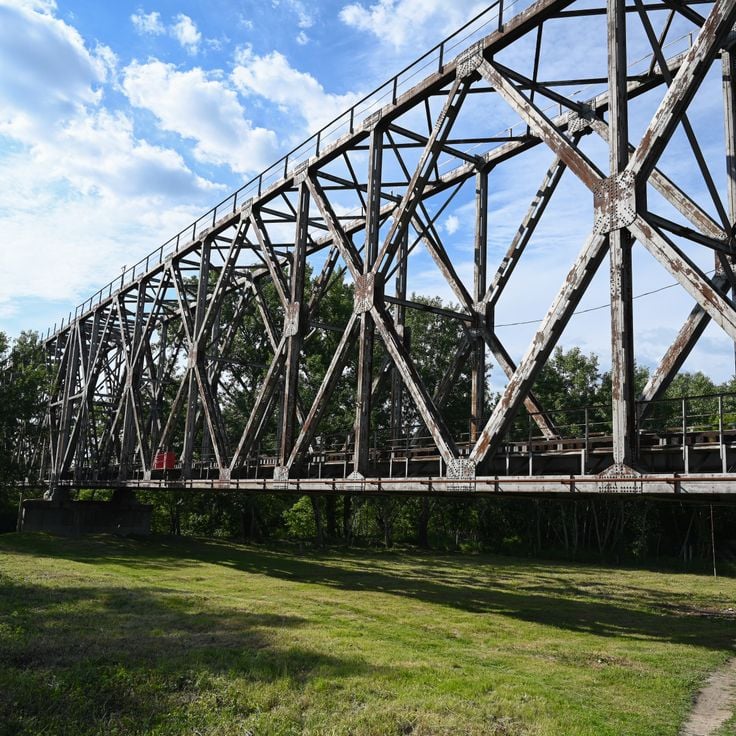
This railway bridge stands in Ungheni and connects Moldova to Romania across the Prut River. Built in 1877 by Gustave Eiffel, it is part of the story of how people moved across borders and traded with their neighbors. The bridge shows the engineering skill of that era. You can walk across and see how this structure still carries history in its metal frame. It represents the connections between communities and the role transportation played in shaping the region.
Hîncu Monastery shows how religious faith shaped Moldova over centuries. Built in the 17th century, this complex holds two stone churches, monastic cells, and a surrounding wall set within forest. Like Saharna and Căpriana, it reveals the deep roots of Orthodox Christianity in the country and how communities gathered around these sacred spaces.
The Codrii Reserve is a protected forest area that fits into the journey through Moldova's history and living landscape. It contains oak and hornbeam forests where wild boars, roe deer, and numerous bird species make their homes. This reserve demonstrates how nature thrives in Moldova, offering a different view from the wine cellars and monasteries found elsewhere in the country.
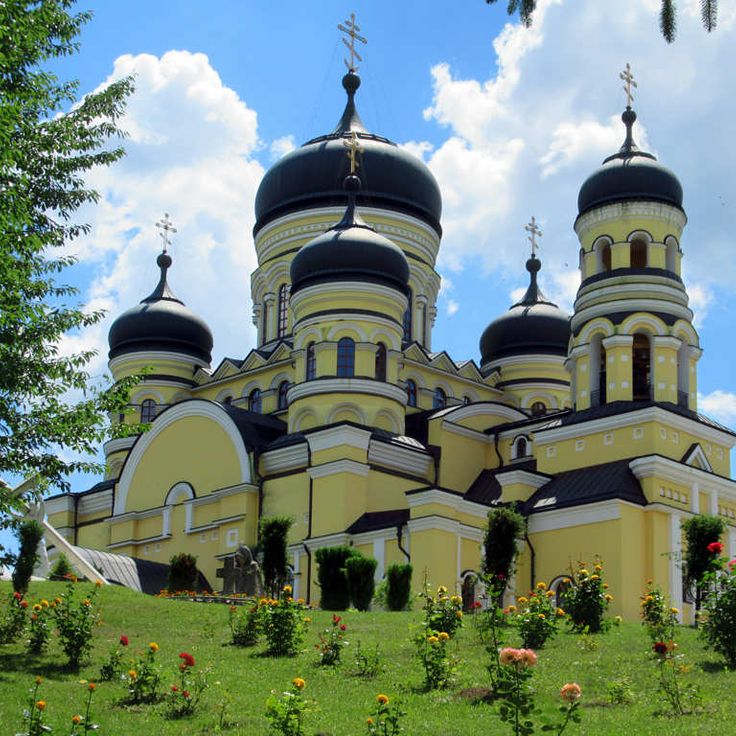
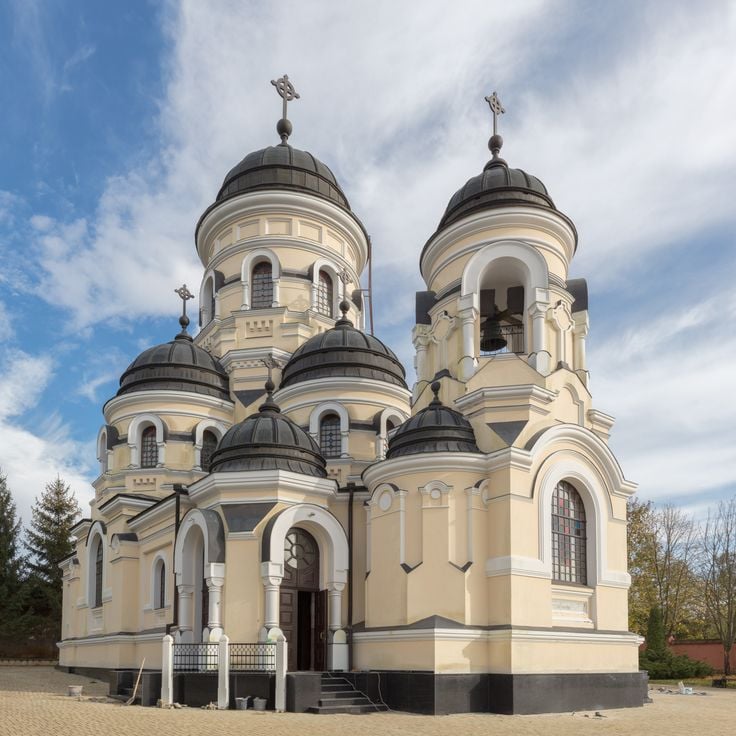
Căpriana Monastery is an Orthodox monastery established in 1429, showing how deeply religious faith runs through Moldovan history. Its church sits quietly in the landscape, and the monastery holds ancient manuscripts in its library. It fits into Moldova's story that stretches from underground wine cellars to mountaintop monasteries, revealing how people have lived here over centuries.
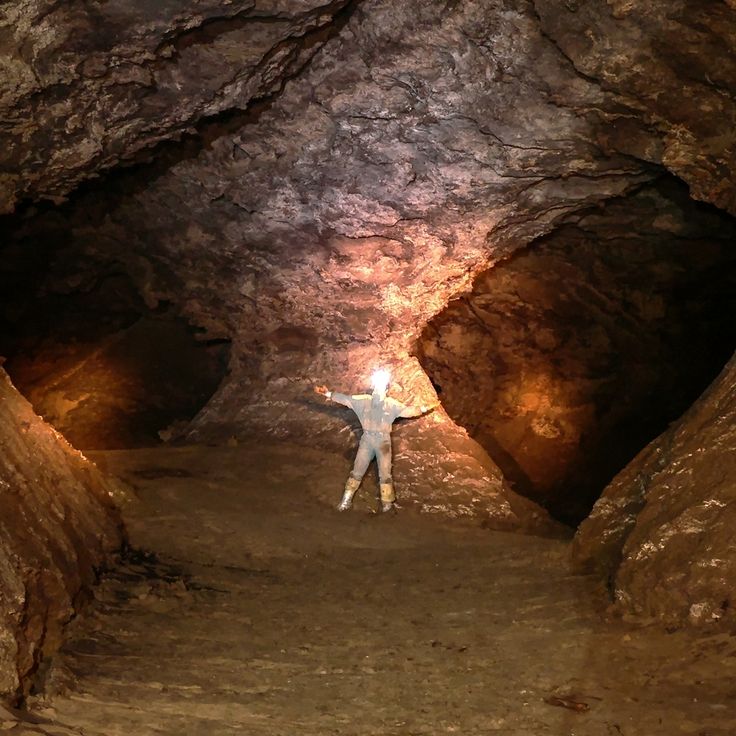
This cave near Criva presents an underground network of natural gypsum galleries to explore. Its lakes, stalactites, and mineral formations show how nature has shaped the earth over vast stretches of time. As part of these tours through Moldova, Emil Racovita Cave tells a different kind of story - not one written by people, but one written by geology and water flowing through stone over countless ages.
Purcari Wine Cellar is a wine estate that has existed since 1827 and forms part of Moldova's wine story. Underground galleries run beneath the property, where wine is made and stored in cool tunnels carved into the earth. The vineyards of this estate spread across a large area of land. The cellar shows how people in Moldova have crafted wine over many generations. Visitors can descend into the tunnels and see the work that goes into making wine, understanding how this tradition has shaped the region.
Țîpova Monastery is a medieval monastic complex carved into limestone cliffs along the Dniester River. It illustrates the deep roots of Orthodox faith that run through Moldova's story. Three levels connected by staircases wind through the rock, showing how monks lived and worshipped in this remote setting. The monastery reflects the spiritual heritage that shaped the nation, fitting naturally into the path from underground cellars to mountaintop monasteries that this collection traces.
Manta Lake fits into this tour of Moldova by showing the country's commitment to protecting nature. This lake is a large protected area where many water birds and fish live. White pelicans make their home here. The lake sits in a quiet area, far from the underground wine cellars and monasteries that define much of the route. It adds to the journey, which moves from carved tunnels and old fortresses to religious sites, by offering a place where you can see Moldova's wildlife in their natural setting.
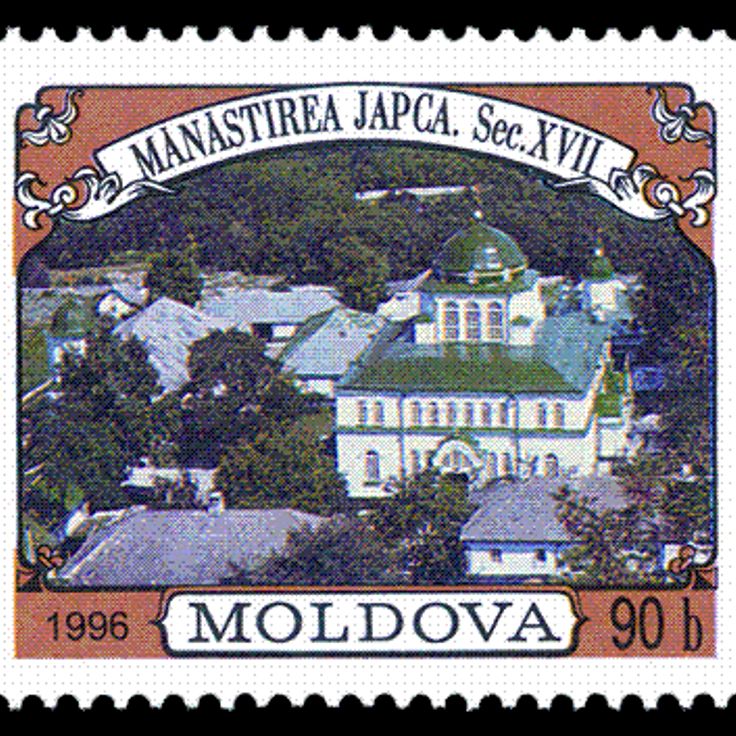
This monastery forms part of Moldova's spiritual heritage and reveals the deep roots of Orthodox faith in the country. Japca Monastery dates from the 17th century and sits high above the Dniester River. Its buildings hold four churches and monastic cells that reflect the long tradition of religious life here. From this elevated setting, you can see across the landscape and understand how faith and the natural world have been connected for centuries.
Țaul Park is a dendrological garden with more than 150 species of trees and shrubs, created in 1901 and part of Moldova's green spaces. The park wraps around an old manor and shows how people have lived here across generations. It connects the country's history with nature and fits into a journey through Moldova that moves from underground cellars to mountaintop monasteries, from ancient ruins to modern gardens.
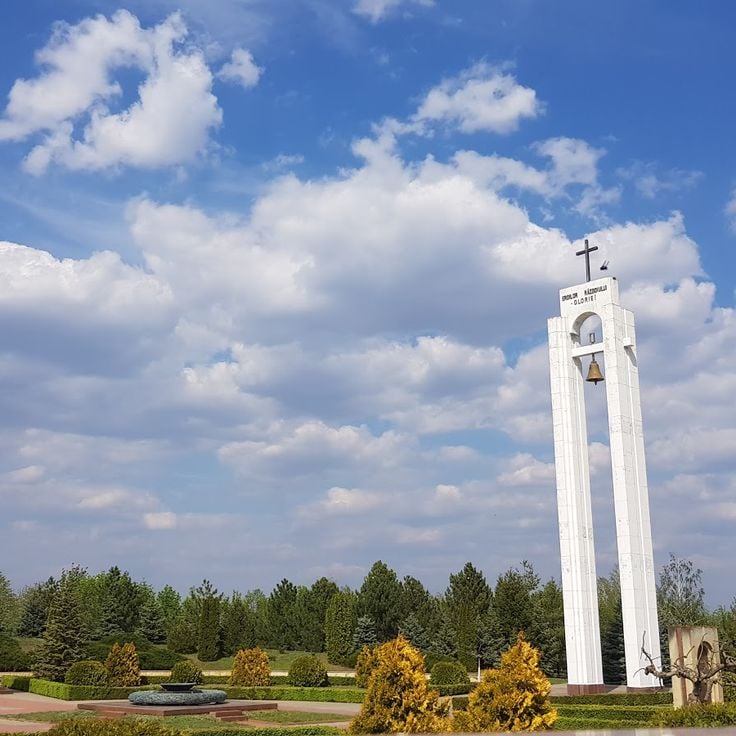
The Șerpeni Memorial Complex tells an important part of Moldova's story through remembrance. Built in 2004, this site honors soldiers who died during the Soviet offensive of 1944. The complex includes a museum and monuments that preserve the memory of this time. You can walk through the grounds, learn about the soldiers who fought here, and reflect on how these historical events shaped the nation.
The Philharmonic Hall in Chișinău serves as the music center that shares Moldova's cultural heritage through sound and performance. Since 1940, the building has housed the National Philharmonic Orchestra and provides an ideal setting for symphonic concerts and recitals. The hall's acoustics create a rich environment for classical music. Visitors can experience how music has shaped the nation's identity and witness performances that connect to Moldova's broader story of tradition and artistic expression.
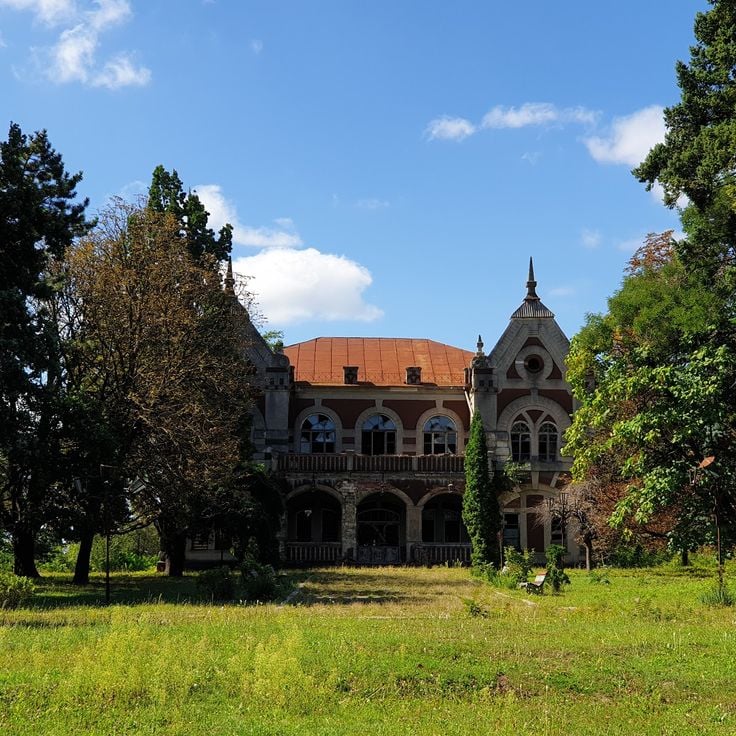
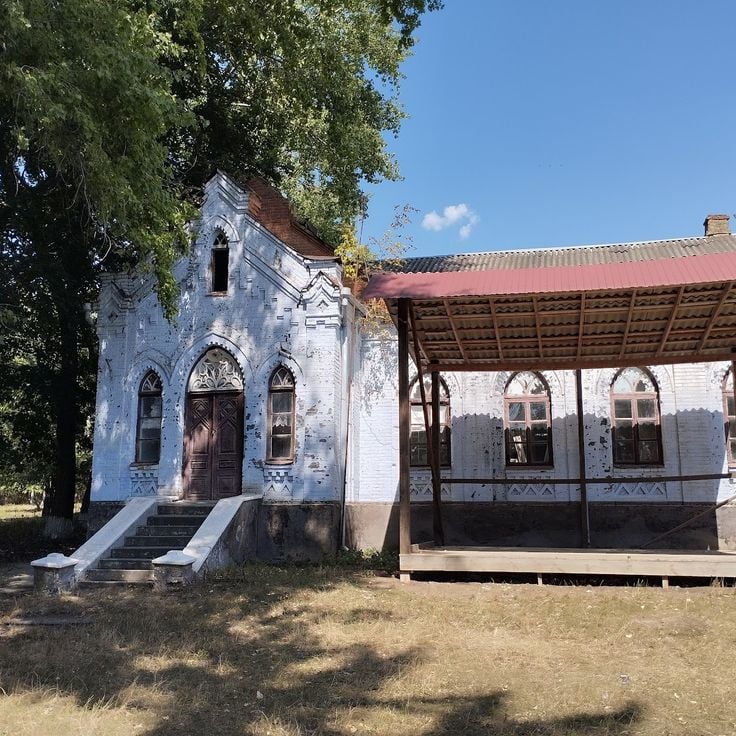
Cazemir Manor in Cernoleuca is a 19th-century residence that reveals how nobles lived in Moldova. Built for Constantin Cazemir, this house displays neoclassical design and sits within a spacious park. The manor shows the wealth and taste of the families who shaped the region during this period. Its architectural style and grounds give visitors a sense of daily life among Moldova's upper classes. As part of Moldova's historical landscape, Cazemir Manor connects with monasteries, fortresses, and underground wine cellars to tell the story of how people have lived here over time.
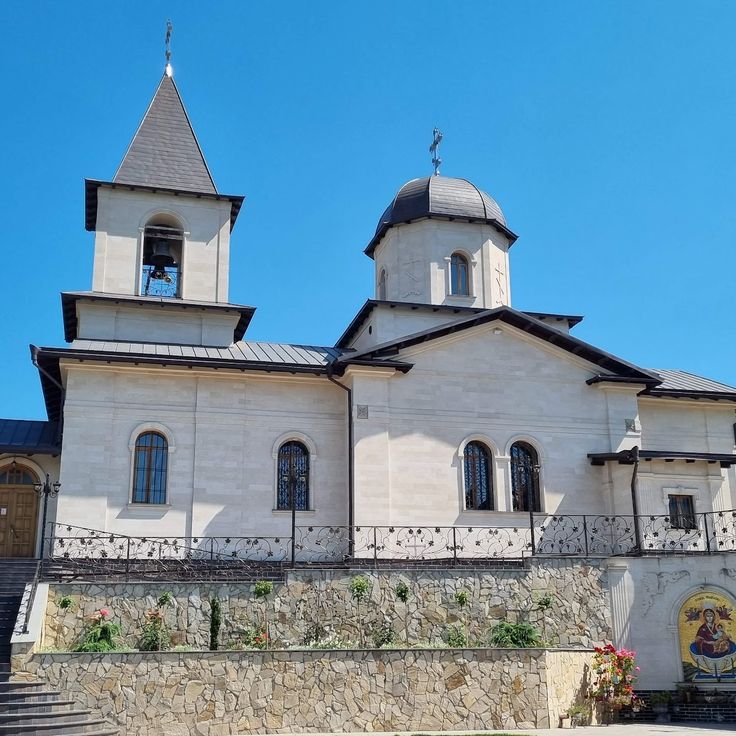
Varzaresti Monastery is a 15th-century Orthodox monastic ensemble that shows the deep roots of religious life in Moldova. The stone church with its monastic cells and enclosed gardens sits quietly in the landscape, telling the story of how faith shaped this region over centuries. Like other monasteries across Moldova, this site reveals how people have lived and worshipped here through different periods of the country's past.
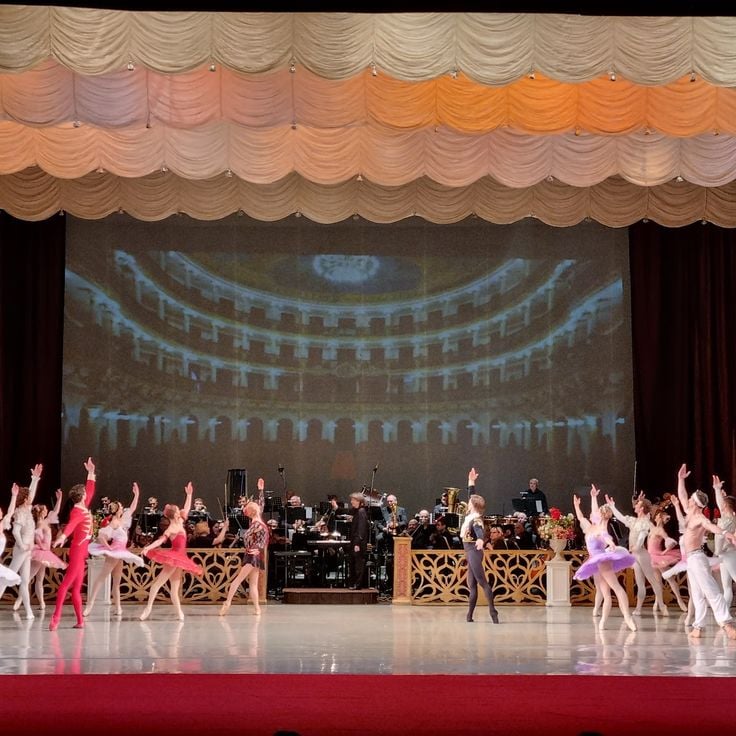
The National Opera Theater is a cultural institution in Chișinău that presents opera, ballet, and classical music performances. Built in 1957, the neoclassical-style building is an important part of the capital's cultural life. Here you can experience traditional and contemporary performances that reflect Moldova's artistic heritage. This theater fits within Moldova's wider story, where culture and history intertwine across the country, from underground wine cellars to remote monasteries and ancient fortresses.
Saharna Monastery reveals the deep roots of Orthodox faith in Moldova. This 18th-century complex sits quietly in the landscape, with a church, monastic cells, and gardens tended by monks. The site fits into the larger story of how people have lived here over centuries, connecting to underground wine galleries, fortress walls, and the spiritual life that shaped the nation.
Cricova Wine Cellar is part of Moldova's underground heritage and shows how the country has developed its wine culture over the centuries. This cellar extends through limestone tunnels beneath the earth, where thousands of bottles rest in a cool environment. The place connects traditional winemaking craftsmanship with the geological characteristics of the region and tells the story of wine's importance to Moldovan identity.
The Nativity Cathedral stands in the heart of Chișinău and speaks to Moldova's religious past. Built in 1836 in neoclassical style, this church holds an important place in the country's spiritual life. Inside, you will find frescoes and a wooden iconostasis carved by hand in the 19th century. This cathedral connects to the other sites in this collection that reveal how Orthodox faith runs deep through Moldova's history.
The National Museum of History displays Moldovan history from the earliest times to today. With over 263,000 objects, this museum tells the story of the country through artifacts, artworks, and historical documents. As part of these journeys through less-travelled places, the museum connects the stories told at other locations like the wine cellars and monasteries, offering a comprehensive view of Moldova's past in one central place in the capital.
Valea Morilor is one of the places that shows how people in Moldova's capital spend their time. This park was developed in the 1950s and contains a large artificial lake, walking paths, and open areas where locals gather. The 34-hectare space offers a window into daily life in Chișinău and how the city has grown over time. Valea Morilor fits into Moldova's story as a place where locals relax and enjoy nature within the city.
Bender Fortress is a stone military structure built in the 16th century on the banks of the Dniester. As part of Moldova's collection of places that tell the nation's story, it stands as a reminder of times when walls like these protected the people living here. With eight towers and thick defensive walls, visitors can explore how fortresses shaped life in this region and what role they played in keeping communities safe.
Orheiul Vechi sits in a loop of the Răut River and merges history with natural surroundings. A monastery is carved directly into the limestone cliffs, and remains from the 14th century are scattered across the site. The place shows how people built their lives here over centuries, adapting to the landscape and creating structures that blend with the rock. Walking through this valley, visitors can explore old buildings, understand the religious importance of the site, and see how this location fits into Moldova's past.
Dendrariu Park is a large green space in Chișinău that shows how people in Moldova connect with their surroundings. Created in 1973, this park spans 78 hectares and holds more than 2000 plant species arranged in different themed sections. Visitors walk through gardens, including a rose garden, and around a lake where locals spend their afternoons. The park offers a quiet place to experience nature and represents the modern side of Moldova's story, balancing the country's historical sites and wine cellars with spaces for everyday life.
Soroca Fortress is a circular defensive structure built in 1499 under Stephen the Great, consisting of five towers connected by high walls. This fortress tells the story of Moldova's need to protect itself during turbulent times. You can walk along the walls and climb the towers to see across the Dnestr plain. The fortress still stands strong on its hilltop, visible from far away. It shows how people built lasting structures to keep their lands safe. Walking through it, you sense the determination of those who constructed and defended these walls.
The Triumphal Arch stands in Chișinău as a military monument from 1841, built during the Russian Empire period. Each side features a victory bell and a clock, making it a notable landmark in the capital. It fits within the broader journey through Moldova that traces the nation's story from underground wine galleries to monastery-topped hills, showing how the country has developed over time.
Curchi Monastery tells the story of Orthodox faith through its five churches, gardens, and monastic buildings. This 19th-century religious ensemble shows how deeply rooted spirituality is in Moldova's culture and fits into the larger path through the country's hidden places where religion, wine, and history intertwine.
Pushkin Park is a green space in the heart of Chișinău, part of this journey through Moldova. Created in 1818, it shows how the city has grown over time. The park has tree-lined pathways that provide shade, a central fountain where water sprays into the air, and monuments that mark important moments in history. Here you see how locals spend their free time, sitting on benches and walking under the trees.
The National Public Garden of Chișinău is a botanical research center where visitors walk through gardens filled with thousands of plant species from around the world. Tropical greenhouses display plants from warm climates, a rose garden showcases flowering varieties, and laboratories show how scientists study plants. This garden fits naturally into a journey through Moldova that also includes underground wine tunnels, historic monasteries, and stone fortresses. Walking through this garden reveals how people have cultivated and understood nature across different periods of time.
This monastery tells an important chapter of Moldova's religious history. Rudi Monastery is an Orthodox complex built from white stone in the 18th century. It sits in a quiet forest landscape near the Dniester River. The monastery fits into Moldova's story, where faith runs deep through the culture and shapes how people have lived here over centuries.
Milestii Mici Wine Cellar is an underground world of limestone tunnels carved deep beneath the earth. Here, millions of wine bottles rest in cool, steady conditions that have been maintained across generations. The passages spread like a labyrinth under the land, with names of years and decades etched into the walls. Visitors walk through these subterranean spaces and come to understand winemaking as a craft deeply rooted in Moldova. This cellar demonstrates how the country has woven wine into its history and identity.
Lake Beleu is a 628-hectare nature reserve in Slobozia Mare that protects fish and migratory bird species within a wetland system. It fits into Moldova's story, which spans from underground wine cellars to mountaintop monasteries. This lake shows a different side of the country: how nature thrives here and how people and animals share the land. Walking paths lead through reed beds and open water, where you can watch birds that migrate between two worlds.
Princely Forest is a natural reserve that fits into Moldova's story of protecting and restoring nature. This 2800-hectare forest of oak and beech trees is home to reintroduced European bison, deer, and various bird species. The reserve shows how people work to bring back wildlife to places where it once thrived. Visitors can walk through the woodland and observe animals that had disappeared from these lands, making it a living example of conservation in action.
This railway bridge stands in Ungheni and connects Moldova to Romania across the Prut River. Built in 1877 by Gustave Eiffel, it is part of the story of how people moved across borders and traded with their neighbors. The bridge shows the engineering skill of that era. You can walk across and see how this structure still carries history in its metal frame. It represents the connections between communities and the role transportation played in shaping the region.
Hîncu Monastery shows how religious faith shaped Moldova over centuries. Built in the 17th century, this complex holds two stone churches, monastic cells, and a surrounding wall set within forest. Like Saharna and Căpriana, it reveals the deep roots of Orthodox Christianity in the country and how communities gathered around these sacred spaces.
The Codrii Reserve is a protected forest area that fits into the journey through Moldova's history and living landscape. It contains oak and hornbeam forests where wild boars, roe deer, and numerous bird species make their homes. This reserve demonstrates how nature thrives in Moldova, offering a different view from the wine cellars and monasteries found elsewhere in the country.
Căpriana Monastery is an Orthodox monastery established in 1429, showing how deeply religious faith runs through Moldovan history. Its church sits quietly in the landscape, and the monastery holds ancient manuscripts in its library. It fits into Moldova's story that stretches from underground wine cellars to mountaintop monasteries, revealing how people have lived here over centuries.
This cave near Criva presents an underground network of natural gypsum galleries to explore. Its lakes, stalactites, and mineral formations show how nature has shaped the earth over vast stretches of time. As part of these tours through Moldova, Emil Racovita Cave tells a different kind of story - not one written by people, but one written by geology and water flowing through stone over countless ages.
Purcari Wine Cellar is a wine estate that has existed since 1827 and forms part of Moldova's wine story. Underground galleries run beneath the property, where wine is made and stored in cool tunnels carved into the earth. The vineyards of this estate spread across a large area of land. The cellar shows how people in Moldova have crafted wine over many generations. Visitors can descend into the tunnels and see the work that goes into making wine, understanding how this tradition has shaped the region.
Țîpova Monastery is a medieval monastic complex carved into limestone cliffs along the Dniester River. It illustrates the deep roots of Orthodox faith that run through Moldova's story. Three levels connected by staircases wind through the rock, showing how monks lived and worshipped in this remote setting. The monastery reflects the spiritual heritage that shaped the nation, fitting naturally into the path from underground cellars to mountaintop monasteries that this collection traces.
Manta Lake fits into this tour of Moldova by showing the country's commitment to protecting nature. This lake is a large protected area where many water birds and fish live. White pelicans make their home here. The lake sits in a quiet area, far from the underground wine cellars and monasteries that define much of the route. It adds to the journey, which moves from carved tunnels and old fortresses to religious sites, by offering a place where you can see Moldova's wildlife in their natural setting.
This monastery forms part of Moldova's spiritual heritage and reveals the deep roots of Orthodox faith in the country. Japca Monastery dates from the 17th century and sits high above the Dniester River. Its buildings hold four churches and monastic cells that reflect the long tradition of religious life here. From this elevated setting, you can see across the landscape and understand how faith and the natural world have been connected for centuries.
Țaul Park is a dendrological garden with more than 150 species of trees and shrubs, created in 1901 and part of Moldova's green spaces. The park wraps around an old manor and shows how people have lived here across generations. It connects the country's history with nature and fits into a journey through Moldova that moves from underground cellars to mountaintop monasteries, from ancient ruins to modern gardens.
The Șerpeni Memorial Complex tells an important part of Moldova's story through remembrance. Built in 2004, this site honors soldiers who died during the Soviet offensive of 1944. The complex includes a museum and monuments that preserve the memory of this time. You can walk through the grounds, learn about the soldiers who fought here, and reflect on how these historical events shaped the nation.
The Philharmonic Hall in Chișinău serves as the music center that shares Moldova's cultural heritage through sound and performance. Since 1940, the building has housed the National Philharmonic Orchestra and provides an ideal setting for symphonic concerts and recitals. The hall's acoustics create a rich environment for classical music. Visitors can experience how music has shaped the nation's identity and witness performances that connect to Moldova's broader story of tradition and artistic expression.
Cazemir Manor in Cernoleuca is a 19th-century residence that reveals how nobles lived in Moldova. Built for Constantin Cazemir, this house displays neoclassical design and sits within a spacious park. The manor shows the wealth and taste of the families who shaped the region during this period. Its architectural style and grounds give visitors a sense of daily life among Moldova's upper classes. As part of Moldova's historical landscape, Cazemir Manor connects with monasteries, fortresses, and underground wine cellars to tell the story of how people have lived here over time.
Varzaresti Monastery is a 15th-century Orthodox monastic ensemble that shows the deep roots of religious life in Moldova. The stone church with its monastic cells and enclosed gardens sits quietly in the landscape, telling the story of how faith shaped this region over centuries. Like other monasteries across Moldova, this site reveals how people have lived and worshipped here through different periods of the country's past.
The National Opera Theater is a cultural institution in Chișinău that presents opera, ballet, and classical music performances. Built in 1957, the neoclassical-style building is an important part of the capital's cultural life. Here you can experience traditional and contemporary performances that reflect Moldova's artistic heritage. This theater fits within Moldova's wider story, where culture and history intertwine across the country, from underground wine cellars to remote monasteries and ancient fortresses.
Saharna Monastery reveals the deep roots of Orthodox faith in Moldova. This 18th-century complex sits quietly in the landscape, with a church, monastic cells, and gardens tended by monks. The site fits into the larger story of how people have lived here over centuries, connecting to underground wine galleries, fortress walls, and the spiritual life that shaped the nation.
Cricova Wine Cellar is part of Moldova's underground heritage and shows how the country has developed its wine culture over the centuries. This cellar extends through limestone tunnels beneath the earth, where thousands of bottles rest in a cool environment. The place connects traditional winemaking craftsmanship with the geological characteristics of the region and tells the story of wine's importance to Moldovan identity.
The Nativity Cathedral stands in the heart of Chișinău and speaks to Moldova's religious past. Built in 1836 in neoclassical style, this church holds an important place in the country's spiritual life. Inside, you will find frescoes and a wooden iconostasis carved by hand in the 19th century. This cathedral connects to the other sites in this collection that reveal how Orthodox faith runs deep through Moldova's history.
The National Museum of History displays Moldovan history from the earliest times to today. With over 263,000 objects, this museum tells the story of the country through artifacts, artworks, and historical documents. As part of these journeys through less-travelled places, the museum connects the stories told at other locations like the wine cellars and monasteries, offering a comprehensive view of Moldova's past in one central place in the capital.
Valea Morilor is one of the places that shows how people in Moldova's capital spend their time. This park was developed in the 1950s and contains a large artificial lake, walking paths, and open areas where locals gather. The 34-hectare space offers a window into daily life in Chișinău and how the city has grown over time. Valea Morilor fits into Moldova's story as a place where locals relax and enjoy nature within the city.
Bender Fortress is a stone military structure built in the 16th century on the banks of the Dniester. As part of Moldova's collection of places that tell the nation's story, it stands as a reminder of times when walls like these protected the people living here. With eight towers and thick defensive walls, visitors can explore how fortresses shaped life in this region and what role they played in keeping communities safe.
Orheiul Vechi sits in a loop of the Răut River and merges history with natural surroundings. A monastery is carved directly into the limestone cliffs, and remains from the 14th century are scattered across the site. The place shows how people built their lives here over centuries, adapting to the landscape and creating structures that blend with the rock. Walking through this valley, visitors can explore old buildings, understand the religious importance of the site, and see how this location fits into Moldova's past.
Dendrariu Park is a large green space in Chișinău that shows how people in Moldova connect with their surroundings. Created in 1973, this park spans 78 hectares and holds more than 2000 plant species arranged in different themed sections. Visitors walk through gardens, including a rose garden, and around a lake where locals spend their afternoons. The park offers a quiet place to experience nature and represents the modern side of Moldova's story, balancing the country's historical sites and wine cellars with spaces for everyday life.
Soroca Fortress is a circular defensive structure built in 1499 under Stephen the Great, consisting of five towers connected by high walls. This fortress tells the story of Moldova's need to protect itself during turbulent times. You can walk along the walls and climb the towers to see across the Dnestr plain. The fortress still stands strong on its hilltop, visible from far away. It shows how people built lasting structures to keep their lands safe. Walking through it, you sense the determination of those who constructed and defended these walls.
The Triumphal Arch stands in Chișinău as a military monument from 1841, built during the Russian Empire period. Each side features a victory bell and a clock, making it a notable landmark in the capital. It fits within the broader journey through Moldova that traces the nation's story from underground wine galleries to monastery-topped hills, showing how the country has developed over time.
Curchi Monastery tells the story of Orthodox faith through its five churches, gardens, and monastic buildings. This 19th-century religious ensemble shows how deeply rooted spirituality is in Moldova's culture and fits into the larger path through the country's hidden places where religion, wine, and history intertwine.
Pushkin Park is a green space in the heart of Chișinău, part of this journey through Moldova. Created in 1818, it shows how the city has grown over time. The park has tree-lined pathways that provide shade, a central fountain where water sprays into the air, and monuments that mark important moments in history. Here you see how locals spend their free time, sitting on benches and walking under the trees.
The National Public Garden of Chișinău is a botanical research center where visitors walk through gardens filled with thousands of plant species from around the world. Tropical greenhouses display plants from warm climates, a rose garden showcases flowering varieties, and laboratories show how scientists study plants. This garden fits naturally into a journey through Moldova that also includes underground wine tunnels, historic monasteries, and stone fortresses. Walking through this garden reveals how people have cultivated and understood nature across different periods of time.
This monastery tells an important chapter of Moldova's religious history. Rudi Monastery is an Orthodox complex built from white stone in the 18th century. It sits in a quiet forest landscape near the Dniester River. The monastery fits into Moldova's story, where faith runs deep through the culture and shapes how people have lived here over centuries.
Milestii Mici Wine Cellar is an underground world of limestone tunnels carved deep beneath the earth. Here, millions of wine bottles rest in cool, steady conditions that have been maintained across generations. The passages spread like a labyrinth under the land, with names of years and decades etched into the walls. Visitors walk through these subterranean spaces and come to understand winemaking as a craft deeply rooted in Moldova. This cellar demonstrates how the country has woven wine into its history and identity.
Lake Beleu is a 628-hectare nature reserve in Slobozia Mare that protects fish and migratory bird species within a wetland system. It fits into Moldova's story, which spans from underground wine cellars to mountaintop monasteries. This lake shows a different side of the country: how nature thrives here and how people and animals share the land. Walking paths lead through reed beds and open water, where you can watch birds that migrate between two worlds.
Princely Forest is a natural reserve that fits into Moldova's story of protecting and restoring nature. This 2800-hectare forest of oak and beech trees is home to reintroduced European bison, deer, and various bird species. The reserve shows how people work to bring back wildlife to places where it once thrived. Visitors can walk through the woodland and observe animals that had disappeared from these lands, making it a living example of conservation in action.
This railway bridge stands in Ungheni and connects Moldova to Romania across the Prut River. Built in 1877 by Gustave Eiffel, it is part of the story of how people moved across borders and traded with their neighbors. The bridge shows the engineering skill of that era. You can walk across and see how this structure still carries history in its metal frame. It represents the connections between communities and the role transportation played in shaping the region.
Hîncu Monastery shows how religious faith shaped Moldova over centuries. Built in the 17th century, this complex holds two stone churches, monastic cells, and a surrounding wall set within forest. Like Saharna and Căpriana, it reveals the deep roots of Orthodox Christianity in the country and how communities gathered around these sacred spaces.
The Codrii Reserve is a protected forest area that fits into the journey through Moldova's history and living landscape. It contains oak and hornbeam forests where wild boars, roe deer, and numerous bird species make their homes. This reserve demonstrates how nature thrives in Moldova, offering a different view from the wine cellars and monasteries found elsewhere in the country.
Căpriana Monastery is an Orthodox monastery established in 1429, showing how deeply religious faith runs through Moldovan history. Its church sits quietly in the landscape, and the monastery holds ancient manuscripts in its library. It fits into Moldova's story that stretches from underground wine cellars to mountaintop monasteries, revealing how people have lived here over centuries.
This cave near Criva presents an underground network of natural gypsum galleries to explore. Its lakes, stalactites, and mineral formations show how nature has shaped the earth over vast stretches of time. As part of these tours through Moldova, Emil Racovita Cave tells a different kind of story - not one written by people, but one written by geology and water flowing through stone over countless ages.
Purcari Wine Cellar is a wine estate that has existed since 1827 and forms part of Moldova's wine story. Underground galleries run beneath the property, where wine is made and stored in cool tunnels carved into the earth. The vineyards of this estate spread across a large area of land. The cellar shows how people in Moldova have crafted wine over many generations. Visitors can descend into the tunnels and see the work that goes into making wine, understanding how this tradition has shaped the region.
Țîpova Monastery is a medieval monastic complex carved into limestone cliffs along the Dniester River. It illustrates the deep roots of Orthodox faith that run through Moldova's story. Three levels connected by staircases wind through the rock, showing how monks lived and worshipped in this remote setting. The monastery reflects the spiritual heritage that shaped the nation, fitting naturally into the path from underground cellars to mountaintop monasteries that this collection traces.
Manta Lake fits into this tour of Moldova by showing the country's commitment to protecting nature. This lake is a large protected area where many water birds and fish live. White pelicans make their home here. The lake sits in a quiet area, far from the underground wine cellars and monasteries that define much of the route. It adds to the journey, which moves from carved tunnels and old fortresses to religious sites, by offering a place where you can see Moldova's wildlife in their natural setting.
This monastery forms part of Moldova's spiritual heritage and reveals the deep roots of Orthodox faith in the country. Japca Monastery dates from the 17th century and sits high above the Dniester River. Its buildings hold four churches and monastic cells that reflect the long tradition of religious life here. From this elevated setting, you can see across the landscape and understand how faith and the natural world have been connected for centuries.
Țaul Park is a dendrological garden with more than 150 species of trees and shrubs, created in 1901 and part of Moldova's green spaces. The park wraps around an old manor and shows how people have lived here across generations. It connects the country's history with nature and fits into a journey through Moldova that moves from underground cellars to mountaintop monasteries, from ancient ruins to modern gardens.
The Șerpeni Memorial Complex tells an important part of Moldova's story through remembrance. Built in 2004, this site honors soldiers who died during the Soviet offensive of 1944. The complex includes a museum and monuments that preserve the memory of this time. You can walk through the grounds, learn about the soldiers who fought here, and reflect on how these historical events shaped the nation.
The Philharmonic Hall in Chișinău serves as the music center that shares Moldova's cultural heritage through sound and performance. Since 1940, the building has housed the National Philharmonic Orchestra and provides an ideal setting for symphonic concerts and recitals. The hall's acoustics create a rich environment for classical music. Visitors can experience how music has shaped the nation's identity and witness performances that connect to Moldova's broader story of tradition and artistic expression.
Cazemir Manor in Cernoleuca is a 19th-century residence that reveals how nobles lived in Moldova. Built for Constantin Cazemir, this house displays neoclassical design and sits within a spacious park. The manor shows the wealth and taste of the families who shaped the region during this period. Its architectural style and grounds give visitors a sense of daily life among Moldova's upper classes. As part of Moldova's historical landscape, Cazemir Manor connects with monasteries, fortresses, and underground wine cellars to tell the story of how people have lived here over time.
Varzaresti Monastery is a 15th-century Orthodox monastic ensemble that shows the deep roots of religious life in Moldova. The stone church with its monastic cells and enclosed gardens sits quietly in the landscape, telling the story of how faith shaped this region over centuries. Like other monasteries across Moldova, this site reveals how people have lived and worshipped here through different periods of the country's past.
The National Opera Theater is a cultural institution in Chișinău that presents opera, ballet, and classical music performances. Built in 1957, the neoclassical-style building is an important part of the capital's cultural life. Here you can experience traditional and contemporary performances that reflect Moldova's artistic heritage. This theater fits within Moldova's wider story, where culture and history intertwine across the country, from underground wine cellars to remote monasteries and ancient fortresses.