Tasmania: devils, gorges and prisons, old forests and glacial lakes, nature reserves and mountain parks
On November 27, 2024 Updated December 10, 2025
Tasmania draws visitors who want to experience both raw nature and deep history. This Australian island rewards exploration at every turn: gorges sculpted by water, beaches with white sand, mountains that rise into the clouds, and forests that look ancient and untouched. Mountain lakes and rivers run through the landscape, waiting for you to discover them. If you enjoy walking, the trails here offer stunning views. In the southern winter, snow brings skiing to the high peaks.
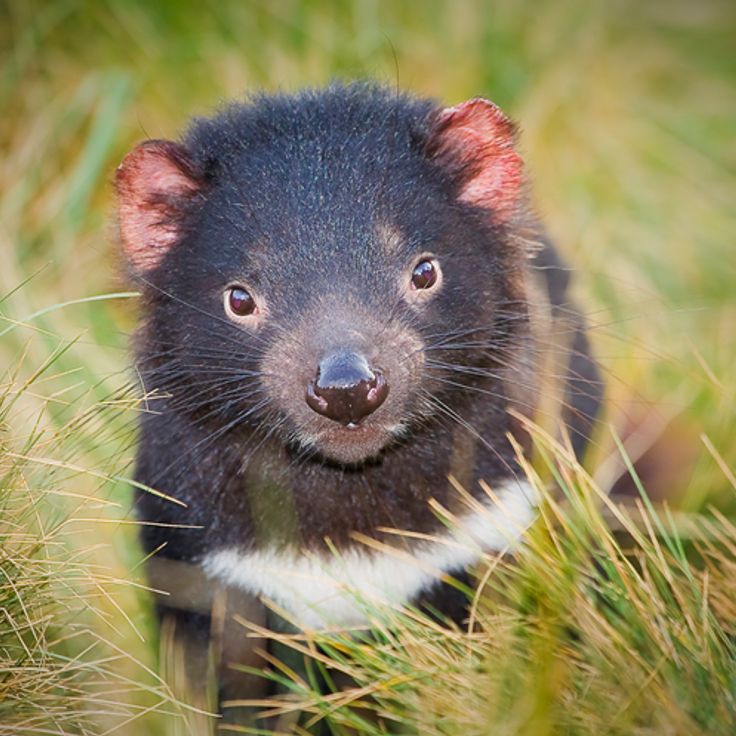
The island holds strong reminders of its past. Prisons built in the 1800s stand as witnesses to that era, while botanical gardens and museums tell the stories of the people who lived here. But what truly sets Tasmania apart is the wildlife. You might encounter Tasmanian devils, small nocturnal hunters with intense personalities, alongside sturdy wombats and shy pademelons. Wildlife sanctuaries and natural reserves let you see these animals roaming in spaces that feel open and wild.
Exploring Tasmania means stepping into a place where nature dominates and history lives alongside wild landscapes. From the red rocks of Bay of Fires to the peaks of Cradle Mountain, from the historic town of Hobart to remote mountain lakes, the island invites you to walk its trails, visit its sanctuaries, and experience a landscape shaped by both time and wilderness.
Tasmania: devils, gorges and prisons, old forests and glacial lakes, nature reserves and mountain parks
On November 27, 2024 Updated December 10, 2025
Tasmania draws visitors who want to experience both raw nature and deep history. This Australian island rewards exploration at every turn: gorges sculpted by water, beaches with white sand, mountains that rise into the clouds, and forests that look ancient and untouched. Mountain lakes and rivers run through the landscape, waiting for you to discover them. If you enjoy walking, the trails here offer stunning views. In the southern winter, snow brings skiing to the high peaks.
The island holds strong reminders of its past. Prisons built in the 1800s stand as witnesses to that era, while botanical gardens and museums tell the stories of the people who lived here. But what truly sets Tasmania apart is the wildlife. You might encounter Tasmanian devils, small nocturnal hunters with intense personalities, alongside sturdy wombats and shy pademelons. Wildlife sanctuaries and natural reserves let you see these animals roaming in spaces that feel open and wild.
Exploring Tasmania means stepping into a place where nature dominates and history lives alongside wild landscapes. From the red rocks of Bay of Fires to the peaks of Cradle Mountain, from the historic town of Hobart to remote mountain lakes, the island invites you to walk its trails, visit its sanctuaries, and experience a landscape shaped by both time and wilderness.
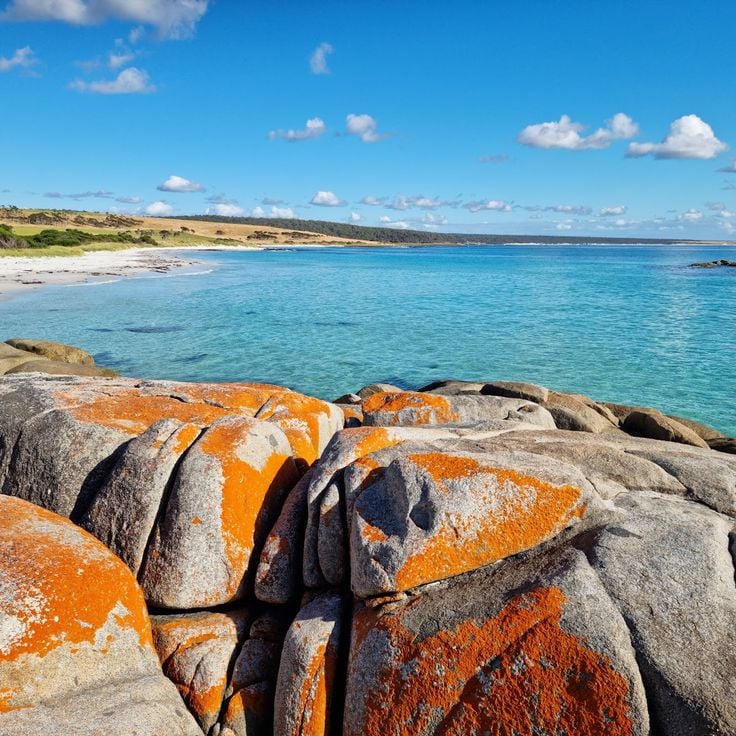
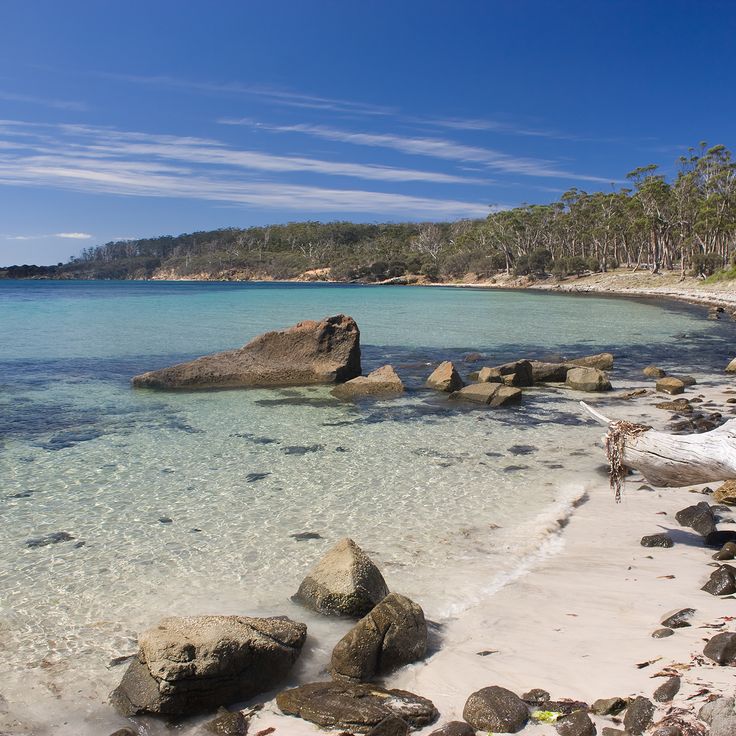
The Bay of Fires is a long stretch of Tasmania's coast with white sand beaches and distinctive granite rock formations. The rocks are covered with red and orange lichens that stand out against the pale sand. This coastal area attracts visitors who enjoy walking along the shore and exploring natural landscapes. The beaches offer plenty of space to wander and take in the rugged character of Tasmania's shoreline, where visitors can experience the raw beauty of the island's coastal environment.
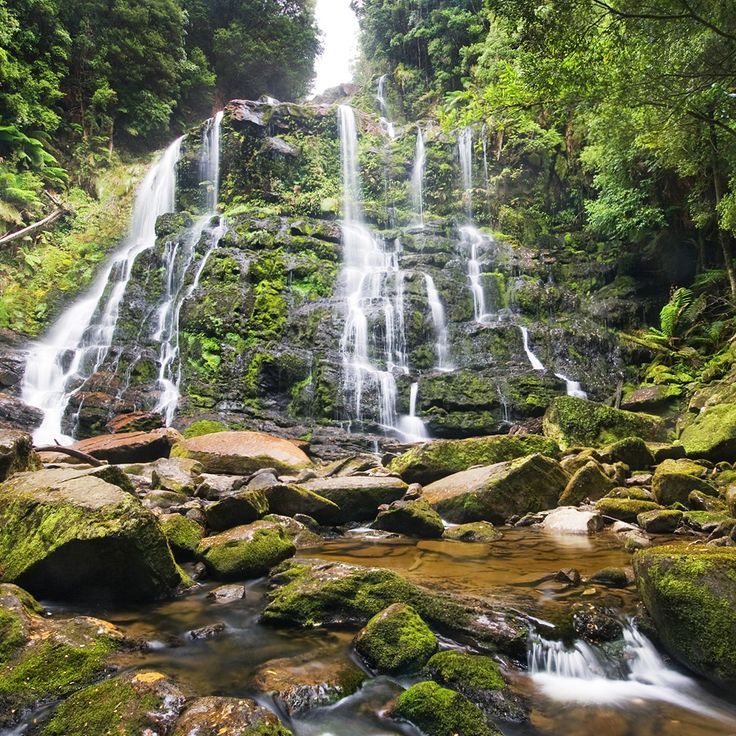
Mount Field National Park is a natural reserve in Tasmania that features mountain trails, waterfalls, and alpine lakes. The park offers skiing during the Australian winter on its peaks. Visitors can explore the wild landscapes typical of the island and encounter wombats and other native animals. This park embodies Tasmania's natural character, where hiking enthusiasts discover trails through forests that seem timeless and landscapes shaped by water and ice.
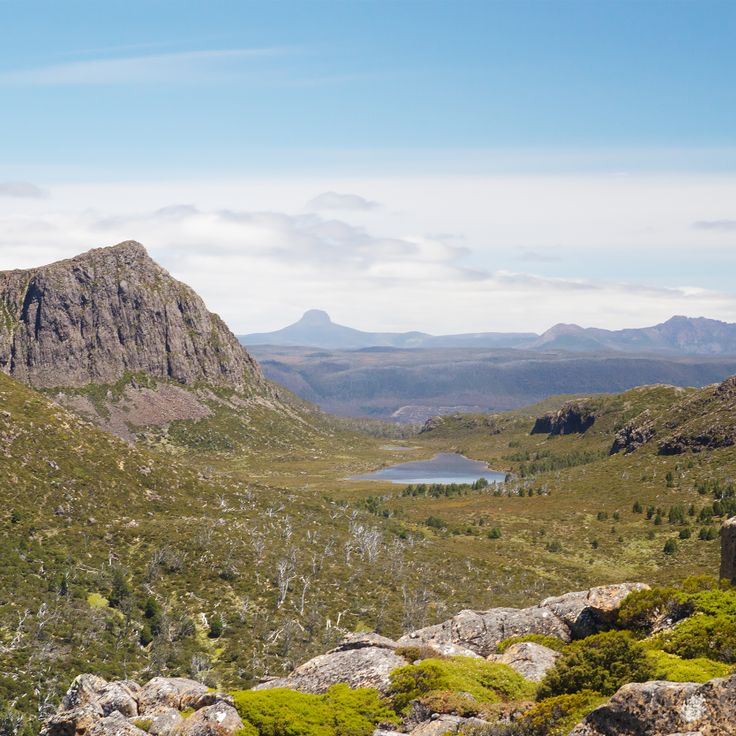
Cradle Mountain-Lake St. Clair is a large national park in Tasmania that takes visitors into a world of alpine peaks, mountain lakes, and ancient beech forests. The park spans vast areas and offers walking paths for different fitness levels. The landscape shifts between open high plateaus and thick forests where nature still feels wild and untamed. Mountain slopes drop steeply, lakes mirror the sky, and everywhere you see traces of the ice age. Wombats and other Tasmanian animals live in the park. The place draws hikers who want to do multi-day treks, but day visitors can also explore parts of the park.
Devils at Cradle is a research and protection center for Tasmanian devils in the Cradle Mountains, fitting into Tasmania's focus on nature conservation and wildlife. Here you can observe these small, nocturnal carnivores during guided tours. The center focuses on protecting these remarkable animals and gives visitors the chance to see them in a natural setting. You will learn about their behavior and the efforts being made to keep their population healthy.
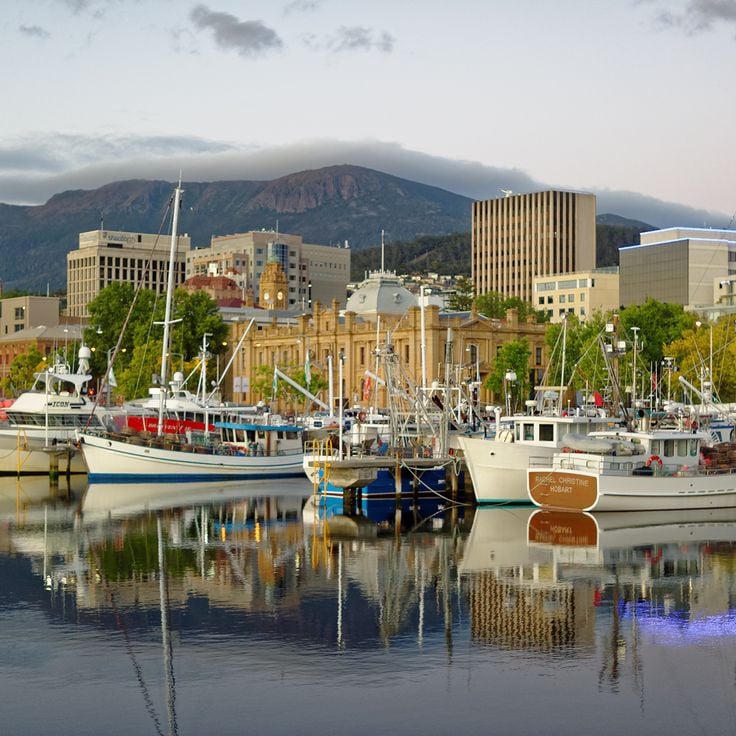
Hobart is Tasmania's capital, established in 1804 on the Derwent estuary. The city sits around a natural harbor where fishing boats dock and water shapes daily life. The Salamanca area shows the city's historical face with sandstone buildings from the 19th century. A Saturday market here brings locals and visitors together to buy fresh produce, crafts, and antiques. Hobart combines history with the rhythm of a working port. Museums tell stories of the past, while restaurants and cafes reflect local food culture. The city is small enough to walk around but offers enough to experience history, nature, and everyday Tasmania in one place.
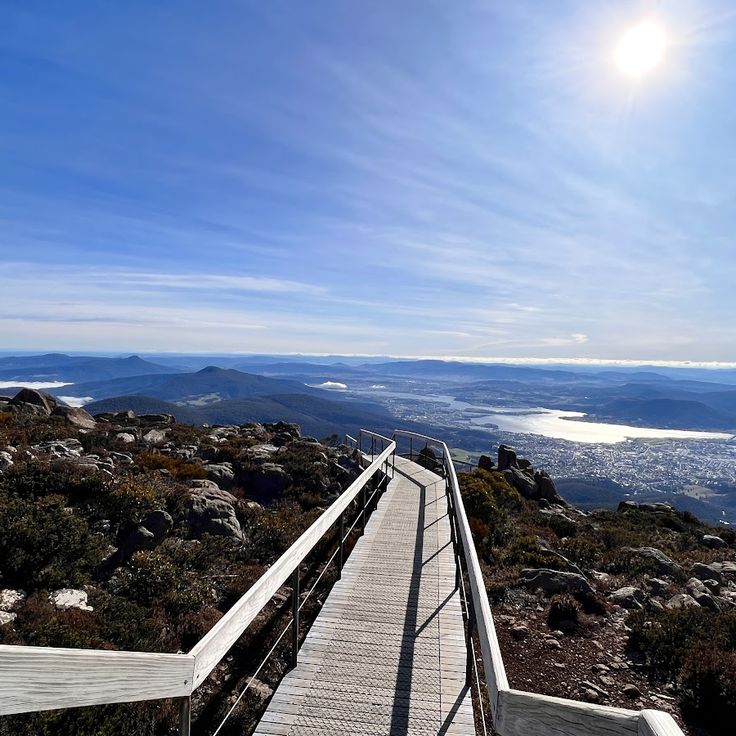
Mount Wellington is a 1271-meter peak that rises above Hobart and shapes the city's landscape. A road leads to the lookout point, where you can see the city, the Derwent River, and the surrounding islands. On clear days, views reach far across the bay. The mountain is easily accessible and provides quick access to wide vistas. In winter, snow can cover the higher elevations, giving the peak a different appearance. Hikers find trails of varying difficulty here.
Bonorong Wildlife Sanctuary is a care and protection center for Tasmanian animals, fitting perfectly within this collection exploring Tasmania's nature and history. Here you can observe Tasmanian devils, koalas, and emus living in spaces that feel natural. The sanctuary shows you the variety of Tasmanian wildlife and works to protect these species for the future.
Port Arthur is where you encounter the history of Australia's penal system through its remaining structures. About 30 buildings and ruins stand from the period between 1830 and 1877. Walking through Port Arthur, you see the spaces where convicts and guards lived and worked. Each building speaks to the lives of the people held here during this era. The site sits on a natural bay with water views that frame the landscape. Visiting Port Arthur connects you directly to this chapter of Australian history and Tasmanian heritage.
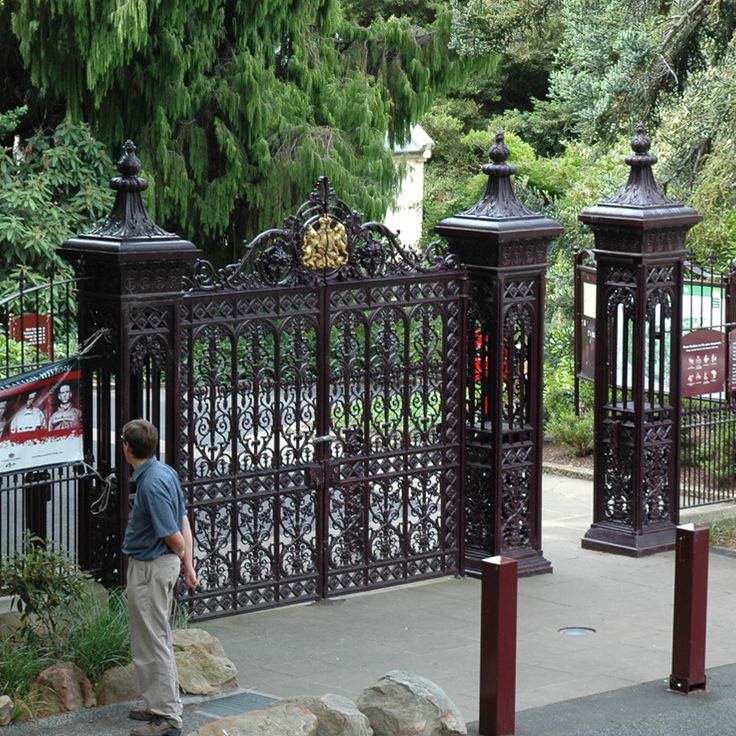
The Royal Tasmanian Botanical Gardens in Hobart is Australia's oldest botanical garden, established in 1818. This place displays plant collections from Japan, France, and Australia across its large grounds. Visitors walk through carefully arranged sections where they encounter diverse plants and trees. The garden reflects the historical commitment to preserving and studying plants from around the world. As part of Tasmania's natural heritage, these gardens offer a quieter way to experience the island's connection to nature and history.
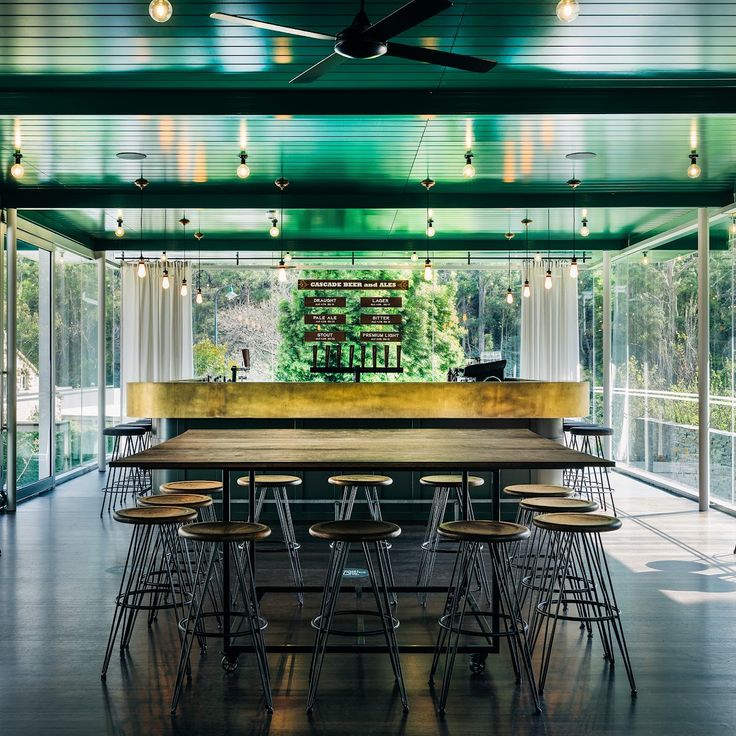
The Cascade Brewery in Hobart has been operating since 1824 and still produces beer in its original buildings. This site tells the story of Tasmania's brewing heritage and combines traditional craft with historical architecture. Visitors can explore the old facilities and wander through the gardens on the grounds. Guided tours offer insight into this long-standing brewery, which remains an important part of local history and continues to shape how people in the region think about their past.
MONA is an underground contemporary art museum in Hobart that spans three levels below ground. Visitors reach the site by ferry from Hobart's port, a journey of about 30 minutes. This museum displays modern artworks in an unusual setting that creates a distinctive experience. The subterranean location offers a special environment for exploring contemporary art. MONA reflects Tasmania's commitment to providing art lovers and curious travelers with new ways to experience creative expression.
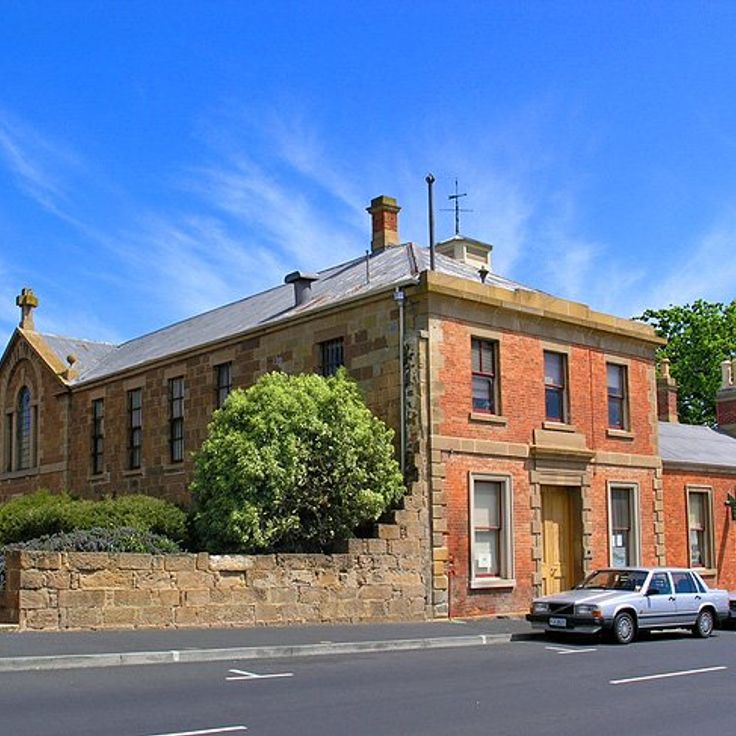
The Hobart Penitentiary in this Tasmanian collection is a prison building constructed in 1831 and transformed into a chapel in 1859. The structure retains its colonial architecture and displays period objects. It tells the story of a bygone era and contributes to understanding Tasmania's past, where history and nature intertwine on this island.
Cradle Mountain-Lake St. Clair National Park, Australia
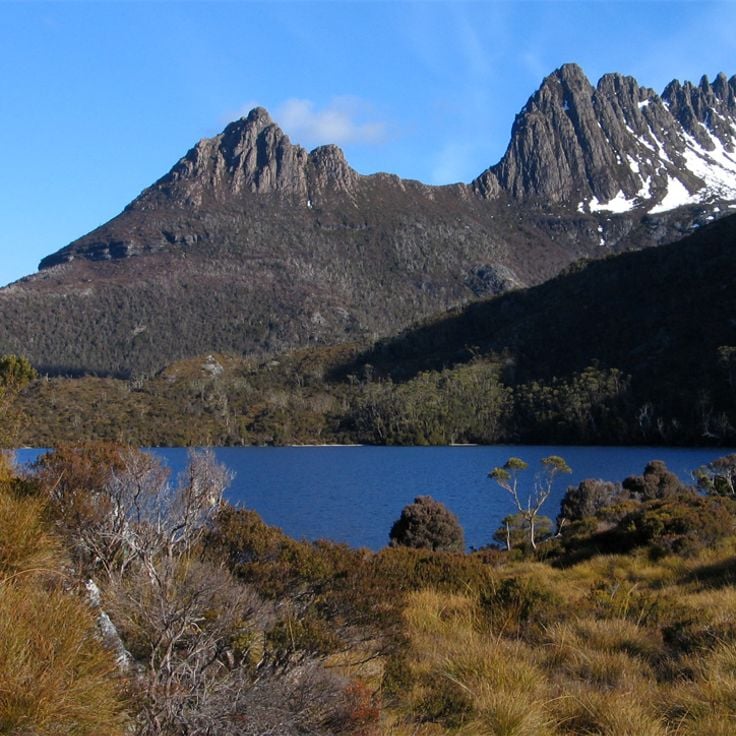
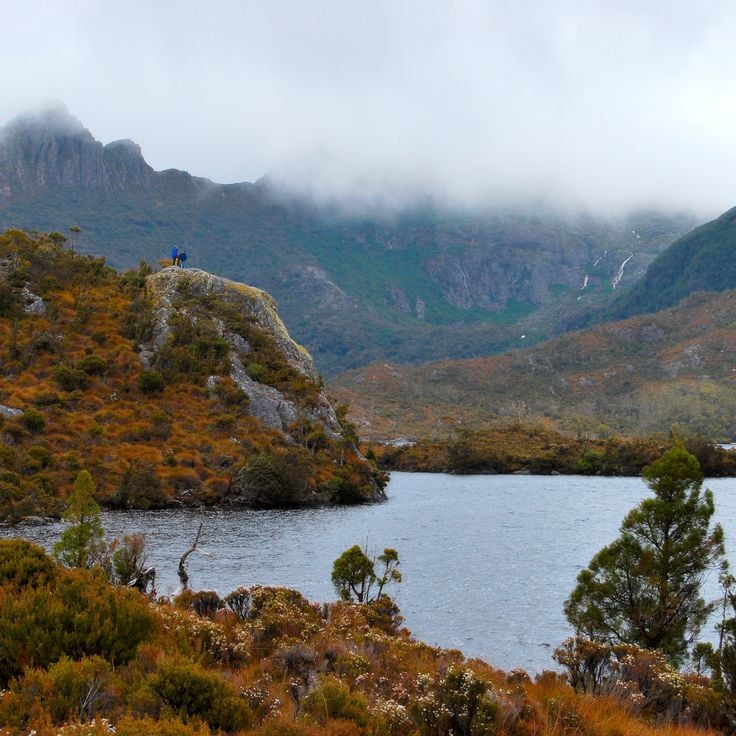
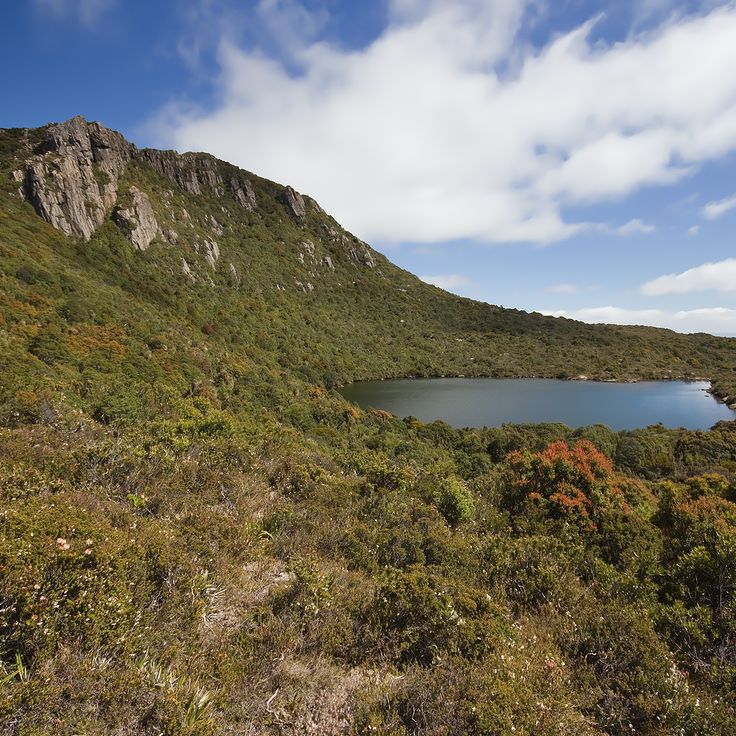
Dove Lake is a glacial lake in this national park, situated at 940 meters (3,084 ft) elevation. A walking track of about 6 kilometers (3.7 mi) circles the lake, offering chances to observe local wildlife. The water reflects the surrounding peaks, and the trail passes through different landscapes as it winds around the shore. This lake shows the natural environment of Tasmania and is part of a region where gorges, historic sites, and wild animals define the landscape.
Freycinet National Park in Tasmania is part of this island collection where nature and history intertwine. The park covers a large area with white sand beaches and turquoise waters. Visitors can walk along granite cliffs and explore the coastal landscape. The park offers different trails for all fitness levels, from easy walks to challenging hikes. The bays are quiet and invite swimming. Nature lovers come here to experience Tasmania's rugged coast and see the local plants and animals that live in this part of the island.
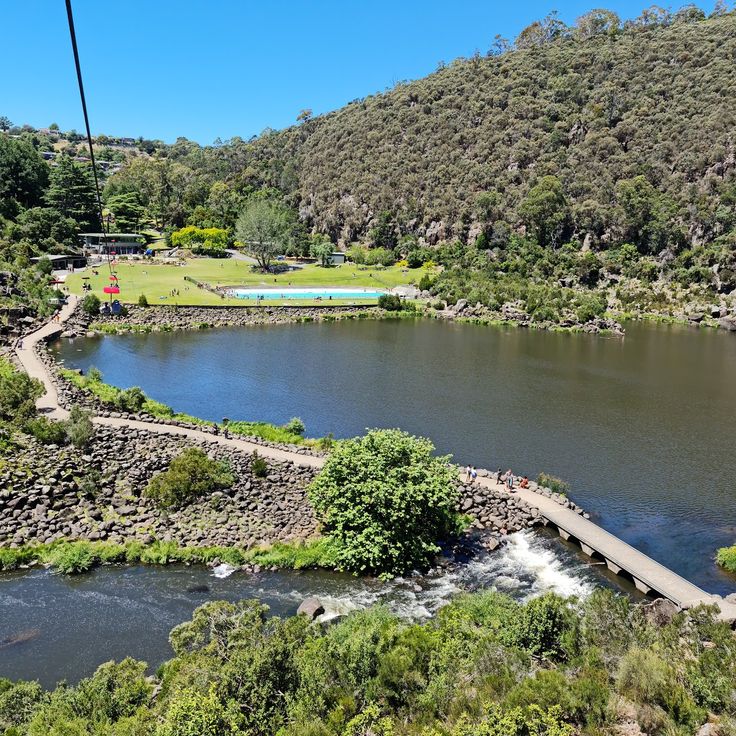
Cataract Gorge near Launceston is a ravine carved by the South Esk River, with granite cliffs that rise steeply on both sides. Walking paths run along the gorge floor, letting you explore the canyon up close and feel the raw power of flowing water. A chairlift carries visitors high above the river, offering a sweeping view of the gorge and the landscape beyond. This site shows how water shapes rock over time and captures the wild character that defines Tasmania.
This island in Tasmania is part of a region known for its rich nature and history. Bruny Island attracts visitors with locally made cheese, oysters and wines. The island provides habitat for echidnas, sea lions and wombats that can be observed in their wild surroundings. Here you can learn how artisanal cheese is made and explore the wildlife in the island's untamed areas.
Maria Island is a car-free nature reserve off Tasmania's coast where pademelons, kangaroos, and wombats roam freely. The island preserves ruins from a 19th-century penal settlement and striking limestone formations that reveal how earth and time have shaped the landscape. Visitors can walk multiple trails through the reserve, observe wildlife in natural surroundings, and learn about the island's past through its historical sites. The absence of vehicles makes it a quiet place where nature takes center stage.
Queenstown in Tasmania began as a mining town in 1890 and preserves the story of copper extraction. Visitors can descend into underground tunnels where miners once worked, and learn about this period in local museums. The town reveals how deeply mining shaped people's lives and transformed the surrounding landscape. Queenstown connects the raw history of mining with Tasmania's natural beauty, allowing travelers to experience the island's past firsthand.
Table Cape is a coastal promontory on this Australian island, marked by its maritime lighthouse. Cultivated fields surround the area, blooming with tulips and poppies during the austral spring. The location offers views over the sea and connects Tasmania's maritime heritage with the quiet beauty of its working landscapes.
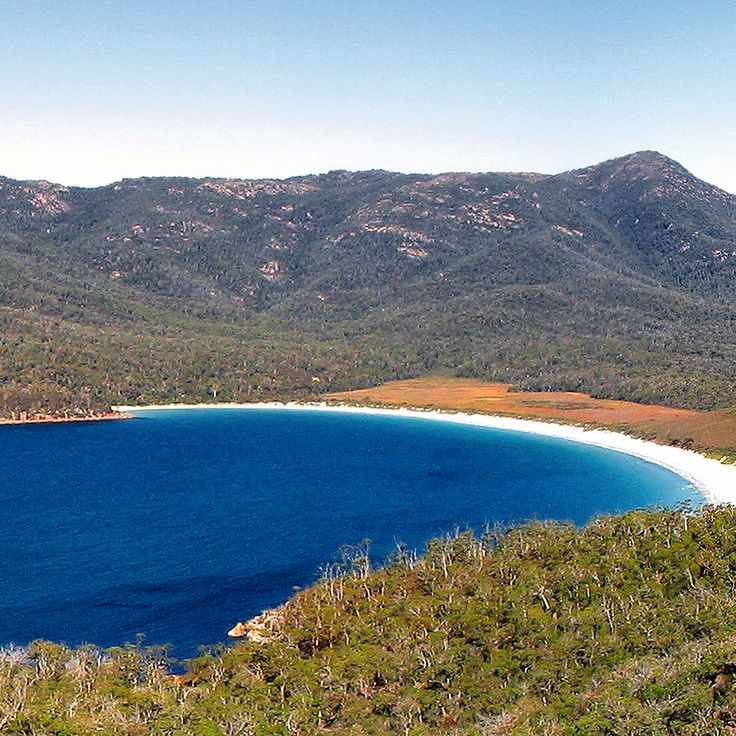
Wineglass Bay in this national park is a crescent-shaped beach framed by pink granite cliffs and coastal forest. The water gleams turquoise, the sand is white, and steep rock walls rise behind the shore. Hikers come here to walk the coastal paths and enjoy views from above. Swimmers and snorkelers find clear water and abundant marine life. The beach is easy to reach and shows well how varied Tasmania's natural features can be.
Sheffield is a small town in Tasmania where the walls of buildings become an open-air gallery. Colorful murals painted across the main streets tell stories from the region's past. These large-scale artworks cover the facades of structures throughout the town, creating a visual narrative as you walk by. The painted walls act as a public record of local history, allowing visitors to discover the heritage of the place through the eyes of local artists.
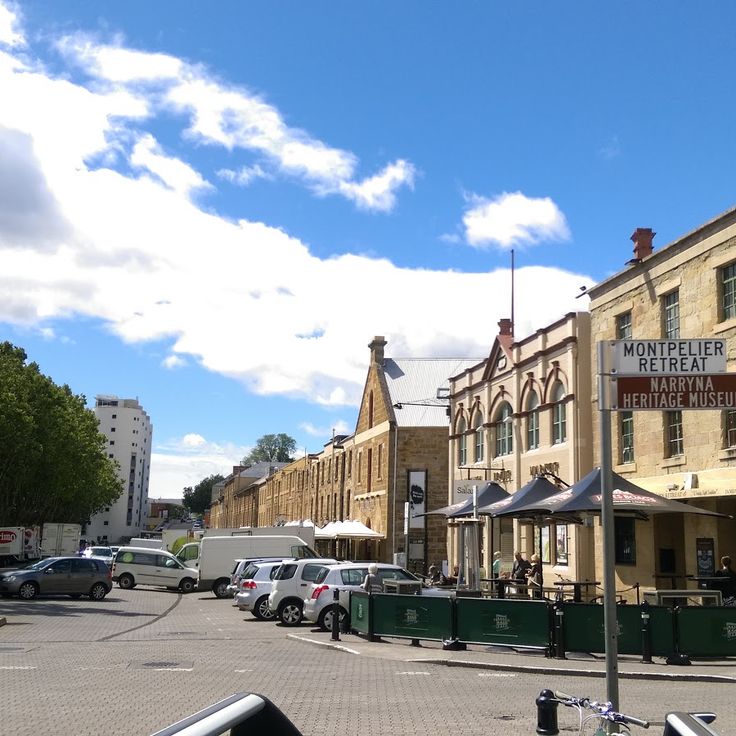
Salamanca Place is a lively square in Hobart ringed by 19th-century sandstone warehouses. Every Saturday, this space transforms into a market with around 300 stalls right along the harbor. The historic buildings create an authentic backdrop as visitors browse handcrafts, local products, and antiques. This place reflects Tasmania's history and serves as a gathering spot where locals and travelers alike experience the region's character and culture.
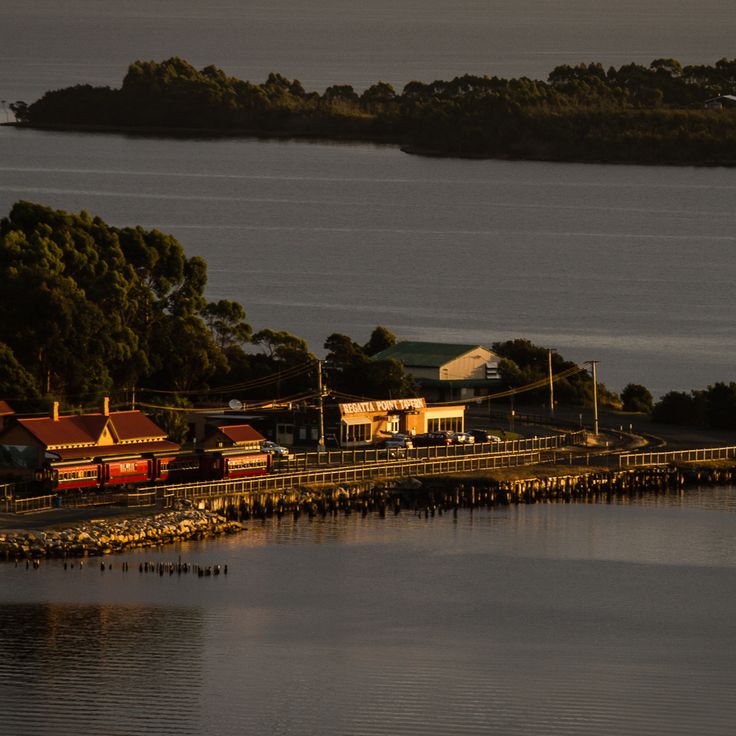
The West Coast Wilderness Railway is a historic railroad in Tasmania that has operated since 1896 through dense forests. The line connects Strahan and Queenstown using steam locomotives. As you travel, you see old forests, river valleys, and the rugged beauty of Tasmania's west coast. This railway tells the story of mining and early settlement in the region. For travelers, it offers a way to explore Tasmania's remote areas while stepping back in time.
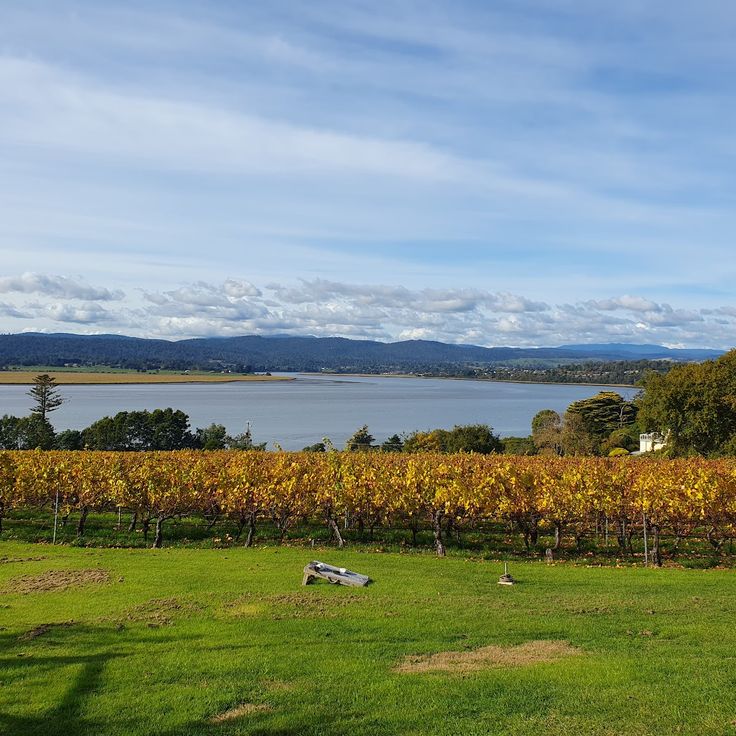
This wine valley in northern Tasmania has roots reaching back to the 1840s. The Tamar River winds through rolling hills planted with vineyards that have earned a reputation for quality wines. Visitors can walk among the vines, tour the wineries, and taste what local producers make. Many estates offer places to stay and eat, inviting travelers to experience the valley at a slower pace. The Tamar Valley shows how European winemaking traditions took hold on this Australian island and continue to thrive.
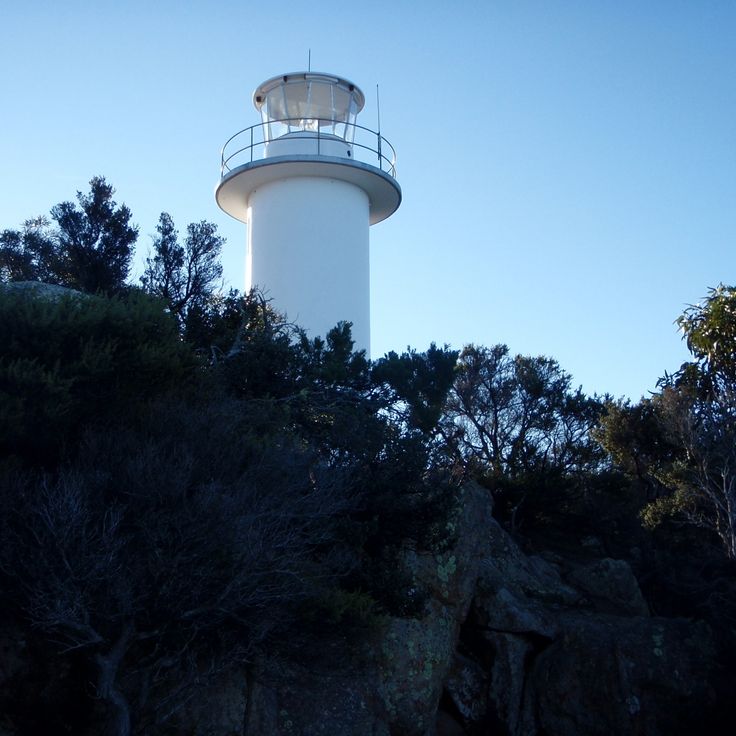
The Cape Tourville Lighthouse sits within Freycinet National Park and represents the connection between Tasmania's maritime heritage and its rugged coastal landscape. A wooden boardwalk of about 600 meters guides you through the landscape to this concrete structure on a headland. As you walk, views open up of steep granite cliffs and the ocean. The path is easy to follow and lets visitors experience this coastal area by the Tasmanian Sea. The lighthouse itself offers views across the coast and provides insight into the long history of seafaring along this rocky shore.
The Southwestern National Park protects a vast wilderness area of ancient rainforests, glacial lakes, and dramatic gorges. Water has carved deep canyons, dense forests cloak steep slopes, and the landscape tells stories of time and change. Walking trails wind through these untouched lands where few people venture. Wildlife thrives here freely, from small marsupials to seabirds nesting on offshore islands. This park reveals Tasmania's true nature, a place where the environment rules and humans simply pass through as visitors.
The Franklin-Gordon Rivers are among Tasmania's last wild river systems. This zone features deep gorges, untamed waterways, and wet forests where ancient Tasmanian beech trees have stood for thousands of years. The landscape reveals how water and time have carved stone over millennia. Visitors find themselves in unmanaged nature where walking trails trace rushing waters and thick vegetation fills the gorges. This region embodies the wild character that draws nature lovers to Tasmania.
The Hartz Mountains in Tasmania rise to 1254 meters and are covered with dense eucalyptus forests that create green landscapes across the slopes. Walkers find trails here that lead to alpine lakes. These mountains are part of Tasmania's natural wealth, where nature still rules the island. In winter, the peaks may be covered with snow. The Hartz Mountains invite you to explore the wild sides of this Australian island and experience the freedom of nature.
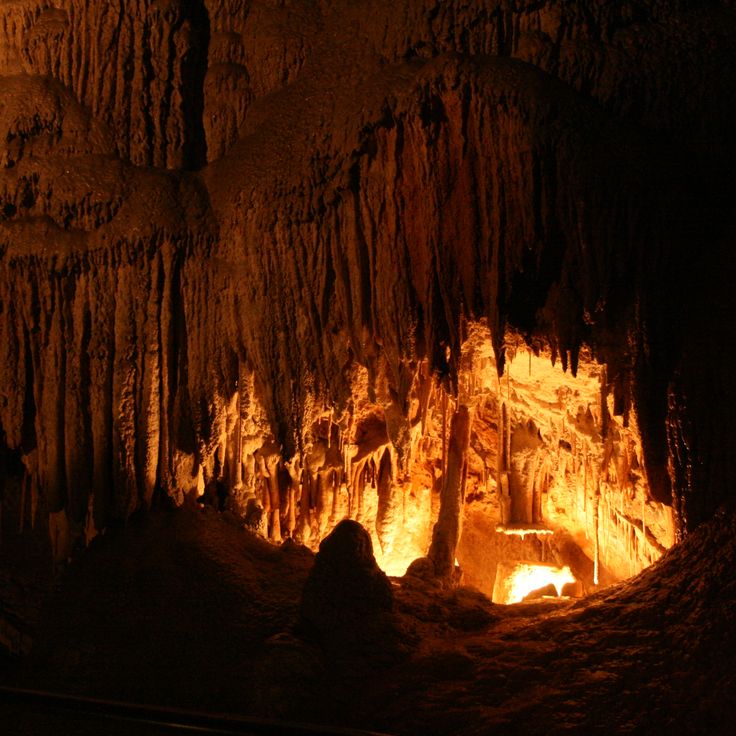
Mole Creek Karst in Tasmania is a system of natural caves carved into limestone rock. Underground rivers and mineral formations shape this landscape. The area contains over 300 caves open for exploration. This karst terrain shows how water has sculpted stone over thousands of years. Visitors can walk through underground passages and see the mineral deposits that line the cave walls. The caves offer a window into Tasmania's geological past. Hikers and nature enthusiasts find adventure in discovering these natural caverns. Light filtering through cave openings creates memorable moments as you move through the darkness below ground.
The Walls of Jerusalem is an alpine national park in Tasmania featuring ancient pine forests, glacial lakes and rocky peaks. Water and time have shaped this landscape over thousands of years. The lakes mirror the sky and invite exploration. Hikers discover trails through forests that feel removed from the modern world. In winter, visitors can ski on the higher slopes. This park shows how nature maintains its raw power in Tasmania's wild regions.
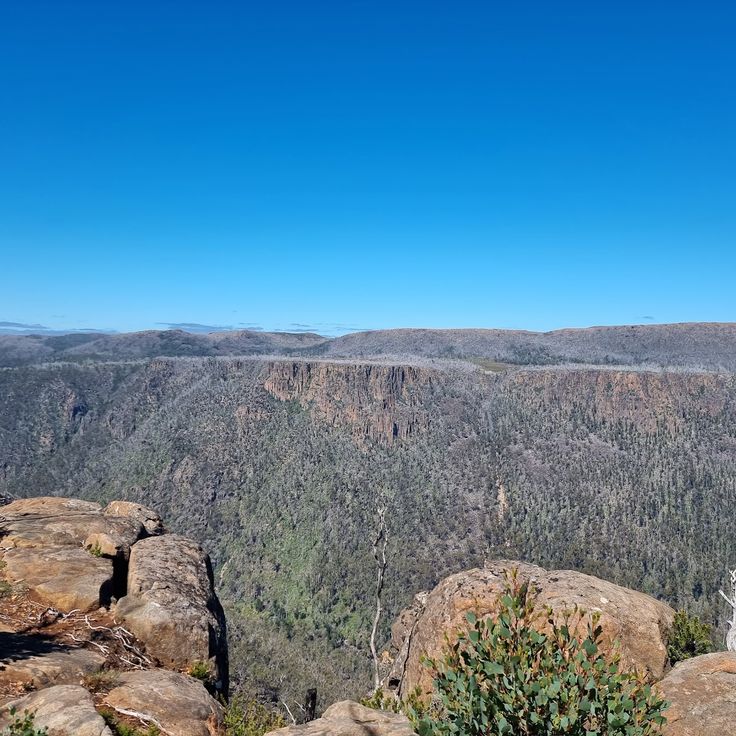
This nature reserve in Tasmania features an observation point perched on the edge of a 220-meter cliff overlooking Mayberry Valley. From this vantage point, you can see steep rock faces and deep ravines carved by water over countless centuries. The lookout gives a powerful sense of how the landscape was shaped by natural forces. Devils Gullet is a good place for walking and observing nature in Tasmania, away from busy tourist areas.
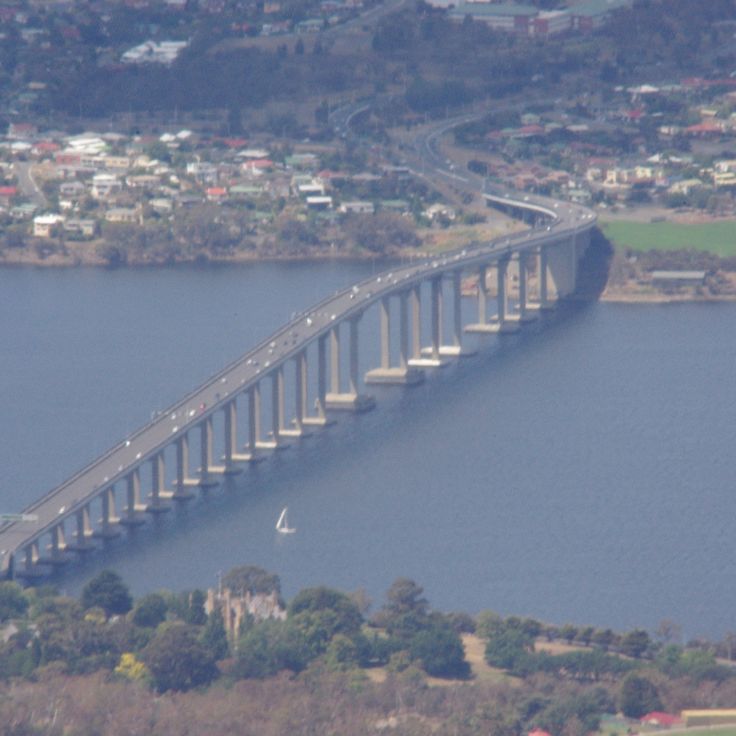
The Tasman Bridge is a concrete beam bridge that spans the Derwent River, connecting Hobart with the eastern shore. This bridge has shaped the city's character since its completion. It is far more than a practical crossing: the bridge offers views of the bay, surrounding hills, and the water below. The bridge shows the engineering skills of its era and remains central to daily life in Hobart. It connects not only two sides of the city but also weaves together Tasmania's past and present.
The Bay of Fires is a long stretch of Tasmania's coast with white sand beaches and distinctive granite rock formations. The rocks are covered with red and orange lichens that stand out against the pale sand. This coastal area attracts visitors who enjoy walking along the shore and exploring natural landscapes. The beaches offer plenty of space to wander and take in the rugged character of Tasmania's shoreline, where visitors can experience the raw beauty of the island's coastal environment.
Mount Field National Park is a natural reserve in Tasmania that features mountain trails, waterfalls, and alpine lakes. The park offers skiing during the Australian winter on its peaks. Visitors can explore the wild landscapes typical of the island and encounter wombats and other native animals. This park embodies Tasmania's natural character, where hiking enthusiasts discover trails through forests that seem timeless and landscapes shaped by water and ice.
Cradle Mountain-Lake St. Clair is a large national park in Tasmania that takes visitors into a world of alpine peaks, mountain lakes, and ancient beech forests. The park spans vast areas and offers walking paths for different fitness levels. The landscape shifts between open high plateaus and thick forests where nature still feels wild and untamed. Mountain slopes drop steeply, lakes mirror the sky, and everywhere you see traces of the ice age. Wombats and other Tasmanian animals live in the park. The place draws hikers who want to do multi-day treks, but day visitors can also explore parts of the park.
Devils at Cradle is a research and protection center for Tasmanian devils in the Cradle Mountains, fitting into Tasmania's focus on nature conservation and wildlife. Here you can observe these small, nocturnal carnivores during guided tours. The center focuses on protecting these remarkable animals and gives visitors the chance to see them in a natural setting. You will learn about their behavior and the efforts being made to keep their population healthy.
Hobart is Tasmania's capital, established in 1804 on the Derwent estuary. The city sits around a natural harbor where fishing boats dock and water shapes daily life. The Salamanca area shows the city's historical face with sandstone buildings from the 19th century. A Saturday market here brings locals and visitors together to buy fresh produce, crafts, and antiques. Hobart combines history with the rhythm of a working port. Museums tell stories of the past, while restaurants and cafes reflect local food culture. The city is small enough to walk around but offers enough to experience history, nature, and everyday Tasmania in one place.
Mount Wellington is a 1271-meter peak that rises above Hobart and shapes the city's landscape. A road leads to the lookout point, where you can see the city, the Derwent River, and the surrounding islands. On clear days, views reach far across the bay. The mountain is easily accessible and provides quick access to wide vistas. In winter, snow can cover the higher elevations, giving the peak a different appearance. Hikers find trails of varying difficulty here.
Bonorong Wildlife Sanctuary is a care and protection center for Tasmanian animals, fitting perfectly within this collection exploring Tasmania's nature and history. Here you can observe Tasmanian devils, koalas, and emus living in spaces that feel natural. The sanctuary shows you the variety of Tasmanian wildlife and works to protect these species for the future.
Port Arthur is where you encounter the history of Australia's penal system through its remaining structures. About 30 buildings and ruins stand from the period between 1830 and 1877. Walking through Port Arthur, you see the spaces where convicts and guards lived and worked. Each building speaks to the lives of the people held here during this era. The site sits on a natural bay with water views that frame the landscape. Visiting Port Arthur connects you directly to this chapter of Australian history and Tasmanian heritage.
The Royal Tasmanian Botanical Gardens in Hobart is Australia's oldest botanical garden, established in 1818. This place displays plant collections from Japan, France, and Australia across its large grounds. Visitors walk through carefully arranged sections where they encounter diverse plants and trees. The garden reflects the historical commitment to preserving and studying plants from around the world. As part of Tasmania's natural heritage, these gardens offer a quieter way to experience the island's connection to nature and history.
The Cascade Brewery in Hobart has been operating since 1824 and still produces beer in its original buildings. This site tells the story of Tasmania's brewing heritage and combines traditional craft with historical architecture. Visitors can explore the old facilities and wander through the gardens on the grounds. Guided tours offer insight into this long-standing brewery, which remains an important part of local history and continues to shape how people in the region think about their past.
MONA is an underground contemporary art museum in Hobart that spans three levels below ground. Visitors reach the site by ferry from Hobart's port, a journey of about 30 minutes. This museum displays modern artworks in an unusual setting that creates a distinctive experience. The subterranean location offers a special environment for exploring contemporary art. MONA reflects Tasmania's commitment to providing art lovers and curious travelers with new ways to experience creative expression.
The Hobart Penitentiary in this Tasmanian collection is a prison building constructed in 1831 and transformed into a chapel in 1859. The structure retains its colonial architecture and displays period objects. It tells the story of a bygone era and contributes to understanding Tasmania's past, where history and nature intertwine on this island.
Cradle Mountain-Lake St. Clair National Park, Australia
Dove Lake is a glacial lake in this national park, situated at 940 meters (3,084 ft) elevation. A walking track of about 6 kilometers (3.7 mi) circles the lake, offering chances to observe local wildlife. The water reflects the surrounding peaks, and the trail passes through different landscapes as it winds around the shore. This lake shows the natural environment of Tasmania and is part of a region where gorges, historic sites, and wild animals define the landscape.
Freycinet National Park in Tasmania is part of this island collection where nature and history intertwine. The park covers a large area with white sand beaches and turquoise waters. Visitors can walk along granite cliffs and explore the coastal landscape. The park offers different trails for all fitness levels, from easy walks to challenging hikes. The bays are quiet and invite swimming. Nature lovers come here to experience Tasmania's rugged coast and see the local plants and animals that live in this part of the island.
Cataract Gorge near Launceston is a ravine carved by the South Esk River, with granite cliffs that rise steeply on both sides. Walking paths run along the gorge floor, letting you explore the canyon up close and feel the raw power of flowing water. A chairlift carries visitors high above the river, offering a sweeping view of the gorge and the landscape beyond. This site shows how water shapes rock over time and captures the wild character that defines Tasmania.
This island in Tasmania is part of a region known for its rich nature and history. Bruny Island attracts visitors with locally made cheese, oysters and wines. The island provides habitat for echidnas, sea lions and wombats that can be observed in their wild surroundings. Here you can learn how artisanal cheese is made and explore the wildlife in the island's untamed areas.
Maria Island is a car-free nature reserve off Tasmania's coast where pademelons, kangaroos, and wombats roam freely. The island preserves ruins from a 19th-century penal settlement and striking limestone formations that reveal how earth and time have shaped the landscape. Visitors can walk multiple trails through the reserve, observe wildlife in natural surroundings, and learn about the island's past through its historical sites. The absence of vehicles makes it a quiet place where nature takes center stage.
Queenstown in Tasmania began as a mining town in 1890 and preserves the story of copper extraction. Visitors can descend into underground tunnels where miners once worked, and learn about this period in local museums. The town reveals how deeply mining shaped people's lives and transformed the surrounding landscape. Queenstown connects the raw history of mining with Tasmania's natural beauty, allowing travelers to experience the island's past firsthand.
Table Cape is a coastal promontory on this Australian island, marked by its maritime lighthouse. Cultivated fields surround the area, blooming with tulips and poppies during the austral spring. The location offers views over the sea and connects Tasmania's maritime heritage with the quiet beauty of its working landscapes.
Wineglass Bay in this national park is a crescent-shaped beach framed by pink granite cliffs and coastal forest. The water gleams turquoise, the sand is white, and steep rock walls rise behind the shore. Hikers come here to walk the coastal paths and enjoy views from above. Swimmers and snorkelers find clear water and abundant marine life. The beach is easy to reach and shows well how varied Tasmania's natural features can be.
Sheffield is a small town in Tasmania where the walls of buildings become an open-air gallery. Colorful murals painted across the main streets tell stories from the region's past. These large-scale artworks cover the facades of structures throughout the town, creating a visual narrative as you walk by. The painted walls act as a public record of local history, allowing visitors to discover the heritage of the place through the eyes of local artists.
Salamanca Place is a lively square in Hobart ringed by 19th-century sandstone warehouses. Every Saturday, this space transforms into a market with around 300 stalls right along the harbor. The historic buildings create an authentic backdrop as visitors browse handcrafts, local products, and antiques. This place reflects Tasmania's history and serves as a gathering spot where locals and travelers alike experience the region's character and culture.
The West Coast Wilderness Railway is a historic railroad in Tasmania that has operated since 1896 through dense forests. The line connects Strahan and Queenstown using steam locomotives. As you travel, you see old forests, river valleys, and the rugged beauty of Tasmania's west coast. This railway tells the story of mining and early settlement in the region. For travelers, it offers a way to explore Tasmania's remote areas while stepping back in time.
This wine valley in northern Tasmania has roots reaching back to the 1840s. The Tamar River winds through rolling hills planted with vineyards that have earned a reputation for quality wines. Visitors can walk among the vines, tour the wineries, and taste what local producers make. Many estates offer places to stay and eat, inviting travelers to experience the valley at a slower pace. The Tamar Valley shows how European winemaking traditions took hold on this Australian island and continue to thrive.
The Cape Tourville Lighthouse sits within Freycinet National Park and represents the connection between Tasmania's maritime heritage and its rugged coastal landscape. A wooden boardwalk of about 600 meters guides you through the landscape to this concrete structure on a headland. As you walk, views open up of steep granite cliffs and the ocean. The path is easy to follow and lets visitors experience this coastal area by the Tasmanian Sea. The lighthouse itself offers views across the coast and provides insight into the long history of seafaring along this rocky shore.
The Southwestern National Park protects a vast wilderness area of ancient rainforests, glacial lakes, and dramatic gorges. Water has carved deep canyons, dense forests cloak steep slopes, and the landscape tells stories of time and change. Walking trails wind through these untouched lands where few people venture. Wildlife thrives here freely, from small marsupials to seabirds nesting on offshore islands. This park reveals Tasmania's true nature, a place where the environment rules and humans simply pass through as visitors.
The Franklin-Gordon Rivers are among Tasmania's last wild river systems. This zone features deep gorges, untamed waterways, and wet forests where ancient Tasmanian beech trees have stood for thousands of years. The landscape reveals how water and time have carved stone over millennia. Visitors find themselves in unmanaged nature where walking trails trace rushing waters and thick vegetation fills the gorges. This region embodies the wild character that draws nature lovers to Tasmania.
The Hartz Mountains in Tasmania rise to 1254 meters and are covered with dense eucalyptus forests that create green landscapes across the slopes. Walkers find trails here that lead to alpine lakes. These mountains are part of Tasmania's natural wealth, where nature still rules the island. In winter, the peaks may be covered with snow. The Hartz Mountains invite you to explore the wild sides of this Australian island and experience the freedom of nature.
Mole Creek Karst in Tasmania is a system of natural caves carved into limestone rock. Underground rivers and mineral formations shape this landscape. The area contains over 300 caves open for exploration. This karst terrain shows how water has sculpted stone over thousands of years. Visitors can walk through underground passages and see the mineral deposits that line the cave walls. The caves offer a window into Tasmania's geological past. Hikers and nature enthusiasts find adventure in discovering these natural caverns. Light filtering through cave openings creates memorable moments as you move through the darkness below ground.
The Walls of Jerusalem is an alpine national park in Tasmania featuring ancient pine forests, glacial lakes and rocky peaks. Water and time have shaped this landscape over thousands of years. The lakes mirror the sky and invite exploration. Hikers discover trails through forests that feel removed from the modern world. In winter, visitors can ski on the higher slopes. This park shows how nature maintains its raw power in Tasmania's wild regions.
This nature reserve in Tasmania features an observation point perched on the edge of a 220-meter cliff overlooking Mayberry Valley. From this vantage point, you can see steep rock faces and deep ravines carved by water over countless centuries. The lookout gives a powerful sense of how the landscape was shaped by natural forces. Devils Gullet is a good place for walking and observing nature in Tasmania, away from busy tourist areas.
The Tasman Bridge is a concrete beam bridge that spans the Derwent River, connecting Hobart with the eastern shore. This bridge has shaped the city's character since its completion. It is far more than a practical crossing: the bridge offers views of the bay, surrounding hills, and the water below. The bridge shows the engineering skills of its era and remains central to daily life in Hobart. It connects not only two sides of the city but also weaves together Tasmania's past and present.
The Bay of Fires is a long stretch of Tasmania's coast with white sand beaches and distinctive granite rock formations. The rocks are covered with red and orange lichens that stand out against the pale sand. This coastal area attracts visitors who enjoy walking along the shore and exploring natural landscapes. The beaches offer plenty of space to wander and take in the rugged character of Tasmania's shoreline, where visitors can experience the raw beauty of the island's coastal environment.
Mount Field National Park is a natural reserve in Tasmania that features mountain trails, waterfalls, and alpine lakes. The park offers skiing during the Australian winter on its peaks. Visitors can explore the wild landscapes typical of the island and encounter wombats and other native animals. This park embodies Tasmania's natural character, where hiking enthusiasts discover trails through forests that seem timeless and landscapes shaped by water and ice.
Cradle Mountain-Lake St. Clair is a large national park in Tasmania that takes visitors into a world of alpine peaks, mountain lakes, and ancient beech forests. The park spans vast areas and offers walking paths for different fitness levels. The landscape shifts between open high plateaus and thick forests where nature still feels wild and untamed. Mountain slopes drop steeply, lakes mirror the sky, and everywhere you see traces of the ice age. Wombats and other Tasmanian animals live in the park. The place draws hikers who want to do multi-day treks, but day visitors can also explore parts of the park.
Devils at Cradle is a research and protection center for Tasmanian devils in the Cradle Mountains, fitting into Tasmania's focus on nature conservation and wildlife. Here you can observe these small, nocturnal carnivores during guided tours. The center focuses on protecting these remarkable animals and gives visitors the chance to see them in a natural setting. You will learn about their behavior and the efforts being made to keep their population healthy.
Hobart is Tasmania's capital, established in 1804 on the Derwent estuary. The city sits around a natural harbor where fishing boats dock and water shapes daily life. The Salamanca area shows the city's historical face with sandstone buildings from the 19th century. A Saturday market here brings locals and visitors together to buy fresh produce, crafts, and antiques. Hobart combines history with the rhythm of a working port. Museums tell stories of the past, while restaurants and cafes reflect local food culture. The city is small enough to walk around but offers enough to experience history, nature, and everyday Tasmania in one place.
Mount Wellington is a 1271-meter peak that rises above Hobart and shapes the city's landscape. A road leads to the lookout point, where you can see the city, the Derwent River, and the surrounding islands. On clear days, views reach far across the bay. The mountain is easily accessible and provides quick access to wide vistas. In winter, snow can cover the higher elevations, giving the peak a different appearance. Hikers find trails of varying difficulty here.
Bonorong Wildlife Sanctuary is a care and protection center for Tasmanian animals, fitting perfectly within this collection exploring Tasmania's nature and history. Here you can observe Tasmanian devils, koalas, and emus living in spaces that feel natural. The sanctuary shows you the variety of Tasmanian wildlife and works to protect these species for the future.
Port Arthur is where you encounter the history of Australia's penal system through its remaining structures. About 30 buildings and ruins stand from the period between 1830 and 1877. Walking through Port Arthur, you see the spaces where convicts and guards lived and worked. Each building speaks to the lives of the people held here during this era. The site sits on a natural bay with water views that frame the landscape. Visiting Port Arthur connects you directly to this chapter of Australian history and Tasmanian heritage.
The Royal Tasmanian Botanical Gardens in Hobart is Australia's oldest botanical garden, established in 1818. This place displays plant collections from Japan, France, and Australia across its large grounds. Visitors walk through carefully arranged sections where they encounter diverse plants and trees. The garden reflects the historical commitment to preserving and studying plants from around the world. As part of Tasmania's natural heritage, these gardens offer a quieter way to experience the island's connection to nature and history.
The Cascade Brewery in Hobart has been operating since 1824 and still produces beer in its original buildings. This site tells the story of Tasmania's brewing heritage and combines traditional craft with historical architecture. Visitors can explore the old facilities and wander through the gardens on the grounds. Guided tours offer insight into this long-standing brewery, which remains an important part of local history and continues to shape how people in the region think about their past.
MONA is an underground contemporary art museum in Hobart that spans three levels below ground. Visitors reach the site by ferry from Hobart's port, a journey of about 30 minutes. This museum displays modern artworks in an unusual setting that creates a distinctive experience. The subterranean location offers a special environment for exploring contemporary art. MONA reflects Tasmania's commitment to providing art lovers and curious travelers with new ways to experience creative expression.
The Hobart Penitentiary in this Tasmanian collection is a prison building constructed in 1831 and transformed into a chapel in 1859. The structure retains its colonial architecture and displays period objects. It tells the story of a bygone era and contributes to understanding Tasmania's past, where history and nature intertwine on this island.
Cradle Mountain-Lake St. Clair National Park, Australia
Dove Lake is a glacial lake in this national park, situated at 940 meters (3,084 ft) elevation. A walking track of about 6 kilometers (3.7 mi) circles the lake, offering chances to observe local wildlife. The water reflects the surrounding peaks, and the trail passes through different landscapes as it winds around the shore. This lake shows the natural environment of Tasmania and is part of a region where gorges, historic sites, and wild animals define the landscape.
Freycinet National Park in Tasmania is part of this island collection where nature and history intertwine. The park covers a large area with white sand beaches and turquoise waters. Visitors can walk along granite cliffs and explore the coastal landscape. The park offers different trails for all fitness levels, from easy walks to challenging hikes. The bays are quiet and invite swimming. Nature lovers come here to experience Tasmania's rugged coast and see the local plants and animals that live in this part of the island.
Cataract Gorge near Launceston is a ravine carved by the South Esk River, with granite cliffs that rise steeply on both sides. Walking paths run along the gorge floor, letting you explore the canyon up close and feel the raw power of flowing water. A chairlift carries visitors high above the river, offering a sweeping view of the gorge and the landscape beyond. This site shows how water shapes rock over time and captures the wild character that defines Tasmania.
This island in Tasmania is part of a region known for its rich nature and history. Bruny Island attracts visitors with locally made cheese, oysters and wines. The island provides habitat for echidnas, sea lions and wombats that can be observed in their wild surroundings. Here you can learn how artisanal cheese is made and explore the wildlife in the island's untamed areas.
Maria Island is a car-free nature reserve off Tasmania's coast where pademelons, kangaroos, and wombats roam freely. The island preserves ruins from a 19th-century penal settlement and striking limestone formations that reveal how earth and time have shaped the landscape. Visitors can walk multiple trails through the reserve, observe wildlife in natural surroundings, and learn about the island's past through its historical sites. The absence of vehicles makes it a quiet place where nature takes center stage.
Queenstown in Tasmania began as a mining town in 1890 and preserves the story of copper extraction. Visitors can descend into underground tunnels where miners once worked, and learn about this period in local museums. The town reveals how deeply mining shaped people's lives and transformed the surrounding landscape. Queenstown connects the raw history of mining with Tasmania's natural beauty, allowing travelers to experience the island's past firsthand.
Table Cape is a coastal promontory on this Australian island, marked by its maritime lighthouse. Cultivated fields surround the area, blooming with tulips and poppies during the austral spring. The location offers views over the sea and connects Tasmania's maritime heritage with the quiet beauty of its working landscapes.
Wineglass Bay in this national park is a crescent-shaped beach framed by pink granite cliffs and coastal forest. The water gleams turquoise, the sand is white, and steep rock walls rise behind the shore. Hikers come here to walk the coastal paths and enjoy views from above. Swimmers and snorkelers find clear water and abundant marine life. The beach is easy to reach and shows well how varied Tasmania's natural features can be.
Sheffield is a small town in Tasmania where the walls of buildings become an open-air gallery. Colorful murals painted across the main streets tell stories from the region's past. These large-scale artworks cover the facades of structures throughout the town, creating a visual narrative as you walk by. The painted walls act as a public record of local history, allowing visitors to discover the heritage of the place through the eyes of local artists.
Salamanca Place is a lively square in Hobart ringed by 19th-century sandstone warehouses. Every Saturday, this space transforms into a market with around 300 stalls right along the harbor. The historic buildings create an authentic backdrop as visitors browse handcrafts, local products, and antiques. This place reflects Tasmania's history and serves as a gathering spot where locals and travelers alike experience the region's character and culture.
The West Coast Wilderness Railway is a historic railroad in Tasmania that has operated since 1896 through dense forests. The line connects Strahan and Queenstown using steam locomotives. As you travel, you see old forests, river valleys, and the rugged beauty of Tasmania's west coast. This railway tells the story of mining and early settlement in the region. For travelers, it offers a way to explore Tasmania's remote areas while stepping back in time.
This wine valley in northern Tasmania has roots reaching back to the 1840s. The Tamar River winds through rolling hills planted with vineyards that have earned a reputation for quality wines. Visitors can walk among the vines, tour the wineries, and taste what local producers make. Many estates offer places to stay and eat, inviting travelers to experience the valley at a slower pace. The Tamar Valley shows how European winemaking traditions took hold on this Australian island and continue to thrive.
The Cape Tourville Lighthouse sits within Freycinet National Park and represents the connection between Tasmania's maritime heritage and its rugged coastal landscape. A wooden boardwalk of about 600 meters guides you through the landscape to this concrete structure on a headland. As you walk, views open up of steep granite cliffs and the ocean. The path is easy to follow and lets visitors experience this coastal area by the Tasmanian Sea. The lighthouse itself offers views across the coast and provides insight into the long history of seafaring along this rocky shore.
The Southwestern National Park protects a vast wilderness area of ancient rainforests, glacial lakes, and dramatic gorges. Water has carved deep canyons, dense forests cloak steep slopes, and the landscape tells stories of time and change. Walking trails wind through these untouched lands where few people venture. Wildlife thrives here freely, from small marsupials to seabirds nesting on offshore islands. This park reveals Tasmania's true nature, a place where the environment rules and humans simply pass through as visitors.
The Franklin-Gordon Rivers are among Tasmania's last wild river systems. This zone features deep gorges, untamed waterways, and wet forests where ancient Tasmanian beech trees have stood for thousands of years. The landscape reveals how water and time have carved stone over millennia. Visitors find themselves in unmanaged nature where walking trails trace rushing waters and thick vegetation fills the gorges. This region embodies the wild character that draws nature lovers to Tasmania.
The Hartz Mountains in Tasmania rise to 1254 meters and are covered with dense eucalyptus forests that create green landscapes across the slopes. Walkers find trails here that lead to alpine lakes. These mountains are part of Tasmania's natural wealth, where nature still rules the island. In winter, the peaks may be covered with snow. The Hartz Mountains invite you to explore the wild sides of this Australian island and experience the freedom of nature.
Mole Creek Karst in Tasmania is a system of natural caves carved into limestone rock. Underground rivers and mineral formations shape this landscape. The area contains over 300 caves open for exploration. This karst terrain shows how water has sculpted stone over thousands of years. Visitors can walk through underground passages and see the mineral deposits that line the cave walls. The caves offer a window into Tasmania's geological past. Hikers and nature enthusiasts find adventure in discovering these natural caverns. Light filtering through cave openings creates memorable moments as you move through the darkness below ground.
The Walls of Jerusalem is an alpine national park in Tasmania featuring ancient pine forests, glacial lakes and rocky peaks. Water and time have shaped this landscape over thousands of years. The lakes mirror the sky and invite exploration. Hikers discover trails through forests that feel removed from the modern world. In winter, visitors can ski on the higher slopes. This park shows how nature maintains its raw power in Tasmania's wild regions.
This nature reserve in Tasmania features an observation point perched on the edge of a 220-meter cliff overlooking Mayberry Valley. From this vantage point, you can see steep rock faces and deep ravines carved by water over countless centuries. The lookout gives a powerful sense of how the landscape was shaped by natural forces. Devils Gullet is a good place for walking and observing nature in Tasmania, away from busy tourist areas.
The Tasman Bridge is a concrete beam bridge that spans the Derwent River, connecting Hobart with the eastern shore. This bridge has shaped the city's character since its completion. It is far more than a practical crossing: the bridge offers views of the bay, surrounding hills, and the water below. The bridge shows the engineering skills of its era and remains central to daily life in Hobart. It connects not only two sides of the city but also weaves together Tasmania's past and present.