See the monuments around you in AROpen chests in the app
Around Us is built for your phone — point your camera at the streets and discover the monuments and places around you in augmented reality.Around Us is built for your phone — chests unlock when you walk, explore and capture nearby places.
Nature areas in Kazakhstan: national parks, mountains, lakes and canyons
Kazakhstan stretches across an impressive variety of landscapes, from high mountains to vast steppes, from hidden mountain lakes to wide desert plains. The country protects numerous natural areas that show these differences and allow visitors to experience places that remain little changed. In the national parks and reserves, you can walk through forests, stand by quiet lakes, or explore canyons shaped over thousands of years.
Among the most visited are Charyn Canyon with its red rock walls, Burabay National Park with its pine forests and granite boulders, and Big Almaty Lake, which sits in a narrow valley at over 2500 meters elevation. Kaindy Lake is known for its submerged trees, their trunks still rising from the water. In the southern regions you find Aksu-Zhabagly, the country's oldest nature reserve, while in the east Mount Belukha, the highest peak of the Altai range, stands on the border with Russia. Each of these places offers its own picture of what nature looks like in this part of Central Asia.
Nature areas in Kazakhstan: national parks, mountains, lakes and canyons
Kazakhstan stretches across an impressive variety of landscapes, from high mountains to vast steppes, from hidden mountain lakes to wide desert plains. The country protects numerous natural areas that show these differences and allow visitors to experience places that remain little changed. In the national parks and reserves, you can walk through forests, stand by quiet lakes, or explore canyons shaped over thousands of years.
Among the most visited are Charyn Canyon with its red rock walls, Burabay National Park with its pine forests and granite boulders, and Big Almaty Lake, which sits in a narrow valley at over 2500 meters elevation. Kaindy Lake is known for its submerged trees, their trunks still rising from the water. In the southern regions you find Aksu-Zhabagly, the country's oldest nature reserve, while in the east Mount Belukha, the highest peak of the Altai range, stands on the border with Russia. Each of these places offers its own picture of what nature looks like in this part of Central Asia.
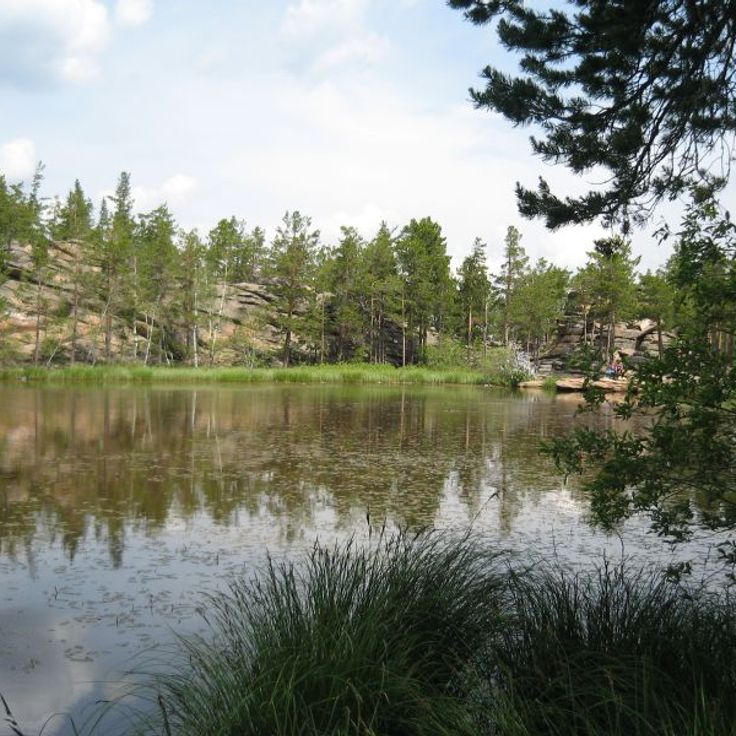
This national park sits in a region of forest and quiet lakes, between granite cliffs and wooded heights. The trails wind through pine forests, where light falls between the trunks and reflects on the water. Hikers follow the paths along the shores and up onto the hills, from where the view opens over the lakes and the surrounding woods. In summer, families come to swim and walk, while in autumn the colors of the trees change. The air is dry and clear, and the silence is broken only by birdsong and the rustle of leaves.
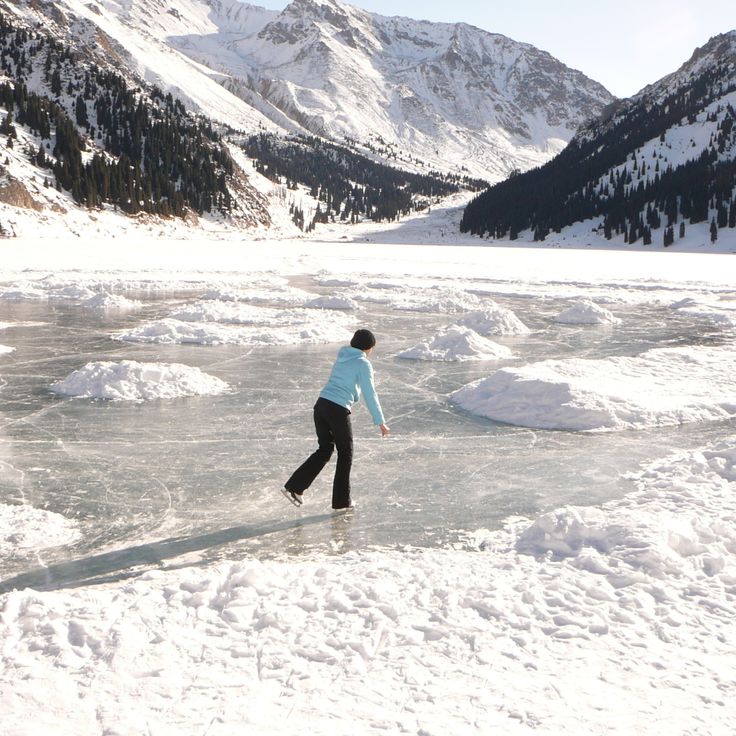
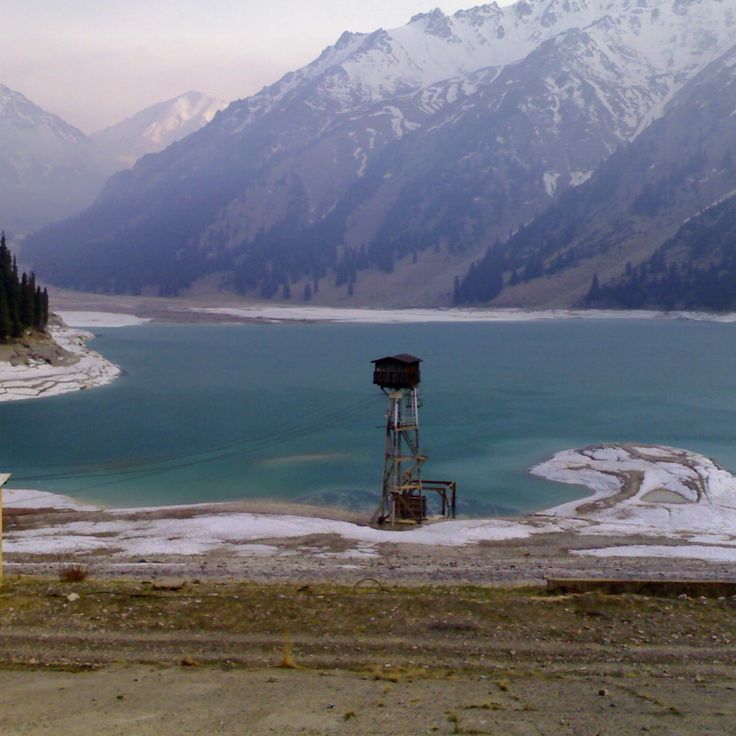
This natural reservoir in the Trans-Ili Alatau mountains is among the natural beauties of Kazakhstan and was formed by melting glaciers. The water remains near freezing throughout the year. The surroundings consist of steep slopes and coniferous forests that reach down to the shore. In summer, the surface shimmers turquoise blue, while in winter it often freezes over. The lake sits at about 8,200 feet (2,500 m) and is fed by three streams flowing down from surrounding peaks. The road leading there winds through curves and offers views of the valley below.
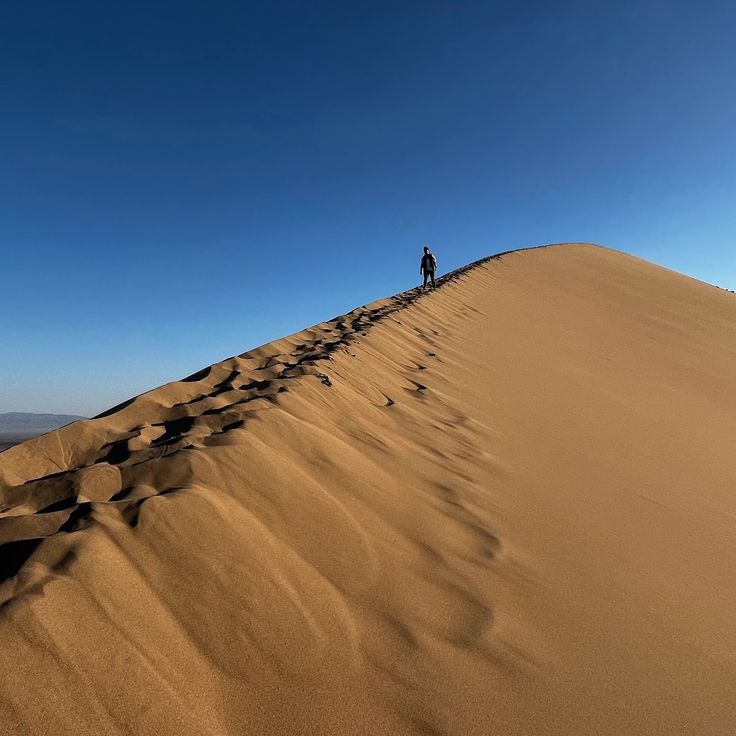
This dune rises over 150 meters (490 feet) into the sky within Altyn-Emel National Park and produces sounds when wind moves through the sand. The phenomenon occurs through friction between sand grains, which create different tones depending on wind strength and how dry the material is. The climb leads through fine, light-colored sand that shifts underfoot and triggers small avalanches with each step. From the top, the view stretches across the open steppe landscape and distant mountains. In early morning or late afternoon, when temperatures drop, the acoustic phenomenon becomes most noticeable.
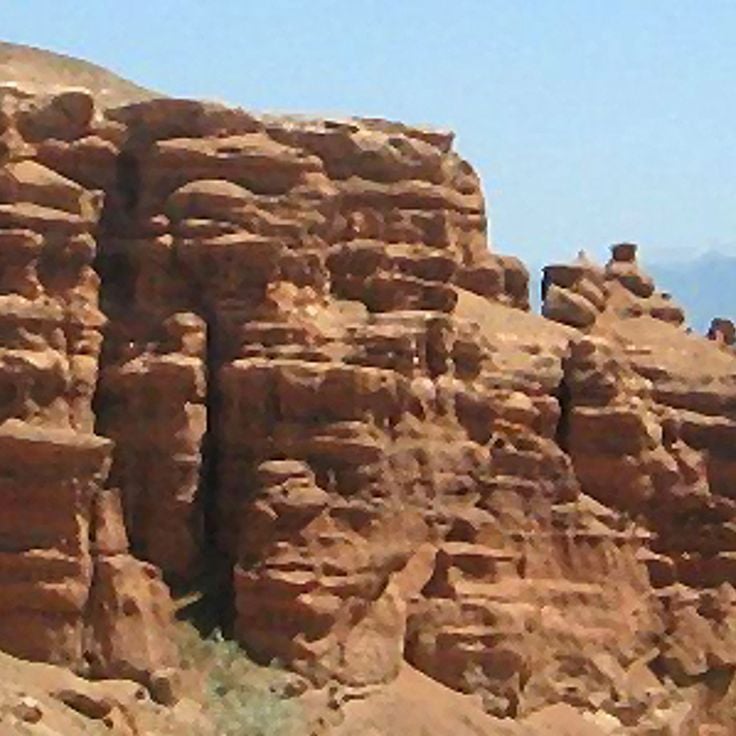
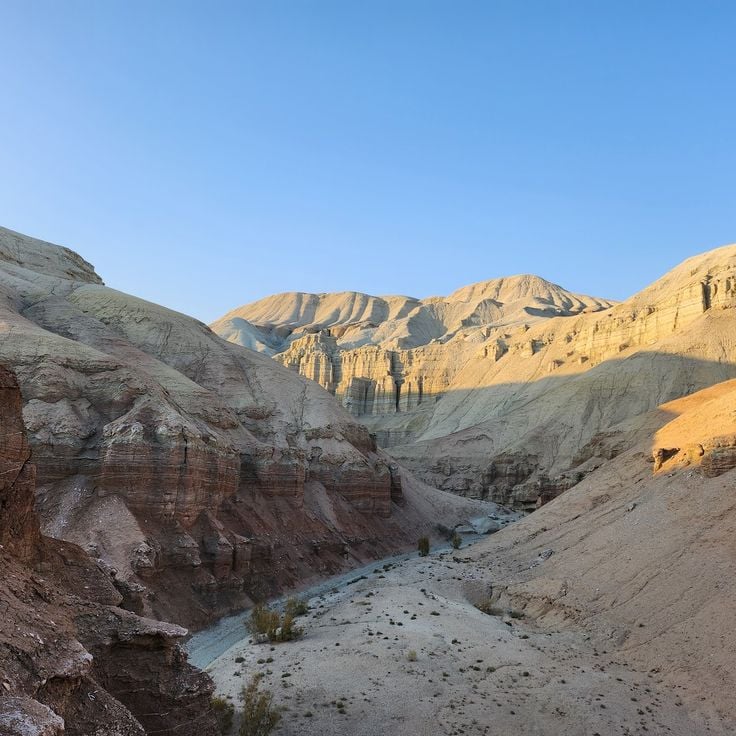
This canyon was formed about 12 million years ago from sedimentary rock and stretches for 154 kilometers through the Kazakh landscape. Steep rock walls drop sharply and create a maze of narrow gorges and open valleys. Wind has carved the rocks into strange shapes over thousands of years. Some sections look like towers or columns. At the bottom, the Charyn River flows through the stone. Colors shift from gray to red to yellowish tones, depending on the time of day and light. In summer it can get very hot here, while winter nights turn cold. Walking through this canyon, you see layers from different geological ages.
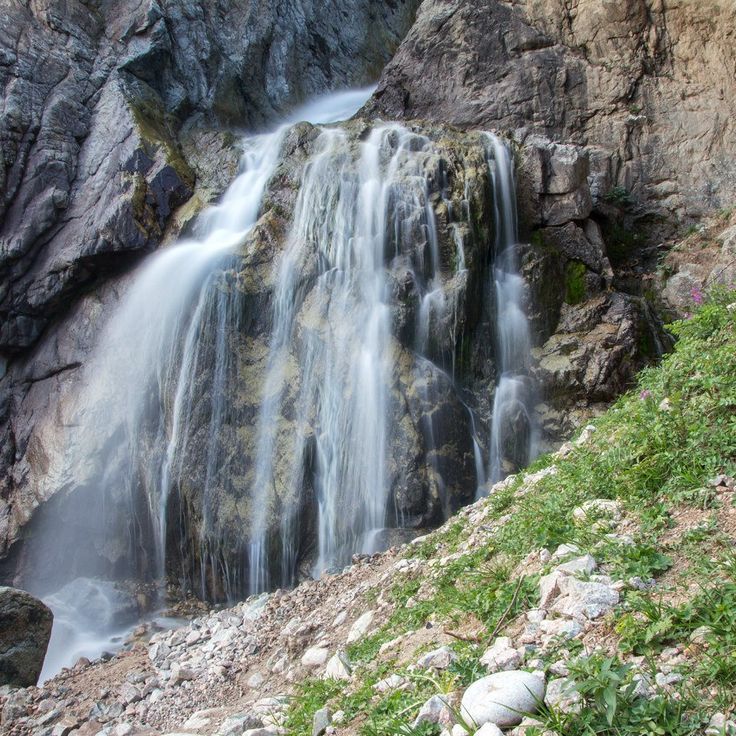
The Burhan-Bulak Cascade is a waterfall in the Dzhungarsky Alatau that belongs to the natural treasures of Kazakhstan. Water drops about 367 feet (112 meters) over three levels. The waterfall sits in a mountain area shaped by steep slopes and rock walls. The cascade is fed by meltwater from higher elevations. Visitors reach this place by trails that pass through forests and open mountain slopes. The surroundings are quiet, and the sound of falling water can be heard from a distance.
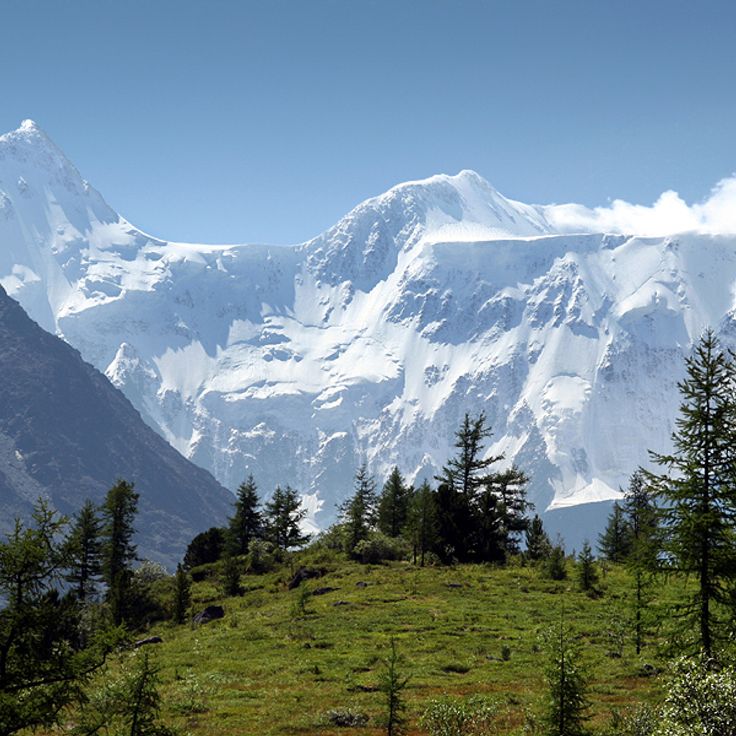
This mountain rises to 4,506 meters (14,783 feet) and forms the highest point in the Altai range. The two main peaks of Belukha are covered with snow throughout the year, and glaciers stretch across the upper slopes. The rock appears in pale gray tones, and vegetation extends to middle elevations where coniferous forests gradually give way to alpine meadows. Hikers reach base camps after walking for several days through valleys cut by rivers. The air thins as you climb higher, and temperatures drop noticeably. This place belongs to the protected natural sites of Kazakhstan, where wildlife such as ibex and eagles live. The landscape shifts between steep rock faces and gentler slopes where snowfields melt in summer and form streams.
This lake sits at 1449 meters elevation, tucked between forested slopes in the eastern part of the country, where a protected area shelters rare fish and bird species. The surroundings consist of coniferous woodland that reaches down to the shore. The clear water reflects the surrounding mountain ranges. Anglers and hikers come here to enjoy the quiet. The lake is among the natural beauties of Kazakhstan and shows the diversity of landscapes in this region.
This mountain lake sits at 1818 meters altitude in a valley of the Tian Shan. The waters reflect the spruce forests that line its shores. The lake is part of a system of three glacial lakes and serves as a starting point for hikes into the surrounding mountain regions. Trails wind through dense conifer forests, while the clear waters of the lake mirror the peaks of the nearby mountains. Fishermen come here, and in summer visitors camp along the shores.
This nature reserve began in 1926 and was the first of its kind in Central Asia. It covers mountains, forests, and steppes in the southern reaches of the Tian Shan range. Snow leopards, bears, and ibex live here. The landscape shifts from dry valleys to peaks rising over 13000 feet (4000 meters). Spring flowers blanket the slopes, while rivers cut through deep gorges. Hikers follow old trails through juniper woods.
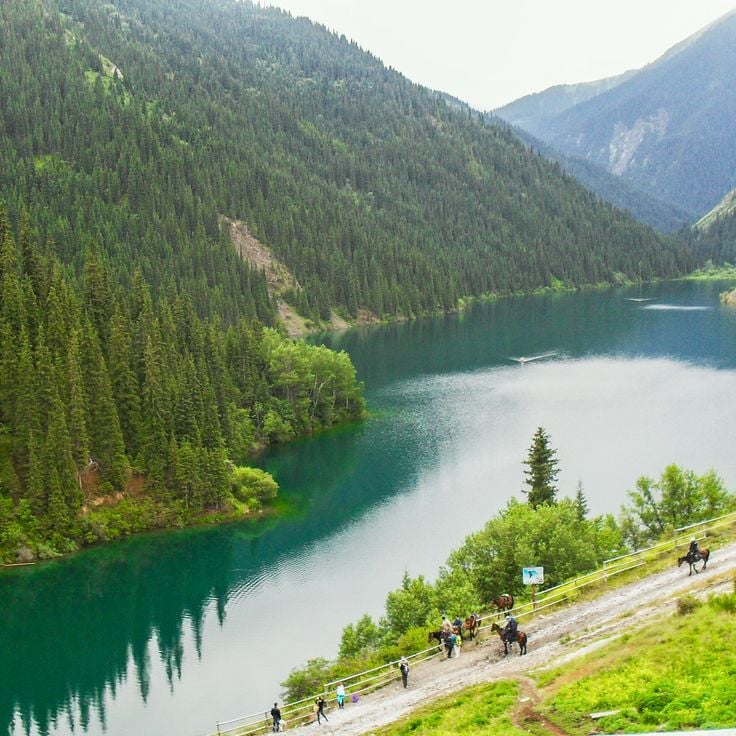
This mountain lake sits at an elevation of 5775 feet (1760 meters) in the Trans-Ili Alatau range and stretches for 1.1 miles (1.8 kilometers). The water fills a valley between forested slopes, where spruce trees and juniper bushes line the shores. The area attracts visitors who walk along trails near the water and look at the mountain scenery. The natural beauty of this place in the Almaty region draws people seeking fresh air and views of the peaks.
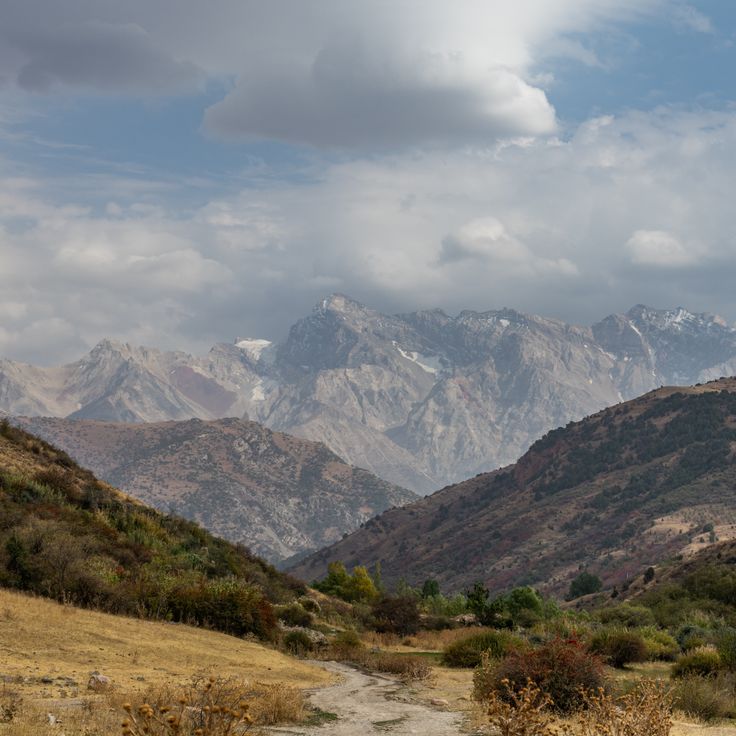
This national park protects about 149,000 hectares (368,000 acres) of mountain terrain in the Tien Shan range. The landscape shifts from steep rocky slopes to forested valleys where several rivers flow. Wildlife such as snow leopards and ibex inhabit the higher elevations. Trails lead through different vegetation zones, from juniper forests to alpine meadows. The park sits near the border with Uzbekistan and remains one of Kazakhstan's less developed conservation areas.
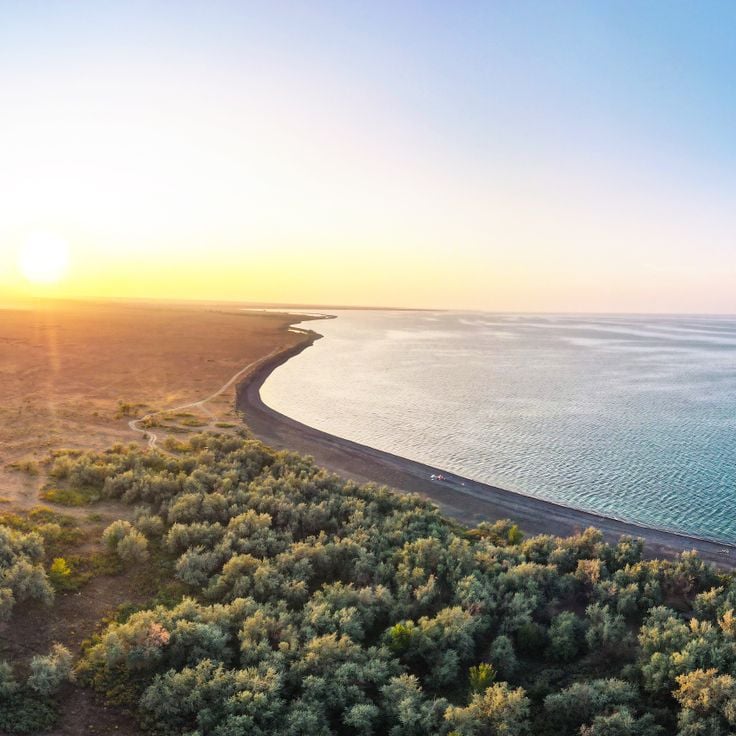
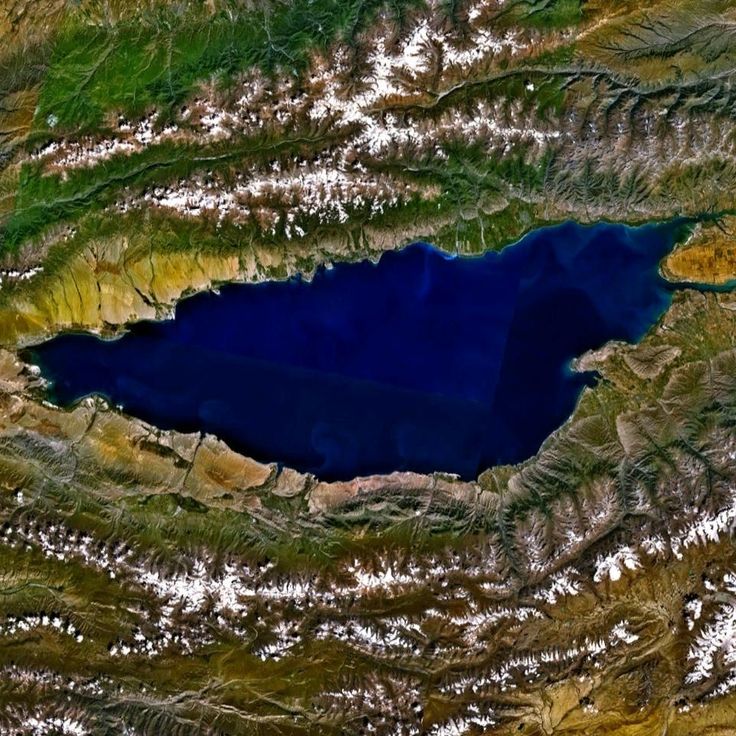
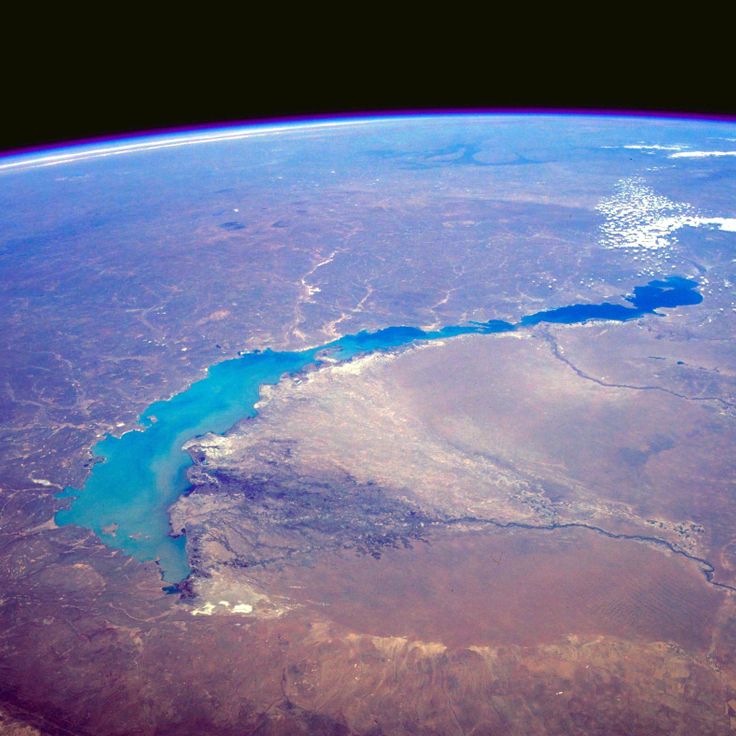
This lake presents an unusual characteristic: the western half contains fresh water, while the eastern half holds salt water. Lake Balkhash extends for 614 kilometers and sits in a remote steppe landscape, where it provides habitat for waterfowl and fish. The two halves are separated by a narrow strait that prevents the different waters from mixing completely. The shores are mostly shallow and covered with reeds, while sandy beaches can be found in some places.
This national park covers about 400 hectares (approximately 1.5 square miles) of forested hills in the Akmola region. Visitors can walk along trails that pass through areas where maral deer, bison, and roe deer roam. The landscape shifts between woodland, open meadows, and gentle slopes. The grounds are quiet and undeveloped, with observation points along the paths that offer glimpses into the wildlife.
This mountain lake sits in Kolsai Lakes National Park and formed after a landslide filled the valley below. Beneath the water surface, the trunks of submerged spruces still stand, rising like pale masts from the depths. The water glows in cold turquoise tones that shift with the light. Around the lake, conifer trees grow on rocky ground. In summer the water stays cold, and in winter the surface freezes over. Kaindy Lake belongs to the natural beauties of Kazakhstan and shows how landscapes can transform through geological events.
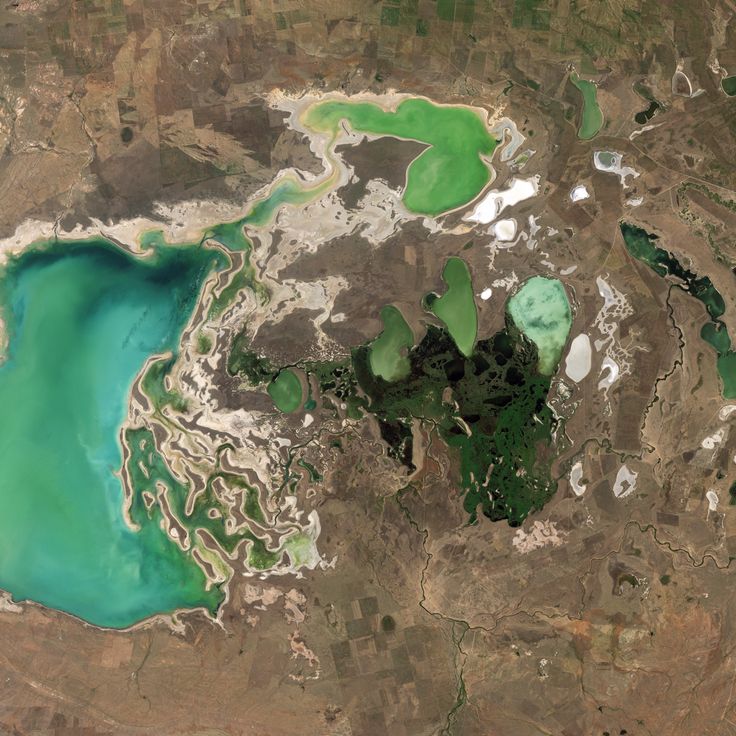
Lake Tengiz lies in northern Kazakhstan and covers roughly 1590 square kilometers of saltwater. During migration, more than 300,000 flamingos stop here, making this lake a notable feature among Kazakhstan's natural beauties. The shallow shores and salty water create conditions that draw these birds and provide them with food. Visitors experience the open landscape and watch as the flamingos gather in large groups along the water.
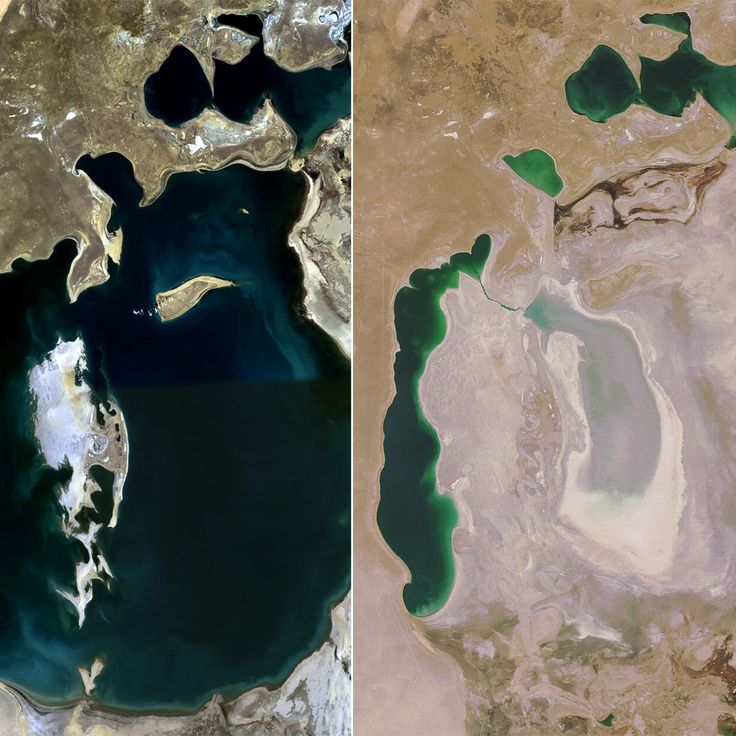
This lake lies between Kazakhstan and Uzbekistan. Since 1960, its area has shrunk by 90 percent as rivers were diverted elsewhere. The water pulled back, leaving dry flats where waves once moved. Boats rest on the sand, far from any shore. The region shows how landscapes can shift when water disappears. Some sections still hold water, others have turned into salt plains. The air smells of salt, and the wind carries fine dust across the land.
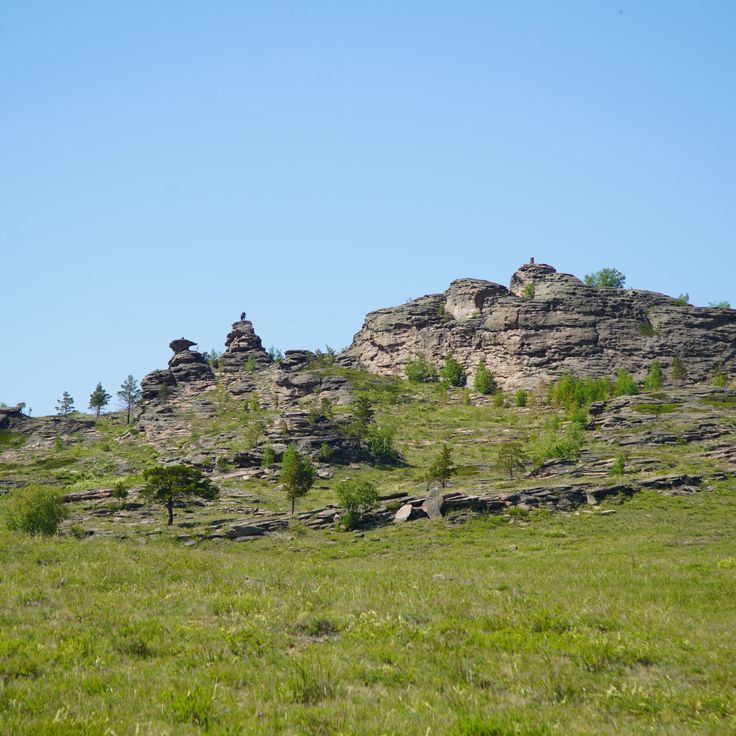
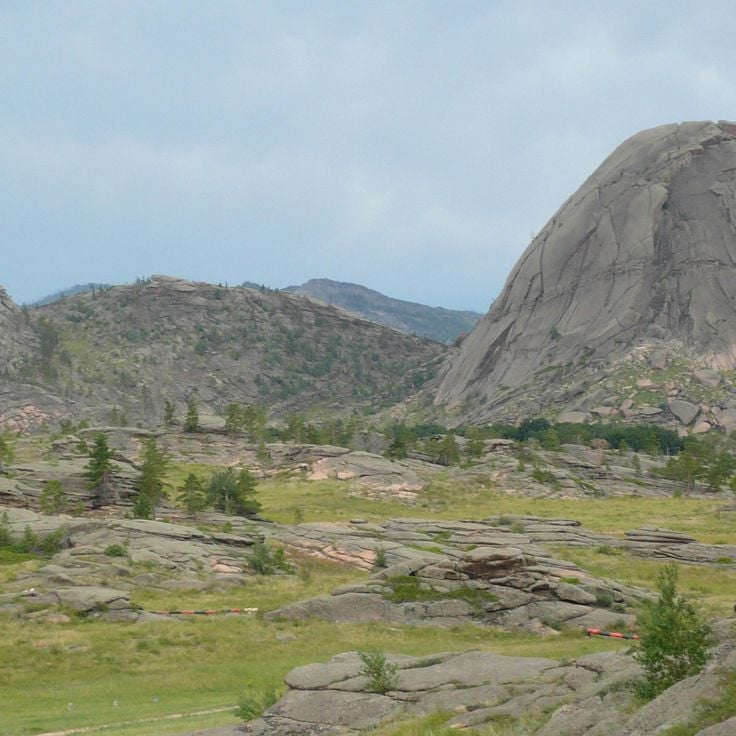
This nature reserve sits in the mountains of northern Kazakhstan and protects four lakes, granite outcrops, and pine forests. The terrain shifts between wooded slopes and open plateaus, where rock formations rise in rounded shapes from the ground. Trails wind through the trees and lead to the shores. Plants that grow only in this region have adapted to the dry climate and thrive among the rocks and soil.
This national park covers forested mountains and open highlands in the eastern part of the country. Pine trees grow among granite boulders that rise into rounded peaks. Lakes sit in valleys, surrounded by forest. Trails lead through different landscapes, from dense greenery to rocky slopes. Wildlife lives in the woods and mountains, protected from human settlement.
This national park covers more than 180,000 acres in northern Kazakhstan and protects rocky formations, pine forests, and freshwater lakes. The landscape combines forested areas with open spaces where many bird species live. Walking trails lead through the wooded slopes and along the shores of the lakes. In spring and summer, different species nest here, while in autumn the conifers form a contrast with the yellow grasses.
This national park spreads across the Zhongar Mountains in southeastern Kazakhstan and protects a mountain landscape with glaciers, forests, and high-altitude meadows. The terrain changes between deep valleys and peaks reaching over 13000 feet (4000 meters). Vegetation varies greatly with altitude: lower zones feature deciduous and coniferous trees, while higher areas are dominated by alpine grasslands and rocky zones. The area sits at the boundary between different climate zones, which explains the variety of species. Ibex, marmots, and various birds of prey are often seen. Valleys turn green in summer while higher elevations remain snow-covered even in July. Hikers experience diverse nature here, moving between meadows, rock formations, and glacier fields.
This national park covers 200,000 hectares (approximately 490,000 acres) along the northern side of the Tian Shan mountains and combines glaciers with expansive coniferous forests. The protected area sits near Almaty and forms part of Kazakhstan's natural landscapes. Elevations range from valley zones to peaks, creating different climate zones and ecosystems. Trails lead through wooded slopes, past mountain streams, and to viewpoints.
Katon-Karagay National Park spreads across the eastern slopes of the Altai mountains, covering valleys, hillsides, and high plateaus. This protected area preserves wide larch forests that turn golden in autumn, along with alpine meadows that bloom with wildflowers in summer. The landscape shifts between dense woodland and open spaces where herders graze their animals. Higher elevations reveal snow-covered summits that remain white throughout the year. Walking trails lead through different vegetation zones, from river valleys to mountain ridges. Local communities use traditional routes through the area, and the park is home to various wildlife, including birds of prey and hoofed mammals.
These sedimentary rock formations date back 400 million years. Erosion has exposed layers of red, yellow, and white minerals across the slopes. The colors shift with the sunlight and time of day. Visitors walk among the rock formations and observe geological processes that unfolded over millions of years. The landscape clearly shows different periods of Earth's history.
This nature reserve covers 65000 hectares around Lake Alakol and serves as a stopover for migratory birds traveling between Siberia and South Asia. The lake sits in a dry basin surrounded by steppe and low hills. During spring and autumn, flocks of waterbirds gather here, including pelicans, cormorants, and gulls. The shores are partly sandy, partly covered with reeds, and the water changes color from pale blue to turquoise depending on the light. Plant life has adapted to the continental climate with hot summers and cold winters. Some species grow only in this region and have adjusted to the salty soils over thousands of years. The reserve protects these habitats and allows visitors to watch birds up close, especially during migration seasons.
This national park sits in a region of forest and quiet lakes, between granite cliffs and wooded heights. The trails wind through pine forests, where light falls between the trunks and reflects on the water. Hikers follow the paths along the shores and up onto the hills, from where the view opens over the lakes and the surrounding woods. In summer, families come to swim and walk, while in autumn the colors of the trees change. The air is dry and clear, and the silence is broken only by birdsong and the rustle of leaves.
This natural reservoir in the Trans-Ili Alatau mountains is among the natural beauties of Kazakhstan and was formed by melting glaciers. The water remains near freezing throughout the year. The surroundings consist of steep slopes and coniferous forests that reach down to the shore. In summer, the surface shimmers turquoise blue, while in winter it often freezes over. The lake sits at about 8,200 feet (2,500 m) and is fed by three streams flowing down from surrounding peaks. The road leading there winds through curves and offers views of the valley below.
This dune rises over 150 meters (490 feet) into the sky within Altyn-Emel National Park and produces sounds when wind moves through the sand. The phenomenon occurs through friction between sand grains, which create different tones depending on wind strength and how dry the material is. The climb leads through fine, light-colored sand that shifts underfoot and triggers small avalanches with each step. From the top, the view stretches across the open steppe landscape and distant mountains. In early morning or late afternoon, when temperatures drop, the acoustic phenomenon becomes most noticeable.
This canyon was formed about 12 million years ago from sedimentary rock and stretches for 154 kilometers through the Kazakh landscape. Steep rock walls drop sharply and create a maze of narrow gorges and open valleys. Wind has carved the rocks into strange shapes over thousands of years. Some sections look like towers or columns. At the bottom, the Charyn River flows through the stone. Colors shift from gray to red to yellowish tones, depending on the time of day and light. In summer it can get very hot here, while winter nights turn cold. Walking through this canyon, you see layers from different geological ages.
The Burhan-Bulak Cascade is a waterfall in the Dzhungarsky Alatau that belongs to the natural treasures of Kazakhstan. Water drops about 367 feet (112 meters) over three levels. The waterfall sits in a mountain area shaped by steep slopes and rock walls. The cascade is fed by meltwater from higher elevations. Visitors reach this place by trails that pass through forests and open mountain slopes. The surroundings are quiet, and the sound of falling water can be heard from a distance.
This mountain rises to 4,506 meters (14,783 feet) and forms the highest point in the Altai range. The two main peaks of Belukha are covered with snow throughout the year, and glaciers stretch across the upper slopes. The rock appears in pale gray tones, and vegetation extends to middle elevations where coniferous forests gradually give way to alpine meadows. Hikers reach base camps after walking for several days through valleys cut by rivers. The air thins as you climb higher, and temperatures drop noticeably. This place belongs to the protected natural sites of Kazakhstan, where wildlife such as ibex and eagles live. The landscape shifts between steep rock faces and gentler slopes where snowfields melt in summer and form streams.
This lake sits at 1449 meters elevation, tucked between forested slopes in the eastern part of the country, where a protected area shelters rare fish and bird species. The surroundings consist of coniferous woodland that reaches down to the shore. The clear water reflects the surrounding mountain ranges. Anglers and hikers come here to enjoy the quiet. The lake is among the natural beauties of Kazakhstan and shows the diversity of landscapes in this region.
This mountain lake sits at 1818 meters altitude in a valley of the Tian Shan. The waters reflect the spruce forests that line its shores. The lake is part of a system of three glacial lakes and serves as a starting point for hikes into the surrounding mountain regions. Trails wind through dense conifer forests, while the clear waters of the lake mirror the peaks of the nearby mountains. Fishermen come here, and in summer visitors camp along the shores.
This nature reserve began in 1926 and was the first of its kind in Central Asia. It covers mountains, forests, and steppes in the southern reaches of the Tian Shan range. Snow leopards, bears, and ibex live here. The landscape shifts from dry valleys to peaks rising over 13000 feet (4000 meters). Spring flowers blanket the slopes, while rivers cut through deep gorges. Hikers follow old trails through juniper woods.
This mountain lake sits at an elevation of 5775 feet (1760 meters) in the Trans-Ili Alatau range and stretches for 1.1 miles (1.8 kilometers). The water fills a valley between forested slopes, where spruce trees and juniper bushes line the shores. The area attracts visitors who walk along trails near the water and look at the mountain scenery. The natural beauty of this place in the Almaty region draws people seeking fresh air and views of the peaks.
This national park protects about 149,000 hectares (368,000 acres) of mountain terrain in the Tien Shan range. The landscape shifts from steep rocky slopes to forested valleys where several rivers flow. Wildlife such as snow leopards and ibex inhabit the higher elevations. Trails lead through different vegetation zones, from juniper forests to alpine meadows. The park sits near the border with Uzbekistan and remains one of Kazakhstan's less developed conservation areas.
This lake presents an unusual characteristic: the western half contains fresh water, while the eastern half holds salt water. Lake Balkhash extends for 614 kilometers and sits in a remote steppe landscape, where it provides habitat for waterfowl and fish. The two halves are separated by a narrow strait that prevents the different waters from mixing completely. The shores are mostly shallow and covered with reeds, while sandy beaches can be found in some places.
This national park covers about 400 hectares (approximately 1.5 square miles) of forested hills in the Akmola region. Visitors can walk along trails that pass through areas where maral deer, bison, and roe deer roam. The landscape shifts between woodland, open meadows, and gentle slopes. The grounds are quiet and undeveloped, with observation points along the paths that offer glimpses into the wildlife.
This mountain lake sits in Kolsai Lakes National Park and formed after a landslide filled the valley below. Beneath the water surface, the trunks of submerged spruces still stand, rising like pale masts from the depths. The water glows in cold turquoise tones that shift with the light. Around the lake, conifer trees grow on rocky ground. In summer the water stays cold, and in winter the surface freezes over. Kaindy Lake belongs to the natural beauties of Kazakhstan and shows how landscapes can transform through geological events.
Lake Tengiz lies in northern Kazakhstan and covers roughly 1590 square kilometers of saltwater. During migration, more than 300,000 flamingos stop here, making this lake a notable feature among Kazakhstan's natural beauties. The shallow shores and salty water create conditions that draw these birds and provide them with food. Visitors experience the open landscape and watch as the flamingos gather in large groups along the water.
This lake lies between Kazakhstan and Uzbekistan. Since 1960, its area has shrunk by 90 percent as rivers were diverted elsewhere. The water pulled back, leaving dry flats where waves once moved. Boats rest on the sand, far from any shore. The region shows how landscapes can shift when water disappears. Some sections still hold water, others have turned into salt plains. The air smells of salt, and the wind carries fine dust across the land.
This nature reserve sits in the mountains of northern Kazakhstan and protects four lakes, granite outcrops, and pine forests. The terrain shifts between wooded slopes and open plateaus, where rock formations rise in rounded shapes from the ground. Trails wind through the trees and lead to the shores. Plants that grow only in this region have adapted to the dry climate and thrive among the rocks and soil.
This national park covers forested mountains and open highlands in the eastern part of the country. Pine trees grow among granite boulders that rise into rounded peaks. Lakes sit in valleys, surrounded by forest. Trails lead through different landscapes, from dense greenery to rocky slopes. Wildlife lives in the woods and mountains, protected from human settlement.
This national park covers more than 180,000 acres in northern Kazakhstan and protects rocky formations, pine forests, and freshwater lakes. The landscape combines forested areas with open spaces where many bird species live. Walking trails lead through the wooded slopes and along the shores of the lakes. In spring and summer, different species nest here, while in autumn the conifers form a contrast with the yellow grasses.
This national park spreads across the Zhongar Mountains in southeastern Kazakhstan and protects a mountain landscape with glaciers, forests, and high-altitude meadows. The terrain changes between deep valleys and peaks reaching over 13000 feet (4000 meters). Vegetation varies greatly with altitude: lower zones feature deciduous and coniferous trees, while higher areas are dominated by alpine grasslands and rocky zones. The area sits at the boundary between different climate zones, which explains the variety of species. Ibex, marmots, and various birds of prey are often seen. Valleys turn green in summer while higher elevations remain snow-covered even in July. Hikers experience diverse nature here, moving between meadows, rock formations, and glacier fields.
This national park covers 200,000 hectares (approximately 490,000 acres) along the northern side of the Tian Shan mountains and combines glaciers with expansive coniferous forests. The protected area sits near Almaty and forms part of Kazakhstan's natural landscapes. Elevations range from valley zones to peaks, creating different climate zones and ecosystems. Trails lead through wooded slopes, past mountain streams, and to viewpoints.
Katon-Karagay National Park spreads across the eastern slopes of the Altai mountains, covering valleys, hillsides, and high plateaus. This protected area preserves wide larch forests that turn golden in autumn, along with alpine meadows that bloom with wildflowers in summer. The landscape shifts between dense woodland and open spaces where herders graze their animals. Higher elevations reveal snow-covered summits that remain white throughout the year. Walking trails lead through different vegetation zones, from river valleys to mountain ridges. Local communities use traditional routes through the area, and the park is home to various wildlife, including birds of prey and hoofed mammals.
These sedimentary rock formations date back 400 million years. Erosion has exposed layers of red, yellow, and white minerals across the slopes. The colors shift with the sunlight and time of day. Visitors walk among the rock formations and observe geological processes that unfolded over millions of years. The landscape clearly shows different periods of Earth's history.
This nature reserve covers 65000 hectares around Lake Alakol and serves as a stopover for migratory birds traveling between Siberia and South Asia. The lake sits in a dry basin surrounded by steppe and low hills. During spring and autumn, flocks of waterbirds gather here, including pelicans, cormorants, and gulls. The shores are partly sandy, partly covered with reeds, and the water changes color from pale blue to turquoise depending on the light. Plant life has adapted to the continental climate with hot summers and cold winters. Some species grow only in this region and have adjusted to the salty soils over thousands of years. The reserve protects these habitats and allows visitors to watch birds up close, especially during migration seasons.
This national park sits in a region of forest and quiet lakes, between granite cliffs and wooded heights. The trails wind through pine forests, where light falls between the trunks and reflects on the water. Hikers follow the paths along the shores and up onto the hills, from where the view opens over the lakes and the surrounding woods. In summer, families come to swim and walk, while in autumn the colors of the trees change. The air is dry and clear, and the silence is broken only by birdsong and the rustle of leaves.
This natural reservoir in the Trans-Ili Alatau mountains is among the natural beauties of Kazakhstan and was formed by melting glaciers. The water remains near freezing throughout the year. The surroundings consist of steep slopes and coniferous forests that reach down to the shore. In summer, the surface shimmers turquoise blue, while in winter it often freezes over. The lake sits at about 8,200 feet (2,500 m) and is fed by three streams flowing down from surrounding peaks. The road leading there winds through curves and offers views of the valley below.
This dune rises over 150 meters (490 feet) into the sky within Altyn-Emel National Park and produces sounds when wind moves through the sand. The phenomenon occurs through friction between sand grains, which create different tones depending on wind strength and how dry the material is. The climb leads through fine, light-colored sand that shifts underfoot and triggers small avalanches with each step. From the top, the view stretches across the open steppe landscape and distant mountains. In early morning or late afternoon, when temperatures drop, the acoustic phenomenon becomes most noticeable.
This canyon was formed about 12 million years ago from sedimentary rock and stretches for 154 kilometers through the Kazakh landscape. Steep rock walls drop sharply and create a maze of narrow gorges and open valleys. Wind has carved the rocks into strange shapes over thousands of years. Some sections look like towers or columns. At the bottom, the Charyn River flows through the stone. Colors shift from gray to red to yellowish tones, depending on the time of day and light. In summer it can get very hot here, while winter nights turn cold. Walking through this canyon, you see layers from different geological ages.
The Burhan-Bulak Cascade is a waterfall in the Dzhungarsky Alatau that belongs to the natural treasures of Kazakhstan. Water drops about 367 feet (112 meters) over three levels. The waterfall sits in a mountain area shaped by steep slopes and rock walls. The cascade is fed by meltwater from higher elevations. Visitors reach this place by trails that pass through forests and open mountain slopes. The surroundings are quiet, and the sound of falling water can be heard from a distance.
This mountain rises to 4,506 meters (14,783 feet) and forms the highest point in the Altai range. The two main peaks of Belukha are covered with snow throughout the year, and glaciers stretch across the upper slopes. The rock appears in pale gray tones, and vegetation extends to middle elevations where coniferous forests gradually give way to alpine meadows. Hikers reach base camps after walking for several days through valleys cut by rivers. The air thins as you climb higher, and temperatures drop noticeably. This place belongs to the protected natural sites of Kazakhstan, where wildlife such as ibex and eagles live. The landscape shifts between steep rock faces and gentler slopes where snowfields melt in summer and form streams.
This lake sits at 1449 meters elevation, tucked between forested slopes in the eastern part of the country, where a protected area shelters rare fish and bird species. The surroundings consist of coniferous woodland that reaches down to the shore. The clear water reflects the surrounding mountain ranges. Anglers and hikers come here to enjoy the quiet. The lake is among the natural beauties of Kazakhstan and shows the diversity of landscapes in this region.
This mountain lake sits at 1818 meters altitude in a valley of the Tian Shan. The waters reflect the spruce forests that line its shores. The lake is part of a system of three glacial lakes and serves as a starting point for hikes into the surrounding mountain regions. Trails wind through dense conifer forests, while the clear waters of the lake mirror the peaks of the nearby mountains. Fishermen come here, and in summer visitors camp along the shores.
This nature reserve began in 1926 and was the first of its kind in Central Asia. It covers mountains, forests, and steppes in the southern reaches of the Tian Shan range. Snow leopards, bears, and ibex live here. The landscape shifts from dry valleys to peaks rising over 13000 feet (4000 meters). Spring flowers blanket the slopes, while rivers cut through deep gorges. Hikers follow old trails through juniper woods.
This mountain lake sits at an elevation of 5775 feet (1760 meters) in the Trans-Ili Alatau range and stretches for 1.1 miles (1.8 kilometers). The water fills a valley between forested slopes, where spruce trees and juniper bushes line the shores. The area attracts visitors who walk along trails near the water and look at the mountain scenery. The natural beauty of this place in the Almaty region draws people seeking fresh air and views of the peaks.
This national park protects about 149,000 hectares (368,000 acres) of mountain terrain in the Tien Shan range. The landscape shifts from steep rocky slopes to forested valleys where several rivers flow. Wildlife such as snow leopards and ibex inhabit the higher elevations. Trails lead through different vegetation zones, from juniper forests to alpine meadows. The park sits near the border with Uzbekistan and remains one of Kazakhstan's less developed conservation areas.
This lake presents an unusual characteristic: the western half contains fresh water, while the eastern half holds salt water. Lake Balkhash extends for 614 kilometers and sits in a remote steppe landscape, where it provides habitat for waterfowl and fish. The two halves are separated by a narrow strait that prevents the different waters from mixing completely. The shores are mostly shallow and covered with reeds, while sandy beaches can be found in some places.
This national park covers about 400 hectares (approximately 1.5 square miles) of forested hills in the Akmola region. Visitors can walk along trails that pass through areas where maral deer, bison, and roe deer roam. The landscape shifts between woodland, open meadows, and gentle slopes. The grounds are quiet and undeveloped, with observation points along the paths that offer glimpses into the wildlife.
This mountain lake sits in Kolsai Lakes National Park and formed after a landslide filled the valley below. Beneath the water surface, the trunks of submerged spruces still stand, rising like pale masts from the depths. The water glows in cold turquoise tones that shift with the light. Around the lake, conifer trees grow on rocky ground. In summer the water stays cold, and in winter the surface freezes over. Kaindy Lake belongs to the natural beauties of Kazakhstan and shows how landscapes can transform through geological events.
Lake Tengiz lies in northern Kazakhstan and covers roughly 1590 square kilometers of saltwater. During migration, more than 300,000 flamingos stop here, making this lake a notable feature among Kazakhstan's natural beauties. The shallow shores and salty water create conditions that draw these birds and provide them with food. Visitors experience the open landscape and watch as the flamingos gather in large groups along the water.
This lake lies between Kazakhstan and Uzbekistan. Since 1960, its area has shrunk by 90 percent as rivers were diverted elsewhere. The water pulled back, leaving dry flats where waves once moved. Boats rest on the sand, far from any shore. The region shows how landscapes can shift when water disappears. Some sections still hold water, others have turned into salt plains. The air smells of salt, and the wind carries fine dust across the land.
This nature reserve sits in the mountains of northern Kazakhstan and protects four lakes, granite outcrops, and pine forests. The terrain shifts between wooded slopes and open plateaus, where rock formations rise in rounded shapes from the ground. Trails wind through the trees and lead to the shores. Plants that grow only in this region have adapted to the dry climate and thrive among the rocks and soil.
This national park covers forested mountains and open highlands in the eastern part of the country. Pine trees grow among granite boulders that rise into rounded peaks. Lakes sit in valleys, surrounded by forest. Trails lead through different landscapes, from dense greenery to rocky slopes. Wildlife lives in the woods and mountains, protected from human settlement.
This national park covers more than 180,000 acres in northern Kazakhstan and protects rocky formations, pine forests, and freshwater lakes. The landscape combines forested areas with open spaces where many bird species live. Walking trails lead through the wooded slopes and along the shores of the lakes. In spring and summer, different species nest here, while in autumn the conifers form a contrast with the yellow grasses.
This national park spreads across the Zhongar Mountains in southeastern Kazakhstan and protects a mountain landscape with glaciers, forests, and high-altitude meadows. The terrain changes between deep valleys and peaks reaching over 13000 feet (4000 meters). Vegetation varies greatly with altitude: lower zones feature deciduous and coniferous trees, while higher areas are dominated by alpine grasslands and rocky zones. The area sits at the boundary between different climate zones, which explains the variety of species. Ibex, marmots, and various birds of prey are often seen. Valleys turn green in summer while higher elevations remain snow-covered even in July. Hikers experience diverse nature here, moving between meadows, rock formations, and glacier fields.
This national park covers 200,000 hectares (approximately 490,000 acres) along the northern side of the Tian Shan mountains and combines glaciers with expansive coniferous forests. The protected area sits near Almaty and forms part of Kazakhstan's natural landscapes. Elevations range from valley zones to peaks, creating different climate zones and ecosystems. Trails lead through wooded slopes, past mountain streams, and to viewpoints.
Katon-Karagay National Park spreads across the eastern slopes of the Altai mountains, covering valleys, hillsides, and high plateaus. This protected area preserves wide larch forests that turn golden in autumn, along with alpine meadows that bloom with wildflowers in summer. The landscape shifts between dense woodland and open spaces where herders graze their animals. Higher elevations reveal snow-covered summits that remain white throughout the year. Walking trails lead through different vegetation zones, from river valleys to mountain ridges. Local communities use traditional routes through the area, and the park is home to various wildlife, including birds of prey and hoofed mammals.
These sedimentary rock formations date back 400 million years. Erosion has exposed layers of red, yellow, and white minerals across the slopes. The colors shift with the sunlight and time of day. Visitors walk among the rock formations and observe geological processes that unfolded over millions of years. The landscape clearly shows different periods of Earth's history.
This nature reserve covers 65000 hectares around Lake Alakol and serves as a stopover for migratory birds traveling between Siberia and South Asia. The lake sits in a dry basin surrounded by steppe and low hills. During spring and autumn, flocks of waterbirds gather here, including pelicans, cormorants, and gulls. The shores are partly sandy, partly covered with reeds, and the water changes color from pale blue to turquoise depending on the light. Plant life has adapted to the continental climate with hot summers and cold winters. Some species grow only in this region and have adjusted to the salty soils over thousands of years. The reserve protects these habitats and allows visitors to watch birds up close, especially during migration seasons.