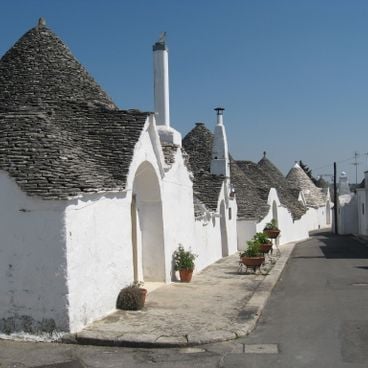
The cultural monuments and institutions of Tuscany include the cathedrals, museums, squares, and architectural sites of Florence, Pisa, and Siena. The region features medieval buildings like the Leaning Tower of Pisa, major museums such as the Uffizi Gallery, and historic squares like the Piazza del Campo in Siena. Religious buildings include the Cathedral of Santa Maria del Fiore in Florence and the Cathedral of Siena with their distinctive architectures.
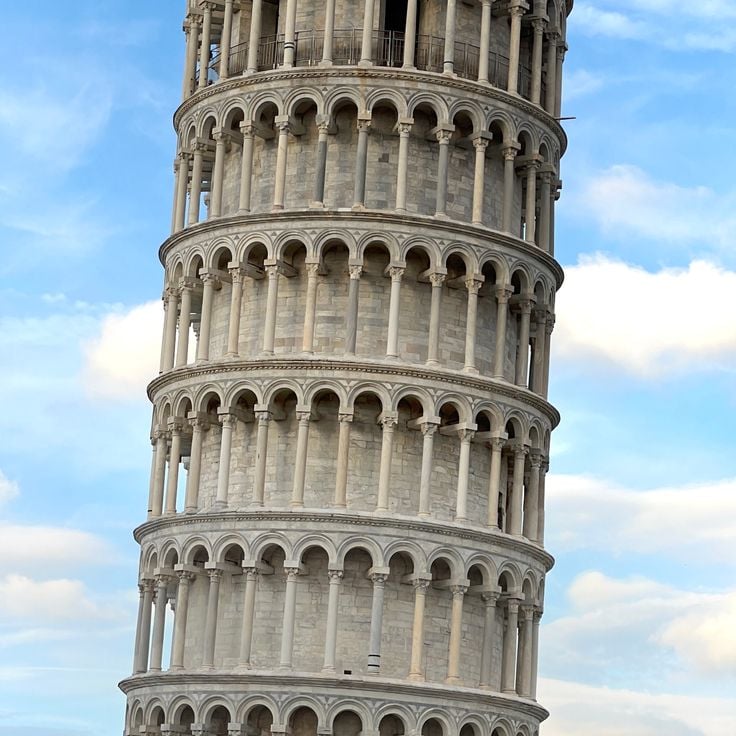
Pisa, Italy
A white marble bell tower constructed in the 12th century, leaning by 3.99 degrees due to soil subsidence.
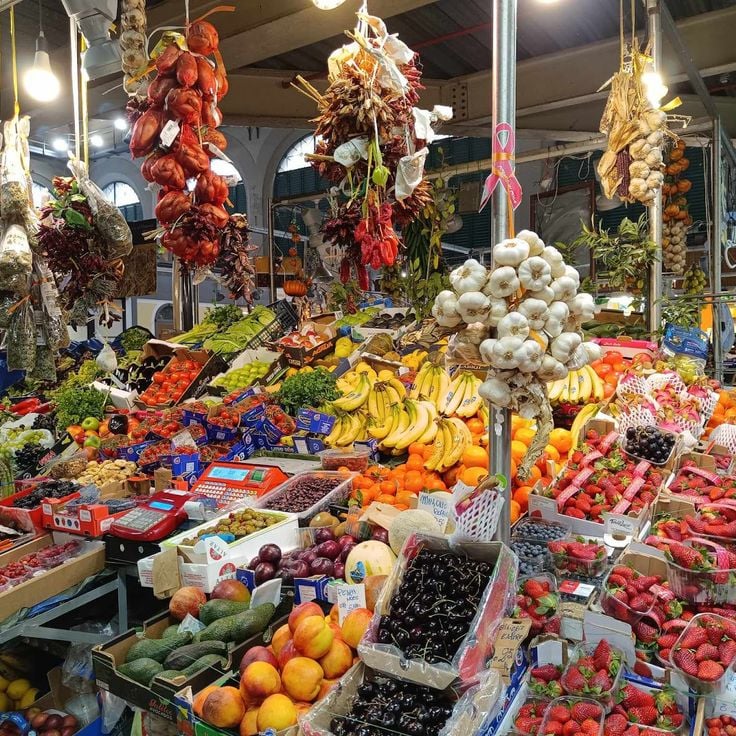
Florence, Italy
19th-century building with food stalls on the ground floor and restaurants on the upper level.
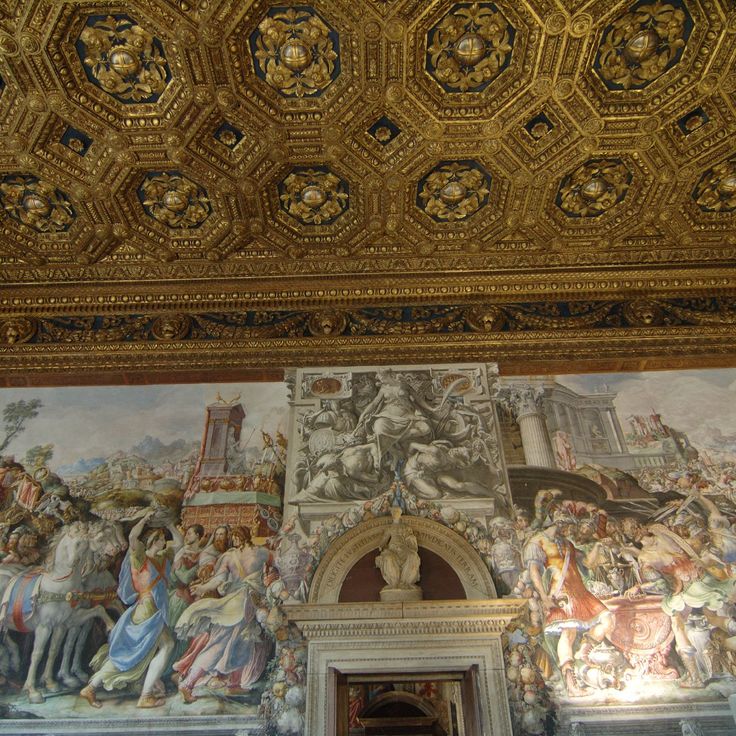
Florence, Italy
Medieval palace built in the 13th century that houses the town hall of Florence. The interior rooms contain frescoes and a collection of maps.
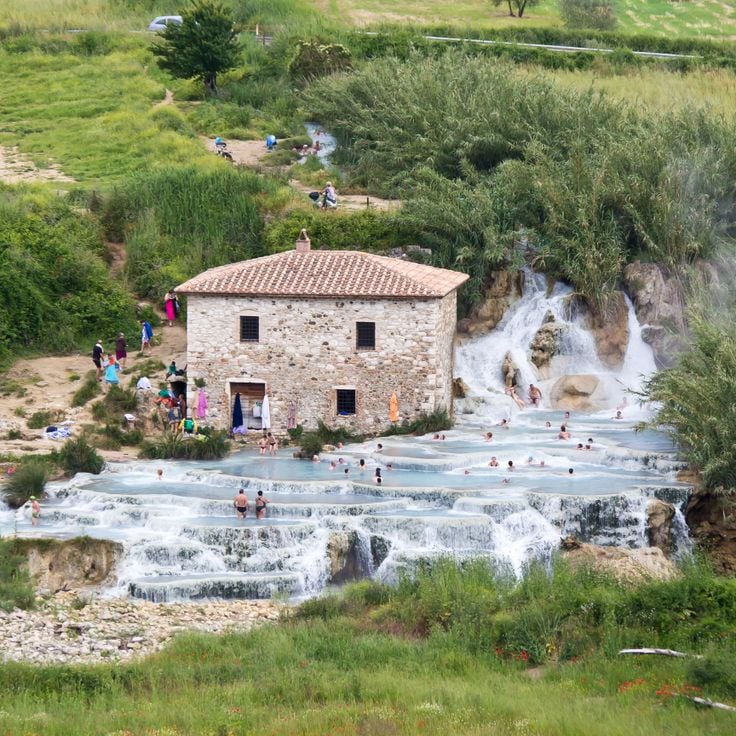
Saturnia, Italy
Thermal springs at a constant temperature of 37 degrees with natural calcareous pools where sulfurous water flows since Roman times.
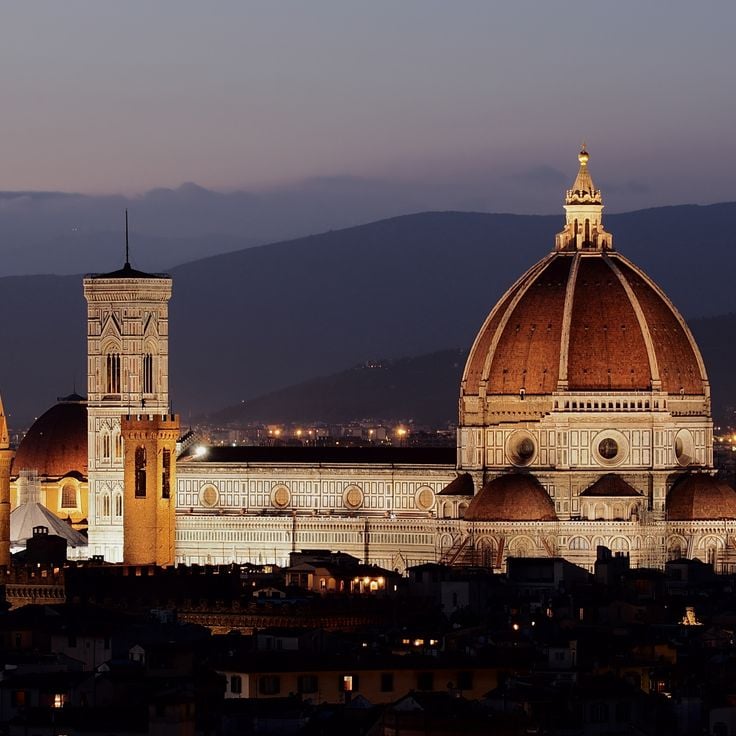
Florence, Italy
13th-century Gothic-style religious building, recognizable by its 114-meter dome designed by Brunelleschi.
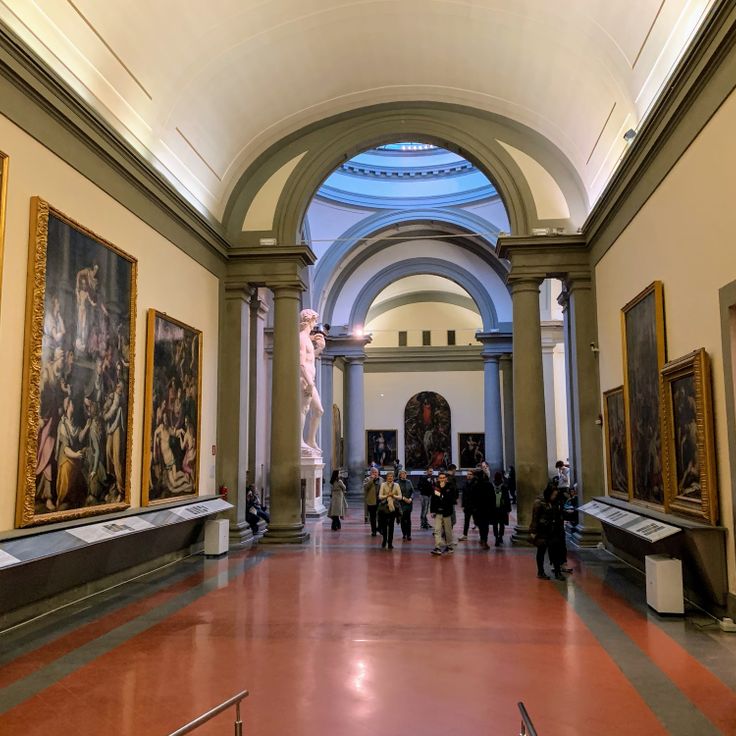
Florence, Italy
19th-century Florentine art museum containing the original statue of David by Michelangelo and a collection of 14th-century religious paintings.
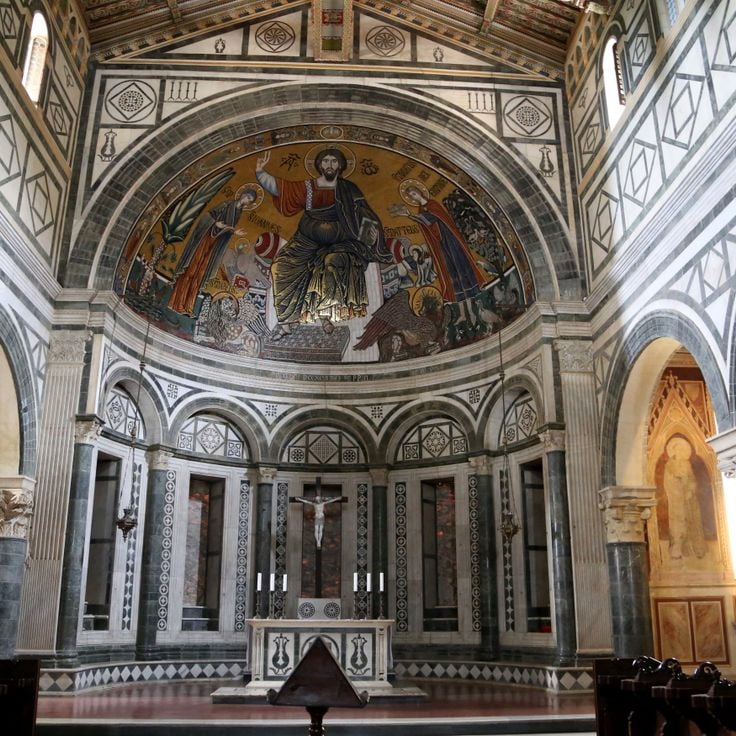
Florence, Italy
11th-century religious building constructed in white and green marble, decorated with medieval mosaics and surrounded by a monumental cemetery.
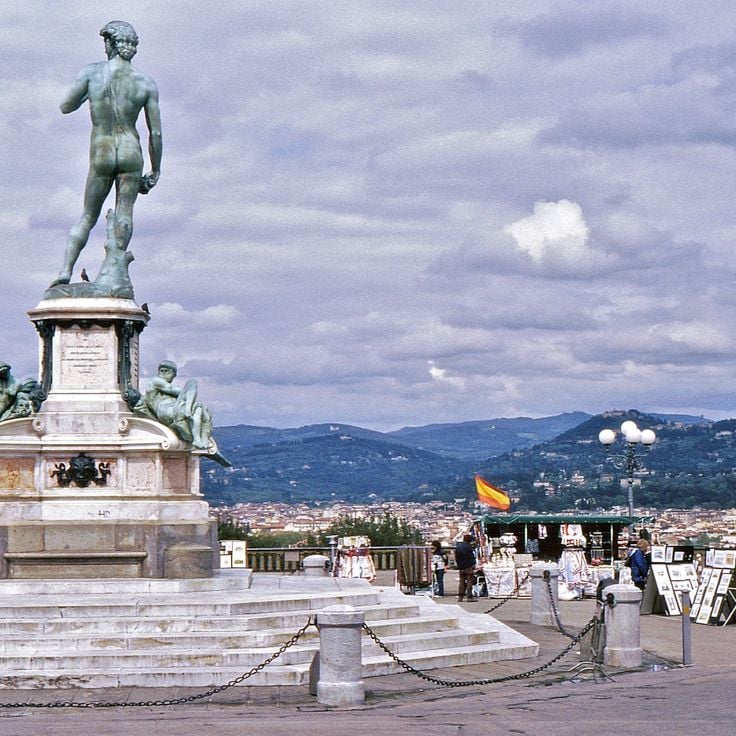
Florence, Italy
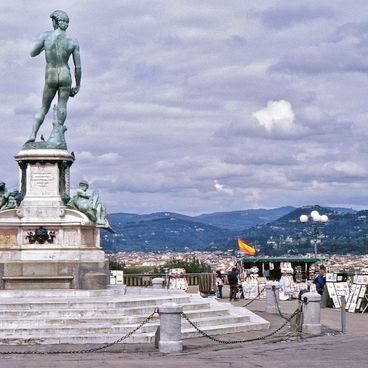
Observation platform located 58 meters high offering a comprehensive view of Florence's historical center and surrounding hills.
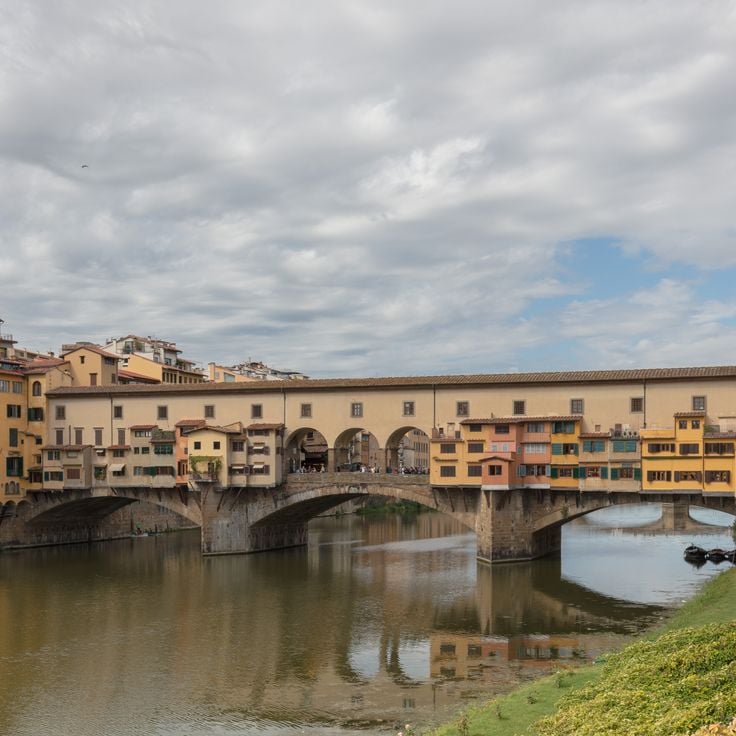
Florence, Italy
Bridge built in the 14th century over the Arno. Goldsmiths and jewelry shops have occupied the lined stores since 1593.
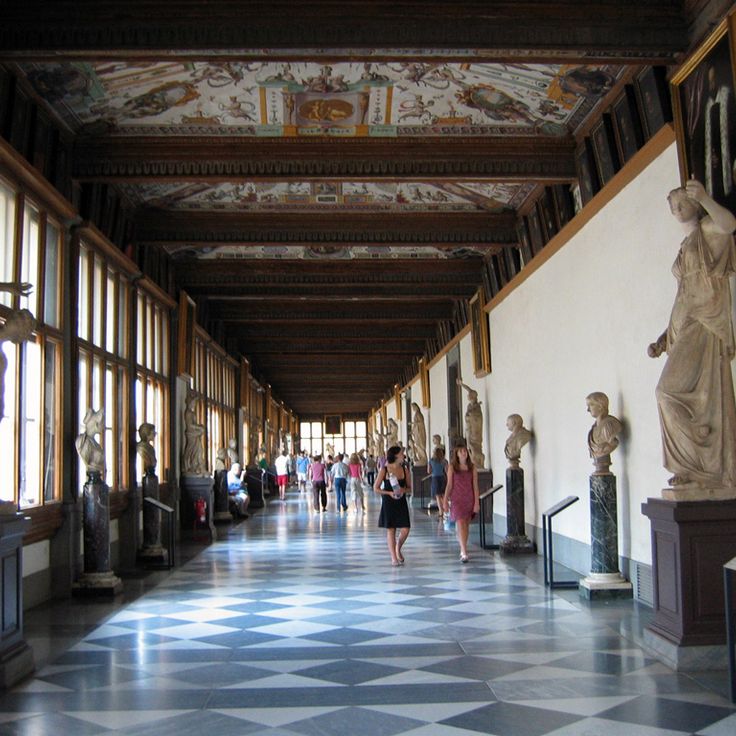
Florence, Italy
Main museum of Florence created by the Medici. National collection of paintings by Botticelli, Leonardo da Vinci, and Michelangelo.
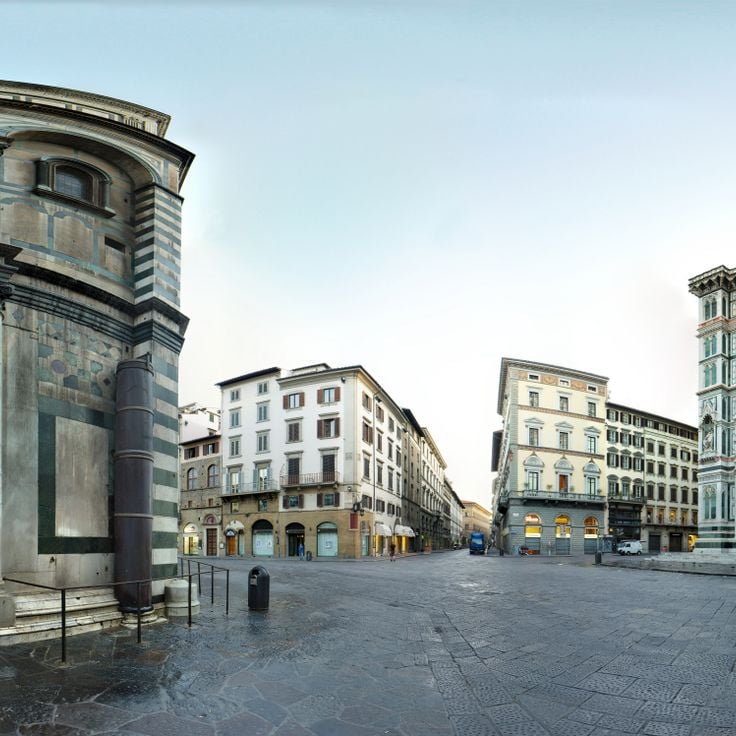
Florence, Italy
Religious center of Florence comprising the Cathedral of Santa Maria del Fiore, Baptistery of St. John, and Giotto's Campanile.
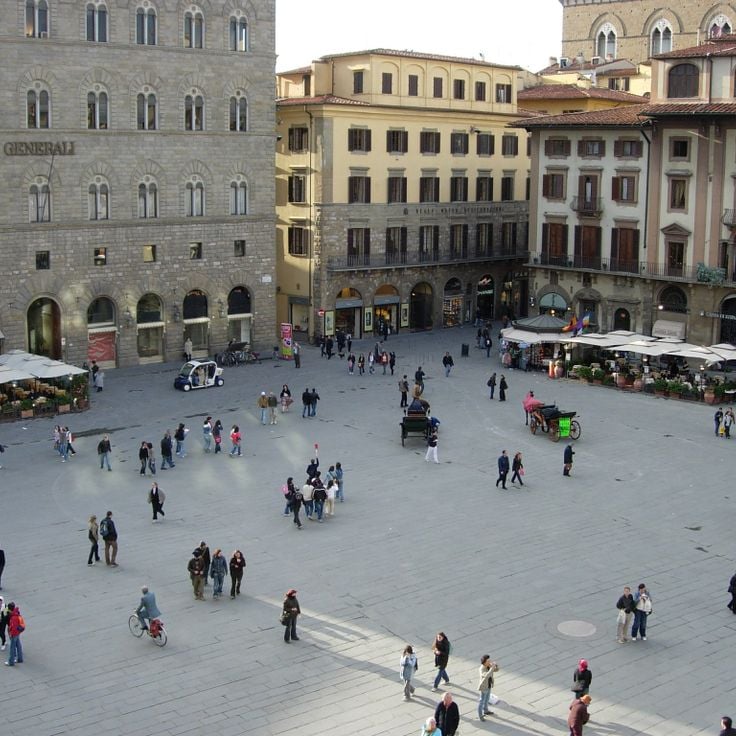
Florence, Italy
Medieval square with Palazzo Vecchio, Loggia dei Lanzi, and several statues including a replica of Michelangelo's David.
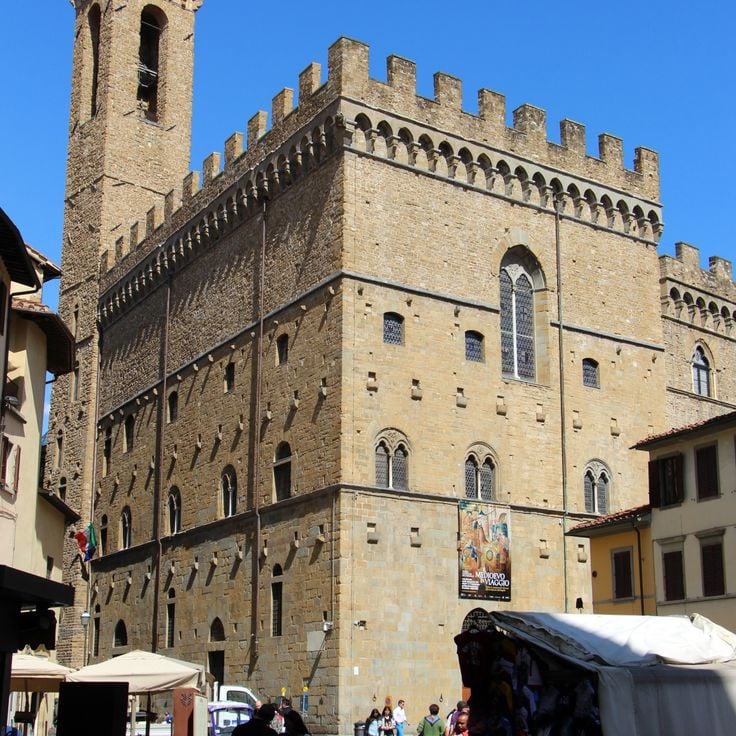
Florence, Italy
Former 13th-century palace transformed into a national museum showcasing Renaissance sculptures including works by Donatello.
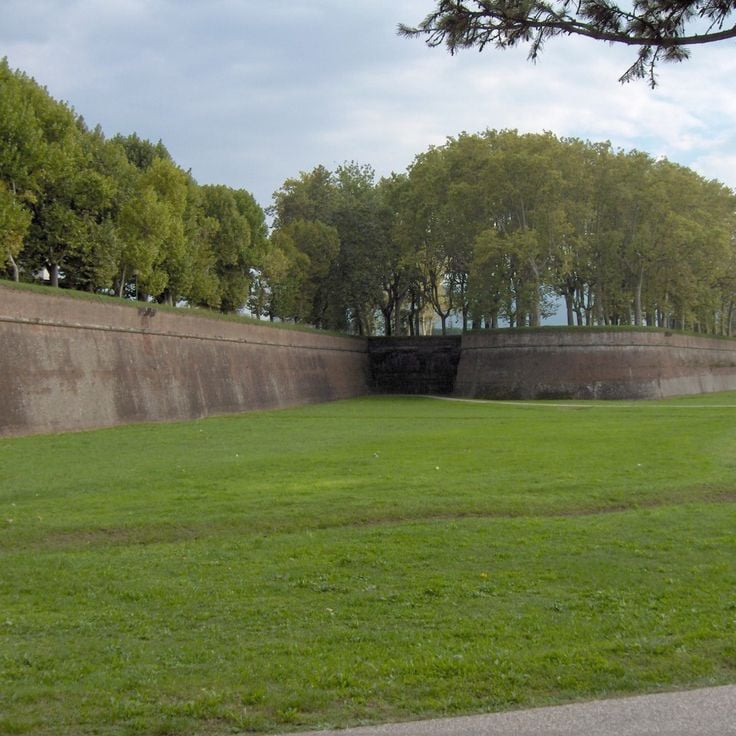
Lucca, Italy
16th-century military construction surrounding the city for 4 kilometers, featuring walkable paths and gardens atop the walls.
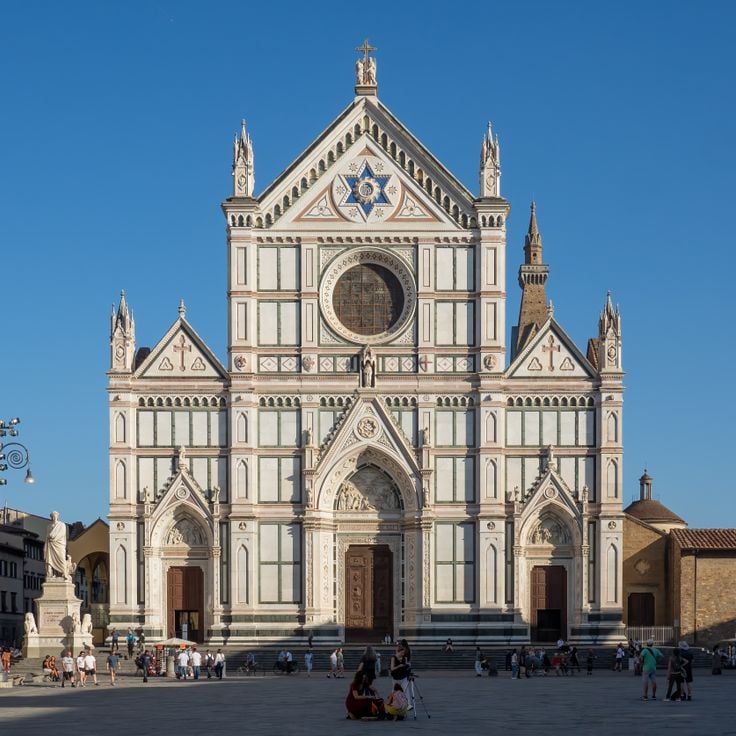
Florence, Italy
Large Franciscan church built in 1294, adorned with frescoes by Giotto in the Bardi chapel. Houses tombs of notable figures including Michelangelo, Galileo, Rossini, and Machiavelli.
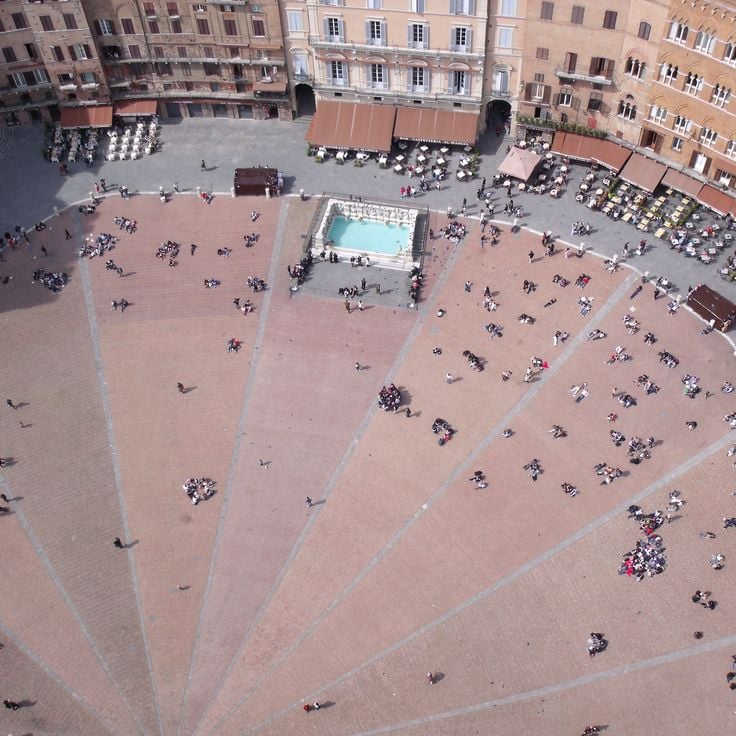
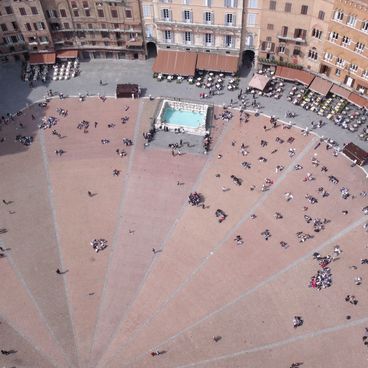
Siena, Italy
Medieval central square with a concave shape, paved with red bricks and divided into nine sections. Site of the Palio held twice a year.
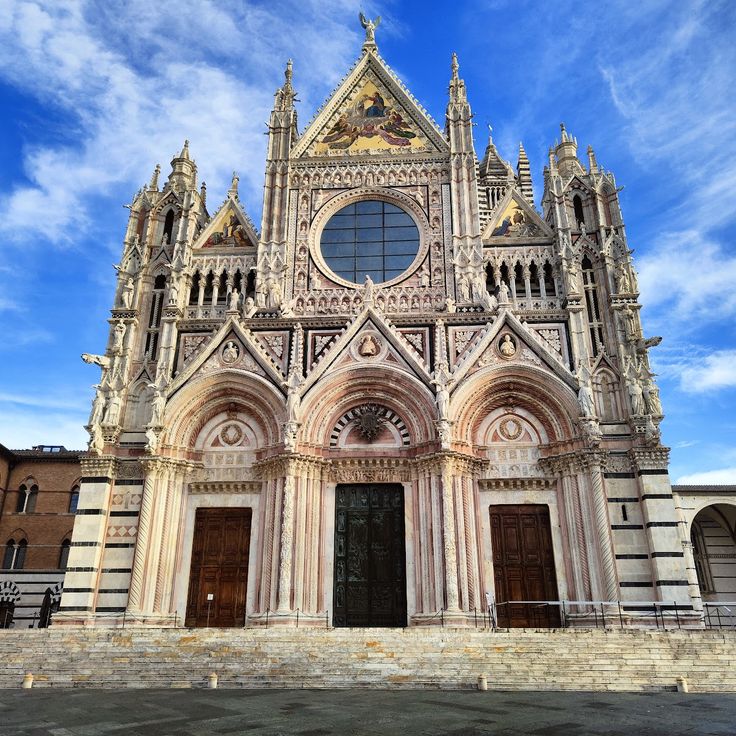
Siena, Italy
13th-century religious building characterized by its black and white marble patterns. The facade displays sculptures and mosaics.
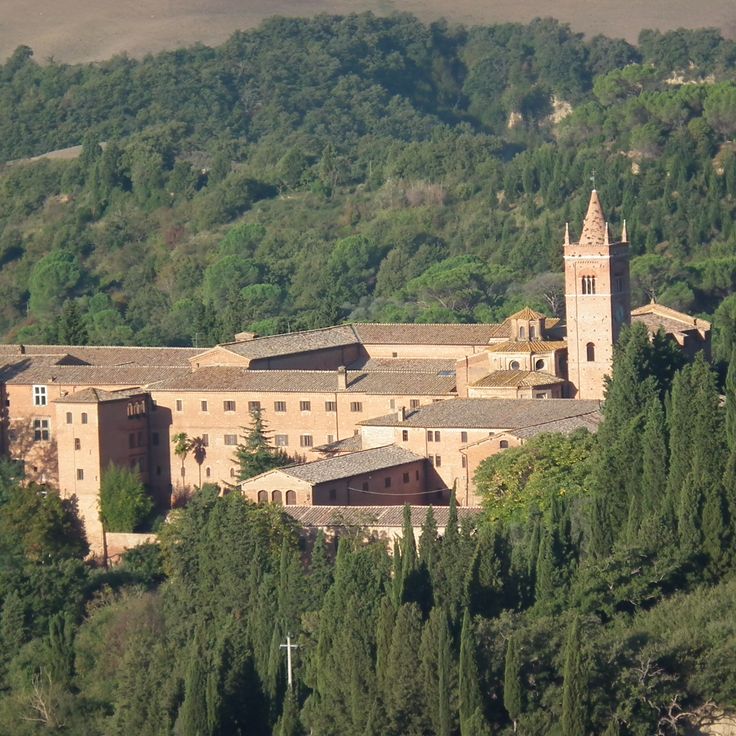
Chiusure, Italy
14th-century Benedictine monastery with a cloister decorated with frescoes depicting the life of Saint Benedict and a library of ancient manuscripts.
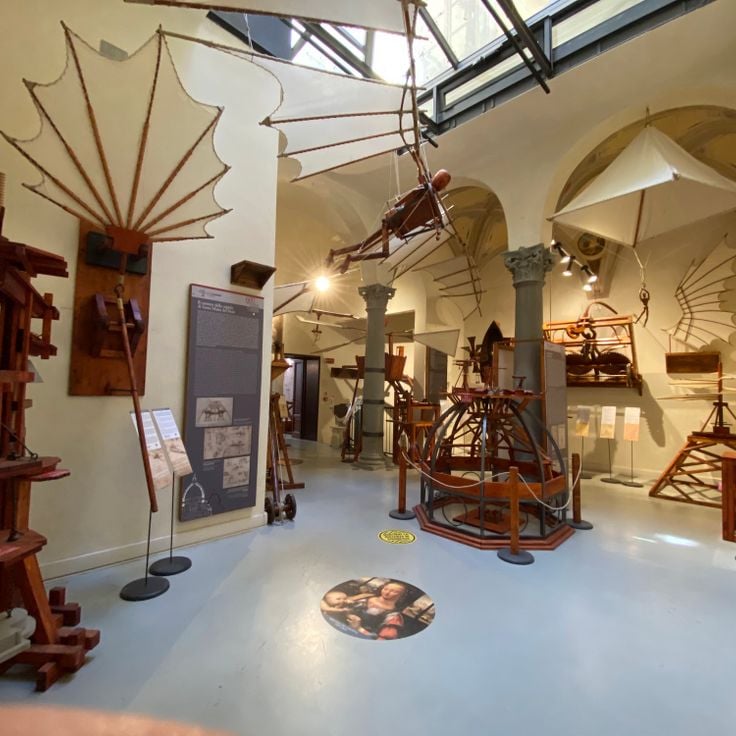
Florence, Italy
Permanent collection of working models of machines and inventions by Leonardo da Vinci, with original sketches and technical studies.
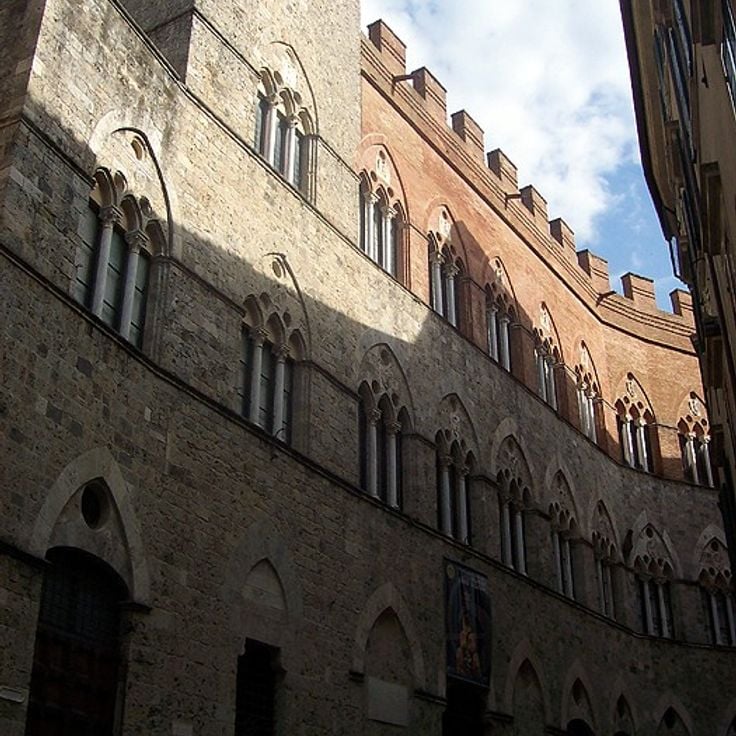
Siena, Italy
Medieval building with stone and marble facades housing a music academy and a collection of instruments.
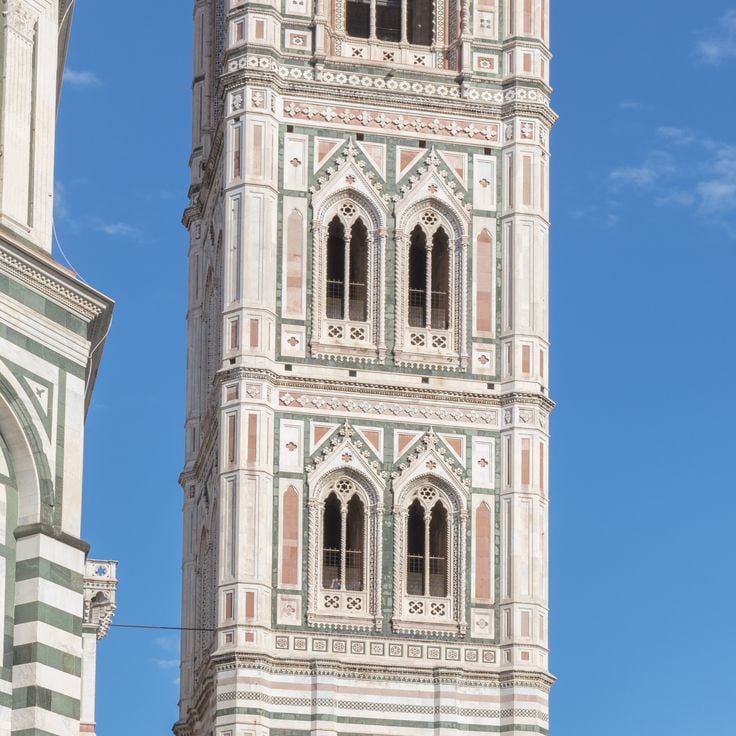
Florence, Italy
Gothic bell tower with a height of 84 meters, constructed between 1334 and 1359. Offers a perspective of the center of Florence.
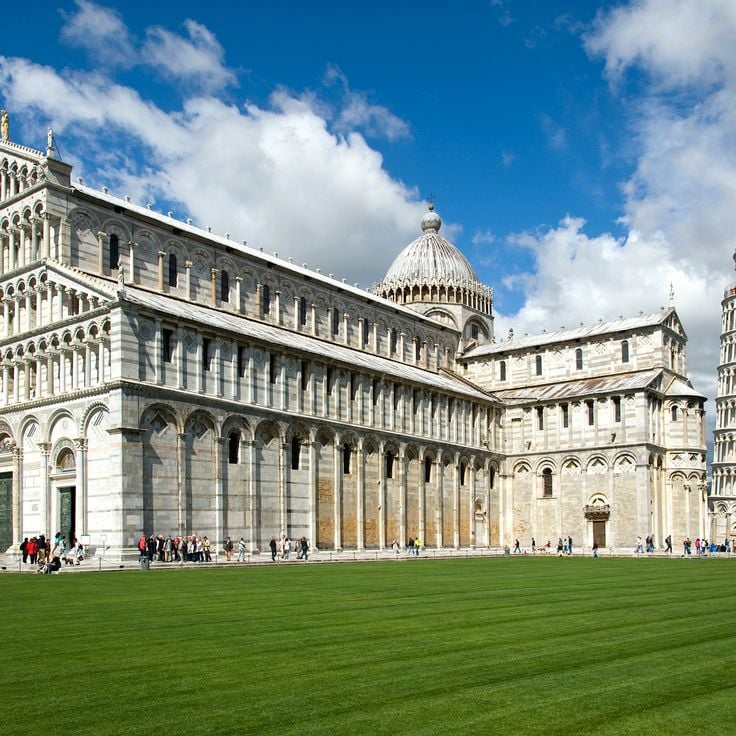
Pisa, Italy
Monumental complex on a lawn featuring the Romanesque cathedral, marble baptistery, and the 56-meter tall leaning tower.
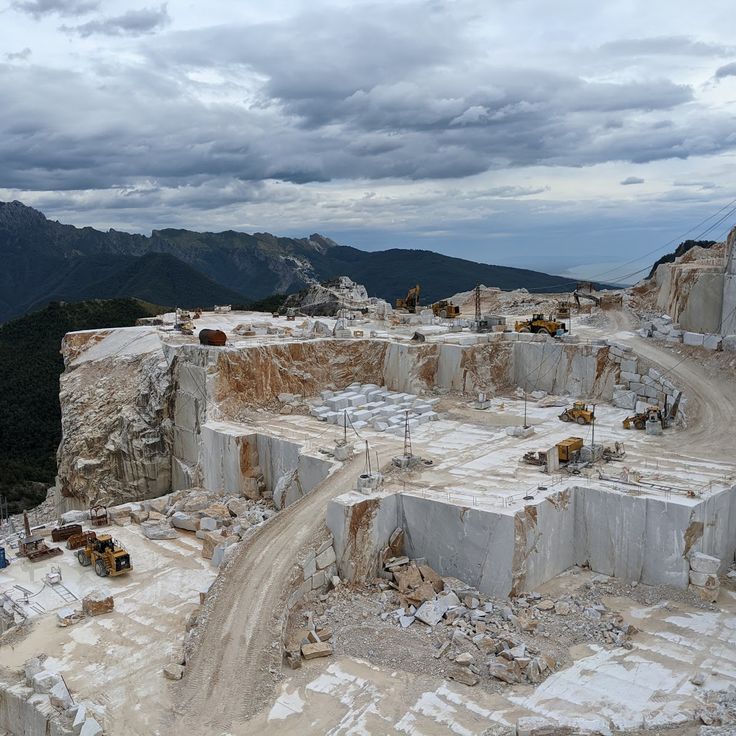
Carrara, Italy
Open-pit mines operating since Roman times, extracting white Carrara marble used in sculpture and architecture.
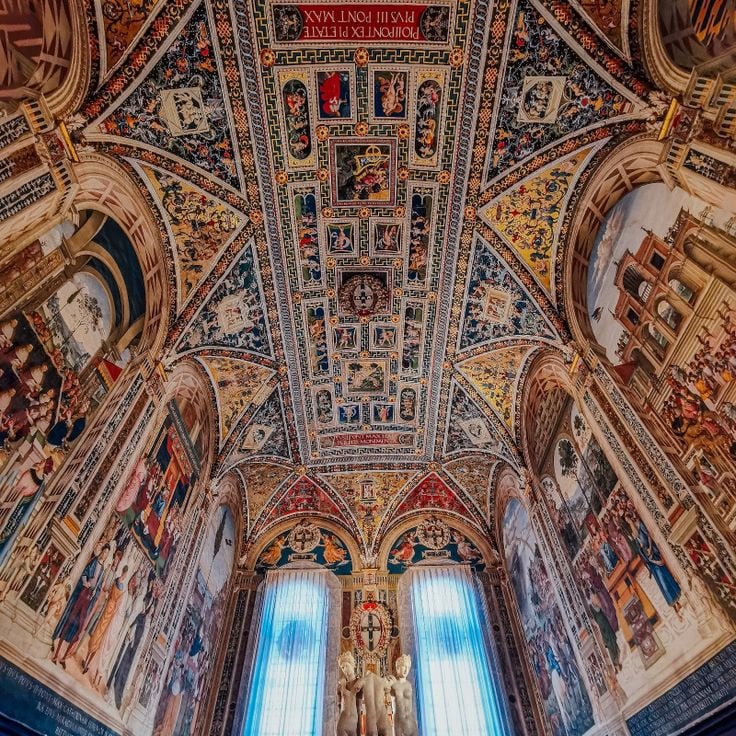
Siena, Italy
Room decorated with Pinturicchio frescoes representing the life of Pope Pius II, with illuminated manuscripts and period furniture.
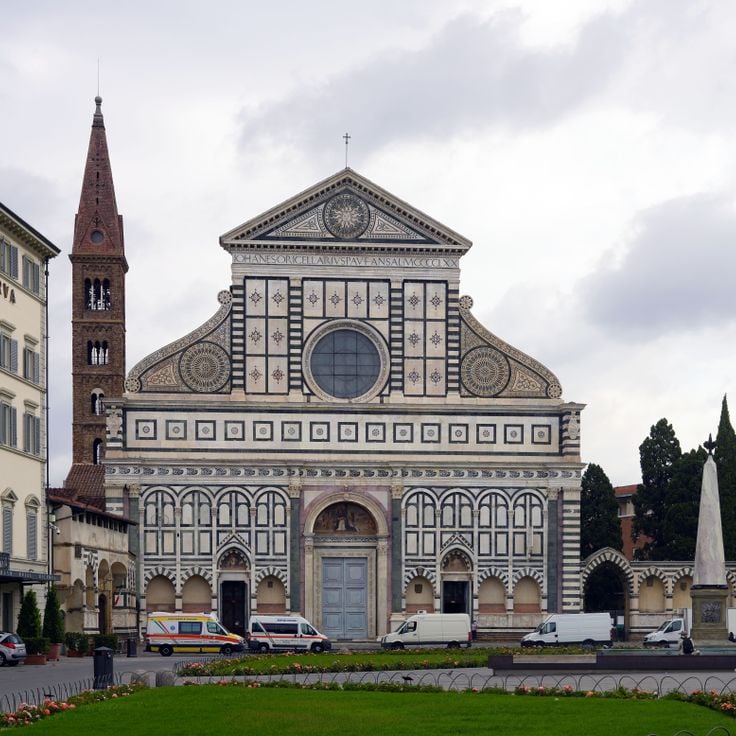
Florence, Italy
Gothic religious building with flying buttresses from the 13th century. The facade features geometric patterns in white and green marble. The cloister frescoes depict biblical scenes.
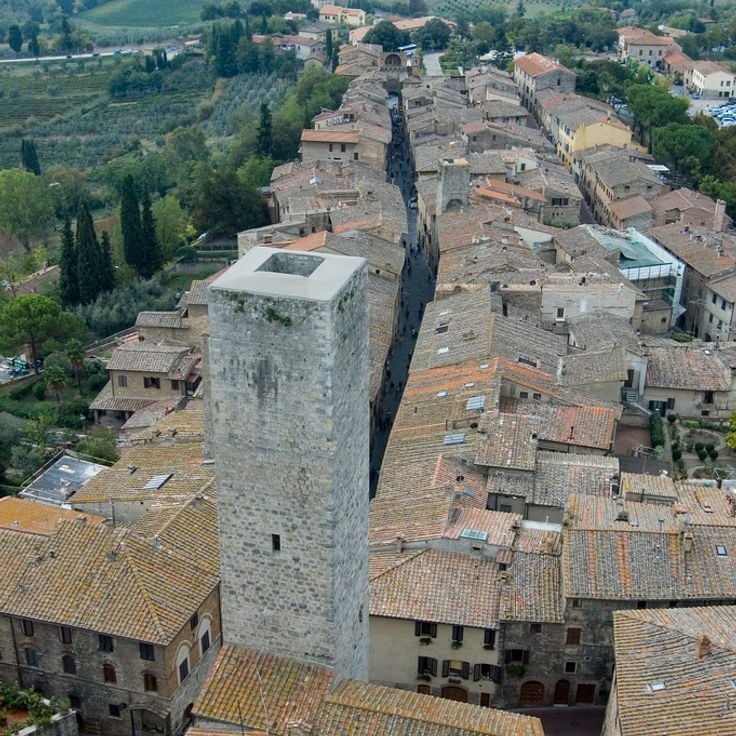
San Gimignano, Italy
Set of 14 medieval stone towers from the 12th and 13th centuries, remnants of the 72 original tower-houses built by noble families.
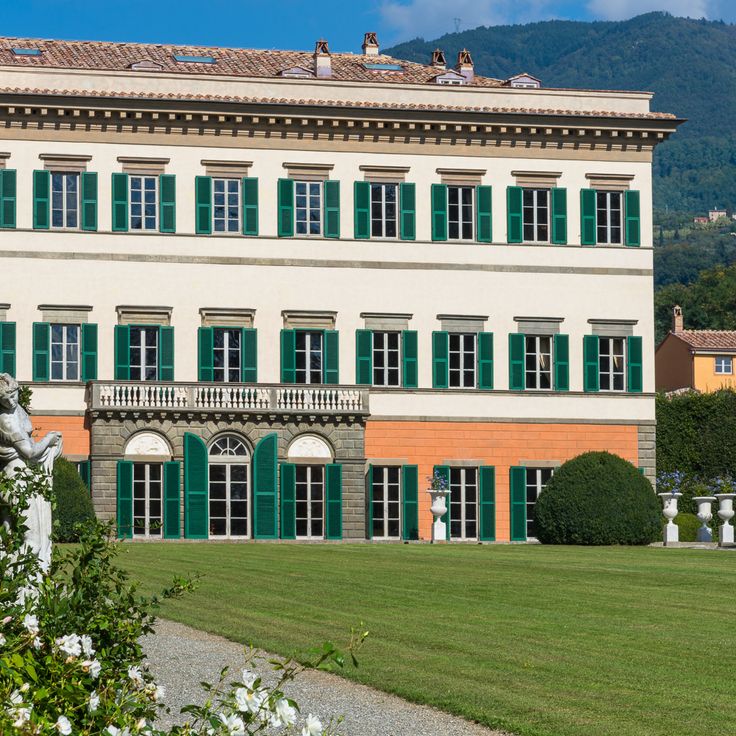
Lucca, Italy
Rooms of this 16th-century aristocratic residence are adorned with frescoes and period decorations. The gardens feature fountains and a green theater.
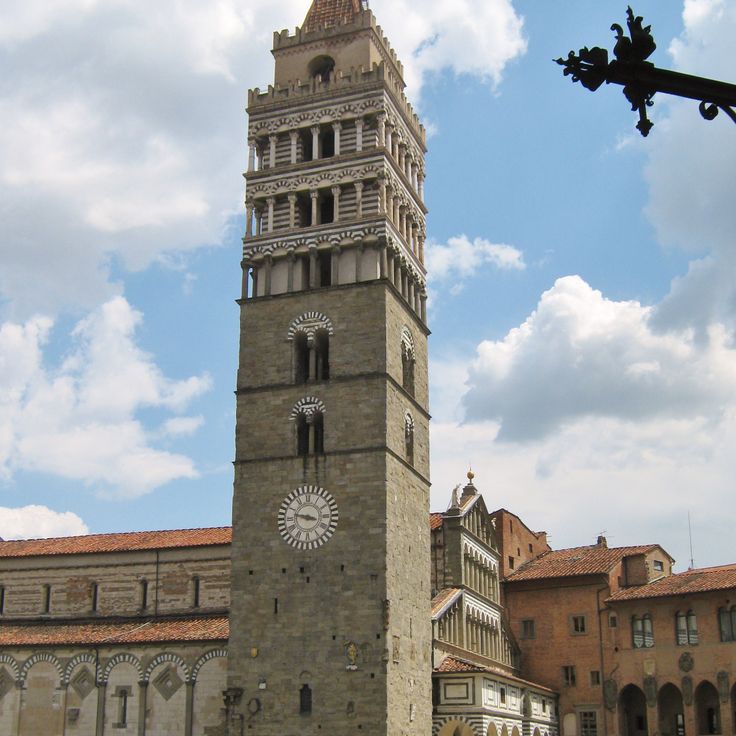
Pistoia, Italy
12th-century Romanesque religious building with a facade in white and green marble. The interior preserves a silver altar of Saint James.
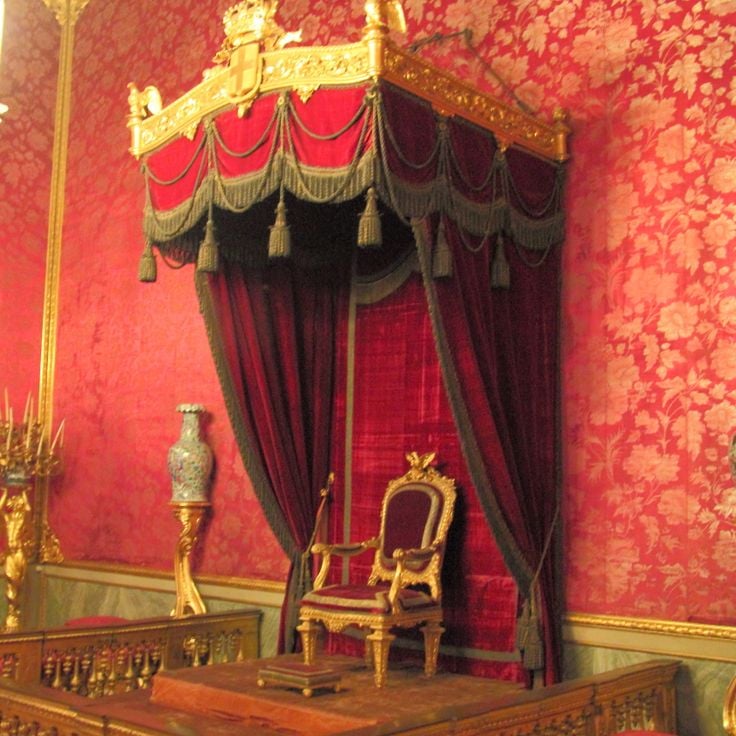
Florence, Italy
15th-century palace housing several museums with collections of art, costumes, and silverware. The Boboli Gardens extend behind the building.
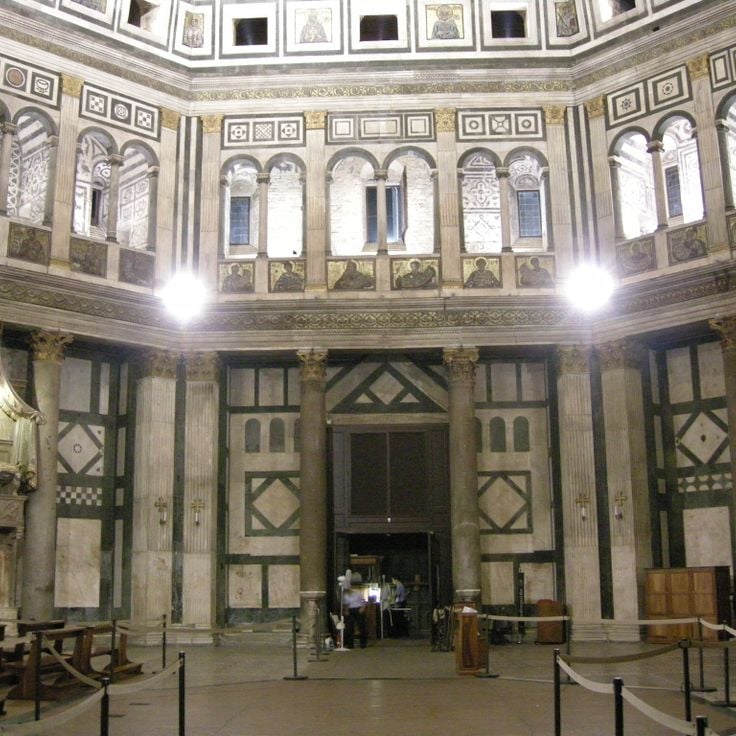
Florence, Italy
Octagonal building from the 11th century with gilded bronze doors, mosaics, and sculptures. Main baptism site in Florence until the 19th century.
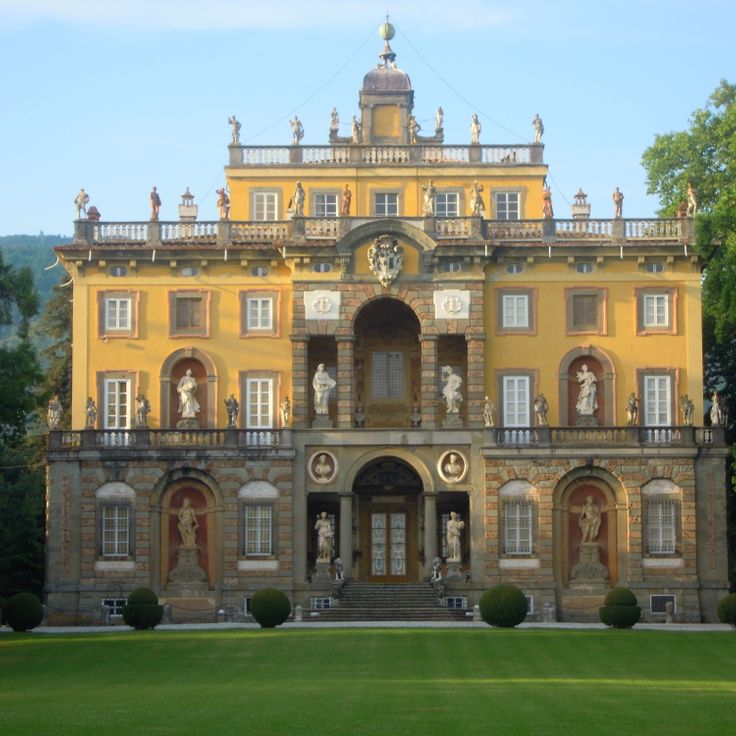
Lucca, Italy
Noble residence built in the 16th century, featuring geometric gardens, topiaries, water features, and baroque-style sculpted fountains.
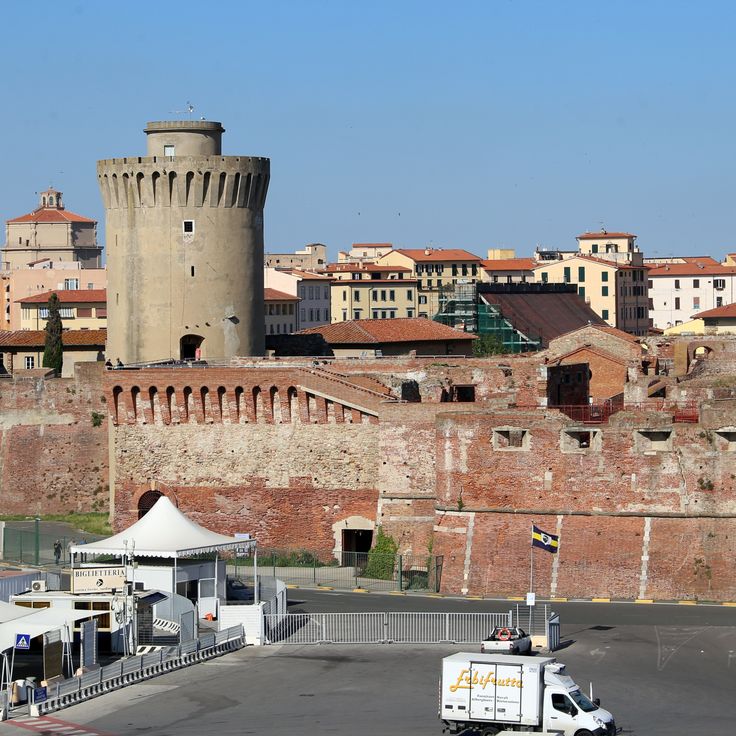
Livorno, Italy
Pentagonal military construction ordered by Cosimo I de' Medici in 1519. The outer rampart has bastions at each angle and watchtowers.
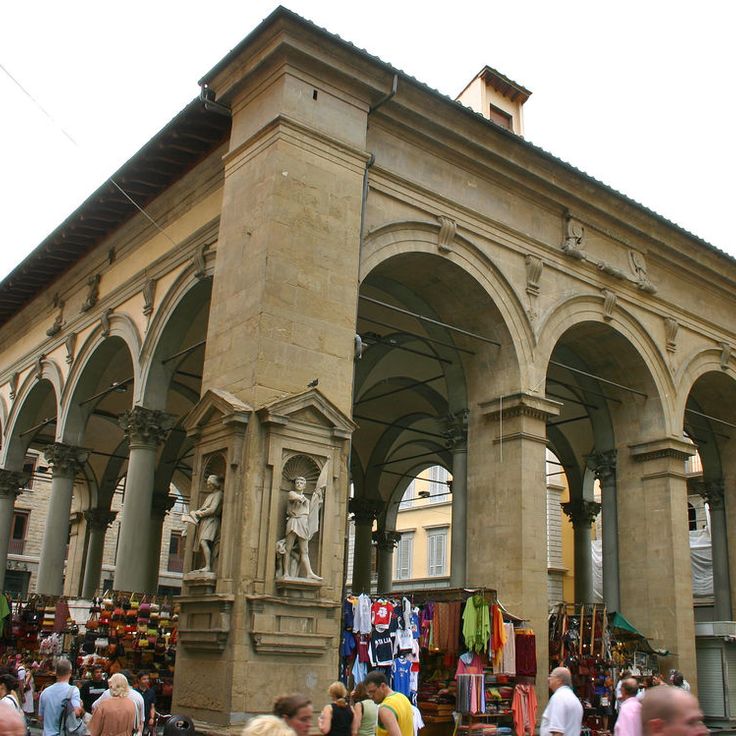
Florence, Italy
Market structure built in 1547 under a stone loggia with arches. The building hosts leather vendors and souvenir sellers.
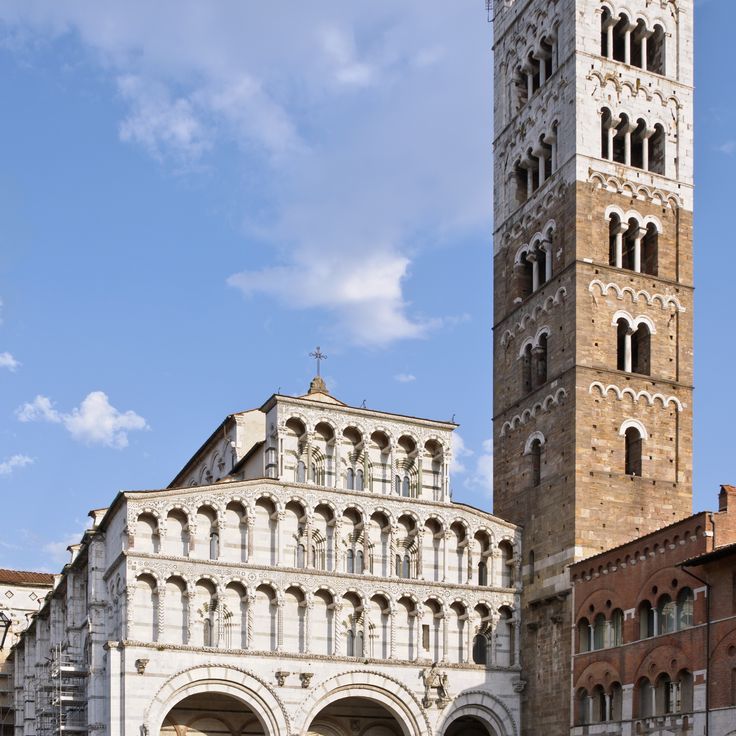
Lucca, Italy
This 12th-century Romanesque church features a facade adorned with white marble sculptures and columns. The interior has three naves and side chapels.