See the monuments around you in AROpen chests in the app
Around Us is built for your phone — point your camera at the streets and discover the monuments and places around you in augmented reality.Around Us is built for your phone — chests unlock when you walk, explore and capture nearby places.
Wroclaw is a city where history shows at every turn. Gothic churches with red brick walls stand out on the horizon, while Saint John the Baptist Cathedral and Saint Elizabeth Church give impressive views from their towers. The Market Square is large and lined with colorful houses, showing the old style of building. The Oder River runs through the city with gentle curves between bridges and islands, creating peaceful spots away from the busy areas.
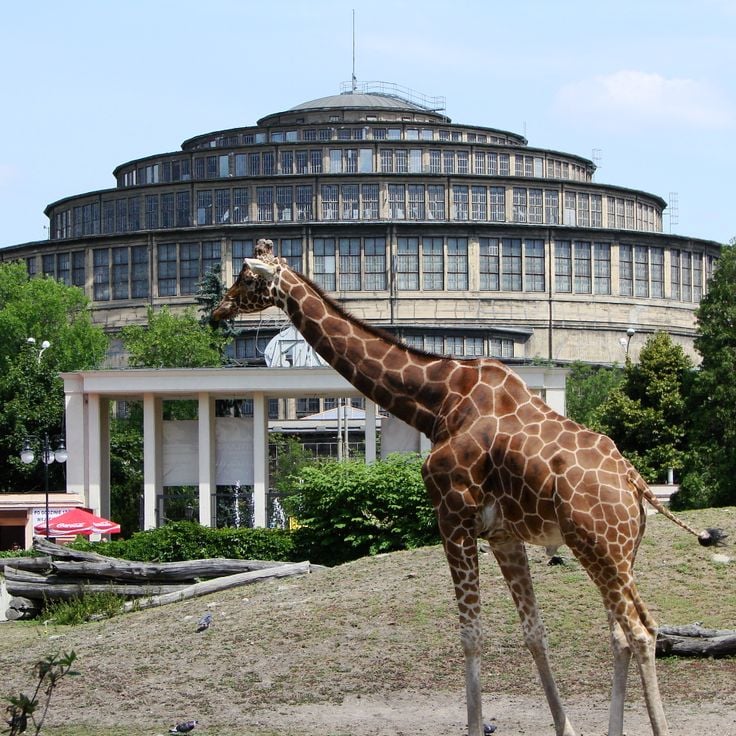
What makes Wroclaw different are the small bronze gnome statues found all over the city. More than 300 figures fill the streets, squares and gardens, each telling their own story. The Japanese Garden invites quiet moments with its red bridges and stone lamps. The zoo has many animals from all over the world. The district of Four Religions shows how different beliefs lived side by side, with the Orthodox Church of Nativity and the White Stork Synagogue nearby.
Museums and cultural places add to the visit. The Centenary Hall, recognized by UNESCO, hosts exhibitions and events year round. The Racławicka Panorama Museum offers a large circular painting to look at and learn from. Gardens, themed parks and green spaces present places to rest. Walks through Wroclaw turn into a slow journey of discovering a city full of life and surprises.
Wroclaw is a city where history shows at every turn. Gothic churches with red brick walls stand out on the horizon, while Saint John the Baptist Cathedral and Saint Elizabeth Church give impressive views from their towers. The Market Square is large and lined with colorful houses, showing the old style of building. The Oder River runs through the city with gentle curves between bridges and islands, creating peaceful spots away from the busy areas.
What makes Wroclaw different are the small bronze gnome statues found all over the city. More than 300 figures fill the streets, squares and gardens, each telling their own story. The Japanese Garden invites quiet moments with its red bridges and stone lamps. The zoo has many animals from all over the world. The district of Four Religions shows how different beliefs lived side by side, with the Orthodox Church of Nativity and the White Stork Synagogue nearby.
Museums and cultural places add to the visit. The Centenary Hall, recognized by UNESCO, hosts exhibitions and events year round. The Racławicka Panorama Museum offers a large circular painting to look at and learn from. Gardens, themed parks and green spaces present places to rest. Walks through Wroclaw turn into a slow journey of discovering a city full of life and surprises.
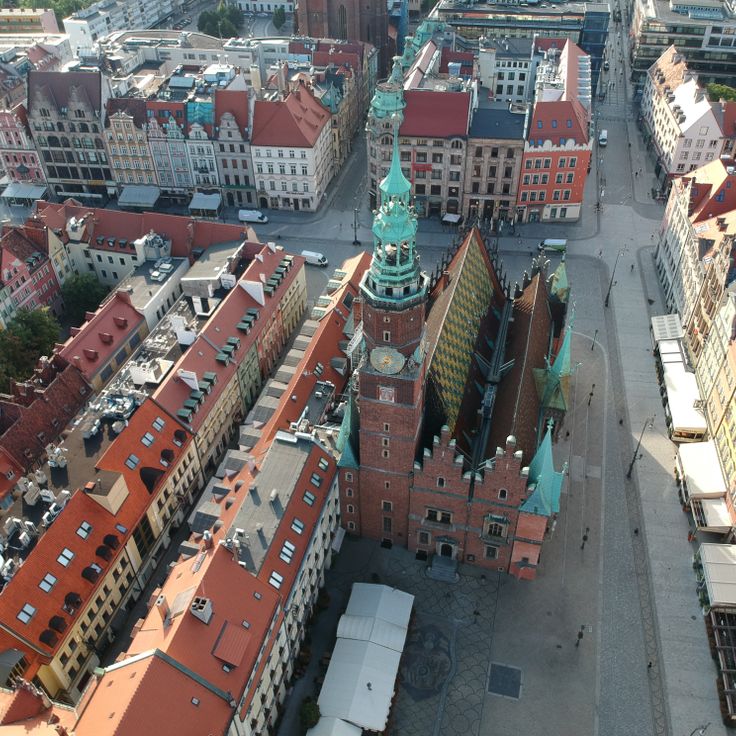
The Market Square of Wroclaw is a large central plaza surrounded by medieval town hall and townhouses with colorful facades. The buildings date from the 13th century. This square shows the rich history of the city through its red brick architecture and the many details carved into the house fronts. People stroll through, sit at outdoor cafes, and take in the views of the surrounding structures. The variety of colors on the buildings makes this plaza a special place where history and daily life come together.
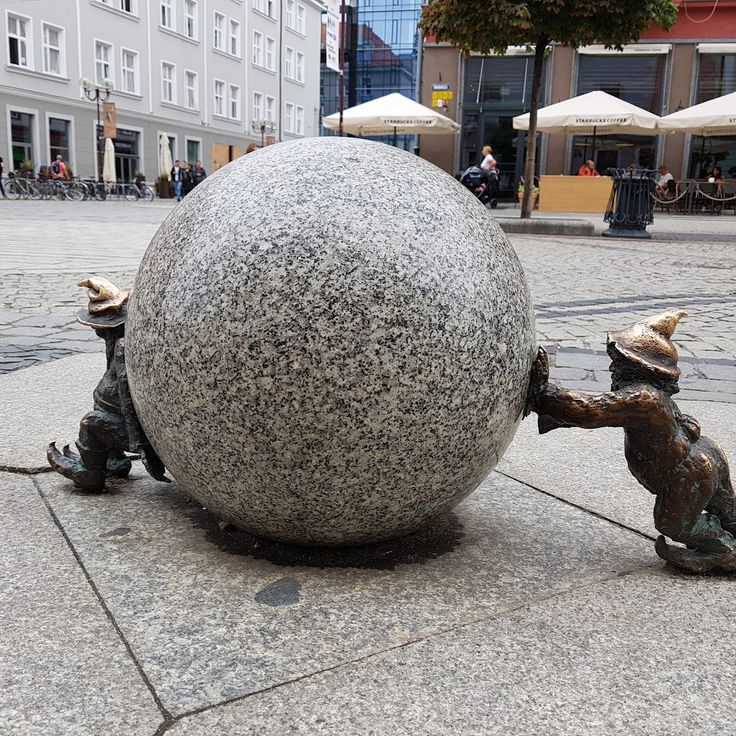
The dwarfs of Wroclaw are bronze figures scattered throughout the city's streets, squares, and gardens since 2001. Over 300 of these small statues populate Wroclaw, each telling its own story. They have become a symbol of the city and invite visitors to discover them throughout the streets. Each figure has its own character and contributes to the special feeling of this historic city.
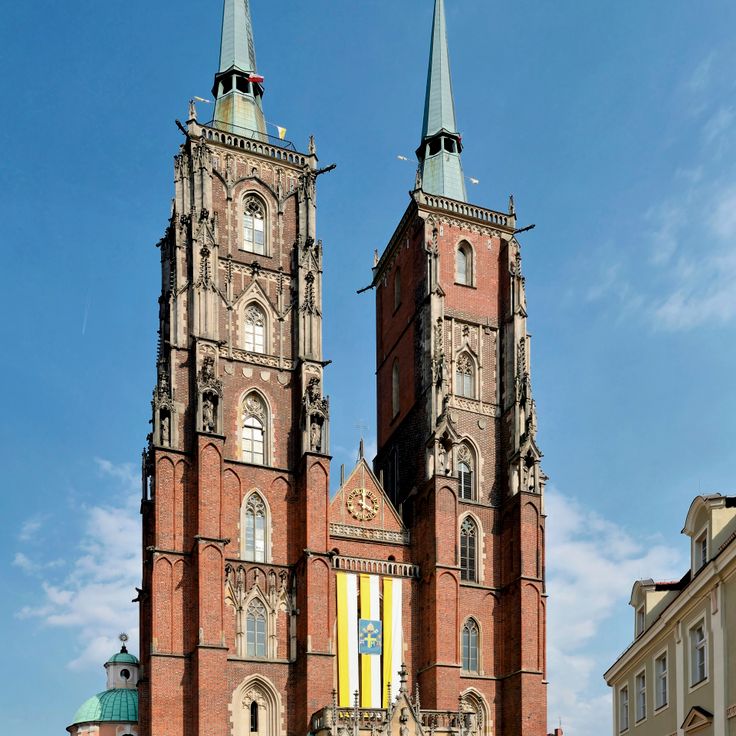
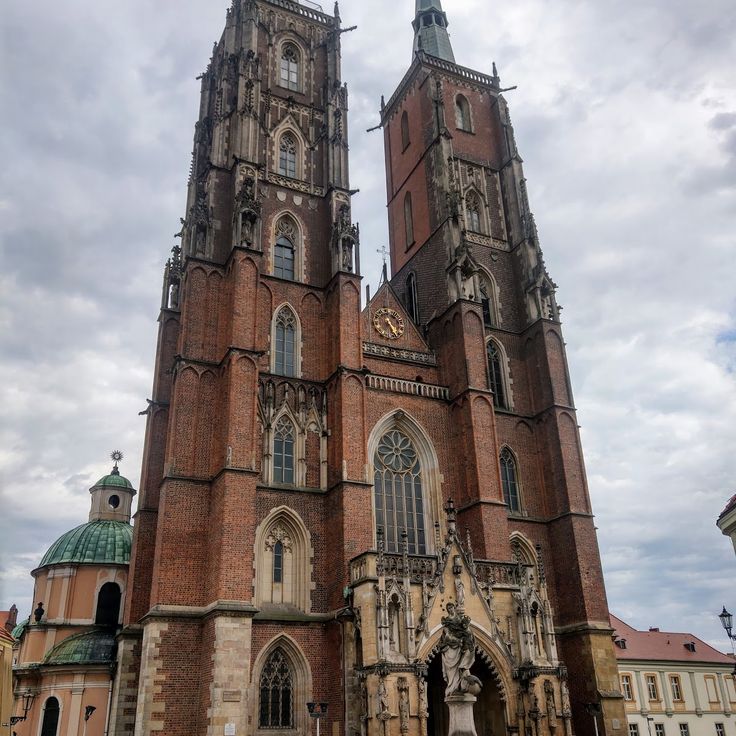
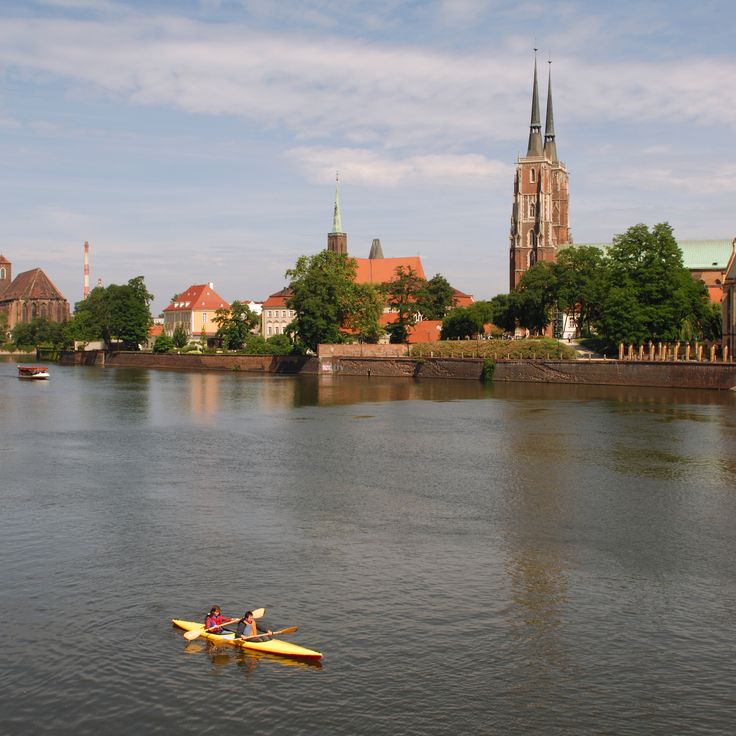
St. John the Baptist Cathedral stands at the heart of Wroclaw as a Gothic religious building. Its two towers reach 98 meters high and shape the city's skyline. Inside, artworks and stained glass windows tell the story of this place. Climbing the towers offers views across Wroclaw and the surrounding river landscape. Built in the 13th century, this cathedral connects with the medieval squares and river islands nearby.
Wroclaw Zoo is a zoological park established in 1865 that houses thousands of animals from around the world. With its aquarium and naturalistic enclosures, this zoo allows visitors to experience African wildlife in settings that reflect their natural habitats. Walking through the zoo takes you past different climate zones and landscapes, and it serves as an important cultural and recreational destination in this history-rich city.
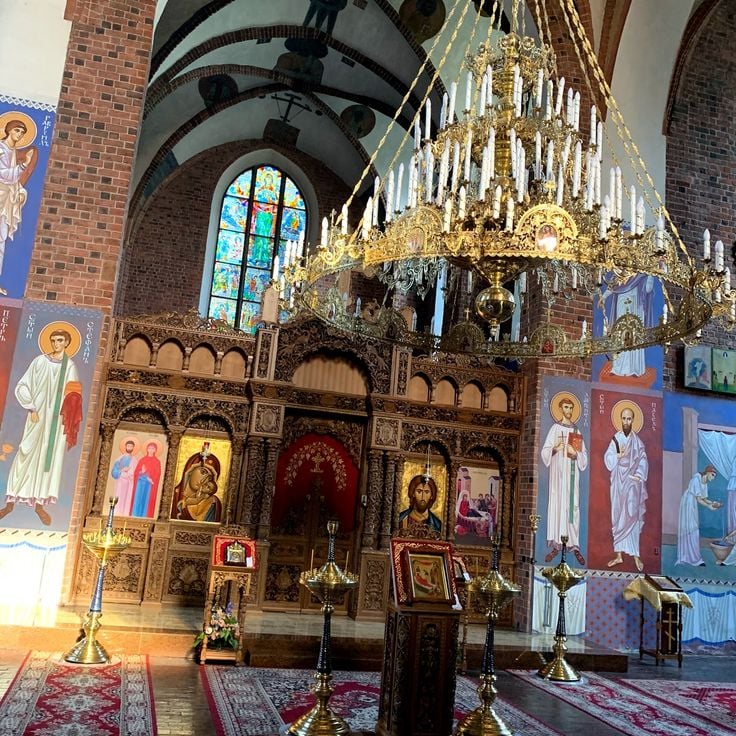
The Orthodox Church of the Nativity in Wroclaw is a 19th century religious building topped with gilded domes and featuring traditional interior frescoes. Located in the Quarter of Four Denominations, it stands directly beside three other places of worship from different faiths. The golden domes stand out against the city skyline and reflect how various religions have coexisted peacefully in this place for generations. The interior courtyard offers a quiet space for reflection, while the frescoes on the walls tell religious stories.
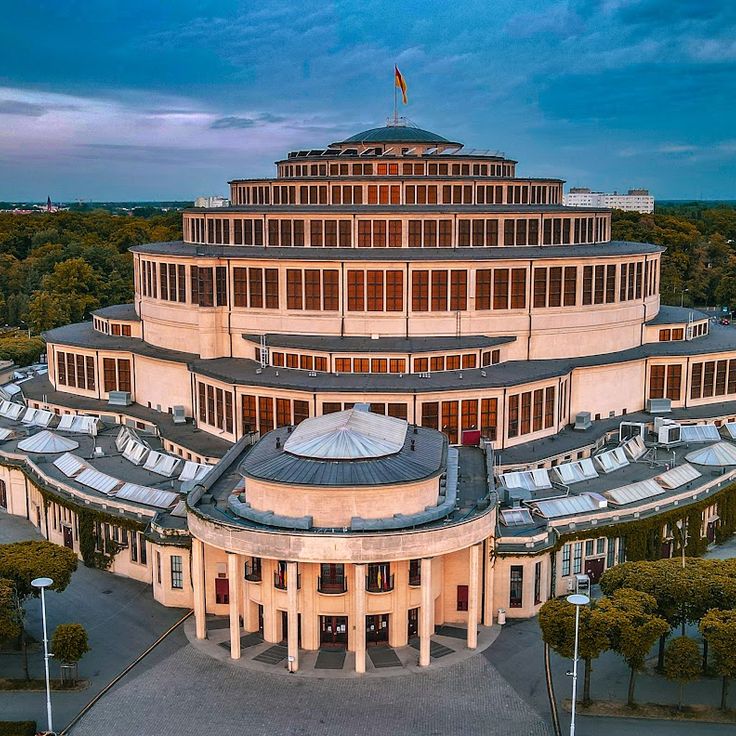
The Centennial Hall in Wroclaw is a striking concrete structure built in 1913 that has been recognized by UNESCO for its architectural importance. This venue serves as a major hub for exhibitions, conferences, and cultural events throughout the year. Located in a city where history shows itself at every corner, the hall stands among red brick Gothic churches, scattered bronze dwarf statues, and bridges crossing the Oder River.
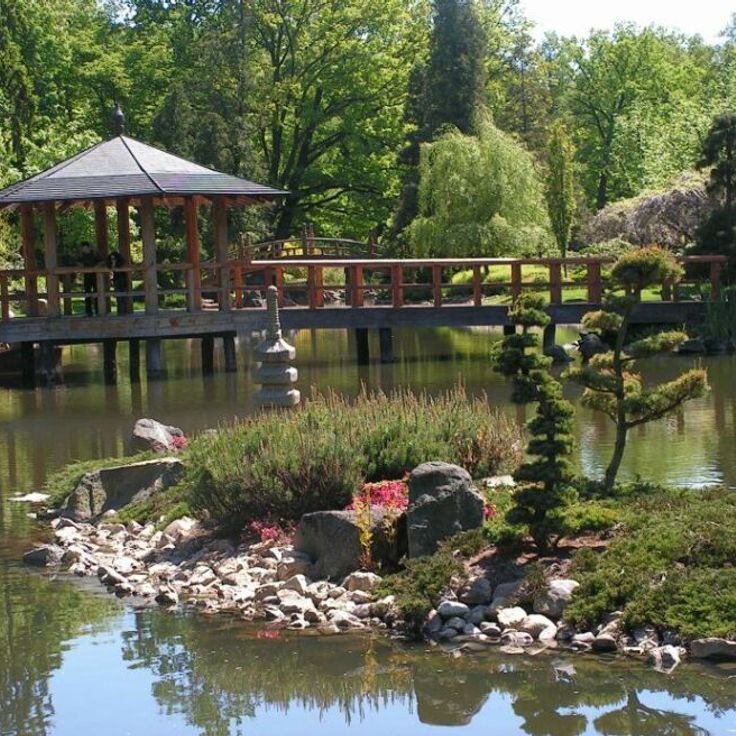
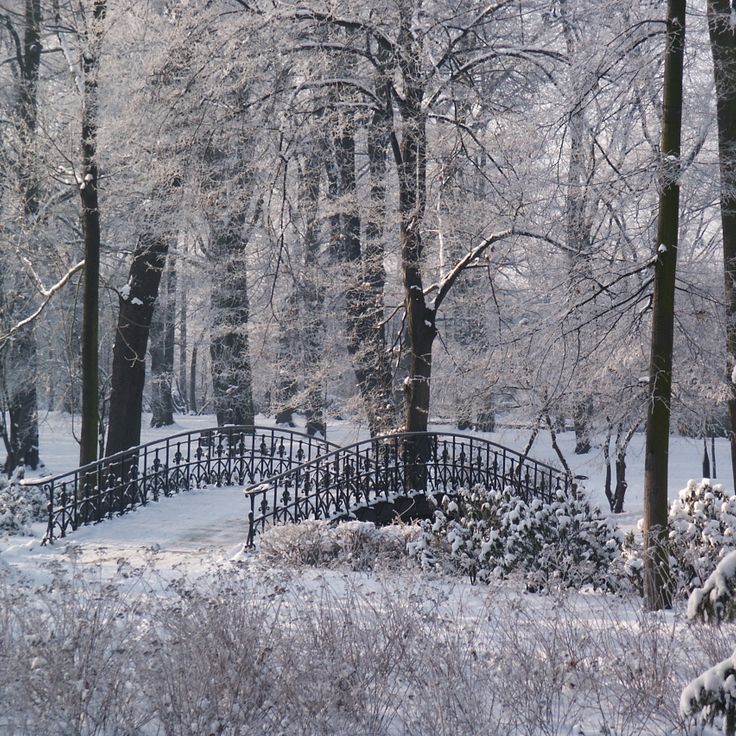
The Japanese Garden in Wroclaw is a green space created in 1913 that brings together traditional Asian features. Red bridges cross over small ponds, while stone lanterns and pavilions define the space. Japanese and Chinese plants create a restful setting that invites visitors to pause and reflect. The garden offers a contrast to Wroclaw's medieval churches and bustling old town, allowing visitors to step into a different world.
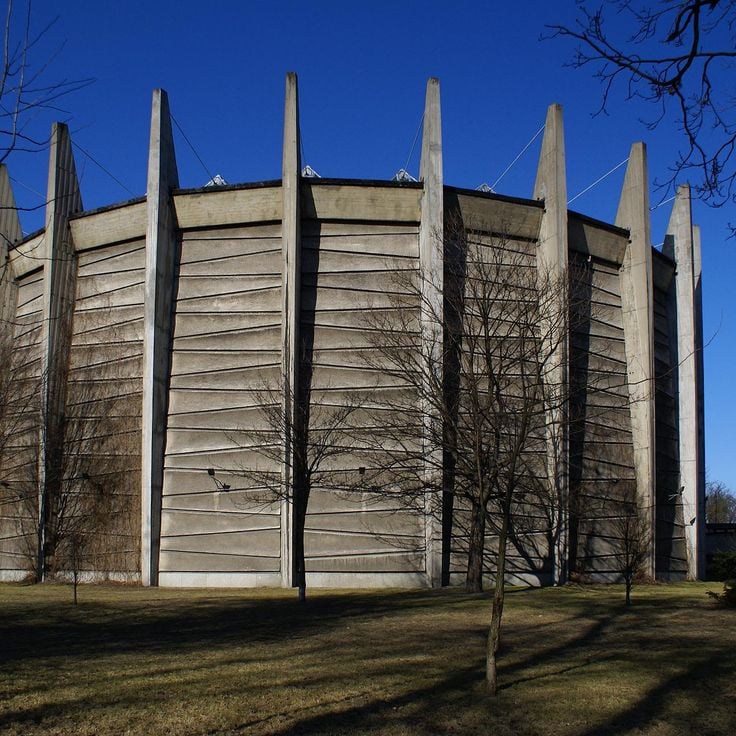
The Panorama Racławicka Museum in Wroclaw holds one of the city's most engaging artworks. Inside stands a monumental circular painting from the 19th century depicting the 1794 battle. The painting measures roughly 15 meters in height and spans 120 meters in length. The cylindrical gallery allows visitors to stand surrounded by this historical scene from all angles. The museum demonstrates how artists of that era captured significant moments through immersive visual storytelling.
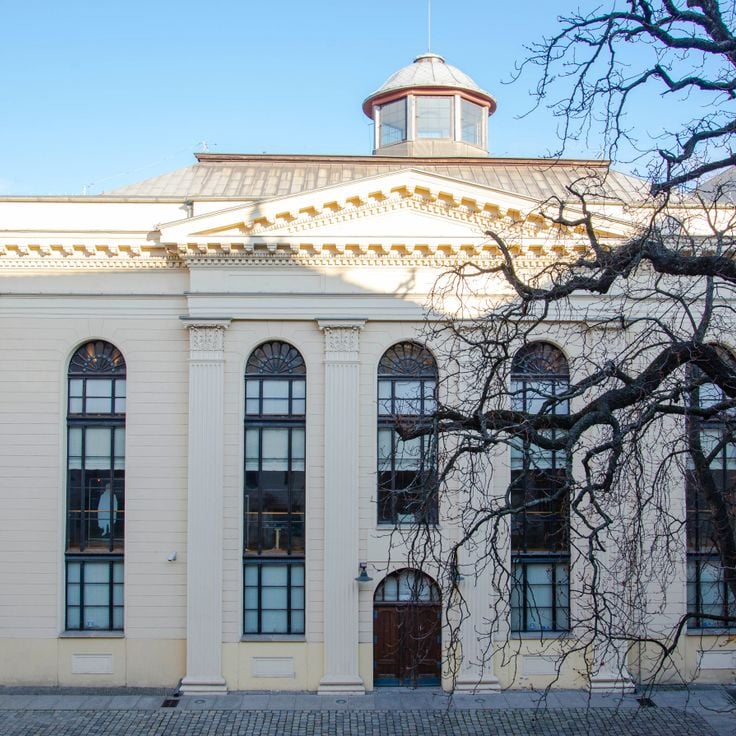
The Synagogue of the White Stork in Wroclaw is a Jewish house of worship built in 1829. After World War II, the building was carefully restored. Today it hosts religious services and cultural events. The synagogue stands in the Quarter of Four Denominations, where different religious communities have lived side by side for generations. This place tells the story of Wroclaw's diverse history and the Jewish community that shaped the city.
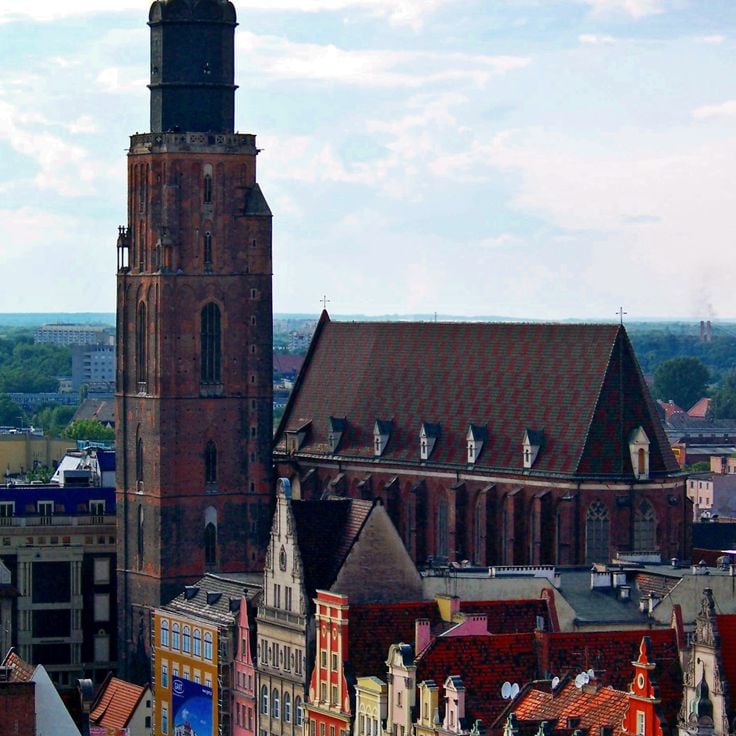
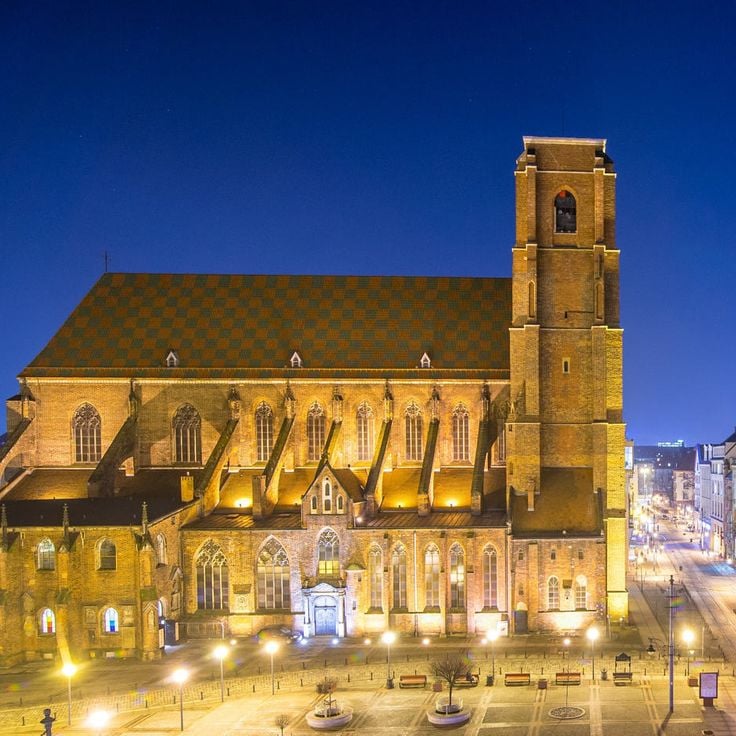
Saint Elisabeth Church in Wroclaw is a Gothic structure built in the 14th century with a tower reaching 90 meters (295 feet). A staircase leads to an observation platform where visitors can see the city spread out below. This church with its red brick walls rises above the Market Square and shapes Wroclaw's skyline together with other Gothic buildings. From above, you can see the medieval old town and watch how the Oder river winds through the city, passing bridges and islands.
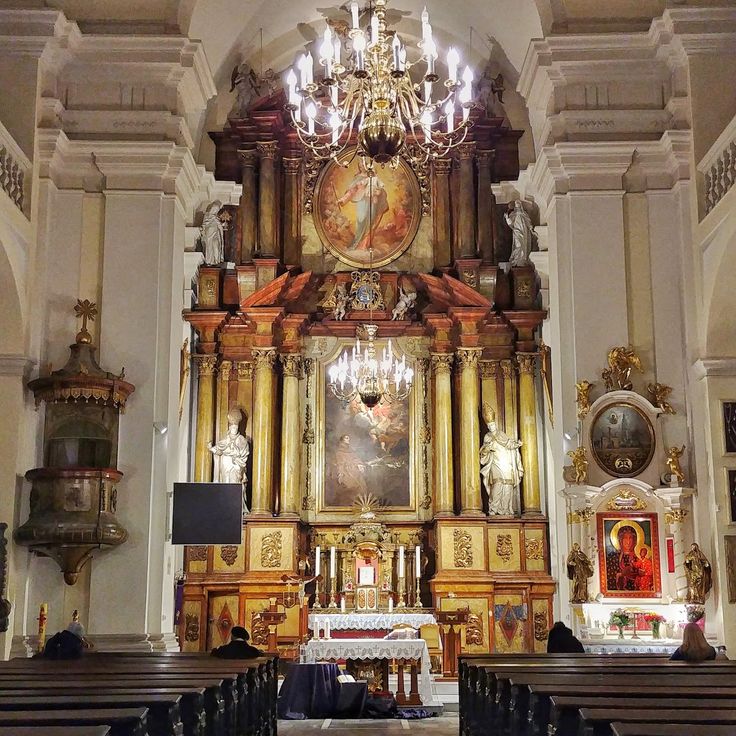
Saint Anthony of Padua Church is a Catholic house of worship built in the 20th century, located in Wroclaw's Four Denominations Quarter. The interior features stained glass windows and wall paintings. This church stands as a testament to how different religions have shared space in this city over the centuries.
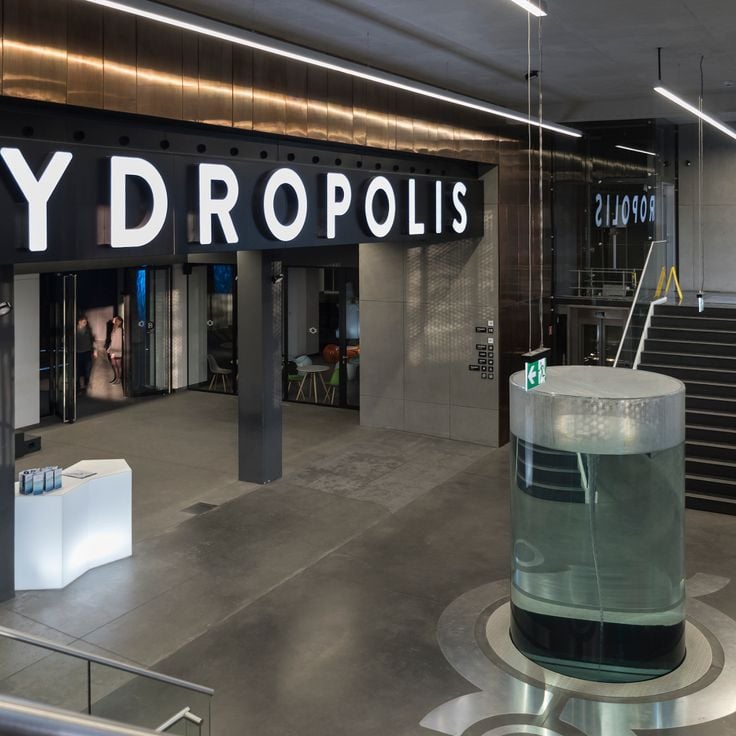
Hydropolis is an interactive museum in Wroclaw dedicated to water and its role in our world. Located in a 19th-century water reservoir, it offers exhibits that explain how water shapes nature and human life. The museum combines history and science in an engaging way, allowing visitors to explore the many aspects of water. Through hands-on displays, you can learn about water cycles, its importance to cities, and how it connects all living things.
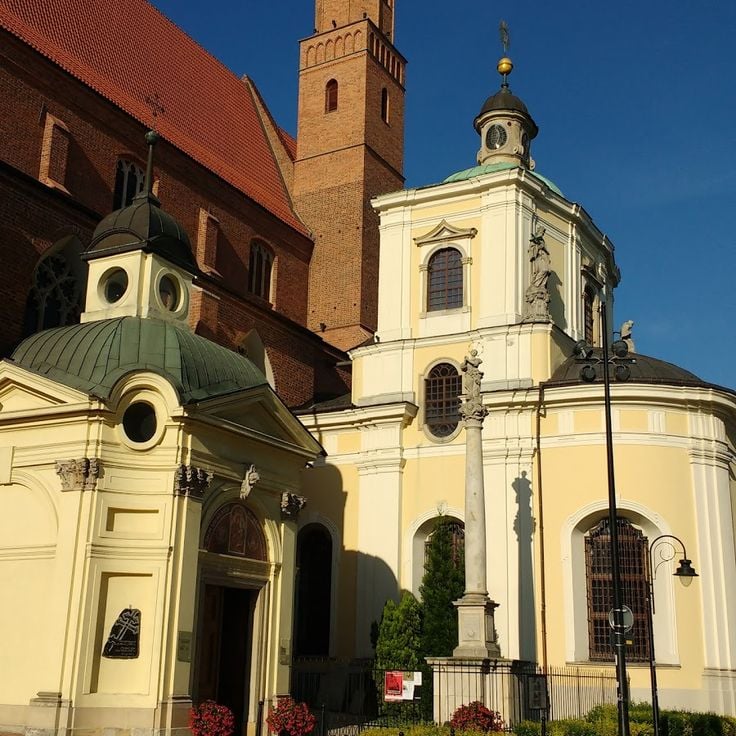
The Church of Divine Providence in Wroclaw is a Protestant temple built in 1750, located in the cultural district of the Four Denominations. The building features a baroque facade and a distinctive octagonal nave. This church stands alongside other houses of worship of different faiths, showing how various religious communities coexisted here. The place tells the story of religious diversity in Wroclaw.
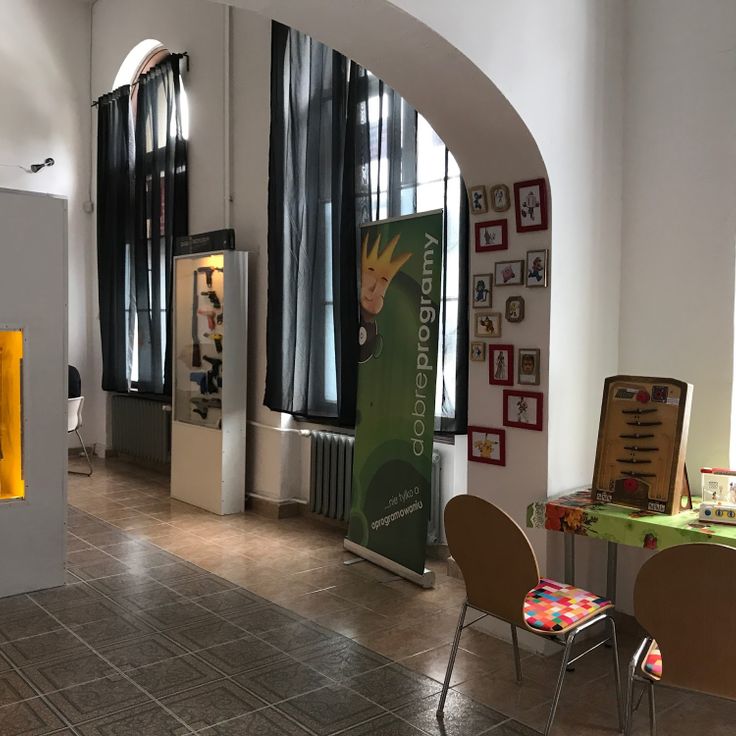
The Museum of Games and Computers in Wroclaw tells the story of video games and computing history. Visitors can see and use working machines from the 1970s through 2000s. The museum preserves old computers, gaming consoles, and arcade machines. Walking through its rooms, you follow the development of computer technology and understand how digital games have evolved over time. It is a place for anyone curious about the origins of modern computing.
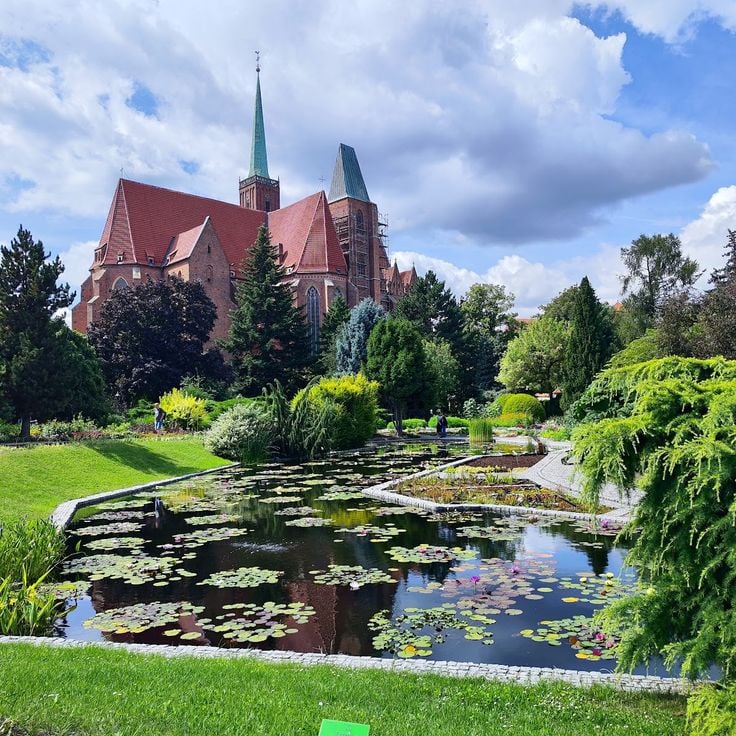
The Botanical Garden of Wroclaw is a place where plants from all over the world grow. It was founded in 1811 and sits on spacious grounds. Here you will find old glasshouses with glass roofs where tropical plants thrive. The garden displays a large collection of plant species that are carefully maintained. You can walk through the paths, passing by flowers and leaves, and enjoy the peace this place offers. It is a place to spend time and discover the diversity of nature.
The Archdiocese Museum in Wroclaw occupies a former bishop's palace and displays a collection of sacred art. The museum is known for exhibiting the Henrykow Book, which contains the first sentence ever written in Polish. The collection offers insight into the religious history of the region through artworks and historical objects.
The Collegiate Church of the Holy Cross and Saint Bartholomew in Wroclaw is a house of worship built in the 12th century from red brick, following the construction style of many churches in this city. The building stands out for its two-story structure. Inside, Gothic elements shape the interior spaces and reflect the religious architecture of that era. This church is part of Wroclaw's rich religious heritage, where different faiths lived side by side for centuries. Like other sacred buildings in the city, this collegiate church offers a window into medieval history and the building traditions that shaped the region.
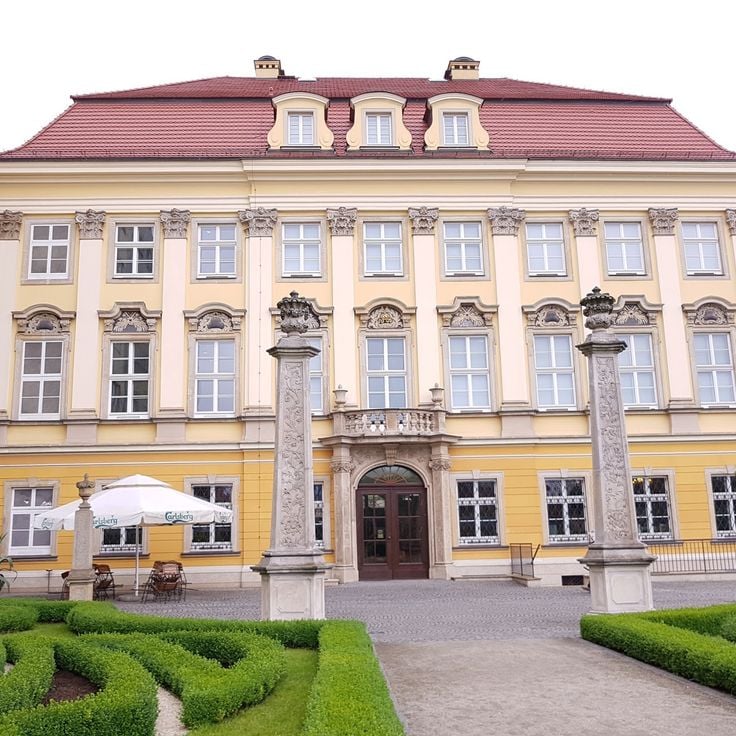
The Royal Palace in Wroclaw is an aristocratic residence from the 17th century with a baroque facade. The building displays the splendor of its era through elaborate architectural details. Inside, an impressive collection of Dutch tiles decorates the walls with care and artistry. The geometrically laid out gardens surrounding the palace offer pleasant walks and are part of the overall experience of this historical site. The palace stands as evidence of Wroclaw's rich past, where history appears at every corner of the city.
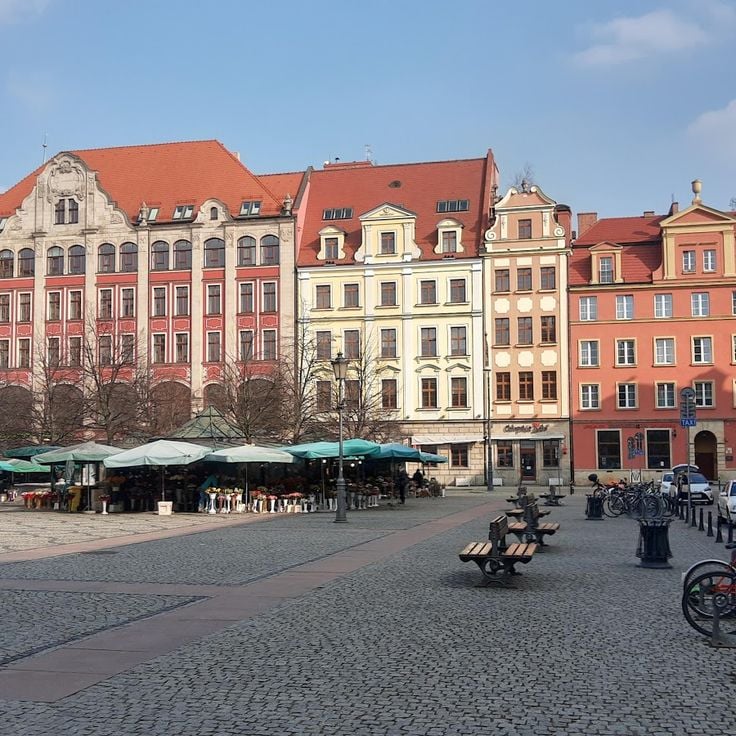
Solny Square sits in the medieval center of Wroclaw, lined with old buildings that frame the space. This square has hosted a flower market year-round since the 13th century, making it one of the places that defines the city's character. Here, history and everyday life blend together naturally.
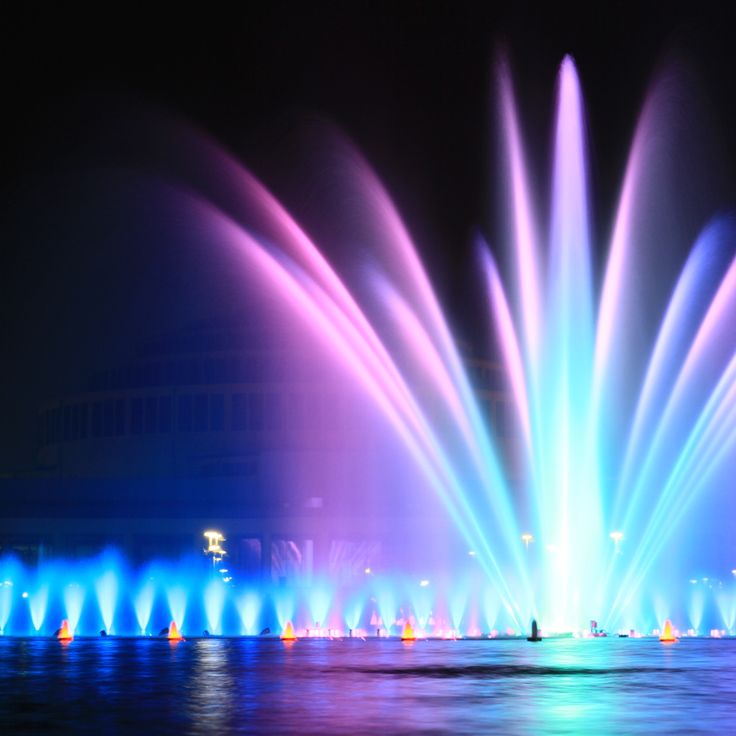
The Multimedia Fountain in Wroclaw is a modern water installation featuring 300 jets that spray and dance to lights and music. Located near the Centennial Hall, a UNESCO-recognized building at the city's edge, this fountain bridges contemporary technology with the city's historical setting. The water responds to different melodies, bringing movement and sound to the outdoor space. On warm days, it attracts families and visitors who gather to watch the water display and cool off in the spray.
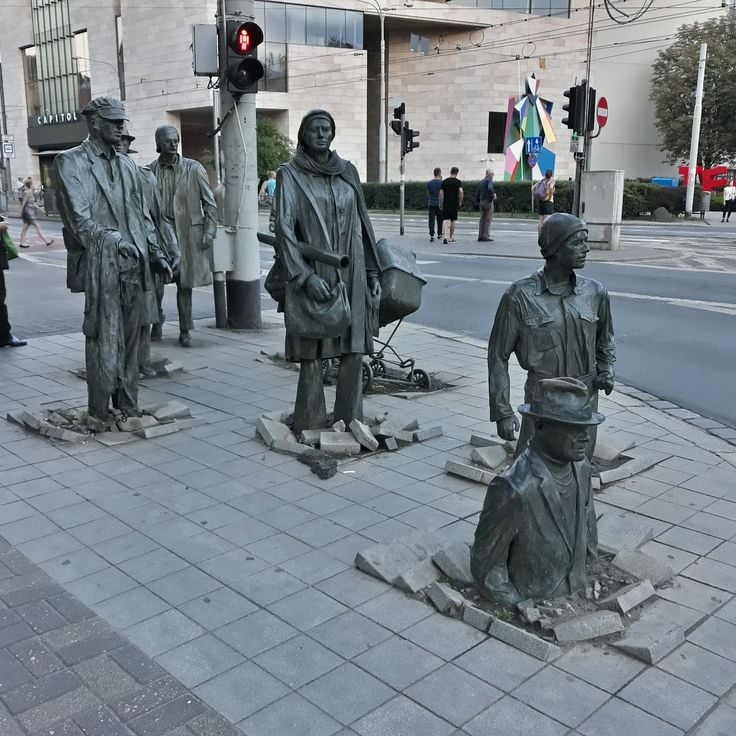
The Monument aux Passants Anonymes in Wroclaw is a contemporary art installation on a city sidewalk. Fourteen bronze figures gradually sink into the ground and reappear on the other side. These anonymous pedestrians convey a message about the fleeting nature of everyday life and the people who pass through this city. The work connects with Wroclaw's rich artistic tradition, visible in the hundreds of bronze dwarfs scattered throughout the city. This monument brings together past and present in a moment of artistic reflection.
The Church of Sainte-Marie-Madeleine in Wroclaw is a religious building from the 13th century, constructed from red brick with two twin towers connected by a bridge. It stands near the historic center and displays the Gothic style that characterizes the city's skyline. The two towers rise above the surrounding houses and are visible from many points in the city. The building is part of the rich religious heritage of a city where multiple faiths have coexisted.
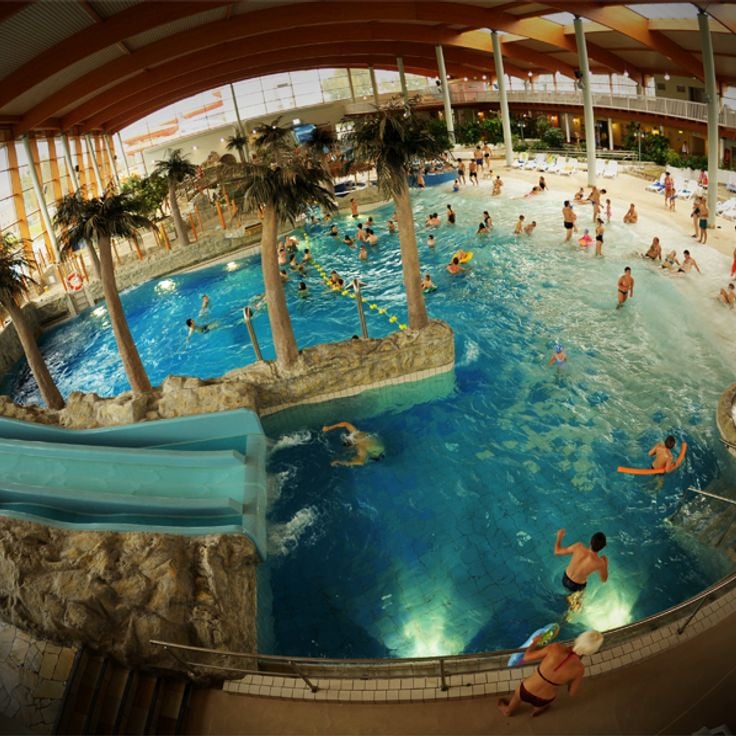
This Aquapark in Wroclaw is a recreational water center with indoor and outdoor areas, featuring swimming pools, water slides, hot tubs, saunas, and relaxation spaces. Visitors can swim, slide down the water attractions, and soak in the warm pools. The facility is popular with families and anyone seeking time in the water. This Aquapark fits well with Wroclaw, a city that offers places to rest and refresh between its churches and historic squares.
Parc Szczytnicki in Wroclaw stretches across a hundred hectares of green space where you can walk under old trees that have been here for generations. The Japanese garden features red bridges and stone lanterns that create moments of calm. Pathways lead through different parts of the park past monuments and old groves. This park gives people a place to rest away from the busy center while staying close to the city.
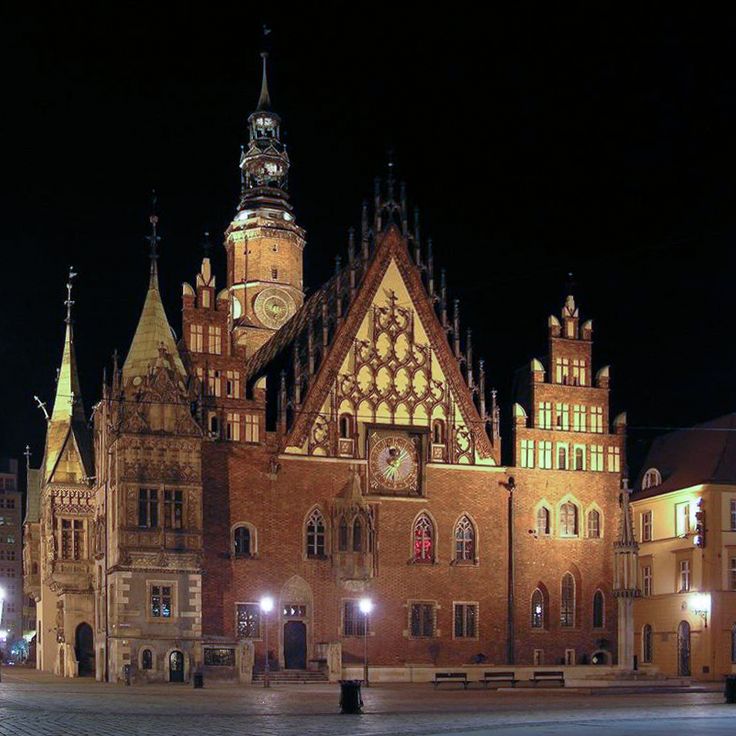
The Old Town of Wroclaw centers on a large market square bordered by colorful townhouses and overlooked by red brick Gothic churches. The Elizabeth Church and the Cathedral of Saint John the Baptist stand out with their tall towers offering views across the city. The Town Hall in the square dates from the 12th century and displays medieval architecture at its finest. What makes this district special are the bronze dwarf statues scattered throughout, over 300 of them hidden in corners, on storefronts, and in gardens, each one adding charm to the streets. Walking through the Old Town means moving between centuries, with narrow lanes leading past buildings that have stood for hundreds of years.
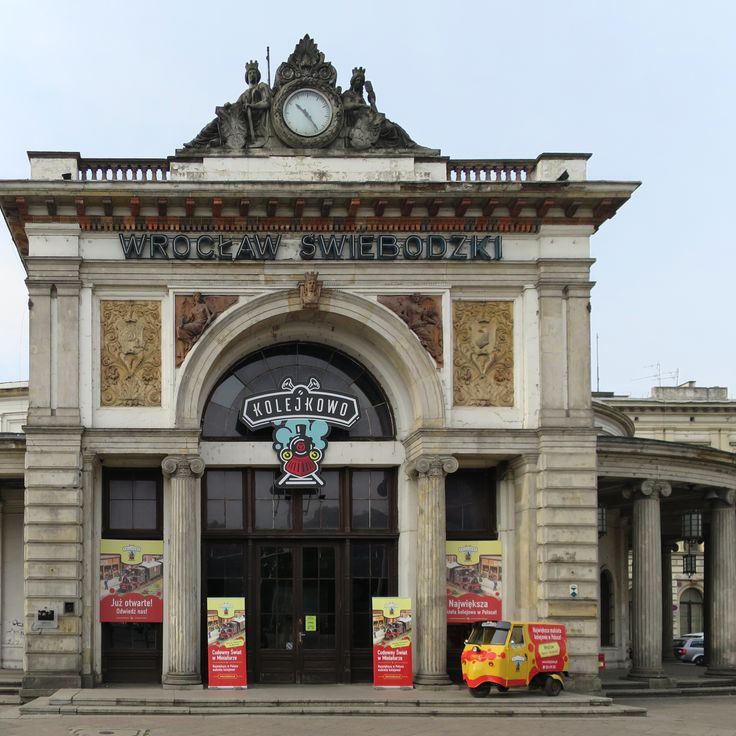
Kolejkowo in Wroclaw is a model railway facility where around 60 trains and 15 trams run continuously. The layout represents landscapes and buildings from the Silesian region. Visitors watch tiny trains move through detailed recreations of villages, mountains, and towns. The model railway requires constant care and attention to operate smoothly. It offers a playful way to understand the region's history and landscape. Every piece has been crafted with patience and skill. People of all ages find something to explore here.
The Museum of the University of Wroclaw occupies a 17th-century building and displays baroque artworks, a historic observatory, and a room dedicated to mathematics. Within this city where history appears around every corner, this museum offers insight into the region's scientific and artistic development.
This island in the Oder River is a green space where Wroclaw shows another side of itself. Here, old churches stand beside modern parks, and pathways cross bridges to the riverbanks. The island carries history while visitors walk among trees and enjoy the river's quiet. It is a place where the city slows its pace.
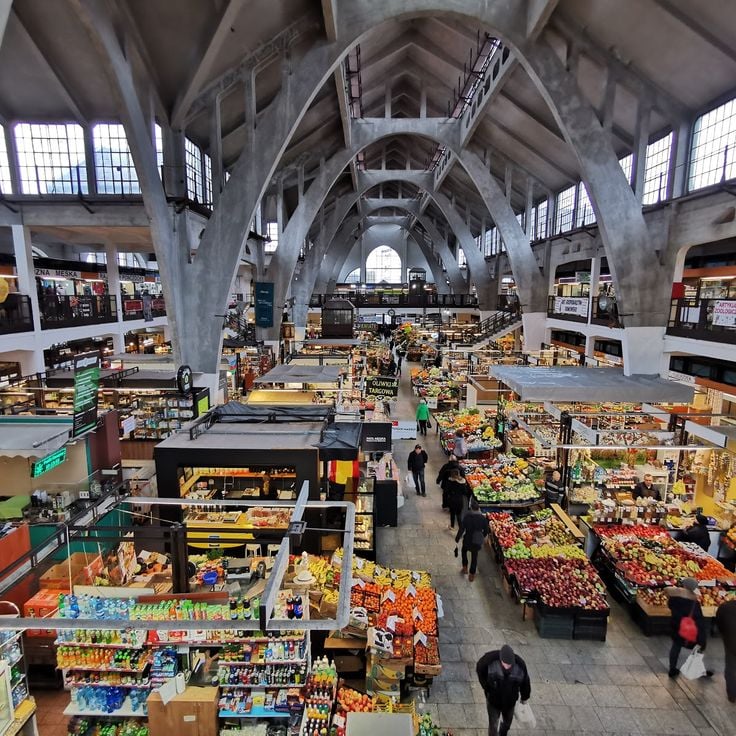
The Market Hall of Wroclaw is a 13th century building in the heart of the city. Inside you will find food stalls, restaurants, and craft shops. The hall shows how people in this city buy and eat together. You can discover local products and watch how residents go about their daily lives. The building itself tells the story of centuries of trade and exchange in Wroclaw.
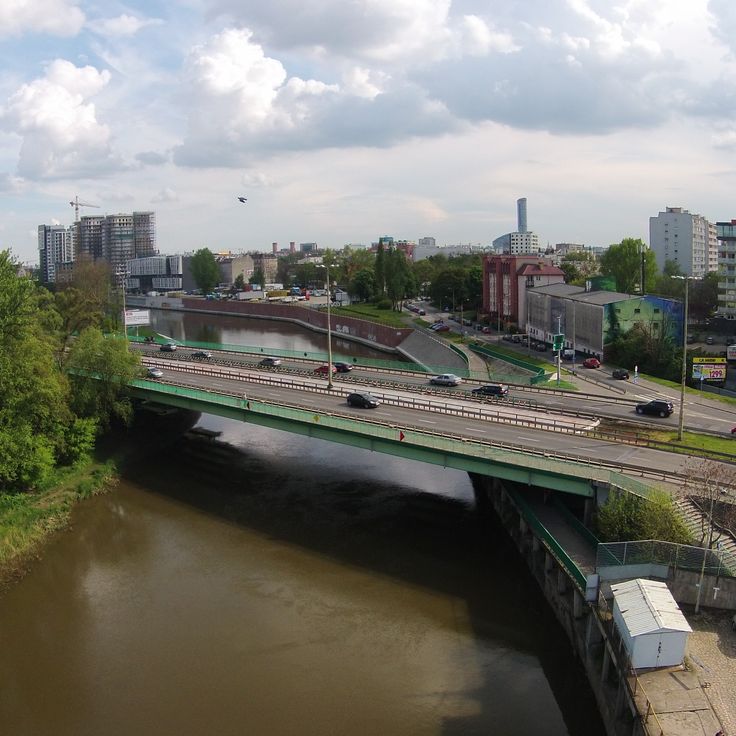
The Cathedral Bridge in Wroclaw is a metal structure built in 1889 that crosses the Oder River and connects the historic district to the cathedral island. Gas lamps along the bridge create a special glow in the evening hours. This bridge is part of Wroclaw's network that links the Gothic churches, the Market Square, and other neighborhoods together, allowing visitors to move between the different parts of this layered city.
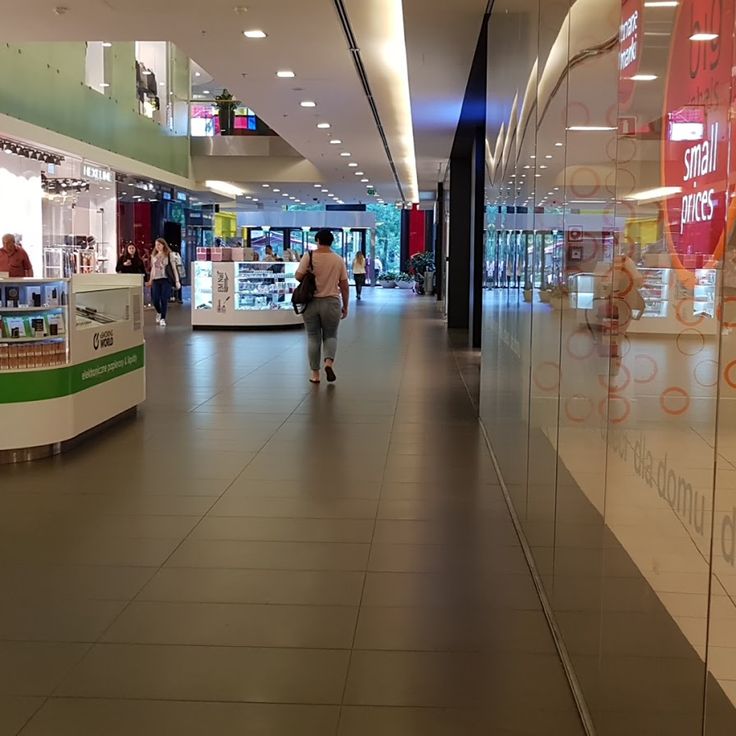
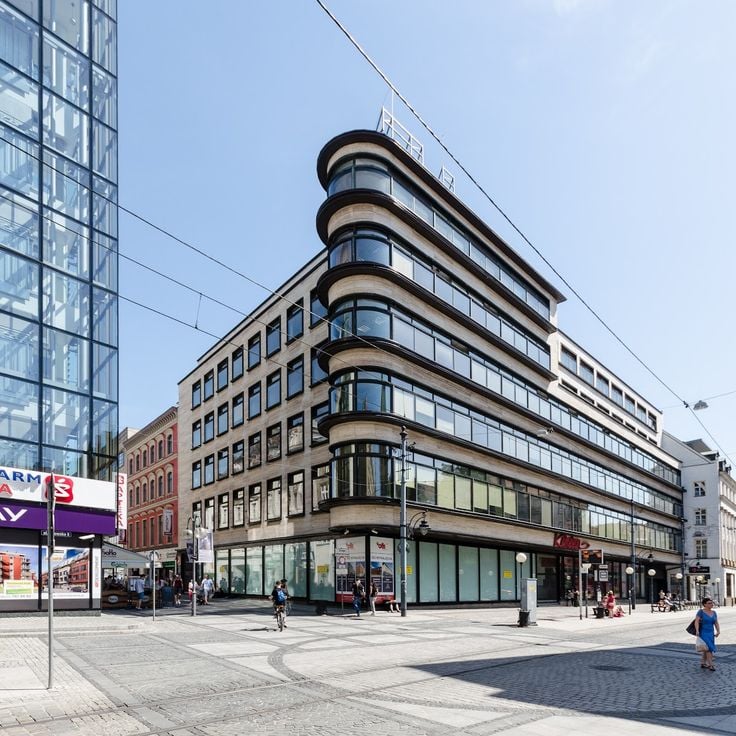
The Galerie Kameleon in Wroclaw is a shopping center housed in a functionalist building from 1928. Located on Szewska Street, this multi-story structure contains shops and stores spread across its levels. The building exemplifies the clean lines and practical design approach that characterized this architectural period in the city's history.
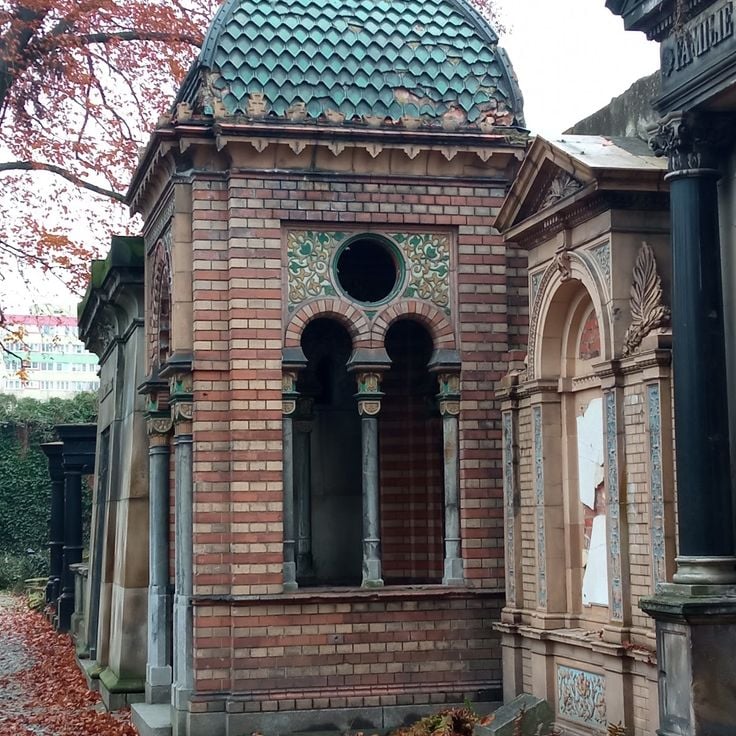
The Jewish Cemetery in Wroclaw is a burial ground established in 1856 and now holds over 12000 graves. Trees and shrubs grow between the gravestones, creating a quiet and reflective space. The monuments display skilled stonework and recall generations of people who lived in this city. The cemetery serves as a place of remembrance and documents the long Jewish history of Wroclaw. Visitors walk slowly through the rows and can examine the craftsmanship and names carved into the stones.
The Renoma Shopping Center in Wroclaw is a modernist building from the 1930s that stands out with stone sculptures adorning its facade. This former department store was transformed into a contemporary shopping center in 2009, merging retail with history. The architecture of this building tells the story of an era when commerce and craftsmanship were closely tied together. Walking through the center, visitors can still recognize the original character of the building beneath the modern shops, making it a special place to discover the layers of Wroclaw's history.
The Market Square of Wroclaw is a large central plaza surrounded by medieval town hall and townhouses with colorful facades. The buildings date from the 13th century. This square shows the rich history of the city through its red brick architecture and the many details carved into the house fronts. People stroll through, sit at outdoor cafes, and take in the views of the surrounding structures. The variety of colors on the buildings makes this plaza a special place where history and daily life come together.
The dwarfs of Wroclaw are bronze figures scattered throughout the city's streets, squares, and gardens since 2001. Over 300 of these small statues populate Wroclaw, each telling its own story. They have become a symbol of the city and invite visitors to discover them throughout the streets. Each figure has its own character and contributes to the special feeling of this historic city.
St. John the Baptist Cathedral stands at the heart of Wroclaw as a Gothic religious building. Its two towers reach 98 meters high and shape the city's skyline. Inside, artworks and stained glass windows tell the story of this place. Climbing the towers offers views across Wroclaw and the surrounding river landscape. Built in the 13th century, this cathedral connects with the medieval squares and river islands nearby.
Wroclaw Zoo is a zoological park established in 1865 that houses thousands of animals from around the world. With its aquarium and naturalistic enclosures, this zoo allows visitors to experience African wildlife in settings that reflect their natural habitats. Walking through the zoo takes you past different climate zones and landscapes, and it serves as an important cultural and recreational destination in this history-rich city.
The Orthodox Church of the Nativity in Wroclaw is a 19th century religious building topped with gilded domes and featuring traditional interior frescoes. Located in the Quarter of Four Denominations, it stands directly beside three other places of worship from different faiths. The golden domes stand out against the city skyline and reflect how various religions have coexisted peacefully in this place for generations. The interior courtyard offers a quiet space for reflection, while the frescoes on the walls tell religious stories.
The Centennial Hall in Wroclaw is a striking concrete structure built in 1913 that has been recognized by UNESCO for its architectural importance. This venue serves as a major hub for exhibitions, conferences, and cultural events throughout the year. Located in a city where history shows itself at every corner, the hall stands among red brick Gothic churches, scattered bronze dwarf statues, and bridges crossing the Oder River.
The Japanese Garden in Wroclaw is a green space created in 1913 that brings together traditional Asian features. Red bridges cross over small ponds, while stone lanterns and pavilions define the space. Japanese and Chinese plants create a restful setting that invites visitors to pause and reflect. The garden offers a contrast to Wroclaw's medieval churches and bustling old town, allowing visitors to step into a different world.
The Panorama Racławicka Museum in Wroclaw holds one of the city's most engaging artworks. Inside stands a monumental circular painting from the 19th century depicting the 1794 battle. The painting measures roughly 15 meters in height and spans 120 meters in length. The cylindrical gallery allows visitors to stand surrounded by this historical scene from all angles. The museum demonstrates how artists of that era captured significant moments through immersive visual storytelling.
The Synagogue of the White Stork in Wroclaw is a Jewish house of worship built in 1829. After World War II, the building was carefully restored. Today it hosts religious services and cultural events. The synagogue stands in the Quarter of Four Denominations, where different religious communities have lived side by side for generations. This place tells the story of Wroclaw's diverse history and the Jewish community that shaped the city.
Saint Elisabeth Church in Wroclaw is a Gothic structure built in the 14th century with a tower reaching 90 meters (295 feet). A staircase leads to an observation platform where visitors can see the city spread out below. This church with its red brick walls rises above the Market Square and shapes Wroclaw's skyline together with other Gothic buildings. From above, you can see the medieval old town and watch how the Oder river winds through the city, passing bridges and islands.
Saint Anthony of Padua Church is a Catholic house of worship built in the 20th century, located in Wroclaw's Four Denominations Quarter. The interior features stained glass windows and wall paintings. This church stands as a testament to how different religions have shared space in this city over the centuries.
Hydropolis is an interactive museum in Wroclaw dedicated to water and its role in our world. Located in a 19th-century water reservoir, it offers exhibits that explain how water shapes nature and human life. The museum combines history and science in an engaging way, allowing visitors to explore the many aspects of water. Through hands-on displays, you can learn about water cycles, its importance to cities, and how it connects all living things.
The Church of Divine Providence in Wroclaw is a Protestant temple built in 1750, located in the cultural district of the Four Denominations. The building features a baroque facade and a distinctive octagonal nave. This church stands alongside other houses of worship of different faiths, showing how various religious communities coexisted here. The place tells the story of religious diversity in Wroclaw.
The Museum of Games and Computers in Wroclaw tells the story of video games and computing history. Visitors can see and use working machines from the 1970s through 2000s. The museum preserves old computers, gaming consoles, and arcade machines. Walking through its rooms, you follow the development of computer technology and understand how digital games have evolved over time. It is a place for anyone curious about the origins of modern computing.
The Botanical Garden of Wroclaw is a place where plants from all over the world grow. It was founded in 1811 and sits on spacious grounds. Here you will find old glasshouses with glass roofs where tropical plants thrive. The garden displays a large collection of plant species that are carefully maintained. You can walk through the paths, passing by flowers and leaves, and enjoy the peace this place offers. It is a place to spend time and discover the diversity of nature.
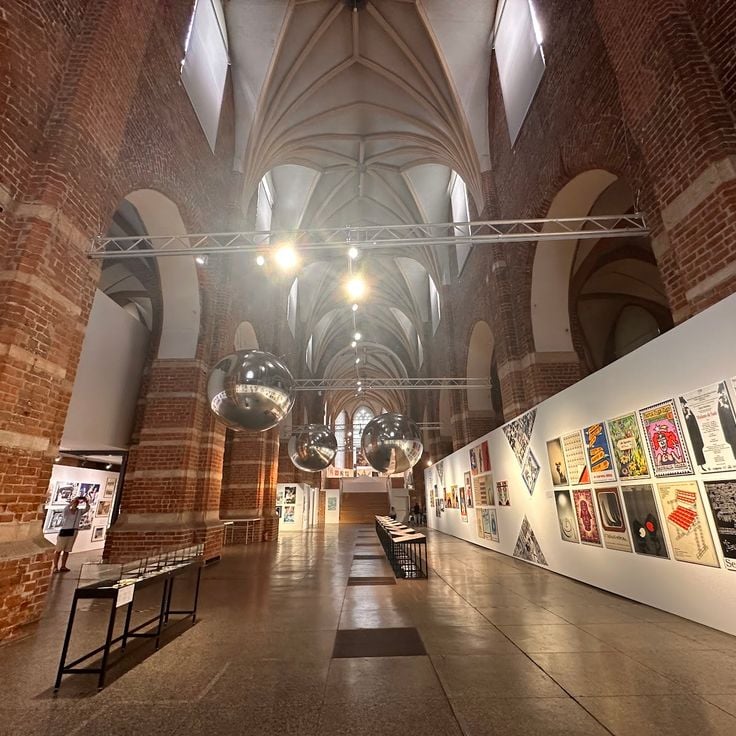
The Archdiocese Museum in Wroclaw occupies a former bishop's palace and displays a collection of sacred art. The museum is known for exhibiting the Henrykow Book, which contains the first sentence ever written in Polish. The collection offers insight into the religious history of the region through artworks and historical objects.
The Collegiate Church of the Holy Cross and Saint Bartholomew in Wroclaw is a house of worship built in the 12th century from red brick, following the construction style of many churches in this city. The building stands out for its two-story structure. Inside, Gothic elements shape the interior spaces and reflect the religious architecture of that era. This church is part of Wroclaw's rich religious heritage, where different faiths lived side by side for centuries. Like other sacred buildings in the city, this collegiate church offers a window into medieval history and the building traditions that shaped the region.
The Royal Palace in Wroclaw is an aristocratic residence from the 17th century with a baroque facade. The building displays the splendor of its era through elaborate architectural details. Inside, an impressive collection of Dutch tiles decorates the walls with care and artistry. The geometrically laid out gardens surrounding the palace offer pleasant walks and are part of the overall experience of this historical site. The palace stands as evidence of Wroclaw's rich past, where history appears at every corner of the city.
Solny Square sits in the medieval center of Wroclaw, lined with old buildings that frame the space. This square has hosted a flower market year-round since the 13th century, making it one of the places that defines the city's character. Here, history and everyday life blend together naturally.
The Multimedia Fountain in Wroclaw is a modern water installation featuring 300 jets that spray and dance to lights and music. Located near the Centennial Hall, a UNESCO-recognized building at the city's edge, this fountain bridges contemporary technology with the city's historical setting. The water responds to different melodies, bringing movement and sound to the outdoor space. On warm days, it attracts families and visitors who gather to watch the water display and cool off in the spray.
The Monument aux Passants Anonymes in Wroclaw is a contemporary art installation on a city sidewalk. Fourteen bronze figures gradually sink into the ground and reappear on the other side. These anonymous pedestrians convey a message about the fleeting nature of everyday life and the people who pass through this city. The work connects with Wroclaw's rich artistic tradition, visible in the hundreds of bronze dwarfs scattered throughout the city. This monument brings together past and present in a moment of artistic reflection.
The Church of Sainte-Marie-Madeleine in Wroclaw is a religious building from the 13th century, constructed from red brick with two twin towers connected by a bridge. It stands near the historic center and displays the Gothic style that characterizes the city's skyline. The two towers rise above the surrounding houses and are visible from many points in the city. The building is part of the rich religious heritage of a city where multiple faiths have coexisted.
This Aquapark in Wroclaw is a recreational water center with indoor and outdoor areas, featuring swimming pools, water slides, hot tubs, saunas, and relaxation spaces. Visitors can swim, slide down the water attractions, and soak in the warm pools. The facility is popular with families and anyone seeking time in the water. This Aquapark fits well with Wroclaw, a city that offers places to rest and refresh between its churches and historic squares.
Parc Szczytnicki in Wroclaw stretches across a hundred hectares of green space where you can walk under old trees that have been here for generations. The Japanese garden features red bridges and stone lanterns that create moments of calm. Pathways lead through different parts of the park past monuments and old groves. This park gives people a place to rest away from the busy center while staying close to the city.
The Old Town of Wroclaw centers on a large market square bordered by colorful townhouses and overlooked by red brick Gothic churches. The Elizabeth Church and the Cathedral of Saint John the Baptist stand out with their tall towers offering views across the city. The Town Hall in the square dates from the 12th century and displays medieval architecture at its finest. What makes this district special are the bronze dwarf statues scattered throughout, over 300 of them hidden in corners, on storefronts, and in gardens, each one adding charm to the streets. Walking through the Old Town means moving between centuries, with narrow lanes leading past buildings that have stood for hundreds of years.
Kolejkowo in Wroclaw is a model railway facility where around 60 trains and 15 trams run continuously. The layout represents landscapes and buildings from the Silesian region. Visitors watch tiny trains move through detailed recreations of villages, mountains, and towns. The model railway requires constant care and attention to operate smoothly. It offers a playful way to understand the region's history and landscape. Every piece has been crafted with patience and skill. People of all ages find something to explore here.
The Museum of the University of Wroclaw occupies a 17th-century building and displays baroque artworks, a historic observatory, and a room dedicated to mathematics. Within this city where history appears around every corner, this museum offers insight into the region's scientific and artistic development.
This island in the Oder River is a green space where Wroclaw shows another side of itself. Here, old churches stand beside modern parks, and pathways cross bridges to the riverbanks. The island carries history while visitors walk among trees and enjoy the river's quiet. It is a place where the city slows its pace.
The Market Hall of Wroclaw is a 13th century building in the heart of the city. Inside you will find food stalls, restaurants, and craft shops. The hall shows how people in this city buy and eat together. You can discover local products and watch how residents go about their daily lives. The building itself tells the story of centuries of trade and exchange in Wroclaw.
The Cathedral Bridge in Wroclaw is a metal structure built in 1889 that crosses the Oder River and connects the historic district to the cathedral island. Gas lamps along the bridge create a special glow in the evening hours. This bridge is part of Wroclaw's network that links the Gothic churches, the Market Square, and other neighborhoods together, allowing visitors to move between the different parts of this layered city.
The Galerie Kameleon in Wroclaw is a shopping center housed in a functionalist building from 1928. Located on Szewska Street, this multi-story structure contains shops and stores spread across its levels. The building exemplifies the clean lines and practical design approach that characterized this architectural period in the city's history.
The Jewish Cemetery in Wroclaw is a burial ground established in 1856 and now holds over 12000 graves. Trees and shrubs grow between the gravestones, creating a quiet and reflective space. The monuments display skilled stonework and recall generations of people who lived in this city. The cemetery serves as a place of remembrance and documents the long Jewish history of Wroclaw. Visitors walk slowly through the rows and can examine the craftsmanship and names carved into the stones.
The Renoma Shopping Center in Wroclaw is a modernist building from the 1930s that stands out with stone sculptures adorning its facade. This former department store was transformed into a contemporary shopping center in 2009, merging retail with history. The architecture of this building tells the story of an era when commerce and craftsmanship were closely tied together. Walking through the center, visitors can still recognize the original character of the building beneath the modern shops, making it a special place to discover the layers of Wroclaw's history.
The Market Square of Wroclaw is a large central plaza surrounded by medieval town hall and townhouses with colorful facades. The buildings date from the 13th century. This square shows the rich history of the city through its red brick architecture and the many details carved into the house fronts. People stroll through, sit at outdoor cafes, and take in the views of the surrounding structures. The variety of colors on the buildings makes this plaza a special place where history and daily life come together.
The dwarfs of Wroclaw are bronze figures scattered throughout the city's streets, squares, and gardens since 2001. Over 300 of these small statues populate Wroclaw, each telling its own story. They have become a symbol of the city and invite visitors to discover them throughout the streets. Each figure has its own character and contributes to the special feeling of this historic city.
St. John the Baptist Cathedral stands at the heart of Wroclaw as a Gothic religious building. Its two towers reach 98 meters high and shape the city's skyline. Inside, artworks and stained glass windows tell the story of this place. Climbing the towers offers views across Wroclaw and the surrounding river landscape. Built in the 13th century, this cathedral connects with the medieval squares and river islands nearby.
Wroclaw Zoo is a zoological park established in 1865 that houses thousands of animals from around the world. With its aquarium and naturalistic enclosures, this zoo allows visitors to experience African wildlife in settings that reflect their natural habitats. Walking through the zoo takes you past different climate zones and landscapes, and it serves as an important cultural and recreational destination in this history-rich city.
The Orthodox Church of the Nativity in Wroclaw is a 19th century religious building topped with gilded domes and featuring traditional interior frescoes. Located in the Quarter of Four Denominations, it stands directly beside three other places of worship from different faiths. The golden domes stand out against the city skyline and reflect how various religions have coexisted peacefully in this place for generations. The interior courtyard offers a quiet space for reflection, while the frescoes on the walls tell religious stories.
The Centennial Hall in Wroclaw is a striking concrete structure built in 1913 that has been recognized by UNESCO for its architectural importance. This venue serves as a major hub for exhibitions, conferences, and cultural events throughout the year. Located in a city where history shows itself at every corner, the hall stands among red brick Gothic churches, scattered bronze dwarf statues, and bridges crossing the Oder River.
The Japanese Garden in Wroclaw is a green space created in 1913 that brings together traditional Asian features. Red bridges cross over small ponds, while stone lanterns and pavilions define the space. Japanese and Chinese plants create a restful setting that invites visitors to pause and reflect. The garden offers a contrast to Wroclaw's medieval churches and bustling old town, allowing visitors to step into a different world.
The Panorama Racławicka Museum in Wroclaw holds one of the city's most engaging artworks. Inside stands a monumental circular painting from the 19th century depicting the 1794 battle. The painting measures roughly 15 meters in height and spans 120 meters in length. The cylindrical gallery allows visitors to stand surrounded by this historical scene from all angles. The museum demonstrates how artists of that era captured significant moments through immersive visual storytelling.
The Synagogue of the White Stork in Wroclaw is a Jewish house of worship built in 1829. After World War II, the building was carefully restored. Today it hosts religious services and cultural events. The synagogue stands in the Quarter of Four Denominations, where different religious communities have lived side by side for generations. This place tells the story of Wroclaw's diverse history and the Jewish community that shaped the city.
Saint Elisabeth Church in Wroclaw is a Gothic structure built in the 14th century with a tower reaching 90 meters (295 feet). A staircase leads to an observation platform where visitors can see the city spread out below. This church with its red brick walls rises above the Market Square and shapes Wroclaw's skyline together with other Gothic buildings. From above, you can see the medieval old town and watch how the Oder river winds through the city, passing bridges and islands.
Saint Anthony of Padua Church is a Catholic house of worship built in the 20th century, located in Wroclaw's Four Denominations Quarter. The interior features stained glass windows and wall paintings. This church stands as a testament to how different religions have shared space in this city over the centuries.
Hydropolis is an interactive museum in Wroclaw dedicated to water and its role in our world. Located in a 19th-century water reservoir, it offers exhibits that explain how water shapes nature and human life. The museum combines history and science in an engaging way, allowing visitors to explore the many aspects of water. Through hands-on displays, you can learn about water cycles, its importance to cities, and how it connects all living things.
The Church of Divine Providence in Wroclaw is a Protestant temple built in 1750, located in the cultural district of the Four Denominations. The building features a baroque facade and a distinctive octagonal nave. This church stands alongside other houses of worship of different faiths, showing how various religious communities coexisted here. The place tells the story of religious diversity in Wroclaw.
The Museum of Games and Computers in Wroclaw tells the story of video games and computing history. Visitors can see and use working machines from the 1970s through 2000s. The museum preserves old computers, gaming consoles, and arcade machines. Walking through its rooms, you follow the development of computer technology and understand how digital games have evolved over time. It is a place for anyone curious about the origins of modern computing.
The Botanical Garden of Wroclaw is a place where plants from all over the world grow. It was founded in 1811 and sits on spacious grounds. Here you will find old glasshouses with glass roofs where tropical plants thrive. The garden displays a large collection of plant species that are carefully maintained. You can walk through the paths, passing by flowers and leaves, and enjoy the peace this place offers. It is a place to spend time and discover the diversity of nature.
The Archdiocese Museum in Wroclaw occupies a former bishop's palace and displays a collection of sacred art. The museum is known for exhibiting the Henrykow Book, which contains the first sentence ever written in Polish. The collection offers insight into the religious history of the region through artworks and historical objects.
The Collegiate Church of the Holy Cross and Saint Bartholomew in Wroclaw is a house of worship built in the 12th century from red brick, following the construction style of many churches in this city. The building stands out for its two-story structure. Inside, Gothic elements shape the interior spaces and reflect the religious architecture of that era. This church is part of Wroclaw's rich religious heritage, where different faiths lived side by side for centuries. Like other sacred buildings in the city, this collegiate church offers a window into medieval history and the building traditions that shaped the region.
The Royal Palace in Wroclaw is an aristocratic residence from the 17th century with a baroque facade. The building displays the splendor of its era through elaborate architectural details. Inside, an impressive collection of Dutch tiles decorates the walls with care and artistry. The geometrically laid out gardens surrounding the palace offer pleasant walks and are part of the overall experience of this historical site. The palace stands as evidence of Wroclaw's rich past, where history appears at every corner of the city.
Solny Square sits in the medieval center of Wroclaw, lined with old buildings that frame the space. This square has hosted a flower market year-round since the 13th century, making it one of the places that defines the city's character. Here, history and everyday life blend together naturally.
The Multimedia Fountain in Wroclaw is a modern water installation featuring 300 jets that spray and dance to lights and music. Located near the Centennial Hall, a UNESCO-recognized building at the city's edge, this fountain bridges contemporary technology with the city's historical setting. The water responds to different melodies, bringing movement and sound to the outdoor space. On warm days, it attracts families and visitors who gather to watch the water display and cool off in the spray.
The Monument aux Passants Anonymes in Wroclaw is a contemporary art installation on a city sidewalk. Fourteen bronze figures gradually sink into the ground and reappear on the other side. These anonymous pedestrians convey a message about the fleeting nature of everyday life and the people who pass through this city. The work connects with Wroclaw's rich artistic tradition, visible in the hundreds of bronze dwarfs scattered throughout the city. This monument brings together past and present in a moment of artistic reflection.
The Church of Sainte-Marie-Madeleine in Wroclaw is a religious building from the 13th century, constructed from red brick with two twin towers connected by a bridge. It stands near the historic center and displays the Gothic style that characterizes the city's skyline. The two towers rise above the surrounding houses and are visible from many points in the city. The building is part of the rich religious heritage of a city where multiple faiths have coexisted.
This Aquapark in Wroclaw is a recreational water center with indoor and outdoor areas, featuring swimming pools, water slides, hot tubs, saunas, and relaxation spaces. Visitors can swim, slide down the water attractions, and soak in the warm pools. The facility is popular with families and anyone seeking time in the water. This Aquapark fits well with Wroclaw, a city that offers places to rest and refresh between its churches and historic squares.
Parc Szczytnicki in Wroclaw stretches across a hundred hectares of green space where you can walk under old trees that have been here for generations. The Japanese garden features red bridges and stone lanterns that create moments of calm. Pathways lead through different parts of the park past monuments and old groves. This park gives people a place to rest away from the busy center while staying close to the city.
The Old Town of Wroclaw centers on a large market square bordered by colorful townhouses and overlooked by red brick Gothic churches. The Elizabeth Church and the Cathedral of Saint John the Baptist stand out with their tall towers offering views across the city. The Town Hall in the square dates from the 12th century and displays medieval architecture at its finest. What makes this district special are the bronze dwarf statues scattered throughout, over 300 of them hidden in corners, on storefronts, and in gardens, each one adding charm to the streets. Walking through the Old Town means moving between centuries, with narrow lanes leading past buildings that have stood for hundreds of years.
Kolejkowo in Wroclaw is a model railway facility where around 60 trains and 15 trams run continuously. The layout represents landscapes and buildings from the Silesian region. Visitors watch tiny trains move through detailed recreations of villages, mountains, and towns. The model railway requires constant care and attention to operate smoothly. It offers a playful way to understand the region's history and landscape. Every piece has been crafted with patience and skill. People of all ages find something to explore here.
The Museum of the University of Wroclaw occupies a 17th-century building and displays baroque artworks, a historic observatory, and a room dedicated to mathematics. Within this city where history appears around every corner, this museum offers insight into the region's scientific and artistic development.
This island in the Oder River is a green space where Wroclaw shows another side of itself. Here, old churches stand beside modern parks, and pathways cross bridges to the riverbanks. The island carries history while visitors walk among trees and enjoy the river's quiet. It is a place where the city slows its pace.
The Market Hall of Wroclaw is a 13th century building in the heart of the city. Inside you will find food stalls, restaurants, and craft shops. The hall shows how people in this city buy and eat together. You can discover local products and watch how residents go about their daily lives. The building itself tells the story of centuries of trade and exchange in Wroclaw.
The Cathedral Bridge in Wroclaw is a metal structure built in 1889 that crosses the Oder River and connects the historic district to the cathedral island. Gas lamps along the bridge create a special glow in the evening hours. This bridge is part of Wroclaw's network that links the Gothic churches, the Market Square, and other neighborhoods together, allowing visitors to move between the different parts of this layered city.
The Galerie Kameleon in Wroclaw is a shopping center housed in a functionalist building from 1928. Located on Szewska Street, this multi-story structure contains shops and stores spread across its levels. The building exemplifies the clean lines and practical design approach that characterized this architectural period in the city's history.
The Jewish Cemetery in Wroclaw is a burial ground established in 1856 and now holds over 12000 graves. Trees and shrubs grow between the gravestones, creating a quiet and reflective space. The monuments display skilled stonework and recall generations of people who lived in this city. The cemetery serves as a place of remembrance and documents the long Jewish history of Wroclaw. Visitors walk slowly through the rows and can examine the craftsmanship and names carved into the stones.
The Renoma Shopping Center in Wroclaw is a modernist building from the 1930s that stands out with stone sculptures adorning its facade. This former department store was transformed into a contemporary shopping center in 2009, merging retail with history. The architecture of this building tells the story of an era when commerce and craftsmanship were closely tied together. Walking through the center, visitors can still recognize the original character of the building beneath the modern shops, making it a special place to discover the layers of Wroclaw's history.