See the monuments around you in AROpen chests in the app
Around Us is built for your phone — point your camera at the streets and discover the monuments and places around you in augmented reality.Around Us is built for your phone — chests unlock when you walk, explore and capture nearby places.
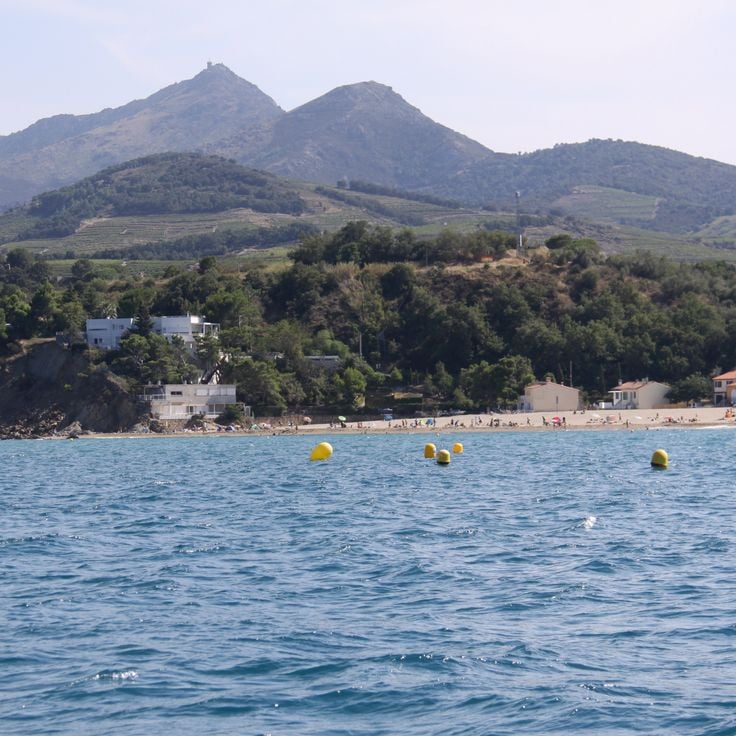
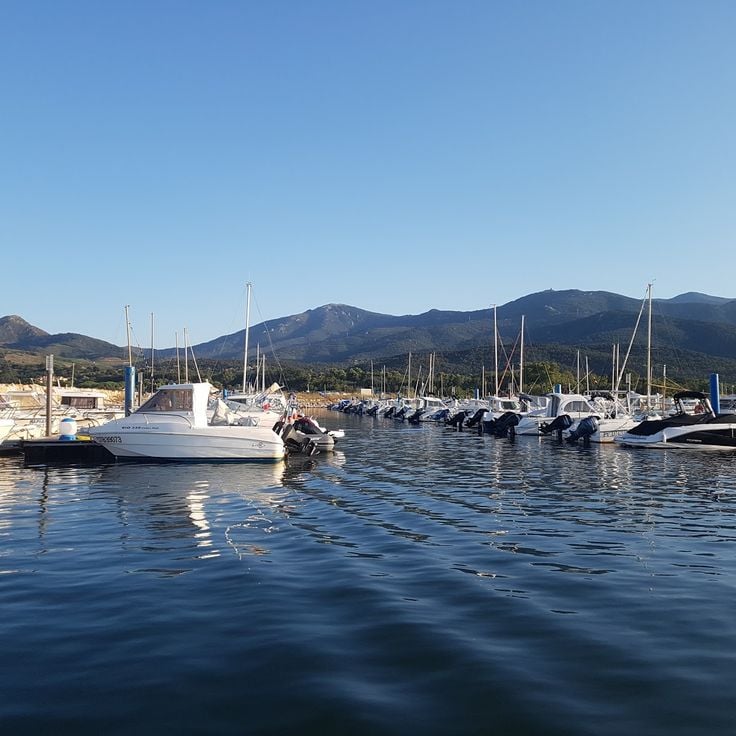
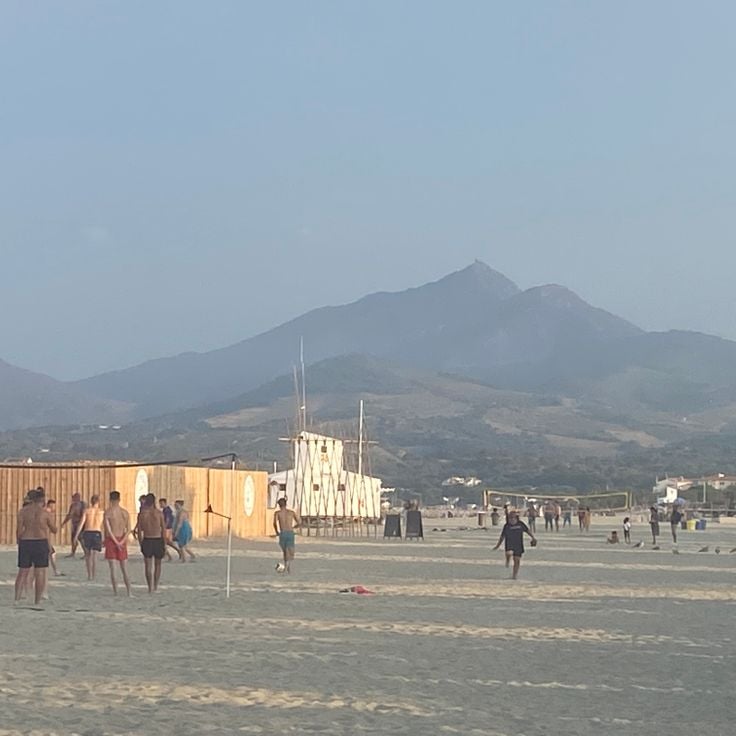
Argelès-sur-Mer sits wedged between the Mediterranean Sea and the Pyrenees Mountains, where you can move easily between beach days and exploring history. The town carries its past in several places: the Tour de la Massane, a watchtower built in the 1300s, rises high in the hills, while the Mémorial des Camps tells the story of Spanish refugees who came here during the Civil War. The Église Notre-Dame del Prat shows the local Catalan building style, and the Ermitage Notre-Dame de Vie, a small retreat on the hillside, gives you views out over the coastline. If you like walking by water, the Sentier du Littoral path takes you along rocky cliffs between Plage du Racou and Crique du Porteil, two spots where locals and visitors swim and snorkel.
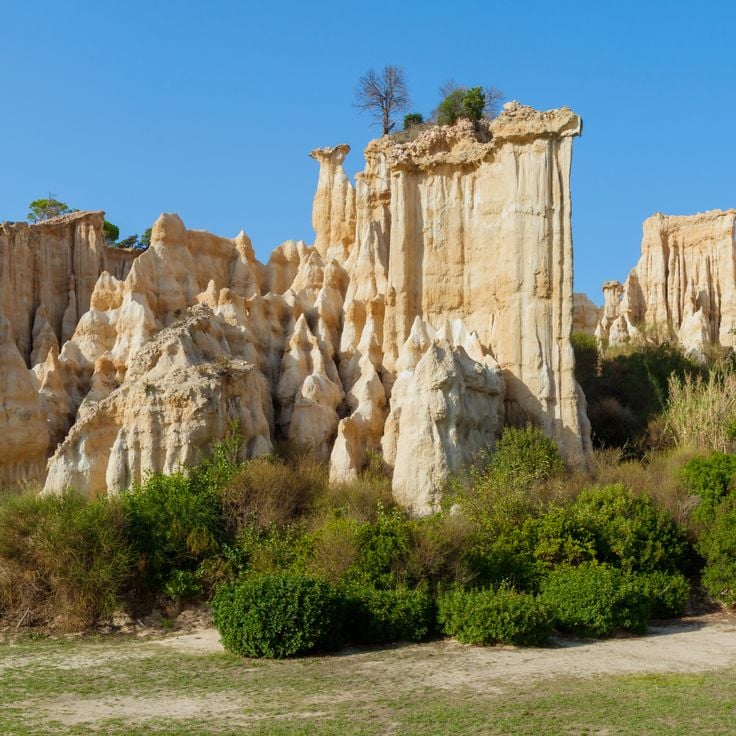
Beyond the town itself, the area protects several patches of land and sea. The Réserve Naturelle du Mas-Larrieu spreads across dunes and wetlands, while the Réserve Marine de Banyuls lets divers explore underwater life just offshore. Head inland and you find older traces of human life at the Musée de Tautavel, which displays tools and bones from prehistoric times. The Orgues d'Ille-sur-Têt shows something different: tall columns of pink clay carved out by water and wind over millions of years. Not far away in Thuir, the Caves Byrrh has been making wine in underground rooms since the 1870s, and you can taste what they produce. If you cross into Spain, the Musée Dalí in Figueres holds works by Salvador Dalí that show his surrealist vision. Back in Perpignan, the Palais des Rois de Majorque sits on a hilltop and reminds you of when this region belonged to the Kingdom of Majorca.
Argelès-sur-Mer sits wedged between the Mediterranean Sea and the Pyrenees Mountains, where you can move easily between beach days and exploring history. The town carries its past in several places: the Tour de la Massane, a watchtower built in the 1300s, rises high in the hills, while the Mémorial des Camps tells the story of Spanish refugees who came here during the Civil War. The Église Notre-Dame del Prat shows the local Catalan building style, and the Ermitage Notre-Dame de Vie, a small retreat on the hillside, gives you views out over the coastline. If you like walking by water, the Sentier du Littoral path takes you along rocky cliffs between Plage du Racou and Crique du Porteil, two spots where locals and visitors swim and snorkel.
Beyond the town itself, the area protects several patches of land and sea. The Réserve Naturelle du Mas-Larrieu spreads across dunes and wetlands, while the Réserve Marine de Banyuls lets divers explore underwater life just offshore. Head inland and you find older traces of human life at the Musée de Tautavel, which displays tools and bones from prehistoric times. The Orgues d'Ille-sur-Têt shows something different: tall columns of pink clay carved out by water and wind over millions of years. Not far away in Thuir, the Caves Byrrh has been making wine in underground rooms since the 1870s, and you can taste what they produce. If you cross into Spain, the Musée Dalí in Figueres holds works by Salvador Dalí that show his surrealist vision. Back in Perpignan, the Palais des Rois de Majorque sits on a hilltop and reminds you of when this region belonged to the Kingdom of Majorca.
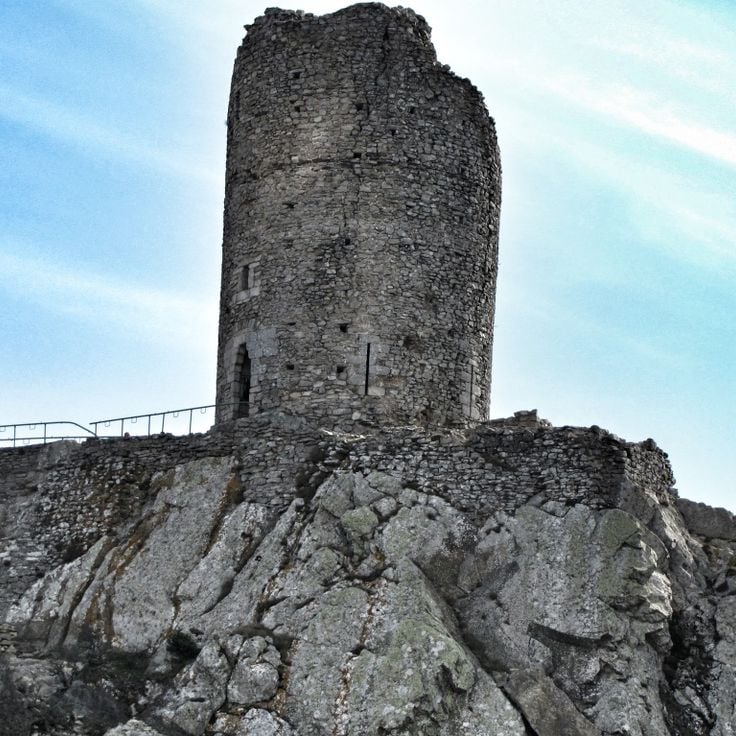
This 13th-century medieval fortification stands at 2,600 feet (793 meters) elevation in the Massane Nature Reserve and contributes to the historical heritage of Argelès-sur-Mer. The Tour de la Massane is accessible via hiking trails and provides insight into the region's military architecture during the Middle Ages. The ascent through the protected natural area combines a visit to the fortification with a hike through the Mediterranean mountain landscape of the Pyrenees.
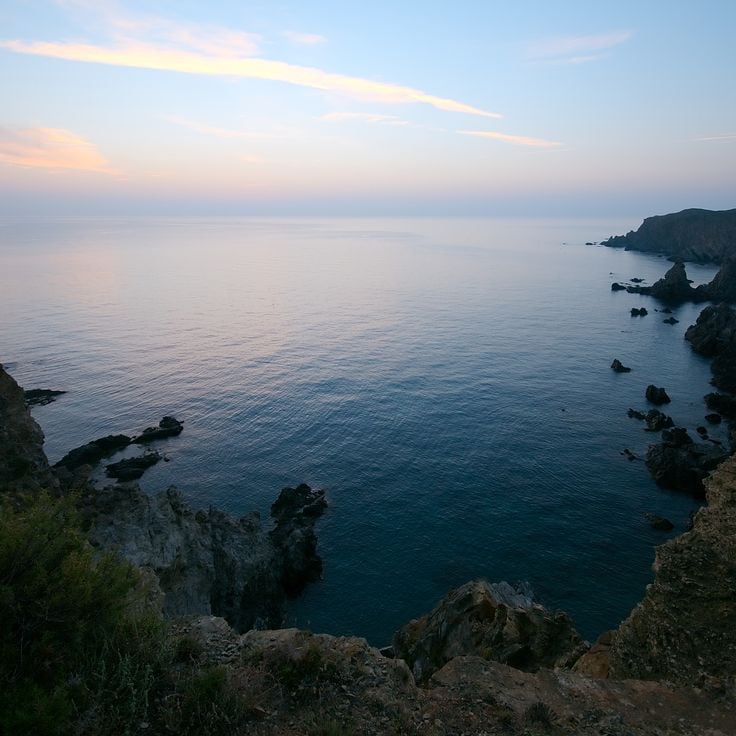
The Sentier du Littoral extends 5 miles (8 kilometers) along the Mediterranean coast, connecting sandy beaches with rocky coves. The path follows the natural shoreline and provides access to different beach sections and observation points for Mediterranean vegetation and bird species. The route passes through the protected coastal area and allows hikers to explore the geological formations of the rocky coast. The trail runs partly on paved sections, partly over natural paths through coastal vegetation.
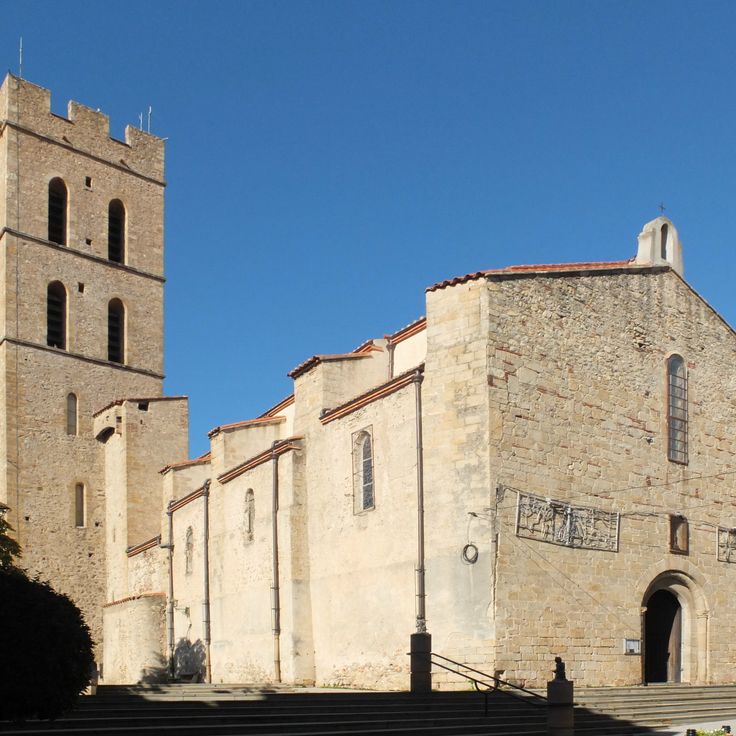
The Église Notre-Dame del Prat dates to the 14th century and stands in the historic center of Argelès-sur-Mer. The church displays wall paintings and carved wooden altarpieces that offer insight into the religious art of the region. The architecture combines Catalan and Romanesque elements, reflecting the area's history. Furnishings include several altarpieces and liturgical objects that have survived through the centuries. Its location in the old town makes the church a starting point for walks through the medieval quarter.
This fine-sand cove at the southern end of the coastal town retains its original character with colorful fishermen's houses lining the shore. Plage du Racou stretches 500 yards (450 meters) between the marina and the rocky foothills of the Albères range. The sheltered beach offers shallow water and remains less crowded than the northern beaches of Argelès even during peak season. Fishermen sell their daily catch directly from the shore in the mornings, while traditional houses with pastel-colored shutters create a Mediterranean village atmosphere. The cove suits families and swimmers who prefer calmer conditions.
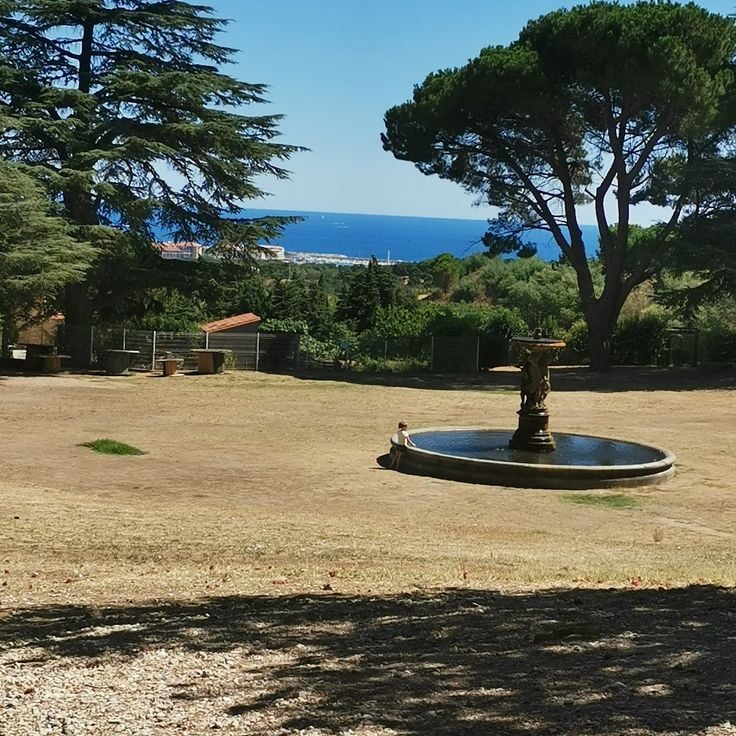
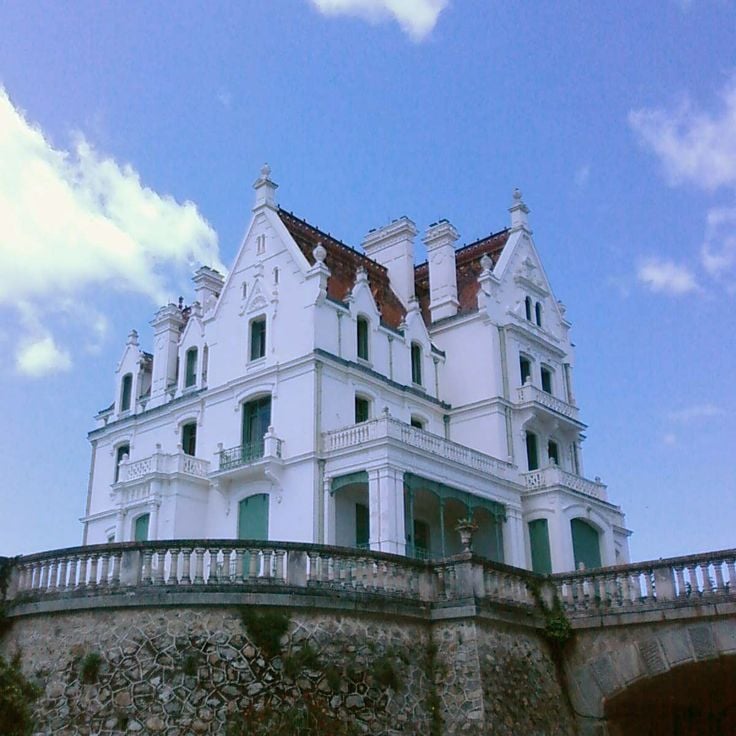
This park covers 5 acres around a 19th-century château and offers Mediterranean gardens, a playground and picnic tables. The grounds combine historic architecture with green spaces designed for walking and relaxing. Visitors find shaded areas under mature trees and maintained paths through the various garden sections. Parc de Valmy serves as a recreation area for families and sits just a few miles from the beaches of Argelès-sur-Mer.
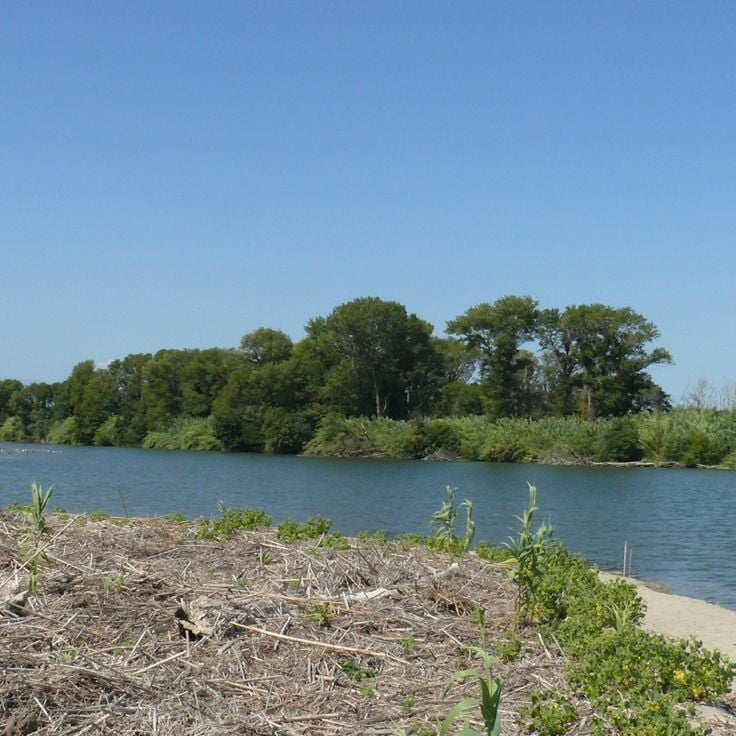
The Réserve Naturelle du Mas-Larrieu covers 145 hectares (358 acres) between the Mediterranean and inland plains, encompassing dunes, wetlands and the mouth of the Tech River. This protected area lies south of Argelès-sur-Mer and provides habitat for several dozen bird species, including herons, cormorants and waders during migration periods. Marked trails wind through different ecosystems, from beach to salt marshes to meadows with Mediterranean vegetation. The reserve serves as an important stopover for migratory birds traveling between Africa and northern Europe.
This interpretation center presents Romanesque sculptures and architectural elements from Roussillon, including a collection of capitals and carved stones from the 11th century. The Maison de l'Art Roman offers insight into the region's medieval art and complements visits to the nearby Abbey of Saint-André through detailed explanations of Romanesque construction techniques. The exhibition documents the artistic development of Catalan stonework and displays fragments from various religious buildings throughout Roussillon. The center serves as a starting point for understanding the Romanesque architecture that characterizes this area between the Mediterranean and the Pyrenees.
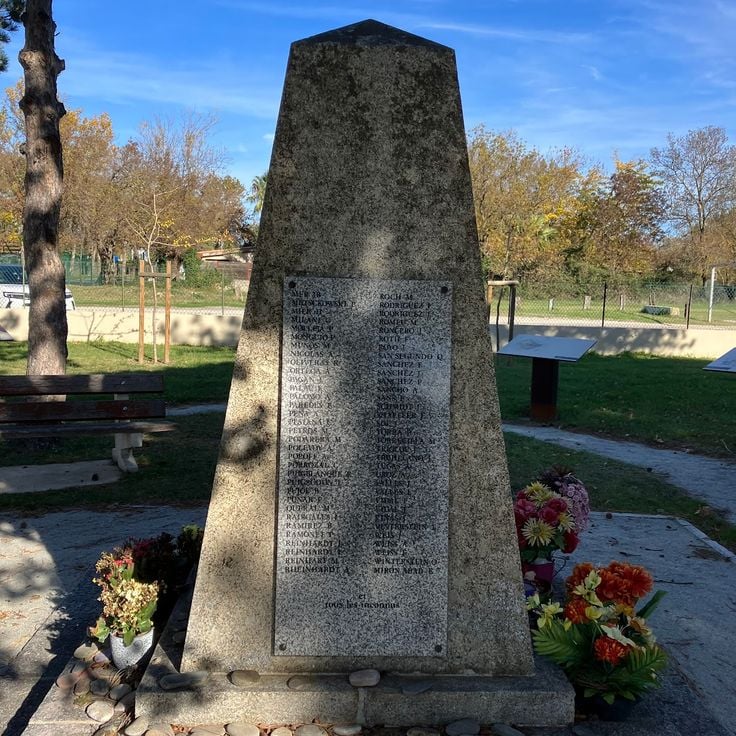
This documentation center focuses on the internment camps of 1939 and preserves the history of Spanish refugees who arrived in Argelès-sur-Mer following the Civil War. The exhibition presents photographs, original documents and witness testimonies that trace daily life in the temporary camps established along the beach. The Mémorial des Camps d'Argelès conveys through archival material and personal accounts a detailed picture of this difficult historical period and its humanitarian challenges for the Mediterranean coast.
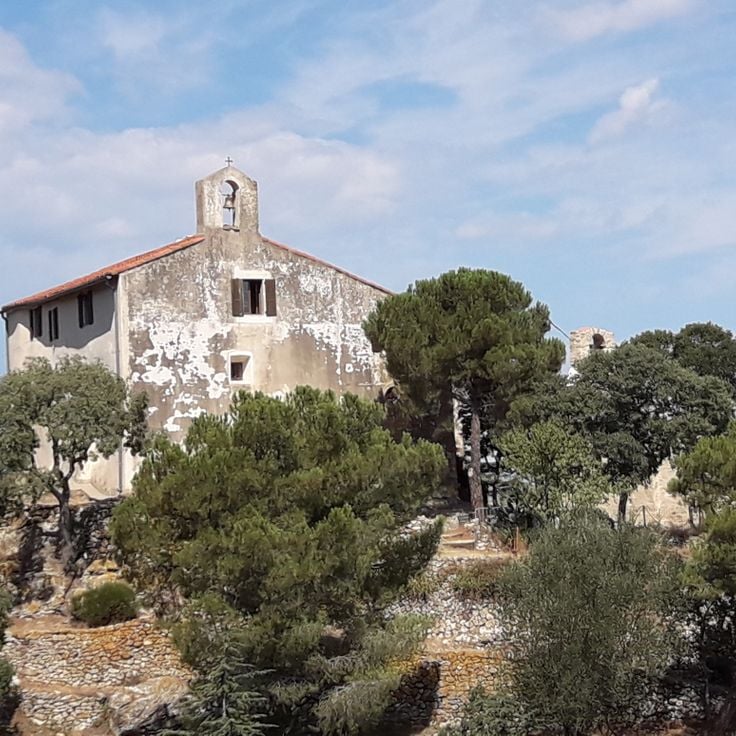
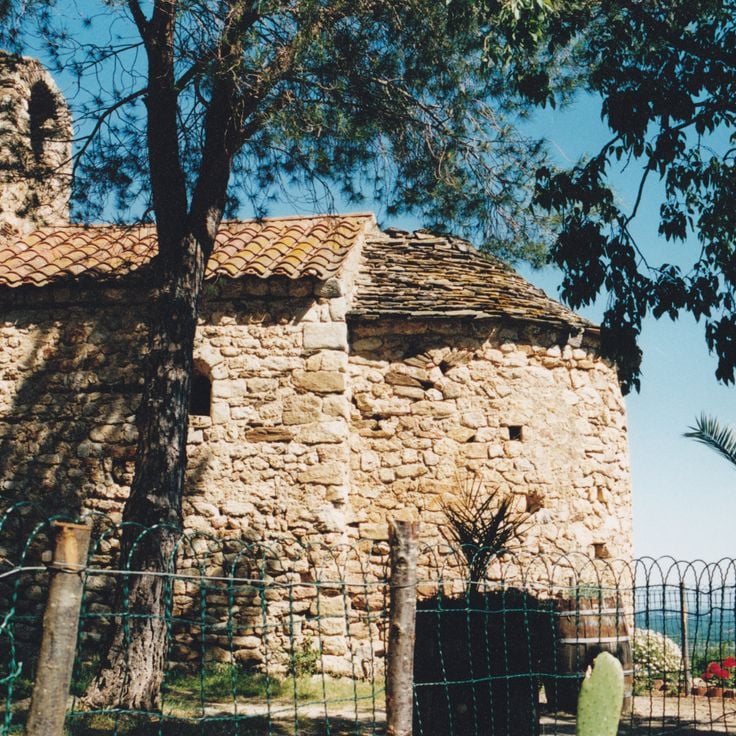
This hermitage from the 17th century sits on the heights above Argelès-sur-Mer, providing a vantage point over the Mediterranean coast and the Albères range. The small chapel adds to the region's religious heritage and belongs to a group of sacred buildings scattered across the area. Its elevated location offers views toward the sea and surrounding mountains. The hermitage is accessible by footpaths that connect with local trails through the hills. The structure itself preserves the simple architecture typical of rural chapels from that period.
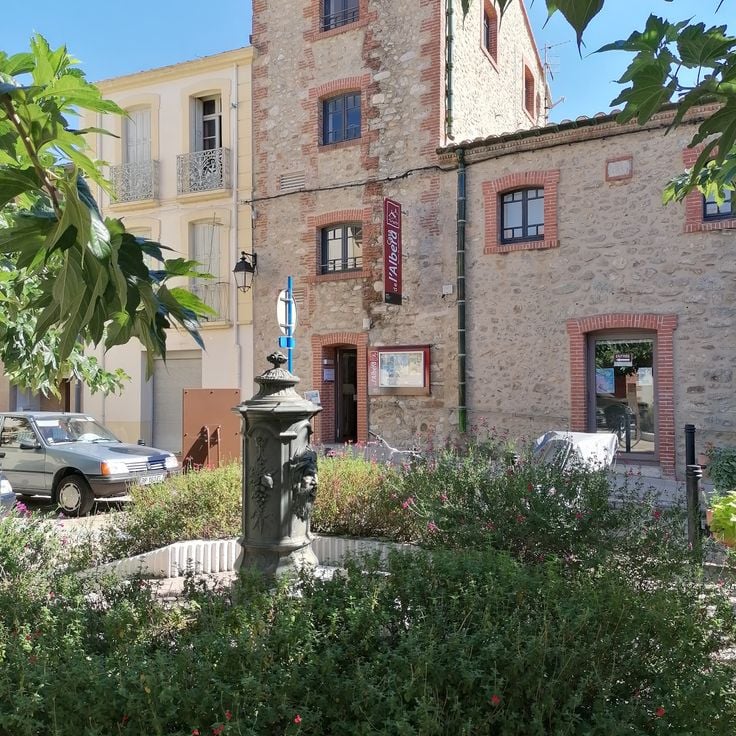
The Musée Casa de l'Albera documents the history of Catalan communities in the border region between France and Spain. The permanent collection displays agricultural tools, traditional handicrafts and household items from past centuries. Thematic rooms address the development of regional architecture, religious traditions and economic activities such as viticulture and cork processing. Rotating exhibitions explore specific aspects of local cultural history. The museum occupies a restored building in central Argelès-sur-Mer and provides access to additional information about the architectural characteristics of the region.
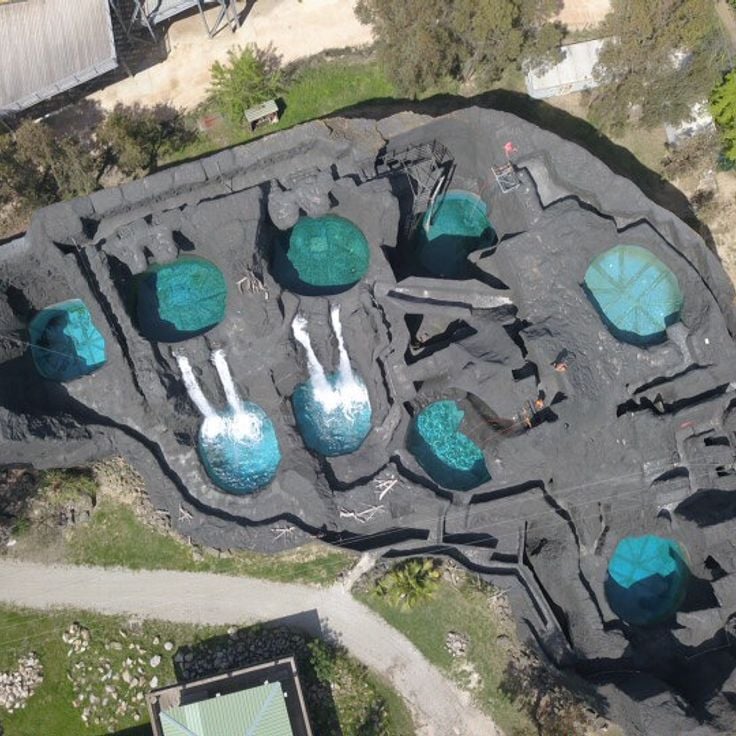
This water sports center in Argelès-sur-Mer features secured courses with artificial waterfalls and rappelling activities. The facility caters to different skill levels and allows visitors to practice canyoning techniques in a controlled environment. Participants can choose from several routes with varying difficulty grades, ranging from beginners to experienced practitioners. The park provides safety equipment and trained staff.
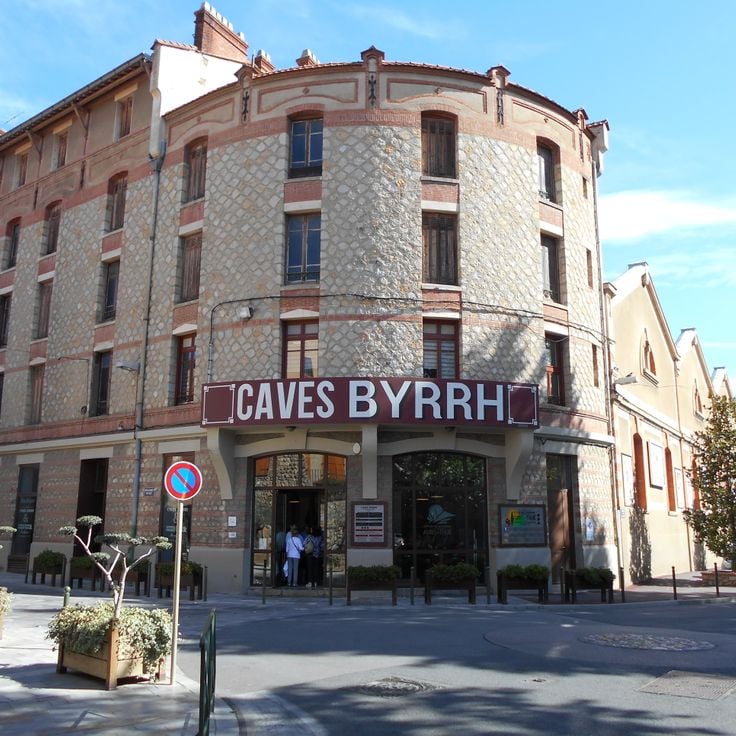
The Caves Byrrh are an industrial complex established in 1866 for the production of the aperitif wine. This facility houses an extraordinary oak cask with a capacity exceeding 264,000 gallons (one million liters), recognized as the largest of its kind worldwide. Guided tours explain the history of the brand and detail the production methods of the fortified wine that has been manufactured in the Pyrénées-Orientales region for over 150 years. The site displays the industrial architecture of the late 19th century and illustrates the economic importance this beverage held for the region.
This coastal promenade extends for 1.9 miles (3 kilometers) between beach and pine forests, connecting the port to the Racou neighborhood. The path provides benches for resting and play areas for children. The route runs parallel to the Mediterranean Sea and suits walking, cycling and jogging. The promenade allows direct access to several beach sections and dining establishments along the route.
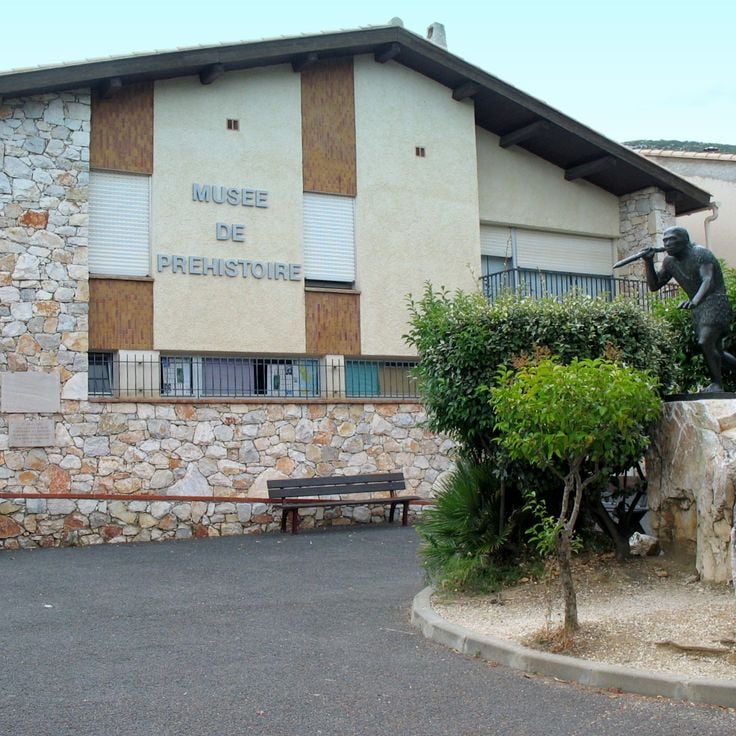
The Tautavel Museum documents archaeological finds from the region and presents the history of early human settlement in Europe. The exhibition focuses on discoveries from the nearby Caune de l'Arago cave, where the 450,000-year-old Tautavel Man was found in 1971. This museum displays reconstructed prehistoric habitats, stone tools, animal fossils and interactive exhibits on human evolution. Visitors gain insight into paleontological research methods and the way of life of early humans in the Mediterranean region during the Lower Paleolithic period.
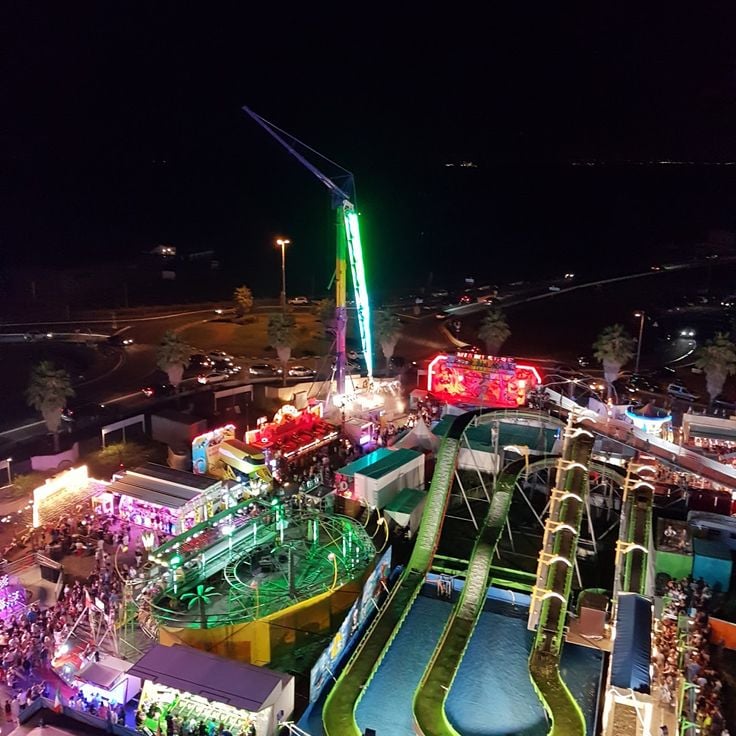
This amusement park offers classic attractions for families, including roller coasters, bumper cars, a Ferris wheel and carnival games. Luna Park Argeles complements the leisure options in Argelès-sur-Mer and primarily caters to visitors with children seeking entertainment after a day at the beach or touring medieval monuments. The facility is conveniently located near the town center.
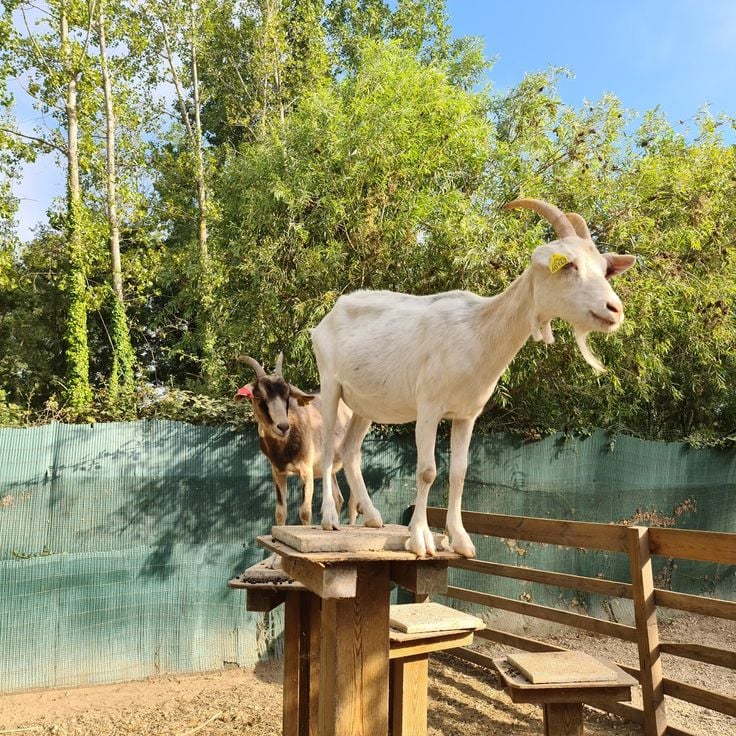
This educational farm welcomes visitors to meet and feed domestic animals including goats, sheep and rabbits. The Ferme de Découverte Saint-André offers hands-on activities for families, allowing children to interact directly with the animals and learn about farm life. Located near Argelès-sur-Mer, the facility complements the region's recreational offerings with an introduction to rural animal husbandry and agricultural practices.
The Drop-in Water Jump Park features ramps and pools designed for acrobatic jumps into water. Qualified instructors provide participants with technical guidance and safety briefings. The facility accommodates different skill levels, from beginners to advanced jumpers, and complements the water sports offerings along this Mediterranean coastline. The pools are configured to ensure safe landings after jumps from the ramps.
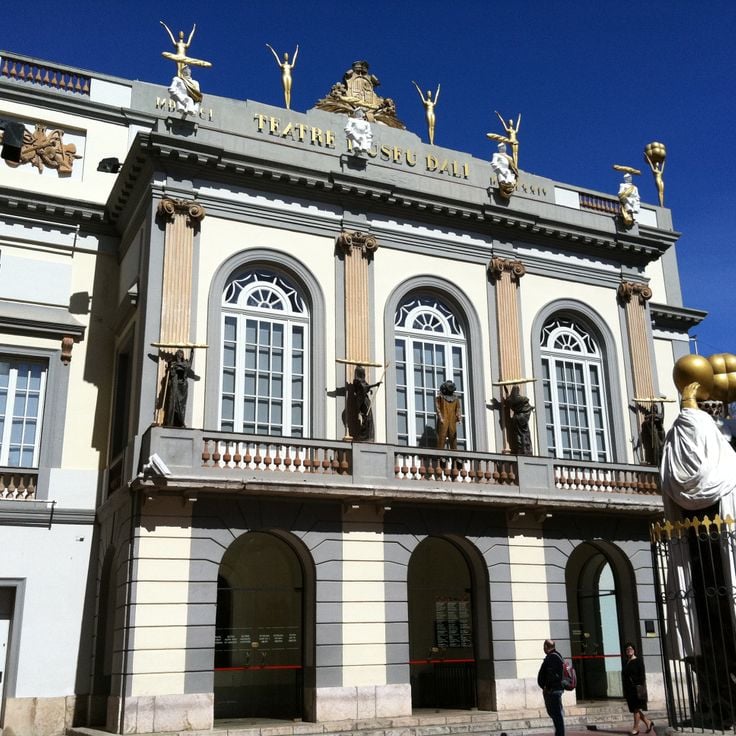
This museum displays an extensive collection of Salvador Dalí's works in a former theater redesigned by the artist himself. The exhibition includes paintings from different periods of his career, sculptures and experimental installations. Notable pieces feature examples from his surrealist phase as well as works from his later years. The building itself forms part of the artistic concept, with a distinctive dome and architectural details designed by Dalí.
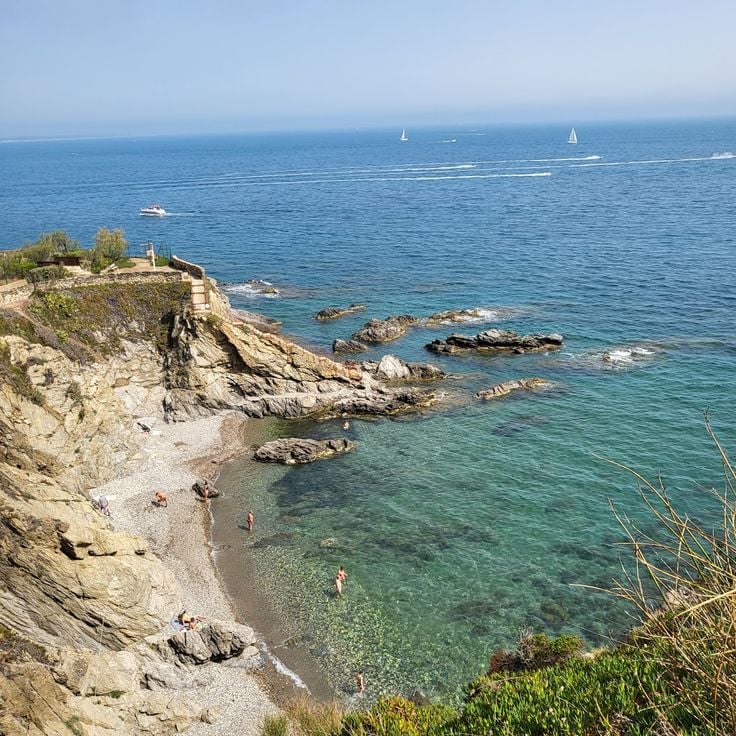
The Crique du Porteil combines a pebble beach with rocky sections and clear waters. This cove works for swimming and offers conditions for collecting marine life at low tide. The protected position keeps the cove sheltered from heavy surf and creates calm water conditions during summer months.
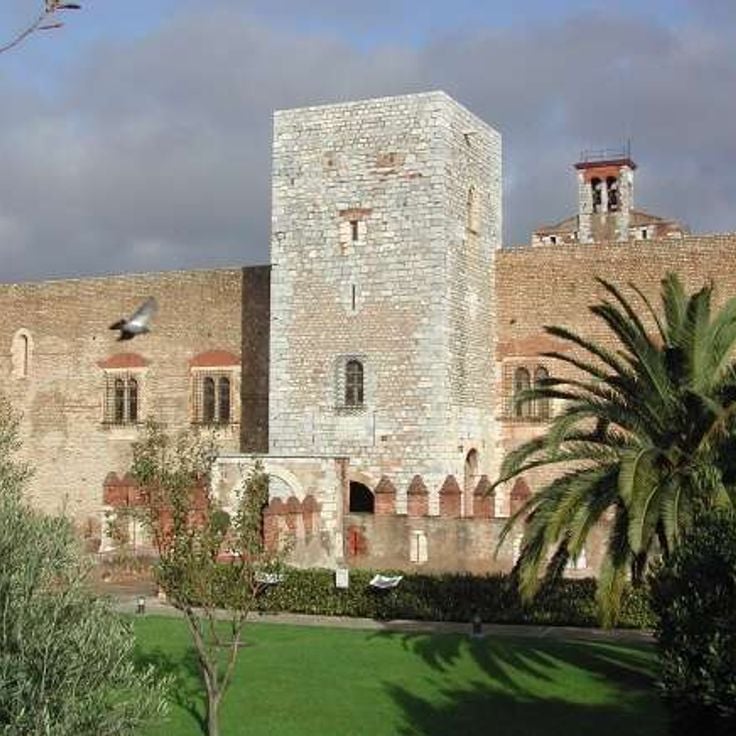
This 13th-century palace served as the royal residence of the Kingdom of Majorca and sits on a hilltop overlooking Perpignan. The complex includes watchtowers, a main courtyard, and two superimposed chapels with Gothic frescoes. The fortified walls of pink brick and preserved defensive structures document the military architecture of the era. Terraces provide views across the city and the surrounding Roussillon region. Located about 12 miles (20 kilometers) north of Argelès-sur-Mer, the palace adds to the historical attractions of the area.
Water Fly offers towed water activities off the coast of Argelès-sur-Mer, including parasailing flights above the Mediterranean and inflatable tubes for gliding across the waves. The outings depart from the beach and combine aerial experiences with towed water gliding. Reservations are made directly on site or through local operators, and equipment is provided. Sessions take place in favorable weather conditions and last between 15 and 30 minutes depending on the chosen activity.
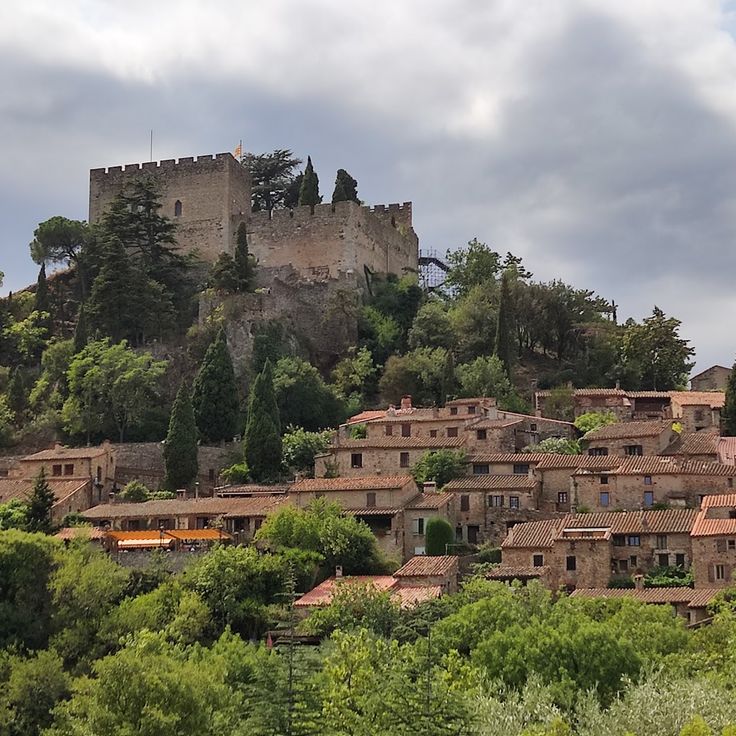
The Château de Castelnou is a tenth-century fortress perched on a hilltop above the village of the same name, roughly 12 miles (20 kilometers) southwest of Argelès-sur-Mer. This castle served for centuries as a defensive stronghold overlooking the Roussillon plain. Its fortifications include ramparts, watchtowers and walkways that provide insight into the medieval military architecture of the region. From the walls, views extend across the surrounding countryside to the peaks of the Pyrenees. The castle stands in one of the most attractive villages in France and adds another historical landmark to the cultural offerings around Argelès-sur-Mer.
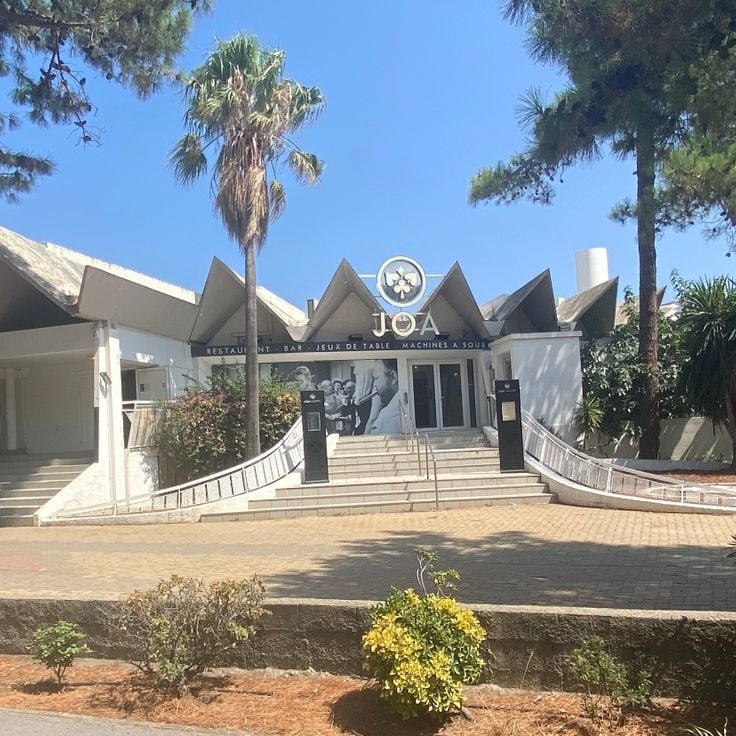
Casino JOA offers slot machines, traditional gaming tables, roulette and blackjack. This Argelès-sur-Mer casino includes a restaurant and bar on site. Located near the beachfront promenade, the casino adds gaming entertainment to the town's leisure options in a Mediterranean setting. Visitors will find a selection of table games and electronic gaming machines.
Crazy Jump is an outdoor playground in Argelès-sur-Mer featuring inflatable structures for children. The facility includes slides, obstacle courses and bounce areas that attract families with kids of various ages during summer months. Located near the beach, the park offers a weather-dependent leisure option away from the sea. Parents can supervise their children while playing, with shaded areas and seating available. The facility caters to elementary-age children and younger.
This 17th-century chapel stands on the heights above Argelès-sur-Mer and offers views toward the Mediterranean coast. The structure displays the regional architecture typical of the Catalan border area, with simple stone walls and a modest portal. From its elevated position, visitors can see the coastline and inland areas. Chapelle St Jérome is accessible via a walking trail and occasionally hosts local religious celebrations. Its location outside the town center makes it a destination for those interested in combining historic religious buildings with panoramic views.
The Orgues d'Ille-sur-Têt are geological formations consisting of vertical columns of sedimentary rock, shaped by erosion over several million years. Located approximately 17 miles (27 kilometers) northwest of Argelès-sur-Mer, these formations demonstrate the natural evolution of the region through the action of wind and water on clay and sandy deposits. A maintained trail guides visitors through the site, allowing close observation of the differently shaped columns. This site forms part of the natural landscape of Roussillon and complements the range of natural spaces available around Argelès-sur-Mer.
This 650-acre marine protected area extends along the coast of Banyuls-sur-Mer and allows visitors to explore Mediterranean underwater life through a marked trail. The reserve supports numerous fish species, seagrass meadows and rock formations suitable for snorkeling and diving. Located about 7 miles (12 kilometers) south of Argelès-sur-Mer, the reserve adds a significant marine dimension to the region's natural sites. Information panels explain the ecological importance of the protected zone and provide practical guidance for visitors.
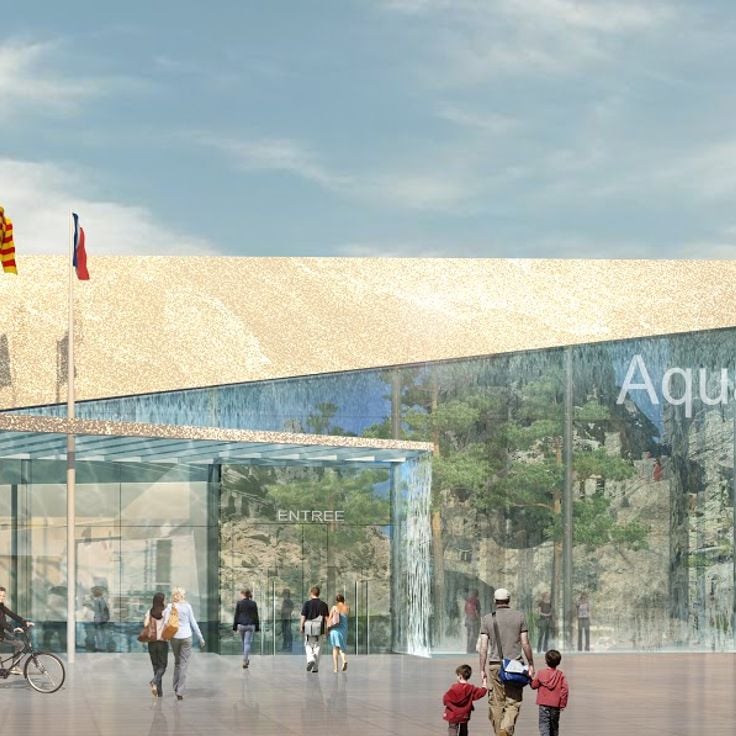
Oniria in Canet-en-Roussillon houses over 3000 fish and marine invertebrates in 30 themed tanks. The aquarium displays Mediterranean and tropical species, providing visitors with insight into various marine ecosystems. The facility sits approximately 9 miles (15 kilometers) north of Argelès-sur-Mer and complements the region's recreational offerings with an educational focus on underwater life. The presentation combines observation with information on marine biology and suits families with children as well as those interested in aquatic fauna. The center operates year round and offers a weather independent alternative to beach activities.
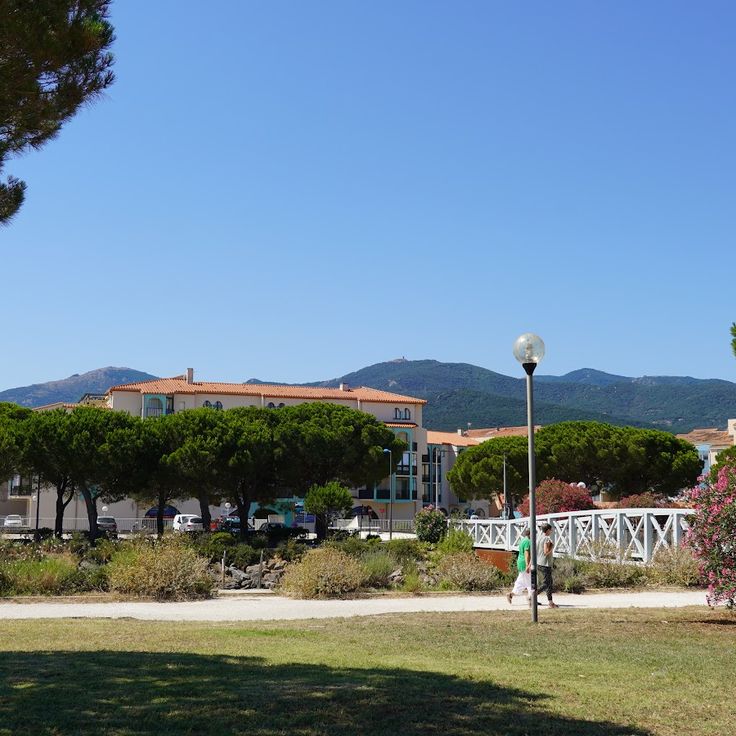
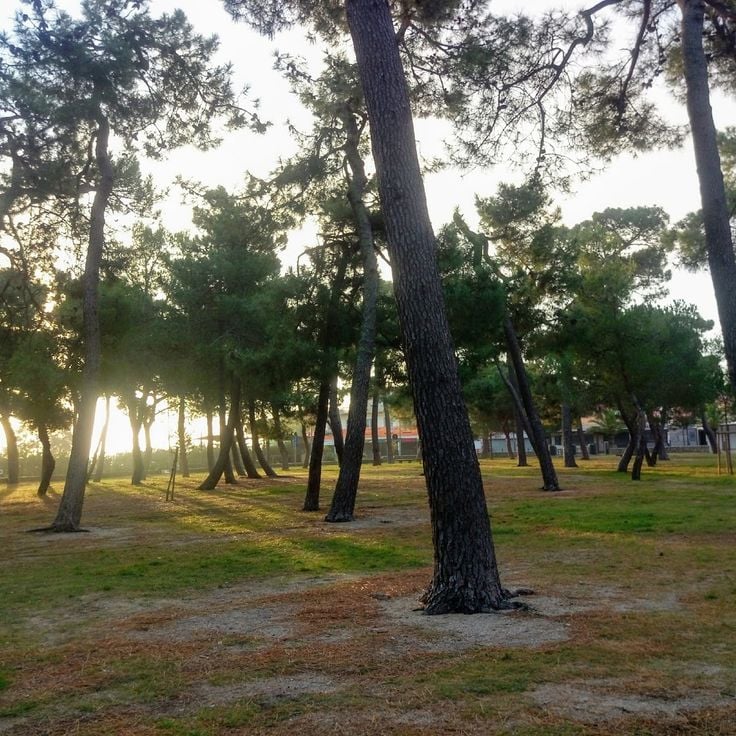
This public garden sits in the center of Argelès-sur-Mer and provides shade beneath tall Mediterranean pines. The Parc des Pins features play areas for children and benches along the paths that allow for a break during the day. The green space serves as a central gathering point for residents and visitors, offering a brief respite between the beach and the historic town center.
This estate produces AOC wines from Collioure and Banyuls, adding to the cultural offerings of Argelès-sur-Mer with insights into local winemaking traditions. The cellar guides visitors through the production facilities, explaining regional specificities from grape varieties to aging methods. Tasting sessions allow sampling of different vintages and comparison of the characteristic profiles of both appellations. The property sits among vineyards with views over the Mediterranean landscape that shapes these wines.
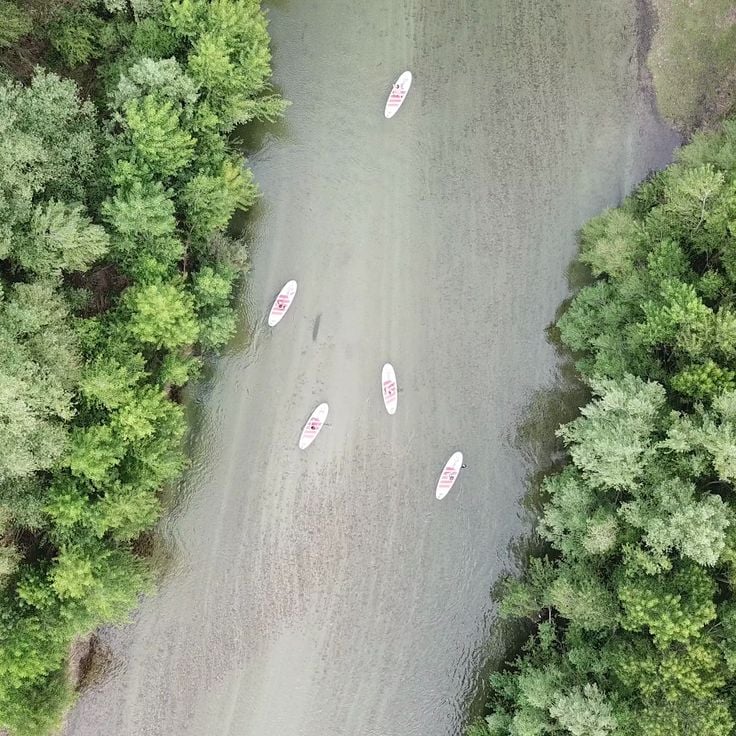
River Side Paddle rents stand-up paddleboards for trips along the Tech River. The route follows the riverbed and wooded banks, where paddlers observe the river landscape and native vegetation. The Tech flows from the Pyrenees to the Mediterranean coast and offers calm water for beginners as well as sections with light currents for more experienced users. This rental service organizes guided tours and provides life jackets and waterproof containers.
This 13th-century medieval fortification stands at 2,600 feet (793 meters) elevation in the Massane Nature Reserve and contributes to the historical heritage of Argelès-sur-Mer. The Tour de la Massane is accessible via hiking trails and provides insight into the region's military architecture during the Middle Ages. The ascent through the protected natural area combines a visit to the fortification with a hike through the Mediterranean mountain landscape of the Pyrenees.
The Sentier du Littoral extends 5 miles (8 kilometers) along the Mediterranean coast, connecting sandy beaches with rocky coves. The path follows the natural shoreline and provides access to different beach sections and observation points for Mediterranean vegetation and bird species. The route passes through the protected coastal area and allows hikers to explore the geological formations of the rocky coast. The trail runs partly on paved sections, partly over natural paths through coastal vegetation.
The Église Notre-Dame del Prat dates to the 14th century and stands in the historic center of Argelès-sur-Mer. The church displays wall paintings and carved wooden altarpieces that offer insight into the religious art of the region. The architecture combines Catalan and Romanesque elements, reflecting the area's history. Furnishings include several altarpieces and liturgical objects that have survived through the centuries. Its location in the old town makes the church a starting point for walks through the medieval quarter.
This fine-sand cove at the southern end of the coastal town retains its original character with colorful fishermen's houses lining the shore. Plage du Racou stretches 500 yards (450 meters) between the marina and the rocky foothills of the Albères range. The sheltered beach offers shallow water and remains less crowded than the northern beaches of Argelès even during peak season. Fishermen sell their daily catch directly from the shore in the mornings, while traditional houses with pastel-colored shutters create a Mediterranean village atmosphere. The cove suits families and swimmers who prefer calmer conditions.
This park covers 5 acres around a 19th-century château and offers Mediterranean gardens, a playground and picnic tables. The grounds combine historic architecture with green spaces designed for walking and relaxing. Visitors find shaded areas under mature trees and maintained paths through the various garden sections. Parc de Valmy serves as a recreation area for families and sits just a few miles from the beaches of Argelès-sur-Mer.
The Réserve Naturelle du Mas-Larrieu covers 145 hectares (358 acres) between the Mediterranean and inland plains, encompassing dunes, wetlands and the mouth of the Tech River. This protected area lies south of Argelès-sur-Mer and provides habitat for several dozen bird species, including herons, cormorants and waders during migration periods. Marked trails wind through different ecosystems, from beach to salt marshes to meadows with Mediterranean vegetation. The reserve serves as an important stopover for migratory birds traveling between Africa and northern Europe.
This interpretation center presents Romanesque sculptures and architectural elements from Roussillon, including a collection of capitals and carved stones from the 11th century. The Maison de l'Art Roman offers insight into the region's medieval art and complements visits to the nearby Abbey of Saint-André through detailed explanations of Romanesque construction techniques. The exhibition documents the artistic development of Catalan stonework and displays fragments from various religious buildings throughout Roussillon. The center serves as a starting point for understanding the Romanesque architecture that characterizes this area between the Mediterranean and the Pyrenees.
This documentation center focuses on the internment camps of 1939 and preserves the history of Spanish refugees who arrived in Argelès-sur-Mer following the Civil War. The exhibition presents photographs, original documents and witness testimonies that trace daily life in the temporary camps established along the beach. The Mémorial des Camps d'Argelès conveys through archival material and personal accounts a detailed picture of this difficult historical period and its humanitarian challenges for the Mediterranean coast.
This hermitage from the 17th century sits on the heights above Argelès-sur-Mer, providing a vantage point over the Mediterranean coast and the Albères range. The small chapel adds to the region's religious heritage and belongs to a group of sacred buildings scattered across the area. Its elevated location offers views toward the sea and surrounding mountains. The hermitage is accessible by footpaths that connect with local trails through the hills. The structure itself preserves the simple architecture typical of rural chapels from that period.
The Musée Casa de l'Albera documents the history of Catalan communities in the border region between France and Spain. The permanent collection displays agricultural tools, traditional handicrafts and household items from past centuries. Thematic rooms address the development of regional architecture, religious traditions and economic activities such as viticulture and cork processing. Rotating exhibitions explore specific aspects of local cultural history. The museum occupies a restored building in central Argelès-sur-Mer and provides access to additional information about the architectural characteristics of the region.
This water sports center in Argelès-sur-Mer features secured courses with artificial waterfalls and rappelling activities. The facility caters to different skill levels and allows visitors to practice canyoning techniques in a controlled environment. Participants can choose from several routes with varying difficulty grades, ranging from beginners to experienced practitioners. The park provides safety equipment and trained staff.
The Caves Byrrh are an industrial complex established in 1866 for the production of the aperitif wine. This facility houses an extraordinary oak cask with a capacity exceeding 264,000 gallons (one million liters), recognized as the largest of its kind worldwide. Guided tours explain the history of the brand and detail the production methods of the fortified wine that has been manufactured in the Pyrénées-Orientales region for over 150 years. The site displays the industrial architecture of the late 19th century and illustrates the economic importance this beverage held for the region.
This coastal promenade extends for 1.9 miles (3 kilometers) between beach and pine forests, connecting the port to the Racou neighborhood. The path provides benches for resting and play areas for children. The route runs parallel to the Mediterranean Sea and suits walking, cycling and jogging. The promenade allows direct access to several beach sections and dining establishments along the route.
The Tautavel Museum documents archaeological finds from the region and presents the history of early human settlement in Europe. The exhibition focuses on discoveries from the nearby Caune de l'Arago cave, where the 450,000-year-old Tautavel Man was found in 1971. This museum displays reconstructed prehistoric habitats, stone tools, animal fossils and interactive exhibits on human evolution. Visitors gain insight into paleontological research methods and the way of life of early humans in the Mediterranean region during the Lower Paleolithic period.
This amusement park offers classic attractions for families, including roller coasters, bumper cars, a Ferris wheel and carnival games. Luna Park Argeles complements the leisure options in Argelès-sur-Mer and primarily caters to visitors with children seeking entertainment after a day at the beach or touring medieval monuments. The facility is conveniently located near the town center.
This educational farm welcomes visitors to meet and feed domestic animals including goats, sheep and rabbits. The Ferme de Découverte Saint-André offers hands-on activities for families, allowing children to interact directly with the animals and learn about farm life. Located near Argelès-sur-Mer, the facility complements the region's recreational offerings with an introduction to rural animal husbandry and agricultural practices.
The Drop-in Water Jump Park features ramps and pools designed for acrobatic jumps into water. Qualified instructors provide participants with technical guidance and safety briefings. The facility accommodates different skill levels, from beginners to advanced jumpers, and complements the water sports offerings along this Mediterranean coastline. The pools are configured to ensure safe landings after jumps from the ramps.
This museum displays an extensive collection of Salvador Dalí's works in a former theater redesigned by the artist himself. The exhibition includes paintings from different periods of his career, sculptures and experimental installations. Notable pieces feature examples from his surrealist phase as well as works from his later years. The building itself forms part of the artistic concept, with a distinctive dome and architectural details designed by Dalí.
The Crique du Porteil combines a pebble beach with rocky sections and clear waters. This cove works for swimming and offers conditions for collecting marine life at low tide. The protected position keeps the cove sheltered from heavy surf and creates calm water conditions during summer months.
This 13th-century palace served as the royal residence of the Kingdom of Majorca and sits on a hilltop overlooking Perpignan. The complex includes watchtowers, a main courtyard, and two superimposed chapels with Gothic frescoes. The fortified walls of pink brick and preserved defensive structures document the military architecture of the era. Terraces provide views across the city and the surrounding Roussillon region. Located about 12 miles (20 kilometers) north of Argelès-sur-Mer, the palace adds to the historical attractions of the area.
Water Fly offers towed water activities off the coast of Argelès-sur-Mer, including parasailing flights above the Mediterranean and inflatable tubes for gliding across the waves. The outings depart from the beach and combine aerial experiences with towed water gliding. Reservations are made directly on site or through local operators, and equipment is provided. Sessions take place in favorable weather conditions and last between 15 and 30 minutes depending on the chosen activity.
The Château de Castelnou is a tenth-century fortress perched on a hilltop above the village of the same name, roughly 12 miles (20 kilometers) southwest of Argelès-sur-Mer. This castle served for centuries as a defensive stronghold overlooking the Roussillon plain. Its fortifications include ramparts, watchtowers and walkways that provide insight into the medieval military architecture of the region. From the walls, views extend across the surrounding countryside to the peaks of the Pyrenees. The castle stands in one of the most attractive villages in France and adds another historical landmark to the cultural offerings around Argelès-sur-Mer.
Casino JOA offers slot machines, traditional gaming tables, roulette and blackjack. This Argelès-sur-Mer casino includes a restaurant and bar on site. Located near the beachfront promenade, the casino adds gaming entertainment to the town's leisure options in a Mediterranean setting. Visitors will find a selection of table games and electronic gaming machines.
Crazy Jump is an outdoor playground in Argelès-sur-Mer featuring inflatable structures for children. The facility includes slides, obstacle courses and bounce areas that attract families with kids of various ages during summer months. Located near the beach, the park offers a weather-dependent leisure option away from the sea. Parents can supervise their children while playing, with shaded areas and seating available. The facility caters to elementary-age children and younger.
This 17th-century chapel stands on the heights above Argelès-sur-Mer and offers views toward the Mediterranean coast. The structure displays the regional architecture typical of the Catalan border area, with simple stone walls and a modest portal. From its elevated position, visitors can see the coastline and inland areas. Chapelle St Jérome is accessible via a walking trail and occasionally hosts local religious celebrations. Its location outside the town center makes it a destination for those interested in combining historic religious buildings with panoramic views.
The Orgues d'Ille-sur-Têt are geological formations consisting of vertical columns of sedimentary rock, shaped by erosion over several million years. Located approximately 17 miles (27 kilometers) northwest of Argelès-sur-Mer, these formations demonstrate the natural evolution of the region through the action of wind and water on clay and sandy deposits. A maintained trail guides visitors through the site, allowing close observation of the differently shaped columns. This site forms part of the natural landscape of Roussillon and complements the range of natural spaces available around Argelès-sur-Mer.
This 650-acre marine protected area extends along the coast of Banyuls-sur-Mer and allows visitors to explore Mediterranean underwater life through a marked trail. The reserve supports numerous fish species, seagrass meadows and rock formations suitable for snorkeling and diving. Located about 7 miles (12 kilometers) south of Argelès-sur-Mer, the reserve adds a significant marine dimension to the region's natural sites. Information panels explain the ecological importance of the protected zone and provide practical guidance for visitors.
Oniria in Canet-en-Roussillon houses over 3000 fish and marine invertebrates in 30 themed tanks. The aquarium displays Mediterranean and tropical species, providing visitors with insight into various marine ecosystems. The facility sits approximately 9 miles (15 kilometers) north of Argelès-sur-Mer and complements the region's recreational offerings with an educational focus on underwater life. The presentation combines observation with information on marine biology and suits families with children as well as those interested in aquatic fauna. The center operates year round and offers a weather independent alternative to beach activities.
This public garden sits in the center of Argelès-sur-Mer and provides shade beneath tall Mediterranean pines. The Parc des Pins features play areas for children and benches along the paths that allow for a break during the day. The green space serves as a central gathering point for residents and visitors, offering a brief respite between the beach and the historic town center.
This estate produces AOC wines from Collioure and Banyuls, adding to the cultural offerings of Argelès-sur-Mer with insights into local winemaking traditions. The cellar guides visitors through the production facilities, explaining regional specificities from grape varieties to aging methods. Tasting sessions allow sampling of different vintages and comparison of the characteristic profiles of both appellations. The property sits among vineyards with views over the Mediterranean landscape that shapes these wines.
River Side Paddle rents stand-up paddleboards for trips along the Tech River. The route follows the riverbed and wooded banks, where paddlers observe the river landscape and native vegetation. The Tech flows from the Pyrenees to the Mediterranean coast and offers calm water for beginners as well as sections with light currents for more experienced users. This rental service organizes guided tours and provides life jackets and waterproof containers.
This 13th-century medieval fortification stands at 2,600 feet (793 meters) elevation in the Massane Nature Reserve and contributes to the historical heritage of Argelès-sur-Mer. The Tour de la Massane is accessible via hiking trails and provides insight into the region's military architecture during the Middle Ages. The ascent through the protected natural area combines a visit to the fortification with a hike through the Mediterranean mountain landscape of the Pyrenees.
The Sentier du Littoral extends 5 miles (8 kilometers) along the Mediterranean coast, connecting sandy beaches with rocky coves. The path follows the natural shoreline and provides access to different beach sections and observation points for Mediterranean vegetation and bird species. The route passes through the protected coastal area and allows hikers to explore the geological formations of the rocky coast. The trail runs partly on paved sections, partly over natural paths through coastal vegetation.
The Église Notre-Dame del Prat dates to the 14th century and stands in the historic center of Argelès-sur-Mer. The church displays wall paintings and carved wooden altarpieces that offer insight into the religious art of the region. The architecture combines Catalan and Romanesque elements, reflecting the area's history. Furnishings include several altarpieces and liturgical objects that have survived through the centuries. Its location in the old town makes the church a starting point for walks through the medieval quarter.
This fine-sand cove at the southern end of the coastal town retains its original character with colorful fishermen's houses lining the shore. Plage du Racou stretches 500 yards (450 meters) between the marina and the rocky foothills of the Albères range. The sheltered beach offers shallow water and remains less crowded than the northern beaches of Argelès even during peak season. Fishermen sell their daily catch directly from the shore in the mornings, while traditional houses with pastel-colored shutters create a Mediterranean village atmosphere. The cove suits families and swimmers who prefer calmer conditions.
This park covers 5 acres around a 19th-century château and offers Mediterranean gardens, a playground and picnic tables. The grounds combine historic architecture with green spaces designed for walking and relaxing. Visitors find shaded areas under mature trees and maintained paths through the various garden sections. Parc de Valmy serves as a recreation area for families and sits just a few miles from the beaches of Argelès-sur-Mer.
The Réserve Naturelle du Mas-Larrieu covers 145 hectares (358 acres) between the Mediterranean and inland plains, encompassing dunes, wetlands and the mouth of the Tech River. This protected area lies south of Argelès-sur-Mer and provides habitat for several dozen bird species, including herons, cormorants and waders during migration periods. Marked trails wind through different ecosystems, from beach to salt marshes to meadows with Mediterranean vegetation. The reserve serves as an important stopover for migratory birds traveling between Africa and northern Europe.
This interpretation center presents Romanesque sculptures and architectural elements from Roussillon, including a collection of capitals and carved stones from the 11th century. The Maison de l'Art Roman offers insight into the region's medieval art and complements visits to the nearby Abbey of Saint-André through detailed explanations of Romanesque construction techniques. The exhibition documents the artistic development of Catalan stonework and displays fragments from various religious buildings throughout Roussillon. The center serves as a starting point for understanding the Romanesque architecture that characterizes this area between the Mediterranean and the Pyrenees.
This documentation center focuses on the internment camps of 1939 and preserves the history of Spanish refugees who arrived in Argelès-sur-Mer following the Civil War. The exhibition presents photographs, original documents and witness testimonies that trace daily life in the temporary camps established along the beach. The Mémorial des Camps d'Argelès conveys through archival material and personal accounts a detailed picture of this difficult historical period and its humanitarian challenges for the Mediterranean coast.
This hermitage from the 17th century sits on the heights above Argelès-sur-Mer, providing a vantage point over the Mediterranean coast and the Albères range. The small chapel adds to the region's religious heritage and belongs to a group of sacred buildings scattered across the area. Its elevated location offers views toward the sea and surrounding mountains. The hermitage is accessible by footpaths that connect with local trails through the hills. The structure itself preserves the simple architecture typical of rural chapels from that period.
The Musée Casa de l'Albera documents the history of Catalan communities in the border region between France and Spain. The permanent collection displays agricultural tools, traditional handicrafts and household items from past centuries. Thematic rooms address the development of regional architecture, religious traditions and economic activities such as viticulture and cork processing. Rotating exhibitions explore specific aspects of local cultural history. The museum occupies a restored building in central Argelès-sur-Mer and provides access to additional information about the architectural characteristics of the region.
This water sports center in Argelès-sur-Mer features secured courses with artificial waterfalls and rappelling activities. The facility caters to different skill levels and allows visitors to practice canyoning techniques in a controlled environment. Participants can choose from several routes with varying difficulty grades, ranging from beginners to experienced practitioners. The park provides safety equipment and trained staff.
The Caves Byrrh are an industrial complex established in 1866 for the production of the aperitif wine. This facility houses an extraordinary oak cask with a capacity exceeding 264,000 gallons (one million liters), recognized as the largest of its kind worldwide. Guided tours explain the history of the brand and detail the production methods of the fortified wine that has been manufactured in the Pyrénées-Orientales region for over 150 years. The site displays the industrial architecture of the late 19th century and illustrates the economic importance this beverage held for the region.
This coastal promenade extends for 1.9 miles (3 kilometers) between beach and pine forests, connecting the port to the Racou neighborhood. The path provides benches for resting and play areas for children. The route runs parallel to the Mediterranean Sea and suits walking, cycling and jogging. The promenade allows direct access to several beach sections and dining establishments along the route.
The Tautavel Museum documents archaeological finds from the region and presents the history of early human settlement in Europe. The exhibition focuses on discoveries from the nearby Caune de l'Arago cave, where the 450,000-year-old Tautavel Man was found in 1971. This museum displays reconstructed prehistoric habitats, stone tools, animal fossils and interactive exhibits on human evolution. Visitors gain insight into paleontological research methods and the way of life of early humans in the Mediterranean region during the Lower Paleolithic period.
This amusement park offers classic attractions for families, including roller coasters, bumper cars, a Ferris wheel and carnival games. Luna Park Argeles complements the leisure options in Argelès-sur-Mer and primarily caters to visitors with children seeking entertainment after a day at the beach or touring medieval monuments. The facility is conveniently located near the town center.
This educational farm welcomes visitors to meet and feed domestic animals including goats, sheep and rabbits. The Ferme de Découverte Saint-André offers hands-on activities for families, allowing children to interact directly with the animals and learn about farm life. Located near Argelès-sur-Mer, the facility complements the region's recreational offerings with an introduction to rural animal husbandry and agricultural practices.
The Drop-in Water Jump Park features ramps and pools designed for acrobatic jumps into water. Qualified instructors provide participants with technical guidance and safety briefings. The facility accommodates different skill levels, from beginners to advanced jumpers, and complements the water sports offerings along this Mediterranean coastline. The pools are configured to ensure safe landings after jumps from the ramps.
This museum displays an extensive collection of Salvador Dalí's works in a former theater redesigned by the artist himself. The exhibition includes paintings from different periods of his career, sculptures and experimental installations. Notable pieces feature examples from his surrealist phase as well as works from his later years. The building itself forms part of the artistic concept, with a distinctive dome and architectural details designed by Dalí.
The Crique du Porteil combines a pebble beach with rocky sections and clear waters. This cove works for swimming and offers conditions for collecting marine life at low tide. The protected position keeps the cove sheltered from heavy surf and creates calm water conditions during summer months.
This 13th-century palace served as the royal residence of the Kingdom of Majorca and sits on a hilltop overlooking Perpignan. The complex includes watchtowers, a main courtyard, and two superimposed chapels with Gothic frescoes. The fortified walls of pink brick and preserved defensive structures document the military architecture of the era. Terraces provide views across the city and the surrounding Roussillon region. Located about 12 miles (20 kilometers) north of Argelès-sur-Mer, the palace adds to the historical attractions of the area.
Water Fly offers towed water activities off the coast of Argelès-sur-Mer, including parasailing flights above the Mediterranean and inflatable tubes for gliding across the waves. The outings depart from the beach and combine aerial experiences with towed water gliding. Reservations are made directly on site or through local operators, and equipment is provided. Sessions take place in favorable weather conditions and last between 15 and 30 minutes depending on the chosen activity.
The Château de Castelnou is a tenth-century fortress perched on a hilltop above the village of the same name, roughly 12 miles (20 kilometers) southwest of Argelès-sur-Mer. This castle served for centuries as a defensive stronghold overlooking the Roussillon plain. Its fortifications include ramparts, watchtowers and walkways that provide insight into the medieval military architecture of the region. From the walls, views extend across the surrounding countryside to the peaks of the Pyrenees. The castle stands in one of the most attractive villages in France and adds another historical landmark to the cultural offerings around Argelès-sur-Mer.
Casino JOA offers slot machines, traditional gaming tables, roulette and blackjack. This Argelès-sur-Mer casino includes a restaurant and bar on site. Located near the beachfront promenade, the casino adds gaming entertainment to the town's leisure options in a Mediterranean setting. Visitors will find a selection of table games and electronic gaming machines.
Crazy Jump is an outdoor playground in Argelès-sur-Mer featuring inflatable structures for children. The facility includes slides, obstacle courses and bounce areas that attract families with kids of various ages during summer months. Located near the beach, the park offers a weather-dependent leisure option away from the sea. Parents can supervise their children while playing, with shaded areas and seating available. The facility caters to elementary-age children and younger.
This 17th-century chapel stands on the heights above Argelès-sur-Mer and offers views toward the Mediterranean coast. The structure displays the regional architecture typical of the Catalan border area, with simple stone walls and a modest portal. From its elevated position, visitors can see the coastline and inland areas. Chapelle St Jérome is accessible via a walking trail and occasionally hosts local religious celebrations. Its location outside the town center makes it a destination for those interested in combining historic religious buildings with panoramic views.
The Orgues d'Ille-sur-Têt are geological formations consisting of vertical columns of sedimentary rock, shaped by erosion over several million years. Located approximately 17 miles (27 kilometers) northwest of Argelès-sur-Mer, these formations demonstrate the natural evolution of the region through the action of wind and water on clay and sandy deposits. A maintained trail guides visitors through the site, allowing close observation of the differently shaped columns. This site forms part of the natural landscape of Roussillon and complements the range of natural spaces available around Argelès-sur-Mer.
This 650-acre marine protected area extends along the coast of Banyuls-sur-Mer and allows visitors to explore Mediterranean underwater life through a marked trail. The reserve supports numerous fish species, seagrass meadows and rock formations suitable for snorkeling and diving. Located about 7 miles (12 kilometers) south of Argelès-sur-Mer, the reserve adds a significant marine dimension to the region's natural sites. Information panels explain the ecological importance of the protected zone and provide practical guidance for visitors.
Oniria in Canet-en-Roussillon houses over 3000 fish and marine invertebrates in 30 themed tanks. The aquarium displays Mediterranean and tropical species, providing visitors with insight into various marine ecosystems. The facility sits approximately 9 miles (15 kilometers) north of Argelès-sur-Mer and complements the region's recreational offerings with an educational focus on underwater life. The presentation combines observation with information on marine biology and suits families with children as well as those interested in aquatic fauna. The center operates year round and offers a weather independent alternative to beach activities.
This public garden sits in the center of Argelès-sur-Mer and provides shade beneath tall Mediterranean pines. The Parc des Pins features play areas for children and benches along the paths that allow for a break during the day. The green space serves as a central gathering point for residents and visitors, offering a brief respite between the beach and the historic town center.
This estate produces AOC wines from Collioure and Banyuls, adding to the cultural offerings of Argelès-sur-Mer with insights into local winemaking traditions. The cellar guides visitors through the production facilities, explaining regional specificities from grape varieties to aging methods. Tasting sessions allow sampling of different vintages and comparison of the characteristic profiles of both appellations. The property sits among vineyards with views over the Mediterranean landscape that shapes these wines.
River Side Paddle rents stand-up paddleboards for trips along the Tech River. The route follows the riverbed and wooded banks, where paddlers observe the river landscape and native vegetation. The Tech flows from the Pyrenees to the Mediterranean coast and offers calm water for beginners as well as sections with light currents for more experienced users. This rental service organizes guided tours and provides life jackets and waterproof containers.