From the mountain of Canigou to the small fortified ports, the Pyrénées-Orientales have old castles, caves inside the mountains, and villages on the slopes.
The Eastern Pyrenees in France show the meeting of mountains and Mediterranean coasts. The region stretches from high peaks like Canigou to seaside towns with centuries-old fortifications. Medieval castles, historic railways, gorges, and thermal springs dot the landscape, while nature reserves protect rare plants and wildlife. You can find caves with unusual rock formations, beaches with colorful waters, and villages built into mountainsides. Archaeological sites reveal how people lived here thousands of years ago, and museums display local art and history. The Yellow Train winds through valleys and tunnels, offering views of the countryside from an earlier era of travel.
From the mountain of Canigou to the small fortified ports, the Pyrénées-Orientales have old castles, caves inside the mountains, and villages on the slopes.
The Eastern Pyrenees in France show the meeting of mountains and Mediterranean coasts. The region stretches from high peaks like Canigou to seaside towns with centuries-old fortifications. Medieval castles, historic railways, gorges, and thermal springs dot the landscape, while nature reserves protect rare plants and wildlife. You can find caves with unusual rock formations, beaches with colorful waters, and villages built into mountainsides. Archaeological sites reveal how people lived here thousands of years ago, and museums display local art and history. The Yellow Train winds through valleys and tunnels, offering views of the countryside from an earlier era of travel.
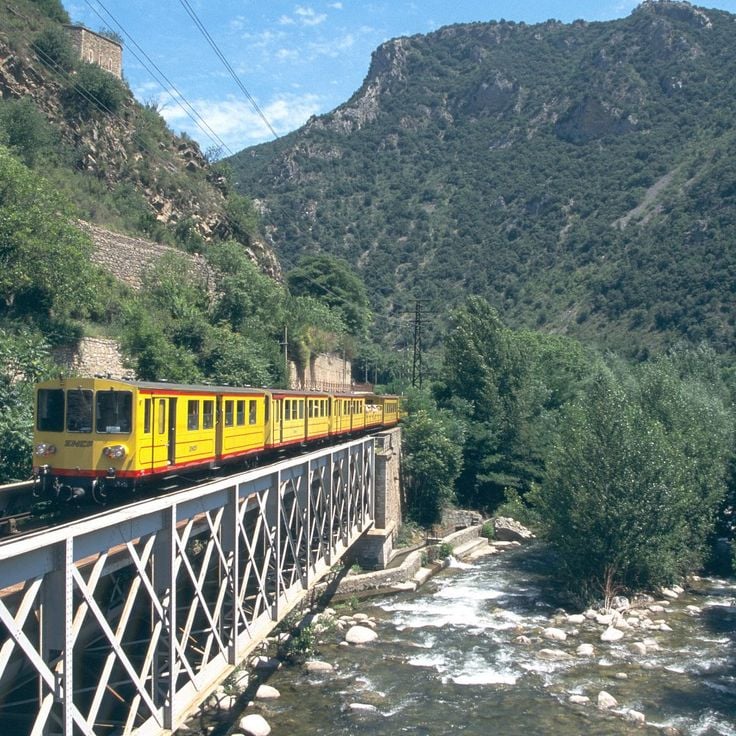
The Yellow Train connects Villefranche-de-Conflent to Latour-de-Carol and was built between 1903 and 1910. This meter gauge railway opened access to the Catalan highlands and represents an important piece of transport history in the Eastern Pyrenees. The route travels through mountain valleys, deep gorges, and displays the dramatic landscape of a region known for its geological richness and diverse terrain.
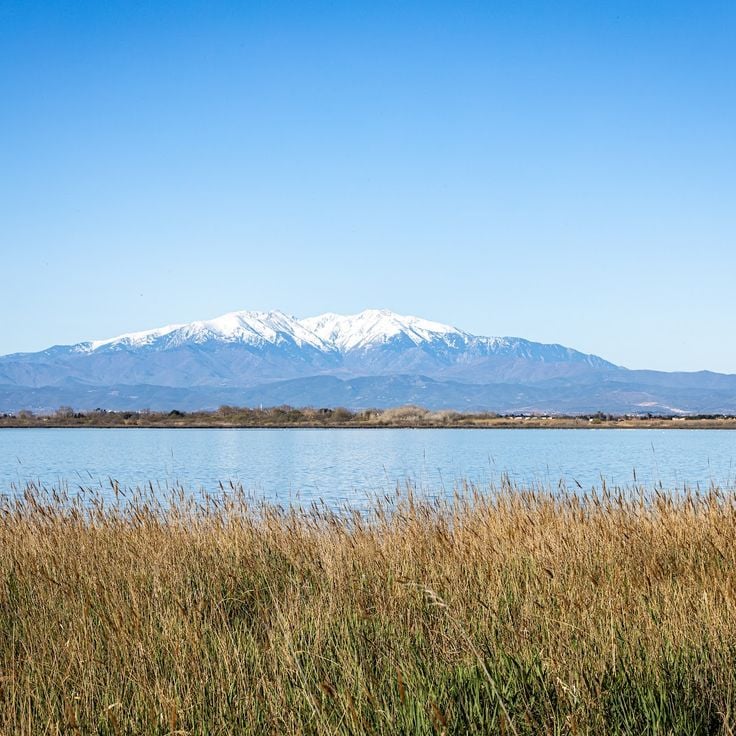
The Canigou is a mountain peak in the Pyrenees that reaches 2784 meters. This point is used as a geographic reference and can be seen from the Roussillon plain. The Canigou is part of the natural and historical sites in the eastern Pyrenees in France, an area with mountains, coastlines, and historic places.
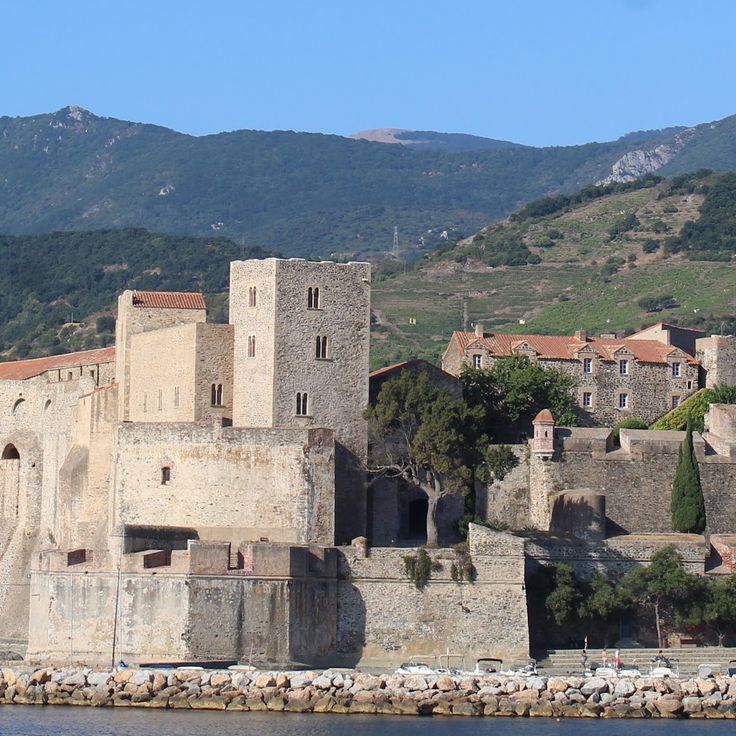
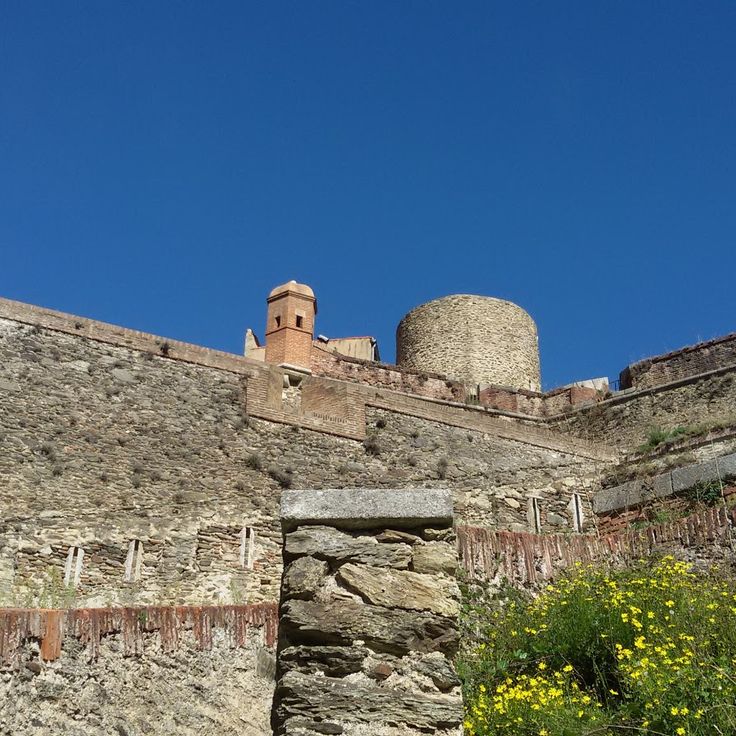
This castle is a medieval fortress built in the 13th century on the Collioure waterfront. It served as a residence for the kings of Majorca and later as a military garrison. As part of the historical sites of the Eastern Pyrenees, it reflects the region's rich history where mountains meet the Mediterranean coast.
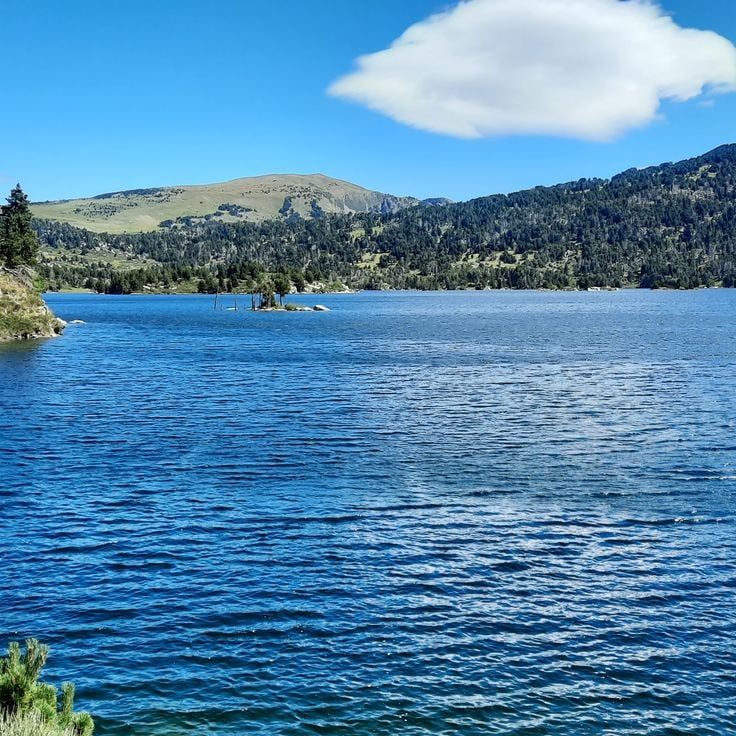
Les Bouillouses Lake is an artificial lake and protected natural area situated in the Eastern Pyrenees at 2,016 meters elevation. The water sits among rocky peaks and alpine meadows, reflecting the surrounding mountains. This lake belongs to a region that stretches from Pyrenean summits to Mediterranean beaches. Visitors can hike around the lake and experience mountain landscapes, gorges, and nature reserves that characterize this territory.
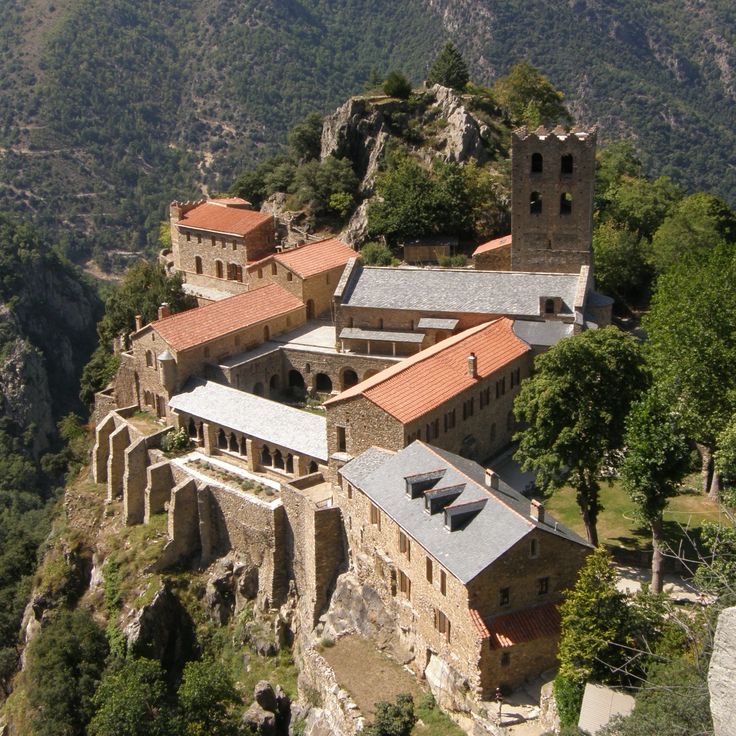
Saint-Martin Abbey is a medieval Benedictine monastery located at the foot of Mount Canigou in Casteil. The complex features a Romanesque cloister and several medieval chapels that reflect the religious history of the Eastern Pyrenees region.
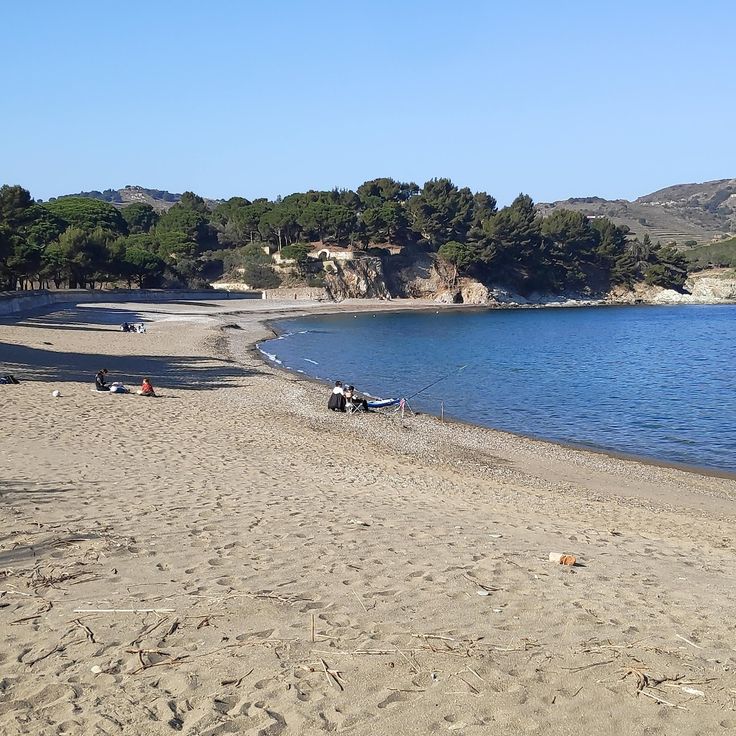
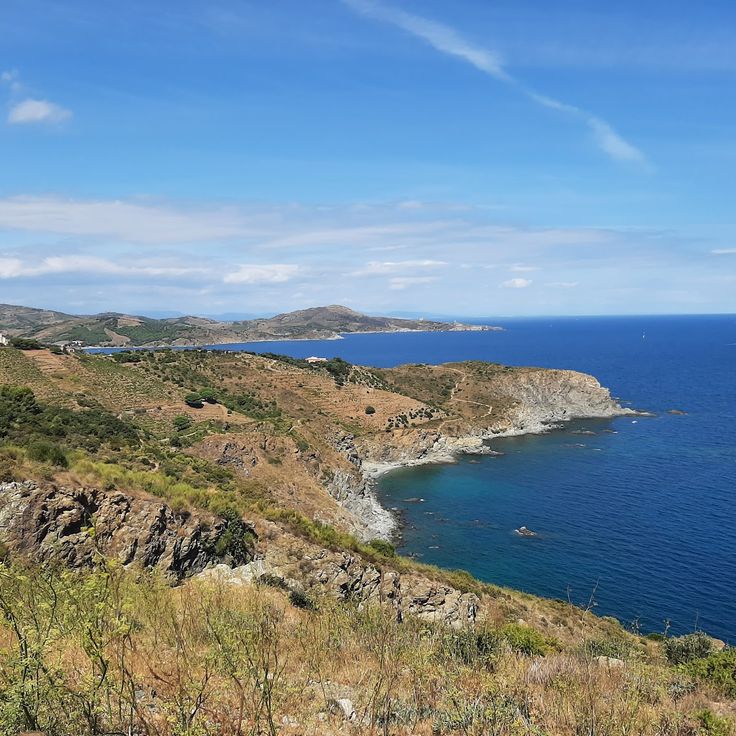
Paulilles Cove is a former industrial site in Port-Vendres that now functions as a protected coastal area. The site contains three beaches and reflects the story of this Eastern Pyrenees region, where mountains meet Mediterranean shores. Today, visitors can explore the transformed landscape and enjoy the protected marine environment.
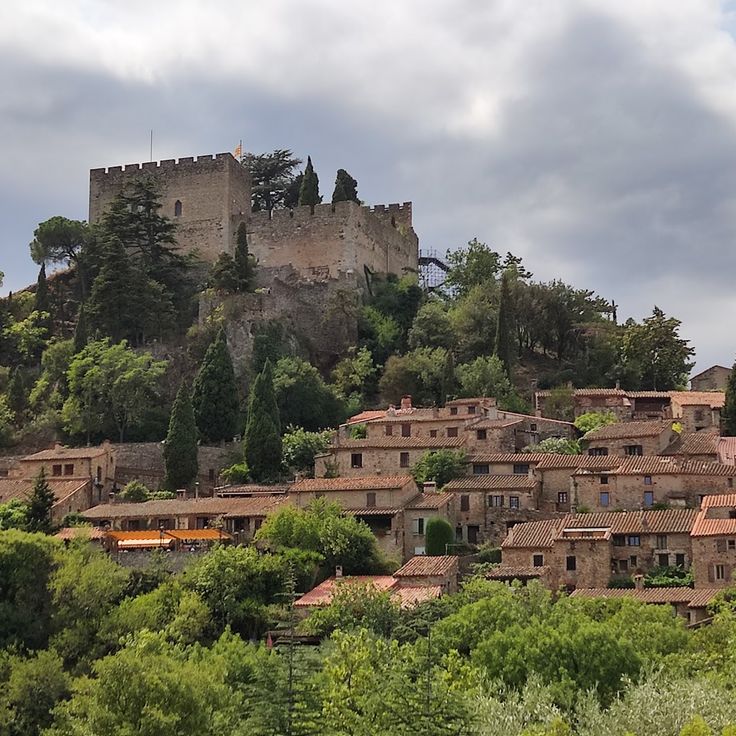
This castle is a medieval fortress perched on a hilltop overlooking the Tech Valley. It stands as one of the historical sites in the Eastern Pyrenees, reflecting the military architecture of a region that stretches from mountain peaks to Mediterranean shores.
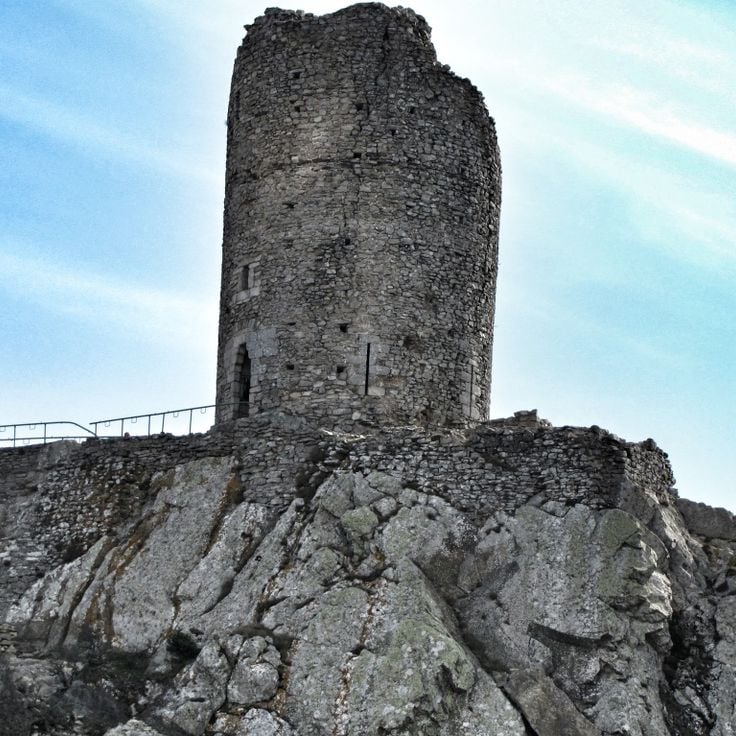
The Tour de la Massane is a medieval watchtower in the Eastern Pyrenees region of France. Located in a dense forest, it offers views across the Roussillon plain toward the Mediterranean Sea. This tower is part of the historical fortifications that mark the medieval period of the area stretching from mountain peaks to coastal lands.
Fort Lagarde is a military fortress in the Vallespir Valley designed by the renowned engineer Vauban. This fortress is part of the historical sites found throughout the Eastern Pyrenees and offers views over the surrounding mountain landscape and valley. It represents the military heritage of this border region between France and Spain.
The Canet-Saint-Nazaire Lagoon is a protected coastal wetland in the Eastern Pyrenees region of France. This lagoon supports diverse wildlife and is shaped by traditional fishing huts used by local fishing communities. The lagoon serves as an important habitat in the landscape between the Pyrenean peaks and the Mediterranean coast.
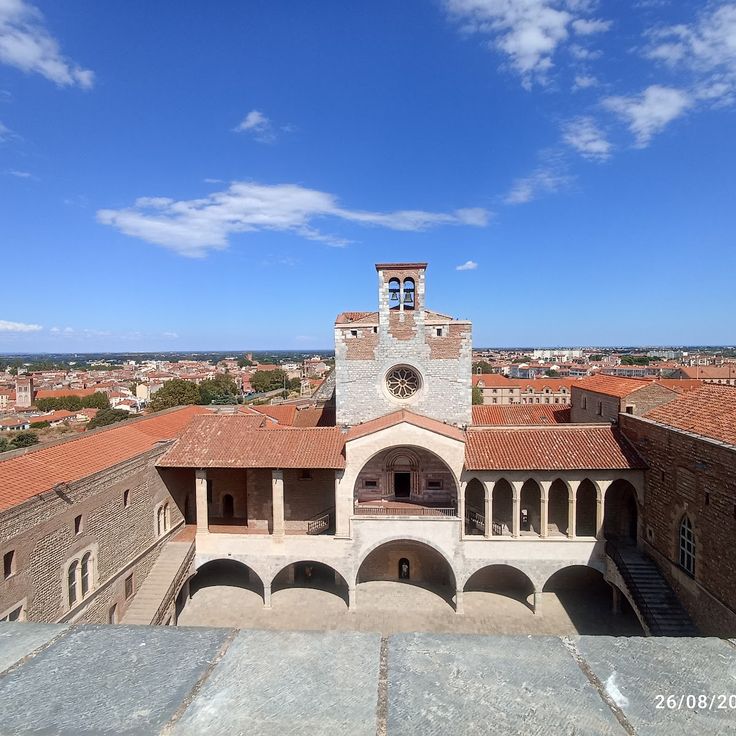
The Kings of Majorca Palace is a fortress built in 1276 in Perpignan that blends Gothic and Romanesque elements. This royal residence is part of the region's historical sites and features defensive walls, towers, courtyards, and Mediterranean gardens that reflect the Eastern Pyrenees' complex past.
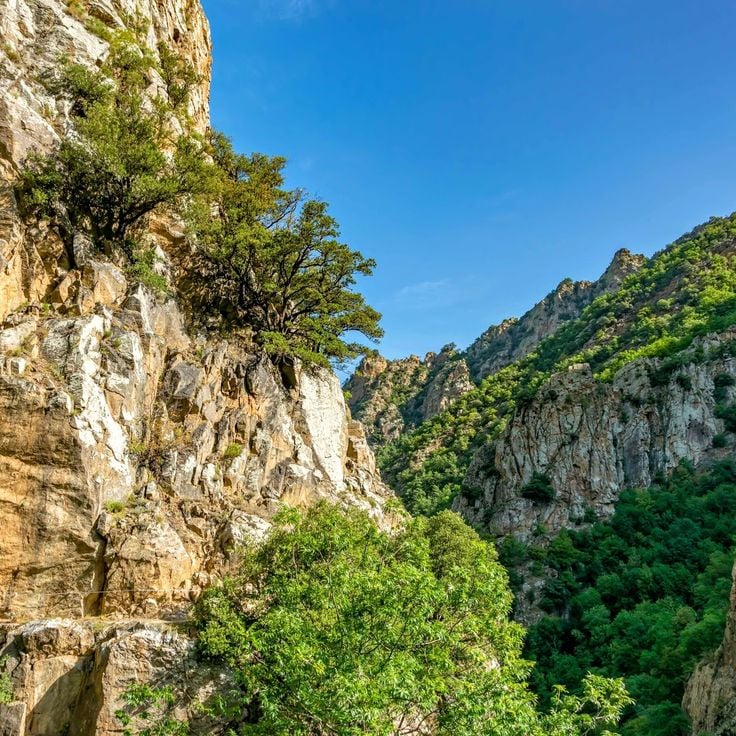
The Carança Gorges form a dramatic canyon carved through granite, part of the natural and historical character of the Eastern Pyrenees. Metal footbridges span roughly 20 meters above the river, while narrow paths have been cut directly into the cliff faces. This place demonstrates the geological forces that shaped the mountain landscape.
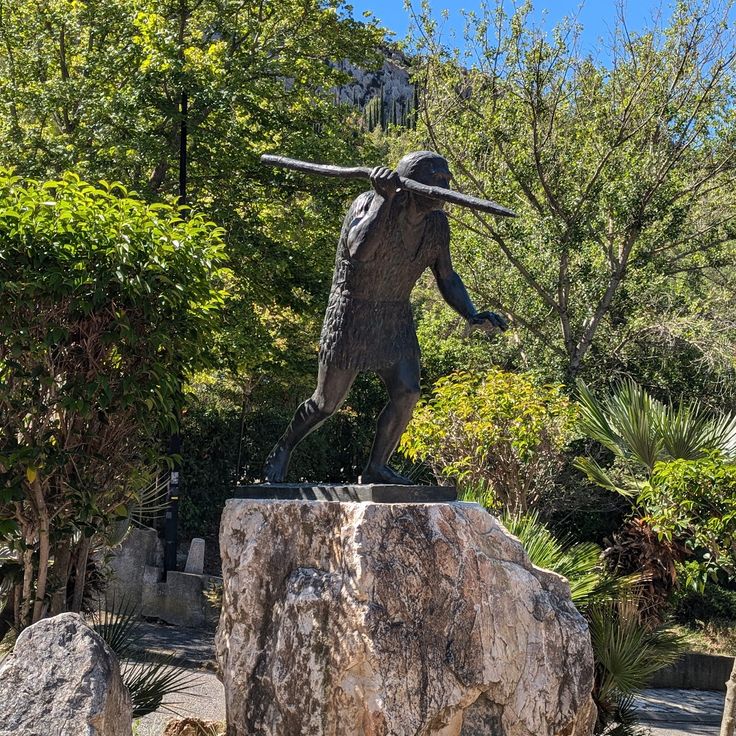
The Tautavel Prehistoric Museum documents the early human settlements in this Eastern Pyrenees region. The museum displays archaeological finds from local excavations and shows how people lived here thousands of years ago. The collections help visitors understand how human cultures developed in this mountainous territory.
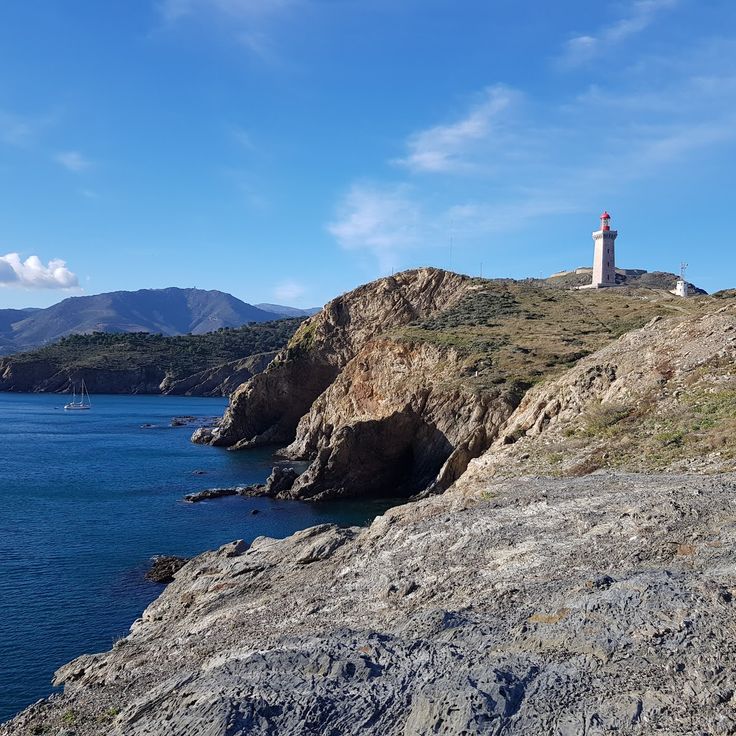
The Cap Bear Lighthouse sits on a headland above the Mediterranean Sea and forms part of the coastal fortifications of the Eastern Pyrenees region. This lighthouse served as a navigation aid and safety landmark for ships traveling along this coast. It reflects the maritime history and strategic role of this stretch of shoreline.
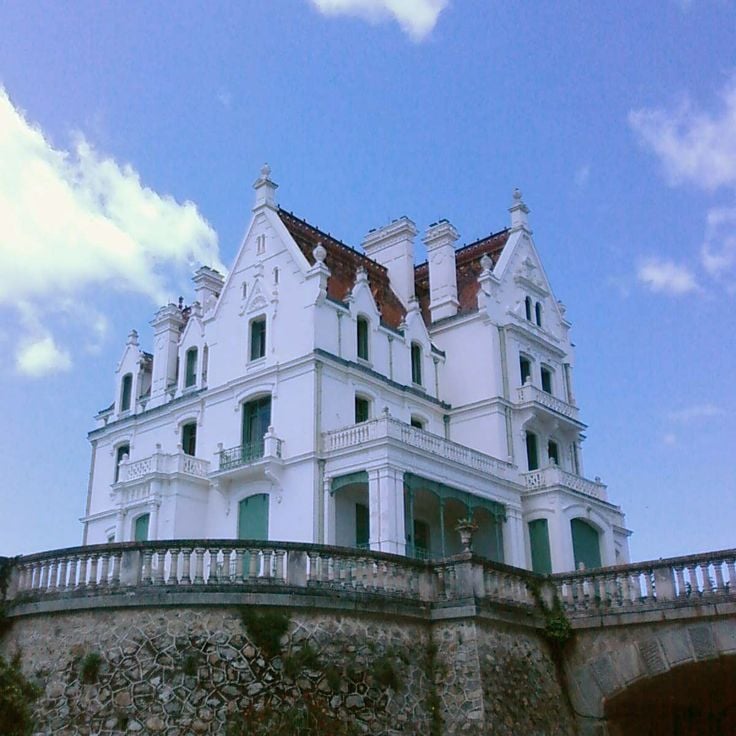
Valmy Castle is a private residence built in 1888 in Argelès-sur-Mer. The building features white stone towers and turrets. Inside the castle are a wine cellar, terraces, and Mediterranean gardens that are open to visitors. Valmy Castle shows the architecture and lifestyle of the late 1800s in the Eastern Pyrenees region of France.
The Banyuls-Cerbère Marine Reserve is a protected marine area on the French Mediterranean coast, established in 1974 to protect ocean life and support research. As part of the Eastern Pyrenees region's natural and historical sites, this reserve sits where the Pyrenean mountains meet the Mediterranean Sea. The protected waters help preserve the marine ecosystems and ecosystems and provide opportunities for scientific study.
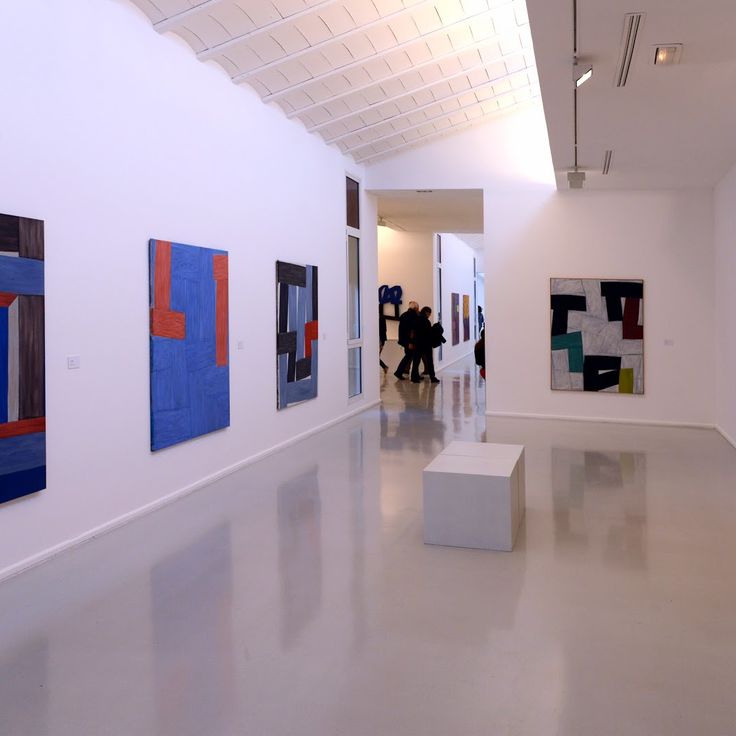
The Ceret Museum of Modern Art is an art museum located in the town of Ceret in the Eastern Pyrenees region of France. The building was renovated in 1993 and displays works by Picasso, Soutine, Matisse, and Chagall. This museum contributes to the cultural character of a region known for medieval fortresses, mountain landscapes, and historical architecture.
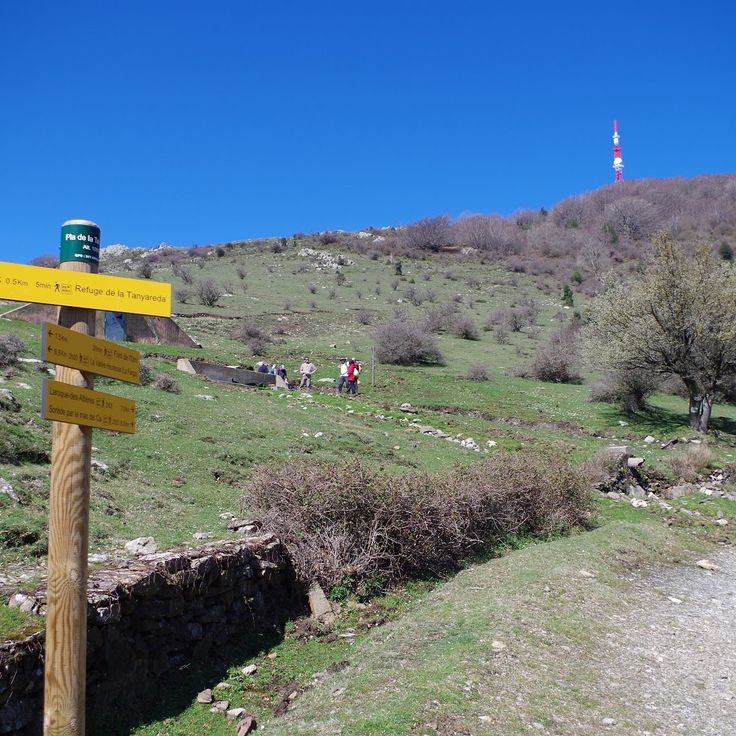
Neoulous Peak is the highest elevation of the Albères mountain chain at 1,258 meters, located in Laroque-des-Albères. From the summit, hikers can see the Roussillon plain stretching below and the Mediterranean Sea in the distance. This peak represents the eastern end of the Pyrenees and offers views that connect the mountain landscape with the coastal region.
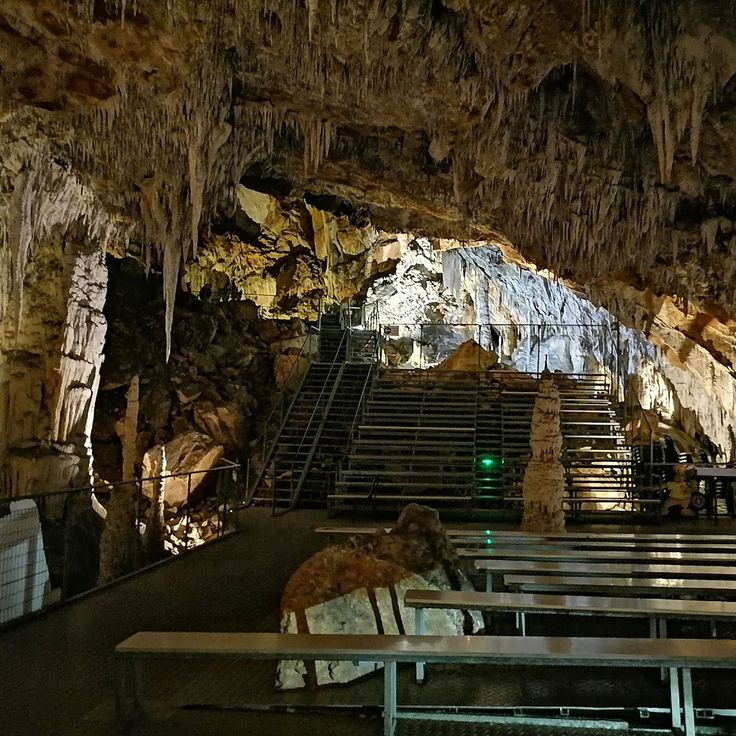
The Canalettes Cave is an underground network located near Villefranche-de-Conflent. The entrance sits about 300 meters from the town center. Inside, visitors walk through passages formed by limestone over thousands of years. The cave displays stalactites, stalagmites, and other natural formations. This geological site represents the natural heritage of the Eastern Pyrenees region.
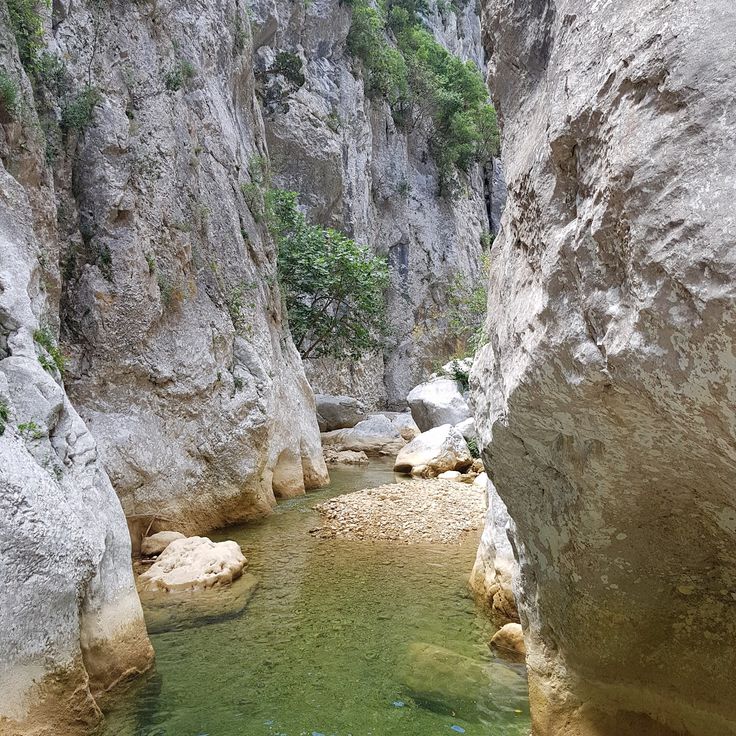
The Gorges de Galamus is a limestone canyon with 500-meter vertical walls, where a medieval hermitage was built into the rock face during the 16th century. This site is part of the natural and historical sites of the Eastern Pyrenees, where gorges, mountains, and coastal areas meet, spanning from the foothills of peaks to Mediterranean shores and containing medieval fortresses, historic railways, thermal springs, and nature reserves.
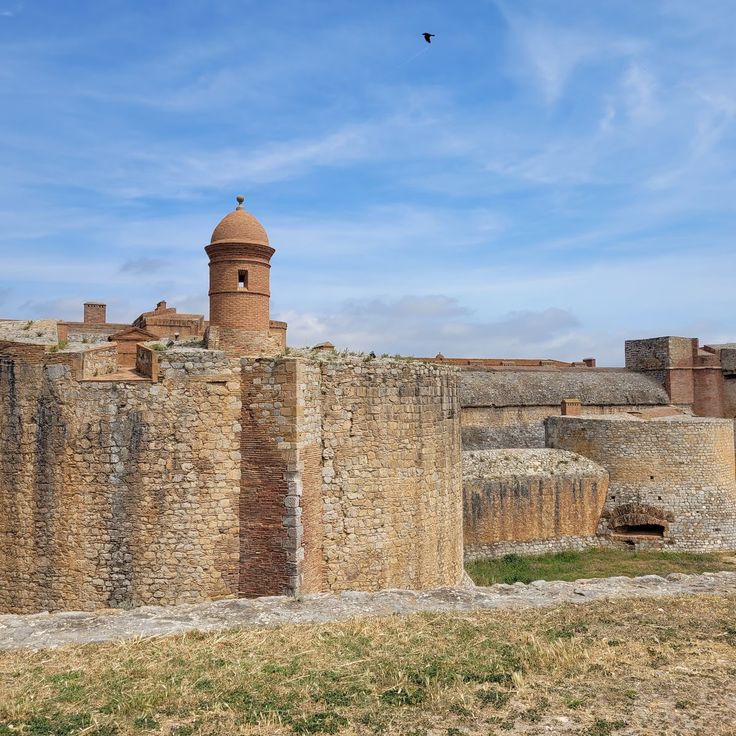
Salses Fortress is a military stronghold built between 1497 and 1504 on the border between France and Spain. Within the Eastern Pyrenees region known for its historical fortifications and medieval structures, this fortress exemplifies the defensive architecture of its era. Its walls reach 12 meters in thickness, reflecting the engineering methods used to protect this strategic frontier location.
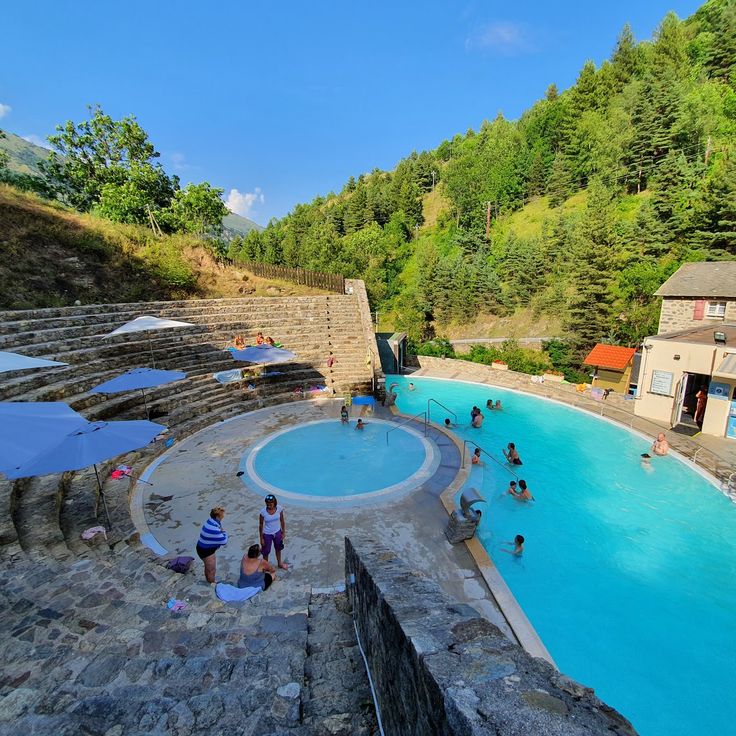
The Bains de Saint-Thomas are natural thermal springs in the Eastern Pyrenees region of France, offering three outdoor pools heated to 35 degrees Celsius. Located at 1150 meters elevation in the Têt valley, they form part of the region's collection of historical and natural sites that range from mountain peaks to Mediterranean beaches.
Fort Libéria is a military fortress designed by Vauban in 1681, standing 150 meters above the medieval town of Villefranche-de-Conflent. The fortress overlooks the Têt valley and represents an important part of the defensive structures scattered throughout the Eastern Pyrenees region between mountain peaks and Mediterranean beaches.
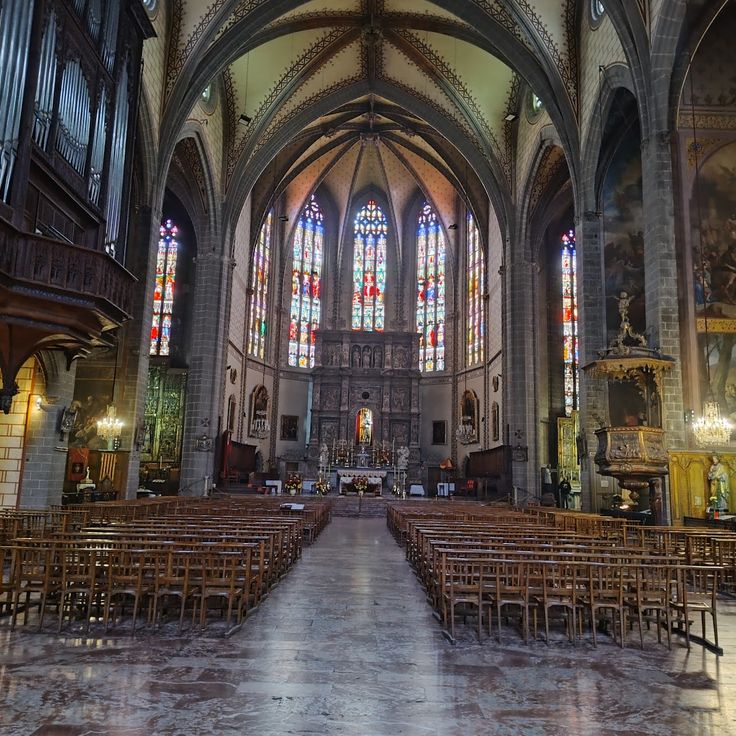
Perpignan Cathedral stands in the historic center of the city as a Gothic structure with yellow stone walls and marble statues. Built between 1324 and 1509, it represents one of the region's important religious buildings that showcase the Eastern Pyrenees' long history of architectural development.
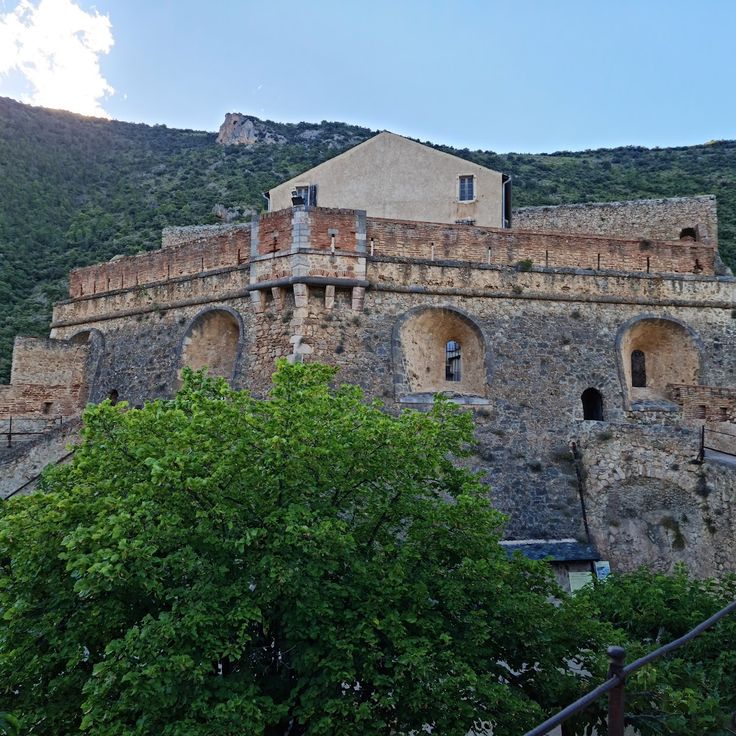
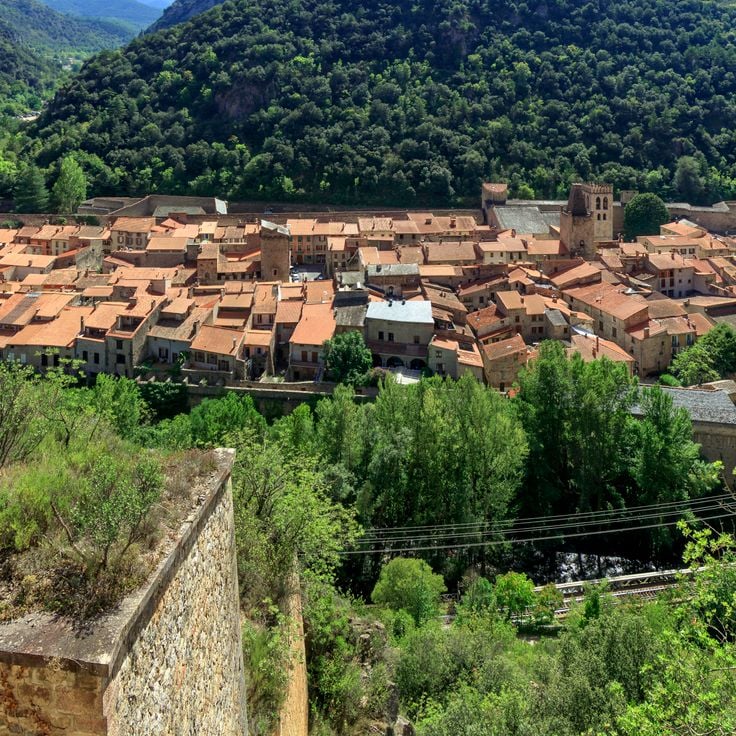
Villefranche-de-Conflent is a walled town in the Eastern Pyrenees featuring defensive walls from the 11th century. Stone houses and narrow streets fill its interior, while Fort Libéria stands guard on the hill above. Within a region known for medieval fortresses and historical sites, this town demonstrates how communities were protected in this mountainous area and how daily life unfolded within strong walls.
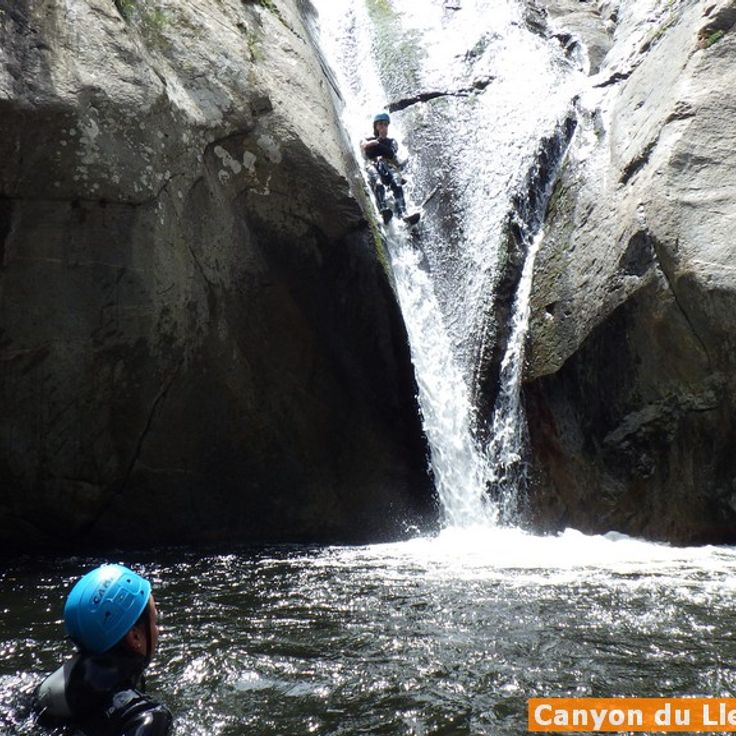
Llech Canyon near Prades is a deep gorge carved by the Llech river through the landscape. Vertical rock walls rise sharply, and waterfalls cascade down into the canyon. The water forms natural pools where visitors can swim and enjoy water sports. The canyon reveals the power of water shaping stone and is part of the Eastern Pyrenees region, where mountains meet coastal areas and historical sites.
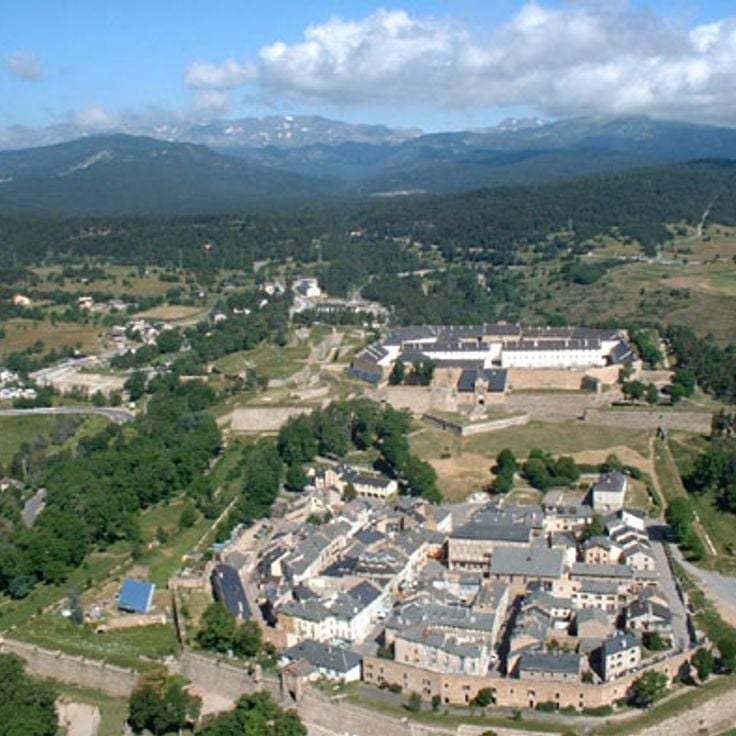
Mont-Louis is a military citadel built in 1679 and part of the natural and historical sites of the Eastern Pyrenees. Located on the Cerdagne plateau, it features stone ramparts with a geometric layout and houses a solar furnace laboratory.
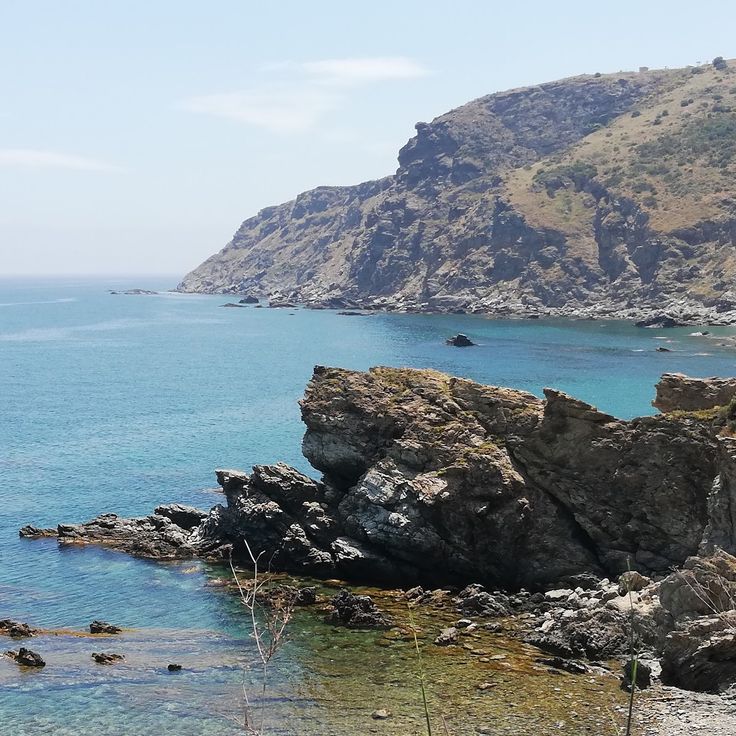
The Coastal Path is a marked hiking route in the Eastern Pyrenees that runs 25 kilometers along the Mediterranean shoreline between Argeles-sur-Mer and Banyuls-sur-Mer. The trail winds through beaches, cliffs and coves, linking two traditional coastal towns. This path shows how the Pyrenean mountains meet the sea, a key feature of this region. Hikers pass through rocky formations, Mediterranean plants, and routes used for trade throughout history.
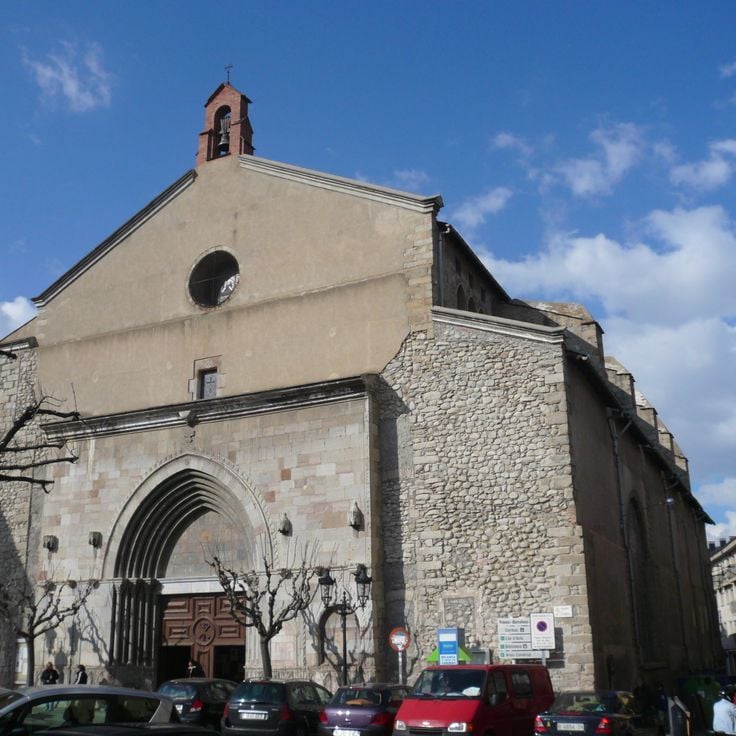
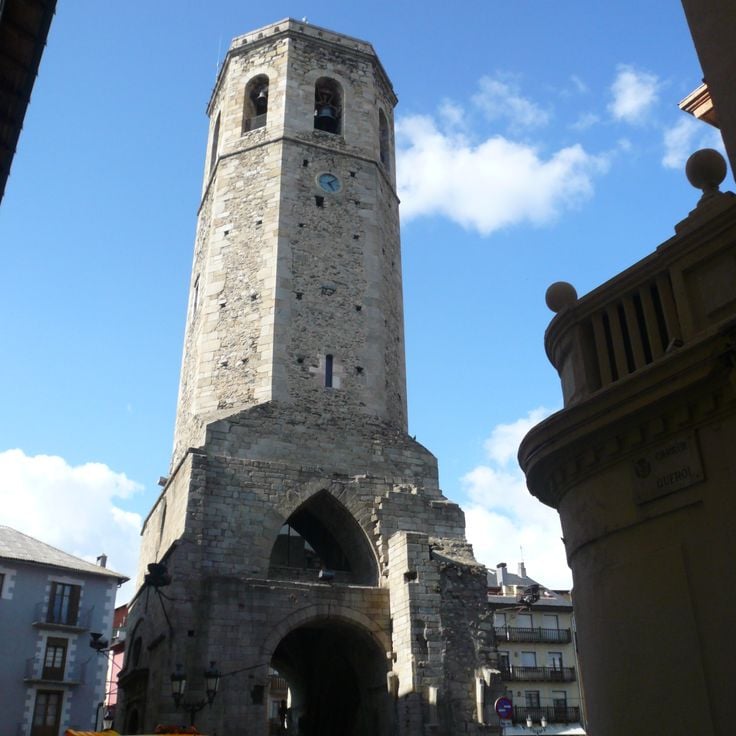
Sant Domenec Church has shaped Puigcerda's skyline since the 14th century. This stone building displays Gothic features in its large murals. The bell tower rises above the surrounding houses and can be seen from many places in town. The church represents the religious buildings from various periods that form part of the historical and cultural heritage of France's Eastern Pyrenees region.
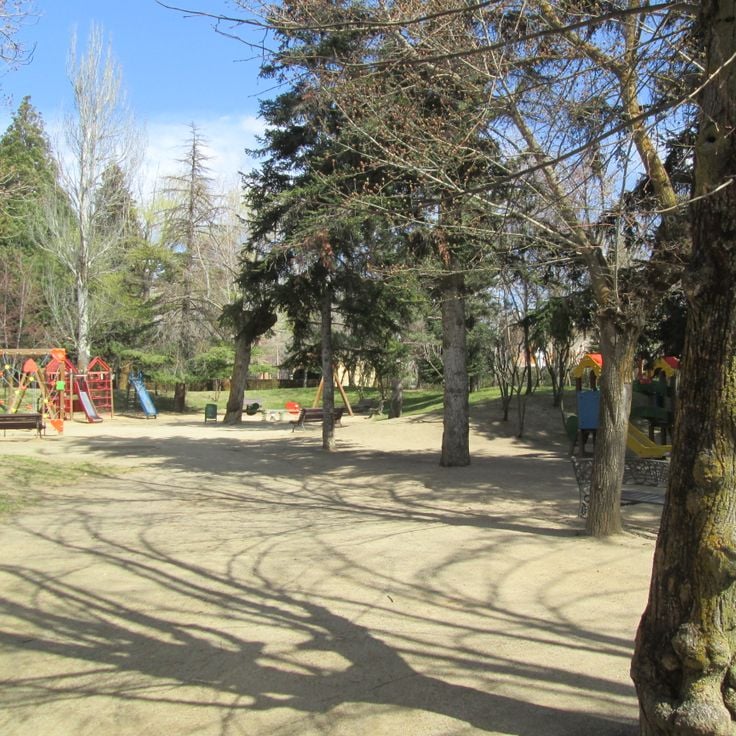
The Parc Schierbeck is a 19th century park in Puigcerda featuring historic summer houses arranged around a man-made lake. The park reflects how wealthy families lived in this region during the 1800s. Located in the Eastern Pyrenees, it sits within a territory that stretches from mountain peaks to Mediterranean beaches. The park helps visitors understand the residential heritage and daily life of past generations in this part of France.
The Église Sainte-Marie is a 12th century religious building located in Tallo that represents part of the historical sites found throughout the Eastern Pyrenees region of France. The church displays Romanesque architectural features and is constructed from limestone. With its cathedral-like dimensions, it reflects the religious importance of this area during the medieval period.
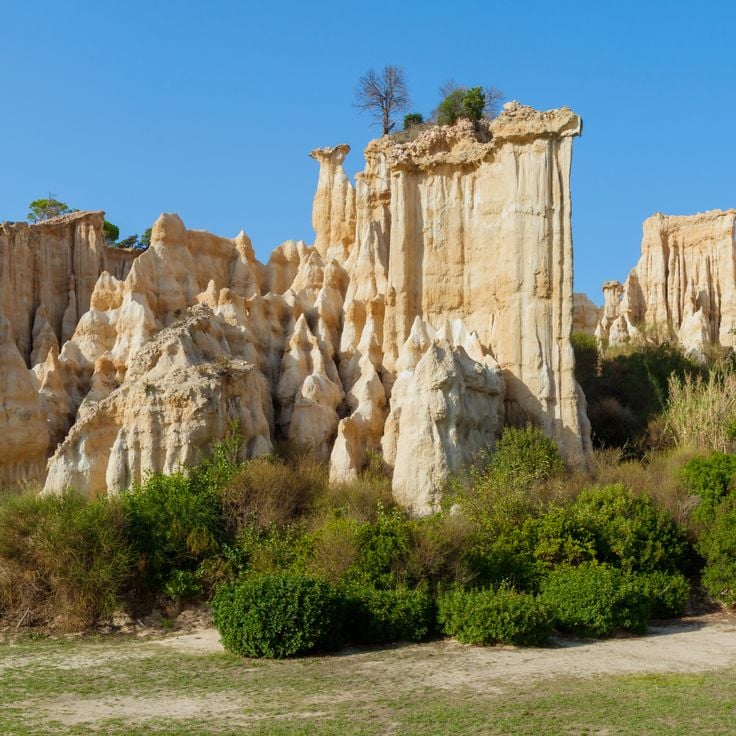
The Orgues d'Ille-sur-Têt are vertical rock columns shaped by erosion in layers of sand and clay. This geological site displays mineral formations across several hectares and represents the natural history of the Eastern Pyrenees region, which stretches from mountain peaks to Mediterranean beaches.
The Yellow Train connects Villefranche-de-Conflent to Latour-de-Carol and was built between 1903 and 1910. This meter gauge railway opened access to the Catalan highlands and represents an important piece of transport history in the Eastern Pyrenees. The route travels through mountain valleys, deep gorges, and displays the dramatic landscape of a region known for its geological richness and diverse terrain.
The Canigou is a mountain peak in the Pyrenees that reaches 2784 meters. This point is used as a geographic reference and can be seen from the Roussillon plain. The Canigou is part of the natural and historical sites in the eastern Pyrenees in France, an area with mountains, coastlines, and historic places.
This castle is a medieval fortress built in the 13th century on the Collioure waterfront. It served as a residence for the kings of Majorca and later as a military garrison. As part of the historical sites of the Eastern Pyrenees, it reflects the region's rich history where mountains meet the Mediterranean coast.
Les Bouillouses Lake is an artificial lake and protected natural area situated in the Eastern Pyrenees at 2,016 meters elevation. The water sits among rocky peaks and alpine meadows, reflecting the surrounding mountains. This lake belongs to a region that stretches from Pyrenean summits to Mediterranean beaches. Visitors can hike around the lake and experience mountain landscapes, gorges, and nature reserves that characterize this territory.
Saint-Martin Abbey is a medieval Benedictine monastery located at the foot of Mount Canigou in Casteil. The complex features a Romanesque cloister and several medieval chapels that reflect the religious history of the Eastern Pyrenees region.
Paulilles Cove is a former industrial site in Port-Vendres that now functions as a protected coastal area. The site contains three beaches and reflects the story of this Eastern Pyrenees region, where mountains meet Mediterranean shores. Today, visitors can explore the transformed landscape and enjoy the protected marine environment.
This castle is a medieval fortress perched on a hilltop overlooking the Tech Valley. It stands as one of the historical sites in the Eastern Pyrenees, reflecting the military architecture of a region that stretches from mountain peaks to Mediterranean shores.
The Tour de la Massane is a medieval watchtower in the Eastern Pyrenees region of France. Located in a dense forest, it offers views across the Roussillon plain toward the Mediterranean Sea. This tower is part of the historical fortifications that mark the medieval period of the area stretching from mountain peaks to coastal lands.
Fort Lagarde is a military fortress in the Vallespir Valley designed by the renowned engineer Vauban. This fortress is part of the historical sites found throughout the Eastern Pyrenees and offers views over the surrounding mountain landscape and valley. It represents the military heritage of this border region between France and Spain.
The Canet-Saint-Nazaire Lagoon is a protected coastal wetland in the Eastern Pyrenees region of France. This lagoon supports diverse wildlife and is shaped by traditional fishing huts used by local fishing communities. The lagoon serves as an important habitat in the landscape between the Pyrenean peaks and the Mediterranean coast.
The Kings of Majorca Palace is a fortress built in 1276 in Perpignan that blends Gothic and Romanesque elements. This royal residence is part of the region's historical sites and features defensive walls, towers, courtyards, and Mediterranean gardens that reflect the Eastern Pyrenees' complex past.
The Carança Gorges form a dramatic canyon carved through granite, part of the natural and historical character of the Eastern Pyrenees. Metal footbridges span roughly 20 meters above the river, while narrow paths have been cut directly into the cliff faces. This place demonstrates the geological forces that shaped the mountain landscape.
The Tautavel Prehistoric Museum documents the early human settlements in this Eastern Pyrenees region. The museum displays archaeological finds from local excavations and shows how people lived here thousands of years ago. The collections help visitors understand how human cultures developed in this mountainous territory.
The Cap Bear Lighthouse sits on a headland above the Mediterranean Sea and forms part of the coastal fortifications of the Eastern Pyrenees region. This lighthouse served as a navigation aid and safety landmark for ships traveling along this coast. It reflects the maritime history and strategic role of this stretch of shoreline.
Valmy Castle is a private residence built in 1888 in Argelès-sur-Mer. The building features white stone towers and turrets. Inside the castle are a wine cellar, terraces, and Mediterranean gardens that are open to visitors. Valmy Castle shows the architecture and lifestyle of the late 1800s in the Eastern Pyrenees region of France.
The Banyuls-Cerbère Marine Reserve is a protected marine area on the French Mediterranean coast, established in 1974 to protect ocean life and support research. As part of the Eastern Pyrenees region's natural and historical sites, this reserve sits where the Pyrenean mountains meet the Mediterranean Sea. The protected waters help preserve the marine ecosystems and ecosystems and provide opportunities for scientific study.
The Ceret Museum of Modern Art is an art museum located in the town of Ceret in the Eastern Pyrenees region of France. The building was renovated in 1993 and displays works by Picasso, Soutine, Matisse, and Chagall. This museum contributes to the cultural character of a region known for medieval fortresses, mountain landscapes, and historical architecture.
Neoulous Peak is the highest elevation of the Albères mountain chain at 1,258 meters, located in Laroque-des-Albères. From the summit, hikers can see the Roussillon plain stretching below and the Mediterranean Sea in the distance. This peak represents the eastern end of the Pyrenees and offers views that connect the mountain landscape with the coastal region.
The Canalettes Cave is an underground network located near Villefranche-de-Conflent. The entrance sits about 300 meters from the town center. Inside, visitors walk through passages formed by limestone over thousands of years. The cave displays stalactites, stalagmites, and other natural formations. This geological site represents the natural heritage of the Eastern Pyrenees region.
The Gorges de Galamus is a limestone canyon with 500-meter vertical walls, where a medieval hermitage was built into the rock face during the 16th century. This site is part of the natural and historical sites of the Eastern Pyrenees, where gorges, mountains, and coastal areas meet, spanning from the foothills of peaks to Mediterranean shores and containing medieval fortresses, historic railways, thermal springs, and nature reserves.
Salses Fortress is a military stronghold built between 1497 and 1504 on the border between France and Spain. Within the Eastern Pyrenees region known for its historical fortifications and medieval structures, this fortress exemplifies the defensive architecture of its era. Its walls reach 12 meters in thickness, reflecting the engineering methods used to protect this strategic frontier location.
The Bains de Saint-Thomas are natural thermal springs in the Eastern Pyrenees region of France, offering three outdoor pools heated to 35 degrees Celsius. Located at 1150 meters elevation in the Têt valley, they form part of the region's collection of historical and natural sites that range from mountain peaks to Mediterranean beaches.
Fort Libéria is a military fortress designed by Vauban in 1681, standing 150 meters above the medieval town of Villefranche-de-Conflent. The fortress overlooks the Têt valley and represents an important part of the defensive structures scattered throughout the Eastern Pyrenees region between mountain peaks and Mediterranean beaches.
Perpignan Cathedral stands in the historic center of the city as a Gothic structure with yellow stone walls and marble statues. Built between 1324 and 1509, it represents one of the region's important religious buildings that showcase the Eastern Pyrenees' long history of architectural development.
Villefranche-de-Conflent is a walled town in the Eastern Pyrenees featuring defensive walls from the 11th century. Stone houses and narrow streets fill its interior, while Fort Libéria stands guard on the hill above. Within a region known for medieval fortresses and historical sites, this town demonstrates how communities were protected in this mountainous area and how daily life unfolded within strong walls.
Llech Canyon near Prades is a deep gorge carved by the Llech river through the landscape. Vertical rock walls rise sharply, and waterfalls cascade down into the canyon. The water forms natural pools where visitors can swim and enjoy water sports. The canyon reveals the power of water shaping stone and is part of the Eastern Pyrenees region, where mountains meet coastal areas and historical sites.
Mont-Louis is a military citadel built in 1679 and part of the natural and historical sites of the Eastern Pyrenees. Located on the Cerdagne plateau, it features stone ramparts with a geometric layout and houses a solar furnace laboratory.
The Coastal Path is a marked hiking route in the Eastern Pyrenees that runs 25 kilometers along the Mediterranean shoreline between Argeles-sur-Mer and Banyuls-sur-Mer. The trail winds through beaches, cliffs and coves, linking two traditional coastal towns. This path shows how the Pyrenean mountains meet the sea, a key feature of this region. Hikers pass through rocky formations, Mediterranean plants, and routes used for trade throughout history.
Sant Domenec Church has shaped Puigcerda's skyline since the 14th century. This stone building displays Gothic features in its large murals. The bell tower rises above the surrounding houses and can be seen from many places in town. The church represents the religious buildings from various periods that form part of the historical and cultural heritage of France's Eastern Pyrenees region.
The Parc Schierbeck is a 19th century park in Puigcerda featuring historic summer houses arranged around a man-made lake. The park reflects how wealthy families lived in this region during the 1800s. Located in the Eastern Pyrenees, it sits within a territory that stretches from mountain peaks to Mediterranean beaches. The park helps visitors understand the residential heritage and daily life of past generations in this part of France.
The Église Sainte-Marie is a 12th century religious building located in Tallo that represents part of the historical sites found throughout the Eastern Pyrenees region of France. The church displays Romanesque architectural features and is constructed from limestone. With its cathedral-like dimensions, it reflects the religious importance of this area during the medieval period.
The Orgues d'Ille-sur-Têt are vertical rock columns shaped by erosion in layers of sand and clay. This geological site displays mineral formations across several hectares and represents the natural history of the Eastern Pyrenees region, which stretches from mountain peaks to Mediterranean beaches.
The Yellow Train connects Villefranche-de-Conflent to Latour-de-Carol and was built between 1903 and 1910. This meter gauge railway opened access to the Catalan highlands and represents an important piece of transport history in the Eastern Pyrenees. The route travels through mountain valleys, deep gorges, and displays the dramatic landscape of a region known for its geological richness and diverse terrain.
The Canigou is a mountain peak in the Pyrenees that reaches 2784 meters. This point is used as a geographic reference and can be seen from the Roussillon plain. The Canigou is part of the natural and historical sites in the eastern Pyrenees in France, an area with mountains, coastlines, and historic places.
This castle is a medieval fortress built in the 13th century on the Collioure waterfront. It served as a residence for the kings of Majorca and later as a military garrison. As part of the historical sites of the Eastern Pyrenees, it reflects the region's rich history where mountains meet the Mediterranean coast.
Les Bouillouses Lake is an artificial lake and protected natural area situated in the Eastern Pyrenees at 2,016 meters elevation. The water sits among rocky peaks and alpine meadows, reflecting the surrounding mountains. This lake belongs to a region that stretches from Pyrenean summits to Mediterranean beaches. Visitors can hike around the lake and experience mountain landscapes, gorges, and nature reserves that characterize this territory.
Saint-Martin Abbey is a medieval Benedictine monastery located at the foot of Mount Canigou in Casteil. The complex features a Romanesque cloister and several medieval chapels that reflect the religious history of the Eastern Pyrenees region.
Paulilles Cove is a former industrial site in Port-Vendres that now functions as a protected coastal area. The site contains three beaches and reflects the story of this Eastern Pyrenees region, where mountains meet Mediterranean shores. Today, visitors can explore the transformed landscape and enjoy the protected marine environment.
This castle is a medieval fortress perched on a hilltop overlooking the Tech Valley. It stands as one of the historical sites in the Eastern Pyrenees, reflecting the military architecture of a region that stretches from mountain peaks to Mediterranean shores.
The Tour de la Massane is a medieval watchtower in the Eastern Pyrenees region of France. Located in a dense forest, it offers views across the Roussillon plain toward the Mediterranean Sea. This tower is part of the historical fortifications that mark the medieval period of the area stretching from mountain peaks to coastal lands.
Fort Lagarde is a military fortress in the Vallespir Valley designed by the renowned engineer Vauban. This fortress is part of the historical sites found throughout the Eastern Pyrenees and offers views over the surrounding mountain landscape and valley. It represents the military heritage of this border region between France and Spain.
The Canet-Saint-Nazaire Lagoon is a protected coastal wetland in the Eastern Pyrenees region of France. This lagoon supports diverse wildlife and is shaped by traditional fishing huts used by local fishing communities. The lagoon serves as an important habitat in the landscape between the Pyrenean peaks and the Mediterranean coast.
The Kings of Majorca Palace is a fortress built in 1276 in Perpignan that blends Gothic and Romanesque elements. This royal residence is part of the region's historical sites and features defensive walls, towers, courtyards, and Mediterranean gardens that reflect the Eastern Pyrenees' complex past.
The Carança Gorges form a dramatic canyon carved through granite, part of the natural and historical character of the Eastern Pyrenees. Metal footbridges span roughly 20 meters above the river, while narrow paths have been cut directly into the cliff faces. This place demonstrates the geological forces that shaped the mountain landscape.
The Tautavel Prehistoric Museum documents the early human settlements in this Eastern Pyrenees region. The museum displays archaeological finds from local excavations and shows how people lived here thousands of years ago. The collections help visitors understand how human cultures developed in this mountainous territory.
The Cap Bear Lighthouse sits on a headland above the Mediterranean Sea and forms part of the coastal fortifications of the Eastern Pyrenees region. This lighthouse served as a navigation aid and safety landmark for ships traveling along this coast. It reflects the maritime history and strategic role of this stretch of shoreline.
Valmy Castle is a private residence built in 1888 in Argelès-sur-Mer. The building features white stone towers and turrets. Inside the castle are a wine cellar, terraces, and Mediterranean gardens that are open to visitors. Valmy Castle shows the architecture and lifestyle of the late 1800s in the Eastern Pyrenees region of France.
The Banyuls-Cerbère Marine Reserve is a protected marine area on the French Mediterranean coast, established in 1974 to protect ocean life and support research. As part of the Eastern Pyrenees region's natural and historical sites, this reserve sits where the Pyrenean mountains meet the Mediterranean Sea. The protected waters help preserve the marine ecosystems and ecosystems and provide opportunities for scientific study.
The Ceret Museum of Modern Art is an art museum located in the town of Ceret in the Eastern Pyrenees region of France. The building was renovated in 1993 and displays works by Picasso, Soutine, Matisse, and Chagall. This museum contributes to the cultural character of a region known for medieval fortresses, mountain landscapes, and historical architecture.
Neoulous Peak is the highest elevation of the Albères mountain chain at 1,258 meters, located in Laroque-des-Albères. From the summit, hikers can see the Roussillon plain stretching below and the Mediterranean Sea in the distance. This peak represents the eastern end of the Pyrenees and offers views that connect the mountain landscape with the coastal region.
The Canalettes Cave is an underground network located near Villefranche-de-Conflent. The entrance sits about 300 meters from the town center. Inside, visitors walk through passages formed by limestone over thousands of years. The cave displays stalactites, stalagmites, and other natural formations. This geological site represents the natural heritage of the Eastern Pyrenees region.
The Gorges de Galamus is a limestone canyon with 500-meter vertical walls, where a medieval hermitage was built into the rock face during the 16th century. This site is part of the natural and historical sites of the Eastern Pyrenees, where gorges, mountains, and coastal areas meet, spanning from the foothills of peaks to Mediterranean shores and containing medieval fortresses, historic railways, thermal springs, and nature reserves.
Salses Fortress is a military stronghold built between 1497 and 1504 on the border between France and Spain. Within the Eastern Pyrenees region known for its historical fortifications and medieval structures, this fortress exemplifies the defensive architecture of its era. Its walls reach 12 meters in thickness, reflecting the engineering methods used to protect this strategic frontier location.
The Bains de Saint-Thomas are natural thermal springs in the Eastern Pyrenees region of France, offering three outdoor pools heated to 35 degrees Celsius. Located at 1150 meters elevation in the Têt valley, they form part of the region's collection of historical and natural sites that range from mountain peaks to Mediterranean beaches.
Fort Libéria is a military fortress designed by Vauban in 1681, standing 150 meters above the medieval town of Villefranche-de-Conflent. The fortress overlooks the Têt valley and represents an important part of the defensive structures scattered throughout the Eastern Pyrenees region between mountain peaks and Mediterranean beaches.
Perpignan Cathedral stands in the historic center of the city as a Gothic structure with yellow stone walls and marble statues. Built between 1324 and 1509, it represents one of the region's important religious buildings that showcase the Eastern Pyrenees' long history of architectural development.
Villefranche-de-Conflent is a walled town in the Eastern Pyrenees featuring defensive walls from the 11th century. Stone houses and narrow streets fill its interior, while Fort Libéria stands guard on the hill above. Within a region known for medieval fortresses and historical sites, this town demonstrates how communities were protected in this mountainous area and how daily life unfolded within strong walls.
Llech Canyon near Prades is a deep gorge carved by the Llech river through the landscape. Vertical rock walls rise sharply, and waterfalls cascade down into the canyon. The water forms natural pools where visitors can swim and enjoy water sports. The canyon reveals the power of water shaping stone and is part of the Eastern Pyrenees region, where mountains meet coastal areas and historical sites.
Mont-Louis is a military citadel built in 1679 and part of the natural and historical sites of the Eastern Pyrenees. Located on the Cerdagne plateau, it features stone ramparts with a geometric layout and houses a solar furnace laboratory.
The Coastal Path is a marked hiking route in the Eastern Pyrenees that runs 25 kilometers along the Mediterranean shoreline between Argeles-sur-Mer and Banyuls-sur-Mer. The trail winds through beaches, cliffs and coves, linking two traditional coastal towns. This path shows how the Pyrenean mountains meet the sea, a key feature of this region. Hikers pass through rocky formations, Mediterranean plants, and routes used for trade throughout history.
Sant Domenec Church has shaped Puigcerda's skyline since the 14th century. This stone building displays Gothic features in its large murals. The bell tower rises above the surrounding houses and can be seen from many places in town. The church represents the religious buildings from various periods that form part of the historical and cultural heritage of France's Eastern Pyrenees region.
The Parc Schierbeck is a 19th century park in Puigcerda featuring historic summer houses arranged around a man-made lake. The park reflects how wealthy families lived in this region during the 1800s. Located in the Eastern Pyrenees, it sits within a territory that stretches from mountain peaks to Mediterranean beaches. The park helps visitors understand the residential heritage and daily life of past generations in this part of France.
The Église Sainte-Marie is a 12th century religious building located in Tallo that represents part of the historical sites found throughout the Eastern Pyrenees region of France. The church displays Romanesque architectural features and is constructed from limestone. With its cathedral-like dimensions, it reflects the religious importance of this area during the medieval period.
The Orgues d'Ille-sur-Têt are vertical rock columns shaped by erosion in layers of sand and clay. This geological site displays mineral formations across several hectares and represents the natural history of the Eastern Pyrenees region, which stretches from mountain peaks to Mediterranean beaches.
When you explore the Pyrénées-Orientales, take time to stop in the small mountain villages. The people there know their land well and can suggest quieter paths. In summer, many visitors come to the region, so it is better to visit in spring or autumn for a calmer experience.