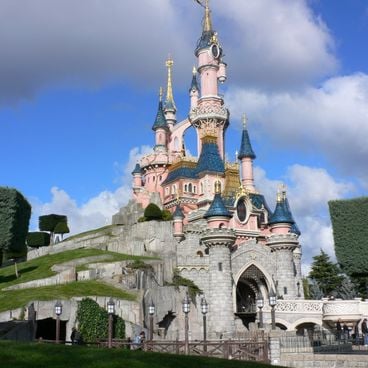
The Loire River houses castles from French Renaissance and Classical periods. These structures display architectural elements of their time and document noble life. Each castle presents distinct features, from Gothic ornaments to symmetrical gardens. The interiors contain original furniture, tapestries, and art collections.
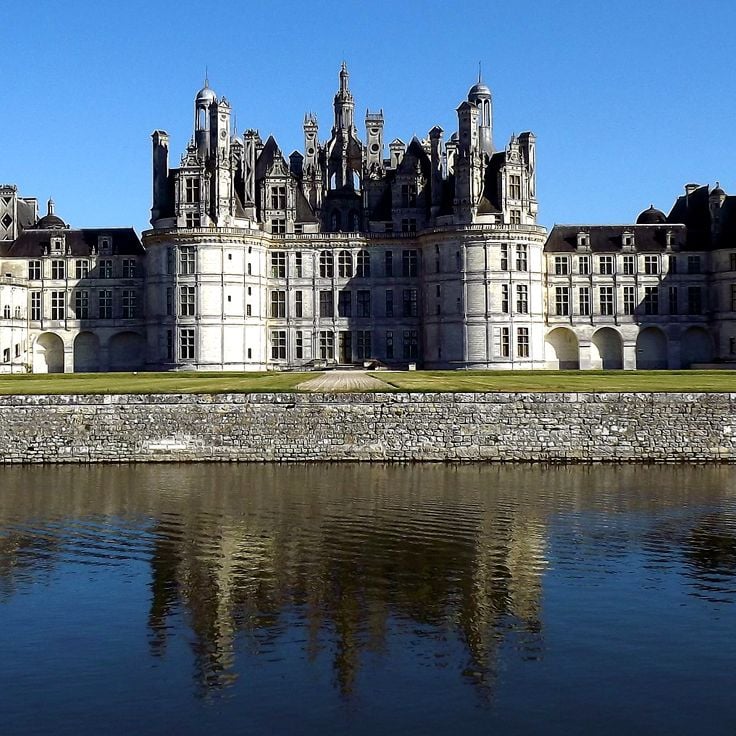
Chambord, France
The castle features French Renaissance architecture with a central double spiral staircase. With 440 rooms and 84 staircases, it is the largest Loire castle.
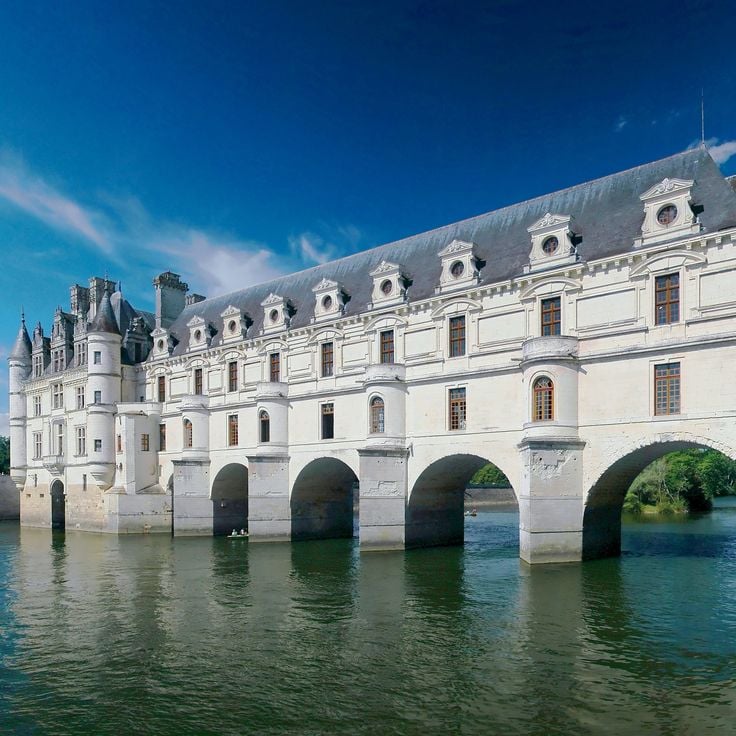
Chenonceaux, France
The castle extends over the River Cher on a bridge with five arches. Catherine de Medici and Diane de Poitiers shaped its architecture.
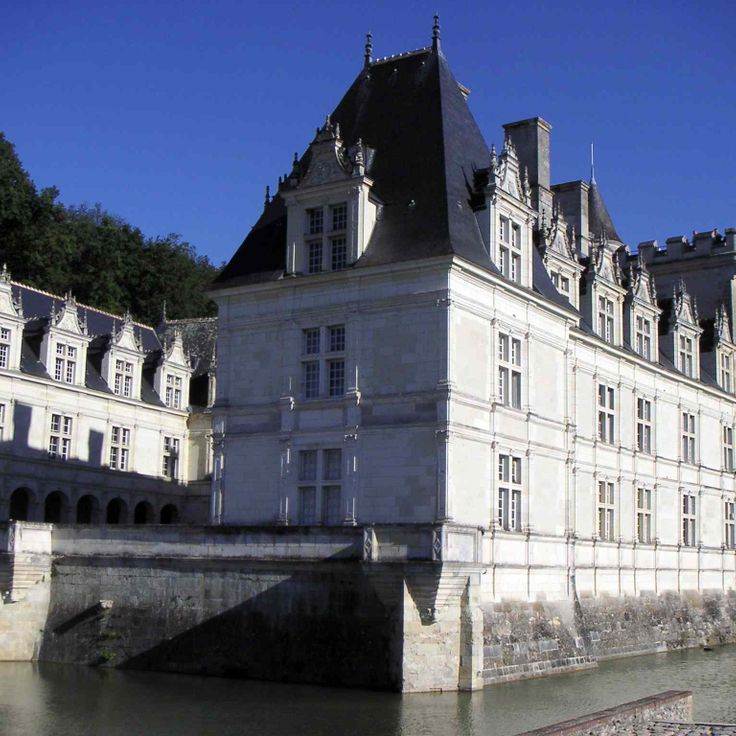
Villandry, France
The Renaissance garden complex consists of three levels with vegetable gardens, flower beds and water basins in geometric patterns across six hectares.
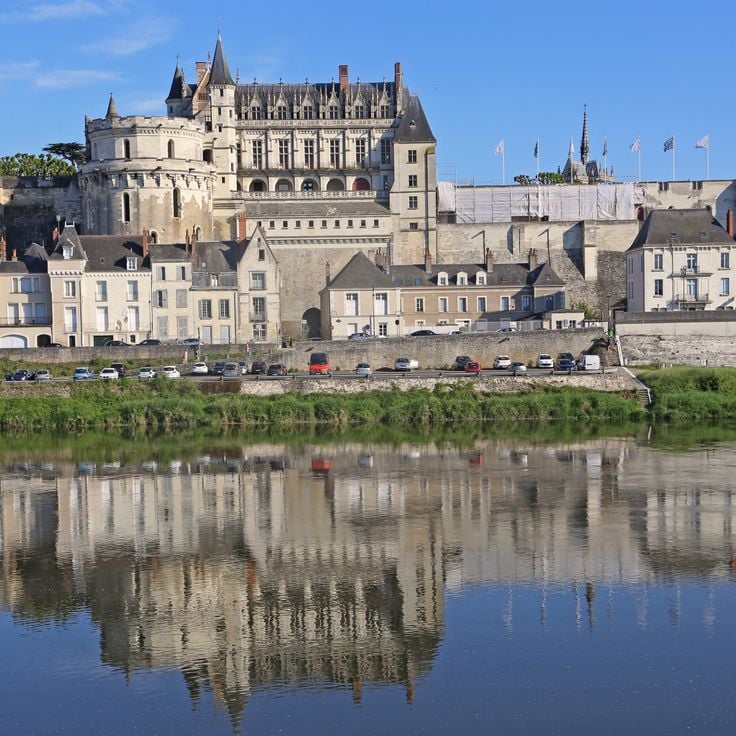
Amboise, France
The castle overlooks the Loire from a limestone cliff. Charles VIII was born here and Leonardo da Vinci is buried in the castle chapel.
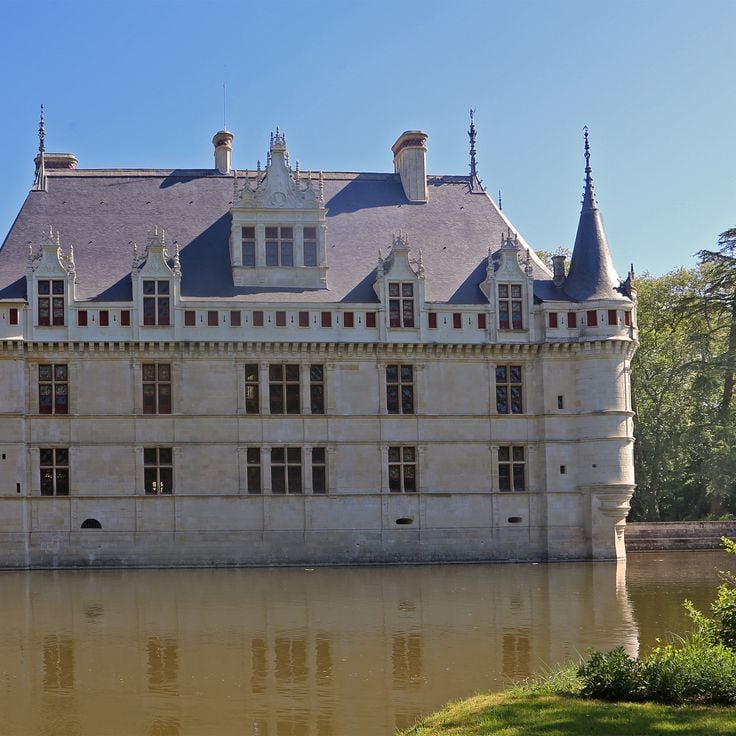
Azay-le-Rideau, France
The 16th century building stands on an artificial island in the Indre River. The facades display typical features of early French Renaissance.
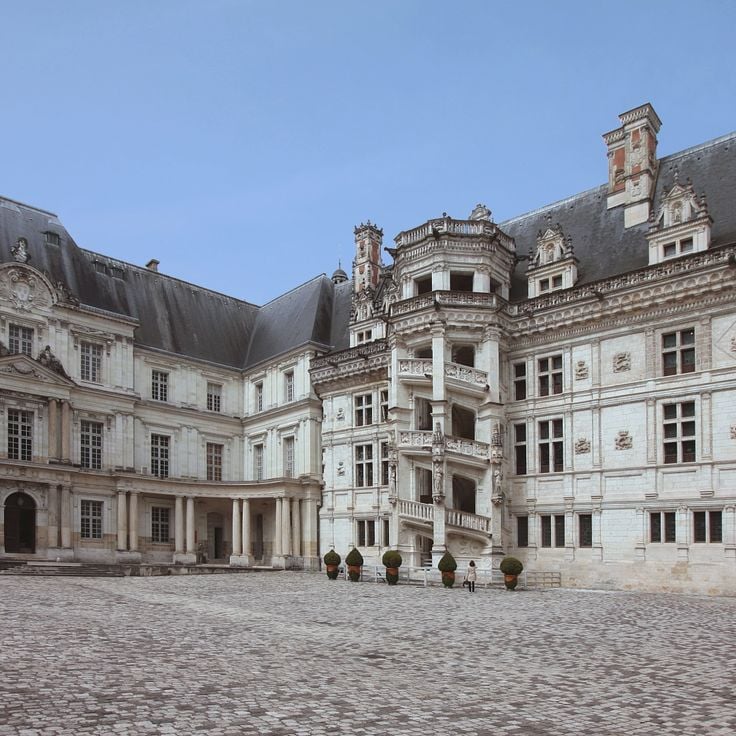
Blois, France
The palace combines four architectural styles from different periods. Seven French kings resided here between the 13th and 17th centuries.
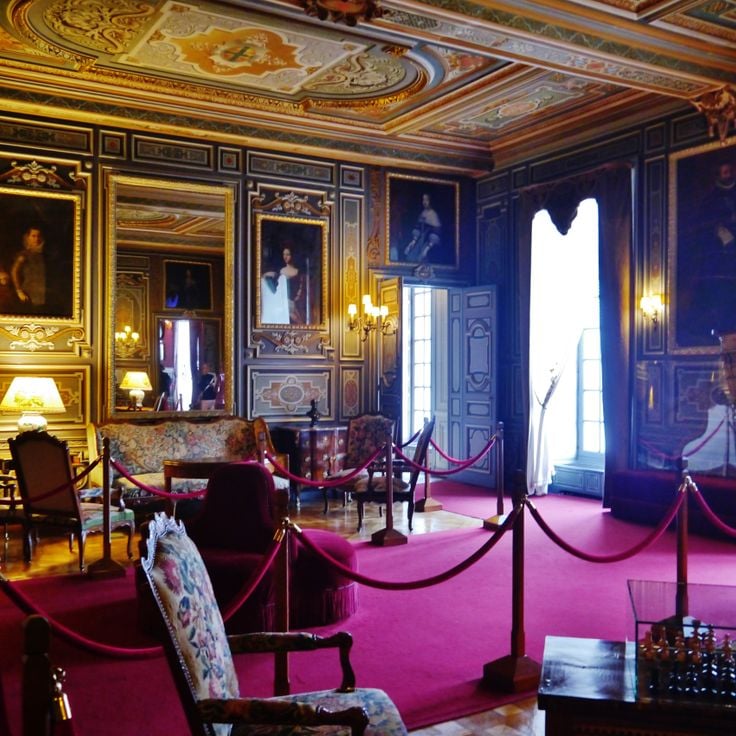
Cheverny, France
Built in the 17th century, the castle belongs to the Hurault family. The architecture served as template for Marlinspike Hall in Tintin comics.
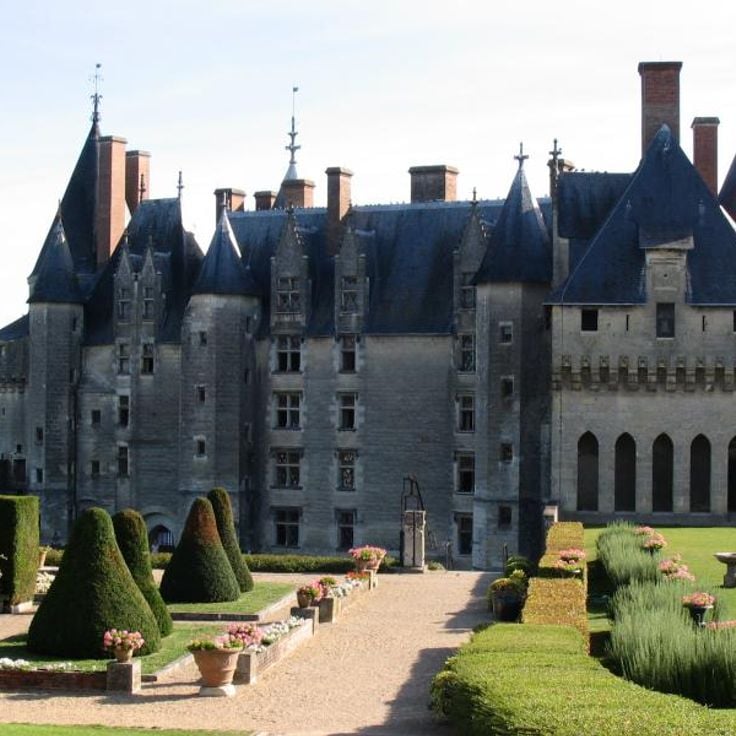
Langeais, France
The 15th century castle combines military defenses with living quarters. The medieval fortress features high walls and defensive towers.
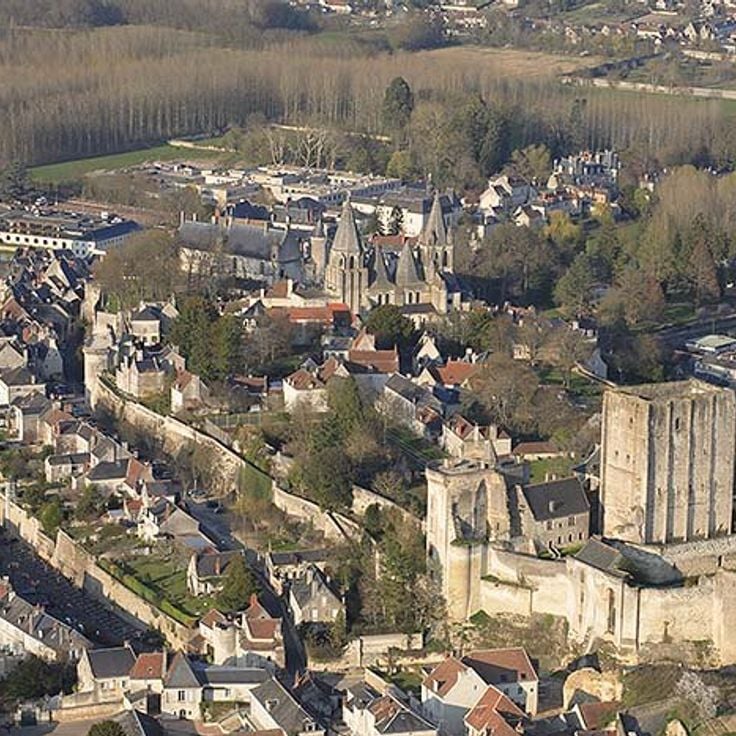
Loches, France
An 11th-century fortress with a 36-meter-high keep. The complex served as both a military installation and prison.
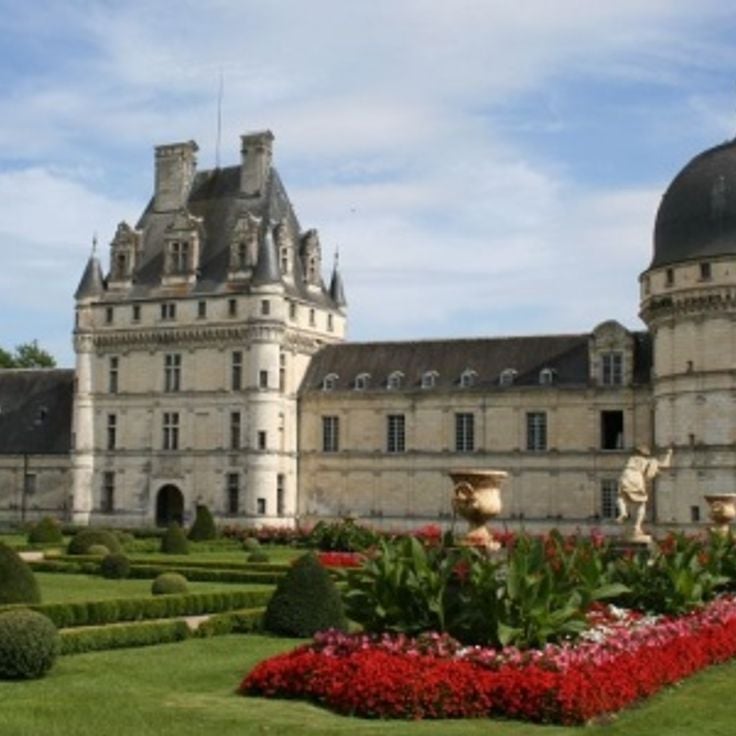
Valençay, France
The castle combines Renaissance and classical architecture. The interior rooms contain original furniture from the 18th and 19th centuries.
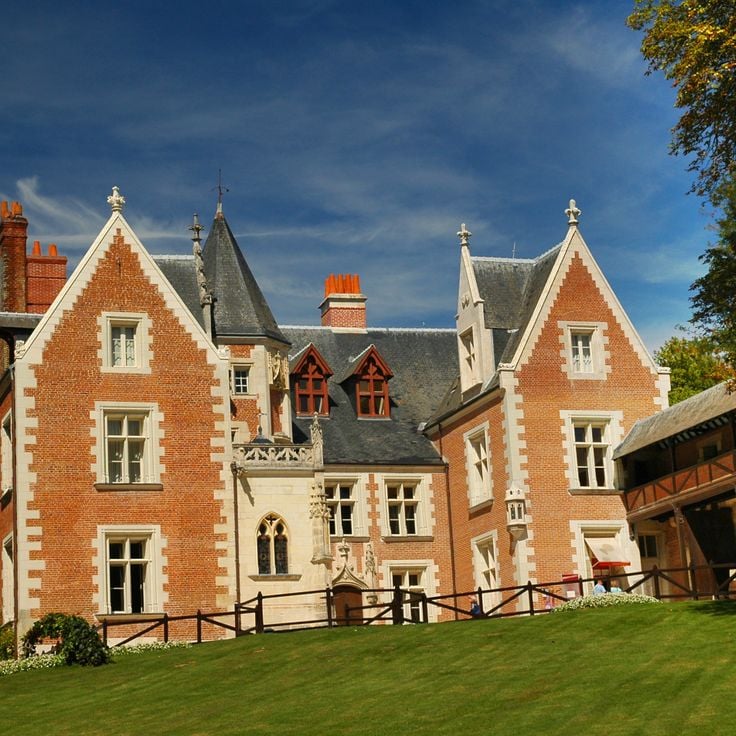
Amboise, France
A 15th century red brick manor house. Leonardo da Vinci lived here from 1516 to 1519.
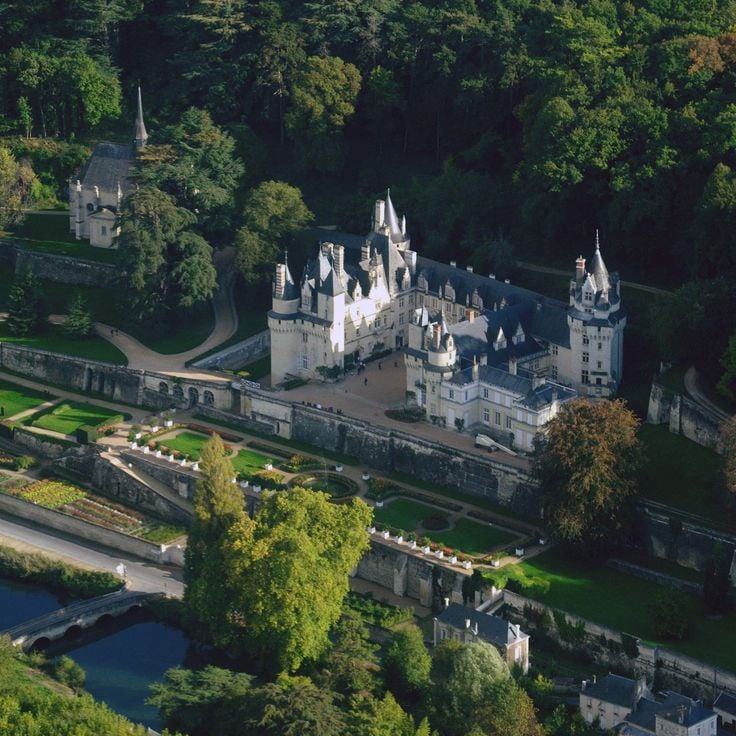
Rigny-Ussé, France
A 15th-century castle with white towers and battlements on the banks of the Indre river. Charles Perrault wrote his tales here.
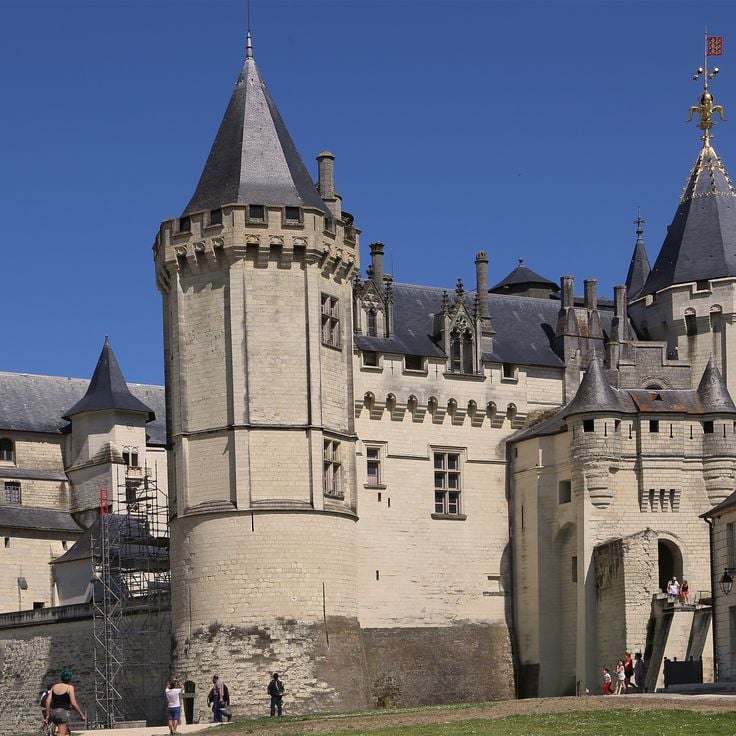
Saumur, France
Overlooking the town of Saumur, this castle features elements from different periods including a notable equestrian school.
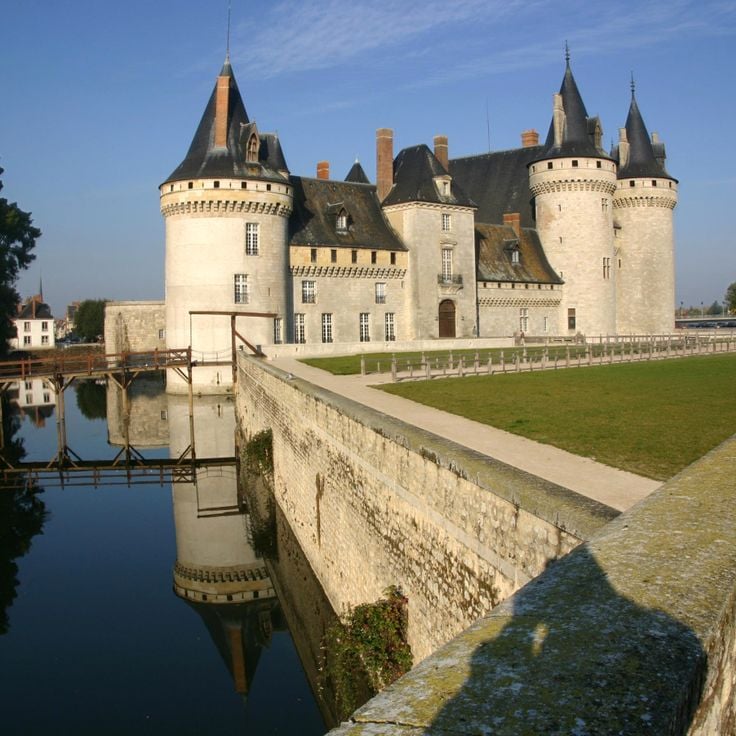
Sully-sur-Loire, France
Originally a medieval fortress, it was later transformed into the elegant home of Maximilien de Béthune, Duke of Sully.

Chinon, France
Known for its historical ties to Joan of Arc and King Richard the Lionheart, this château offers panoramic views over the Vienne river.
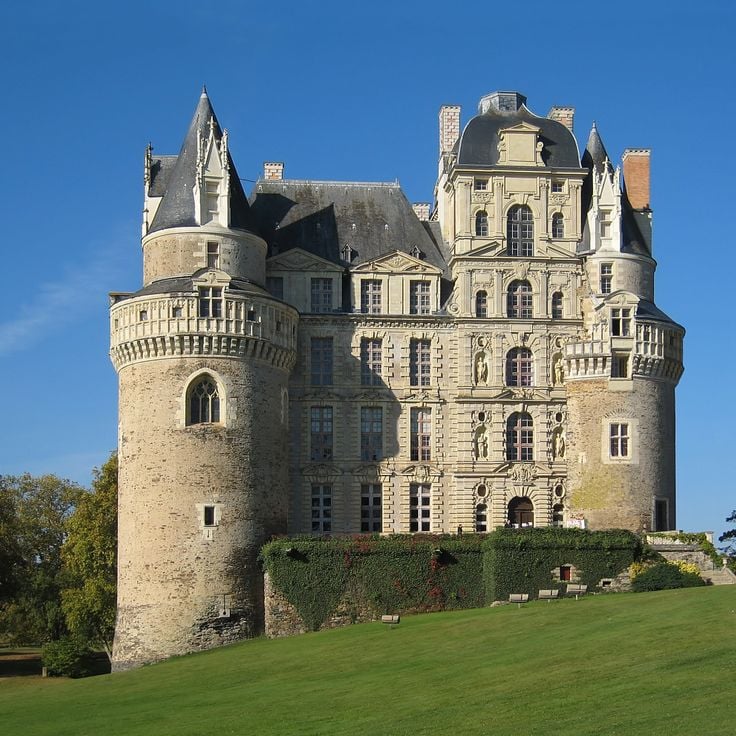
Brissac-Quincé, France
Dubbed the 'Giant of the Loire Valley,' this is the tallest château in France with sumptuous interior decorations.
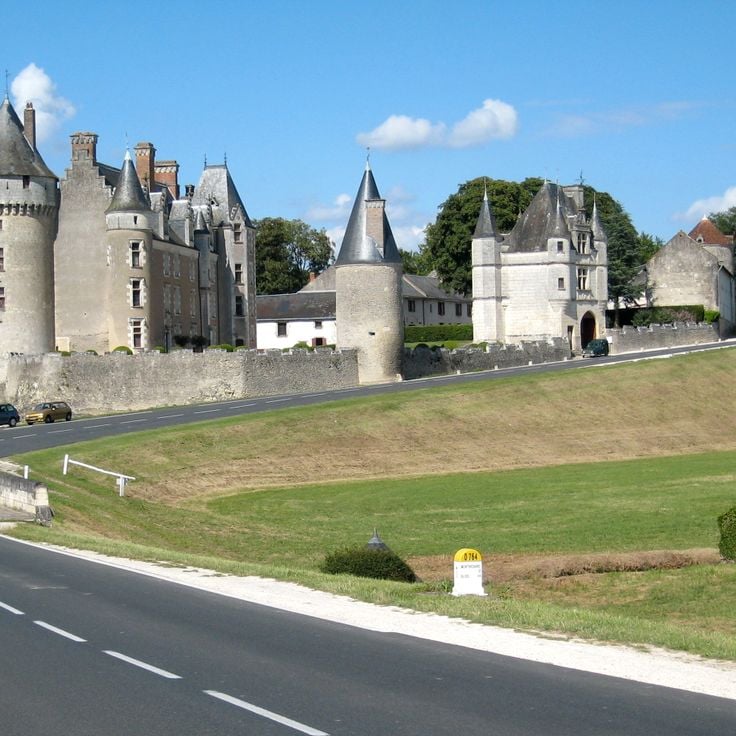
Céré-la-Ronde, France
The historic building contains a collection of hunting artifacts and stands in a wooded area with private chambers of the owner family.
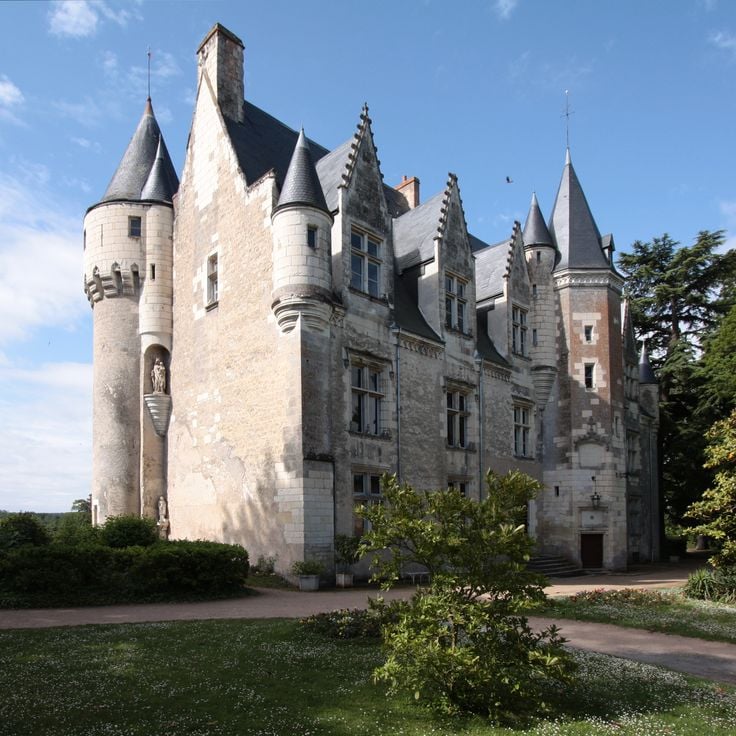
Montrésor, France
The medieval structure stands in the center of a recognized historical village and displays furniture from different periods.
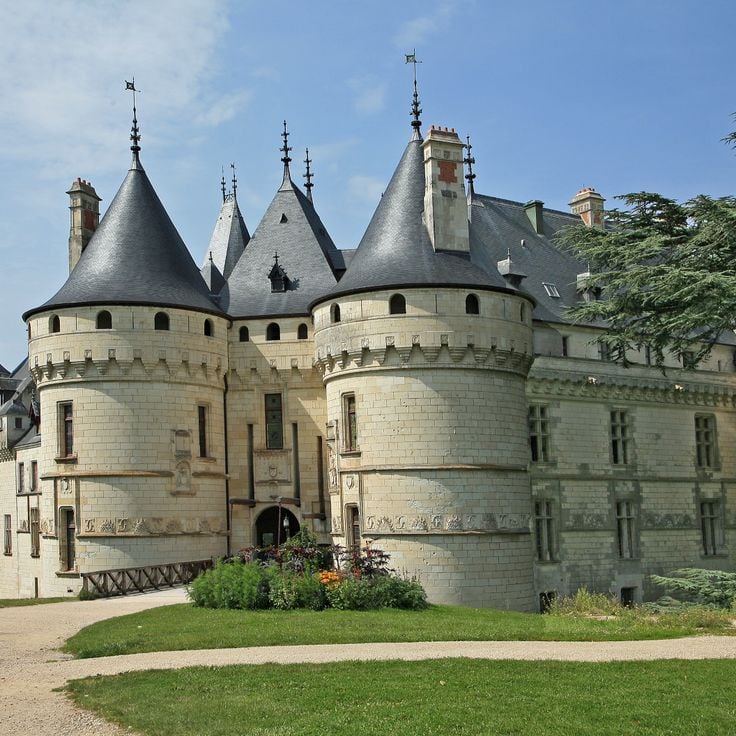
Chaumont-sur-Loire, France
The estate organizes a garden exhibition and displays modern artworks in its historical rooms overlooking the Loire river.
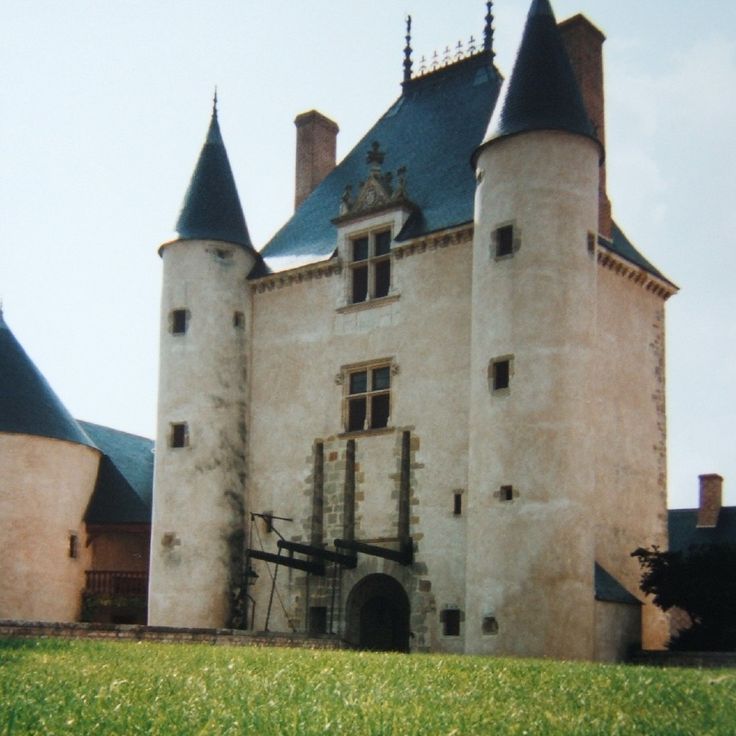
Chilleurs-aux-Bois, France
The Renaissance building contains a collection of historical scents and shows the evolution of perfume making through centuries.
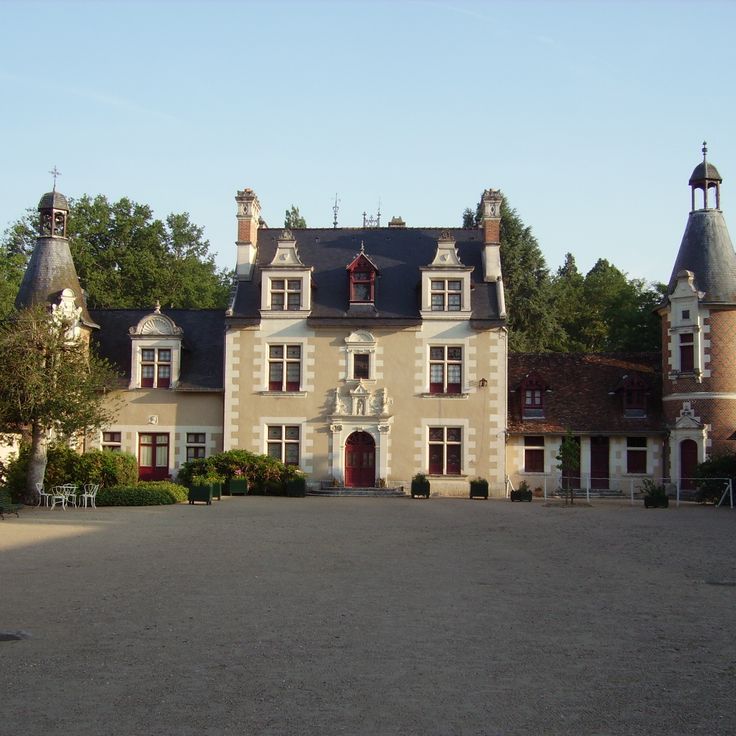
Cheverny, France
The 16th century Renaissance building spans two hectares of land featuring a vegetable garden and old trees.
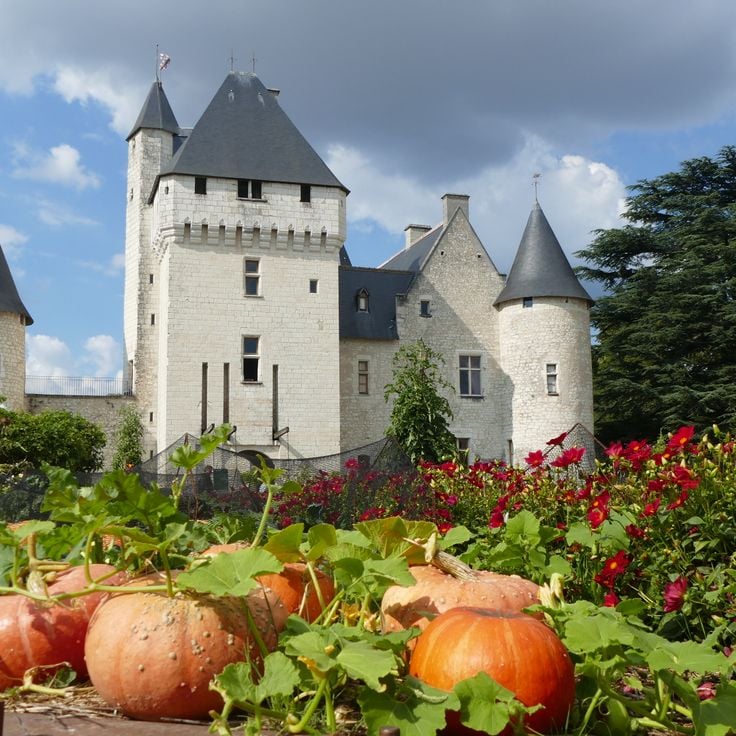
Lémeré, France
The medieval fortress features 15th-century stables and gardens with contemporary art displays.
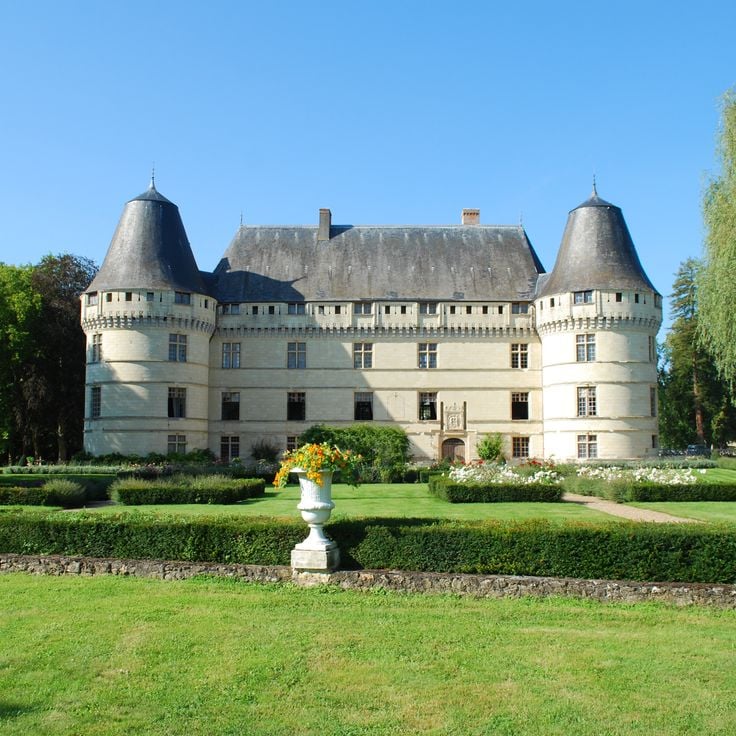
Azay-le-Rideau, France
The Renaissance building on the Indre riverbank hosted the artists in the late 19th century.
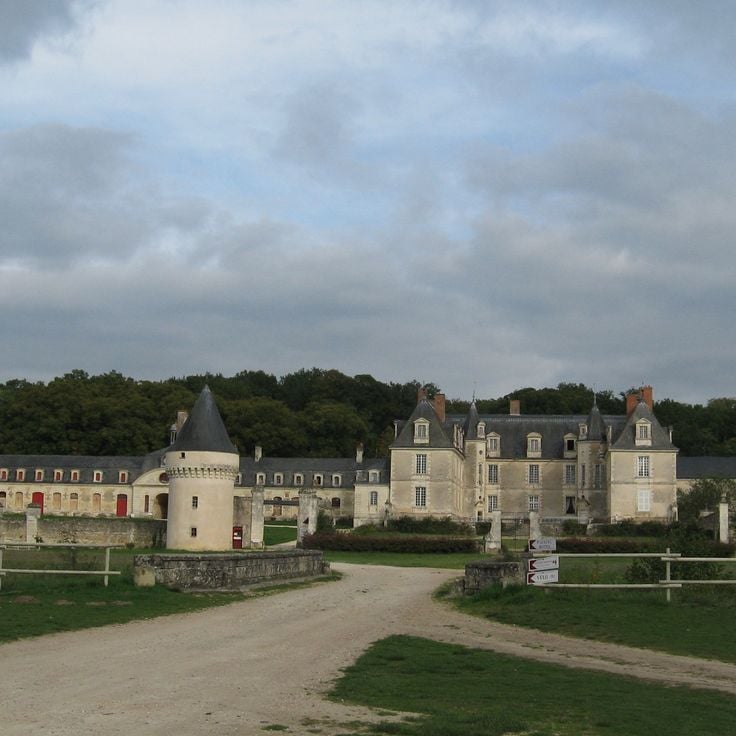
Gizeux, France
The castle contains a gallery with 17th-century wall paintings and extends over 250 meters in length.
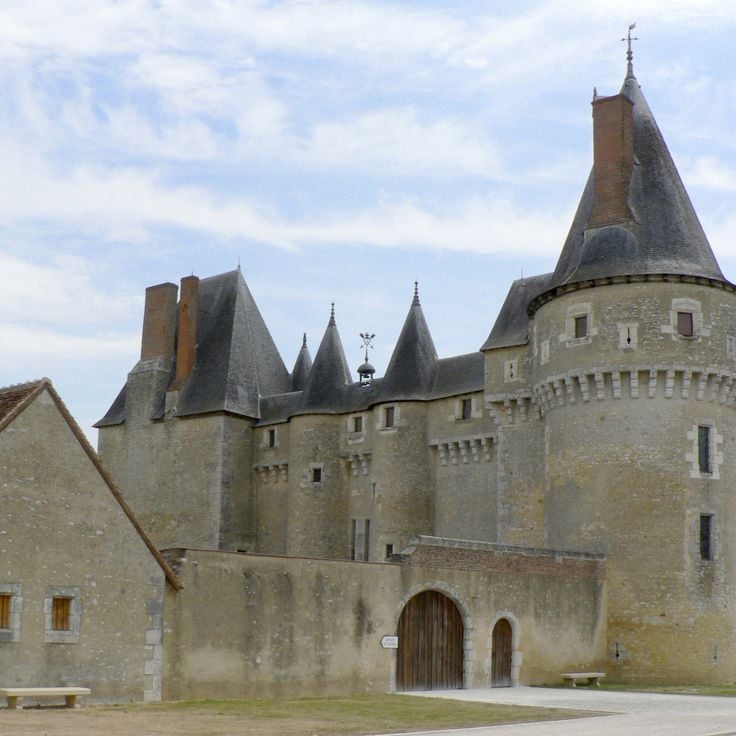
Fougères-sur-Bièvre, France
This medieval fortress displays characteristic features of French rural architecture with defensive walls and angular towers.
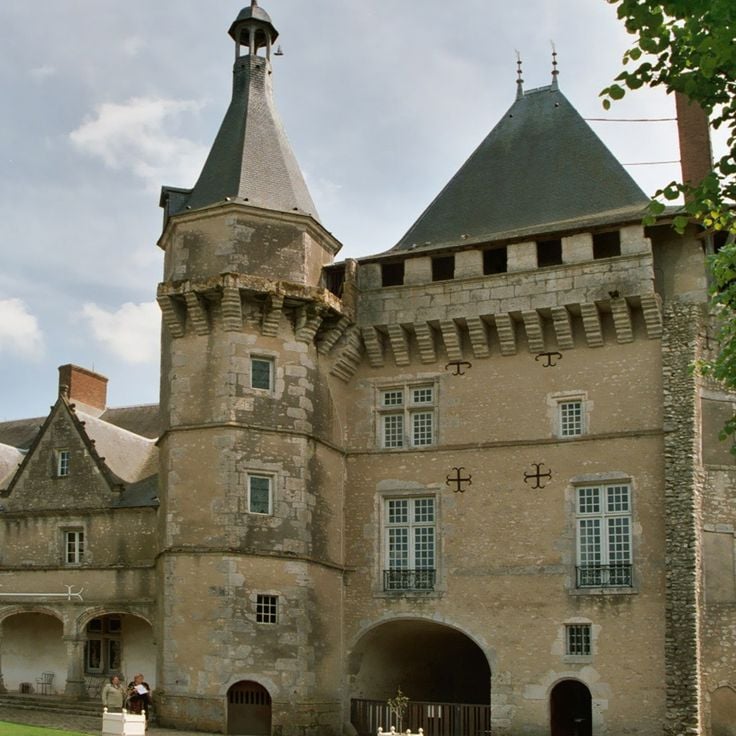
Talcy, France
The 16th century manor house contains original furniture and a historical garden with old fruit trees.
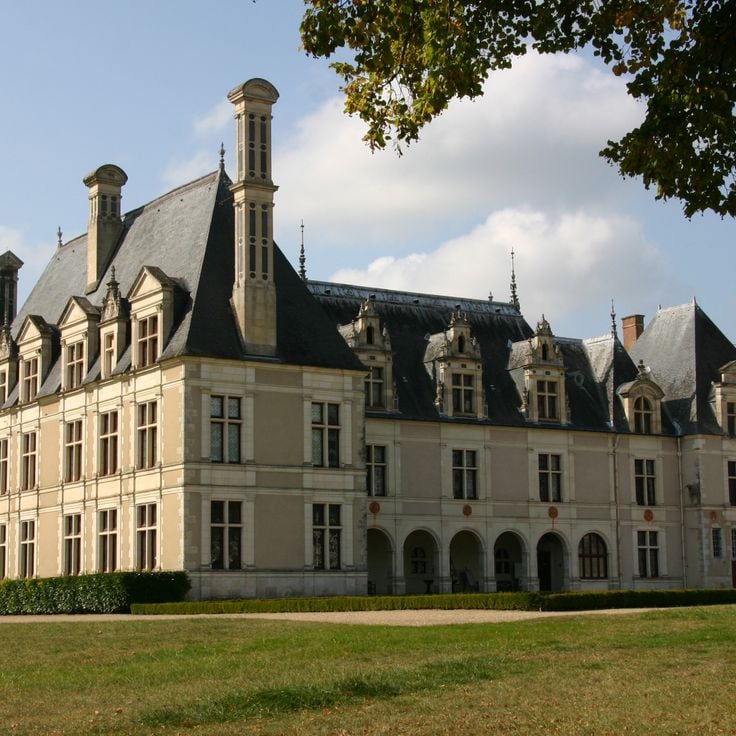
Cellettes, France
The castle's portrait room presents 327 portraits of European personalities from the 14th to 17th centuries.
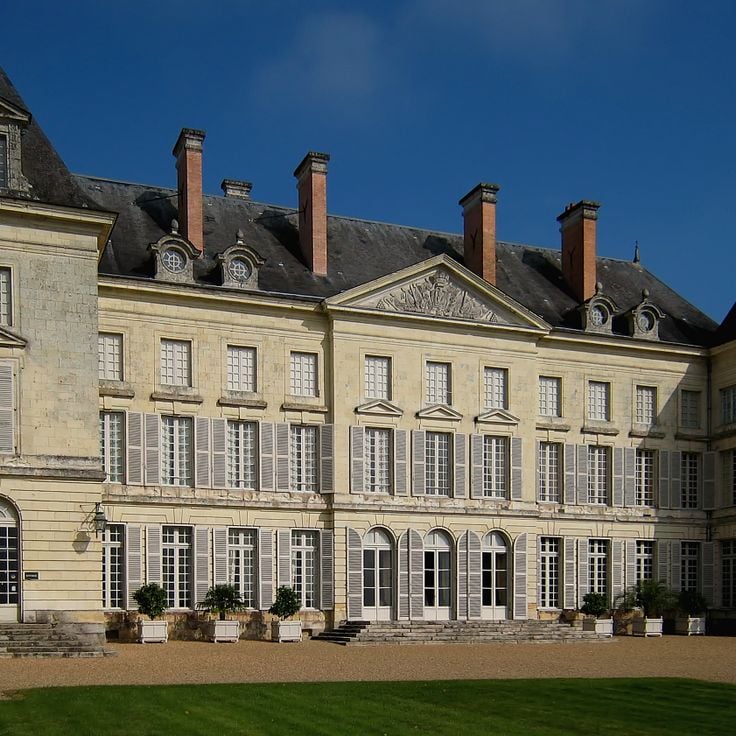
Mazé, France
The castle contains a historical collection of furniture and decorative objects from the 18th century maintained in original condition.
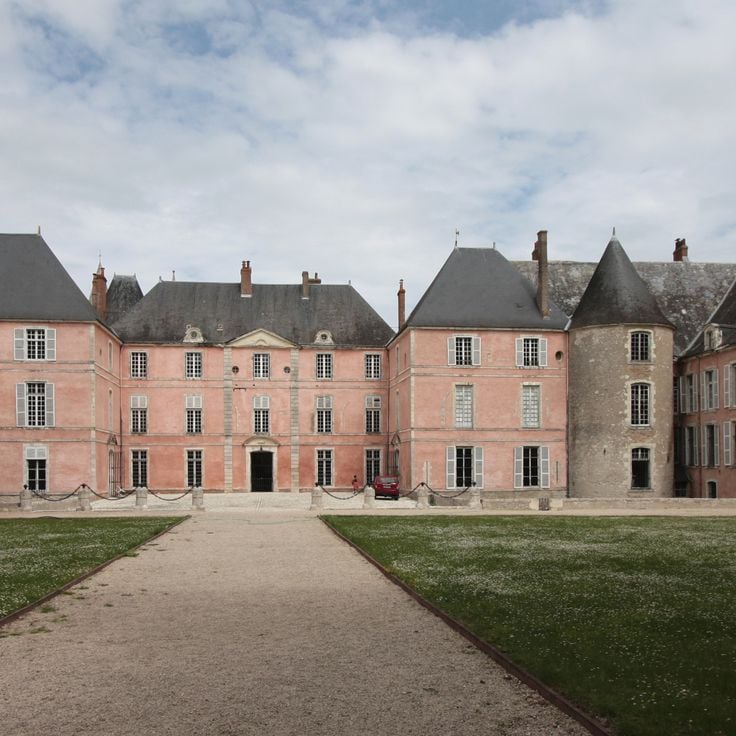
Meung-sur-Loire, France
The medieval building spans 6000 square meters and contains a 13th-century bishop's hall with period furnishings.
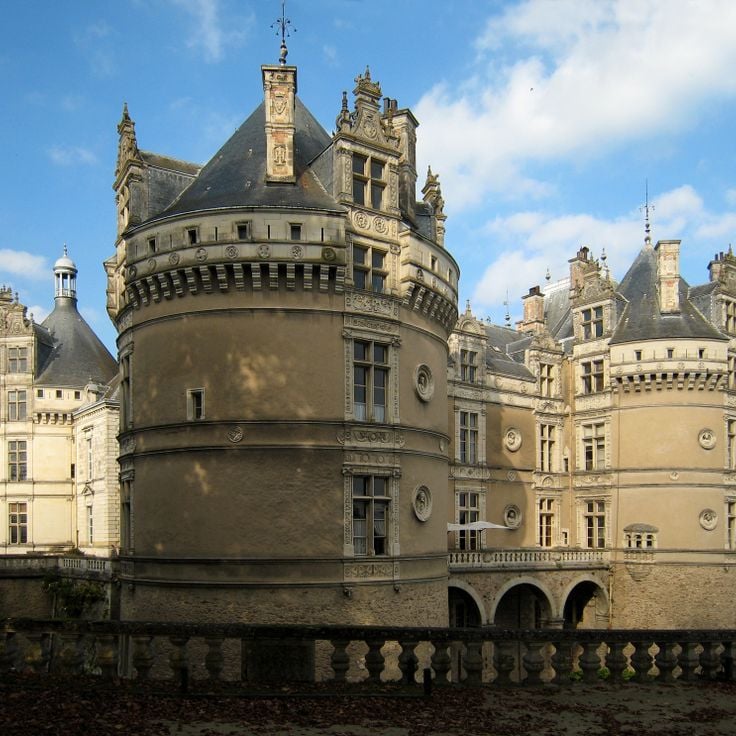
Le Lude, France
The castle features 10th-century fortress walls and Renaissance interior rooms decorated with original tapestries.
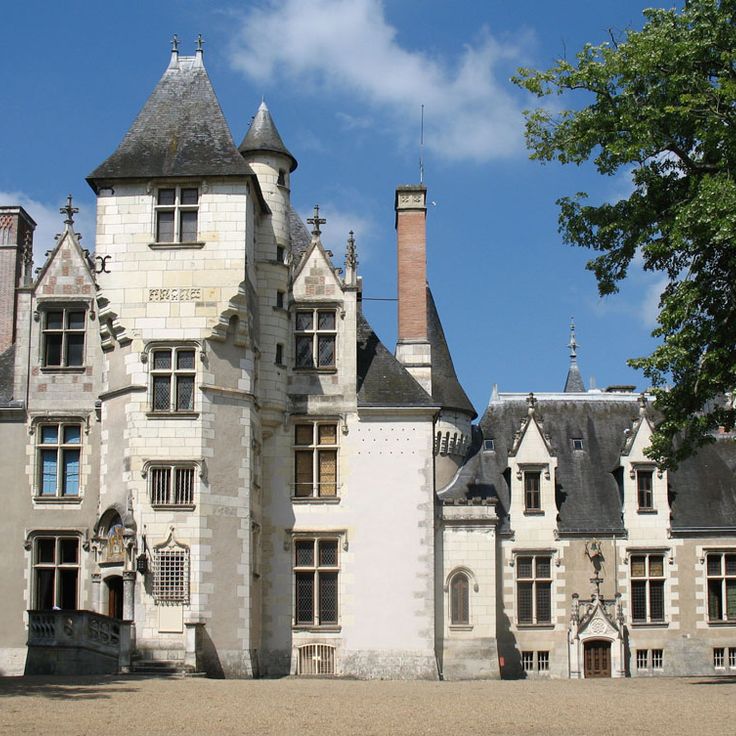
Monts, France
The castle contains an organ with 1800 pipes and hosted the Duke of Windsor's wedding in 1937.
Similar collections
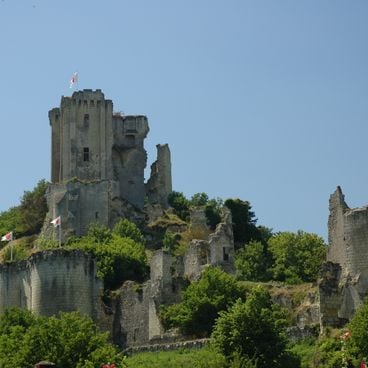
Hidden treasures in Centre-Val de Loire: medieval castles, petrifying caves, and historic mills
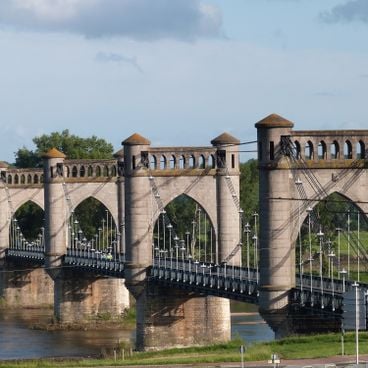
Photo spots in Tours and Val de Loire: places for Instagram and photoshoots
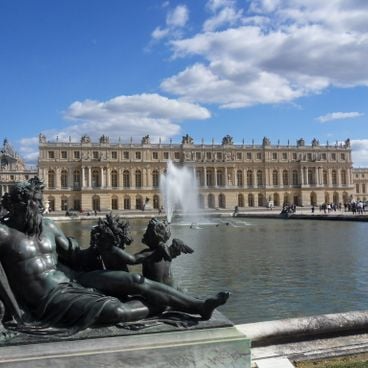
Historic castles near Paris
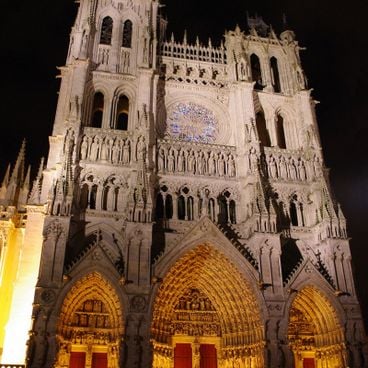
Historical buildings in France: castles, cathedrals, Roman architecture