See the monuments around you in AROpen chests in the app
Around Us is built for your phone — point your camera at the streets and discover the monuments and places around you in augmented reality.Around Us is built for your phone — chests unlock when you walk, explore and capture nearby places.
Top spots to explore in Auckland, between volcanoes, beaches, and culture
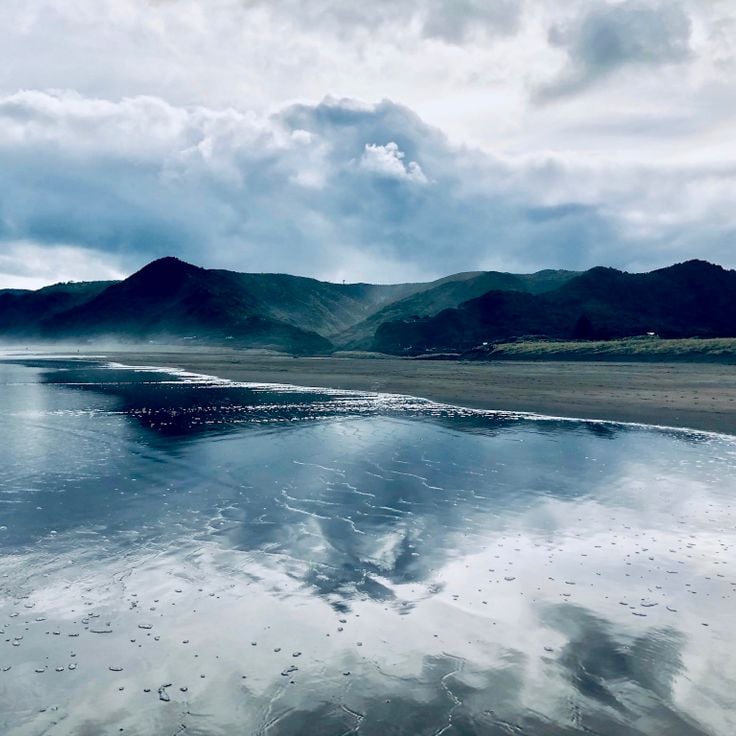
Auckland sits between the Pacific Ocean and the Tasman Sea on a narrow isthmus marked by roughly 50 extinct volcanic cones. Mount Eden and One Tree Hill rise above the neighborhoods and offer views across the harbor, while Rangitoto stands as the largest volcanic island in the region and can be reached by ferry. The coastline shifts between the sheltered eastern beaches such as Mission Bay and Takapuna Beach and the black sand western shores at Piha and Bethells Beach, where the Pacific meets the Waitakere Ranges directly.
The Auckland War Memorial Museum in Auckland Domain holds Polynesian collections and New Zealand military history, while Auckland Art Gallery displays European and indigenous art. Viaduct Harbour serves as a dining precinct and departure point for harbor cruises, and the New Zealand Maritime Museum documents the country's seafaring past. Karangahape Road gathers alternative shops and nightlife, Ponsonby draws an older crowd with cafés and boutiques. Britomart clusters restaurants and design stores in converted waterfront buildings.
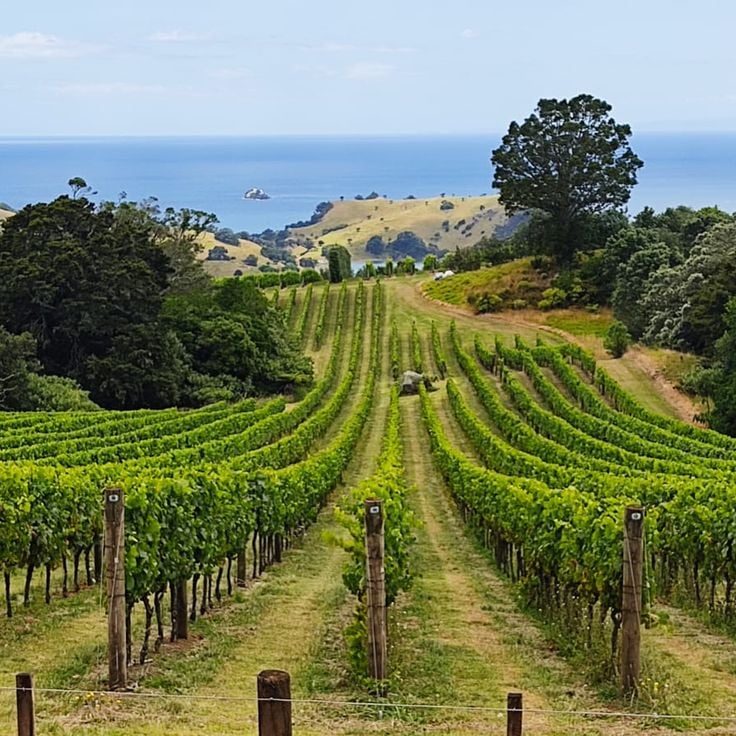
Waiheke Island hosts wineries such as Mudbrick Vineyard and Man O' War Vineyards scattered among vineyards and bays, while Tantalus Estate operates in West Auckland. Auckland Botanic Gardens present native plant species across 158 acres, and Auckland Zoo keeps over 1,400 animals. Queen Street runs through the center from the harbor to the University of Auckland, and Sky Tower stands 1,076 feet (328 meters) above the city. This selection covers the main sites for understanding Auckland's geography and range.
Top spots to explore in Auckland, between volcanoes, beaches, and culture
Auckland sits between the Pacific Ocean and the Tasman Sea on a narrow isthmus marked by roughly 50 extinct volcanic cones. Mount Eden and One Tree Hill rise above the neighborhoods and offer views across the harbor, while Rangitoto stands as the largest volcanic island in the region and can be reached by ferry. The coastline shifts between the sheltered eastern beaches such as Mission Bay and Takapuna Beach and the black sand western shores at Piha and Bethells Beach, where the Pacific meets the Waitakere Ranges directly.
The Auckland War Memorial Museum in Auckland Domain holds Polynesian collections and New Zealand military history, while Auckland Art Gallery displays European and indigenous art. Viaduct Harbour serves as a dining precinct and departure point for harbor cruises, and the New Zealand Maritime Museum documents the country's seafaring past. Karangahape Road gathers alternative shops and nightlife, Ponsonby draws an older crowd with cafés and boutiques. Britomart clusters restaurants and design stores in converted waterfront buildings.
Waiheke Island hosts wineries such as Mudbrick Vineyard and Man O' War Vineyards scattered among vineyards and bays, while Tantalus Estate operates in West Auckland. Auckland Botanic Gardens present native plant species across 158 acres, and Auckland Zoo keeps over 1,400 animals. Queen Street runs through the center from the harbor to the University of Auckland, and Sky Tower stands 1,076 feet (328 meters) above the city. This selection covers the main sites for understanding Auckland's geography and range.
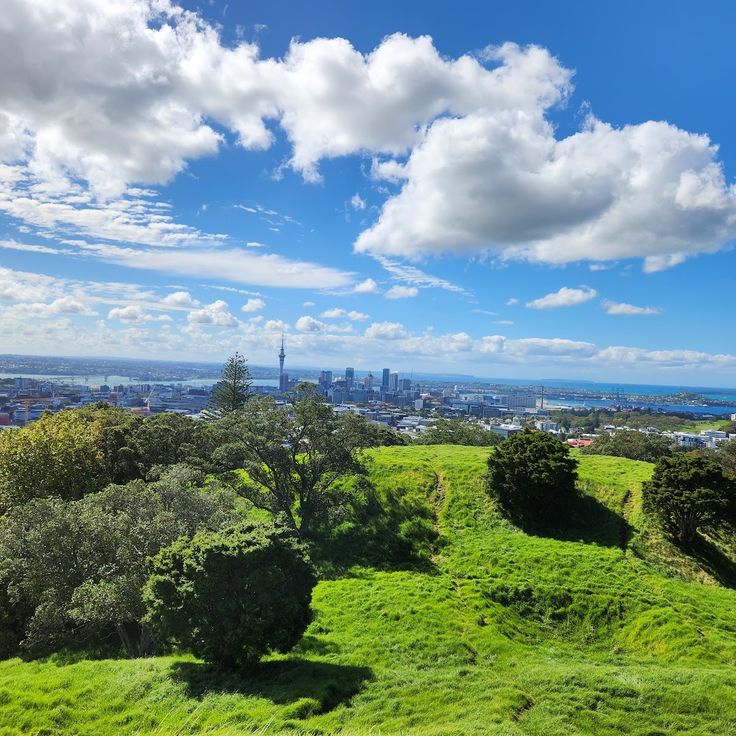
This dormant volcano rises 196 meters (643 feet) above the city and its deep crater marks the highest natural point in Auckland. From the rim you survey downtown, the harbor and the surrounding hills while the terraced slopes show traces of pre-European Maori fortifications. The summit sits only a few kilometers south of the center and is reached by a ring road or steep walking tracks.
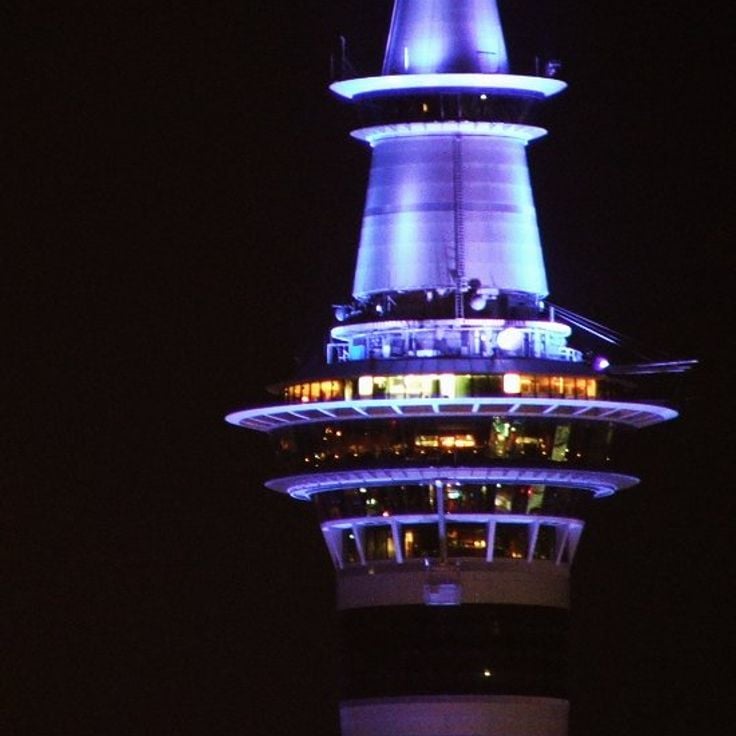
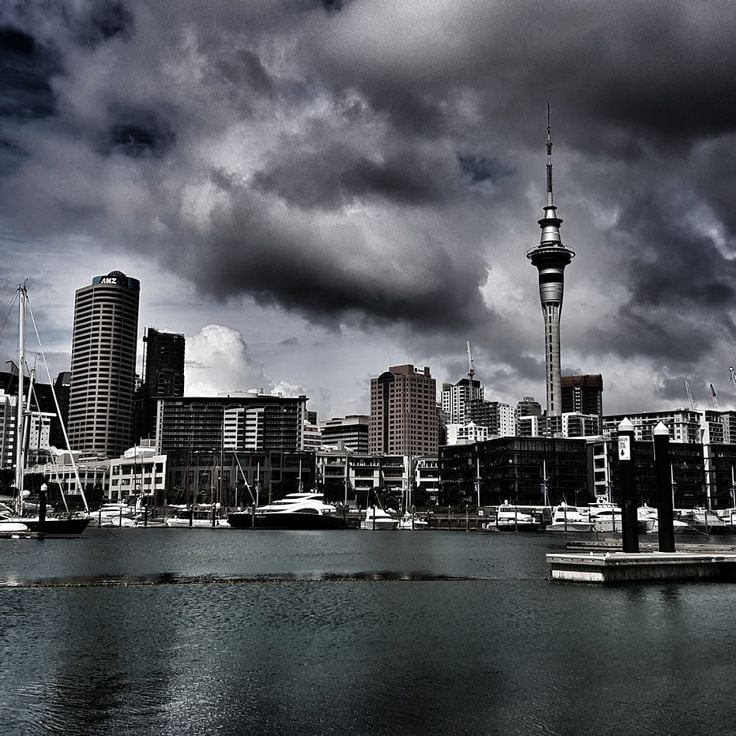
The Sky Tower rises 328 meters (1,076 feet) above Auckland and offers views across the city, the offshore volcanic islands and both harbor bays from three observation levels. The tower has marked the center of the metropolis since 1997 and provides orientation over the geographic position between the Pacific Ocean and the Tasman Sea. On clear days visibility extends to the Waitakere Ranges in the west and the Hauraki Gulf Islands in the east. The platforms are located at 186, 220 and 300 meters (610, 722 and 984 feet) and show the extent of the city as well as the volcanic cones within the urban area.
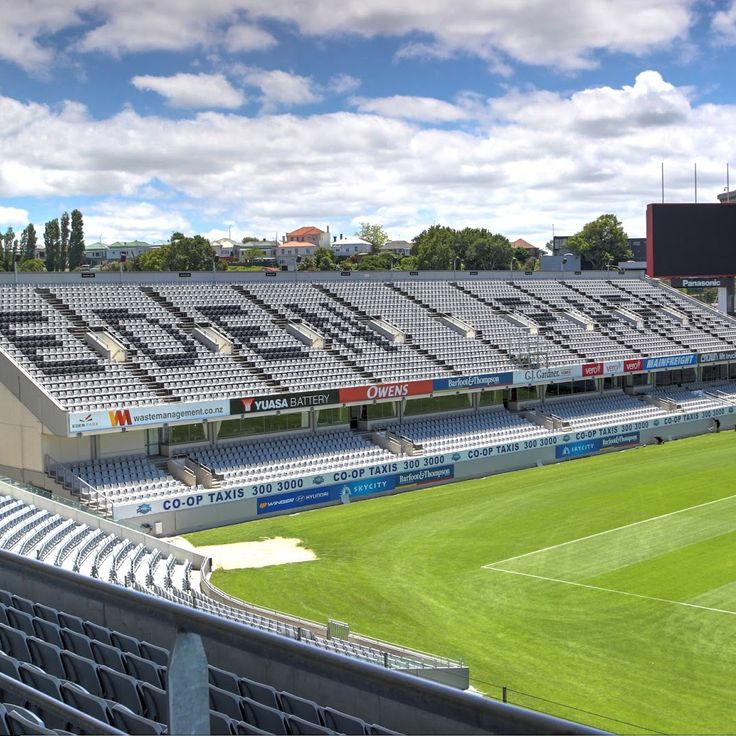
Eden Park is New Zealand's largest stadium with fifty thousand seats and has served as the center of rugby and cricket in Auckland for over a century. The stadium hosts home matches for the All Blacks and major international cricket test matches. The facility sits at the base of Mount Eden and includes two grandstands, a museum dedicated to rugby history, and a tour area offering access to locker rooms and the playing field. Attendance during international matches draws tens of thousands of spectators, transforming the venue into an arena where sport and local identity converge.
The Auckland War Memorial Museum charts the country's development through archaeological finds, botanical collections and historical documents. Exhibitions combine natural history specimens with Māori cultural artifacts and dedicate several halls to New Zealand servicemen who served in both World Wars and later conflicts. The building stands in Auckland Domain and offers views across the harbor from the upper terrace.
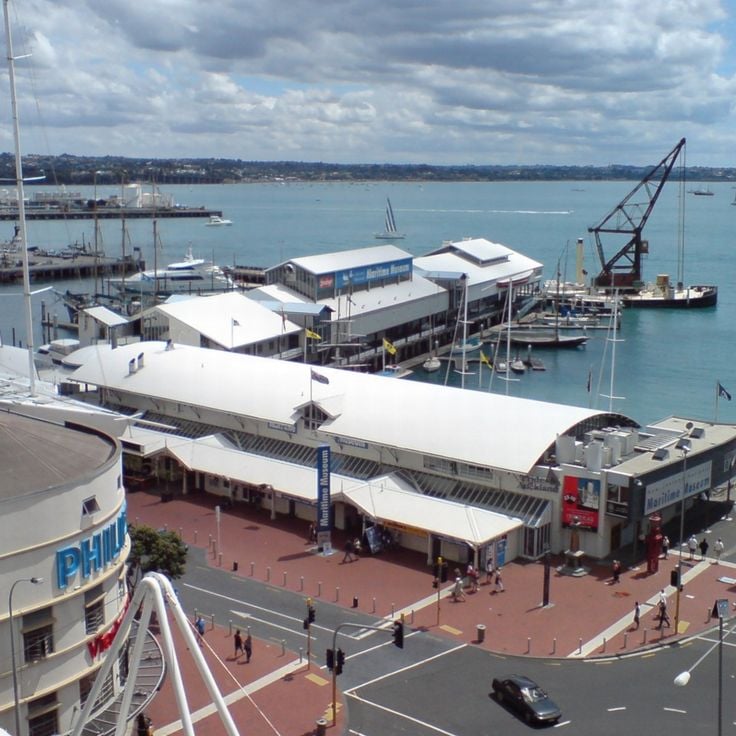
Viaduct Harbour is a modern port on the edge of the business district that brings maritime life into the center of the city through its marinas, restaurants and cafés, offering direct access to sailing events and the waterfront that make Auckland an important nautical hub of New Zealand.
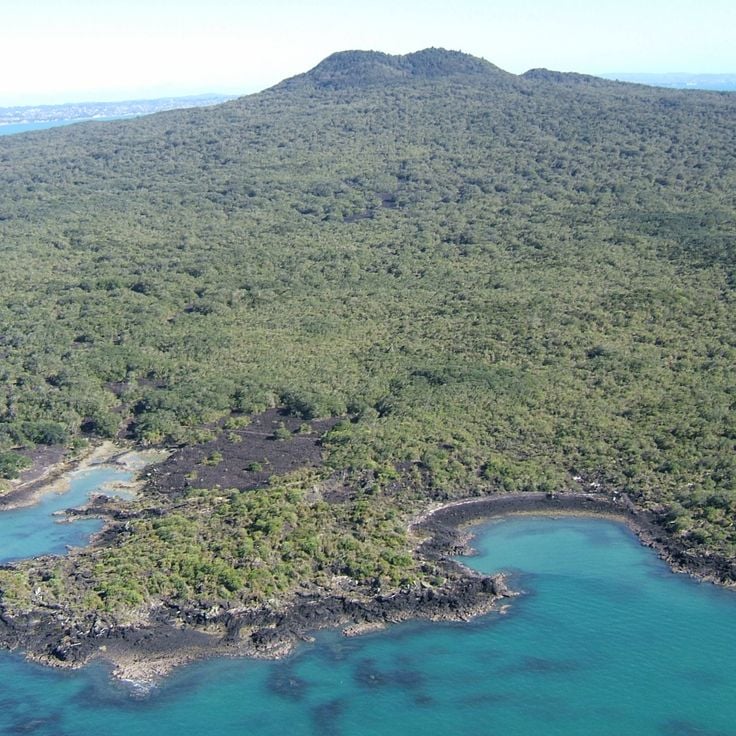
Rangitoto Island formed six centuries ago from volcanic activity and sits in the Hauraki Gulf off Auckland. A trail leads through solidified lava fields to the 850-foot (260-meter) summit, where views extend across the city, harbor and surrounding islands. The black basalt coastline and low vegetation of pohutukawa trees define the landscape of this youngest volcano in the region.
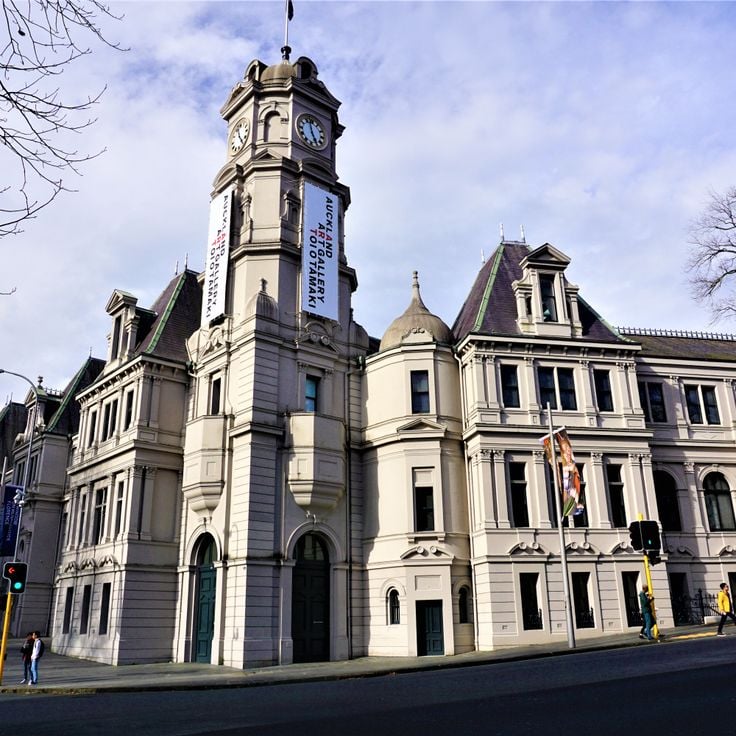
The Auckland Art Gallery opened in 1888 and displays New Zealand art alongside European paintings and international collections in a building inspired by French design. The collection documents the country's artistic development and connects local perspectives with works from different continents. The museum sits centrally in the city and provides an overview of several centuries of art history.
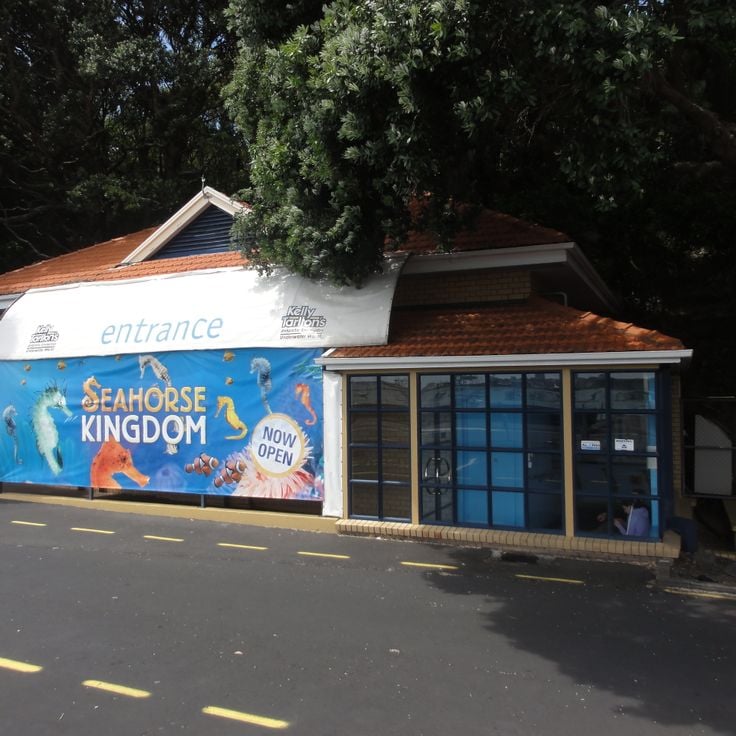
Opened in 1985, this aquarium uses transparent underwater tunnels that place visitors directly among Antarctic penguins and Pacific marine life. Kelly Tarlton's Sea Life Aquarium occupies former sewage tanks along the shore and combines several themed zones, from shark enclosures to stingray pools. The installation pioneered curved acrylic tunnels and displays both local and exotic species in reconstructed habitats. The circuit takes around two hours and provides insight into marine ecosystems of the southern hemisphere.
This expansive park covers 185 acres (75 hectares) in the heart of the city and houses gardens, sports fields, tree-lined paths and the Auckland Museum, which sits atop an extinct volcanic cone. Established in 1840, the grounds combine open lawns with subtropical plant collections, including winter gardens featuring palms and ferns. Walking trails wind through different sections, from formal flower beds to dense stands of trees, while the elevated position offers wide views across the city.
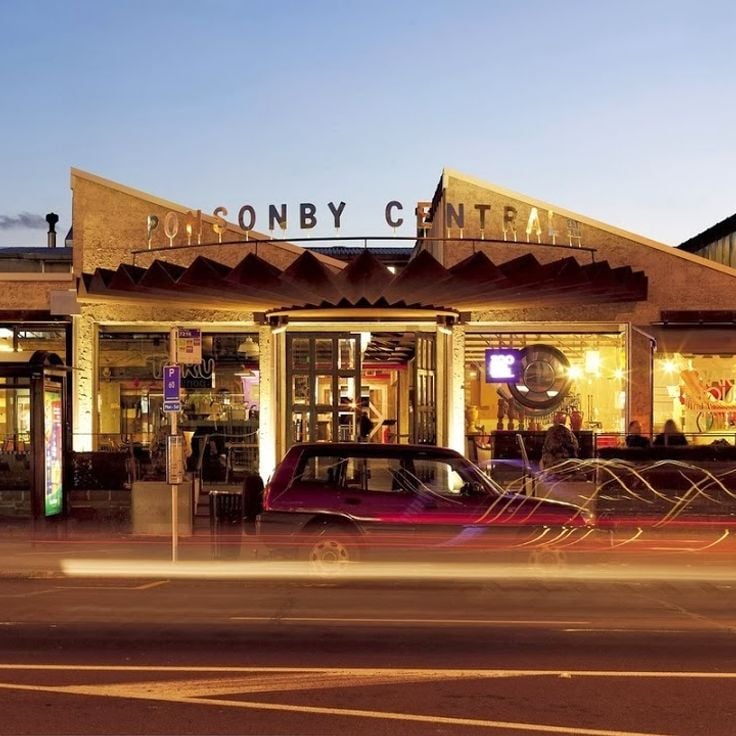
Ponsonby combines Victorian houses with local galleries, cafés and independent designer shops, located within walking distance of the city center. The neighborhood gathers restaurants featuring regional produce, bars along Ponsonby Road and small parks suitable for breaks. Shops specializing in vintage fashion, antiques and interior design operate here, along with weekend markets. The streets form a network of quiet residential roads lined with wooden houses and commercial stretches filled with shops and eateries, making Ponsonby a representative example of local life in Auckland.
This ice cream shop in the city center has been serving creative compositions with local ingredients and unusual flavor combinations since 2008. The preparations follow an experimental approach that connects textures and flavors from New Zealand products. You will not find classic flavors here, but rather rotating creations that incorporate fruits, spices and other regional ingredients. The shop attracts visitors looking for ice cream specialties that go beyond the usual offerings.
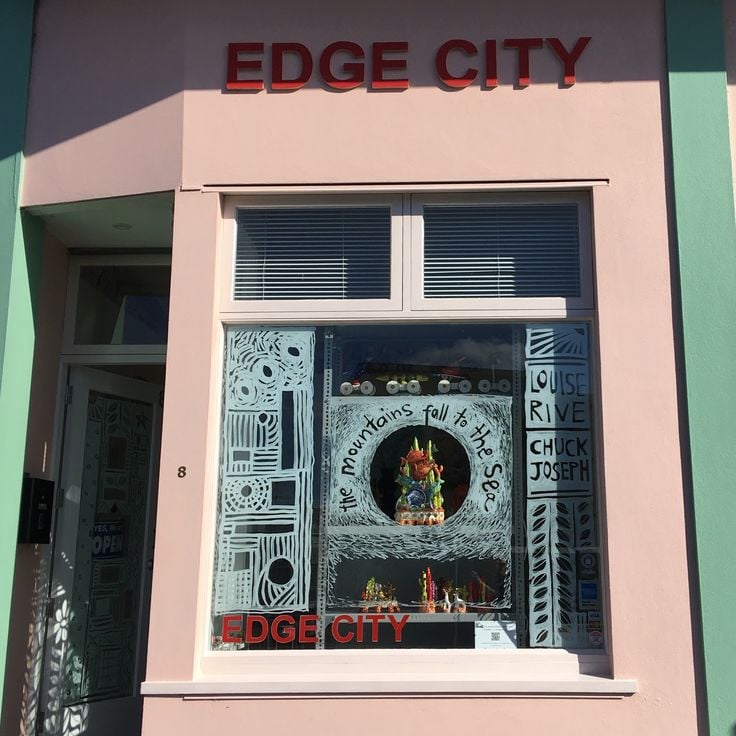
This cultural complex brings together four performance venues in central Auckland, including the Aotea Centre and the historic Civic Theatre. The halls present ongoing concerts, theater productions, ballet evenings and public events. Programming covers classical music, contemporary productions and local performances. The different stages offer varying capacities and atmospheres for shows of all sizes. The Edge serves as the central hub for performing arts in the city and demonstrates the range of Auckland's cultural life between international tours and regional productions.
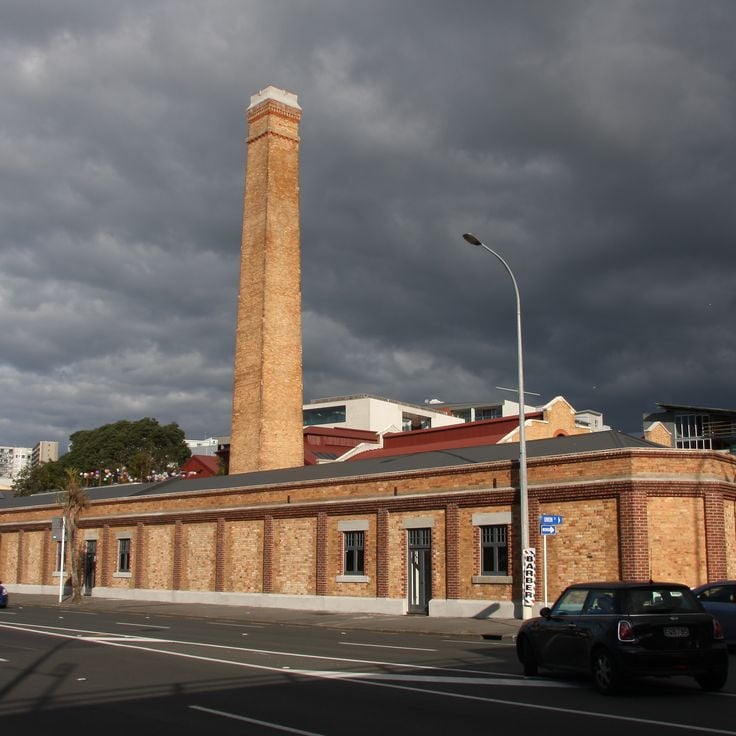
The Victoria Park Market occupies a former industrial complex where craft shops, restaurants and souvenir stands fill spaces within red brick walls that date to Auckland's early industrial period, making it one of the sites that illustrate how the city transformed from a port hub into a modern urban center.
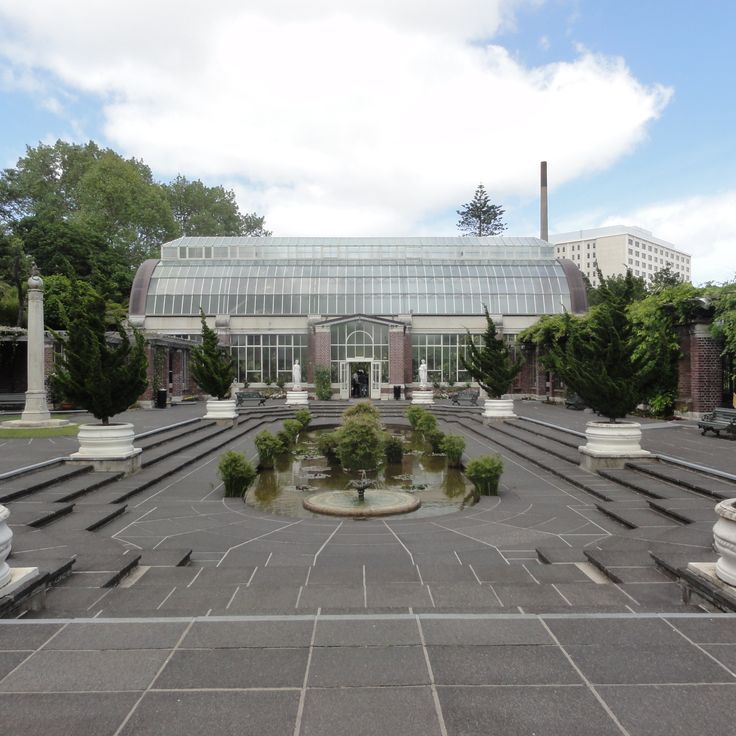
The Auckland Domain Winter Gardens feature two 1921 glasshouses that preserve tropical plants, seasonal flowers and a central marble fountain in a park of volcanic origin at the heart of the city. The complex provides a green retreat with cycads, orchids and bromeliads, remaining free for visitors and serving as a quiet stop during any Auckland exploration. The glasshouses fit into the expansive grounds of the Domain and add to the variety of urban landscape between volcanic cones and coastline.
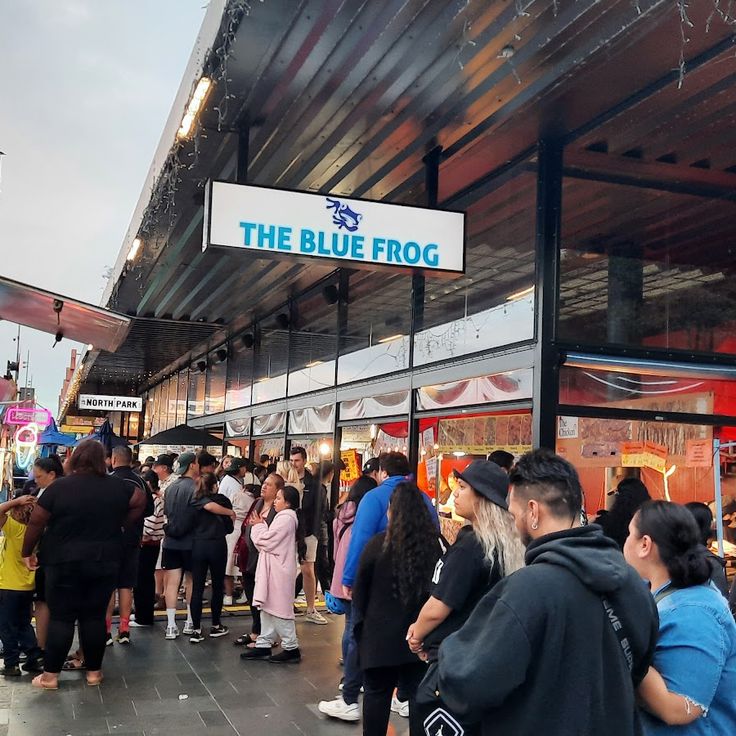
This evening street market gathers dozens of stalls serving international dishes, from Asian noodles to Pacific grills, alongside fruit and vegetable vendors and craftspeople offering locally made goods. Auckland Night Market rotates between several city neighborhoods and attracts families, students and visitors who stroll through the rows in a relaxed setting, sampling different cuisines. Prices remain affordable, the selection broad and the mood lively, especially on weekends when crowds thicken and musical acts occasionally perform.
This main Auckland street gathers secondhand clothing stores, restaurants and bars that stay open late into the night, showing the city's alternative side with a mix of small shops, tattoo studios and live music venues that define the urban nightlife scene.
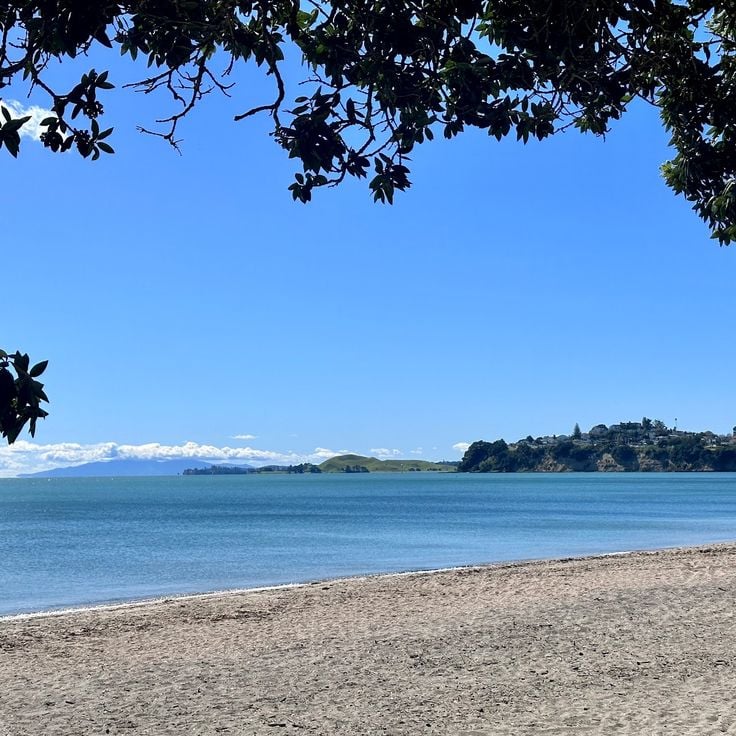
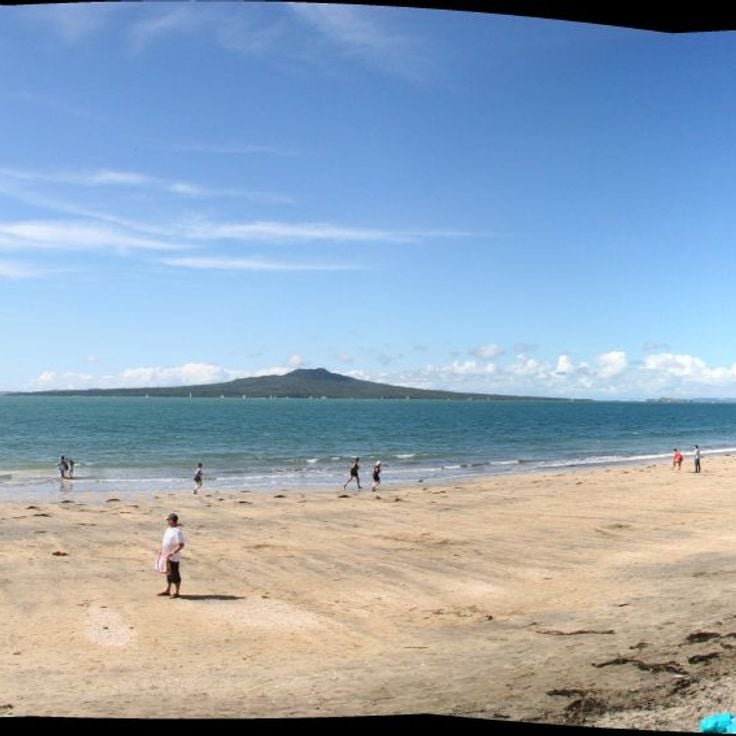
Mission Bay presents a well maintained sandy beach with a waterfront promenade and dining options lining the shore. The beach sits on the eastern coast and offers unobstructed views of Rangitoto, while green spaces behind the promenade draw families and joggers. You can reach the bay from the city center in roughly 15 minutes by car or bus, with calm waters suitable for swimming and cafés open throughout the day. The area combines proximity to downtown with beach access and shows how Auckland blends coastal setting with urban convenience.
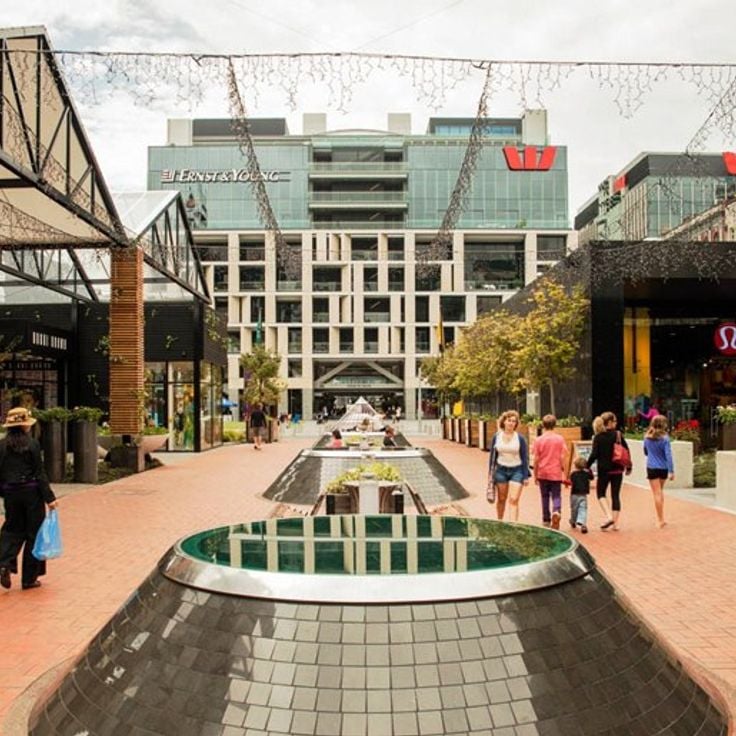
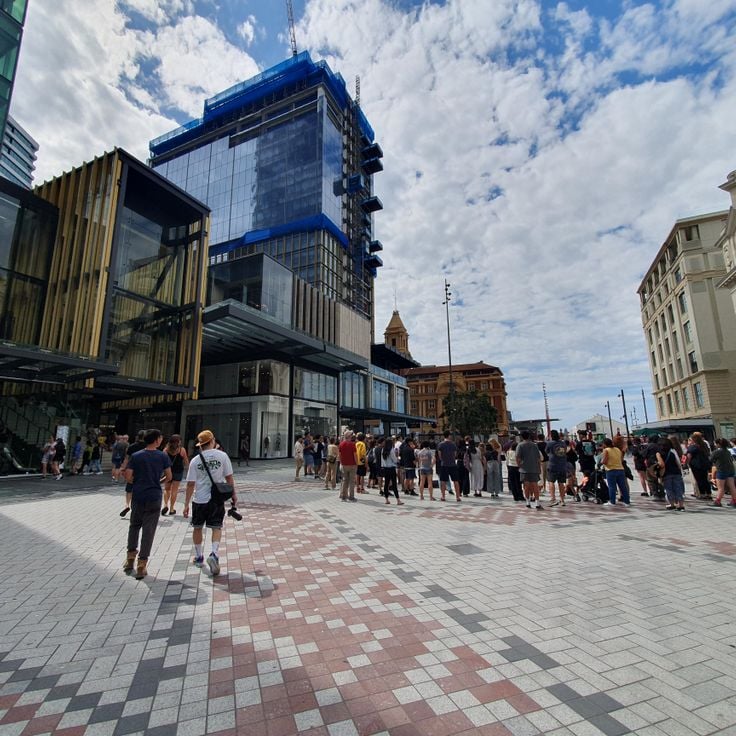
Britomart connects shopping streets with cafes and the city's main railway station, showing how Auckland blends mobility with local dining and design. The former waterfront precinct has been converted into a commercial district with boutiques, restaurants and offices, where commuters, residents and visitors meet between trains and after work. The architecture mixes restored warehouses with contemporary buildings, creating an urban backdrop for daily transit and relaxed breaks.
This beach on Auckland's North Shore spreads a wide arc of pale sand with views across the water to the volcanic profile of Rangitoto Island. Takapuna Beach draws swimmers and walkers along its waterfront promenade, which connects cafes and shops to the shoreline. The water remains generally calm and suits families, while coastal paths extend north toward Milford Beach. Located about 15 minutes north of the city center, the beach fits into the collection of sites that illustrate Auckland's blend of urban structure and coastal geography.
The Harbour Bridge has connected central Auckland to the North Shore since 1959 across a 3,350-foot (1,020-meter) steel arch spanning Waitematā Harbour and marking the passage between the waterfront and the suburbs beyond. Traffic flows day and night in eight lanes above the water while the shipping channel to Devonport and the Gulf Islands opens below the structure. You can cross the arch on foot or join guided climbs that ascend to the upper framework and deliver views across the city, volcanic cones and open sea.
The New Zealand Maritime Museum sits on the waterfront and presents exhibits on Polynesian navigation, European colonization and the country's maritime development. The collection includes traditional vessels, ship models and historical navigation instruments that illustrate the ocean's influence on New Zealand identity. This museum ranks among Auckland's key sites for understanding the connection between city and sea.
Auckland Zoo brings together over 1400 animals from 135 species across grounds focused on conservation projects and breeding programs for threatened species, while visitors move through themed zones learning about New Zealand and international fauna, making it one of the practical addresses for understanding Auckland's biodiversity efforts within the city's varied landscape offering.
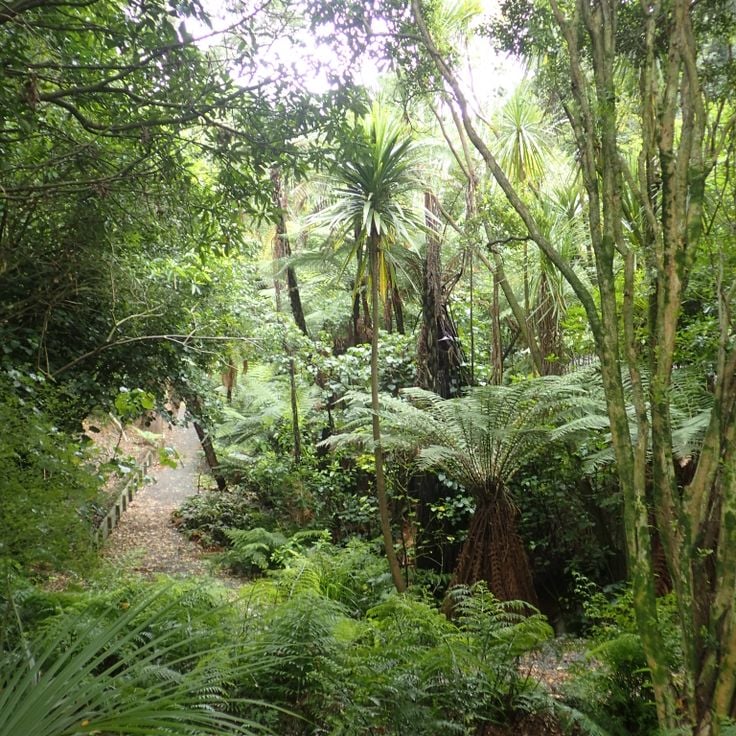
This sanctuary island sits an hour by ferry from Auckland and protects close to two hundred and fifty hectares of regenerated forest that shelters some of New Zealand's rarest native birds. Marked trails lead through the reserve where visitors can spot the flightless takahe, the kokako and the saddleback in their natural habitat.
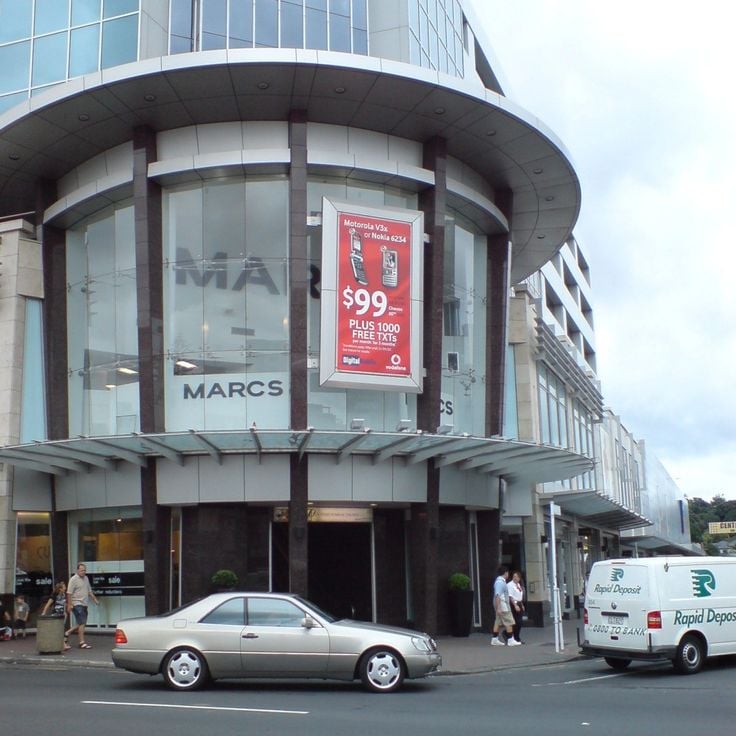
Westfield Newmarket brings together local and international brands across five floors and has served as a central meeting point for residents and travelers in the neighborhood for decades. The 200 stores cover fashion, homewares and electronics while the 30 restaurants and cafés offer New Zealand and Asian cuisine. The onsite cinema screens current blockbusters and local productions, adding to the appeal for an extended visit. Public transport connections by bus and rail make the center a practical starting point between city exploration and shopping.
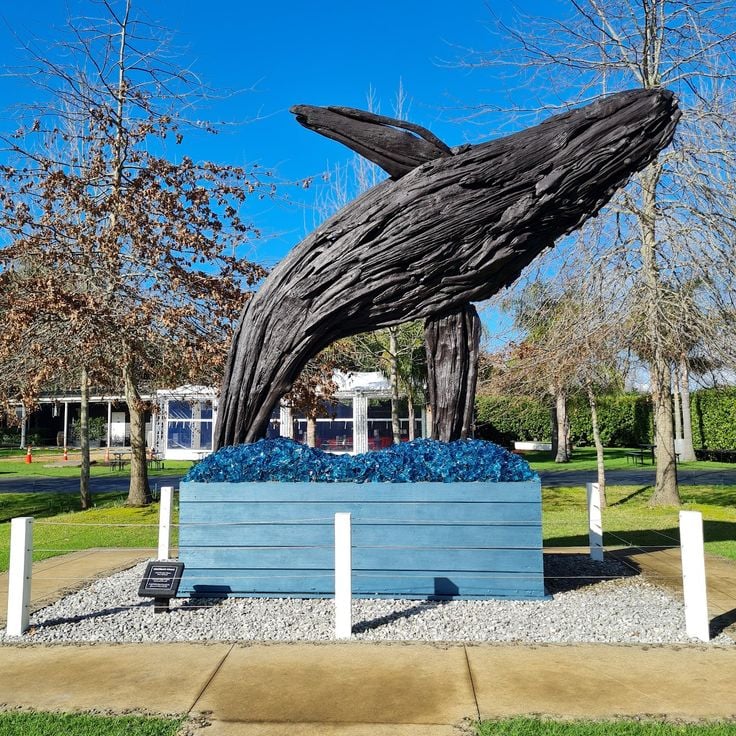
Sculptureum combines contemporary art with three themed gardens on an estate north of Auckland. The gallery displays sculptures, glassworks and rotating light installations among native plants and landscaped pathways. The collection spans indoor spaces and outdoor areas where works by New Zealand and international artists stand among water features and plantings. The grounds cover several acres and connect exhibition rooms with garden zones designed around different themes.
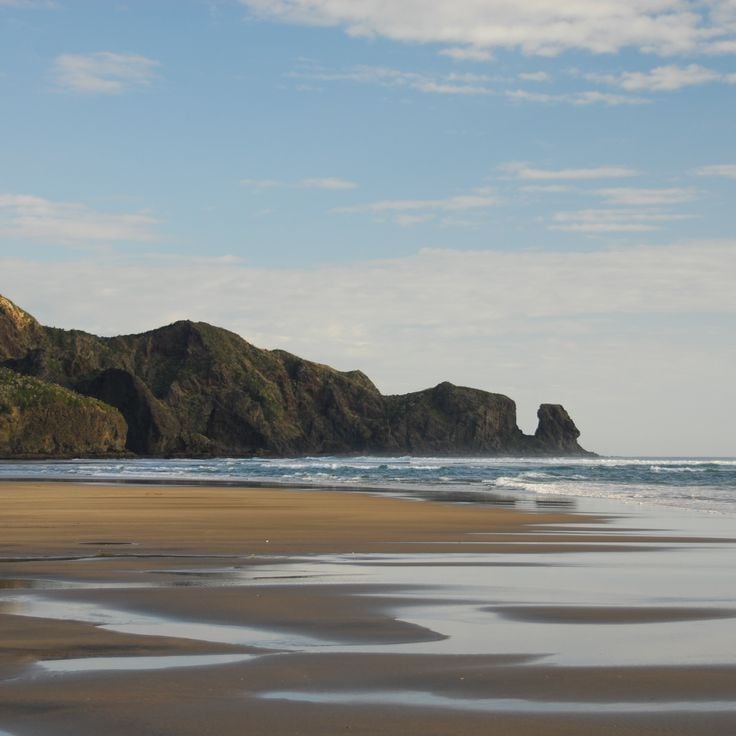
This beach on Auckland's west coast stretches across black volcanic sand beneath steep cliffs between the prominent Lion Rock and Taitomo Island. Strong surf and tidal currents shape the shoreline and draw surfers while the surrounding hills offer walking tracks with views across the Tasman Sea. The coastal area sits within the Waitakere Ranges and combines dark beaches with native rainforest that extends to the waterline.
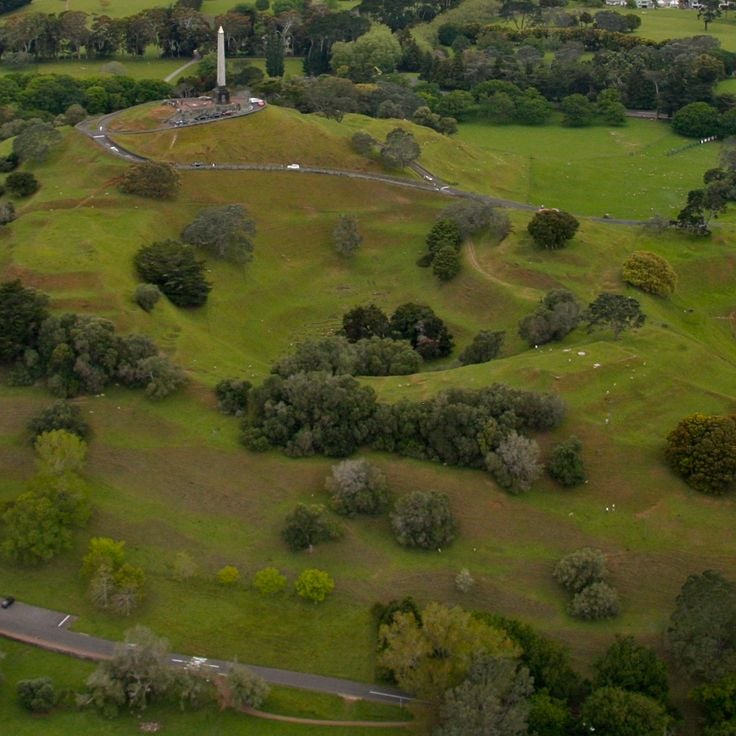
Cornwall Park covers 425 acres (172 hectares) south of downtown, combining working pastures with walking trails that climb to the summit of One Tree Hill. This former volcano delivers 360-degree views across the city and both harbors, while its slopes mix grazing sheep with formal gardens. The park functions as a local recreation area offering sports fields, picnic grounds and paths through tree groves that create a green buffer toward the suburbs.
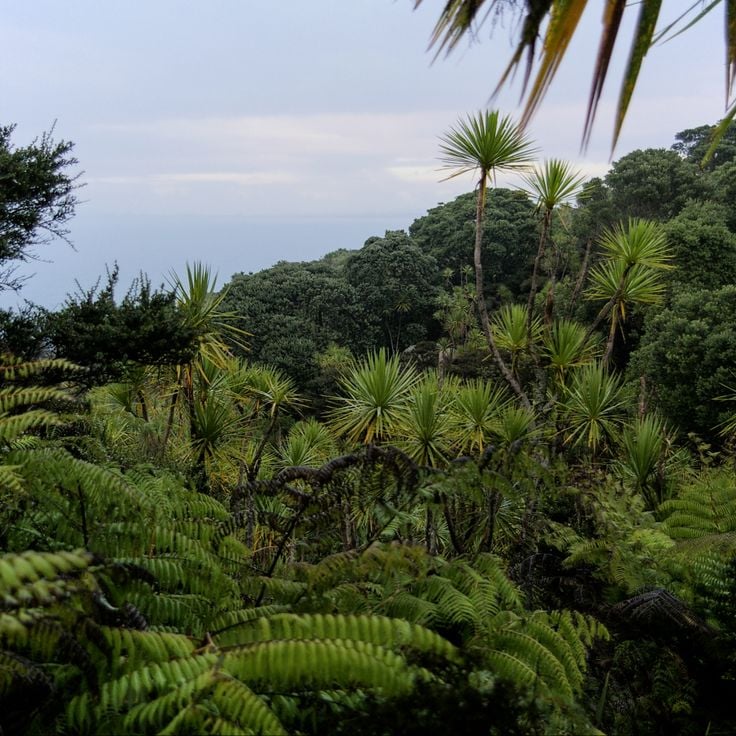
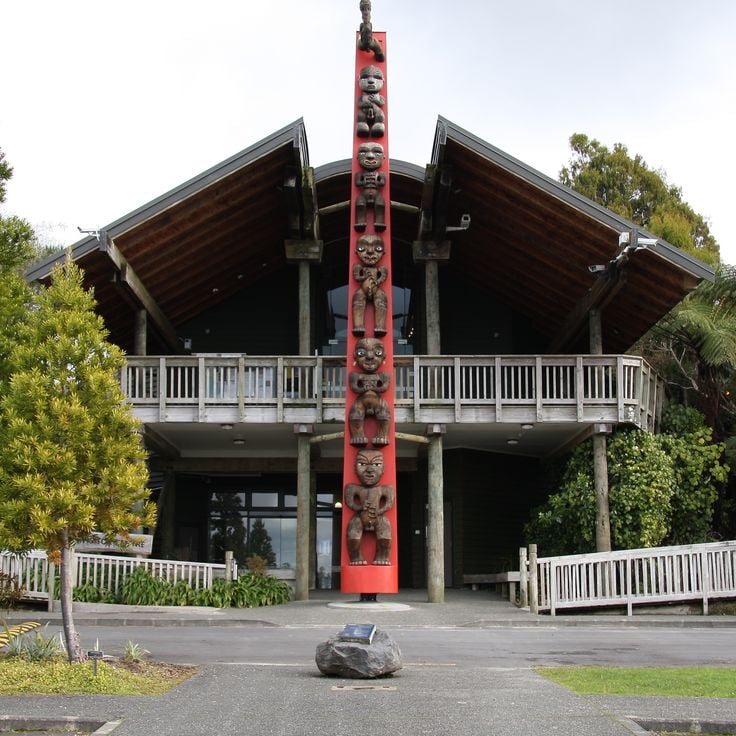
The Arataki Visitor Centre sits within the Waitakere forest and offers displays on local ecology and Māori history that provide context for the surrounding trails and viewpoints overlooking the coast.
This black sand beach sits on Auckland's west coast and features dunes and cliffs. Surfers use the strong waves while hikers follow coastal trails that wind through the surrounding landscape.
Queen Street cuts through the business district for two miles (3 km), connecting the waterfront to the inland neighborhoods. This main artery gathers retail shops, office buildings, banks and restaurants along a busy pedestrian zone. Trams run regularly between both ends of this thoroughfare that forms Auckland's commercial core.
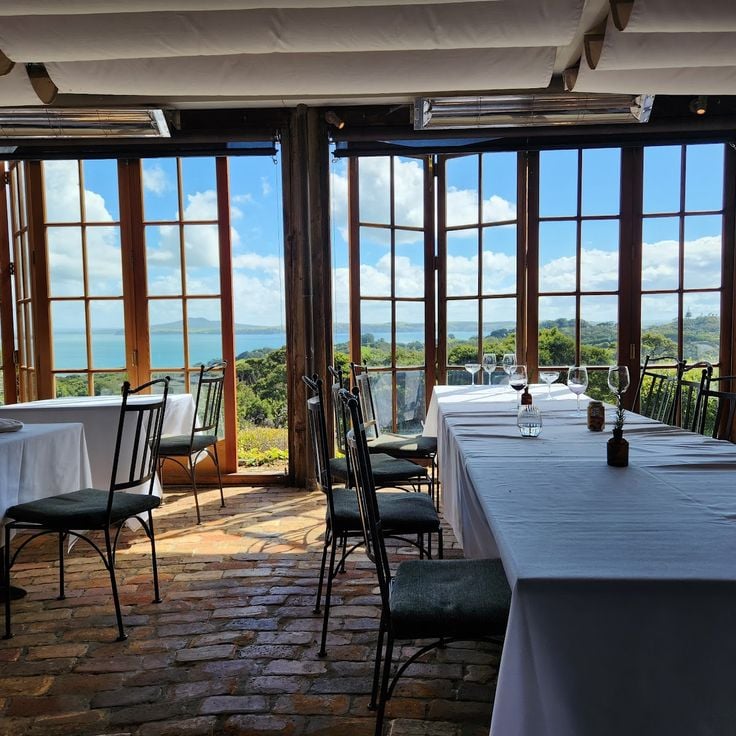
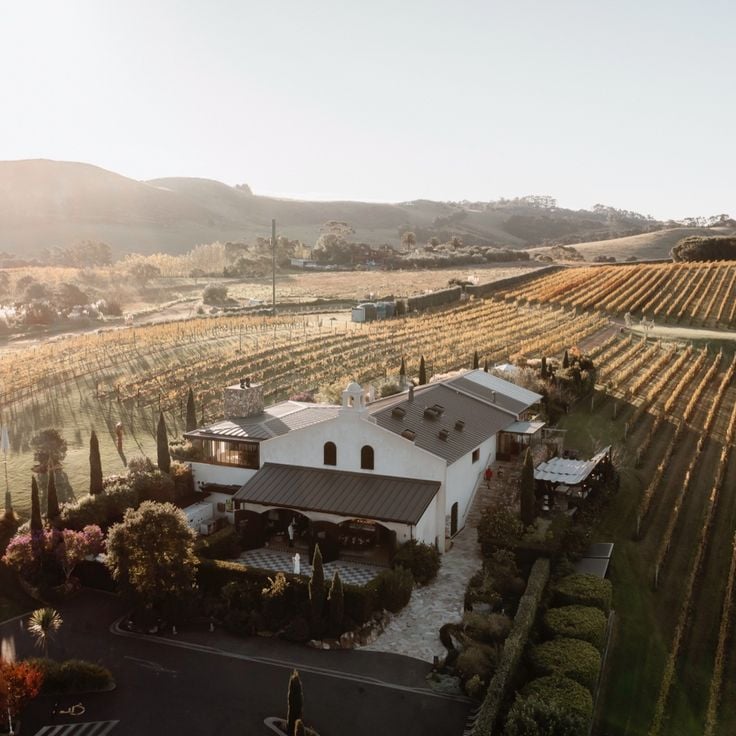
This winery on Waiheke Island sits on a hillside overlooking Auckland Harbor and has been producing wines from Mediterranean grape varieties since the 1990s. Mudbrick Vineyard combines tastings with a restaurant that uses local ingredients and offers terraces with views of the city skyline and surrounding waters. The property spans several acres with vineyards, olive groves and gardens that match the island landscape. The cellar door opens daily for tastings while the restaurant serves lunch and dinner.
These botanic gardens spread across 158 acres (64 hectares) with collections of native and exotic plants, a scent garden, a lake and distributed sculptures. A visitor center presents exhibitions on regional flora and the grounds themselves.
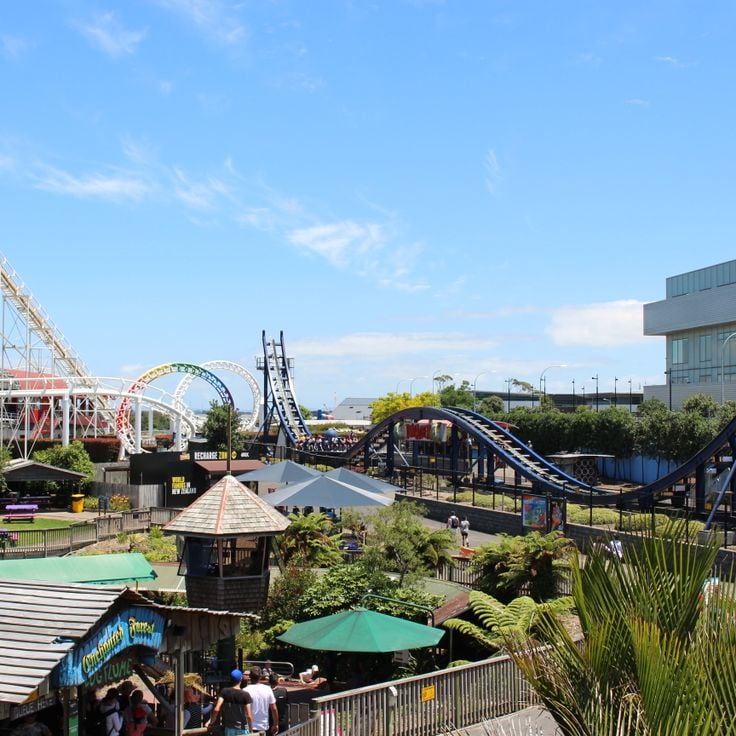
Rainbow's End offers more than 20 rides and remains the largest facility of its kind in the country since opening in 1982. Looping roller coasters alternate with a free-fall tower, water rides and carousels for younger visitors, spread across a 23-acre (9.3-hectare) site on the southern edge of the city. Attractions range from short family circuits to multi-inversion rides, supplemented by play areas and food outlets. Peak season runs from November through March; reduced hours apply outside these months.
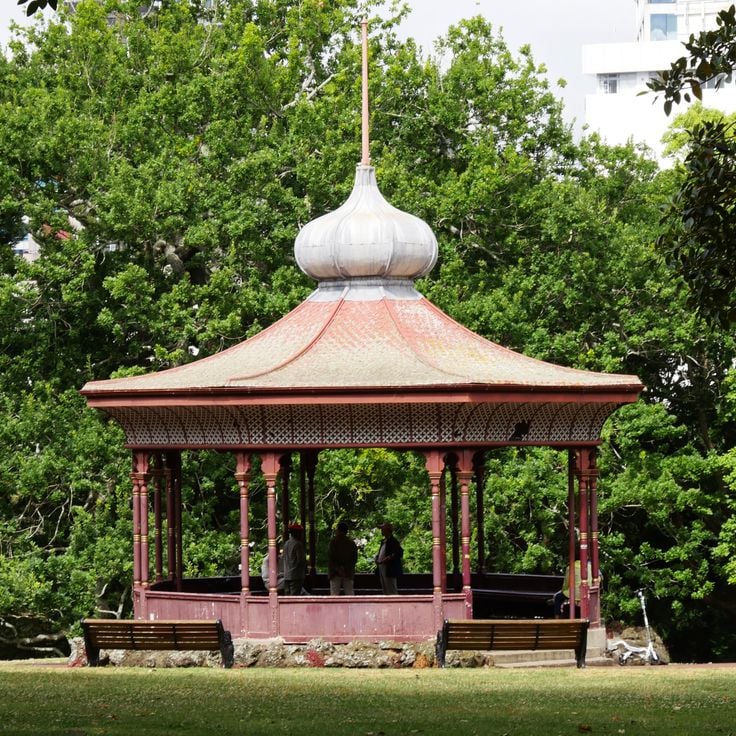
This central public park features tree-lined avenues planted in the 19th century, decorative fountains and flower beds that change with the seasons, showing how Auckland integrates green spaces into its urban fabric.
Man O' War Vineyards cultivates hillside vineyards on Waiheke Island and has produced red and white wines since 1993 in a coastal setting. The winery offers tastings and provides outdoor tables where visitors can enjoy purchased wines with their own food while overlooking the vines and the sea. Located on the island's eastern tip about 40 minutes by car from the ferry terminal, the estate welcomes guests daily by appointment. The vineyard stands among Waiheke's established producers and demonstrates how Auckland combines wine growing with its maritime geography.
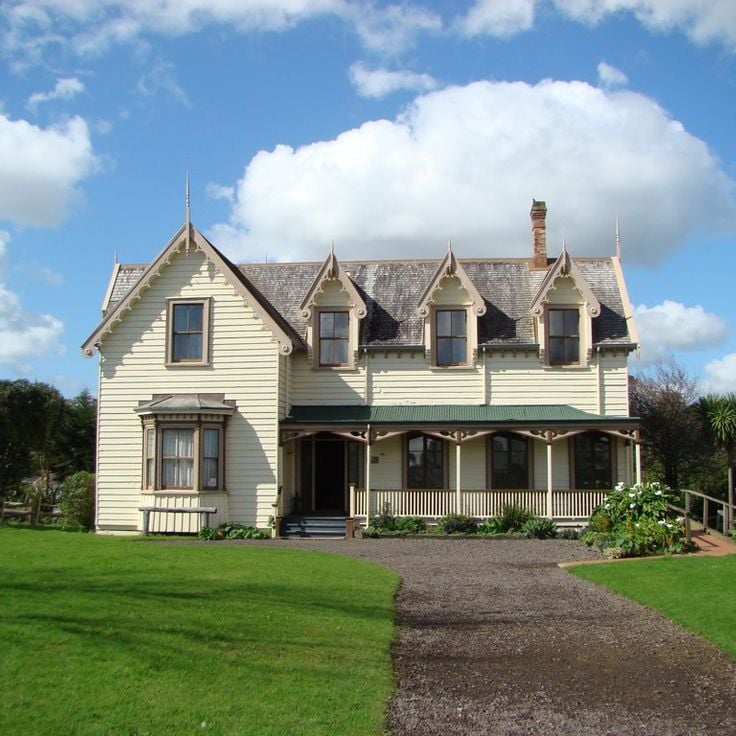
This open-air museum on Auckland's eastern edge displays over a dozen restored colonial buildings from the founding period between 1840 and 1880, presenting the daily life of early European settlers through costumed interpreters. Visitors walk among timber schoolhouses, a blacksmith's forge, a post office and family homes while craftspeople demonstrate period techniques such as smithing, baking and weaving. The site sits beside Howick Beach and offers a clear view into the material culture of early colonization, far removed from the modern high-rises in Auckland's center.
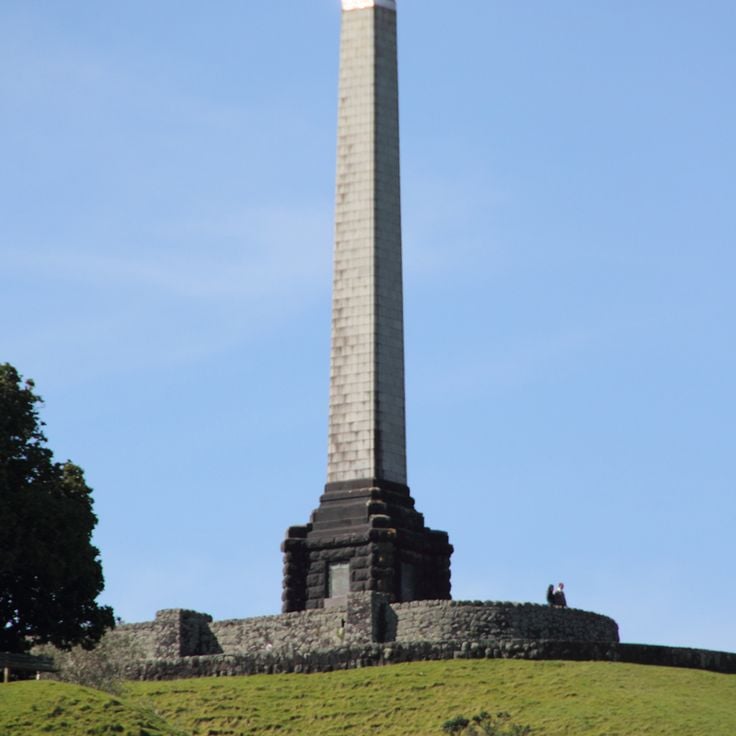
One Tree Hill stands as Auckland's highest point at 597 feet (182 meters), offering a 360-degree view over the city, its harbors and the Hauraki Gulf. A stone obelisk marks the site of a historic tree that once crowned this volcanic cone. Several paths wind through parkland to reach the summit of this central elevation in the urban landscape.
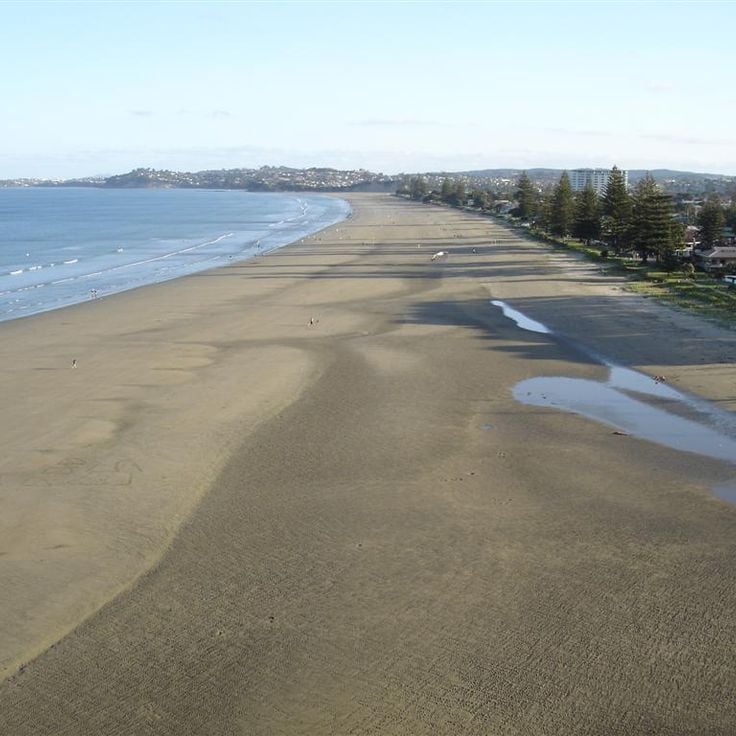
Orewa Beach stretches three miles along the coast thirty minutes north of Auckland. The sandy strip features playgrounds, coastal walking paths and accessible facilities, making it practical for families and day visitors. Its location provides quick access from the city and showcases the variety of shoreline that surrounds Auckland.
The estate covers 14 hectares on volcanic soil and produces wines from Riesling, Sauvignon Blanc and Pinot Noir that reflect the minerality of the region. Visitors can walk through the vines, attend tastings in the modern tasting room and dine at the restaurant that serves dishes made with produce from the estate. Views extend across the vineyards to Waitematā Harbour and the location on the city fringe makes the domain a stopover between urban exploration and natural landscapes.
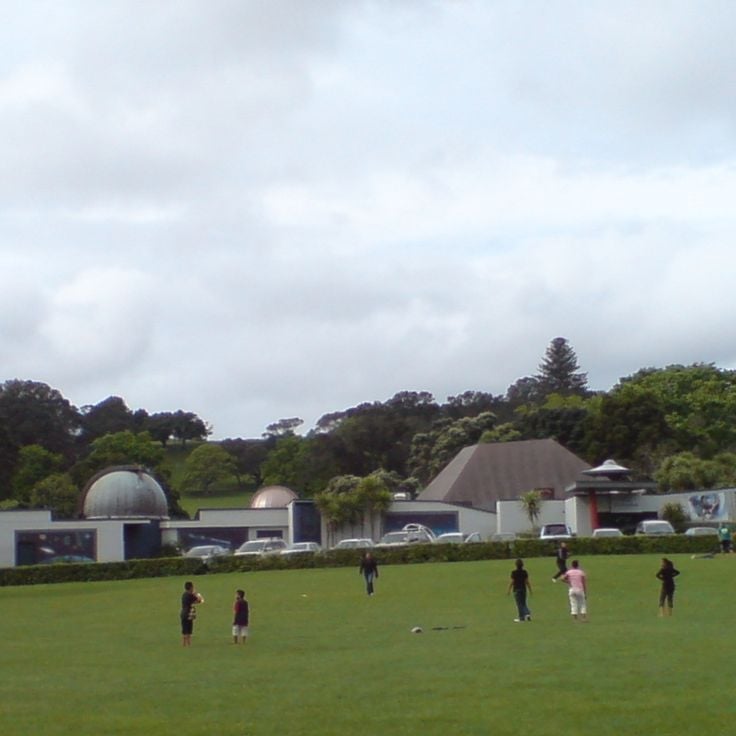
The Stardome Observatory combines scientific education with hands-on sky observation, adding a cultural dimension to Auckland's natural attractions featured in this collection. The facility operates several telescopes for nighttime viewing sessions and hosts a planetarium that presents multimedia programs on the solar system, distant galaxies and space exploration missions. During daytime hours, the observatory offers workshops for school groups and families, while evening public stargazing sessions take place when weather permits. Its location within One Tree Hill Domain Park pairs astronomical research with access to one of the city's historic volcanic cones.
This dormant volcano rises 196 meters (643 feet) above the city and its deep crater marks the highest natural point in Auckland. From the rim you survey downtown, the harbor and the surrounding hills while the terraced slopes show traces of pre-European Maori fortifications. The summit sits only a few kilometers south of the center and is reached by a ring road or steep walking tracks.
The Sky Tower rises 328 meters (1,076 feet) above Auckland and offers views across the city, the offshore volcanic islands and both harbor bays from three observation levels. The tower has marked the center of the metropolis since 1997 and provides orientation over the geographic position between the Pacific Ocean and the Tasman Sea. On clear days visibility extends to the Waitakere Ranges in the west and the Hauraki Gulf Islands in the east. The platforms are located at 186, 220 and 300 meters (610, 722 and 984 feet) and show the extent of the city as well as the volcanic cones within the urban area.
Eden Park is New Zealand's largest stadium with fifty thousand seats and has served as the center of rugby and cricket in Auckland for over a century. The stadium hosts home matches for the All Blacks and major international cricket test matches. The facility sits at the base of Mount Eden and includes two grandstands, a museum dedicated to rugby history, and a tour area offering access to locker rooms and the playing field. Attendance during international matches draws tens of thousands of spectators, transforming the venue into an arena where sport and local identity converge.
The Auckland War Memorial Museum charts the country's development through archaeological finds, botanical collections and historical documents. Exhibitions combine natural history specimens with Māori cultural artifacts and dedicate several halls to New Zealand servicemen who served in both World Wars and later conflicts. The building stands in Auckland Domain and offers views across the harbor from the upper terrace.
Viaduct Harbour is a modern port on the edge of the business district that brings maritime life into the center of the city through its marinas, restaurants and cafés, offering direct access to sailing events and the waterfront that make Auckland an important nautical hub of New Zealand.
Rangitoto Island formed six centuries ago from volcanic activity and sits in the Hauraki Gulf off Auckland. A trail leads through solidified lava fields to the 850-foot (260-meter) summit, where views extend across the city, harbor and surrounding islands. The black basalt coastline and low vegetation of pohutukawa trees define the landscape of this youngest volcano in the region.
The Auckland Art Gallery opened in 1888 and displays New Zealand art alongside European paintings and international collections in a building inspired by French design. The collection documents the country's artistic development and connects local perspectives with works from different continents. The museum sits centrally in the city and provides an overview of several centuries of art history.
Opened in 1985, this aquarium uses transparent underwater tunnels that place visitors directly among Antarctic penguins and Pacific marine life. Kelly Tarlton's Sea Life Aquarium occupies former sewage tanks along the shore and combines several themed zones, from shark enclosures to stingray pools. The installation pioneered curved acrylic tunnels and displays both local and exotic species in reconstructed habitats. The circuit takes around two hours and provides insight into marine ecosystems of the southern hemisphere.
This expansive park covers 185 acres (75 hectares) in the heart of the city and houses gardens, sports fields, tree-lined paths and the Auckland Museum, which sits atop an extinct volcanic cone. Established in 1840, the grounds combine open lawns with subtropical plant collections, including winter gardens featuring palms and ferns. Walking trails wind through different sections, from formal flower beds to dense stands of trees, while the elevated position offers wide views across the city.
Ponsonby combines Victorian houses with local galleries, cafés and independent designer shops, located within walking distance of the city center. The neighborhood gathers restaurants featuring regional produce, bars along Ponsonby Road and small parks suitable for breaks. Shops specializing in vintage fashion, antiques and interior design operate here, along with weekend markets. The streets form a network of quiet residential roads lined with wooden houses and commercial stretches filled with shops and eateries, making Ponsonby a representative example of local life in Auckland.
This ice cream shop in the city center has been serving creative compositions with local ingredients and unusual flavor combinations since 2008. The preparations follow an experimental approach that connects textures and flavors from New Zealand products. You will not find classic flavors here, but rather rotating creations that incorporate fruits, spices and other regional ingredients. The shop attracts visitors looking for ice cream specialties that go beyond the usual offerings.
This cultural complex brings together four performance venues in central Auckland, including the Aotea Centre and the historic Civic Theatre. The halls present ongoing concerts, theater productions, ballet evenings and public events. Programming covers classical music, contemporary productions and local performances. The different stages offer varying capacities and atmospheres for shows of all sizes. The Edge serves as the central hub for performing arts in the city and demonstrates the range of Auckland's cultural life between international tours and regional productions.
The Victoria Park Market occupies a former industrial complex where craft shops, restaurants and souvenir stands fill spaces within red brick walls that date to Auckland's early industrial period, making it one of the sites that illustrate how the city transformed from a port hub into a modern urban center.
The Auckland Domain Winter Gardens feature two 1921 glasshouses that preserve tropical plants, seasonal flowers and a central marble fountain in a park of volcanic origin at the heart of the city. The complex provides a green retreat with cycads, orchids and bromeliads, remaining free for visitors and serving as a quiet stop during any Auckland exploration. The glasshouses fit into the expansive grounds of the Domain and add to the variety of urban landscape between volcanic cones and coastline.
This evening street market gathers dozens of stalls serving international dishes, from Asian noodles to Pacific grills, alongside fruit and vegetable vendors and craftspeople offering locally made goods. Auckland Night Market rotates between several city neighborhoods and attracts families, students and visitors who stroll through the rows in a relaxed setting, sampling different cuisines. Prices remain affordable, the selection broad and the mood lively, especially on weekends when crowds thicken and musical acts occasionally perform.
This main Auckland street gathers secondhand clothing stores, restaurants and bars that stay open late into the night, showing the city's alternative side with a mix of small shops, tattoo studios and live music venues that define the urban nightlife scene.
Mission Bay presents a well maintained sandy beach with a waterfront promenade and dining options lining the shore. The beach sits on the eastern coast and offers unobstructed views of Rangitoto, while green spaces behind the promenade draw families and joggers. You can reach the bay from the city center in roughly 15 minutes by car or bus, with calm waters suitable for swimming and cafés open throughout the day. The area combines proximity to downtown with beach access and shows how Auckland blends coastal setting with urban convenience.
Britomart connects shopping streets with cafes and the city's main railway station, showing how Auckland blends mobility with local dining and design. The former waterfront precinct has been converted into a commercial district with boutiques, restaurants and offices, where commuters, residents and visitors meet between trains and after work. The architecture mixes restored warehouses with contemporary buildings, creating an urban backdrop for daily transit and relaxed breaks.
This beach on Auckland's North Shore spreads a wide arc of pale sand with views across the water to the volcanic profile of Rangitoto Island. Takapuna Beach draws swimmers and walkers along its waterfront promenade, which connects cafes and shops to the shoreline. The water remains generally calm and suits families, while coastal paths extend north toward Milford Beach. Located about 15 minutes north of the city center, the beach fits into the collection of sites that illustrate Auckland's blend of urban structure and coastal geography.
The Harbour Bridge has connected central Auckland to the North Shore since 1959 across a 3,350-foot (1,020-meter) steel arch spanning Waitematā Harbour and marking the passage between the waterfront and the suburbs beyond. Traffic flows day and night in eight lanes above the water while the shipping channel to Devonport and the Gulf Islands opens below the structure. You can cross the arch on foot or join guided climbs that ascend to the upper framework and deliver views across the city, volcanic cones and open sea.
The New Zealand Maritime Museum sits on the waterfront and presents exhibits on Polynesian navigation, European colonization and the country's maritime development. The collection includes traditional vessels, ship models and historical navigation instruments that illustrate the ocean's influence on New Zealand identity. This museum ranks among Auckland's key sites for understanding the connection between city and sea.
Auckland Zoo brings together over 1400 animals from 135 species across grounds focused on conservation projects and breeding programs for threatened species, while visitors move through themed zones learning about New Zealand and international fauna, making it one of the practical addresses for understanding Auckland's biodiversity efforts within the city's varied landscape offering.
This sanctuary island sits an hour by ferry from Auckland and protects close to two hundred and fifty hectares of regenerated forest that shelters some of New Zealand's rarest native birds. Marked trails lead through the reserve where visitors can spot the flightless takahe, the kokako and the saddleback in their natural habitat.
Westfield Newmarket brings together local and international brands across five floors and has served as a central meeting point for residents and travelers in the neighborhood for decades. The 200 stores cover fashion, homewares and electronics while the 30 restaurants and cafés offer New Zealand and Asian cuisine. The onsite cinema screens current blockbusters and local productions, adding to the appeal for an extended visit. Public transport connections by bus and rail make the center a practical starting point between city exploration and shopping.
Sculptureum combines contemporary art with three themed gardens on an estate north of Auckland. The gallery displays sculptures, glassworks and rotating light installations among native plants and landscaped pathways. The collection spans indoor spaces and outdoor areas where works by New Zealand and international artists stand among water features and plantings. The grounds cover several acres and connect exhibition rooms with garden zones designed around different themes.
This beach on Auckland's west coast stretches across black volcanic sand beneath steep cliffs between the prominent Lion Rock and Taitomo Island. Strong surf and tidal currents shape the shoreline and draw surfers while the surrounding hills offer walking tracks with views across the Tasman Sea. The coastal area sits within the Waitakere Ranges and combines dark beaches with native rainforest that extends to the waterline.
Cornwall Park covers 425 acres (172 hectares) south of downtown, combining working pastures with walking trails that climb to the summit of One Tree Hill. This former volcano delivers 360-degree views across the city and both harbors, while its slopes mix grazing sheep with formal gardens. The park functions as a local recreation area offering sports fields, picnic grounds and paths through tree groves that create a green buffer toward the suburbs.
The Arataki Visitor Centre sits within the Waitakere forest and offers displays on local ecology and Māori history that provide context for the surrounding trails and viewpoints overlooking the coast.
This black sand beach sits on Auckland's west coast and features dunes and cliffs. Surfers use the strong waves while hikers follow coastal trails that wind through the surrounding landscape.
Queen Street cuts through the business district for two miles (3 km), connecting the waterfront to the inland neighborhoods. This main artery gathers retail shops, office buildings, banks and restaurants along a busy pedestrian zone. Trams run regularly between both ends of this thoroughfare that forms Auckland's commercial core.
This winery on Waiheke Island sits on a hillside overlooking Auckland Harbor and has been producing wines from Mediterranean grape varieties since the 1990s. Mudbrick Vineyard combines tastings with a restaurant that uses local ingredients and offers terraces with views of the city skyline and surrounding waters. The property spans several acres with vineyards, olive groves and gardens that match the island landscape. The cellar door opens daily for tastings while the restaurant serves lunch and dinner.
These botanic gardens spread across 158 acres (64 hectares) with collections of native and exotic plants, a scent garden, a lake and distributed sculptures. A visitor center presents exhibitions on regional flora and the grounds themselves.
Rainbow's End offers more than 20 rides and remains the largest facility of its kind in the country since opening in 1982. Looping roller coasters alternate with a free-fall tower, water rides and carousels for younger visitors, spread across a 23-acre (9.3-hectare) site on the southern edge of the city. Attractions range from short family circuits to multi-inversion rides, supplemented by play areas and food outlets. Peak season runs from November through March; reduced hours apply outside these months.
This central public park features tree-lined avenues planted in the 19th century, decorative fountains and flower beds that change with the seasons, showing how Auckland integrates green spaces into its urban fabric.
Man O' War Vineyards cultivates hillside vineyards on Waiheke Island and has produced red and white wines since 1993 in a coastal setting. The winery offers tastings and provides outdoor tables where visitors can enjoy purchased wines with their own food while overlooking the vines and the sea. Located on the island's eastern tip about 40 minutes by car from the ferry terminal, the estate welcomes guests daily by appointment. The vineyard stands among Waiheke's established producers and demonstrates how Auckland combines wine growing with its maritime geography.
This open-air museum on Auckland's eastern edge displays over a dozen restored colonial buildings from the founding period between 1840 and 1880, presenting the daily life of early European settlers through costumed interpreters. Visitors walk among timber schoolhouses, a blacksmith's forge, a post office and family homes while craftspeople demonstrate period techniques such as smithing, baking and weaving. The site sits beside Howick Beach and offers a clear view into the material culture of early colonization, far removed from the modern high-rises in Auckland's center.
One Tree Hill stands as Auckland's highest point at 597 feet (182 meters), offering a 360-degree view over the city, its harbors and the Hauraki Gulf. A stone obelisk marks the site of a historic tree that once crowned this volcanic cone. Several paths wind through parkland to reach the summit of this central elevation in the urban landscape.
Orewa Beach stretches three miles along the coast thirty minutes north of Auckland. The sandy strip features playgrounds, coastal walking paths and accessible facilities, making it practical for families and day visitors. Its location provides quick access from the city and showcases the variety of shoreline that surrounds Auckland.
The estate covers 14 hectares on volcanic soil and produces wines from Riesling, Sauvignon Blanc and Pinot Noir that reflect the minerality of the region. Visitors can walk through the vines, attend tastings in the modern tasting room and dine at the restaurant that serves dishes made with produce from the estate. Views extend across the vineyards to Waitematā Harbour and the location on the city fringe makes the domain a stopover between urban exploration and natural landscapes.
The Stardome Observatory combines scientific education with hands-on sky observation, adding a cultural dimension to Auckland's natural attractions featured in this collection. The facility operates several telescopes for nighttime viewing sessions and hosts a planetarium that presents multimedia programs on the solar system, distant galaxies and space exploration missions. During daytime hours, the observatory offers workshops for school groups and families, while evening public stargazing sessions take place when weather permits. Its location within One Tree Hill Domain Park pairs astronomical research with access to one of the city's historic volcanic cones.
This dormant volcano rises 196 meters (643 feet) above the city and its deep crater marks the highest natural point in Auckland. From the rim you survey downtown, the harbor and the surrounding hills while the terraced slopes show traces of pre-European Maori fortifications. The summit sits only a few kilometers south of the center and is reached by a ring road or steep walking tracks.
The Sky Tower rises 328 meters (1,076 feet) above Auckland and offers views across the city, the offshore volcanic islands and both harbor bays from three observation levels. The tower has marked the center of the metropolis since 1997 and provides orientation over the geographic position between the Pacific Ocean and the Tasman Sea. On clear days visibility extends to the Waitakere Ranges in the west and the Hauraki Gulf Islands in the east. The platforms are located at 186, 220 and 300 meters (610, 722 and 984 feet) and show the extent of the city as well as the volcanic cones within the urban area.
Eden Park is New Zealand's largest stadium with fifty thousand seats and has served as the center of rugby and cricket in Auckland for over a century. The stadium hosts home matches for the All Blacks and major international cricket test matches. The facility sits at the base of Mount Eden and includes two grandstands, a museum dedicated to rugby history, and a tour area offering access to locker rooms and the playing field. Attendance during international matches draws tens of thousands of spectators, transforming the venue into an arena where sport and local identity converge.
The Auckland War Memorial Museum charts the country's development through archaeological finds, botanical collections and historical documents. Exhibitions combine natural history specimens with Māori cultural artifacts and dedicate several halls to New Zealand servicemen who served in both World Wars and later conflicts. The building stands in Auckland Domain and offers views across the harbor from the upper terrace.
Viaduct Harbour is a modern port on the edge of the business district that brings maritime life into the center of the city through its marinas, restaurants and cafés, offering direct access to sailing events and the waterfront that make Auckland an important nautical hub of New Zealand.
Rangitoto Island formed six centuries ago from volcanic activity and sits in the Hauraki Gulf off Auckland. A trail leads through solidified lava fields to the 850-foot (260-meter) summit, where views extend across the city, harbor and surrounding islands. The black basalt coastline and low vegetation of pohutukawa trees define the landscape of this youngest volcano in the region.
The Auckland Art Gallery opened in 1888 and displays New Zealand art alongside European paintings and international collections in a building inspired by French design. The collection documents the country's artistic development and connects local perspectives with works from different continents. The museum sits centrally in the city and provides an overview of several centuries of art history.
Opened in 1985, this aquarium uses transparent underwater tunnels that place visitors directly among Antarctic penguins and Pacific marine life. Kelly Tarlton's Sea Life Aquarium occupies former sewage tanks along the shore and combines several themed zones, from shark enclosures to stingray pools. The installation pioneered curved acrylic tunnels and displays both local and exotic species in reconstructed habitats. The circuit takes around two hours and provides insight into marine ecosystems of the southern hemisphere.
This expansive park covers 185 acres (75 hectares) in the heart of the city and houses gardens, sports fields, tree-lined paths and the Auckland Museum, which sits atop an extinct volcanic cone. Established in 1840, the grounds combine open lawns with subtropical plant collections, including winter gardens featuring palms and ferns. Walking trails wind through different sections, from formal flower beds to dense stands of trees, while the elevated position offers wide views across the city.
Ponsonby combines Victorian houses with local galleries, cafés and independent designer shops, located within walking distance of the city center. The neighborhood gathers restaurants featuring regional produce, bars along Ponsonby Road and small parks suitable for breaks. Shops specializing in vintage fashion, antiques and interior design operate here, along with weekend markets. The streets form a network of quiet residential roads lined with wooden houses and commercial stretches filled with shops and eateries, making Ponsonby a representative example of local life in Auckland.
This ice cream shop in the city center has been serving creative compositions with local ingredients and unusual flavor combinations since 2008. The preparations follow an experimental approach that connects textures and flavors from New Zealand products. You will not find classic flavors here, but rather rotating creations that incorporate fruits, spices and other regional ingredients. The shop attracts visitors looking for ice cream specialties that go beyond the usual offerings.
This cultural complex brings together four performance venues in central Auckland, including the Aotea Centre and the historic Civic Theatre. The halls present ongoing concerts, theater productions, ballet evenings and public events. Programming covers classical music, contemporary productions and local performances. The different stages offer varying capacities and atmospheres for shows of all sizes. The Edge serves as the central hub for performing arts in the city and demonstrates the range of Auckland's cultural life between international tours and regional productions.
The Victoria Park Market occupies a former industrial complex where craft shops, restaurants and souvenir stands fill spaces within red brick walls that date to Auckland's early industrial period, making it one of the sites that illustrate how the city transformed from a port hub into a modern urban center.
The Auckland Domain Winter Gardens feature two 1921 glasshouses that preserve tropical plants, seasonal flowers and a central marble fountain in a park of volcanic origin at the heart of the city. The complex provides a green retreat with cycads, orchids and bromeliads, remaining free for visitors and serving as a quiet stop during any Auckland exploration. The glasshouses fit into the expansive grounds of the Domain and add to the variety of urban landscape between volcanic cones and coastline.
This evening street market gathers dozens of stalls serving international dishes, from Asian noodles to Pacific grills, alongside fruit and vegetable vendors and craftspeople offering locally made goods. Auckland Night Market rotates between several city neighborhoods and attracts families, students and visitors who stroll through the rows in a relaxed setting, sampling different cuisines. Prices remain affordable, the selection broad and the mood lively, especially on weekends when crowds thicken and musical acts occasionally perform.
This main Auckland street gathers secondhand clothing stores, restaurants and bars that stay open late into the night, showing the city's alternative side with a mix of small shops, tattoo studios and live music venues that define the urban nightlife scene.
Mission Bay presents a well maintained sandy beach with a waterfront promenade and dining options lining the shore. The beach sits on the eastern coast and offers unobstructed views of Rangitoto, while green spaces behind the promenade draw families and joggers. You can reach the bay from the city center in roughly 15 minutes by car or bus, with calm waters suitable for swimming and cafés open throughout the day. The area combines proximity to downtown with beach access and shows how Auckland blends coastal setting with urban convenience.
Britomart connects shopping streets with cafes and the city's main railway station, showing how Auckland blends mobility with local dining and design. The former waterfront precinct has been converted into a commercial district with boutiques, restaurants and offices, where commuters, residents and visitors meet between trains and after work. The architecture mixes restored warehouses with contemporary buildings, creating an urban backdrop for daily transit and relaxed breaks.
This beach on Auckland's North Shore spreads a wide arc of pale sand with views across the water to the volcanic profile of Rangitoto Island. Takapuna Beach draws swimmers and walkers along its waterfront promenade, which connects cafes and shops to the shoreline. The water remains generally calm and suits families, while coastal paths extend north toward Milford Beach. Located about 15 minutes north of the city center, the beach fits into the collection of sites that illustrate Auckland's blend of urban structure and coastal geography.
The Harbour Bridge has connected central Auckland to the North Shore since 1959 across a 3,350-foot (1,020-meter) steel arch spanning Waitematā Harbour and marking the passage between the waterfront and the suburbs beyond. Traffic flows day and night in eight lanes above the water while the shipping channel to Devonport and the Gulf Islands opens below the structure. You can cross the arch on foot or join guided climbs that ascend to the upper framework and deliver views across the city, volcanic cones and open sea.
The New Zealand Maritime Museum sits on the waterfront and presents exhibits on Polynesian navigation, European colonization and the country's maritime development. The collection includes traditional vessels, ship models and historical navigation instruments that illustrate the ocean's influence on New Zealand identity. This museum ranks among Auckland's key sites for understanding the connection between city and sea.
Auckland Zoo brings together over 1400 animals from 135 species across grounds focused on conservation projects and breeding programs for threatened species, while visitors move through themed zones learning about New Zealand and international fauna, making it one of the practical addresses for understanding Auckland's biodiversity efforts within the city's varied landscape offering.
This sanctuary island sits an hour by ferry from Auckland and protects close to two hundred and fifty hectares of regenerated forest that shelters some of New Zealand's rarest native birds. Marked trails lead through the reserve where visitors can spot the flightless takahe, the kokako and the saddleback in their natural habitat.
Westfield Newmarket brings together local and international brands across five floors and has served as a central meeting point for residents and travelers in the neighborhood for decades. The 200 stores cover fashion, homewares and electronics while the 30 restaurants and cafés offer New Zealand and Asian cuisine. The onsite cinema screens current blockbusters and local productions, adding to the appeal for an extended visit. Public transport connections by bus and rail make the center a practical starting point between city exploration and shopping.
Sculptureum combines contemporary art with three themed gardens on an estate north of Auckland. The gallery displays sculptures, glassworks and rotating light installations among native plants and landscaped pathways. The collection spans indoor spaces and outdoor areas where works by New Zealand and international artists stand among water features and plantings. The grounds cover several acres and connect exhibition rooms with garden zones designed around different themes.
This beach on Auckland's west coast stretches across black volcanic sand beneath steep cliffs between the prominent Lion Rock and Taitomo Island. Strong surf and tidal currents shape the shoreline and draw surfers while the surrounding hills offer walking tracks with views across the Tasman Sea. The coastal area sits within the Waitakere Ranges and combines dark beaches with native rainforest that extends to the waterline.
Cornwall Park covers 425 acres (172 hectares) south of downtown, combining working pastures with walking trails that climb to the summit of One Tree Hill. This former volcano delivers 360-degree views across the city and both harbors, while its slopes mix grazing sheep with formal gardens. The park functions as a local recreation area offering sports fields, picnic grounds and paths through tree groves that create a green buffer toward the suburbs.
The Arataki Visitor Centre sits within the Waitakere forest and offers displays on local ecology and Māori history that provide context for the surrounding trails and viewpoints overlooking the coast.
This black sand beach sits on Auckland's west coast and features dunes and cliffs. Surfers use the strong waves while hikers follow coastal trails that wind through the surrounding landscape.
Queen Street cuts through the business district for two miles (3 km), connecting the waterfront to the inland neighborhoods. This main artery gathers retail shops, office buildings, banks and restaurants along a busy pedestrian zone. Trams run regularly between both ends of this thoroughfare that forms Auckland's commercial core.
This winery on Waiheke Island sits on a hillside overlooking Auckland Harbor and has been producing wines from Mediterranean grape varieties since the 1990s. Mudbrick Vineyard combines tastings with a restaurant that uses local ingredients and offers terraces with views of the city skyline and surrounding waters. The property spans several acres with vineyards, olive groves and gardens that match the island landscape. The cellar door opens daily for tastings while the restaurant serves lunch and dinner.
These botanic gardens spread across 158 acres (64 hectares) with collections of native and exotic plants, a scent garden, a lake and distributed sculptures. A visitor center presents exhibitions on regional flora and the grounds themselves.
Rainbow's End offers more than 20 rides and remains the largest facility of its kind in the country since opening in 1982. Looping roller coasters alternate with a free-fall tower, water rides and carousels for younger visitors, spread across a 23-acre (9.3-hectare) site on the southern edge of the city. Attractions range from short family circuits to multi-inversion rides, supplemented by play areas and food outlets. Peak season runs from November through March; reduced hours apply outside these months.
This central public park features tree-lined avenues planted in the 19th century, decorative fountains and flower beds that change with the seasons, showing how Auckland integrates green spaces into its urban fabric.
Man O' War Vineyards cultivates hillside vineyards on Waiheke Island and has produced red and white wines since 1993 in a coastal setting. The winery offers tastings and provides outdoor tables where visitors can enjoy purchased wines with their own food while overlooking the vines and the sea. Located on the island's eastern tip about 40 minutes by car from the ferry terminal, the estate welcomes guests daily by appointment. The vineyard stands among Waiheke's established producers and demonstrates how Auckland combines wine growing with its maritime geography.
This open-air museum on Auckland's eastern edge displays over a dozen restored colonial buildings from the founding period between 1840 and 1880, presenting the daily life of early European settlers through costumed interpreters. Visitors walk among timber schoolhouses, a blacksmith's forge, a post office and family homes while craftspeople demonstrate period techniques such as smithing, baking and weaving. The site sits beside Howick Beach and offers a clear view into the material culture of early colonization, far removed from the modern high-rises in Auckland's center.
One Tree Hill stands as Auckland's highest point at 597 feet (182 meters), offering a 360-degree view over the city, its harbors and the Hauraki Gulf. A stone obelisk marks the site of a historic tree that once crowned this volcanic cone. Several paths wind through parkland to reach the summit of this central elevation in the urban landscape.
Orewa Beach stretches three miles along the coast thirty minutes north of Auckland. The sandy strip features playgrounds, coastal walking paths and accessible facilities, making it practical for families and day visitors. Its location provides quick access from the city and showcases the variety of shoreline that surrounds Auckland.
The estate covers 14 hectares on volcanic soil and produces wines from Riesling, Sauvignon Blanc and Pinot Noir that reflect the minerality of the region. Visitors can walk through the vines, attend tastings in the modern tasting room and dine at the restaurant that serves dishes made with produce from the estate. Views extend across the vineyards to Waitematā Harbour and the location on the city fringe makes the domain a stopover between urban exploration and natural landscapes.
The Stardome Observatory combines scientific education with hands-on sky observation, adding a cultural dimension to Auckland's natural attractions featured in this collection. The facility operates several telescopes for nighttime viewing sessions and hosts a planetarium that presents multimedia programs on the solar system, distant galaxies and space exploration missions. During daytime hours, the observatory offers workshops for school groups and families, while evening public stargazing sessions take place when weather permits. Its location within One Tree Hill Domain Park pairs astronomical research with access to one of the city's historic volcanic cones.