See the monuments around you in AROpen chests in the app
Around Us is built for your phone — point your camera at the streets and discover the monuments and places around you in augmented reality.Around Us is built for your phone — chests unlock when you walk, explore and capture nearby places.
Historical sites and natural landmarks in North Macedonia
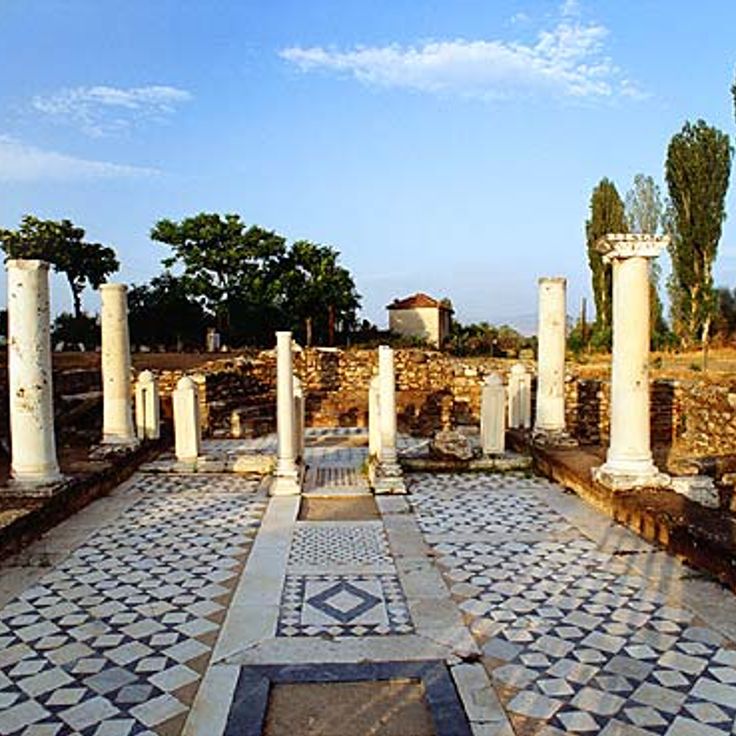
North Macedonia holds layers of history visible in its archaeological sites, churches, and monasteries. The Kokino Observatory shows that people studied the stars during the Bronze Age. In Bitola, visitors can walk through the Roman ruins of Heraclea Lyncestis and see what remains from ancient times. Samuil's Fortress overlooks Ohrid, a reminder of Byzantine rule, while the Vevčani Springs feed clear water into the landscape below.
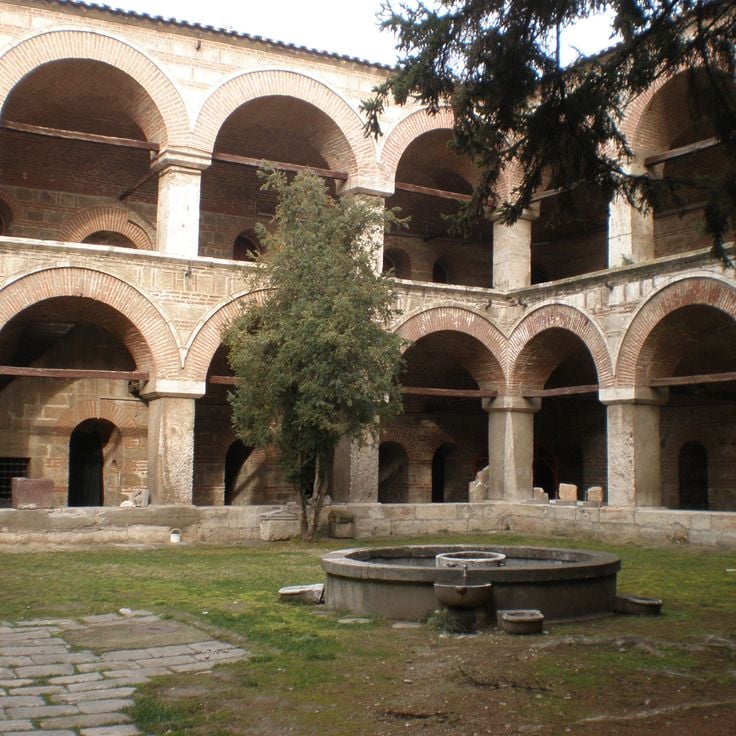
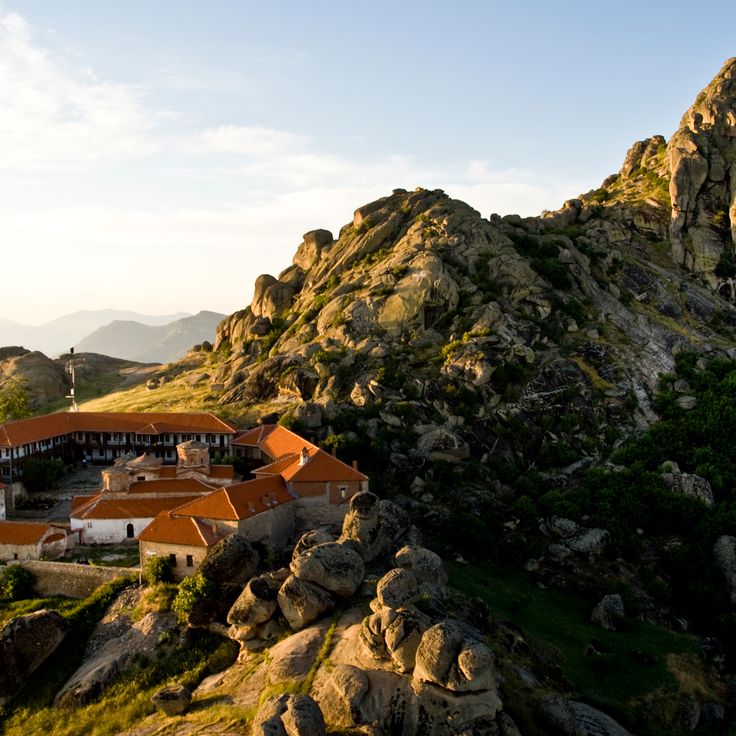
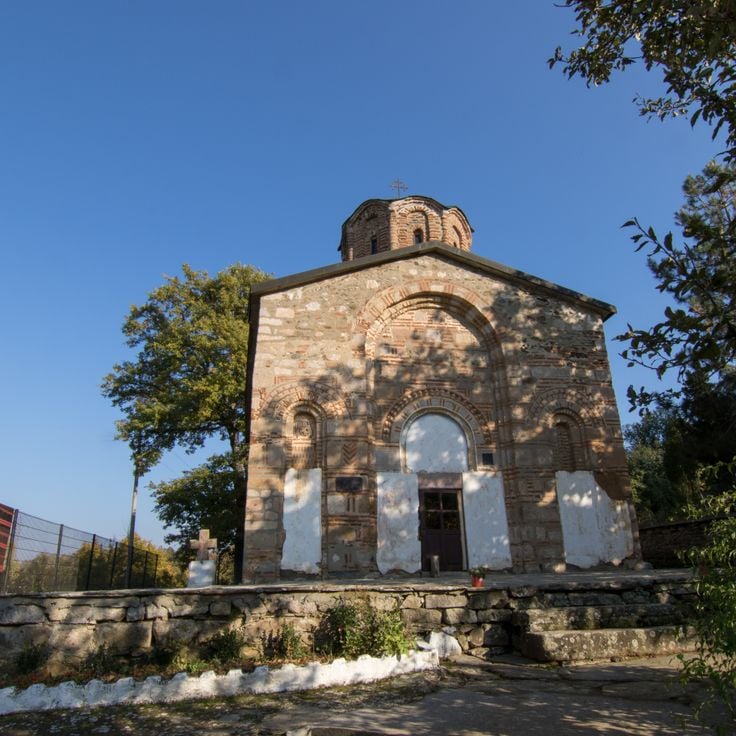
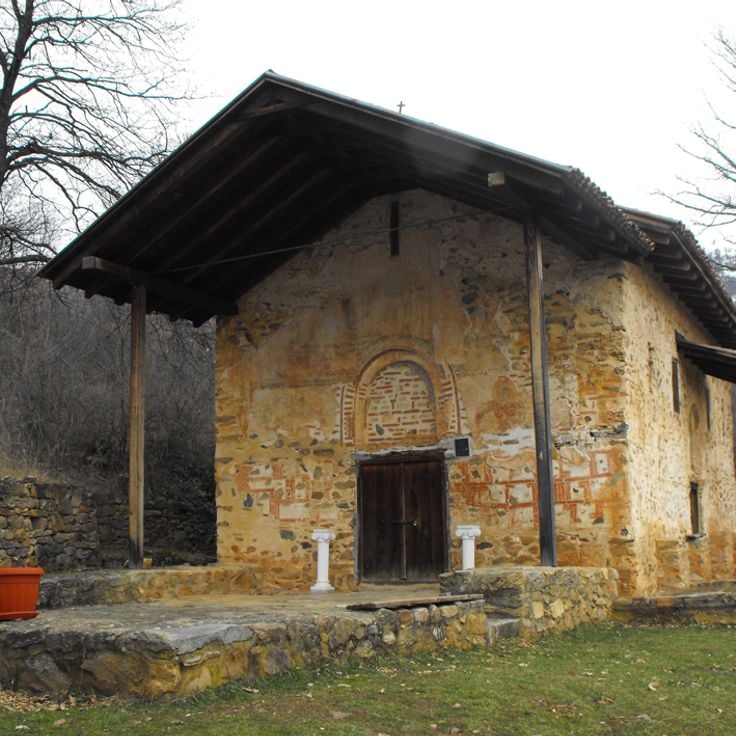
The country is dotted with monasteries built and decorated over many centuries. Treskavec Monastery sits on a hillside near Prilep with views across the region. Lesnovo Monastery and St. Jovan Bigorski Monastery display religious art and architecture from different periods. Churches like St. Sophia in Ohrid and Sveta Petka Church contain intricate decoration and craftsmanship. Ottoman-era buildings such as Daut Pasha Hamam in Skopje show another layer of the region's past.
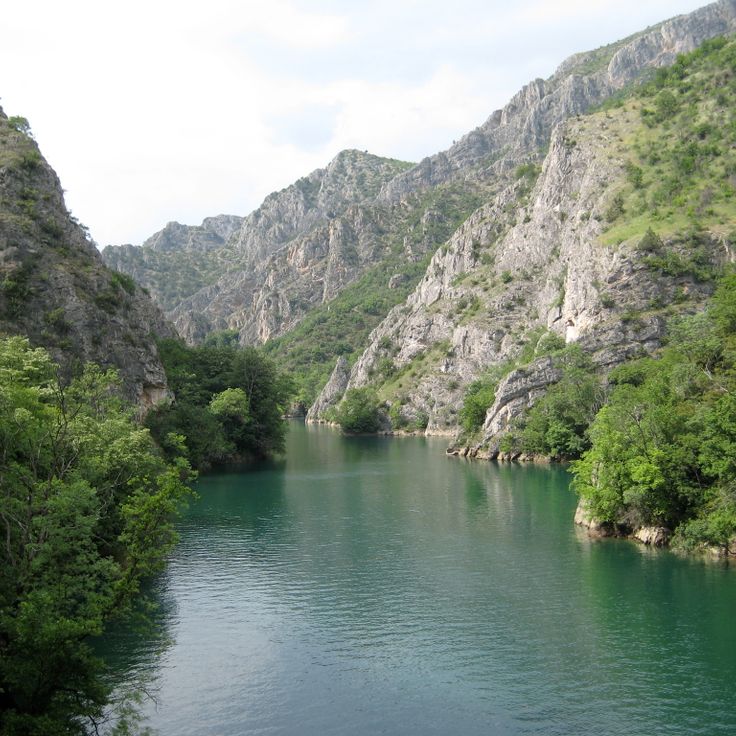
Nature lovers find lakes, waterfalls, and mountain landscapes throughout the country. Lake Matka near Skopje is surrounded by steep cliffs and caves worth exploring. Pelister National Park on Baba Mountain offers hiking paths and mountain lakes. Smolare Waterfall and Cave Vrelo appeal to those seeking natural wonders. Golem Grad Island in Prespa Lake is a remote spot where history and nature meet. These sites invite travelers to walk through time and wilderness.
Historical sites and natural landmarks in North Macedonia
North Macedonia holds layers of history visible in its archaeological sites, churches, and monasteries. The Kokino Observatory shows that people studied the stars during the Bronze Age. In Bitola, visitors can walk through the Roman ruins of Heraclea Lyncestis and see what remains from ancient times. Samuil's Fortress overlooks Ohrid, a reminder of Byzantine rule, while the Vevčani Springs feed clear water into the landscape below.
The country is dotted with monasteries built and decorated over many centuries. Treskavec Monastery sits on a hillside near Prilep with views across the region. Lesnovo Monastery and St. Jovan Bigorski Monastery display religious art and architecture from different periods. Churches like St. Sophia in Ohrid and Sveta Petka Church contain intricate decoration and craftsmanship. Ottoman-era buildings such as Daut Pasha Hamam in Skopje show another layer of the region's past.
Nature lovers find lakes, waterfalls, and mountain landscapes throughout the country. Lake Matka near Skopje is surrounded by steep cliffs and caves worth exploring. Pelister National Park on Baba Mountain offers hiking paths and mountain lakes. Smolare Waterfall and Cave Vrelo appeal to those seeking natural wonders. Golem Grad Island in Prespa Lake is a remote spot where history and nature meet. These sites invite travelers to walk through time and wilderness.
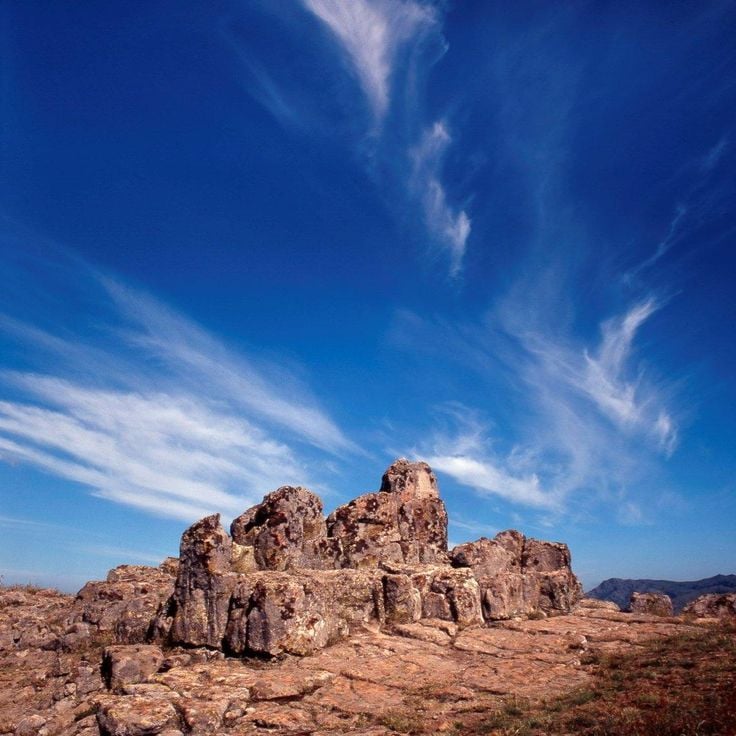
Kokino Observatory is an archaeological site from 1800 BCE located in Staro Nagoričane. This Bronze Age observatory contains stone markers and platforms that ancient people used to track celestial movements and make calendar calculations. The site reveals how early communities understood the sky and marked the passage of time.
Lake Matka is an artificial reservoir created in 1938 near Skopje. Steep rock walls rise from the water, and the lake contains several caves. Orthodox monasteries sit along its shores, making this place significant for both history and nature. The lake represents the combination of human-made structures and natural features found throughout North Macedonia.
The Treskavec Monastery is an Orthodox religious complex from the 12th century situated within North Macedonia's collection of archaeological sites and natural landmarks. Positioned at 1280 meters altitude, this monastery combines Byzantine frescoes with granite stone architecture. It represents the religious buildings preserved in North Macedonia alongside Roman ruins, Orthodox churches, and natural formations like mountain lakes and caves.
Heraclea Lyncestis is an ancient city founded by Philip II in the 4th century BCE. It contains Roman baths, a theater, and religious buildings with floor mosaics still visible today. This site represents one of the archaeological sites found throughout North Macedonia.
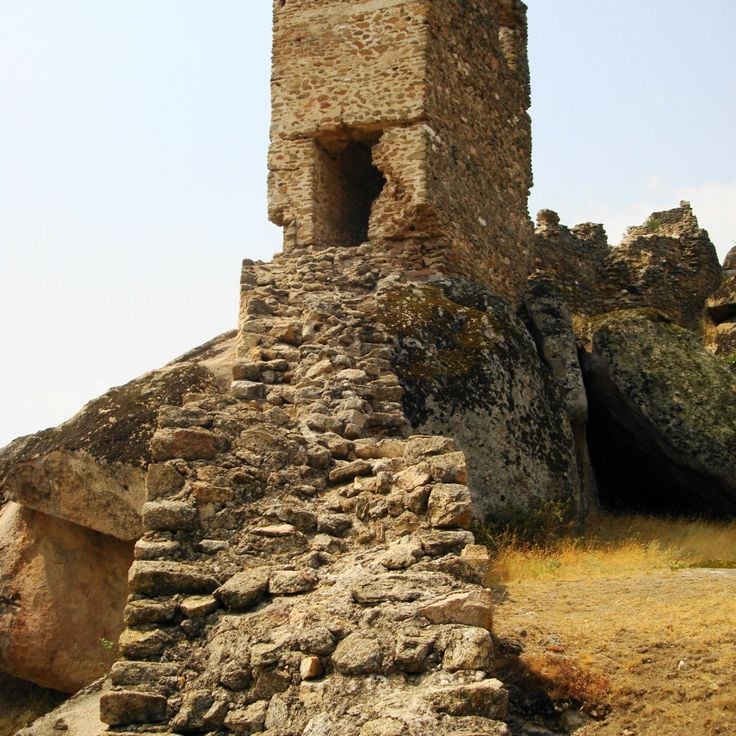
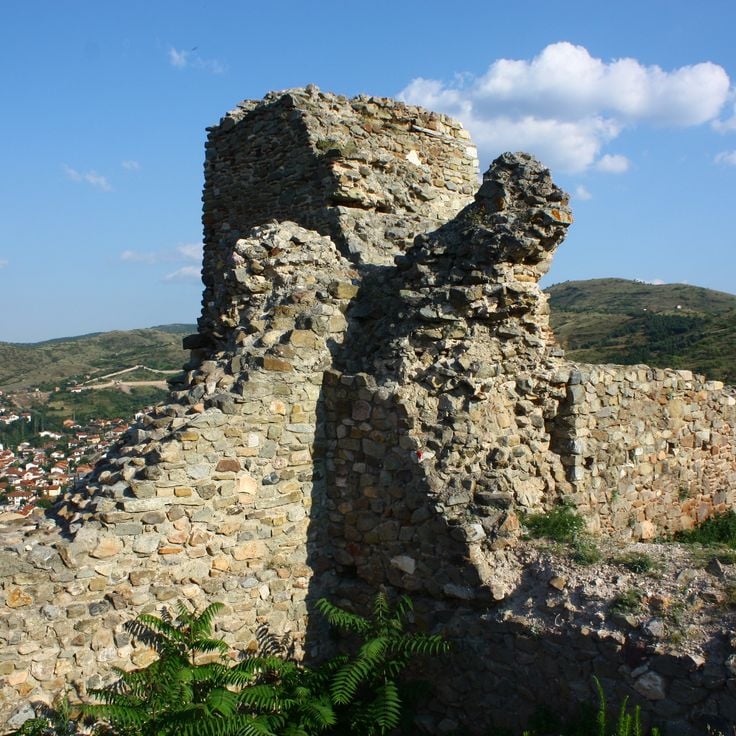
Markovi Kuli are the ruins of a medieval fortress standing on a hill above Prilep. The stone walls and towers date from the 13th century and represent the archaeological sites that show the rich history of North Macedonia. From this location, you can see across the city and surrounding landscape.
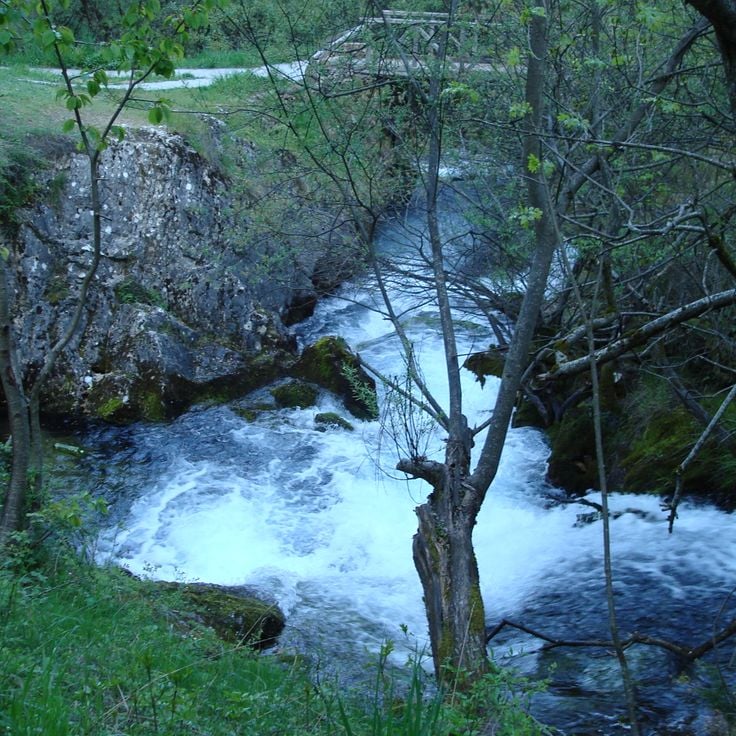
The Vevčani Springs are natural water sources that emerge from limestone rocks and form seven streams. These springs represent the natural formations found throughout North Macedonia, showcasing the country's geological character. The water maintains a constant temperature of 8 degrees Celsius year-round. The springs exemplify the natural sites that define the country alongside its archaeological sites, religious buildings, and national parks.
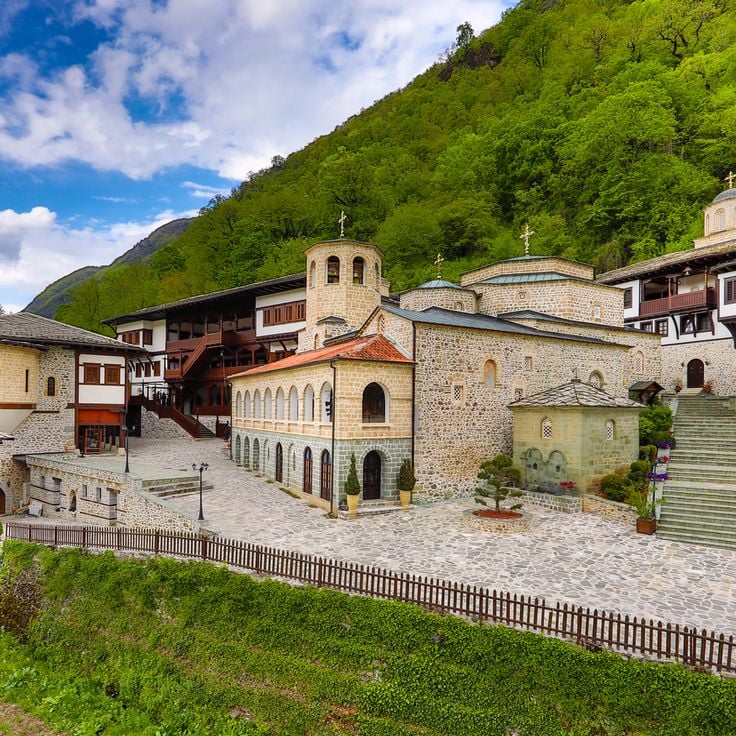
St. Jovan Bigorski Monastery in Debar is an Orthodox monastery featuring a wooden iconostasis created in 1835. The religious complex includes a church, residential buildings, and a bell tower. This monastery represents the Byzantine and Orthodox Christian architectural and artistic traditions of North Macedonia.
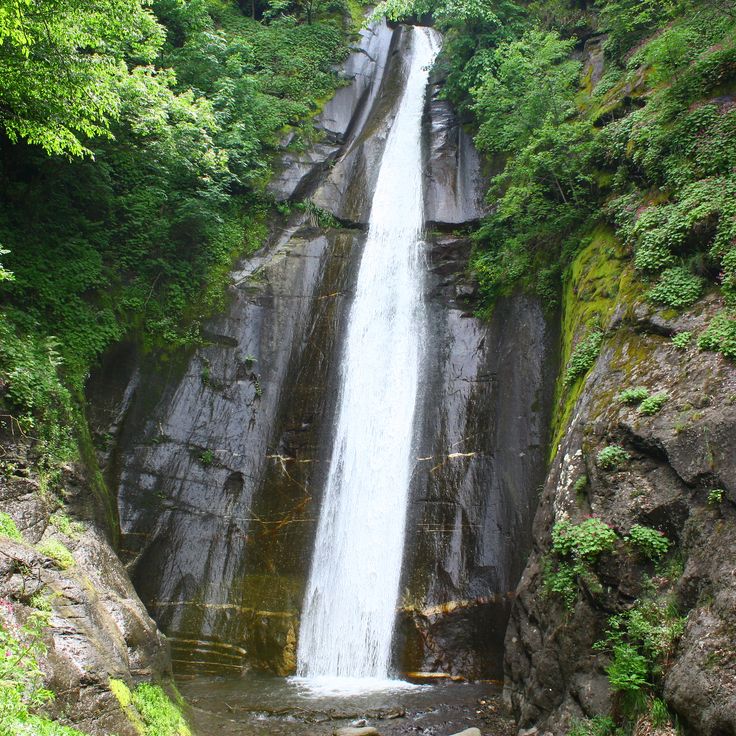
Smolare Waterfall in Novo Selo is a natural landmark in North Macedonia. Water cascades from a height of 39.5 meters, creating a powerful sight. Stone steps guide visitors down to a viewing platform near the base, where you can feel the mist and power of the falling water.
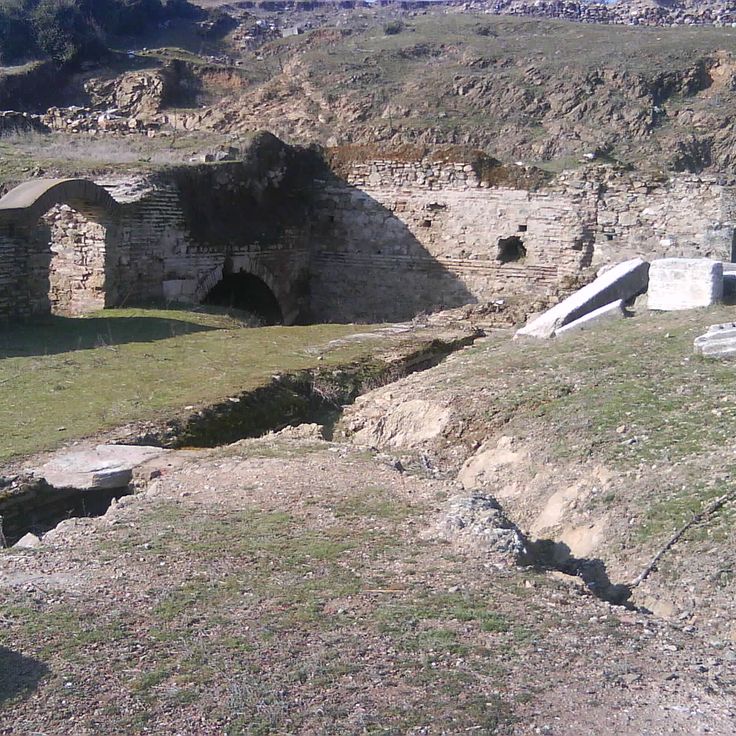
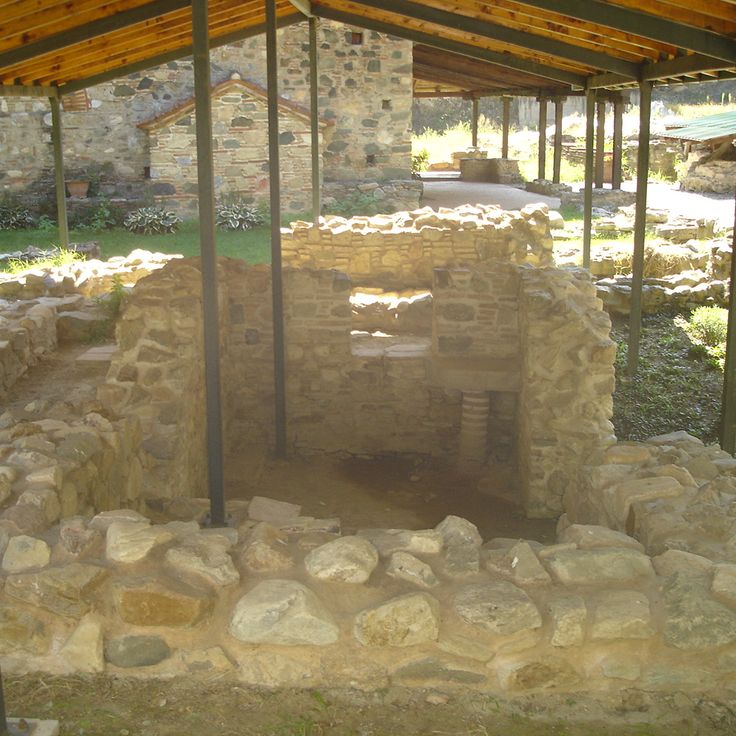
This archaeological site in Valandovo contains stone walls, artifacts and structures from different historical periods near the Vardar River valley. It is part of North Macedonia's historical sites and natural landmarks, which feature Bronze Age observatories, Roman ruins, Byzantine churches, Ottoman buildings, and Orthodox monasteries.
Sveta Petka Church is a 14th century stone church located in Ohrid that exemplifies the religious buildings of North Macedonia. Its small interior contains medieval frescoes and religious artifacts that reflect the Orthodox traditions of the region. The church represents the Byzantine heritage found throughout the country.
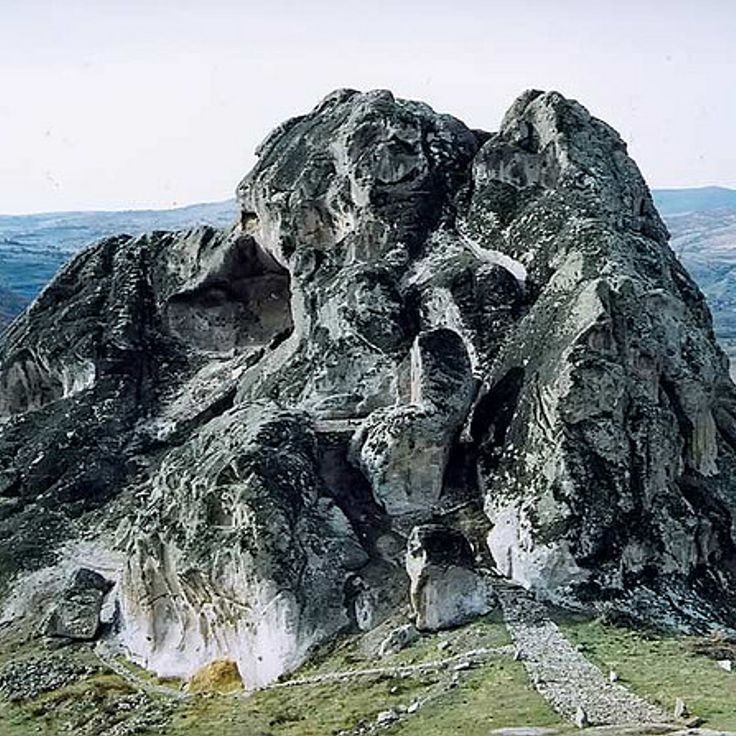
Cocev Kamen is a stone formation with carved niches and staircases dating back to ancient times. This site near Kriva Palanka shows evidence of early settlements and represents one of North Macedonia's archaeological sites shaped by inhabitants from the Bronze Age and later periods.
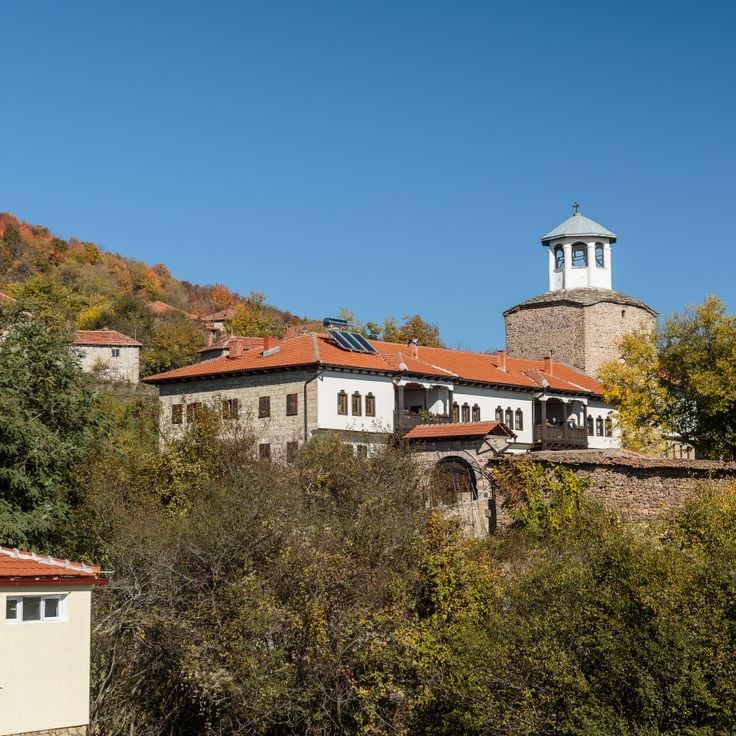
Lesnovo Monastery is a medieval monastery from 1341 that fits into the collection of historical sites and natural landmarks in North Macedonia. It features detailed frescoes, religious manuscripts, and stone carvings in its church and library, showing the religious importance of the place.
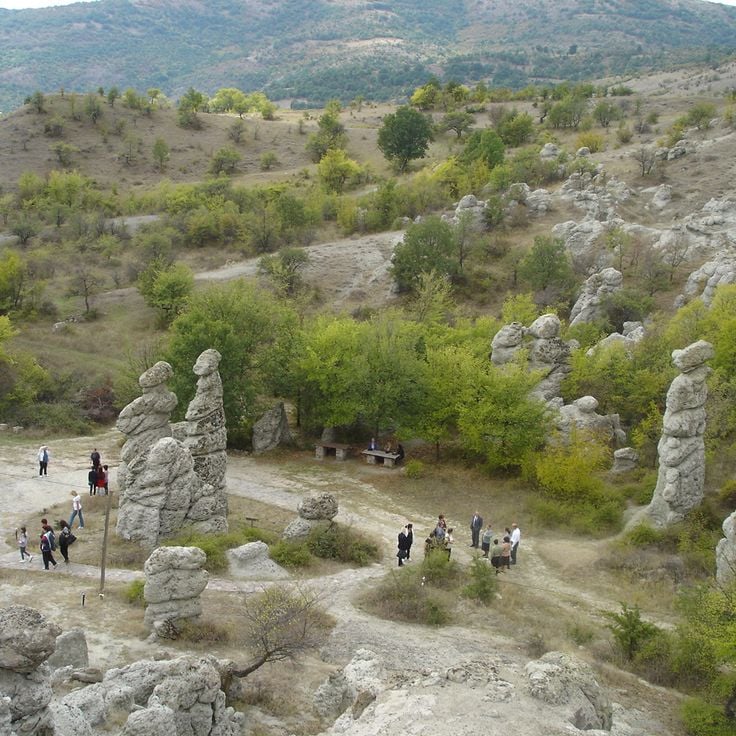
Stone Town of Kuklica is a natural rock formation containing about 120 stone pillars created by mineral erosion over millions of years. This natural site in North Macedonia demonstrates how geological processes shape striking landscapes. The stone pillars rise from the earth and form an intricate maze of rocks that draws visitors interested in geology and how nature shapes the land.
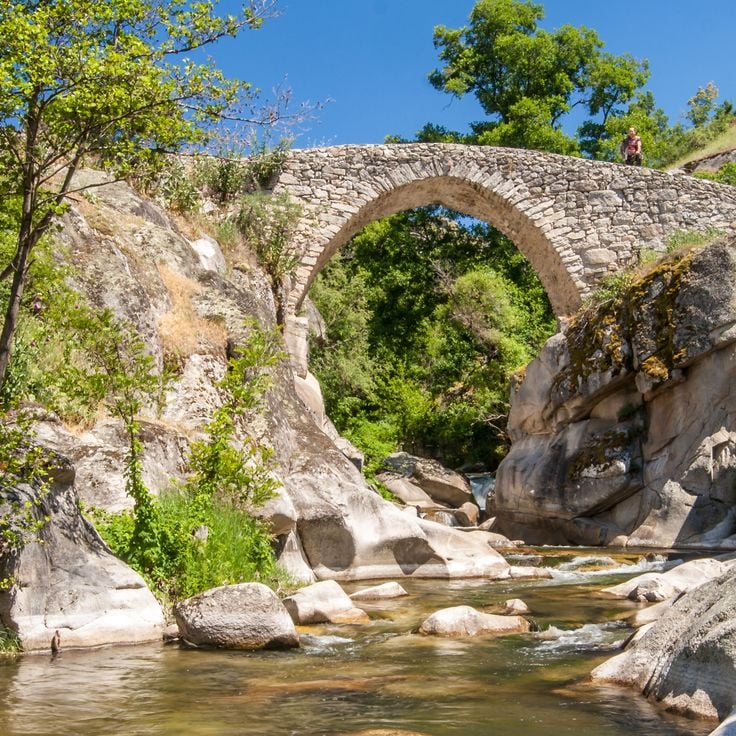
The Zovik Bridge is a stone bridge built during the 16th century Ottoman period. This bridge spans across a river with three arches supporting its structure. It represents one of the many historical sites across North Macedonia that includes religious buildings from different eras, Ottoman structures, and natural formations like mountain lakes and waterfalls.
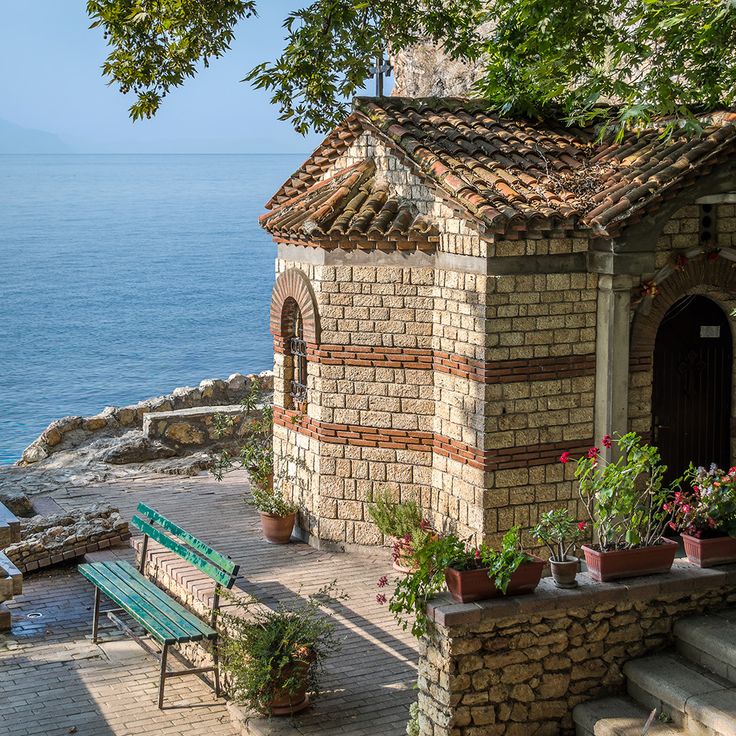
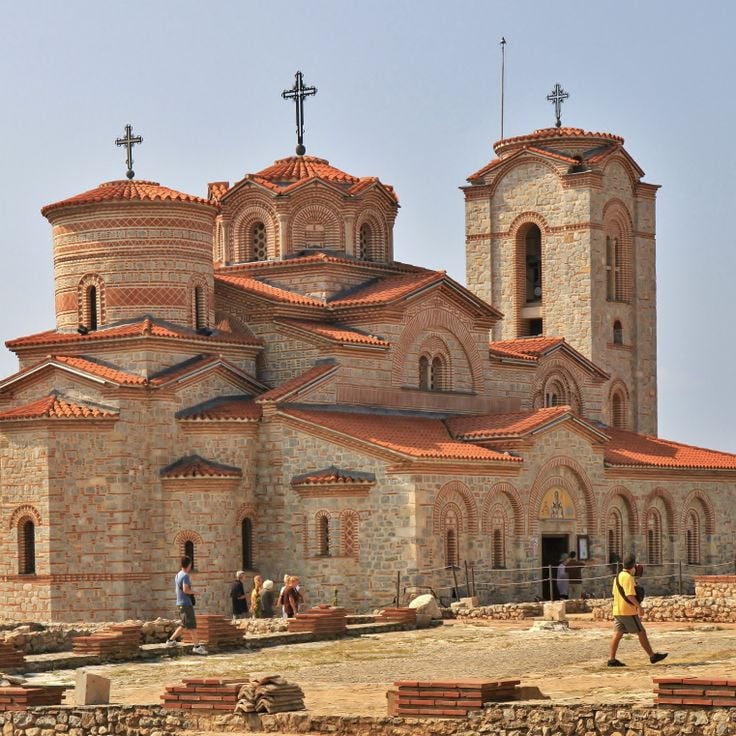
St. Panteleimon Monastery is a Byzantine religious complex built in 893 CE that stands on a hill overlooking Lake Ohrid. The monastery contains original frescoes and stone carvings, representing the religious buildings of North Macedonia. It is part of the country's collection of archaeological sites, Orthodox monasteries, Byzantine churches, and historical structures that span different periods.
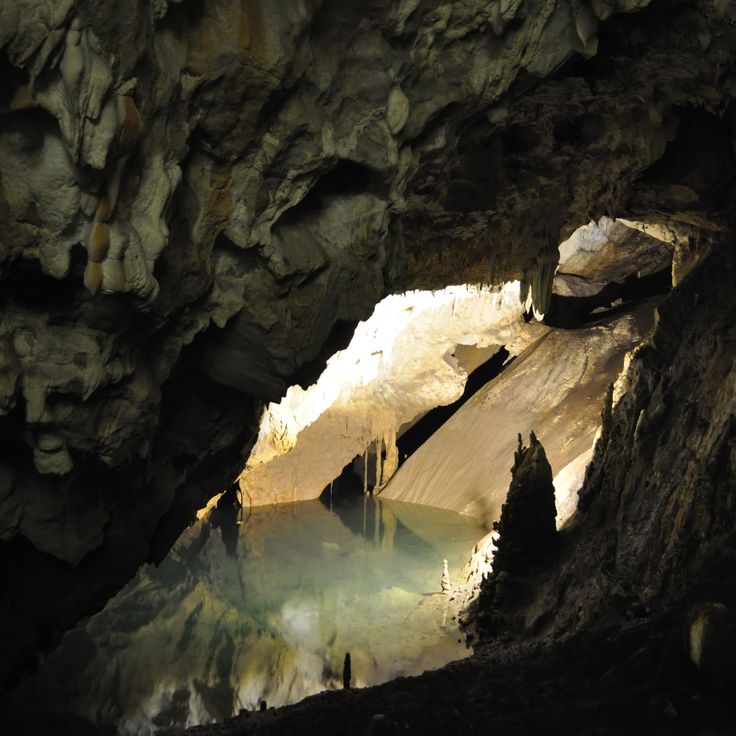
Cave Vrelo is an underground cave system in Matka Canyon that extends 330 meters deep. It represents the natural landmarks of North Macedonia alongside the country's archaeological sites, religious buildings, and rock formations. The cave features water-filled chambers and passages that form a network of tunnels running through the canyon.
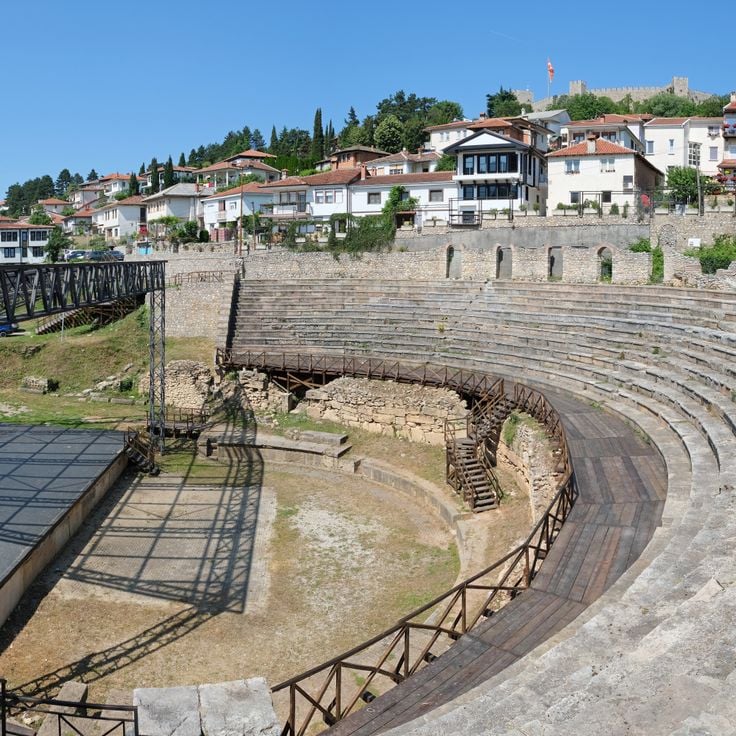
The Ancient Theatre of Daljan in Ohrid is a stone structure built in 200 BC with approximately 20 rows of seating. It was used for performances and cultural events during ancient times. The theatre stands as one of the archaeological sites that document North Macedonia's past and offer insight into how people gathered for entertainment in this region long ago.
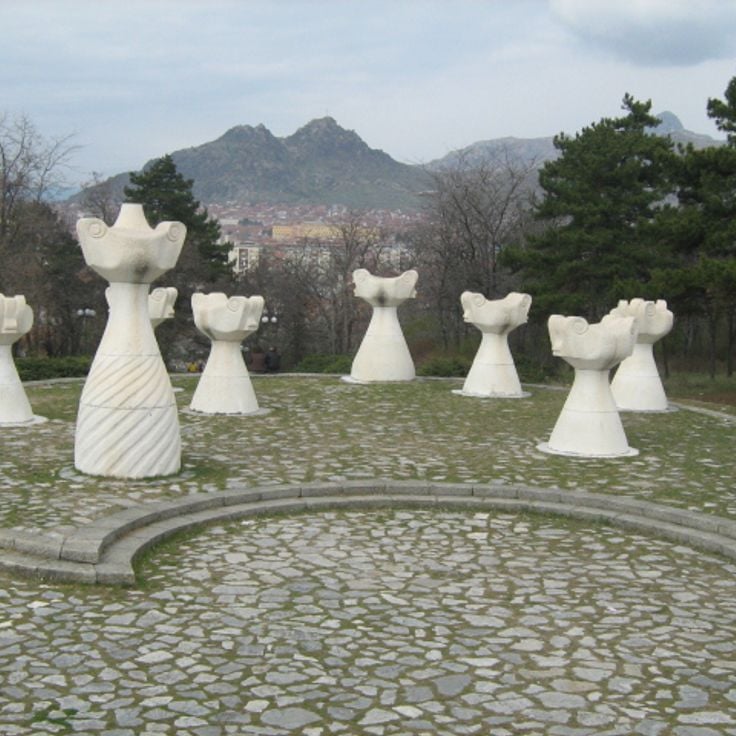
Mogila Park is a green space built around a 6-meter-high burial mound from 2000 BC. The park displays archaeological finds and local artifacts. This site brings together nature and history, and stands as part of North Macedonia's collection of Bronze Age structures and cultural remains.
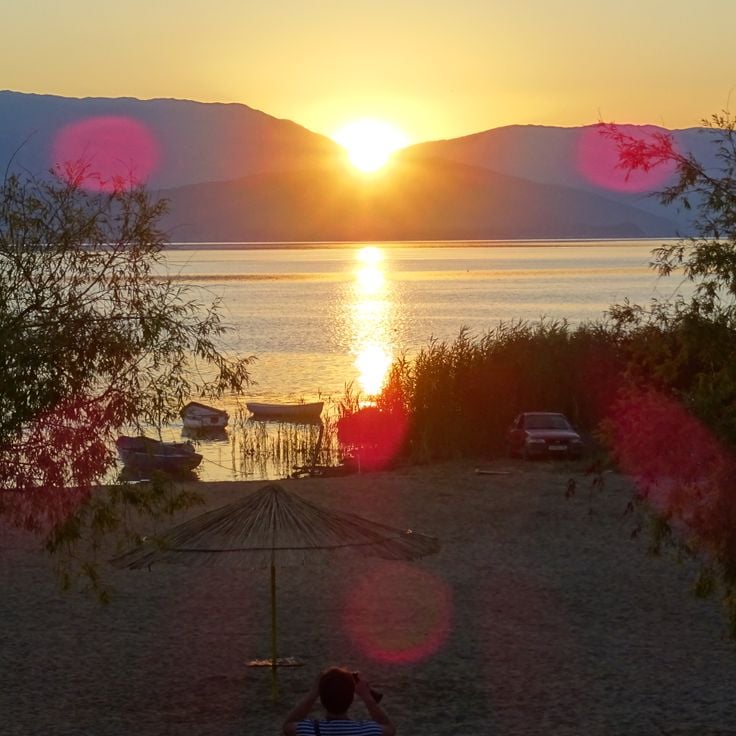
Dupeni Beach is a sandy shore on Prespa Lake, part of the natural sites that define North Macedonia's landscape. The beach has shallow waters ideal for swimming, and mountains with pine forests frame the shoreline, creating a quiet spot for visitors to enjoy the lake.
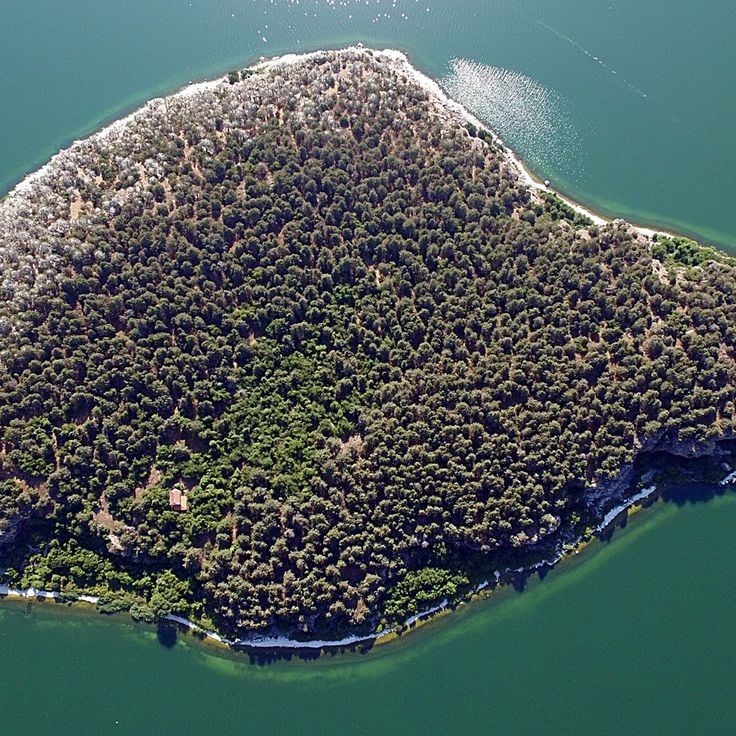
Golem Grad Island sits in Prespa Lake and displays layers of history from different periods. The island contains ruins of a Byzantine church and Roman structures that speak to its long settlement. It is also known for its large population of water snakes living in the lake. The island offers insight into the religious and administrative centers that developed in this region.
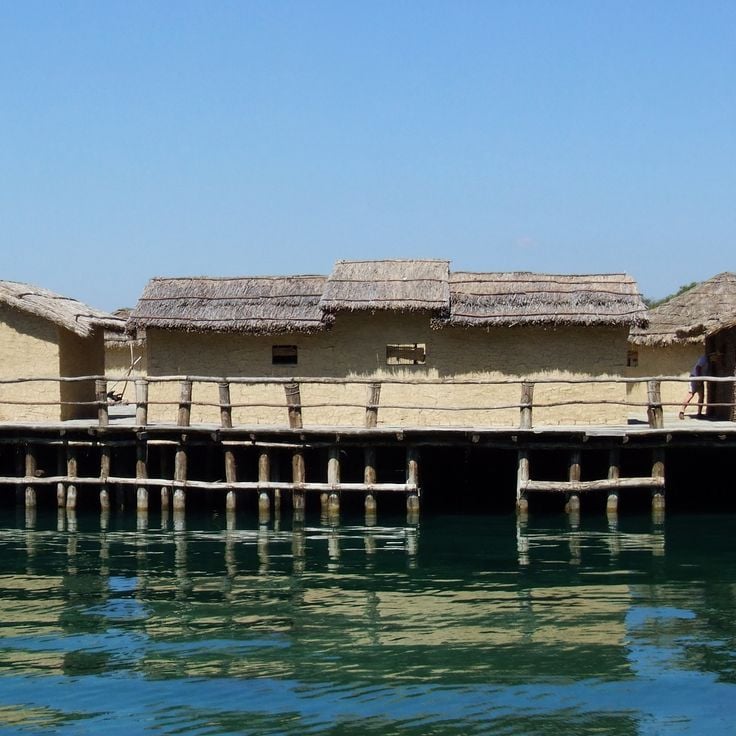
The Museum of Prehistoric Life presents a reconstructed settlement with wooden platforms built above water. The 24 houses were constructed based on archaeological findings from 1200 BCE. This museum shows how people lived in this region long ago and connects to other historical sites and natural formations found throughout North Macedonia.
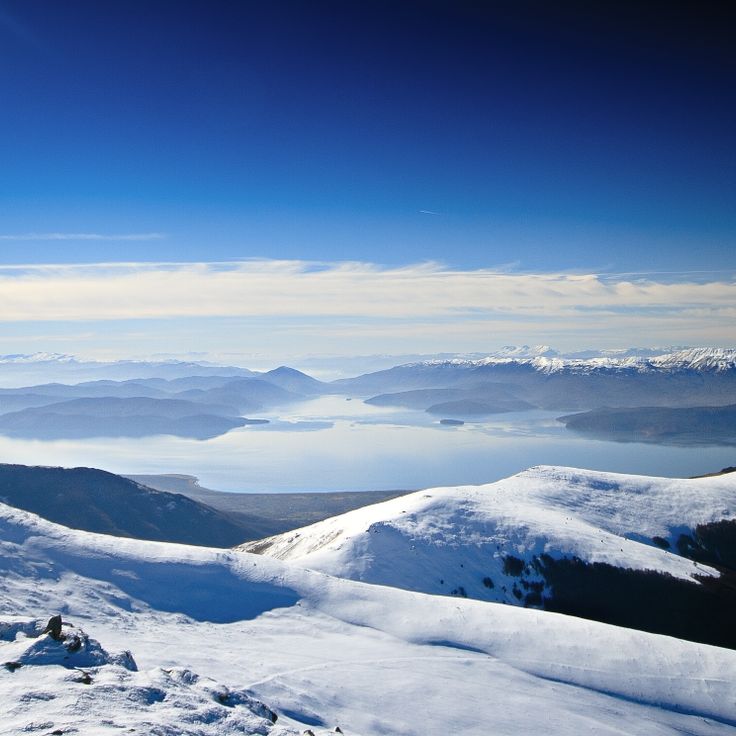
Pelister National Park is located on Baba Mountain and protects important natural features of North Macedonia. The park is home to rare five-needle Molika pines, two glacial lakes, and numerous plant and animal species found nowhere else. The landscape rises to 2601 meters in elevation, creating distinct zones of vegetation and wildlife.
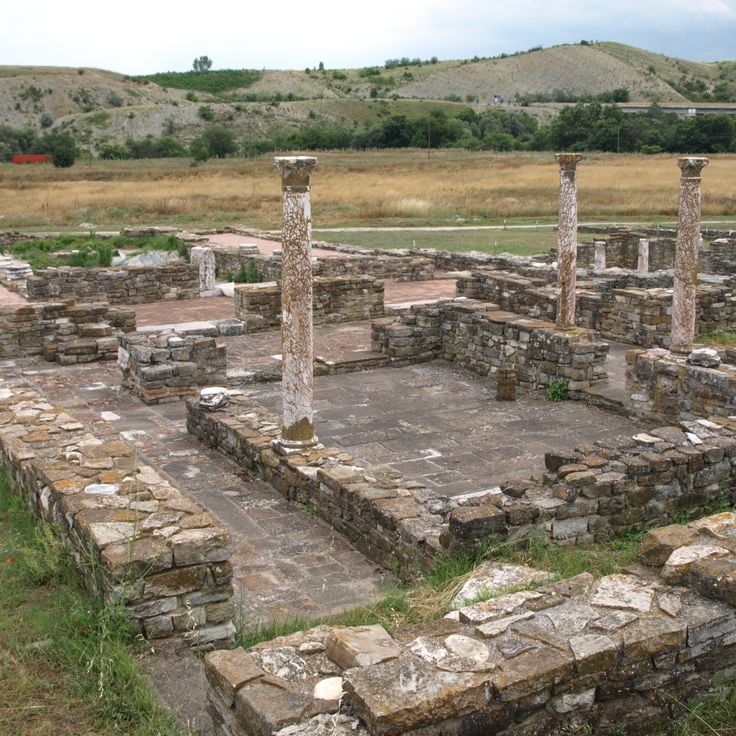
The Stobi Roman Ruins are an archaeological site featured in this collection of historical sites and natural landmarks of North Macedonia. This site contains the remains of an ancient city with Roman theaters, basilicas, palaces, and floor mosaics. The city flourished from the 7th century BCE to the 6th century CE, offering insights into Roman urban life and architectural practices of that era.
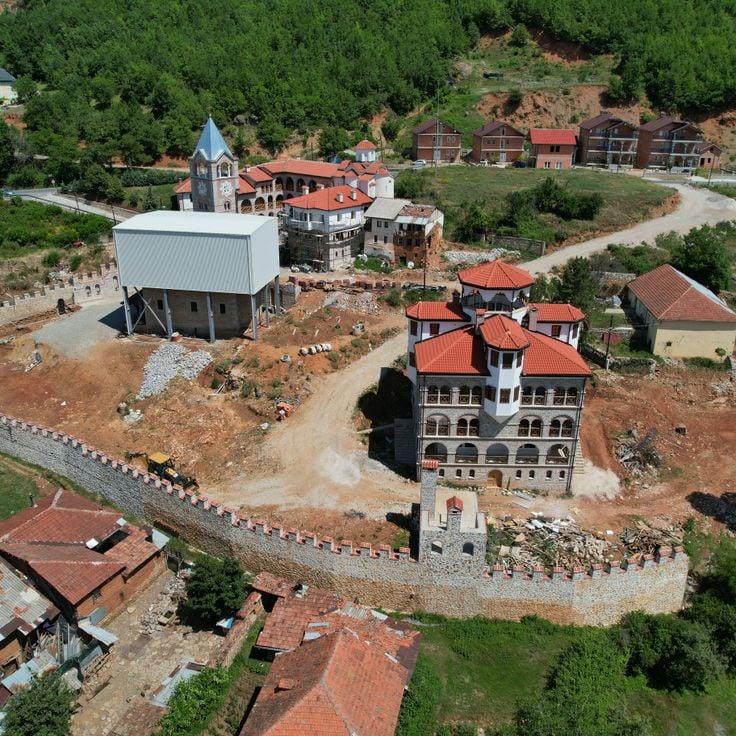
Saint George Monastery in Debar is an Orthodox monastery from 1835 that houses a community of nuns. This community practices the traditional craft of religious icon painting and restoration. The monastery represents the role of religious buildings in North Macedonia's cultural life and shows how religious traditions remain alive today.
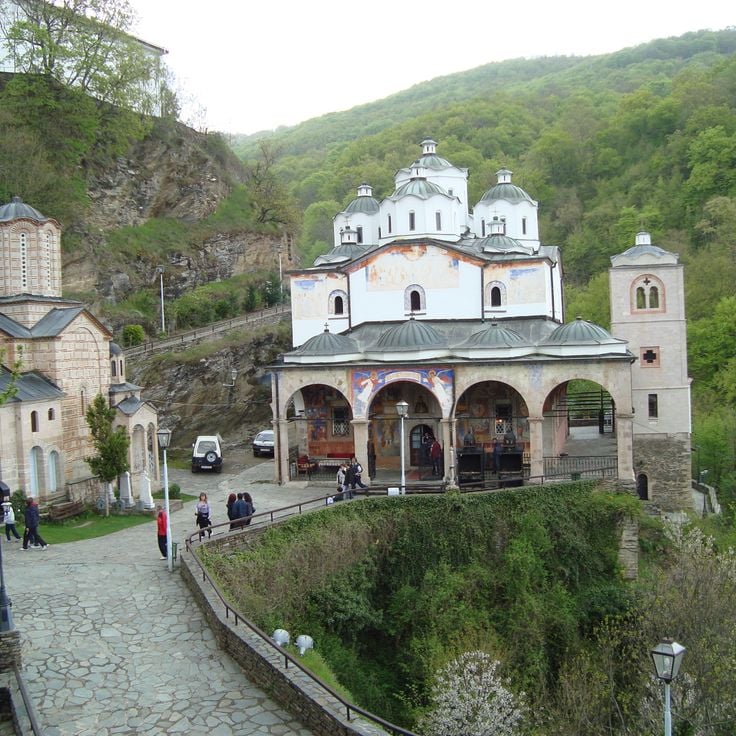
Osogovo Monastery is an Orthodox religious complex from the 12th century located in the Osogovo Mountains, part of North Macedonia's historical sites and natural landmarks. Situated at 825 meters elevation, the monastery displays medieval frescoes and traditional architecture that reflect the religious and cultural history of the region.
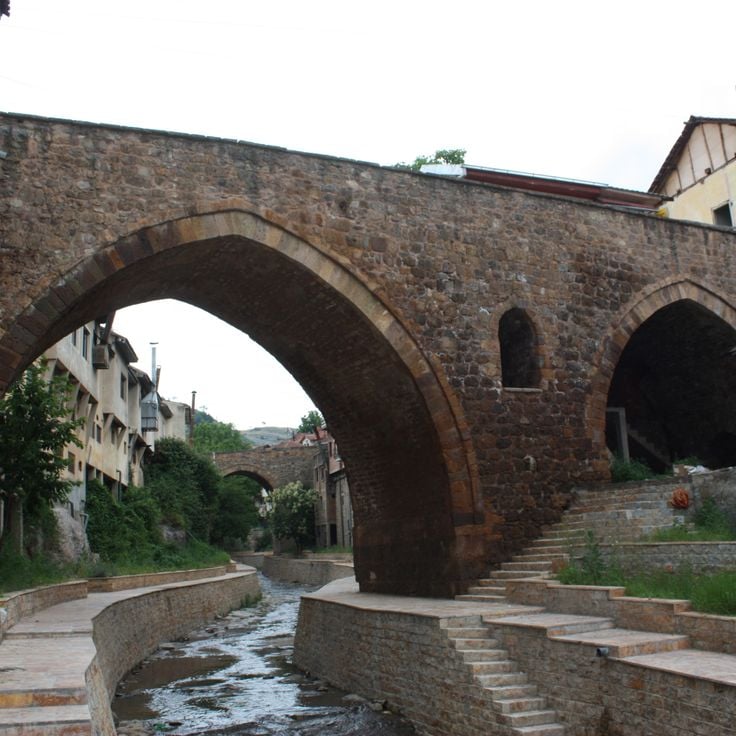
The Kratovo Bridge in Kratovo is a stone bridge from the Ottoman period that crosses the Kratovo River. Local miners built it using regional stone materials and traditional construction methods. This bridge is part of North Macedonia's collection of historical sites and natural landmarks that span from Bronze Age observatories to Orthodox monasteries.
Vodocha Monastery is an Orthodox monastery built in the 11th century that represents the Byzantine religious buildings found throughout North Macedonia. With its stone walls and religious artifacts spanning different historical periods, this monastery embodies the long history of Eastern Orthodox tradition in the region.
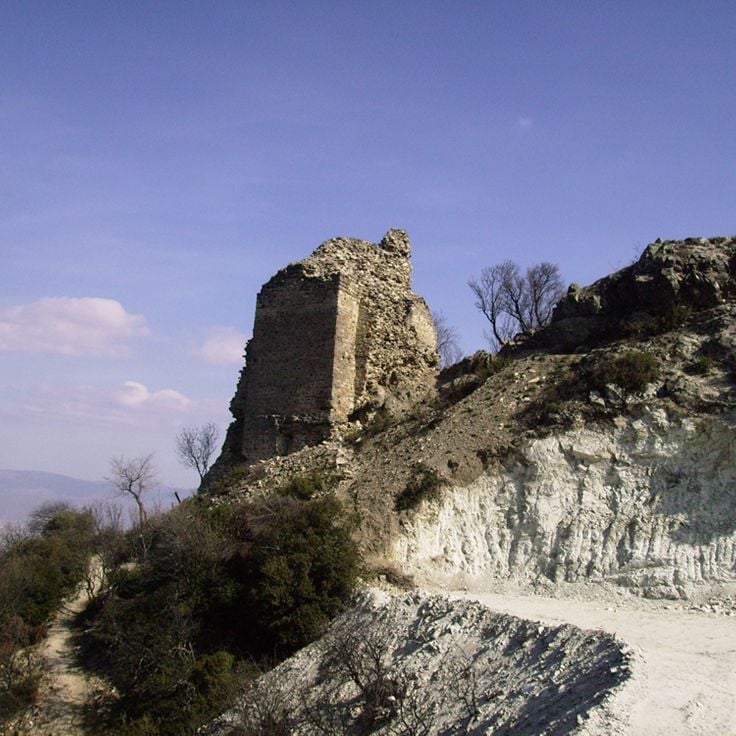
Carevi Kuli is a Byzantine fortress dating from the 6th century, built on a hilltop in Strumica. The ruins display stone walls and archaeological remains from when this area was under Byzantine control. This site represents one of the archaeological landmarks in North Macedonia that reflects the region's layered history.
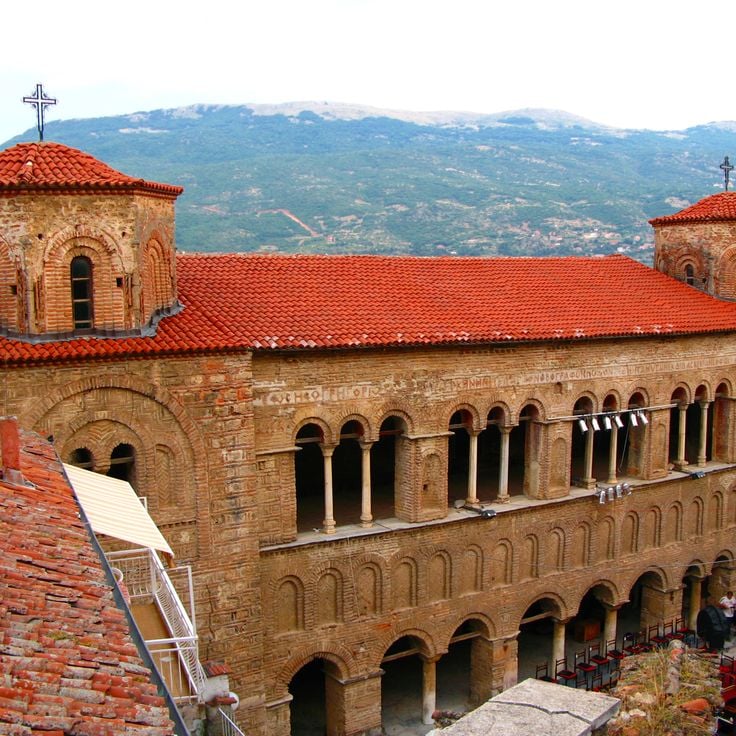
St. Sophia Church is an Orthodox church in Ohrid built in the 11th century. The building displays Byzantine architecture and features medieval frescoes on its interior walls. During Ottoman rule, the church served as a mosque. It stands as one of the religious structures that shaped the history of North Macedonia.
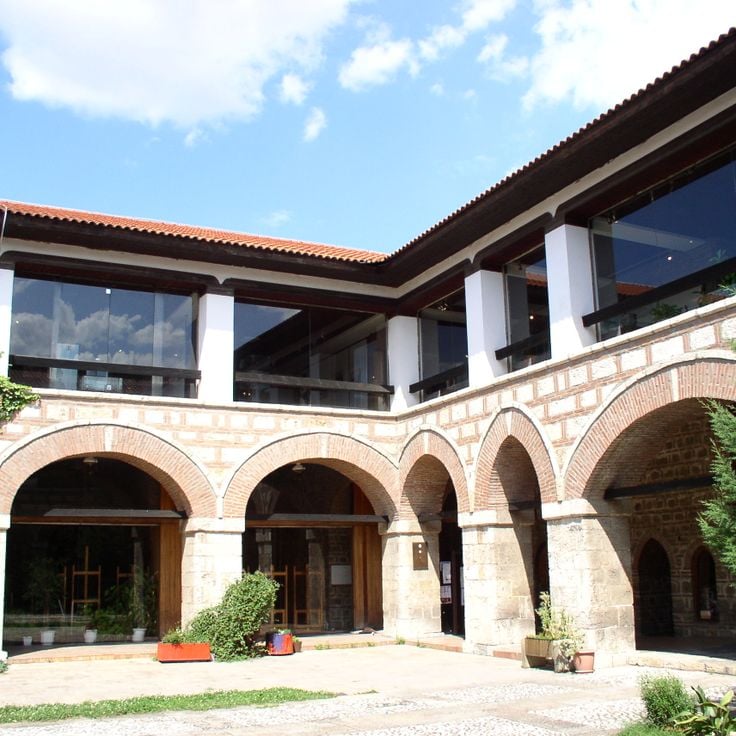
Suli An is a former Ottoman caravanserai from the 15th century located in Bitola and represents the historical sites found throughout North Macedonia. The stone building displays traditional Turkish architecture and now hosts art exhibitions and cultural events. It stands as a reminder of the region's Ottoman past and its importance as a trade route.
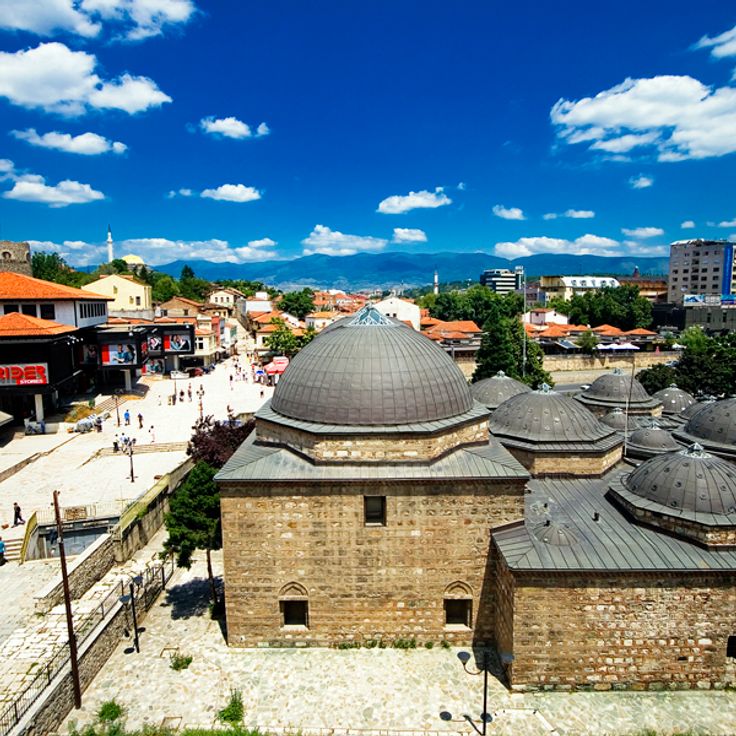
The Daut Pasha Hamam belongs to the collection of historical sites and natural landmarks in North Macedonia. This 15th-century Ottoman bathhouse displays characteristic architecture with domed ceilings and Islamic design elements. Today, the structure houses the National Art Gallery, merging its historical past with a contemporary cultural function.
Psača Monastery is a medieval Orthodox monastery in Kriva Palanka that reflects the region's deep religious traditions. The stone complex houses a church and monastic quarters, decorated with frescoes from the 14th century and containing religious artifacts from that era.
Isar Fortress is a medieval fortification built on a hill above Sveti Nikole. The stone walls and towers still stand, offering visitors a chance to see the surrounding plains. This fortress is part of North Macedonia's collection of historical sites, which includes archaeological ruins, religious buildings, and natural landmarks spread across the country.
The Church of St. George is a religious building in North Macedonia, built in 1191. It features Byzantine frescoes depicting religious scenes on its interior walls. The detailed paintings from the 12th century demonstrate the artistic traditions of this era.
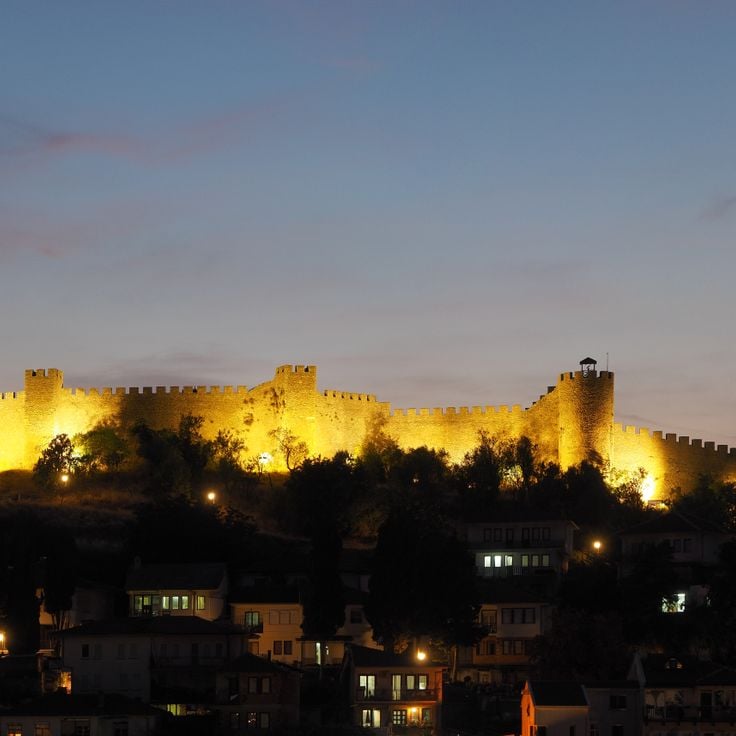
Samuil's Fortress overlooks Lake Ohrid and represents the medieval history of North Macedonia. Built in the 10th century, this fortress features thick stone walls, 18 towers, and four gates. The structure served as a major defensive center and continues to define the skyline of Ohrid today.
Kuršumli An is an Ottoman caravanserai from the 16th century in Skopje that shows how travelers and merchants were hosted during Ottoman times. The building has a central courtyard with rooms arranged around it. Today it houses archaeological exhibits that tell the story of the region's past.
Kokino Observatory is an archaeological site from 1800 BCE located in Staro Nagoričane. This Bronze Age observatory contains stone markers and platforms that ancient people used to track celestial movements and make calendar calculations. The site reveals how early communities understood the sky and marked the passage of time.
Lake Matka is an artificial reservoir created in 1938 near Skopje. Steep rock walls rise from the water, and the lake contains several caves. Orthodox monasteries sit along its shores, making this place significant for both history and nature. The lake represents the combination of human-made structures and natural features found throughout North Macedonia.
The Treskavec Monastery is an Orthodox religious complex from the 12th century situated within North Macedonia's collection of archaeological sites and natural landmarks. Positioned at 1280 meters altitude, this monastery combines Byzantine frescoes with granite stone architecture. It represents the religious buildings preserved in North Macedonia alongside Roman ruins, Orthodox churches, and natural formations like mountain lakes and caves.
Heraclea Lyncestis is an ancient city founded by Philip II in the 4th century BCE. It contains Roman baths, a theater, and religious buildings with floor mosaics still visible today. This site represents one of the archaeological sites found throughout North Macedonia.
Markovi Kuli are the ruins of a medieval fortress standing on a hill above Prilep. The stone walls and towers date from the 13th century and represent the archaeological sites that show the rich history of North Macedonia. From this location, you can see across the city and surrounding landscape.
The Vevčani Springs are natural water sources that emerge from limestone rocks and form seven streams. These springs represent the natural formations found throughout North Macedonia, showcasing the country's geological character. The water maintains a constant temperature of 8 degrees Celsius year-round. The springs exemplify the natural sites that define the country alongside its archaeological sites, religious buildings, and national parks.
St. Jovan Bigorski Monastery in Debar is an Orthodox monastery featuring a wooden iconostasis created in 1835. The religious complex includes a church, residential buildings, and a bell tower. This monastery represents the Byzantine and Orthodox Christian architectural and artistic traditions of North Macedonia.
Smolare Waterfall in Novo Selo is a natural landmark in North Macedonia. Water cascades from a height of 39.5 meters, creating a powerful sight. Stone steps guide visitors down to a viewing platform near the base, where you can feel the mist and power of the falling water.
This archaeological site in Valandovo contains stone walls, artifacts and structures from different historical periods near the Vardar River valley. It is part of North Macedonia's historical sites and natural landmarks, which feature Bronze Age observatories, Roman ruins, Byzantine churches, Ottoman buildings, and Orthodox monasteries.
Sveta Petka Church is a 14th century stone church located in Ohrid that exemplifies the religious buildings of North Macedonia. Its small interior contains medieval frescoes and religious artifacts that reflect the Orthodox traditions of the region. The church represents the Byzantine heritage found throughout the country.
Cocev Kamen is a stone formation with carved niches and staircases dating back to ancient times. This site near Kriva Palanka shows evidence of early settlements and represents one of North Macedonia's archaeological sites shaped by inhabitants from the Bronze Age and later periods.
Lesnovo Monastery is a medieval monastery from 1341 that fits into the collection of historical sites and natural landmarks in North Macedonia. It features detailed frescoes, religious manuscripts, and stone carvings in its church and library, showing the religious importance of the place.
Stone Town of Kuklica is a natural rock formation containing about 120 stone pillars created by mineral erosion over millions of years. This natural site in North Macedonia demonstrates how geological processes shape striking landscapes. The stone pillars rise from the earth and form an intricate maze of rocks that draws visitors interested in geology and how nature shapes the land.
The Zovik Bridge is a stone bridge built during the 16th century Ottoman period. This bridge spans across a river with three arches supporting its structure. It represents one of the many historical sites across North Macedonia that includes religious buildings from different eras, Ottoman structures, and natural formations like mountain lakes and waterfalls.
St. Panteleimon Monastery is a Byzantine religious complex built in 893 CE that stands on a hill overlooking Lake Ohrid. The monastery contains original frescoes and stone carvings, representing the religious buildings of North Macedonia. It is part of the country's collection of archaeological sites, Orthodox monasteries, Byzantine churches, and historical structures that span different periods.
Cave Vrelo is an underground cave system in Matka Canyon that extends 330 meters deep. It represents the natural landmarks of North Macedonia alongside the country's archaeological sites, religious buildings, and rock formations. The cave features water-filled chambers and passages that form a network of tunnels running through the canyon.
The Ancient Theatre of Daljan in Ohrid is a stone structure built in 200 BC with approximately 20 rows of seating. It was used for performances and cultural events during ancient times. The theatre stands as one of the archaeological sites that document North Macedonia's past and offer insight into how people gathered for entertainment in this region long ago.
Mogila Park is a green space built around a 6-meter-high burial mound from 2000 BC. The park displays archaeological finds and local artifacts. This site brings together nature and history, and stands as part of North Macedonia's collection of Bronze Age structures and cultural remains.
Dupeni Beach is a sandy shore on Prespa Lake, part of the natural sites that define North Macedonia's landscape. The beach has shallow waters ideal for swimming, and mountains with pine forests frame the shoreline, creating a quiet spot for visitors to enjoy the lake.
Golem Grad Island sits in Prespa Lake and displays layers of history from different periods. The island contains ruins of a Byzantine church and Roman structures that speak to its long settlement. It is also known for its large population of water snakes living in the lake. The island offers insight into the religious and administrative centers that developed in this region.
The Museum of Prehistoric Life presents a reconstructed settlement with wooden platforms built above water. The 24 houses were constructed based on archaeological findings from 1200 BCE. This museum shows how people lived in this region long ago and connects to other historical sites and natural formations found throughout North Macedonia.
Pelister National Park is located on Baba Mountain and protects important natural features of North Macedonia. The park is home to rare five-needle Molika pines, two glacial lakes, and numerous plant and animal species found nowhere else. The landscape rises to 2601 meters in elevation, creating distinct zones of vegetation and wildlife.
The Stobi Roman Ruins are an archaeological site featured in this collection of historical sites and natural landmarks of North Macedonia. This site contains the remains of an ancient city with Roman theaters, basilicas, palaces, and floor mosaics. The city flourished from the 7th century BCE to the 6th century CE, offering insights into Roman urban life and architectural practices of that era.
Saint George Monastery in Debar is an Orthodox monastery from 1835 that houses a community of nuns. This community practices the traditional craft of religious icon painting and restoration. The monastery represents the role of religious buildings in North Macedonia's cultural life and shows how religious traditions remain alive today.
Osogovo Monastery is an Orthodox religious complex from the 12th century located in the Osogovo Mountains, part of North Macedonia's historical sites and natural landmarks. Situated at 825 meters elevation, the monastery displays medieval frescoes and traditional architecture that reflect the religious and cultural history of the region.
The Kratovo Bridge in Kratovo is a stone bridge from the Ottoman period that crosses the Kratovo River. Local miners built it using regional stone materials and traditional construction methods. This bridge is part of North Macedonia's collection of historical sites and natural landmarks that span from Bronze Age observatories to Orthodox monasteries.
Vodocha Monastery is an Orthodox monastery built in the 11th century that represents the Byzantine religious buildings found throughout North Macedonia. With its stone walls and religious artifacts spanning different historical periods, this monastery embodies the long history of Eastern Orthodox tradition in the region.
Carevi Kuli is a Byzantine fortress dating from the 6th century, built on a hilltop in Strumica. The ruins display stone walls and archaeological remains from when this area was under Byzantine control. This site represents one of the archaeological landmarks in North Macedonia that reflects the region's layered history.
St. Sophia Church is an Orthodox church in Ohrid built in the 11th century. The building displays Byzantine architecture and features medieval frescoes on its interior walls. During Ottoman rule, the church served as a mosque. It stands as one of the religious structures that shaped the history of North Macedonia.
Suli An is a former Ottoman caravanserai from the 15th century located in Bitola and represents the historical sites found throughout North Macedonia. The stone building displays traditional Turkish architecture and now hosts art exhibitions and cultural events. It stands as a reminder of the region's Ottoman past and its importance as a trade route.
The Daut Pasha Hamam belongs to the collection of historical sites and natural landmarks in North Macedonia. This 15th-century Ottoman bathhouse displays characteristic architecture with domed ceilings and Islamic design elements. Today, the structure houses the National Art Gallery, merging its historical past with a contemporary cultural function.
Psača Monastery is a medieval Orthodox monastery in Kriva Palanka that reflects the region's deep religious traditions. The stone complex houses a church and monastic quarters, decorated with frescoes from the 14th century and containing religious artifacts from that era.
Isar Fortress is a medieval fortification built on a hill above Sveti Nikole. The stone walls and towers still stand, offering visitors a chance to see the surrounding plains. This fortress is part of North Macedonia's collection of historical sites, which includes archaeological ruins, religious buildings, and natural landmarks spread across the country.
The Church of St. George is a religious building in North Macedonia, built in 1191. It features Byzantine frescoes depicting religious scenes on its interior walls. The detailed paintings from the 12th century demonstrate the artistic traditions of this era.
Samuil's Fortress overlooks Lake Ohrid and represents the medieval history of North Macedonia. Built in the 10th century, this fortress features thick stone walls, 18 towers, and four gates. The structure served as a major defensive center and continues to define the skyline of Ohrid today.
Kuršumli An is an Ottoman caravanserai from the 16th century in Skopje that shows how travelers and merchants were hosted during Ottoman times. The building has a central courtyard with rooms arranged around it. Today it houses archaeological exhibits that tell the story of the region's past.
Kokino Observatory is an archaeological site from 1800 BCE located in Staro Nagoričane. This Bronze Age observatory contains stone markers and platforms that ancient people used to track celestial movements and make calendar calculations. The site reveals how early communities understood the sky and marked the passage of time.
Lake Matka is an artificial reservoir created in 1938 near Skopje. Steep rock walls rise from the water, and the lake contains several caves. Orthodox monasteries sit along its shores, making this place significant for both history and nature. The lake represents the combination of human-made structures and natural features found throughout North Macedonia.
The Treskavec Monastery is an Orthodox religious complex from the 12th century situated within North Macedonia's collection of archaeological sites and natural landmarks. Positioned at 1280 meters altitude, this monastery combines Byzantine frescoes with granite stone architecture. It represents the religious buildings preserved in North Macedonia alongside Roman ruins, Orthodox churches, and natural formations like mountain lakes and caves.
Heraclea Lyncestis is an ancient city founded by Philip II in the 4th century BCE. It contains Roman baths, a theater, and religious buildings with floor mosaics still visible today. This site represents one of the archaeological sites found throughout North Macedonia.
Markovi Kuli are the ruins of a medieval fortress standing on a hill above Prilep. The stone walls and towers date from the 13th century and represent the archaeological sites that show the rich history of North Macedonia. From this location, you can see across the city and surrounding landscape.
The Vevčani Springs are natural water sources that emerge from limestone rocks and form seven streams. These springs represent the natural formations found throughout North Macedonia, showcasing the country's geological character. The water maintains a constant temperature of 8 degrees Celsius year-round. The springs exemplify the natural sites that define the country alongside its archaeological sites, religious buildings, and national parks.
St. Jovan Bigorski Monastery in Debar is an Orthodox monastery featuring a wooden iconostasis created in 1835. The religious complex includes a church, residential buildings, and a bell tower. This monastery represents the Byzantine and Orthodox Christian architectural and artistic traditions of North Macedonia.
Smolare Waterfall in Novo Selo is a natural landmark in North Macedonia. Water cascades from a height of 39.5 meters, creating a powerful sight. Stone steps guide visitors down to a viewing platform near the base, where you can feel the mist and power of the falling water.
This archaeological site in Valandovo contains stone walls, artifacts and structures from different historical periods near the Vardar River valley. It is part of North Macedonia's historical sites and natural landmarks, which feature Bronze Age observatories, Roman ruins, Byzantine churches, Ottoman buildings, and Orthodox monasteries.
Sveta Petka Church is a 14th century stone church located in Ohrid that exemplifies the religious buildings of North Macedonia. Its small interior contains medieval frescoes and religious artifacts that reflect the Orthodox traditions of the region. The church represents the Byzantine heritage found throughout the country.
Cocev Kamen is a stone formation with carved niches and staircases dating back to ancient times. This site near Kriva Palanka shows evidence of early settlements and represents one of North Macedonia's archaeological sites shaped by inhabitants from the Bronze Age and later periods.
Lesnovo Monastery is a medieval monastery from 1341 that fits into the collection of historical sites and natural landmarks in North Macedonia. It features detailed frescoes, religious manuscripts, and stone carvings in its church and library, showing the religious importance of the place.
Stone Town of Kuklica is a natural rock formation containing about 120 stone pillars created by mineral erosion over millions of years. This natural site in North Macedonia demonstrates how geological processes shape striking landscapes. The stone pillars rise from the earth and form an intricate maze of rocks that draws visitors interested in geology and how nature shapes the land.
The Zovik Bridge is a stone bridge built during the 16th century Ottoman period. This bridge spans across a river with three arches supporting its structure. It represents one of the many historical sites across North Macedonia that includes religious buildings from different eras, Ottoman structures, and natural formations like mountain lakes and waterfalls.
St. Panteleimon Monastery is a Byzantine religious complex built in 893 CE that stands on a hill overlooking Lake Ohrid. The monastery contains original frescoes and stone carvings, representing the religious buildings of North Macedonia. It is part of the country's collection of archaeological sites, Orthodox monasteries, Byzantine churches, and historical structures that span different periods.
Cave Vrelo is an underground cave system in Matka Canyon that extends 330 meters deep. It represents the natural landmarks of North Macedonia alongside the country's archaeological sites, religious buildings, and rock formations. The cave features water-filled chambers and passages that form a network of tunnels running through the canyon.
The Ancient Theatre of Daljan in Ohrid is a stone structure built in 200 BC with approximately 20 rows of seating. It was used for performances and cultural events during ancient times. The theatre stands as one of the archaeological sites that document North Macedonia's past and offer insight into how people gathered for entertainment in this region long ago.
Mogila Park is a green space built around a 6-meter-high burial mound from 2000 BC. The park displays archaeological finds and local artifacts. This site brings together nature and history, and stands as part of North Macedonia's collection of Bronze Age structures and cultural remains.
Dupeni Beach is a sandy shore on Prespa Lake, part of the natural sites that define North Macedonia's landscape. The beach has shallow waters ideal for swimming, and mountains with pine forests frame the shoreline, creating a quiet spot for visitors to enjoy the lake.
Golem Grad Island sits in Prespa Lake and displays layers of history from different periods. The island contains ruins of a Byzantine church and Roman structures that speak to its long settlement. It is also known for its large population of water snakes living in the lake. The island offers insight into the religious and administrative centers that developed in this region.
The Museum of Prehistoric Life presents a reconstructed settlement with wooden platforms built above water. The 24 houses were constructed based on archaeological findings from 1200 BCE. This museum shows how people lived in this region long ago and connects to other historical sites and natural formations found throughout North Macedonia.
Pelister National Park is located on Baba Mountain and protects important natural features of North Macedonia. The park is home to rare five-needle Molika pines, two glacial lakes, and numerous plant and animal species found nowhere else. The landscape rises to 2601 meters in elevation, creating distinct zones of vegetation and wildlife.
The Stobi Roman Ruins are an archaeological site featured in this collection of historical sites and natural landmarks of North Macedonia. This site contains the remains of an ancient city with Roman theaters, basilicas, palaces, and floor mosaics. The city flourished from the 7th century BCE to the 6th century CE, offering insights into Roman urban life and architectural practices of that era.
Saint George Monastery in Debar is an Orthodox monastery from 1835 that houses a community of nuns. This community practices the traditional craft of religious icon painting and restoration. The monastery represents the role of religious buildings in North Macedonia's cultural life and shows how religious traditions remain alive today.
Osogovo Monastery is an Orthodox religious complex from the 12th century located in the Osogovo Mountains, part of North Macedonia's historical sites and natural landmarks. Situated at 825 meters elevation, the monastery displays medieval frescoes and traditional architecture that reflect the religious and cultural history of the region.
The Kratovo Bridge in Kratovo is a stone bridge from the Ottoman period that crosses the Kratovo River. Local miners built it using regional stone materials and traditional construction methods. This bridge is part of North Macedonia's collection of historical sites and natural landmarks that span from Bronze Age observatories to Orthodox monasteries.
Vodocha Monastery is an Orthodox monastery built in the 11th century that represents the Byzantine religious buildings found throughout North Macedonia. With its stone walls and religious artifacts spanning different historical periods, this monastery embodies the long history of Eastern Orthodox tradition in the region.
Carevi Kuli is a Byzantine fortress dating from the 6th century, built on a hilltop in Strumica. The ruins display stone walls and archaeological remains from when this area was under Byzantine control. This site represents one of the archaeological landmarks in North Macedonia that reflects the region's layered history.
St. Sophia Church is an Orthodox church in Ohrid built in the 11th century. The building displays Byzantine architecture and features medieval frescoes on its interior walls. During Ottoman rule, the church served as a mosque. It stands as one of the religious structures that shaped the history of North Macedonia.
Suli An is a former Ottoman caravanserai from the 15th century located in Bitola and represents the historical sites found throughout North Macedonia. The stone building displays traditional Turkish architecture and now hosts art exhibitions and cultural events. It stands as a reminder of the region's Ottoman past and its importance as a trade route.
The Daut Pasha Hamam belongs to the collection of historical sites and natural landmarks in North Macedonia. This 15th-century Ottoman bathhouse displays characteristic architecture with domed ceilings and Islamic design elements. Today, the structure houses the National Art Gallery, merging its historical past with a contemporary cultural function.
Psača Monastery is a medieval Orthodox monastery in Kriva Palanka that reflects the region's deep religious traditions. The stone complex houses a church and monastic quarters, decorated with frescoes from the 14th century and containing religious artifacts from that era.
Isar Fortress is a medieval fortification built on a hill above Sveti Nikole. The stone walls and towers still stand, offering visitors a chance to see the surrounding plains. This fortress is part of North Macedonia's collection of historical sites, which includes archaeological ruins, religious buildings, and natural landmarks spread across the country.
The Church of St. George is a religious building in North Macedonia, built in 1191. It features Byzantine frescoes depicting religious scenes on its interior walls. The detailed paintings from the 12th century demonstrate the artistic traditions of this era.
Samuil's Fortress overlooks Lake Ohrid and represents the medieval history of North Macedonia. Built in the 10th century, this fortress features thick stone walls, 18 towers, and four gates. The structure served as a major defensive center and continues to define the skyline of Ohrid today.
Kuršumli An is an Ottoman caravanserai from the 16th century in Skopje that shows how travelers and merchants were hosted during Ottoman times. The building has a central courtyard with rooms arranged around it. Today it houses archaeological exhibits that tell the story of the region's past.