See the monuments around you in AROpen chests in the app
Around Us is built for your phone — point your camera at the streets and discover the monuments and places around you in augmented reality.Around Us is built for your phone — chests unlock when you walk, explore and capture nearby places.
Extreme roller coasters with high speeds and inversions
This collection brings together roller coasters designed to push the limits of speed and engineering. The attractions feature diverse technologies, from hybrid wooden and steel structures to fully metallic constructions. The courses include multiple inversions, nearly vertical drops at angles close to 90 degrees, and speeds exceeding 87 miles per hour (140 km/h). Some models utilize the natural terrain to create prolonged acceleration sensations.
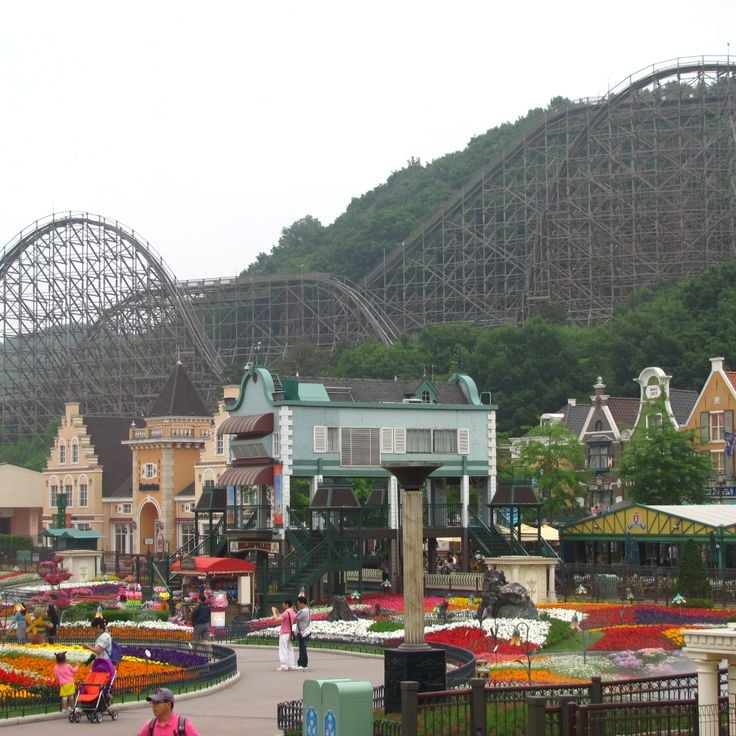
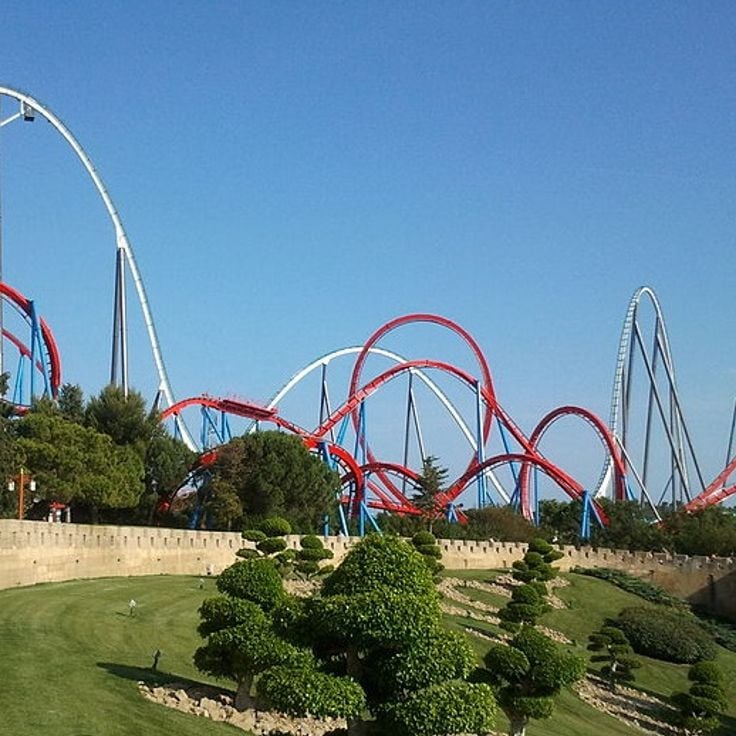
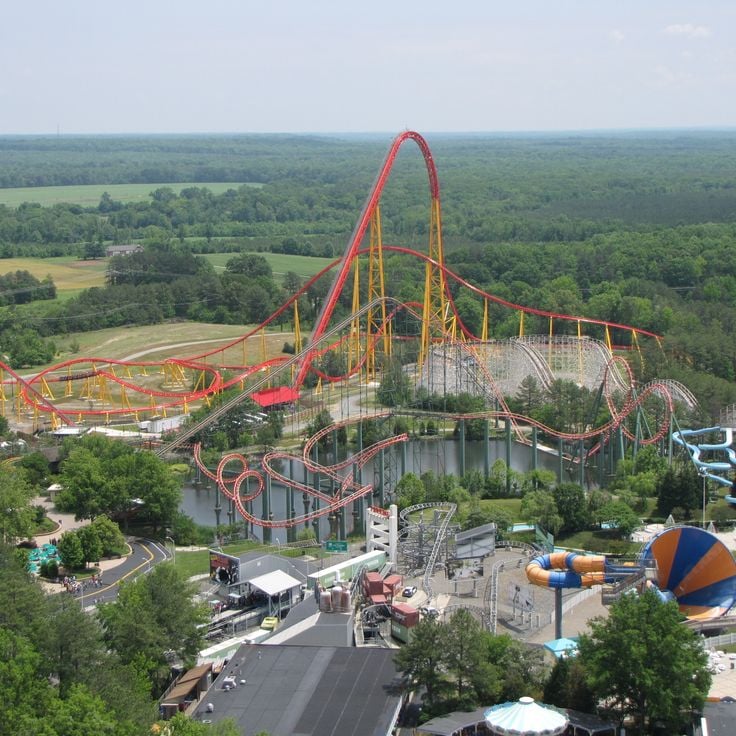
Participating parks are located across several continents. In North America, Cedar Point in Ohio houses Steel Vengeance with its four inversions at 75 miles per hour (120 km/h), while Kings Dominion in Virginia offers Intimidator 305 with its steep descent at 53 degrees. In Europe, PortAventura in Spain hosts Shambhala, which peaks at 250 meters (820 feet), and Alton Towers in the UK features The Smiler with its fourteen inversions. Asia also has notable rides like T-Express at Everland in South Korea, spanning nearly 1,100 meters (3,600 feet) across hilly terrain.
Extreme roller coasters with high speeds and inversions
This collection brings together roller coasters designed to push the limits of speed and engineering. The attractions feature diverse technologies, from hybrid wooden and steel structures to fully metallic constructions. The courses include multiple inversions, nearly vertical drops at angles close to 90 degrees, and speeds exceeding 87 miles per hour (140 km/h). Some models utilize the natural terrain to create prolonged acceleration sensations.
Participating parks are located across several continents. In North America, Cedar Point in Ohio houses Steel Vengeance with its four inversions at 75 miles per hour (120 km/h), while Kings Dominion in Virginia offers Intimidator 305 with its steep descent at 53 degrees. In Europe, PortAventura in Spain hosts Shambhala, which peaks at 250 meters (820 feet), and Alton Towers in the UK features The Smiler with its fourteen inversions. Asia also has notable rides like T-Express at Everland in South Korea, spanning nearly 1,100 meters (3,600 feet) across hilly terrain.
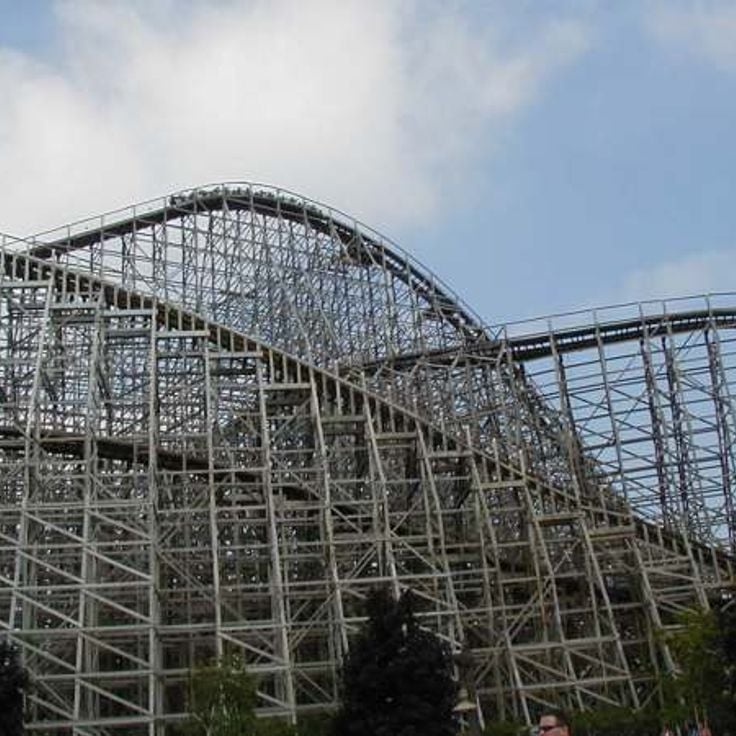
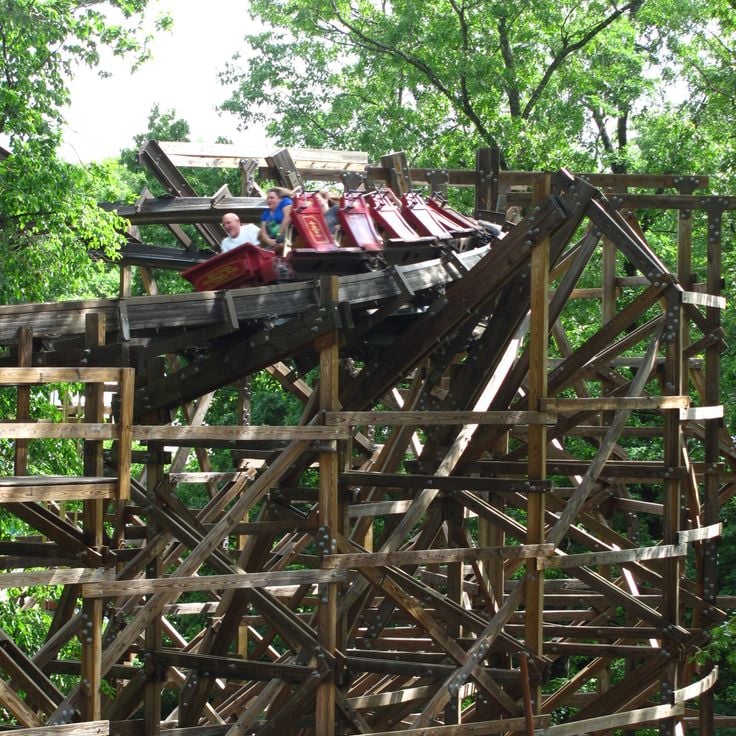
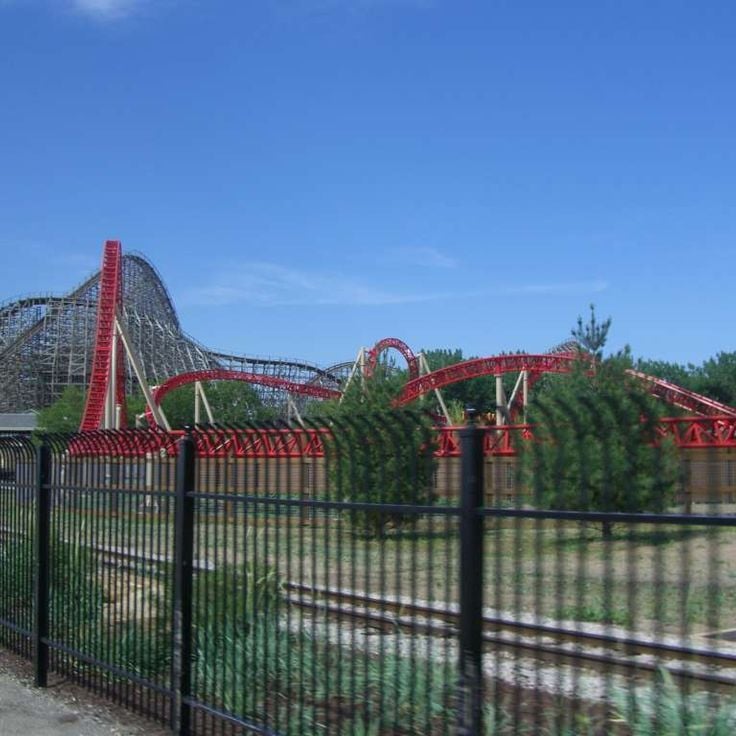
Steel Vengeance at Cedar Point combines a wooden structure with steel tracks and reaches a height of 203 feet (62 meters). The installation completes four inversions at a speed of 75 mph (120 km/h). This hybrid construction ranks among the fastest roller coasters with a wooden support system in North America and features steep drops as well as multiple head-over-heels elements along the course.
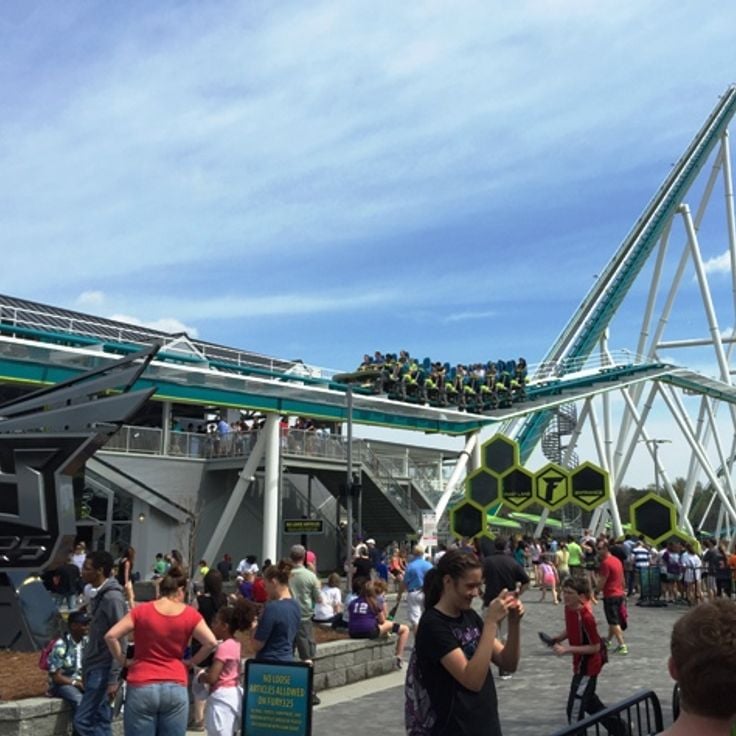
This roller coaster on the border between North Carolina and South Carolina reaches a height of 325 feet (99 meters) and accelerates to 95 miles per hour (153 km/h). The track extends 6,602 feet (2,012 meters) with a first drop at an 81-degree angle. Fury 325 opened in 2015 and belongs to the giga coaster category with a track height exceeding 300 feet (91 meters). The ride lasts approximately three minutes and takes passengers through multiple turns and ground-level elements.
El Toro reaches a height of 181 feet (55 meters) and accelerates to speeds of up to 70 miles per hour (112 kilometers per hour) over a track length of 4400 feet (1342 meters). The wooden coaster at Six Flags Great Adventure features a first drop with a 76-degree angle and utilizes a steel track system to maintain higher speeds than traditional wooden coasters. The layout includes multiple airtime hills and banked turns that generate intense lateral forces.
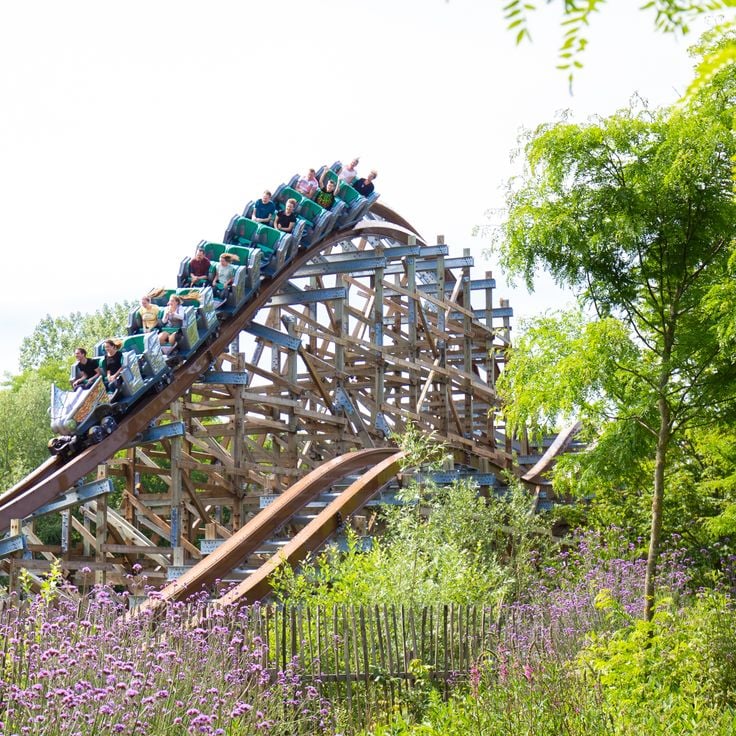
This wooden roller coaster at Walibi Holland reaches a speed of 57 mph (92 km/h) and features five inversions over a track length of 3,560 feet (1,085 meters). The construction combines traditional wood with modern safety systems and generates intense acceleration forces through its steep drops. The course begins with a 121-foot (37-meter) lift hill and includes several elements such as loops and corkscrews that provide continuous directional changes.
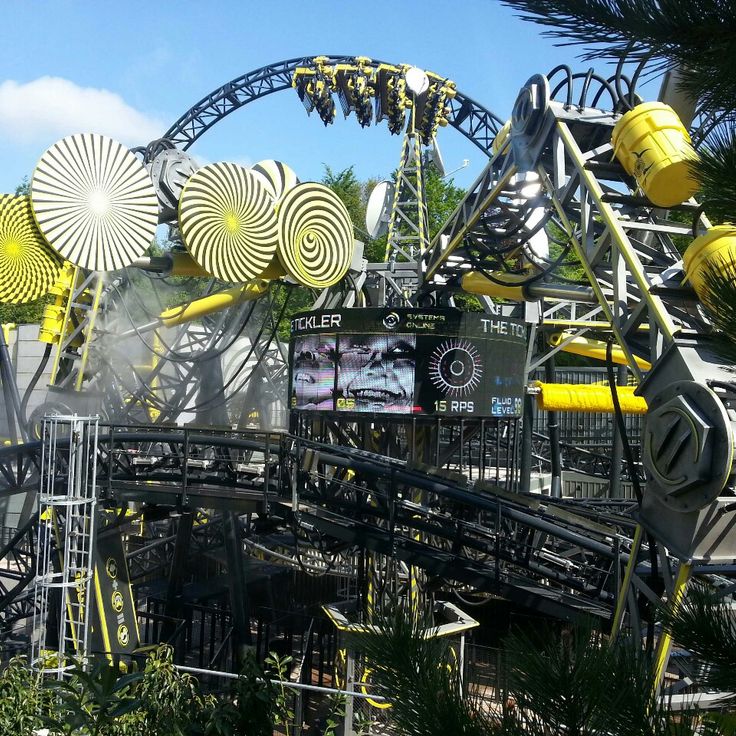
The Smiler is a steel roller coaster featuring fourteen inversions and reaching speeds of 53 miles per hour (85 kilometers per hour) over a track length of 3840 feet (1170 meters). This ride ranks among the installations with the highest number of inversions worldwide and contributes to the collection of roller coasters that explore technical limits in speed and complex track design. The course combines multiple loops, corkscrews and other elements within a compact area.
This wooden roller coaster reaches a speed of 65 mph (104 km/h) and features a drop angle of 77 degrees. The track extends over 5,837 feet (1,779 meters) through hilly terrain, offering an extended ride duration with multiple drops and directional changes.
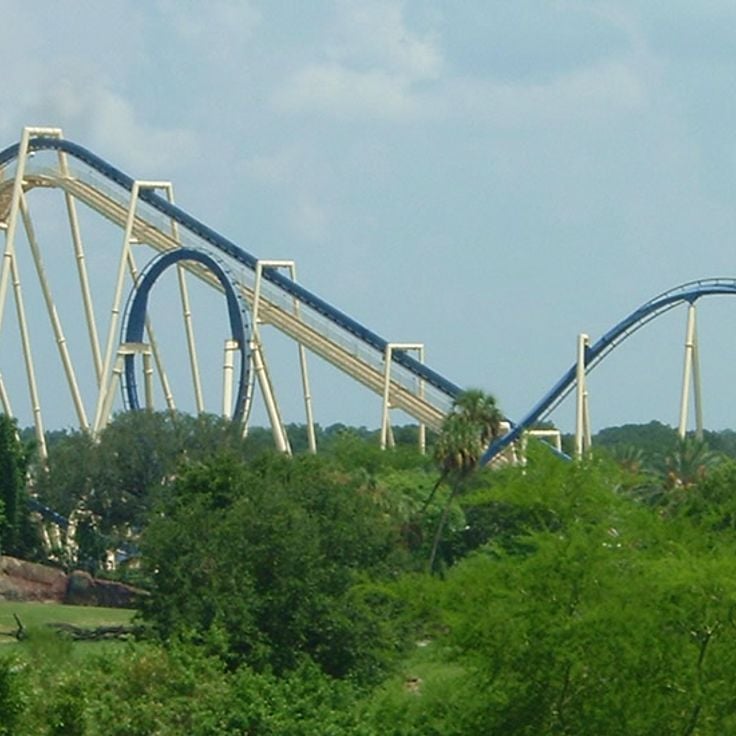
This steel roller coaster reaches a height of 250 feet and speeds of 83 miles per hour (134 kilometers per hour). Shambhala features five drops and ranks among the longest roller coasters in Europe with a track length of 5,413 feet (1,650 meters). The construction uses the park's terrain to generate sustained acceleration phases. The installation was designed by Swiss manufacturer Bolliger & Mabillard as a hypercoaster and reaches descent angles of up to 77 degrees.
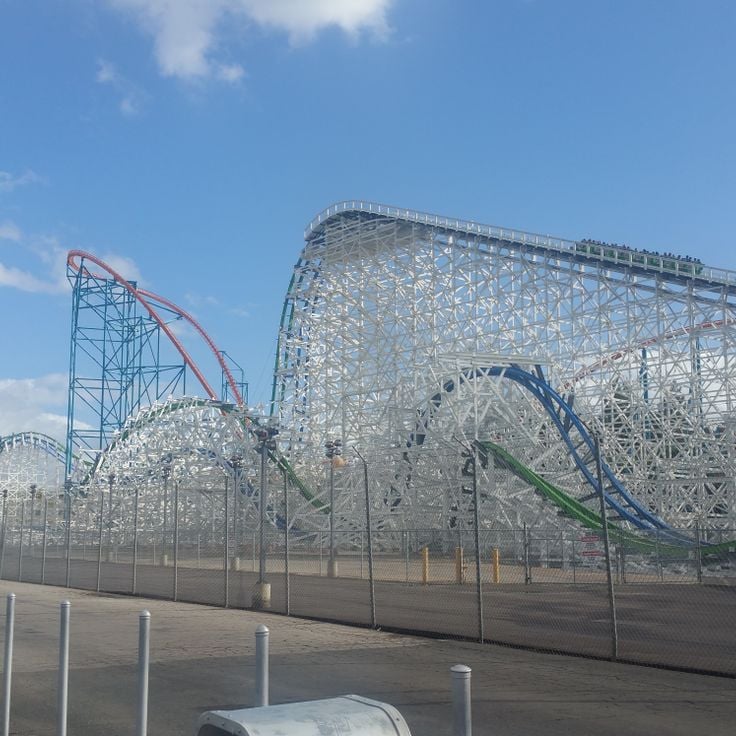
Twisted Colossus combines two parallel tracks of steel and wood construction that reach speeds up to 57 mph (92 km/h) over a distance of 4,530 feet (1,380 meters). This hybrid roller coaster at Six Flags Magic Mountain features multiple crossovers and inversions, with both trains running simultaneously through the course and meeting at three points. The maximum height reaches 125 feet (38 meters).
Lightning Rod is a wooden roller coaster at Dollywood that combines traditional timber construction with a launch system. The ride accelerates to 73 mph (117 km/h) in seconds and uses the mountainous terrain of the Smoky Mountains for descending sections and directional changes. The track extends over 3,000 feet and includes several airtime moments along with a 73-degree drop. This roller coaster merges speed with a layout that travels through forested hillsides.
Intimidator 305 is a 305-foot (93-meter) tall steel roller coaster at Kings Dominion, featured in this collection of extreme roller coasters with high speeds and inversions. The ride reaches speeds of 90 miles per hour (145 kilometers per hour) and includes an 85-degree first drop. This roller coaster uses intense acceleration and tight turn radius to generate high lateral forces throughout the track layout.
This hybrid roller coaster at Silver Dollar City combines traditional wooden construction with modern steel elements and reaches speeds of 67 mph (108 km/h). The track extends 1 mile (1.6 km) through forested terrain and includes three inversions. The first drop occurs at an 81-degree angle, followed by a double helix element and multiple directional changes that utilize the natural topography of the site.
Maverick is a steel roller coaster with a height of 105 feet (32 meters) and a speed of 68 mph (110 km/h). The track features two acceleration zones and delivers multiple inversions along with steep drops. This ride uses linear synchronous motors for the acceleration phases and combines twisting sections with rapid directional changes.
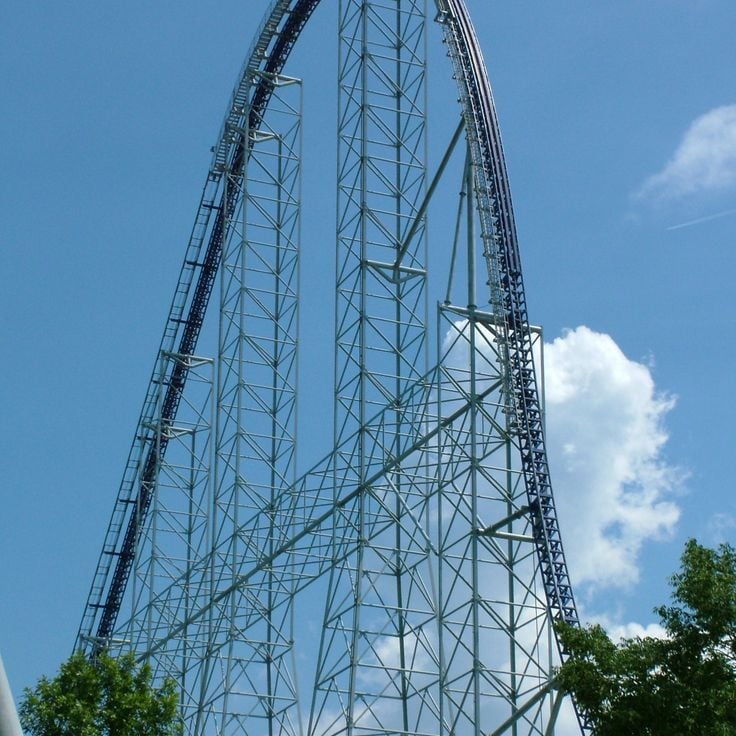
The Millennium Force is a steel roller coaster at Cedar Point in Ohio that forms part of a collection of extreme rides with high speeds. The coaster reaches a height of 310 feet (94 meters) and a speed of 93 miles per hour (150 kilometers per hour). The track extends over 6595 feet (2010 meters) and uses a series of drops and turns to generate sustained acceleration forces. The ride system allows passengers to experience the movements at varying speeds.
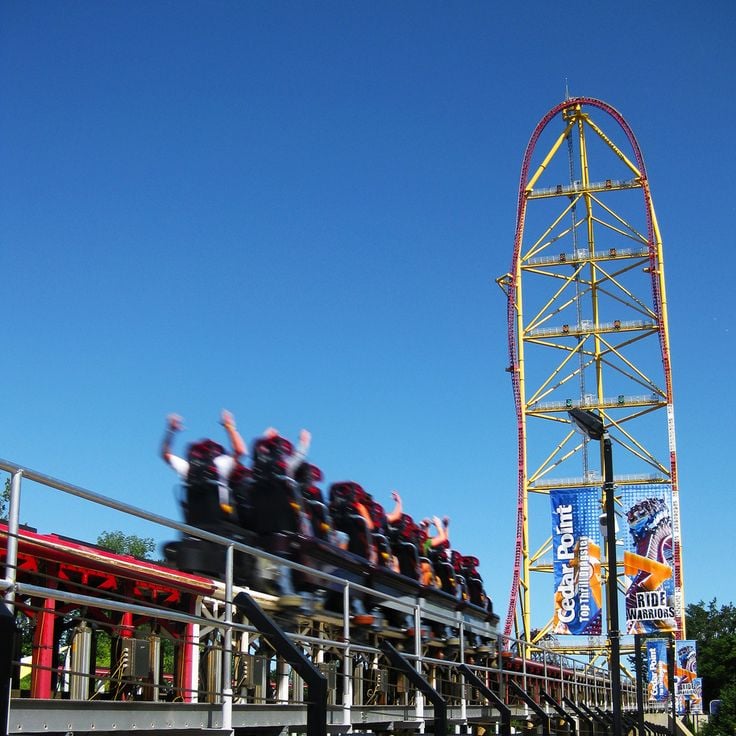
Top Thrill Dragster launches riders to 120 miles per hour (193 kilometers per hour) in 3.8 seconds and reaches a height of 420 feet (128 meters). This installation at Cedar Point uses a hydraulic launch system to propel trains along a vertical track, followed by a 90-degree descent back to the starting position.
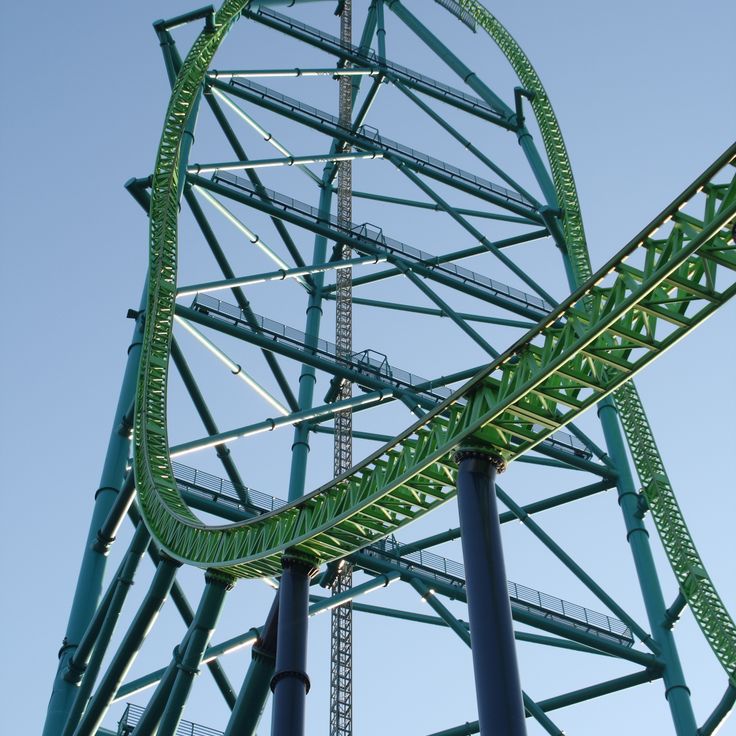
This steel coaster at Six Flags Great Adventure reaches a height of 456 feet (139 meters) and accelerates riders to 128 miles per hour (206 kilometers per hour) in less than four seconds. The installation uses a hydraulic launch system that propels trains horizontally before ascending a 90-degree tower. After the vertical climb, the train executes a 270-degree spiral and descends at a 90-degree angle back to the station. The entire ride lasts approximately 28 seconds and demonstrates the capabilities of modern acceleration technology in roller coaster design.
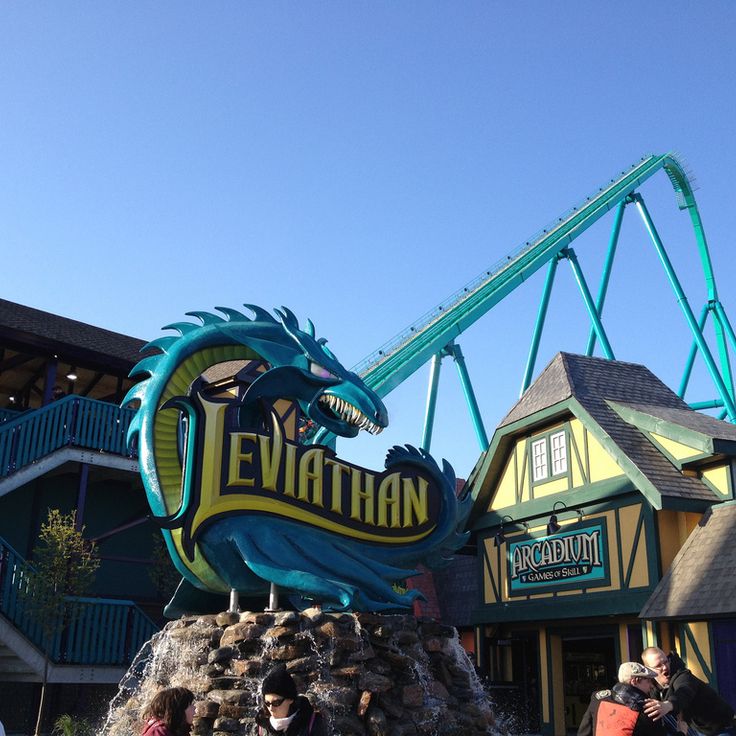
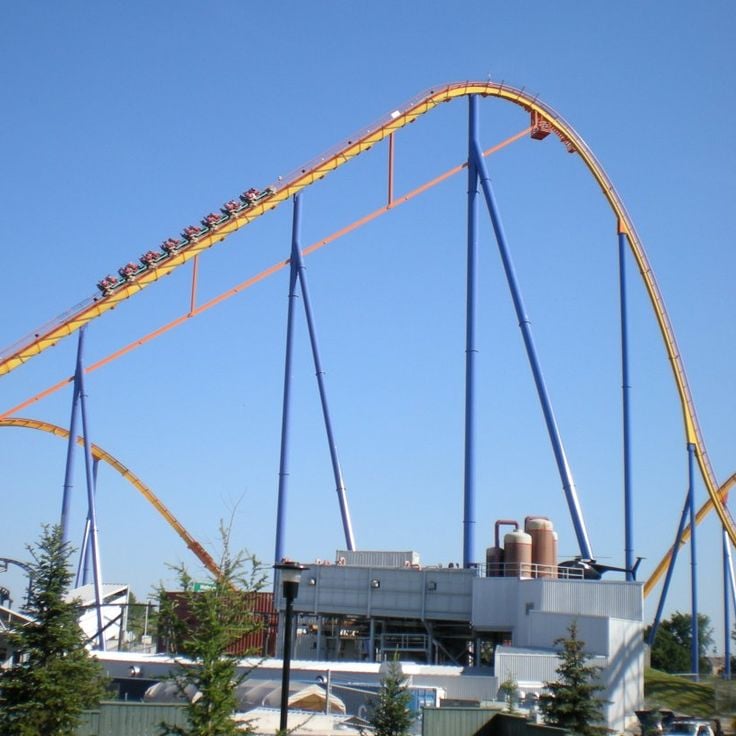
Leviathan at Canada's Wonderland reaches a height of 305 feet (93 meters) and accelerates to 92 miles per hour (148 kilometers per hour). The steel structure extends 5,486 feet (1,672 meters) and features multiple drops and high-speed turns. This coaster ranks among Canada's fastest and combines high velocity with an extended track layout through the park grounds.
This steel roller coaster reaches a height of 230 feet (70 meters) and operates at speeds of 78 mph (125 km/h) across five main hills. Behemoth was designed to deliver intense velocity experiences and negative g-forces. The construction employs open trains with elevated seating that allows riders unobstructed downward views. The track layout extends across the park grounds and uses the available terrain for multiple consecutive drops.
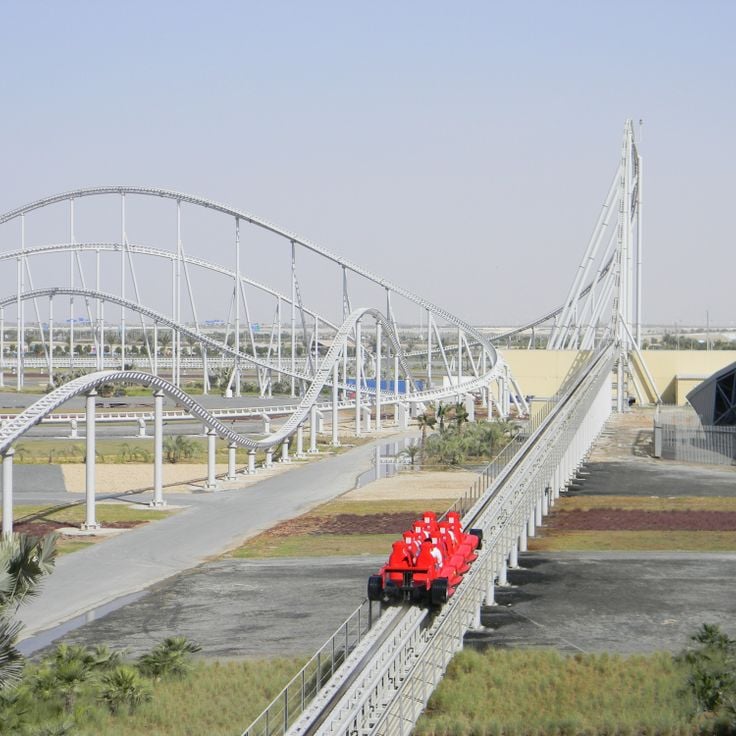
Formula Rossa reaches a top speed of 150 mph (240 km/h) and accelerates from 0 to 60 mph (100 km/h) in 2 seconds. This roller coaster at Ferrari World Abu Dhabi uses a hydraulic launch system for its acceleration. The track extends over 4,600 feet (1.4 miles or 2.2 kilometers) and reaches a maximum height of 170 feet (52 meters). Riders must wear protective goggles during the ride. This installation combines extreme speed with a Formula One-inspired theme area.
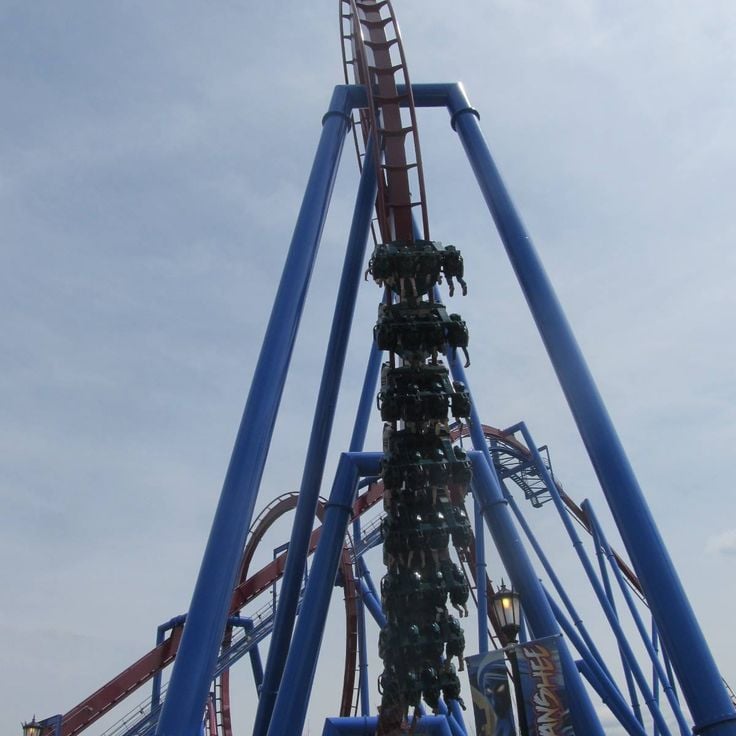
This inverted roller coaster at Cedar Point features seven inversions along its 4,090 foot (1,247 meter) track and reaches speeds of 68 mph (109 km/h). The construction uses outside seating where riders hang beneath the rail as they navigate through a series of loops, corkscrews, and turns. The installation demonstrates modern inversion technology with emphasis on continuous directional changes.
This steel roller coaster features a 236-foot (72-meter) drop at an 85-degree angle and reaches speeds of 85 mph (137 km/h), creating moments of zero gravity for riders. Goliath combines extreme vertical drops with high velocity and uses modern steel construction to deliver intense acceleration phases. The installation demonstrates advanced engineering techniques for generating extreme G-forces and ranks among the fastest roller coasters in California.
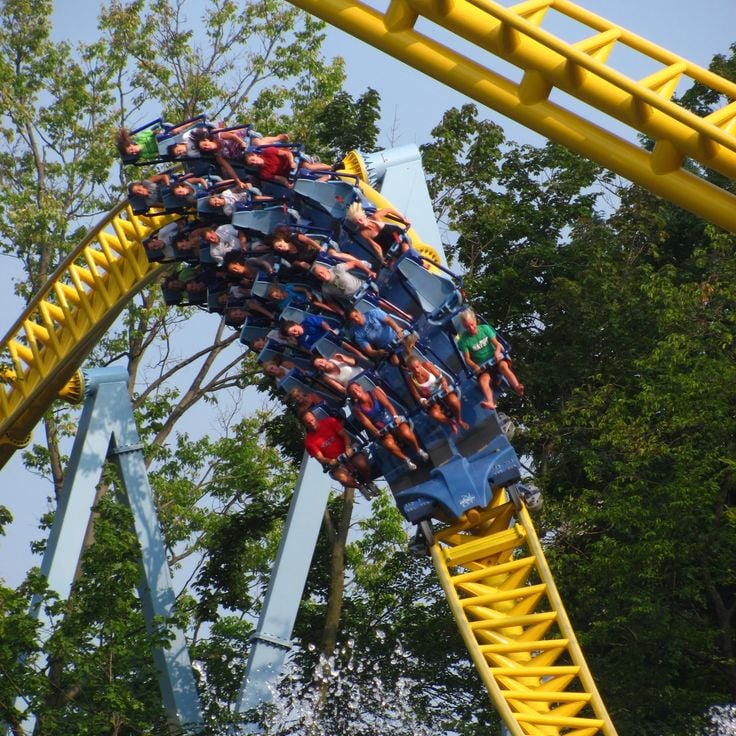
Skyrush reaches speeds of 75 mph (120 km/h) from a height of 200 feet (61 meters) and features an unusual seating arrangement with four seats per row, where the outer seats extend beyond the track. This roller coaster combines steep drops with multiple directional changes and belongs to the rides at Hersheypark that employ technical innovations in seating design. The track layout uses the existing terrain to create sustained acceleration phases.
This inverted steel coaster reaches speeds of 65 mph (105 km/h) and travels through seven inversions across 3840 feet (1170 meters) of track. The course combines rapid directional changes with elements that subject riders to varying acceleration forces. The design uses steel supports to suspend passengers beneath the track.
Karnan reaches a height of 240 feet (73 meters) and accelerates to 79 mph (127 km/h). The steel structure features a vertical lift mechanism that leads into a concealed free-fall section. The track combines multiple inversions with steep descents and maintains speed throughout the circuit. This installation contributes to the collection through its innovative lift system and integration of surprise elements into the track layout.
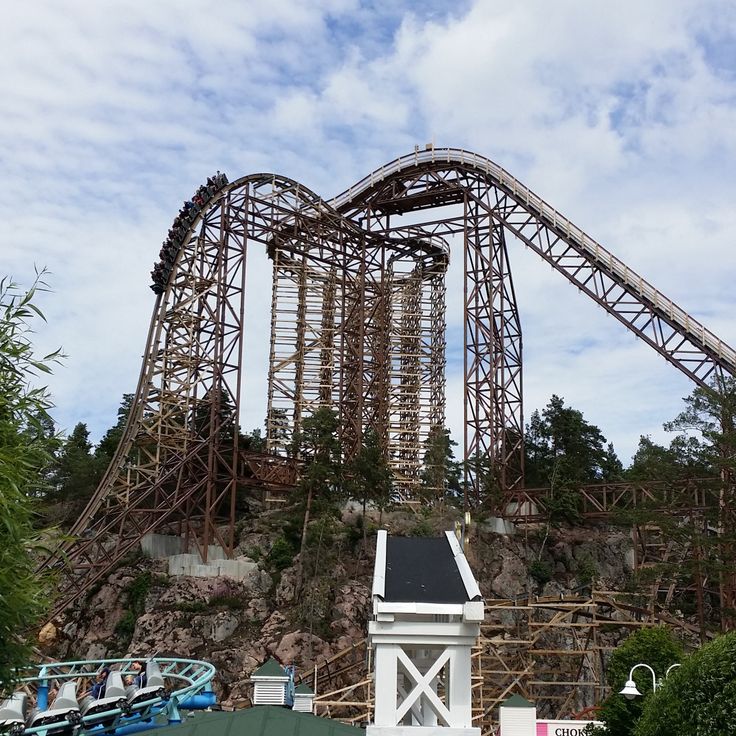
This wooden roller coaster with steel rails reaches 72 mph (115 km/h) and includes three inversions along a 4,270-foot (1,300-meter) track. Wildfire uses the natural terrain of the forested area in Kolmården Zoo and incorporates several elements including a zero-g roll and a loop. The construction combines traditional wooden supports with modern rail guidance and provides a ride duration of about two minutes. The highest point stands 184 feet (56 meters) above ground. The installation belongs to the category of hybrid roller coasters that deliver intense accelerations with precise inversions through their specialized construction.
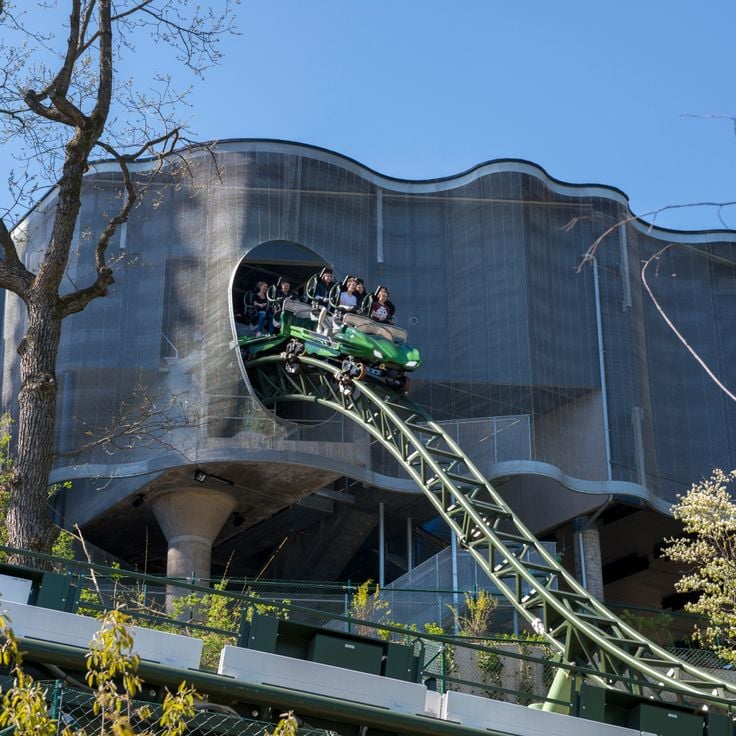
Helix accelerates multiple times from a standstill and navigates through seven inversions across three levels. The track follows the sloping terrain at Liseberg and reaches speeds of 62 miles per hour (100 kilometers per hour). This roller coaster combines loops, corkscrew turns, and ground level sections with views of Göteborg.
This steel roller coaster reaches a height of 203 feet (62 meters) and speeds exceeding 75 mph (120 km/h). The 3,900-foot (1.2-kilometer) track of Expedition GeForce delivers multiple moments of weightlessness through airtime hills and an 82-degree drop. The installation uses the park's terrain to create extended acceleration phases.
Steel Vengeance at Cedar Point combines a wooden structure with steel tracks and reaches a height of 203 feet (62 meters). The installation completes four inversions at a speed of 75 mph (120 km/h). This hybrid construction ranks among the fastest roller coasters with a wooden support system in North America and features steep drops as well as multiple head-over-heels elements along the course.
This roller coaster on the border between North Carolina and South Carolina reaches a height of 325 feet (99 meters) and accelerates to 95 miles per hour (153 km/h). The track extends 6,602 feet (2,012 meters) with a first drop at an 81-degree angle. Fury 325 opened in 2015 and belongs to the giga coaster category with a track height exceeding 300 feet (91 meters). The ride lasts approximately three minutes and takes passengers through multiple turns and ground-level elements.
El Toro reaches a height of 181 feet (55 meters) and accelerates to speeds of up to 70 miles per hour (112 kilometers per hour) over a track length of 4400 feet (1342 meters). The wooden coaster at Six Flags Great Adventure features a first drop with a 76-degree angle and utilizes a steel track system to maintain higher speeds than traditional wooden coasters. The layout includes multiple airtime hills and banked turns that generate intense lateral forces.
This wooden roller coaster at Walibi Holland reaches a speed of 57 mph (92 km/h) and features five inversions over a track length of 3,560 feet (1,085 meters). The construction combines traditional wood with modern safety systems and generates intense acceleration forces through its steep drops. The course begins with a 121-foot (37-meter) lift hill and includes several elements such as loops and corkscrews that provide continuous directional changes.
The Smiler is a steel roller coaster featuring fourteen inversions and reaching speeds of 53 miles per hour (85 kilometers per hour) over a track length of 3840 feet (1170 meters). This ride ranks among the installations with the highest number of inversions worldwide and contributes to the collection of roller coasters that explore technical limits in speed and complex track design. The course combines multiple loops, corkscrews and other elements within a compact area.
This wooden roller coaster reaches a speed of 65 mph (104 km/h) and features a drop angle of 77 degrees. The track extends over 5,837 feet (1,779 meters) through hilly terrain, offering an extended ride duration with multiple drops and directional changes.
This steel roller coaster reaches a height of 250 feet and speeds of 83 miles per hour (134 kilometers per hour). Shambhala features five drops and ranks among the longest roller coasters in Europe with a track length of 5,413 feet (1,650 meters). The construction uses the park's terrain to generate sustained acceleration phases. The installation was designed by Swiss manufacturer Bolliger & Mabillard as a hypercoaster and reaches descent angles of up to 77 degrees.
Twisted Colossus combines two parallel tracks of steel and wood construction that reach speeds up to 57 mph (92 km/h) over a distance of 4,530 feet (1,380 meters). This hybrid roller coaster at Six Flags Magic Mountain features multiple crossovers and inversions, with both trains running simultaneously through the course and meeting at three points. The maximum height reaches 125 feet (38 meters).
Lightning Rod is a wooden roller coaster at Dollywood that combines traditional timber construction with a launch system. The ride accelerates to 73 mph (117 km/h) in seconds and uses the mountainous terrain of the Smoky Mountains for descending sections and directional changes. The track extends over 3,000 feet and includes several airtime moments along with a 73-degree drop. This roller coaster merges speed with a layout that travels through forested hillsides.
Intimidator 305 is a 305-foot (93-meter) tall steel roller coaster at Kings Dominion, featured in this collection of extreme roller coasters with high speeds and inversions. The ride reaches speeds of 90 miles per hour (145 kilometers per hour) and includes an 85-degree first drop. This roller coaster uses intense acceleration and tight turn radius to generate high lateral forces throughout the track layout.
This hybrid roller coaster at Silver Dollar City combines traditional wooden construction with modern steel elements and reaches speeds of 67 mph (108 km/h). The track extends 1 mile (1.6 km) through forested terrain and includes three inversions. The first drop occurs at an 81-degree angle, followed by a double helix element and multiple directional changes that utilize the natural topography of the site.
Maverick is a steel roller coaster with a height of 105 feet (32 meters) and a speed of 68 mph (110 km/h). The track features two acceleration zones and delivers multiple inversions along with steep drops. This ride uses linear synchronous motors for the acceleration phases and combines twisting sections with rapid directional changes.
The Millennium Force is a steel roller coaster at Cedar Point in Ohio that forms part of a collection of extreme rides with high speeds. The coaster reaches a height of 310 feet (94 meters) and a speed of 93 miles per hour (150 kilometers per hour). The track extends over 6595 feet (2010 meters) and uses a series of drops and turns to generate sustained acceleration forces. The ride system allows passengers to experience the movements at varying speeds.
Top Thrill Dragster launches riders to 120 miles per hour (193 kilometers per hour) in 3.8 seconds and reaches a height of 420 feet (128 meters). This installation at Cedar Point uses a hydraulic launch system to propel trains along a vertical track, followed by a 90-degree descent back to the starting position.
This steel coaster at Six Flags Great Adventure reaches a height of 456 feet (139 meters) and accelerates riders to 128 miles per hour (206 kilometers per hour) in less than four seconds. The installation uses a hydraulic launch system that propels trains horizontally before ascending a 90-degree tower. After the vertical climb, the train executes a 270-degree spiral and descends at a 90-degree angle back to the station. The entire ride lasts approximately 28 seconds and demonstrates the capabilities of modern acceleration technology in roller coaster design.
Leviathan at Canada's Wonderland reaches a height of 305 feet (93 meters) and accelerates to 92 miles per hour (148 kilometers per hour). The steel structure extends 5,486 feet (1,672 meters) and features multiple drops and high-speed turns. This coaster ranks among Canada's fastest and combines high velocity with an extended track layout through the park grounds.
This steel roller coaster reaches a height of 230 feet (70 meters) and operates at speeds of 78 mph (125 km/h) across five main hills. Behemoth was designed to deliver intense velocity experiences and negative g-forces. The construction employs open trains with elevated seating that allows riders unobstructed downward views. The track layout extends across the park grounds and uses the available terrain for multiple consecutive drops.
Formula Rossa reaches a top speed of 150 mph (240 km/h) and accelerates from 0 to 60 mph (100 km/h) in 2 seconds. This roller coaster at Ferrari World Abu Dhabi uses a hydraulic launch system for its acceleration. The track extends over 4,600 feet (1.4 miles or 2.2 kilometers) and reaches a maximum height of 170 feet (52 meters). Riders must wear protective goggles during the ride. This installation combines extreme speed with a Formula One-inspired theme area.
This inverted roller coaster at Cedar Point features seven inversions along its 4,090 foot (1,247 meter) track and reaches speeds of 68 mph (109 km/h). The construction uses outside seating where riders hang beneath the rail as they navigate through a series of loops, corkscrews, and turns. The installation demonstrates modern inversion technology with emphasis on continuous directional changes.
This steel roller coaster features a 236-foot (72-meter) drop at an 85-degree angle and reaches speeds of 85 mph (137 km/h), creating moments of zero gravity for riders. Goliath combines extreme vertical drops with high velocity and uses modern steel construction to deliver intense acceleration phases. The installation demonstrates advanced engineering techniques for generating extreme G-forces and ranks among the fastest roller coasters in California.
Skyrush reaches speeds of 75 mph (120 km/h) from a height of 200 feet (61 meters) and features an unusual seating arrangement with four seats per row, where the outer seats extend beyond the track. This roller coaster combines steep drops with multiple directional changes and belongs to the rides at Hersheypark that employ technical innovations in seating design. The track layout uses the existing terrain to create sustained acceleration phases.
This inverted steel coaster reaches speeds of 65 mph (105 km/h) and travels through seven inversions across 3840 feet (1170 meters) of track. The course combines rapid directional changes with elements that subject riders to varying acceleration forces. The design uses steel supports to suspend passengers beneath the track.
Karnan reaches a height of 240 feet (73 meters) and accelerates to 79 mph (127 km/h). The steel structure features a vertical lift mechanism that leads into a concealed free-fall section. The track combines multiple inversions with steep descents and maintains speed throughout the circuit. This installation contributes to the collection through its innovative lift system and integration of surprise elements into the track layout.
This wooden roller coaster with steel rails reaches 72 mph (115 km/h) and includes three inversions along a 4,270-foot (1,300-meter) track. Wildfire uses the natural terrain of the forested area in Kolmården Zoo and incorporates several elements including a zero-g roll and a loop. The construction combines traditional wooden supports with modern rail guidance and provides a ride duration of about two minutes. The highest point stands 184 feet (56 meters) above ground. The installation belongs to the category of hybrid roller coasters that deliver intense accelerations with precise inversions through their specialized construction.
Helix accelerates multiple times from a standstill and navigates through seven inversions across three levels. The track follows the sloping terrain at Liseberg and reaches speeds of 62 miles per hour (100 kilometers per hour). This roller coaster combines loops, corkscrew turns, and ground level sections with views of Göteborg.
This steel roller coaster reaches a height of 203 feet (62 meters) and speeds exceeding 75 mph (120 km/h). The 3,900-foot (1.2-kilometer) track of Expedition GeForce delivers multiple moments of weightlessness through airtime hills and an 82-degree drop. The installation uses the park's terrain to create extended acceleration phases.
Steel Vengeance at Cedar Point combines a wooden structure with steel tracks and reaches a height of 203 feet (62 meters). The installation completes four inversions at a speed of 75 mph (120 km/h). This hybrid construction ranks among the fastest roller coasters with a wooden support system in North America and features steep drops as well as multiple head-over-heels elements along the course.
This roller coaster on the border between North Carolina and South Carolina reaches a height of 325 feet (99 meters) and accelerates to 95 miles per hour (153 km/h). The track extends 6,602 feet (2,012 meters) with a first drop at an 81-degree angle. Fury 325 opened in 2015 and belongs to the giga coaster category with a track height exceeding 300 feet (91 meters). The ride lasts approximately three minutes and takes passengers through multiple turns and ground-level elements.
El Toro reaches a height of 181 feet (55 meters) and accelerates to speeds of up to 70 miles per hour (112 kilometers per hour) over a track length of 4400 feet (1342 meters). The wooden coaster at Six Flags Great Adventure features a first drop with a 76-degree angle and utilizes a steel track system to maintain higher speeds than traditional wooden coasters. The layout includes multiple airtime hills and banked turns that generate intense lateral forces.
This wooden roller coaster at Walibi Holland reaches a speed of 57 mph (92 km/h) and features five inversions over a track length of 3,560 feet (1,085 meters). The construction combines traditional wood with modern safety systems and generates intense acceleration forces through its steep drops. The course begins with a 121-foot (37-meter) lift hill and includes several elements such as loops and corkscrews that provide continuous directional changes.
The Smiler is a steel roller coaster featuring fourteen inversions and reaching speeds of 53 miles per hour (85 kilometers per hour) over a track length of 3840 feet (1170 meters). This ride ranks among the installations with the highest number of inversions worldwide and contributes to the collection of roller coasters that explore technical limits in speed and complex track design. The course combines multiple loops, corkscrews and other elements within a compact area.
This wooden roller coaster reaches a speed of 65 mph (104 km/h) and features a drop angle of 77 degrees. The track extends over 5,837 feet (1,779 meters) through hilly terrain, offering an extended ride duration with multiple drops and directional changes.
This steel roller coaster reaches a height of 250 feet and speeds of 83 miles per hour (134 kilometers per hour). Shambhala features five drops and ranks among the longest roller coasters in Europe with a track length of 5,413 feet (1,650 meters). The construction uses the park's terrain to generate sustained acceleration phases. The installation was designed by Swiss manufacturer Bolliger & Mabillard as a hypercoaster and reaches descent angles of up to 77 degrees.
Twisted Colossus combines two parallel tracks of steel and wood construction that reach speeds up to 57 mph (92 km/h) over a distance of 4,530 feet (1,380 meters). This hybrid roller coaster at Six Flags Magic Mountain features multiple crossovers and inversions, with both trains running simultaneously through the course and meeting at three points. The maximum height reaches 125 feet (38 meters).
Lightning Rod is a wooden roller coaster at Dollywood that combines traditional timber construction with a launch system. The ride accelerates to 73 mph (117 km/h) in seconds and uses the mountainous terrain of the Smoky Mountains for descending sections and directional changes. The track extends over 3,000 feet and includes several airtime moments along with a 73-degree drop. This roller coaster merges speed with a layout that travels through forested hillsides.
Intimidator 305 is a 305-foot (93-meter) tall steel roller coaster at Kings Dominion, featured in this collection of extreme roller coasters with high speeds and inversions. The ride reaches speeds of 90 miles per hour (145 kilometers per hour) and includes an 85-degree first drop. This roller coaster uses intense acceleration and tight turn radius to generate high lateral forces throughout the track layout.
This hybrid roller coaster at Silver Dollar City combines traditional wooden construction with modern steel elements and reaches speeds of 67 mph (108 km/h). The track extends 1 mile (1.6 km) through forested terrain and includes three inversions. The first drop occurs at an 81-degree angle, followed by a double helix element and multiple directional changes that utilize the natural topography of the site.
Maverick is a steel roller coaster with a height of 105 feet (32 meters) and a speed of 68 mph (110 km/h). The track features two acceleration zones and delivers multiple inversions along with steep drops. This ride uses linear synchronous motors for the acceleration phases and combines twisting sections with rapid directional changes.
The Millennium Force is a steel roller coaster at Cedar Point in Ohio that forms part of a collection of extreme rides with high speeds. The coaster reaches a height of 310 feet (94 meters) and a speed of 93 miles per hour (150 kilometers per hour). The track extends over 6595 feet (2010 meters) and uses a series of drops and turns to generate sustained acceleration forces. The ride system allows passengers to experience the movements at varying speeds.
Top Thrill Dragster launches riders to 120 miles per hour (193 kilometers per hour) in 3.8 seconds and reaches a height of 420 feet (128 meters). This installation at Cedar Point uses a hydraulic launch system to propel trains along a vertical track, followed by a 90-degree descent back to the starting position.
This steel coaster at Six Flags Great Adventure reaches a height of 456 feet (139 meters) and accelerates riders to 128 miles per hour (206 kilometers per hour) in less than four seconds. The installation uses a hydraulic launch system that propels trains horizontally before ascending a 90-degree tower. After the vertical climb, the train executes a 270-degree spiral and descends at a 90-degree angle back to the station. The entire ride lasts approximately 28 seconds and demonstrates the capabilities of modern acceleration technology in roller coaster design.
Leviathan at Canada's Wonderland reaches a height of 305 feet (93 meters) and accelerates to 92 miles per hour (148 kilometers per hour). The steel structure extends 5,486 feet (1,672 meters) and features multiple drops and high-speed turns. This coaster ranks among Canada's fastest and combines high velocity with an extended track layout through the park grounds.
This steel roller coaster reaches a height of 230 feet (70 meters) and operates at speeds of 78 mph (125 km/h) across five main hills. Behemoth was designed to deliver intense velocity experiences and negative g-forces. The construction employs open trains with elevated seating that allows riders unobstructed downward views. The track layout extends across the park grounds and uses the available terrain for multiple consecutive drops.
Formula Rossa reaches a top speed of 150 mph (240 km/h) and accelerates from 0 to 60 mph (100 km/h) in 2 seconds. This roller coaster at Ferrari World Abu Dhabi uses a hydraulic launch system for its acceleration. The track extends over 4,600 feet (1.4 miles or 2.2 kilometers) and reaches a maximum height of 170 feet (52 meters). Riders must wear protective goggles during the ride. This installation combines extreme speed with a Formula One-inspired theme area.
This inverted roller coaster at Cedar Point features seven inversions along its 4,090 foot (1,247 meter) track and reaches speeds of 68 mph (109 km/h). The construction uses outside seating where riders hang beneath the rail as they navigate through a series of loops, corkscrews, and turns. The installation demonstrates modern inversion technology with emphasis on continuous directional changes.
This steel roller coaster features a 236-foot (72-meter) drop at an 85-degree angle and reaches speeds of 85 mph (137 km/h), creating moments of zero gravity for riders. Goliath combines extreme vertical drops with high velocity and uses modern steel construction to deliver intense acceleration phases. The installation demonstrates advanced engineering techniques for generating extreme G-forces and ranks among the fastest roller coasters in California.
Skyrush reaches speeds of 75 mph (120 km/h) from a height of 200 feet (61 meters) and features an unusual seating arrangement with four seats per row, where the outer seats extend beyond the track. This roller coaster combines steep drops with multiple directional changes and belongs to the rides at Hersheypark that employ technical innovations in seating design. The track layout uses the existing terrain to create sustained acceleration phases.
This inverted steel coaster reaches speeds of 65 mph (105 km/h) and travels through seven inversions across 3840 feet (1170 meters) of track. The course combines rapid directional changes with elements that subject riders to varying acceleration forces. The design uses steel supports to suspend passengers beneath the track.
Karnan reaches a height of 240 feet (73 meters) and accelerates to 79 mph (127 km/h). The steel structure features a vertical lift mechanism that leads into a concealed free-fall section. The track combines multiple inversions with steep descents and maintains speed throughout the circuit. This installation contributes to the collection through its innovative lift system and integration of surprise elements into the track layout.
This wooden roller coaster with steel rails reaches 72 mph (115 km/h) and includes three inversions along a 4,270-foot (1,300-meter) track. Wildfire uses the natural terrain of the forested area in Kolmården Zoo and incorporates several elements including a zero-g roll and a loop. The construction combines traditional wooden supports with modern rail guidance and provides a ride duration of about two minutes. The highest point stands 184 feet (56 meters) above ground. The installation belongs to the category of hybrid roller coasters that deliver intense accelerations with precise inversions through their specialized construction.
Helix accelerates multiple times from a standstill and navigates through seven inversions across three levels. The track follows the sloping terrain at Liseberg and reaches speeds of 62 miles per hour (100 kilometers per hour). This roller coaster combines loops, corkscrew turns, and ground level sections with views of Göteborg.
This steel roller coaster reaches a height of 203 feet (62 meters) and speeds exceeding 75 mph (120 km/h). The 3,900-foot (1.2-kilometer) track of Expedition GeForce delivers multiple moments of weightlessness through airtime hills and an 82-degree drop. The installation uses the park's terrain to create extended acceleration phases.