World War II historical sites in Europe
Historical World War II sites across Europe mark significant events between 1939 and 1945. The locations include battlefields, memorials and museums. Notable places are the Normandy American Cemetery, Auschwitz-Birkenau Museum, Anne Frank House and Imperial War Museum. The sites document military operations, the Holocaust and resistance movements. They preserve authentic locations such as concentration camps, bunkers and military headquarters.
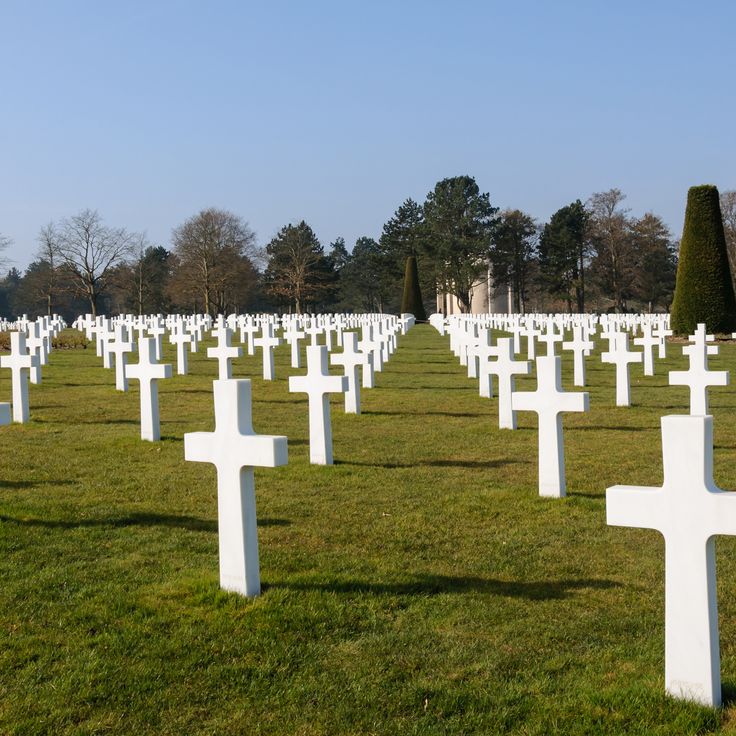
Normandy, France
A U.S. cemetery and memorial honoring American troops who died in Europe during World War II.
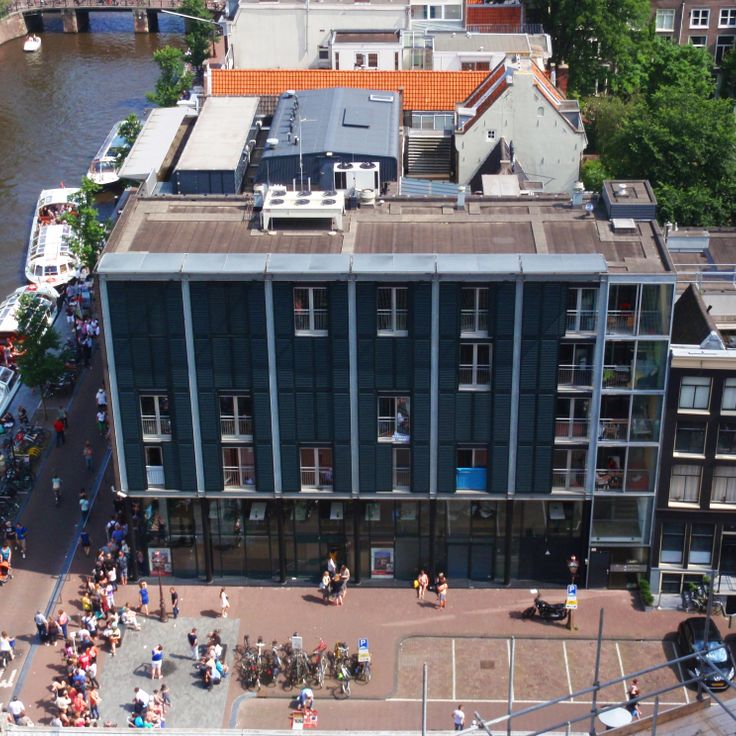
Amsterdam, Netherlands
Historical house where Anne Frank hid and wrote her diary during WWII.
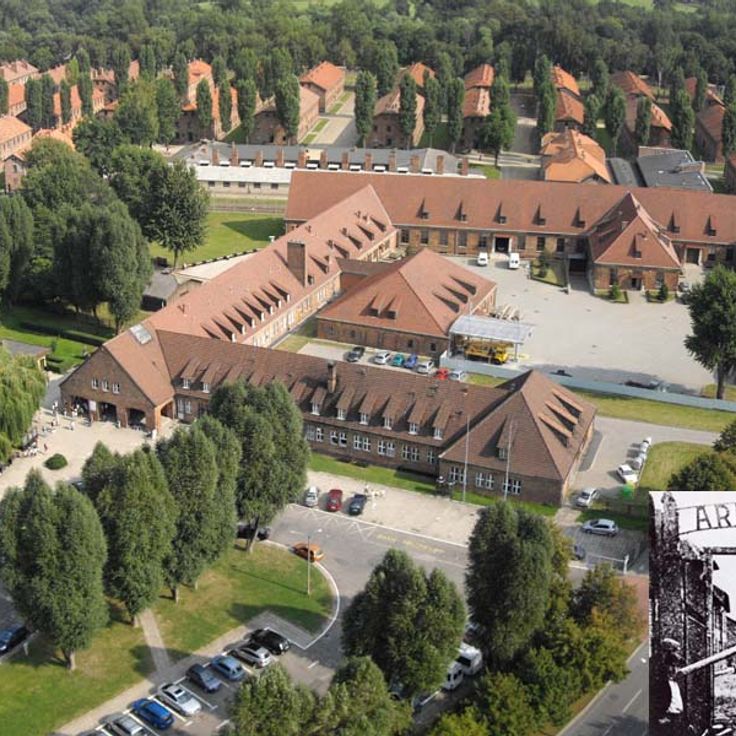
Oświęcim, Polen
Former concentration camp now serves as a museum and memorial.
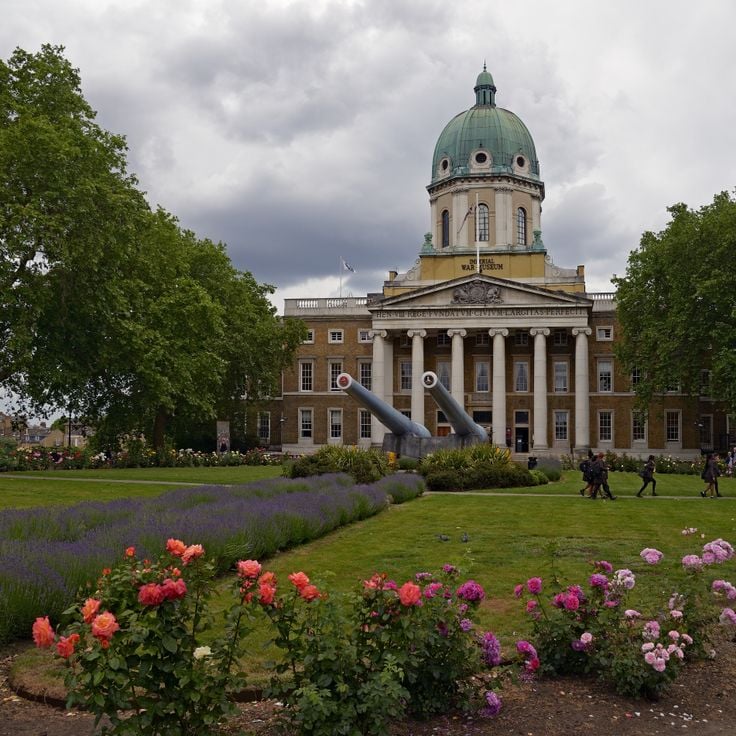
London, United Kingdom
Museum covering British and Commonwealth conflicts, including WWII.
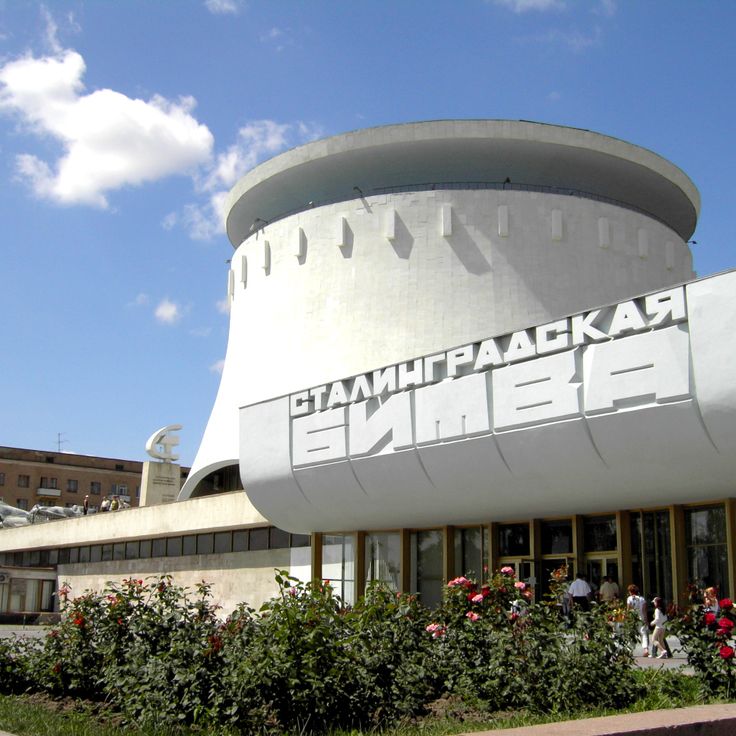
Volgograd, Russia
The museum complex displays artifacts, documents and a 360-degree view depicting the 1943 Battle of Stalingrad.
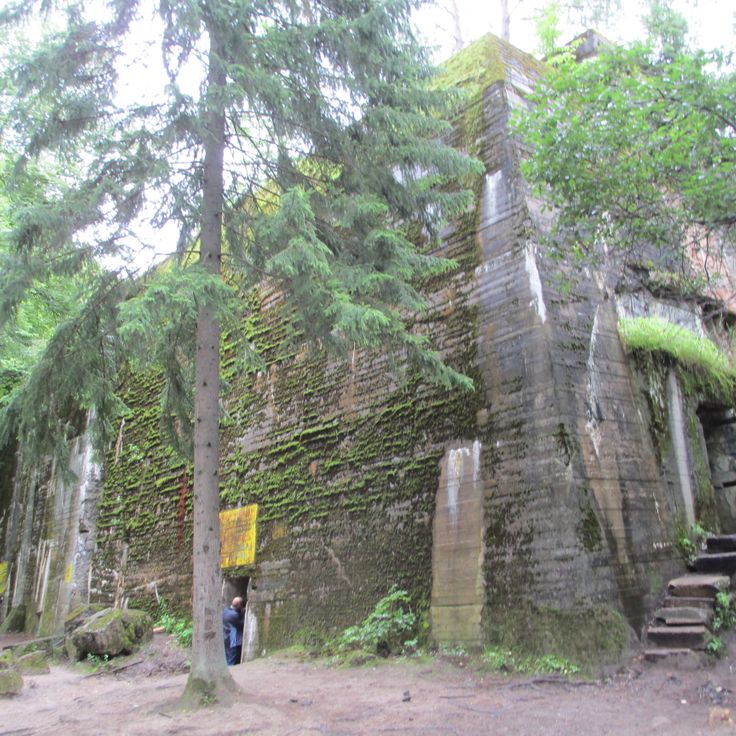
Kętrzyn, Poland
A complex of concrete bunkers and fortifications that served as Nazi Germany's military headquarters from 1941 to 1944.
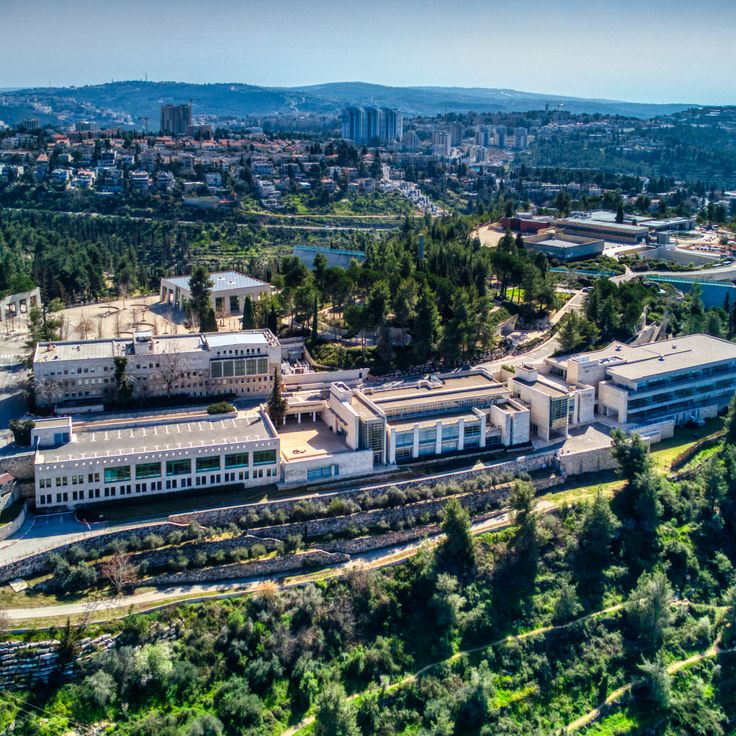
Jerusalem, Israel
The museum documents the history of Jewish people during the Holocaust through archives, exhibits and memorials.
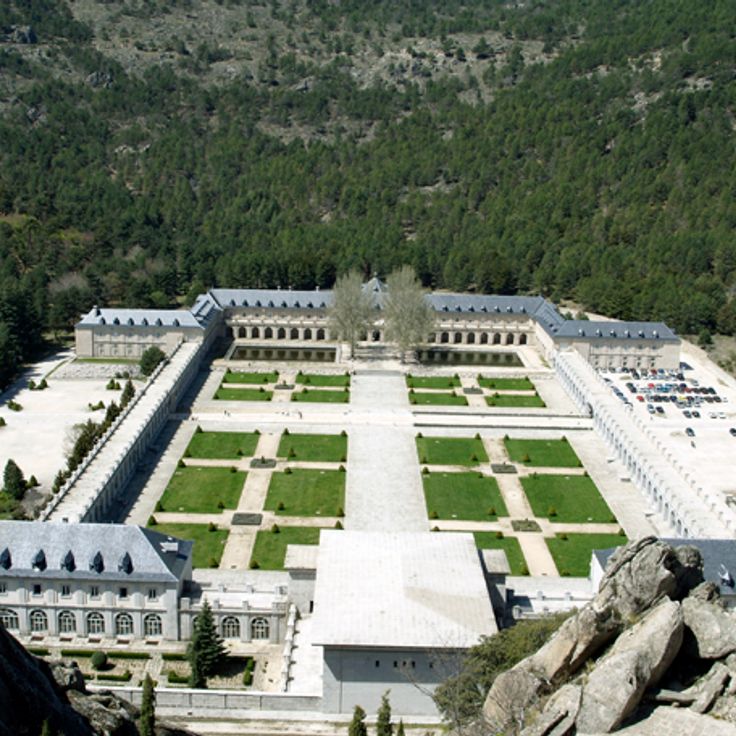
Madrid, Spain
A war memorial with an underground basilica, built between 1940 and 1958 to commemorate those who died in the Spanish Civil War.
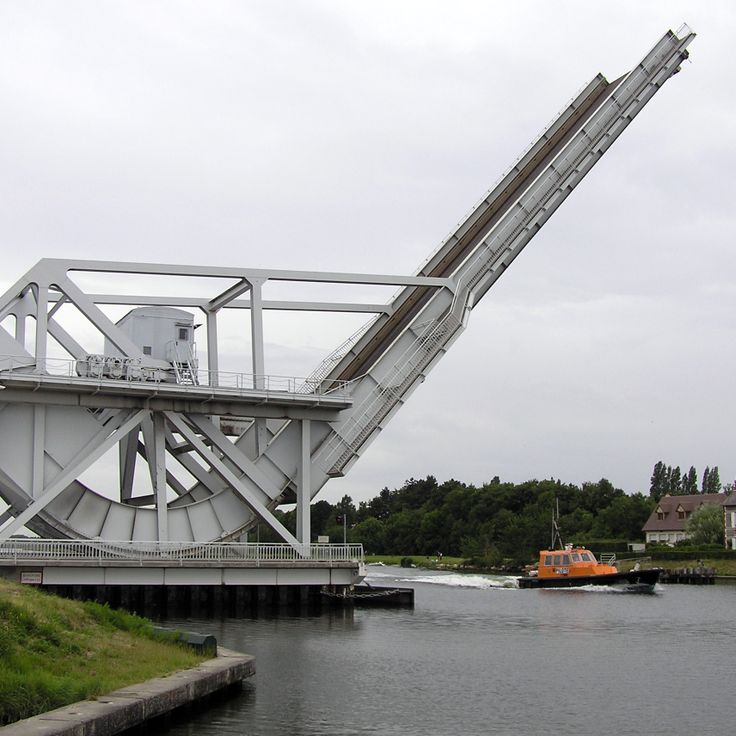
Normandy, France
British airborne troops captured this bridge on June 6, 1944, marking the first liberated location in Normandy.
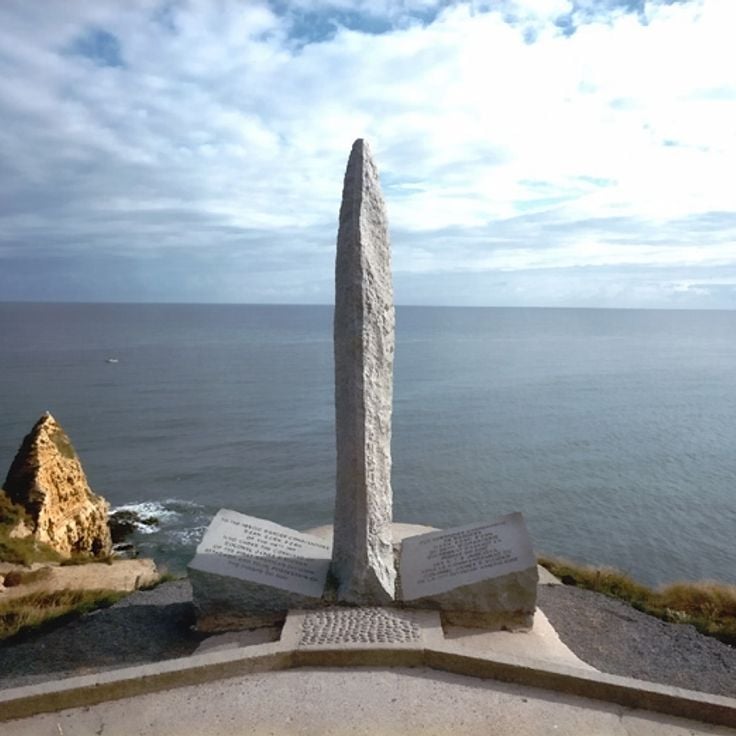
Normandy, France
A granite monument on a 100-foot cliff where US Rangers captured German artillery positions during the Normandy landing.
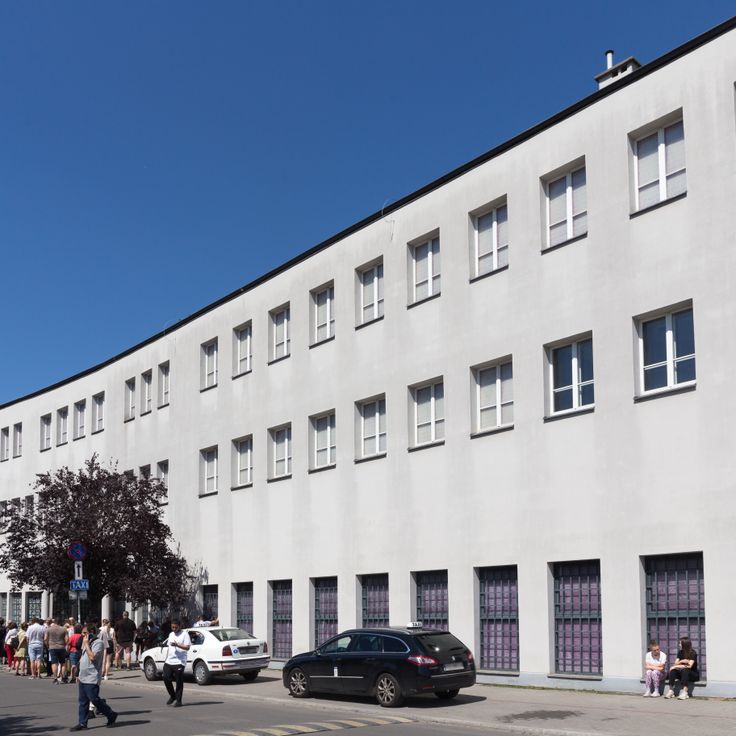
Kraków, Poland
This former enamel factory saved over 1000 Polish Jews from deportation by employing them as factory workers.
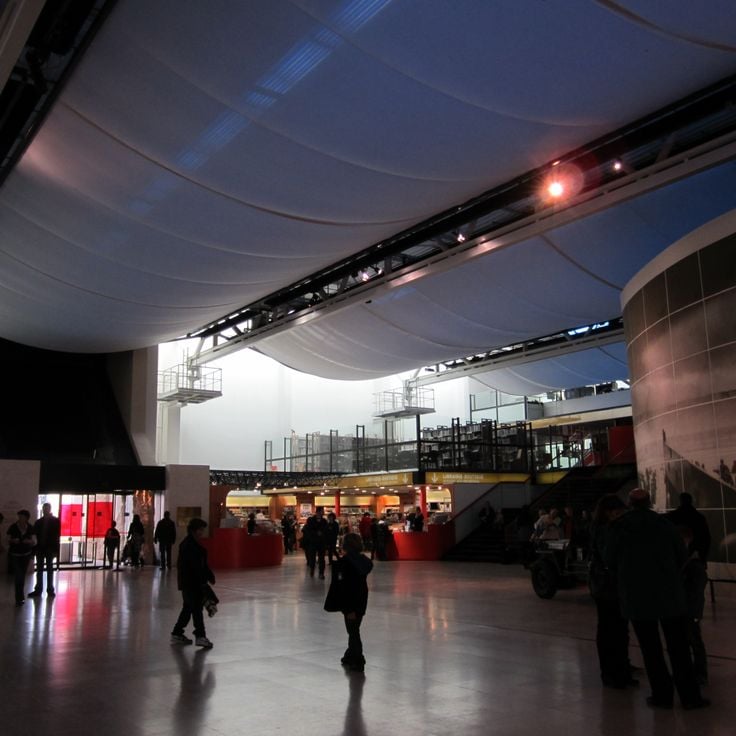
Caen, France
The museum documents World War II with particular attention to the Battle of Normandy and its military operations.
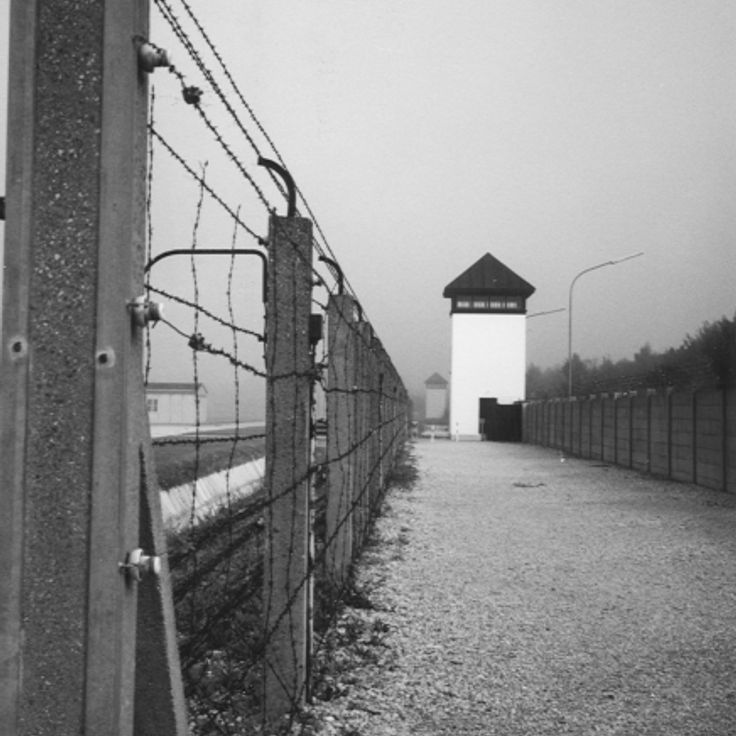
Dachau, Germany
The first Nazi concentration camp, opened in 1933, provided the organizational basis for all subsequent concentration camps of the Nazi regime.
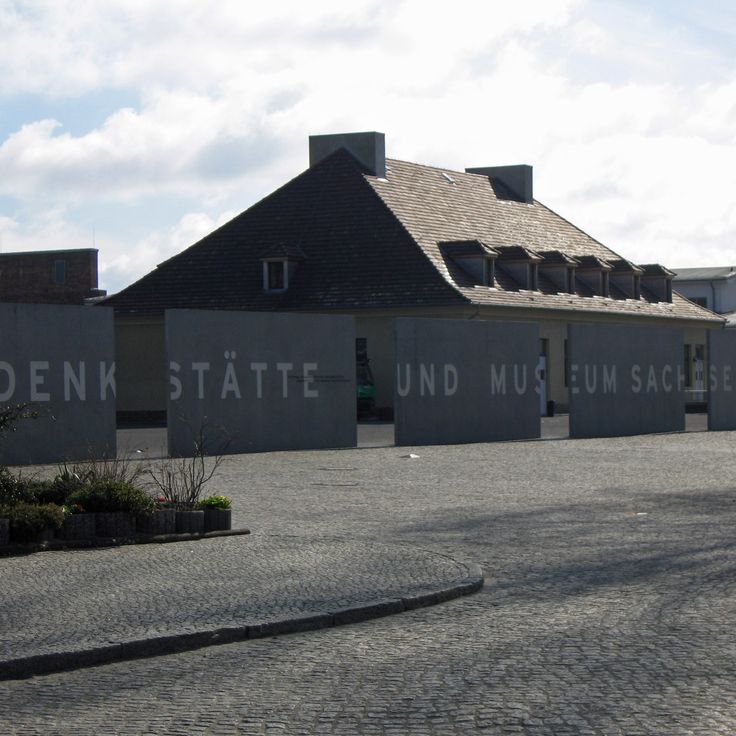
Oranienburg, Germany
This camp was constructed in 1936 through prisoner labor and became the central administrative office for all German concentration camps.
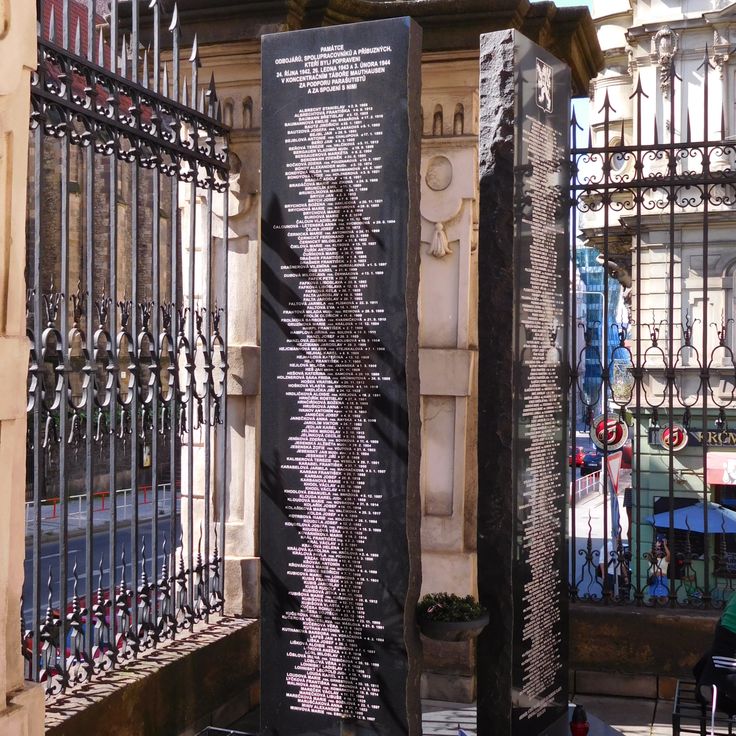
Prague, Czech Republic
The Saints Cyril and Methodius Church contains memorial plaques for seven resistance fighters who died after the operation.
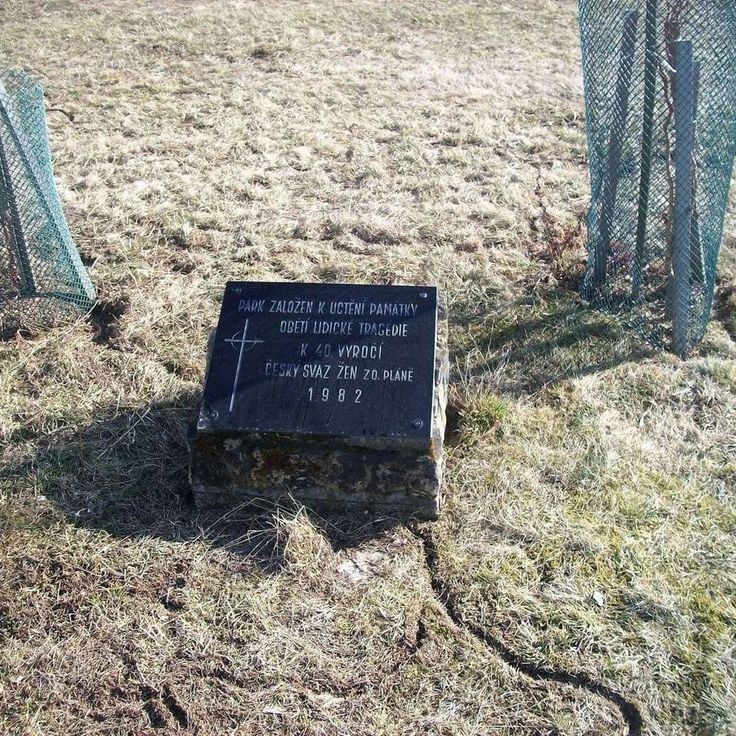
Lidice, Czech Republic
The memorial site on the grounds of the destroyed village includes a museum, a rose garden and monuments for the 82 killed children.
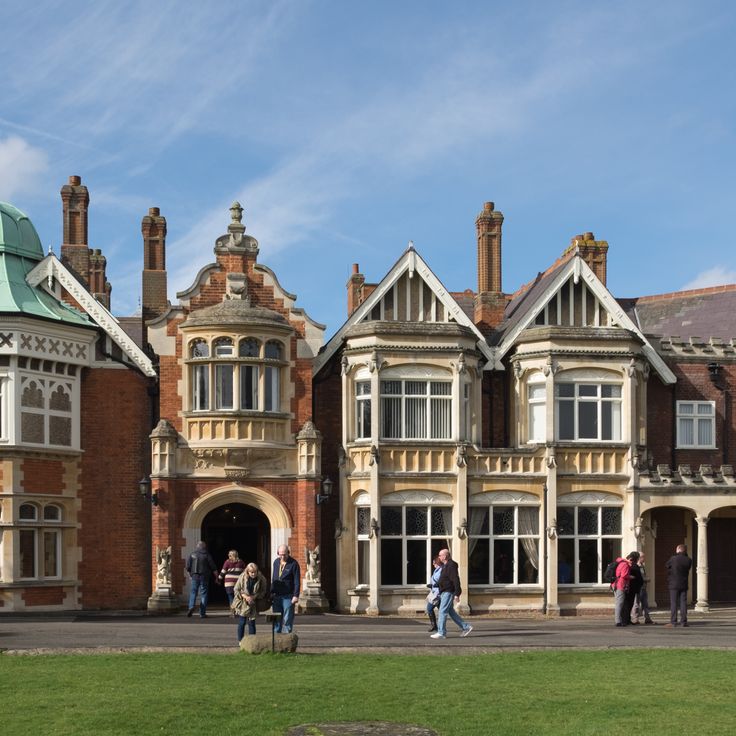
Milton Keynes, United Kingdom
British cryptography headquarters during World War II where the Enigma code was deciphered and thousands of personnel worked.
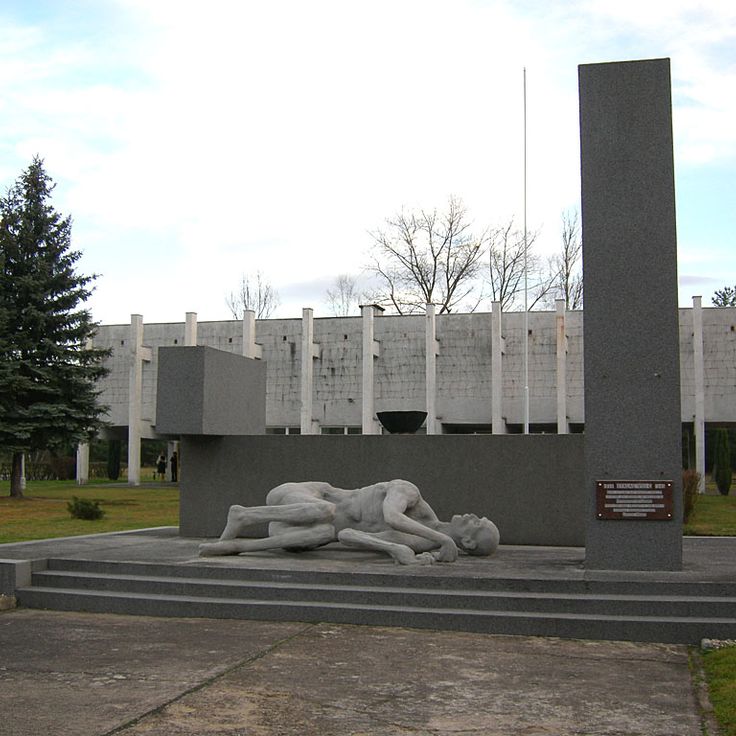
Żagań, Poland
Former Luftwaffe prison camp where 76 Allied prisoners escaped through a tunnel in 1944. Now a museum with original barracks.
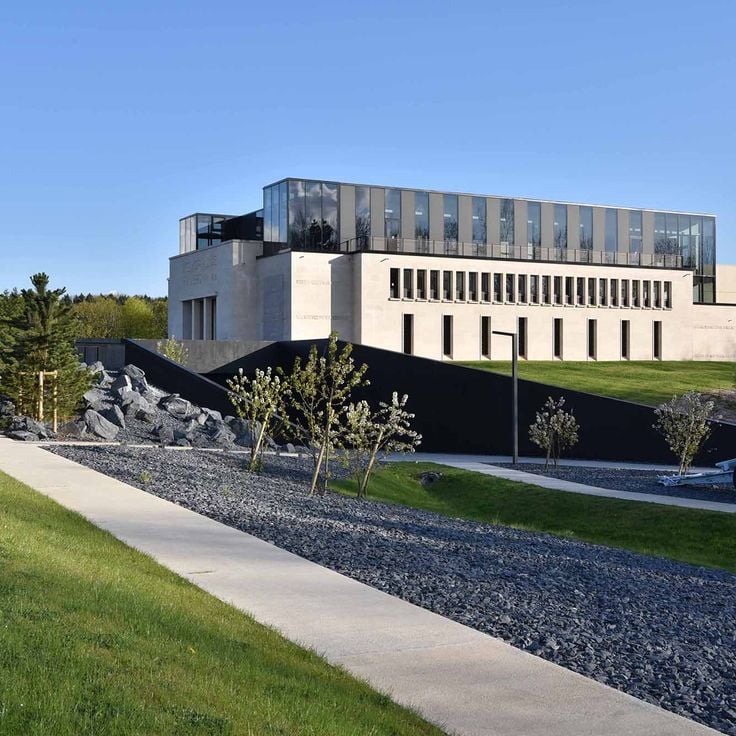
Verdun, France
Military site of both World Wars with fortifications, trenches and monuments. German forces occupied the area from 1940 to 1944.
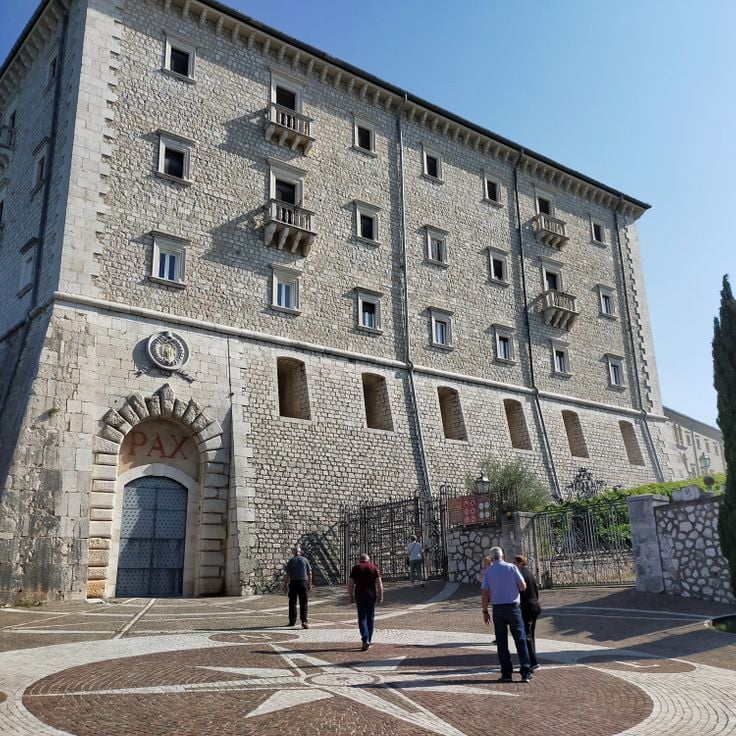
Cassino, Italy
6th-century Benedictine monastery destroyed in 1944 during a four-month battle between Allied and German forces.
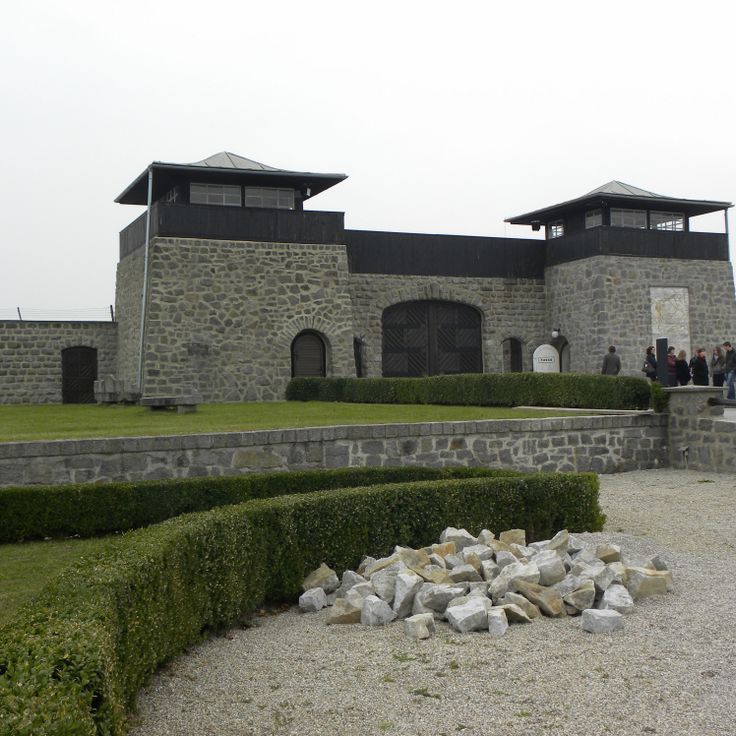
Mauthausen, Austria
The Nazi concentration camp was liberated in 1945 and converted into a public memorial with exhibitions and documentation center.
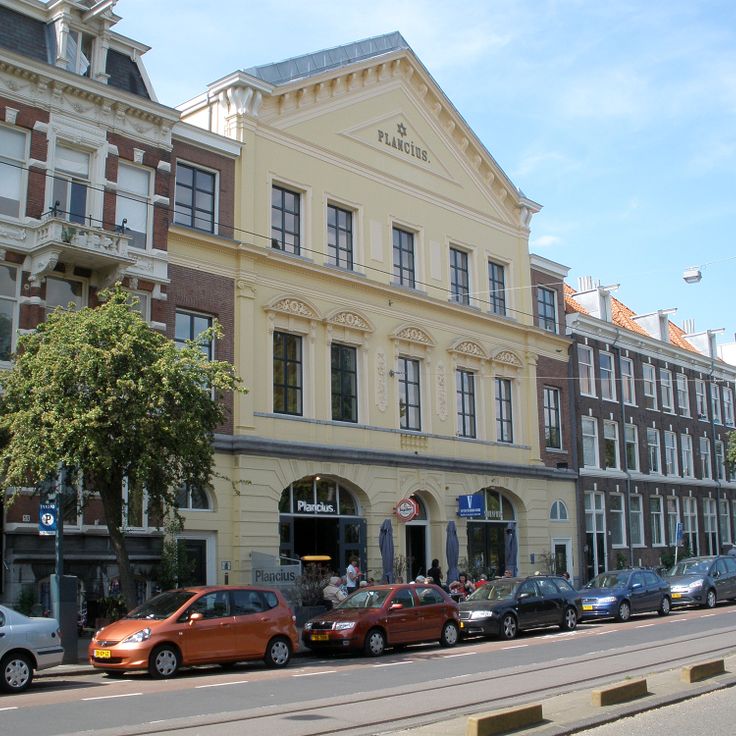
Amsterdam, Netherlands
The museum documents civilian resistance in the Netherlands between 1940 and 1945 through original exhibits and personal stories.
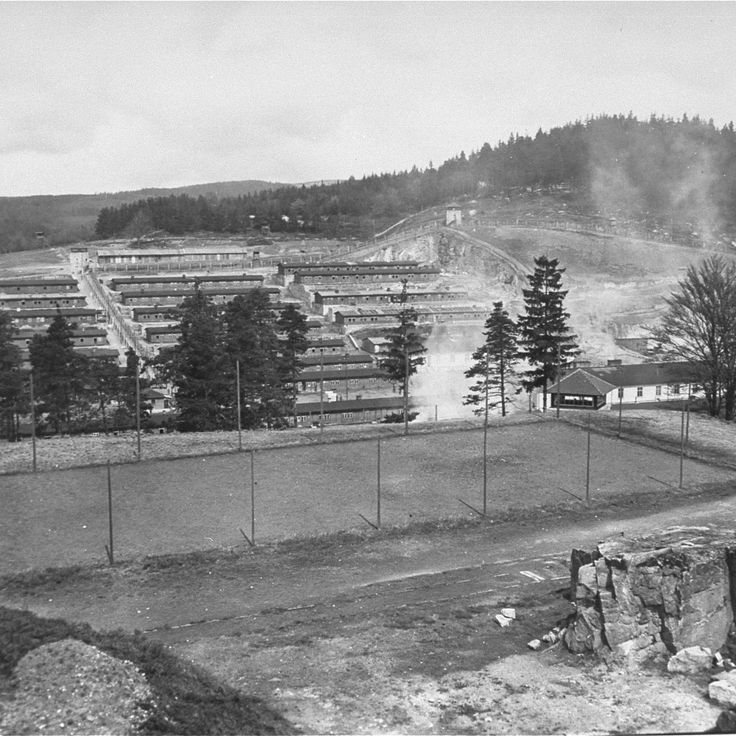
Flossenbürg, Germany
The former concentration camp contains a permanent exhibition about the history of the site from 1938 to 1945.
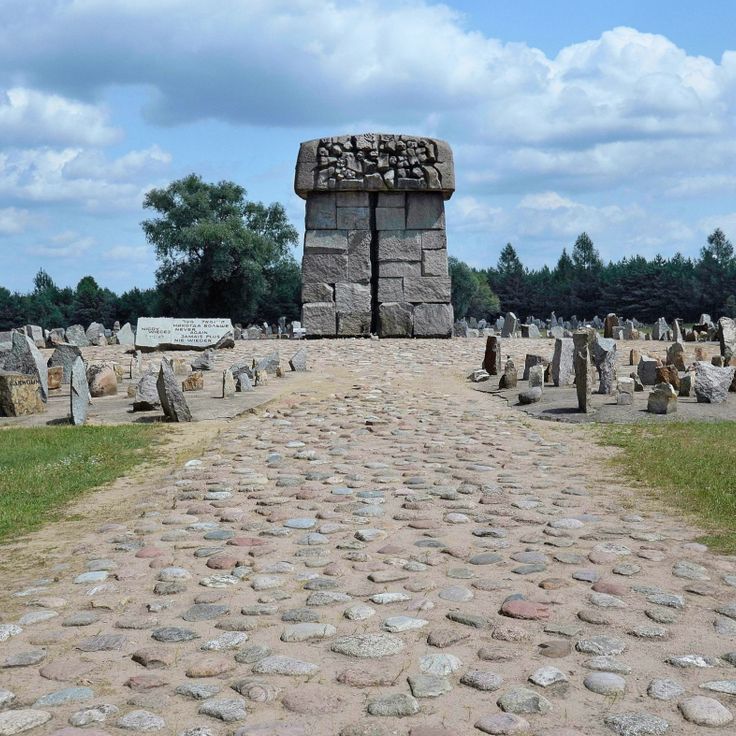
Treblinka, Poland
A stone monument and symbolic cemetery mark the site of the former extermination camp where mass killings occurred between 1942 and 1943.
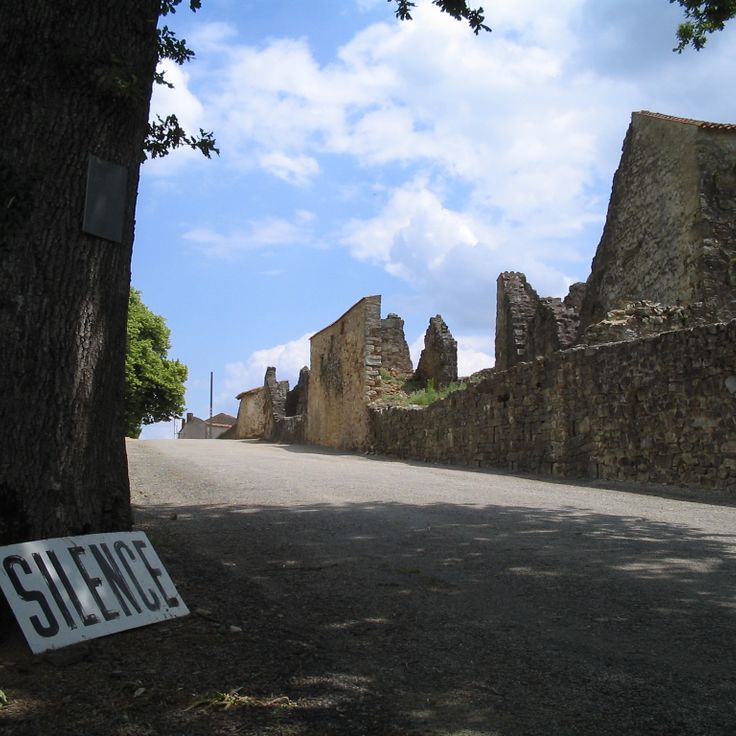
Haute-Vienne, France
The ruins of this village stand as evidence of the 1944 destruction when German forces killed 642 inhabitants.
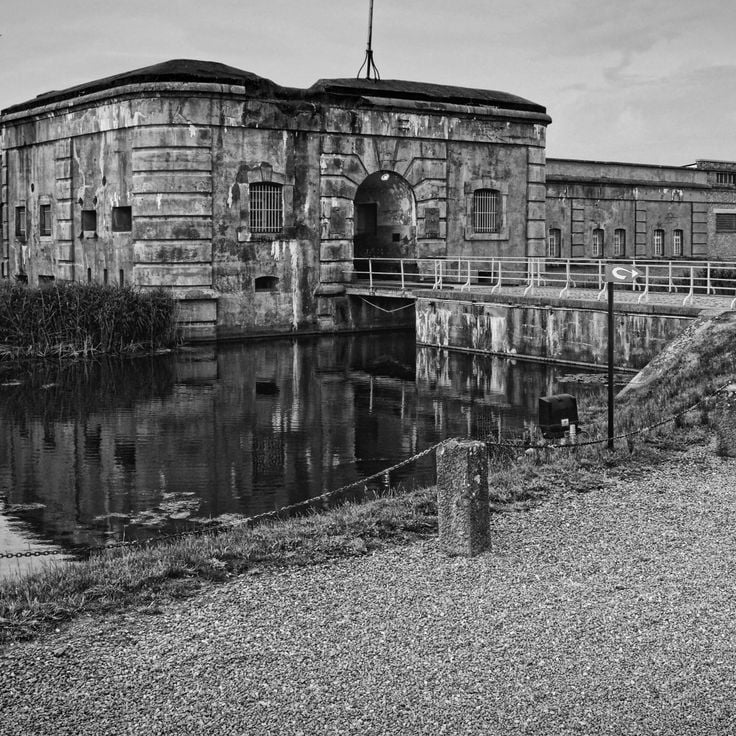
Antwerp, Belgium
19th century military fort used as SS prison camp from 1940 to 1944. More than 3500 prisoners were detained here.
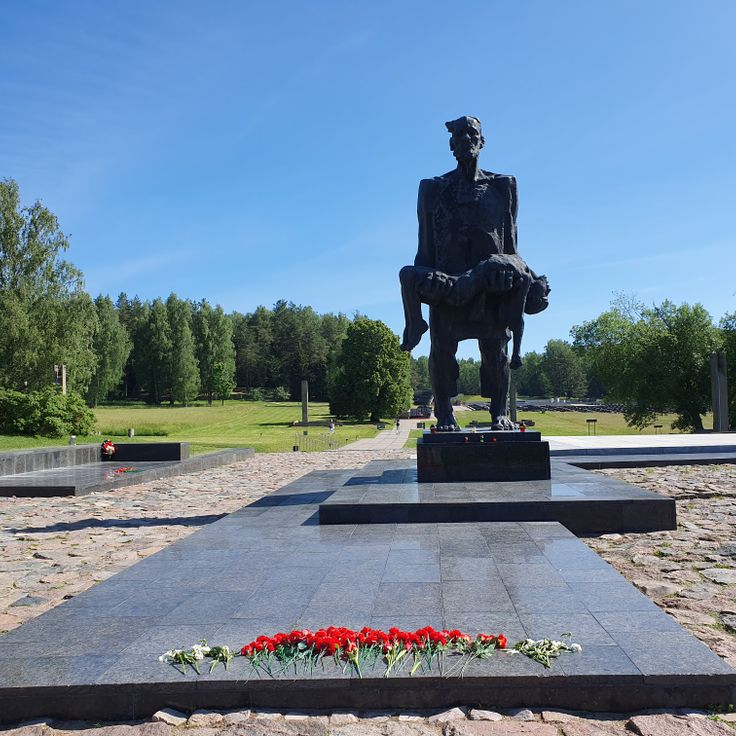
Minsk, Belarus
Monument to 628 Belarusian villages destroyed by German forces. 149 people died here on March 22, 1943.
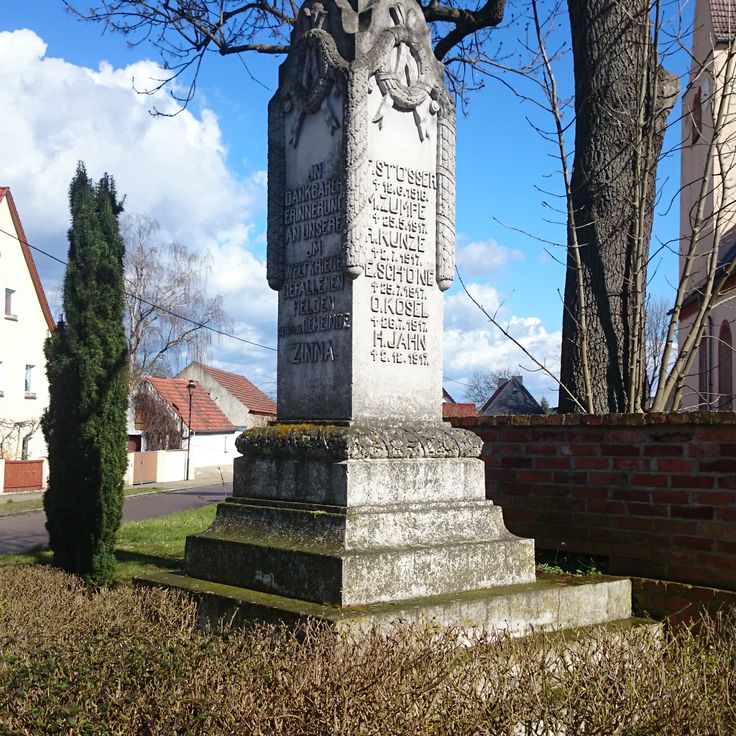
Saxony, Germany
Monument on the Elbe River marks the point where American and Soviet troops first met on April 25, 1945.
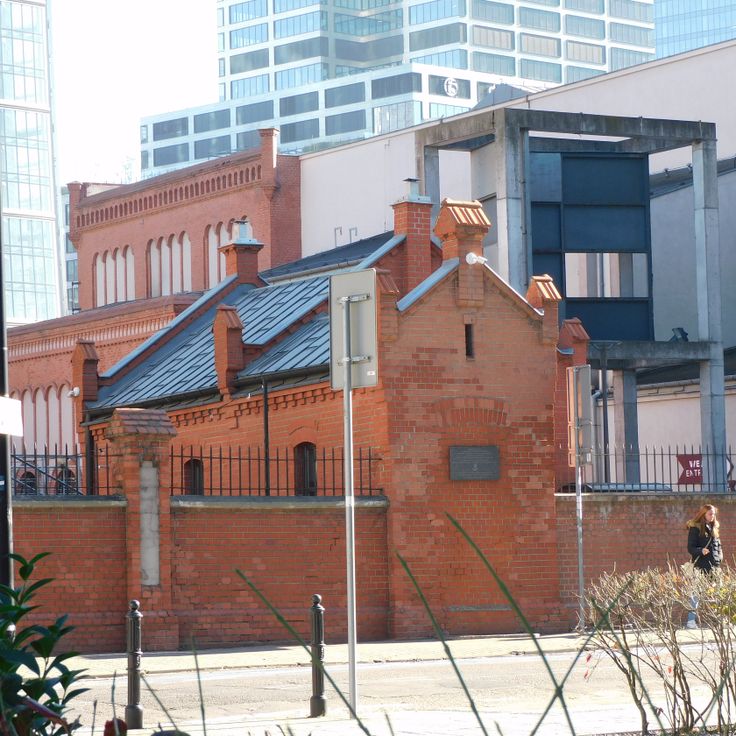
Warsaw, Poland
The museum documents the Polish Home Army military resistance against German occupation forces with exhibits and historical records.
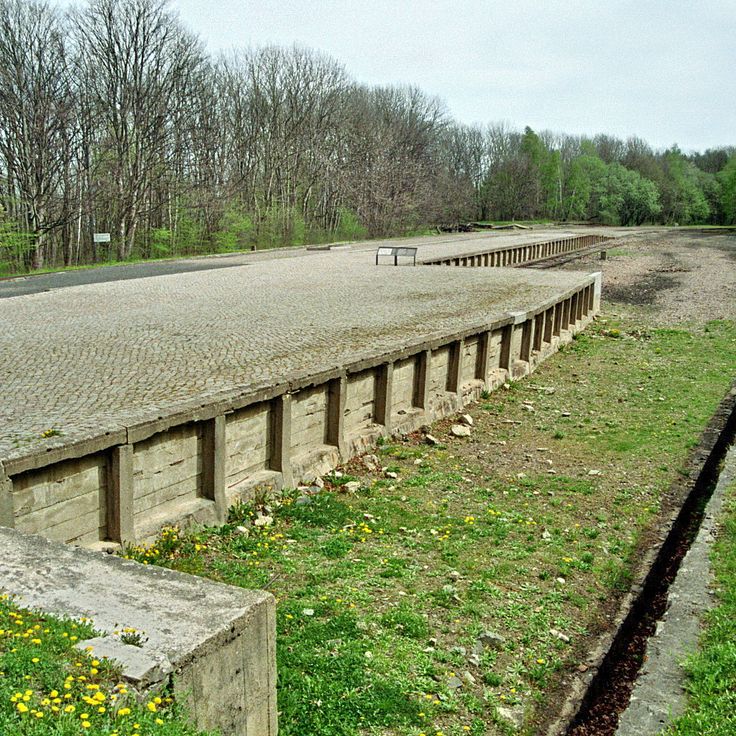
Weimar, Germany
The camp, established in 1937, now contains a museum and memorial where more than 250,000 people were imprisoned.
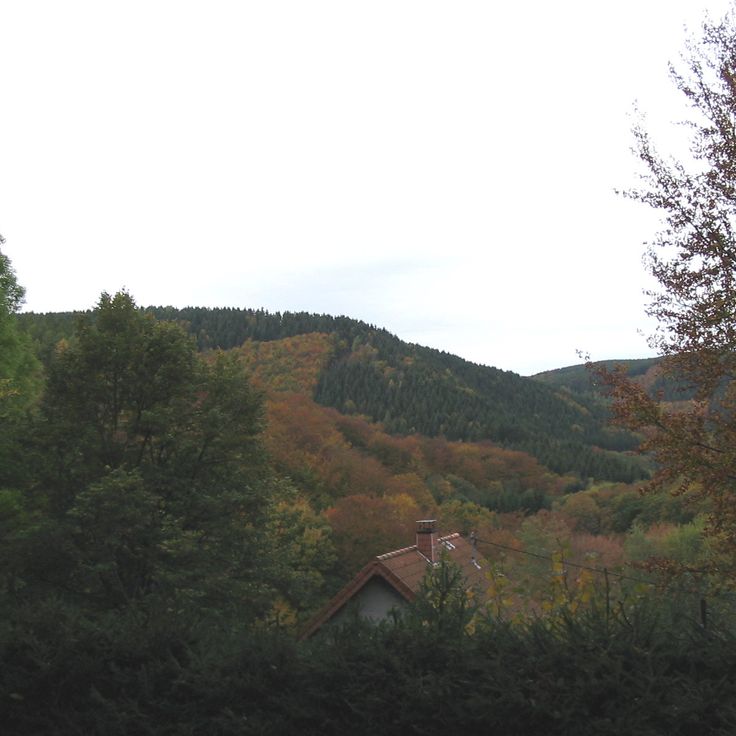
Hürtgenwald, Germany
A forested area near Aachen where German and American forces fought from September 1944 to February 1945 with high casualties.
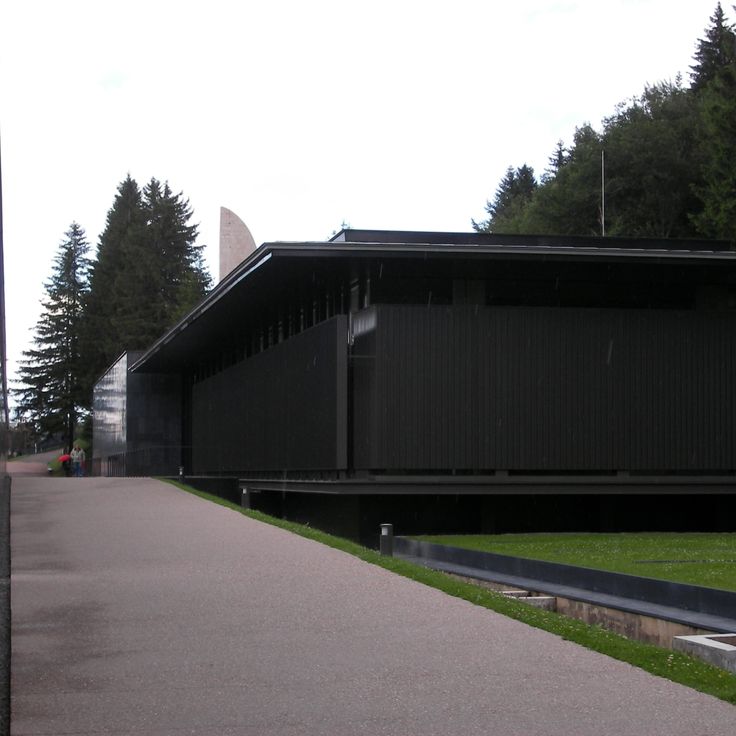
Natzwiller, France
A camp built in 1941 in the Vosges mountains, through which approximately 52,000 prisoners passed during the war.
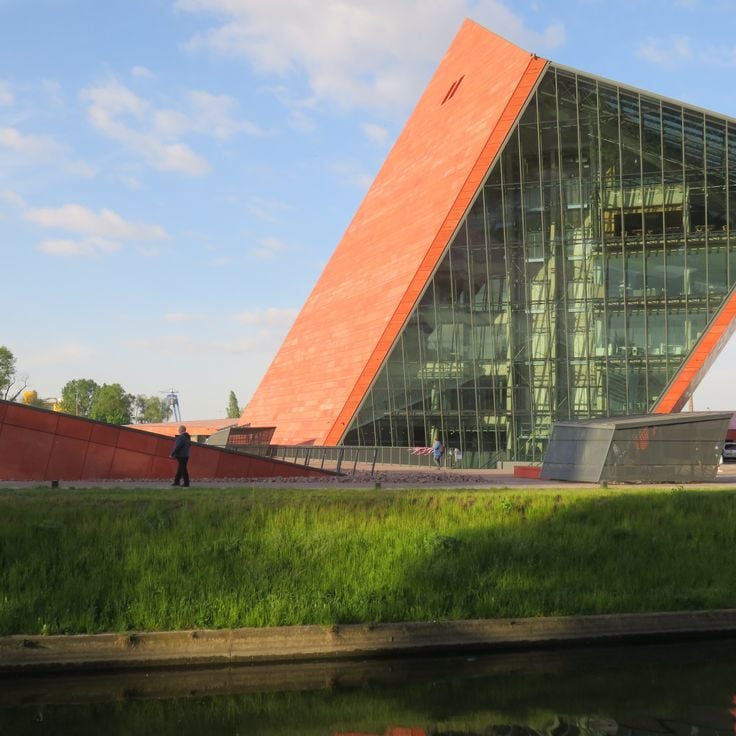
Gdańsk, Poland
Museum opened in 2017 with 5000 square meters of exhibition space documenting the course of war in Poland.
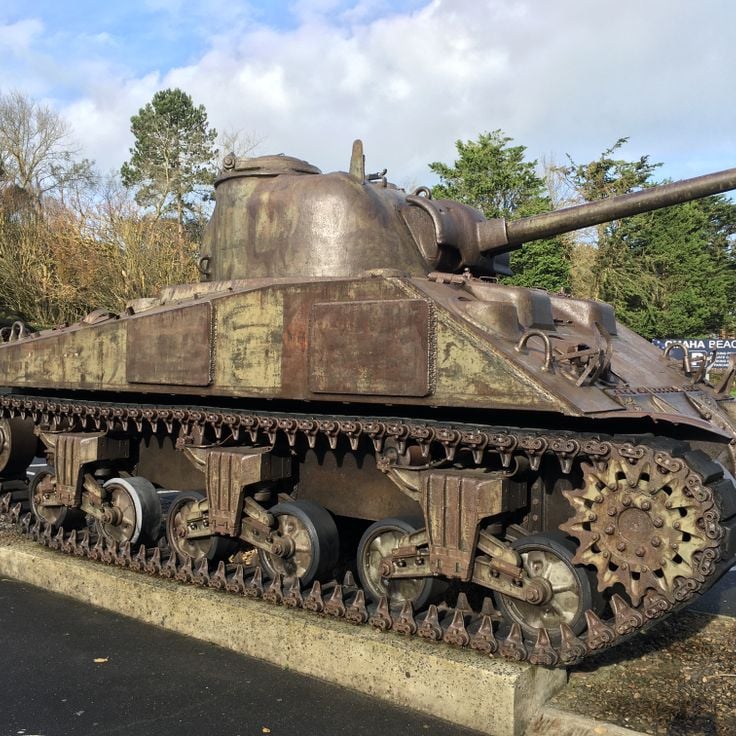
Saint-Laurent-sur-Mer, France
The museum displays military equipment, personal items and documents from Operation Neptune on June 6, 1944.
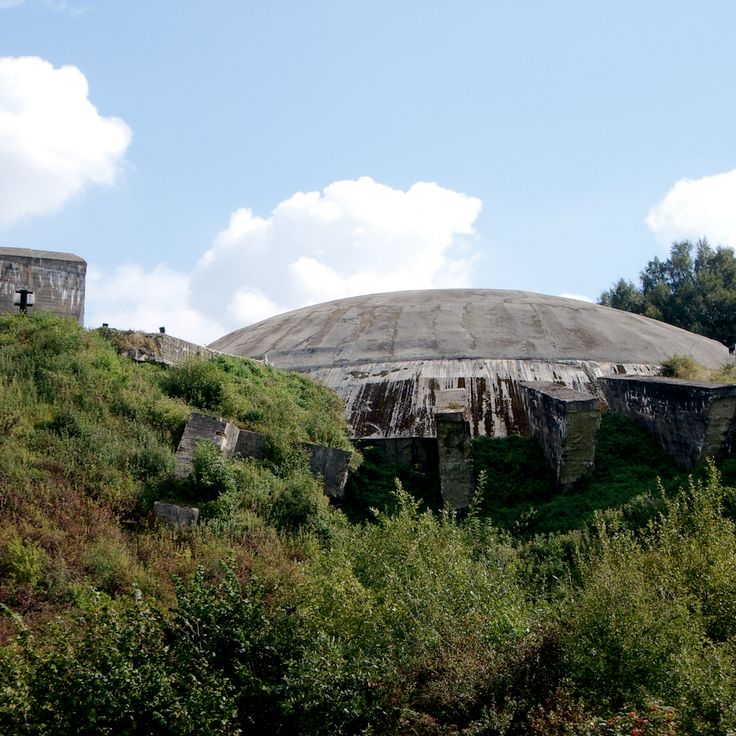
Helfaut, France
A concrete dome structure with 5-meter thick walls designed as an underground production facility for V2 rockets.
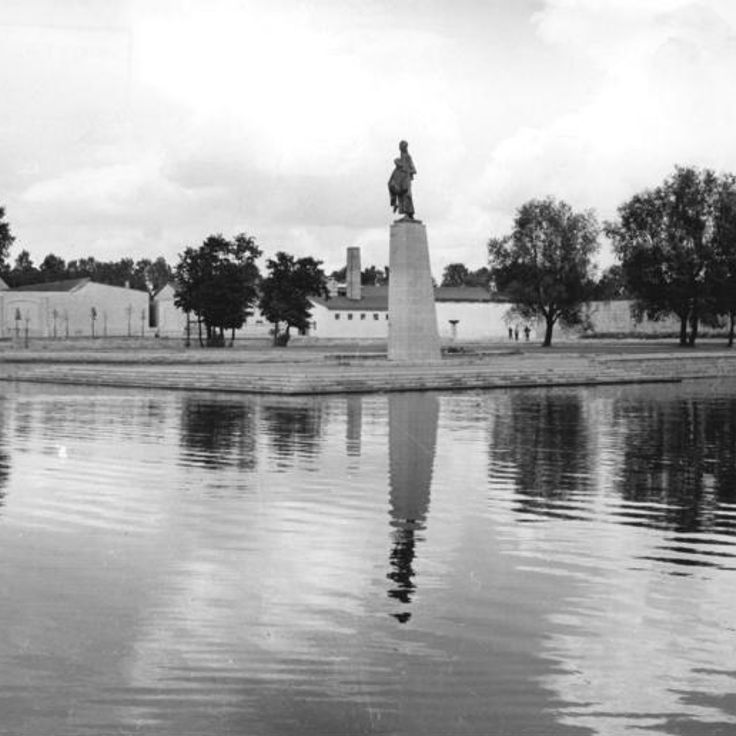
Fürstenberg/Havel, Germany
Operating between 1939 and 1945, the camp imprisoned 130000 women and children, of whom 92000 perished.
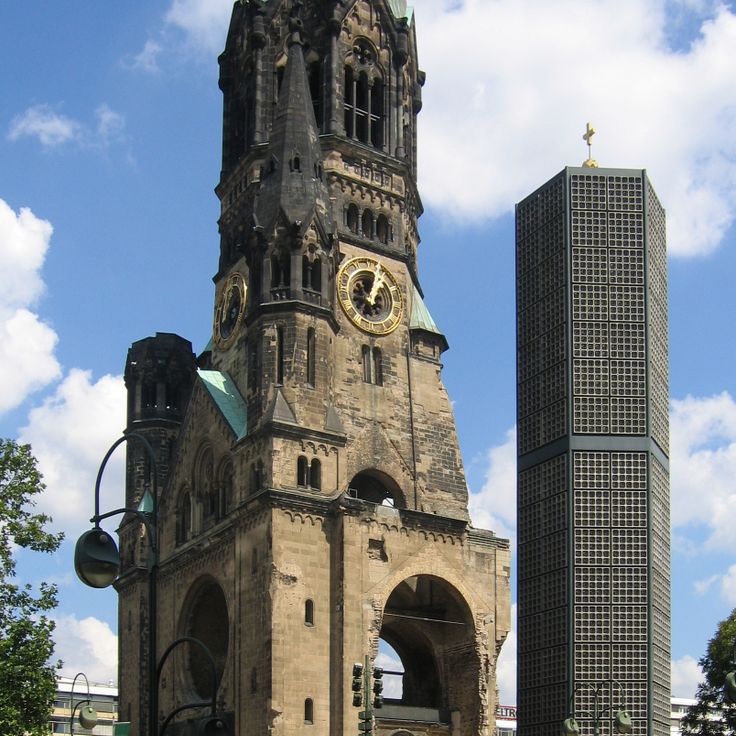
Berlin, Germany
The damaged tower stands as a symbol of World War II destruction. A modern church building was constructed next to it.
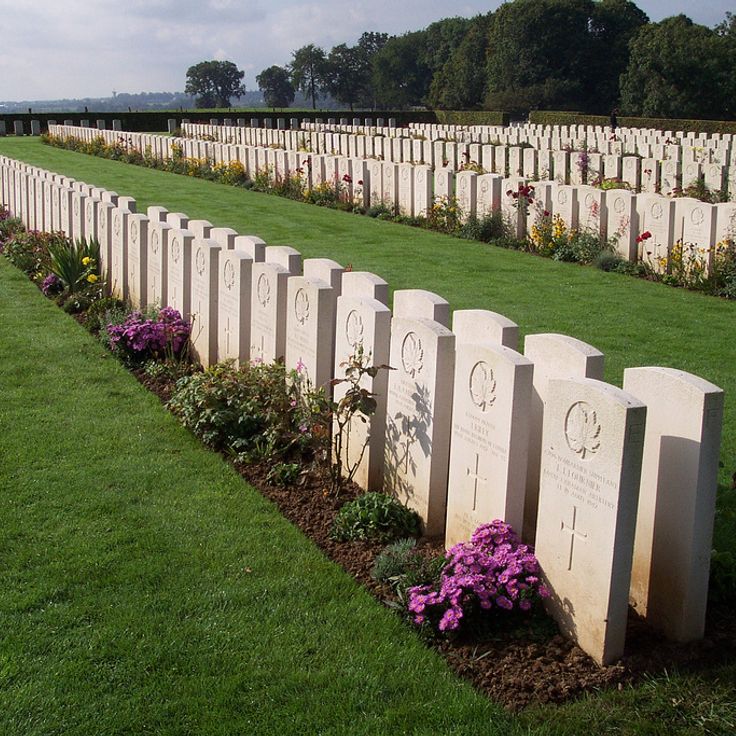
Dieppe, France
Military cemetery containing 944 graves of soldiers who died during the operation of August 19, 1942.
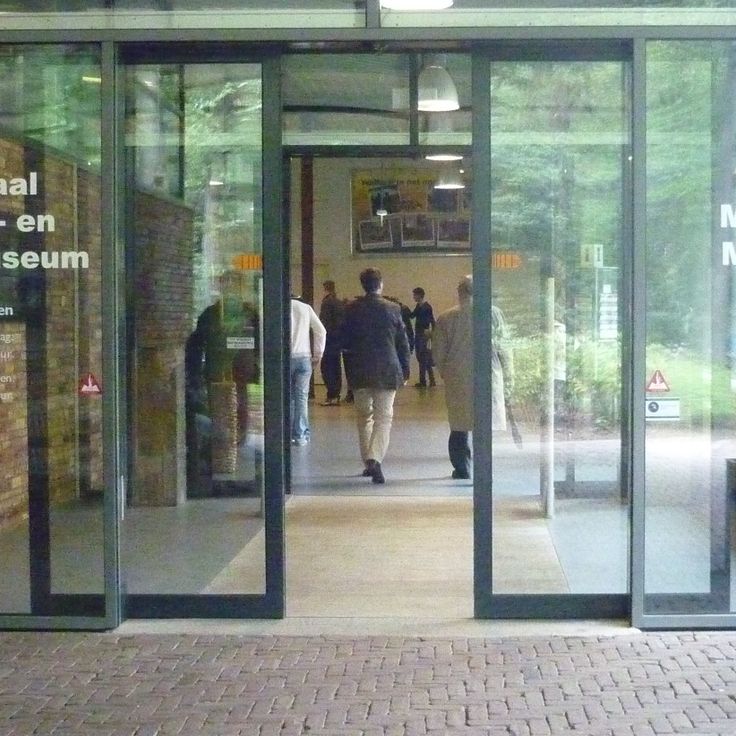
Overloon, Netherlands
The museum displays military vehicles and equipment from World War II. It is located at the site of a 1944 battle.
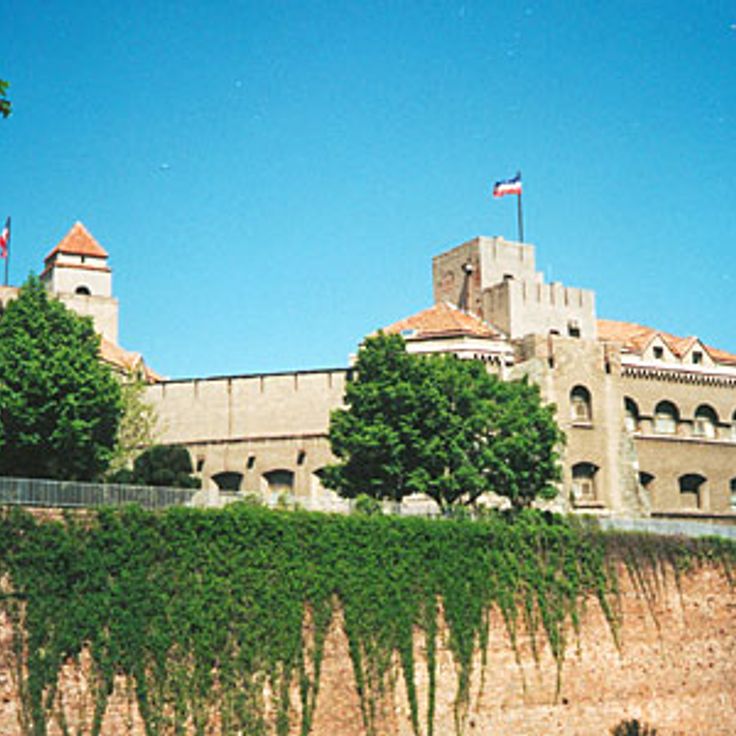
Belgrade, Serbia
The collection includes weapons, uniforms and documents from World War II and other regional conflicts.
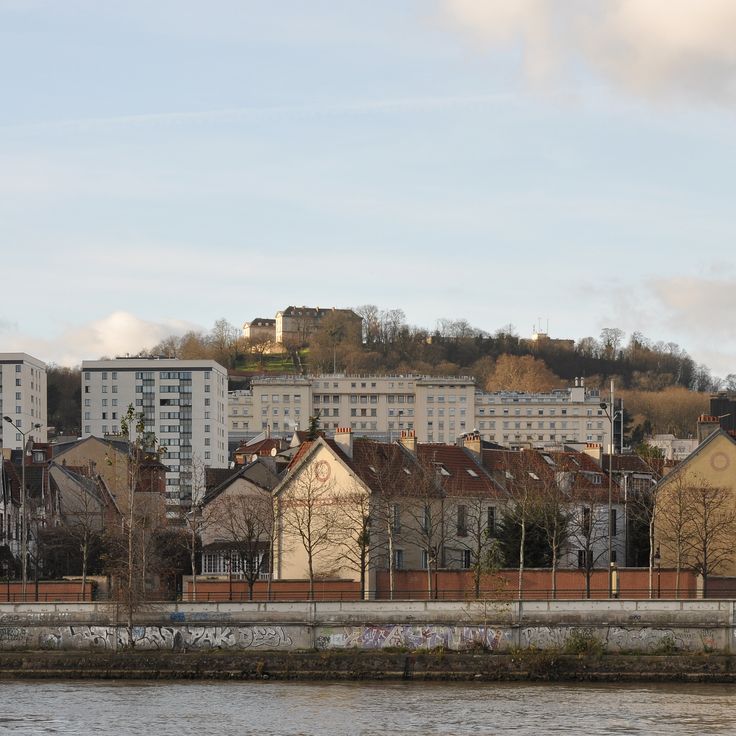
Suresnes, France
19th century military compound that served as the main execution site for German Wehrmacht forces between 1940 and 1944.
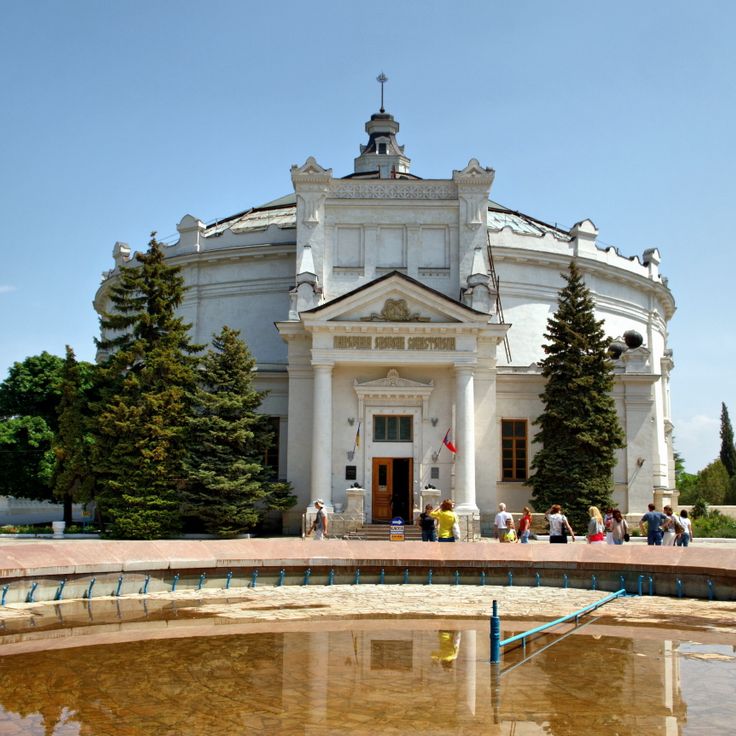
Sevastopol, Crimea
This facility documents the siege of the city during World War II through artifacts and a 360-degree display.
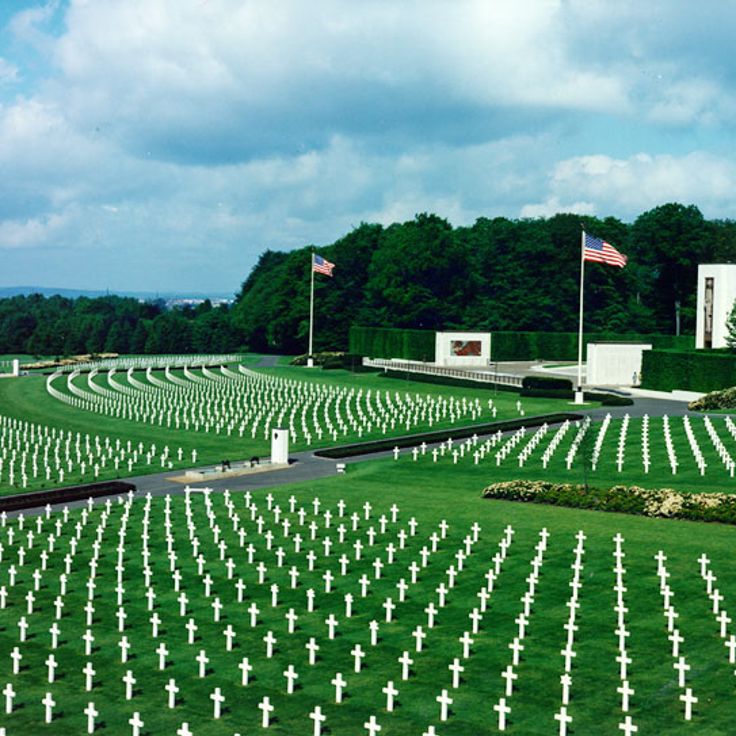
Luxembourg City, Luxembourg
Military cemetery containing 5,076 American soldiers who died in World War II, including the grave of General George S. Patton.
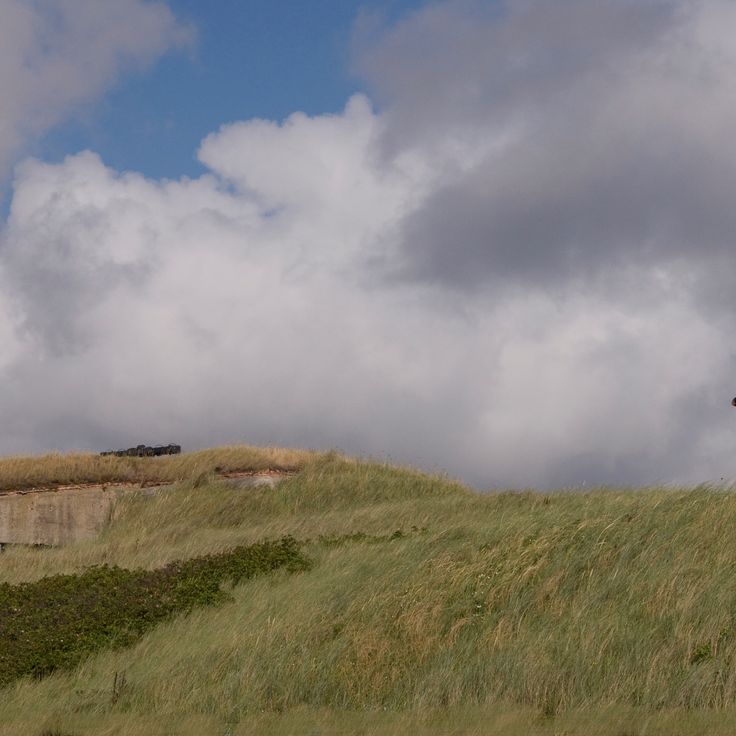
Oostende, Belgium
This restored bunker displays the defense installations Germany built along the European Atlantic coast from 1942 to 1944.