Between the stone castles on the cliffs and the tunnels of abandoned mines, Luxembourg tells many years of its history.
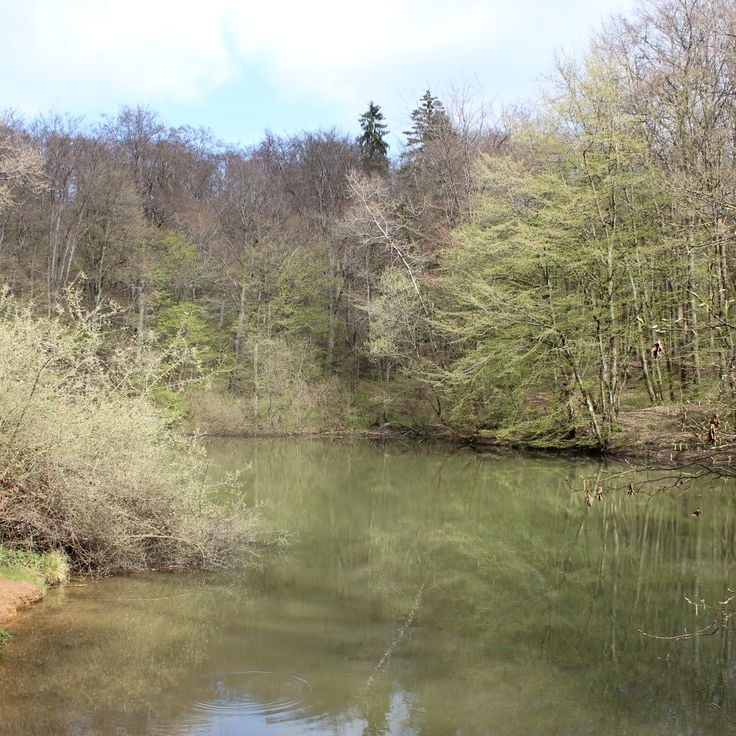
Luxembourg brings together castles, nature reserves, and museums in one small country. You will find impressive fortifications like Vianden and Beaufort castles, natural areas like the Ellergronn Nature Reserve, and industrial sites such as the Haut-Martelange Slate Museum. The landscape features waterfalls, lakes, and medieval castle ruins that tell the story of the region.
This collection showcases a wide range of places, from well-kept fortresses to abandoned mining operations. You can walk through castles like Larochette and Bourscheid, explore underground caves like Lorette-Rochefort, or visit the remains of fortifications such as Hesperange. Each location reveals something different about Luxembourg's past, from daily life to military history.
The collection also includes sites that show how people lived and worked in earlier times. The National Mining Museum in Rumelange displays the conditions of underground labor, while thermal baths like Mondorf-les-Bains offered relaxation and healing. In Luxembourg City, you can see the Grand Ducal Palace and Fort Thüngen, which mark important moments in the nation's story.
Between the stone castles on the cliffs and the tunnels of abandoned mines, Luxembourg tells many years of its history.
Luxembourg brings together castles, nature reserves, and museums in one small country. You will find impressive fortifications like Vianden and Beaufort castles, natural areas like the Ellergronn Nature Reserve, and industrial sites such as the Haut-Martelange Slate Museum. The landscape features waterfalls, lakes, and medieval castle ruins that tell the story of the region.
This collection showcases a wide range of places, from well-kept fortresses to abandoned mining operations. You can walk through castles like Larochette and Bourscheid, explore underground caves like Lorette-Rochefort, or visit the remains of fortifications such as Hesperange. Each location reveals something different about Luxembourg's past, from daily life to military history.
The collection also includes sites that show how people lived and worked in earlier times. The National Mining Museum in Rumelange displays the conditions of underground labor, while thermal baths like Mondorf-les-Bains offered relaxation and healing. In Luxembourg City, you can see the Grand Ducal Palace and Fort Thüngen, which mark important moments in the nation's story.
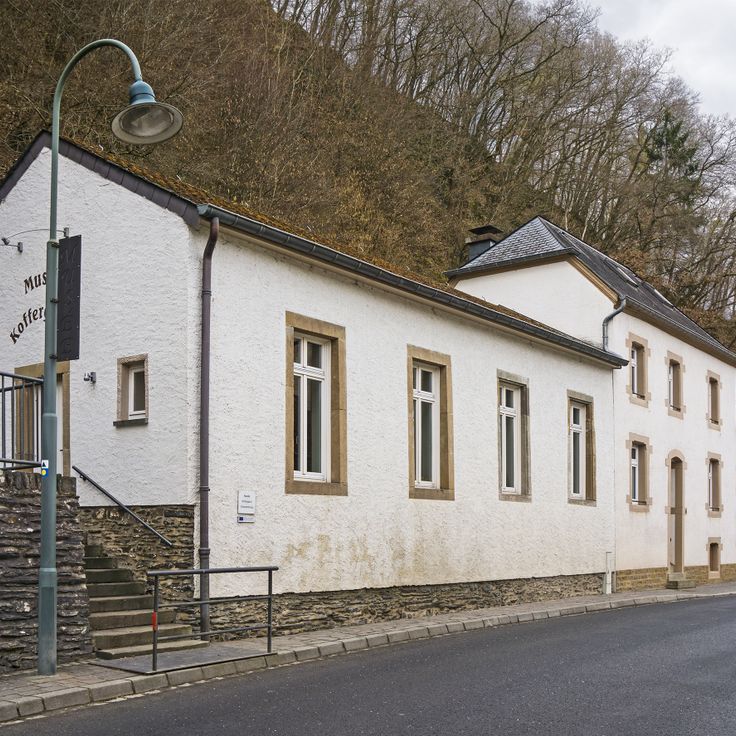
The Haut-Martelange Slate Museum presents the industrial history of slate production, fitting with Luxembourg's collection of castles, nature reserves, and museums. The museum displays original tools, machines, and tunnels that document underground work. Visitors can understand the conditions faced by workers who extracted and processed slate. The collection gives insight into this important local industry.
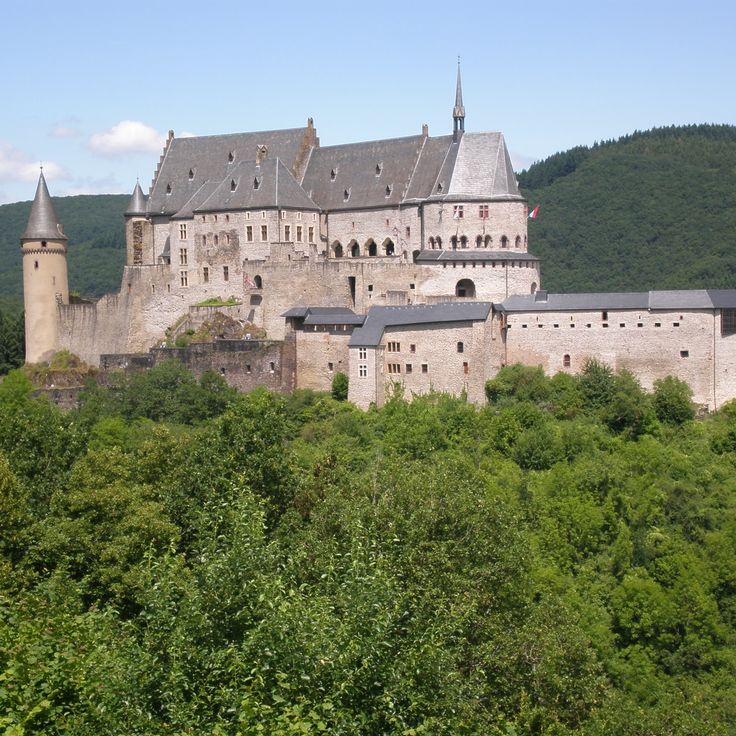
Vianden Castle is an 11th-century feudal residence that exemplifies the castle heritage central to this collection of Luxembourg destinations. The structure blends Romanesque and Gothic architectural styles, showcasing the building traditions of its era. Its restored interiors provide a view into how people lived within such fortified residences, making it a key example of the country's architectural past.
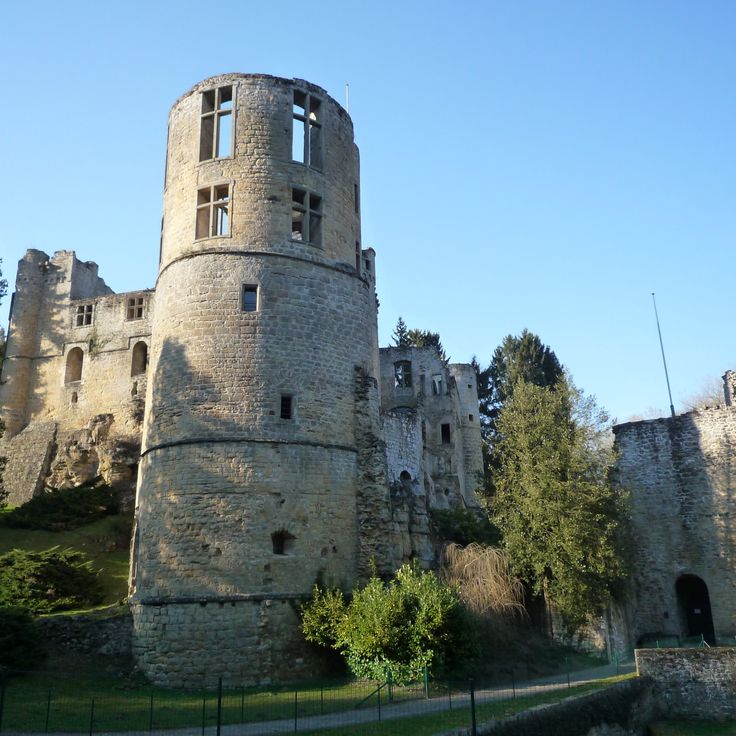
Beaufort Castle is a notable destination in Luxembourg that showcases the country's history. The complex consists of a medieval castle from the 11th century and a Renaissance palace from the 17th century. With towers, walls, and historic rooms, it offers insights into different periods of architecture and life from past times.
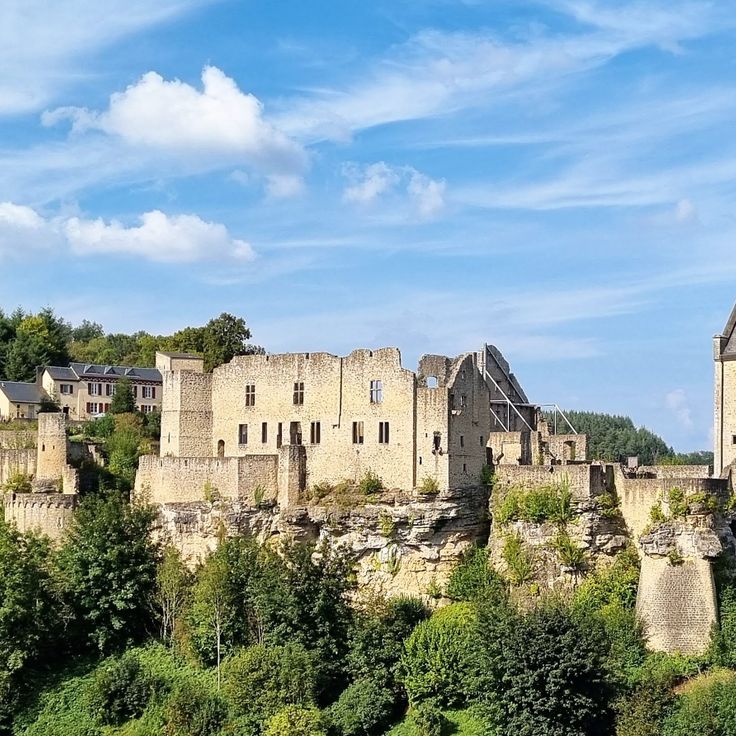
Larochette Castle is among the notable destinations across Luxembourg, a country that combines castles, nature reserves, and museums. This 11th-century fortress stands on a rock outcrop above the White Ernz valley, representing the medieval heritage that defines the region.
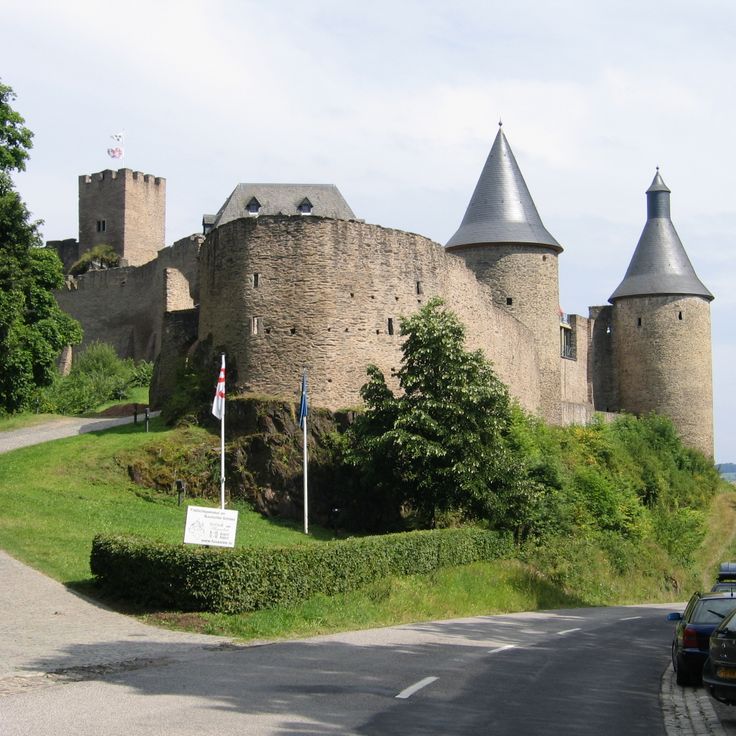
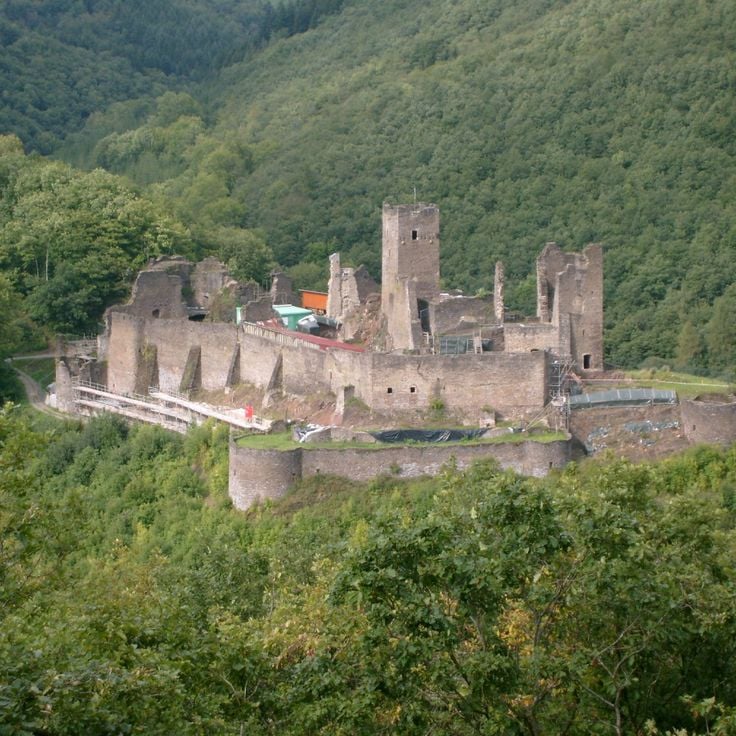
Castle of Bourscheid is a medieval fortress perched on a rocky outcrop above the Sauer Valley, standing out among Luxembourg's notable destinations. The castle's twelve towers and sprawling layout reveal how such fortifications were designed and built. Walking through the ruins, you experience the scale of this defensive stronghold and its connection to the landscape. From here, views stretch across the valley and surrounding forests. The site shows how medieval builders chose high ground for protection and control.
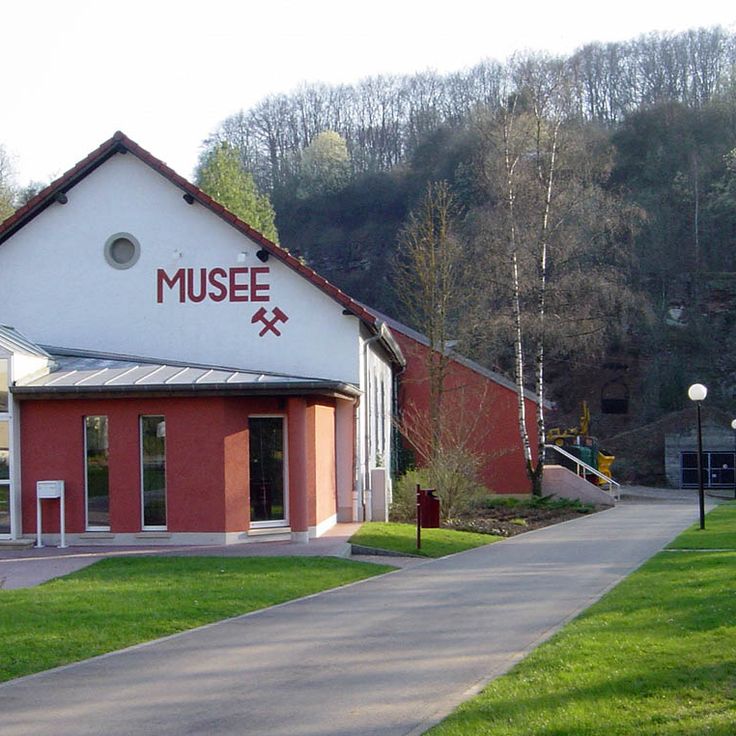
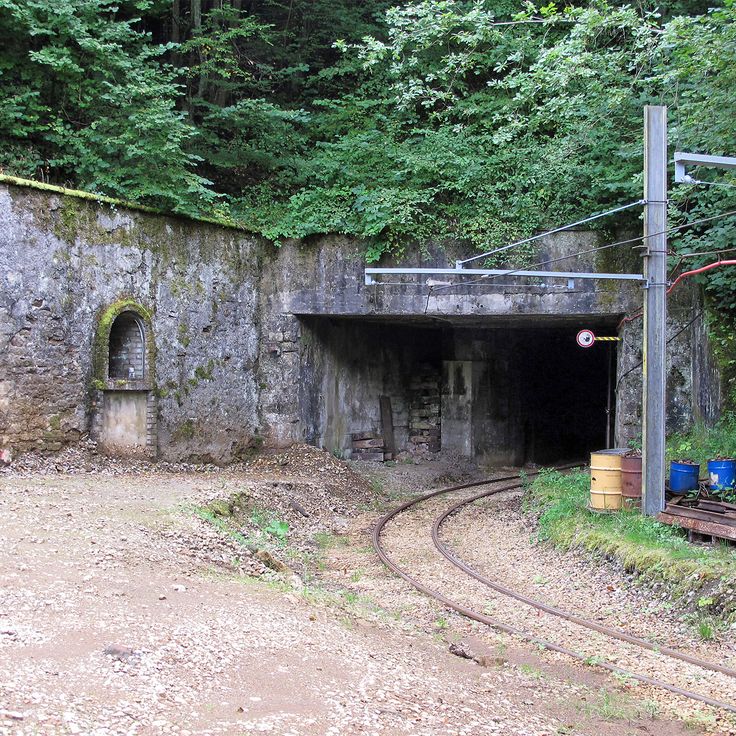
The National Mining Museum displays original mining equipment and guides visitors through underground galleries using a 19th-century narrow-gauge railway. It fits among Luxembourg's notable destinations, where castles, nature reserves, and museums define the country. Industrial sites like this museum complement the landscape of waterfalls, lakes, and medieval castle ruins.
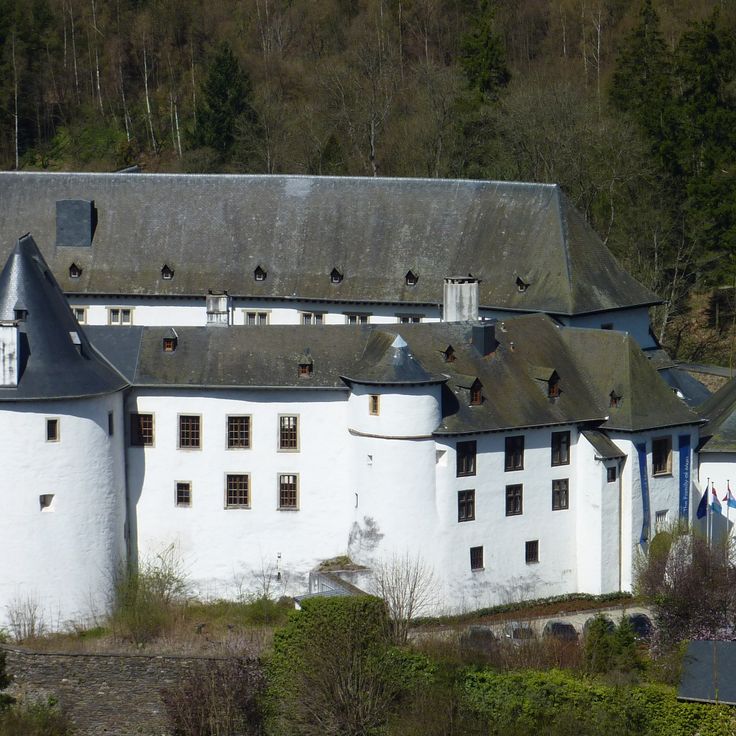
Clervaux Castle is a restored 12th-century building in Luxembourg that stands as a notable destination in this collection of the country's most significant places. The castle houses a military museum, a collection of model castles, and a UNESCO-listed photography collection by Edward Steichen. Visitors can walk through the historic rooms and explore the different exhibitions.
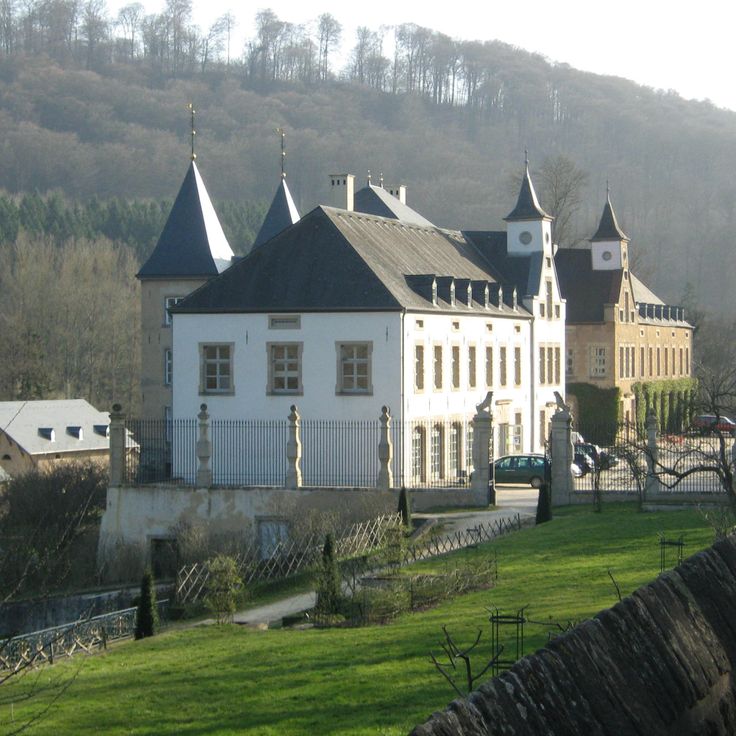
Château d'Ansembourg is a castle from 1639 that represents one of Luxembourg's notable destinations, alongside other castles, nature reserves, and museums throughout the country. It features geometric gardens, statues, water features and terraces designed according to 18th-century French garden principles. The landscape of Luxembourg includes waterfalls, lakes, and medieval castle ruins.
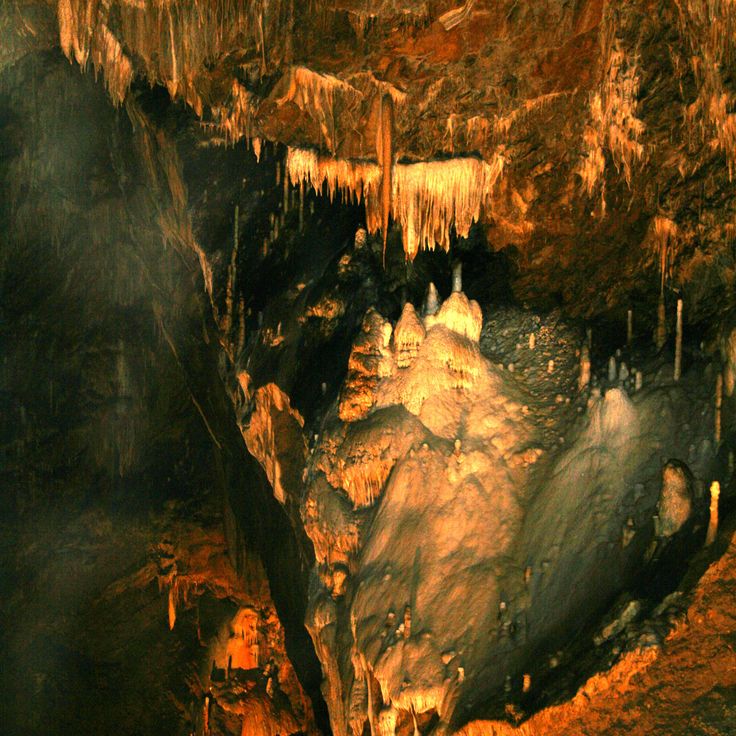
The Lorette-Rochefort Cave is a natural underground system with passages and chambers formed in limestone rock during the Devonian period. Within Luxembourg's collection of castles, nature reserves, and museums, this cave holds a special place. It reveals the geological history of the region and offers visitors a look into the rock layers beneath the surface.
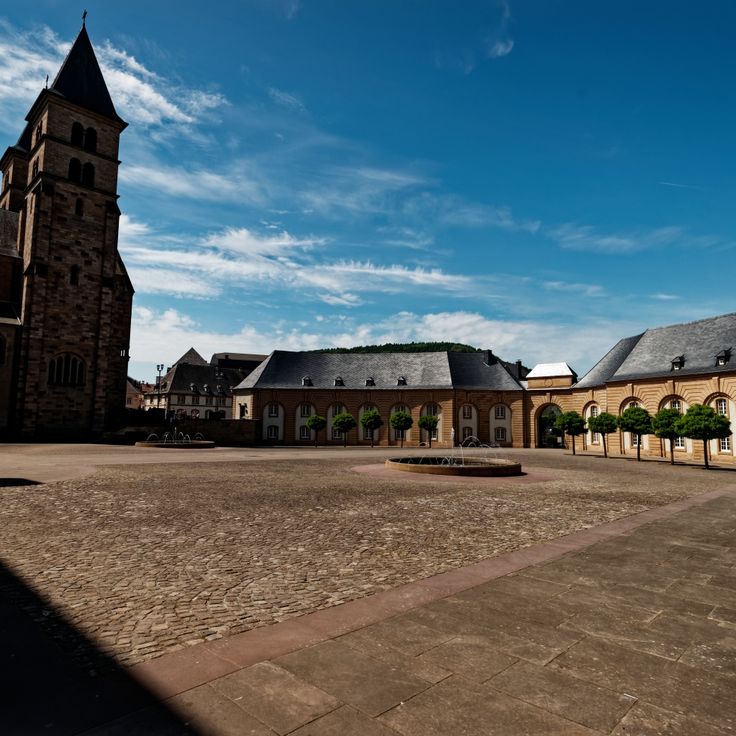
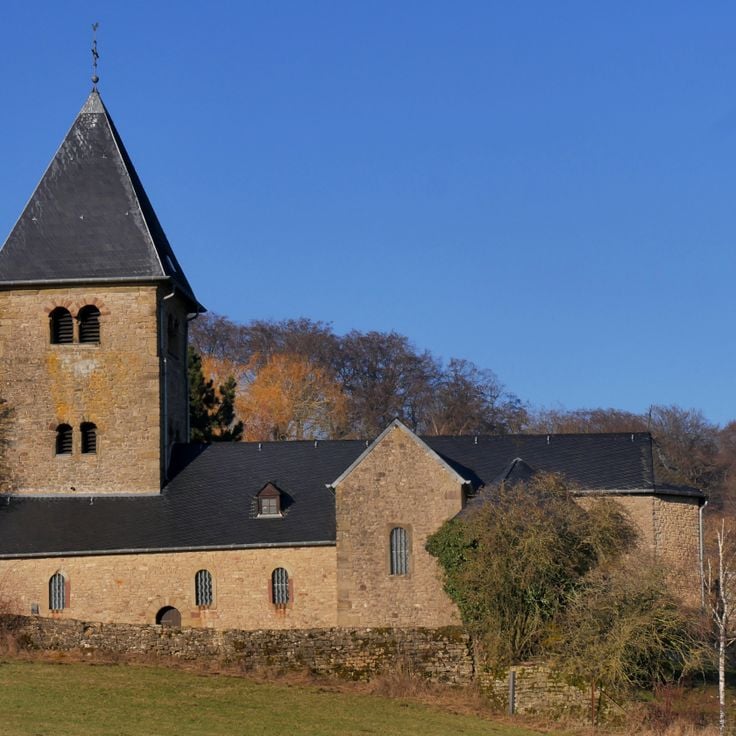
Echternach Abbey in Echternach represents the religious heritage of Luxembourg and shows the crafted architecture of the Middle Ages. Founded in 698 by Saint Willibrord, this religious complex fits into the collection of castles, nature reserves, and museums across the country. The basilica with its Romanesque forms and the surviving medieval manuscripts speak to a time when such places served as centers of learning and spirituality.
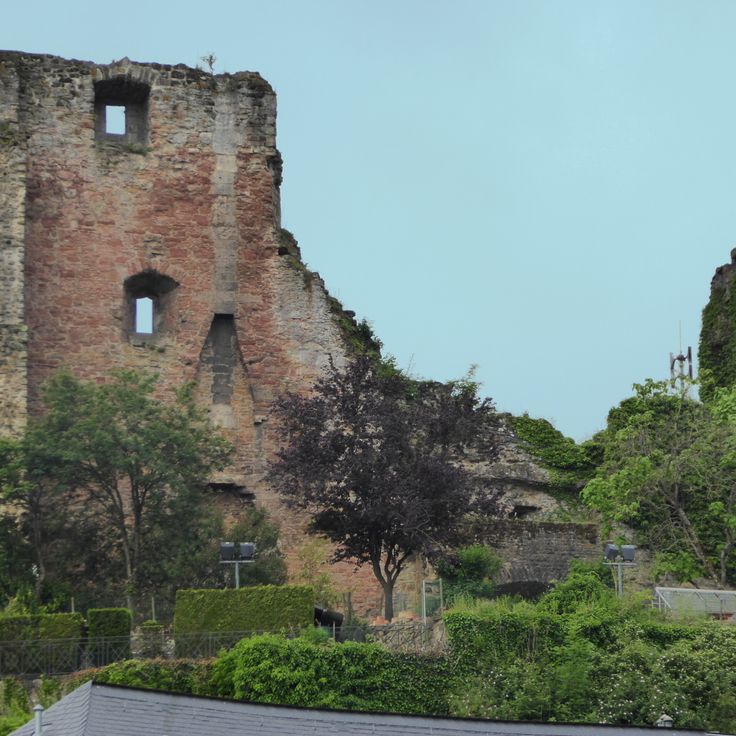
Hesperange Castle Ruins is a medieval fortress from the 13th century that overlooks the Alzette River. It fits into the collection of Luxembourg destinations that feature castles, nature reserves, and industrial heritage sites. The ruins still display stone walls and defensive structures that speak to the region's fortified past.
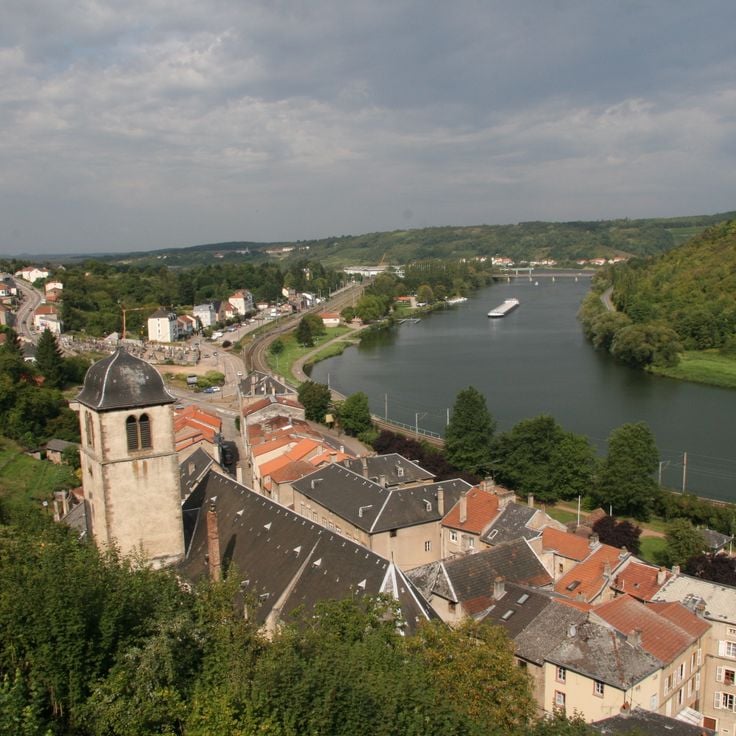
Sierck-les-Bains is a border town from the Middle Ages with an 11th century castle sitting on a rocky outcrop. This destination fits well within the collection of notable places across Luxembourg, where castles, nature reserves, and historical sites like Vianden and Beaufort tell the story of the region. The stone houses and old fortifications reflect the rich history of this area, which also contains waterfalls, lakes, and medieval castle ruins.
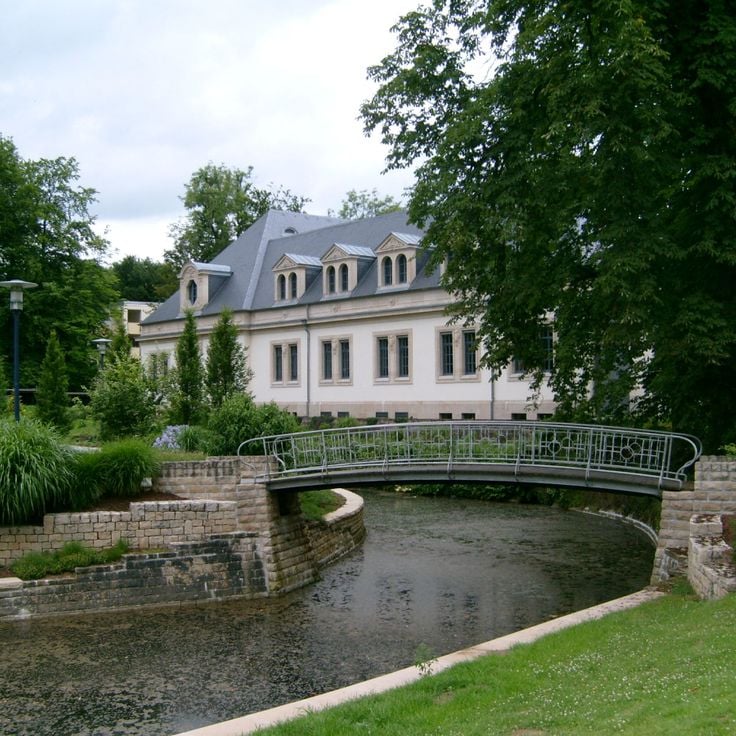
Mondorf-les-Bains Thermal Bath is a healing center in Luxembourg, part of the country's range of destinations. The facility offers mineral water treatments, massages, and fitness programs. A large swimming pool filled with 36°C water invites visitors to relax. The place combines wellness with Luxembourg's natural resources.
The Stolzembourg Copper Mine is a former 19th century industrial site in Luxembourg where visitors can explore original mining equipment and underground tunnels. Guided tours allow you to walk through the workings and understand how copper was extracted from the earth. This mine represents the industrial heritage that complements the castles, nature reserves, and museums found across Luxembourg.
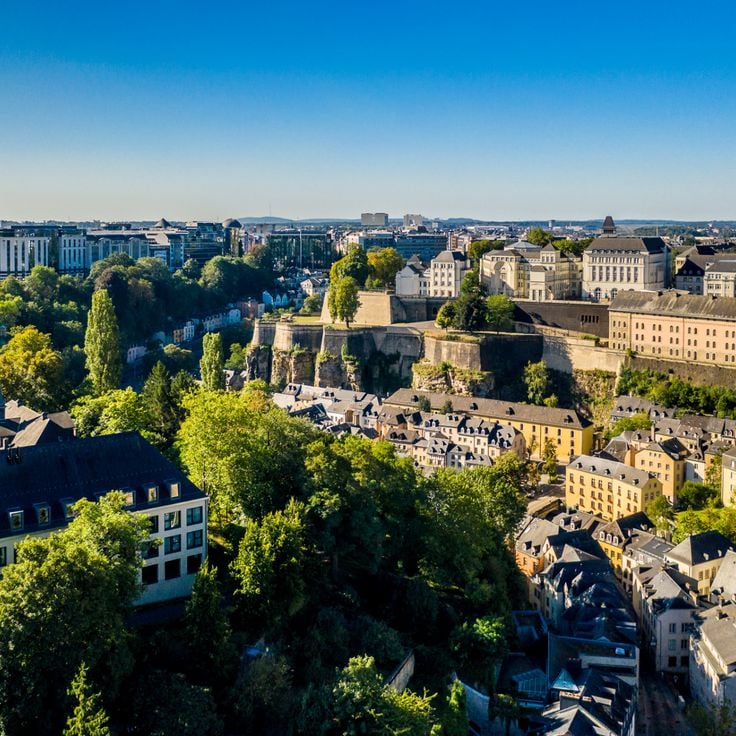
The Holy Spirit Citadel is a 17th century fortress whose walls now form the foundation for bank buildings and government offices in the center of Luxembourg City. It stands alongside the country's other destinations that range from castles like Vianden and Beaufort to nature reserves and historic industrial sites.
Ellergronn Nature Reserve is part of Luxembourg's collection of destinations that brings together castles, nature reserves, and museums. This reserve sits on a former mining site and provides habitat for native plants and animals. Visitors can walk along marked trails through the landscape, experiencing how the land has transformed into green space where people now spend time outdoors.
Minett Park Fond-de-Gras presents the steel industry heritage of Differdange, with locomotives and mining equipment from the 20th century. This site fits within Luxembourg's collection of castles, nature reserves, and museums that shape the country's landscape and history.
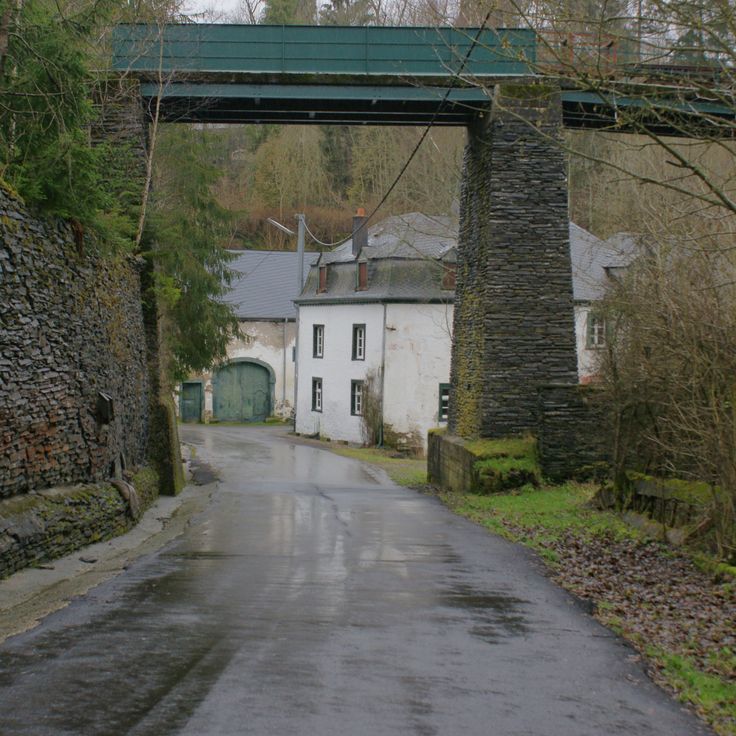
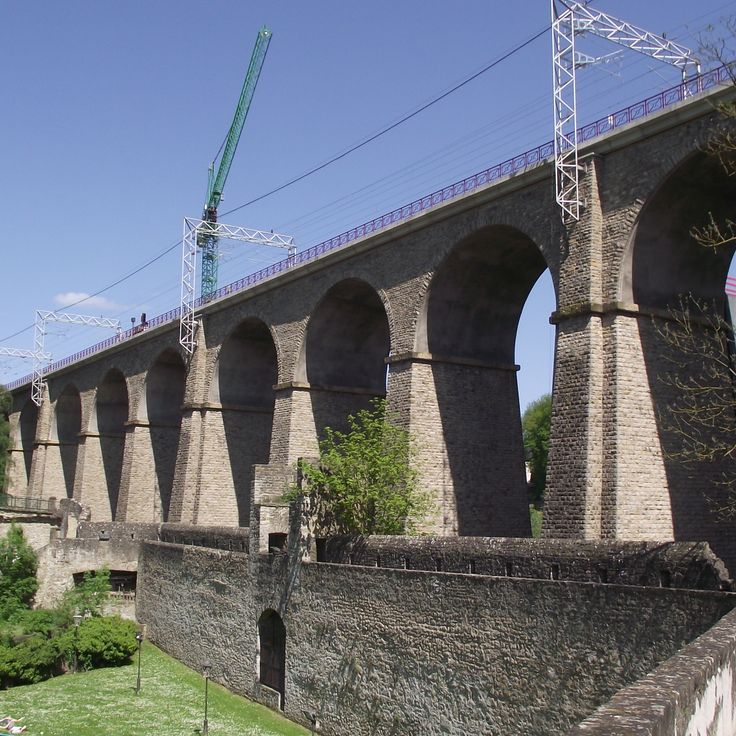
The Dirbach Viaduct is a railway viaduct that spans the Sûre river in Luxembourg. It crosses the river at a height of 50 meters and extends for a length of 95 meters. The viaduct is part of Luxembourg's notable destinations, which alongside castles like Vianden and Beaufort also include nature reserves and industrial sites such as the Haut-Martelange Slate Museum.
The Chapel of Girsterklaus is a 15th-century place of worship in Luxembourg, featuring medieval wall paintings and Gothic religious artworks. This chapel represents the artistic traditions of the region and fits within the collection of Luxembourg's notable destinations, which include castles, nature reserves, and historical sites.
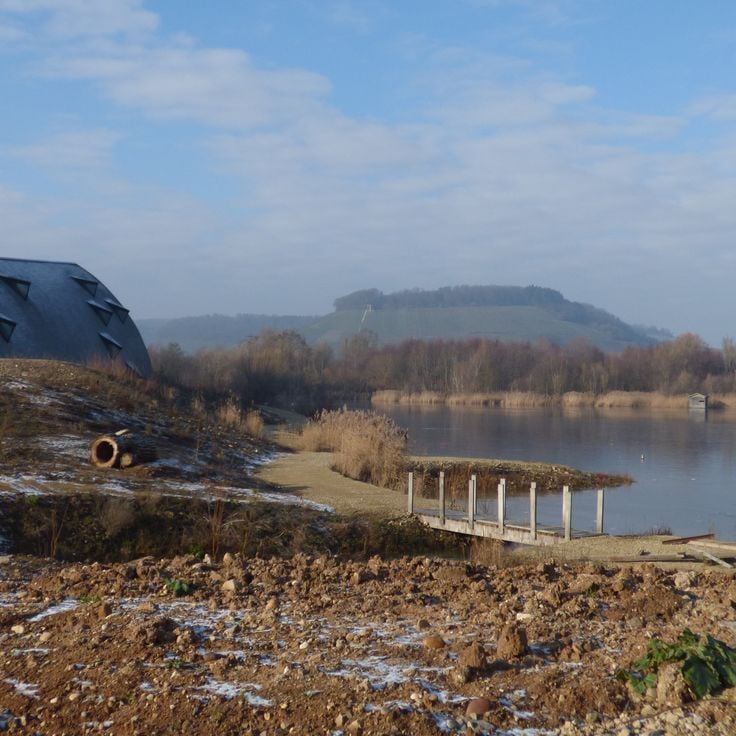
The Haff Réimecher is a nature reserve that fits into Luxembourg's landscape, where castles, nature reserves, and museums shape the country. This wetland spans 30 hectares and provides habitat for many bird species. Visitors can use marked hiking trails to explore the area and experience nature up close.
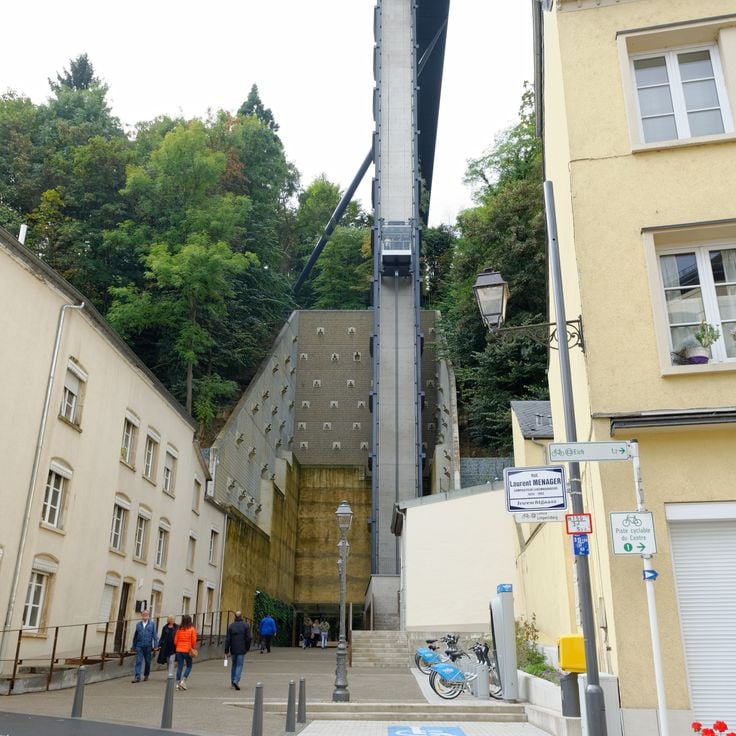
The Pfaffenthal Lift is a modern glass elevator that connects the Pfaffenthal district with the plateau above. This structure fits within Luxembourg's range of destinations, from medieval castles to contemporary engineering. The lift offers views of the old town while making travel between the lower and upper levels of the city easier. It demonstrates how a small country solves everyday challenges with thoughtful design.
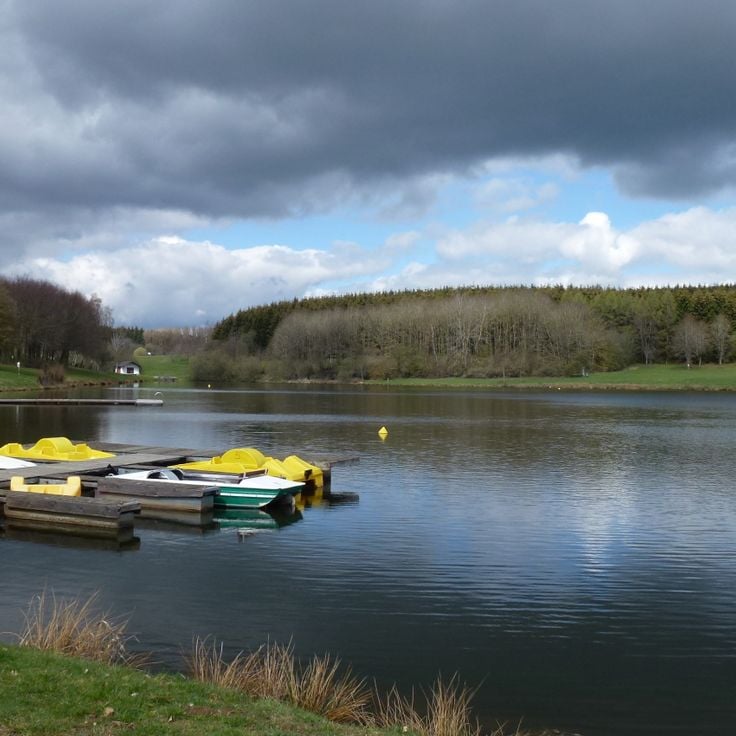
Weiswampach Lakes are two connected bodies of water in Luxembourg that fit into the country's mix of castles, nature reserves, and cultural sites. Like other natural areas such as Ellergronn, these lakes offer outdoor recreation. Visitors can hike on surrounding trails, fish in the waters, and use the water sports base for activities on the water.
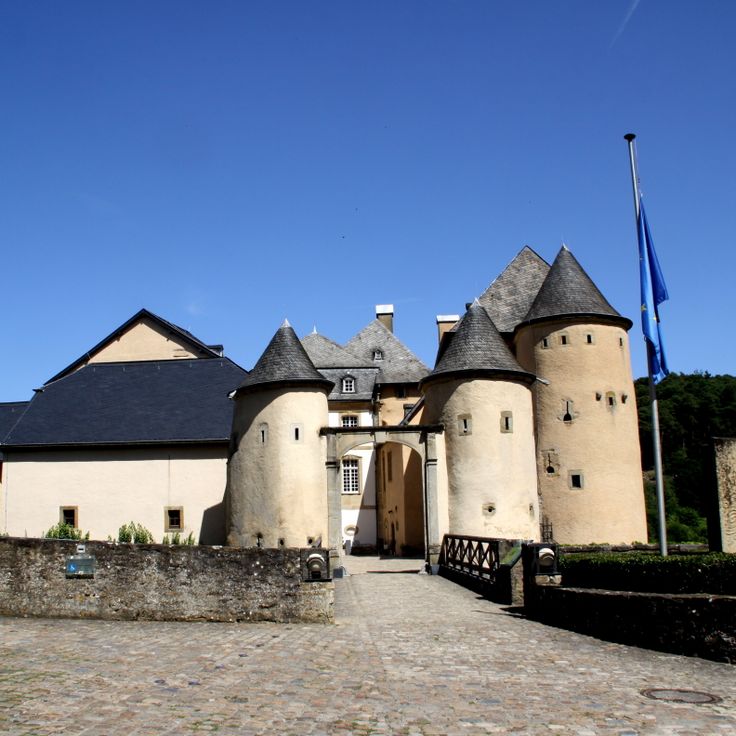
Bourglinster Castle is a medieval castle from the 12th century and represents one of the country's major fortifications within Luxembourg's collection of castles, nature reserves, and museums. The castle features a restaurant and event spaces housed in renovated halls, where visitors can dine and attend gatherings. It stands as part of the region's historical landscape, alongside waterfalls, lakes, and other medieval castle ruins.
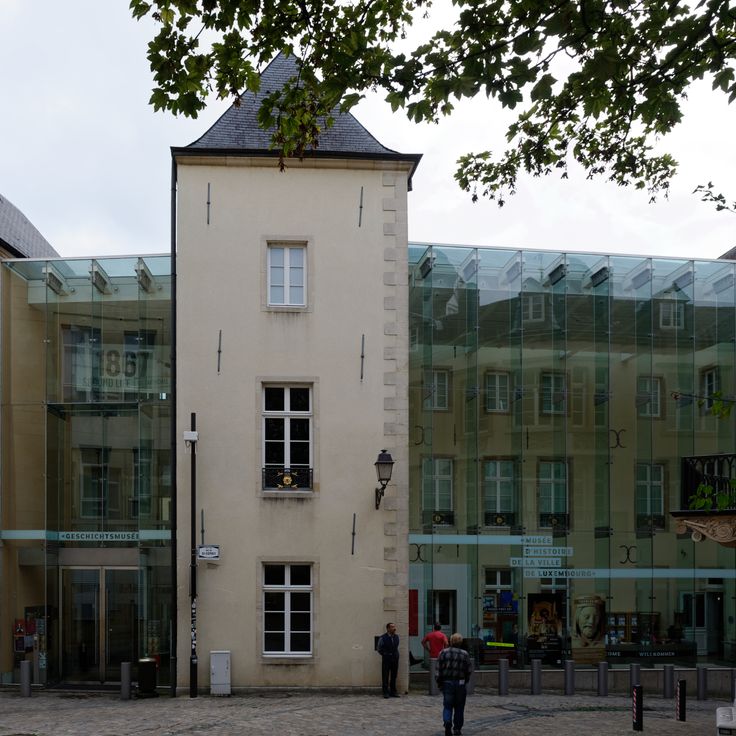
The Luxembourg City History Museum displays the development of the city over 1000 years. The exhibitions guide you from medieval times to the present day. You see objects and artifacts that document how urban life changed over the centuries. This museum fits perfectly into Luxembourg's broader story of castles, nature reserves, and industrial heritage. Here you gain insight into how a medieval fortress town became a modern capital.
Brandenbourg Castle is a 13th-century fortress ruin that sits on a rocky outcrop above the White Ernz valley. This castle fits into Luxembourg's range of destinations, where you find medieval ruins alongside other notable sites like Vianden and Beaufort castles, nature reserves, and industrial museums.
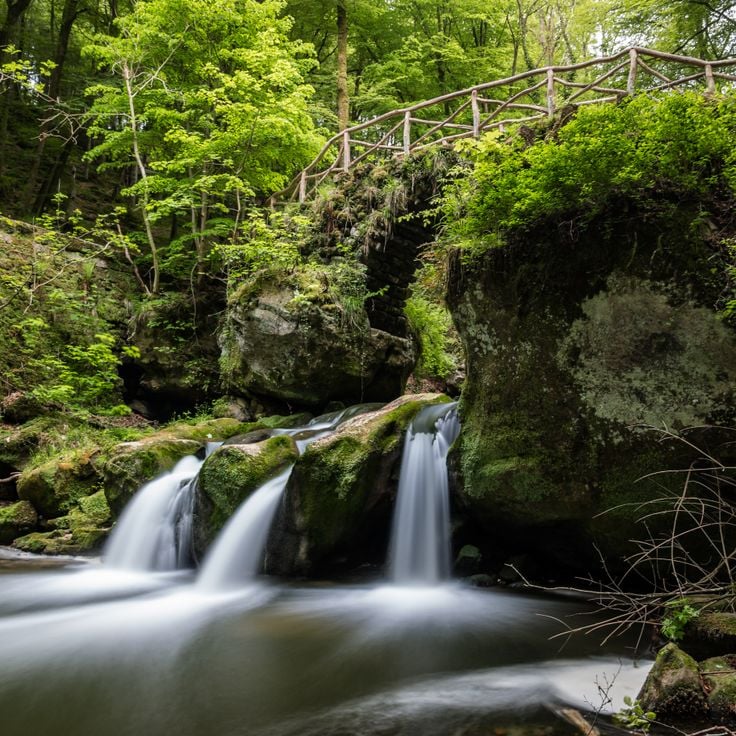
The Schiessentümpel Waterfall is part of Luxembourg's diverse natural landscapes and demonstrates how water shapes stone over time. The water cascades over three stone steps and is crossed by an old stone bridge. Located in the Black Ernz Valley, this waterfall offers a place where you can experience the power of flowing water and the character of the region.
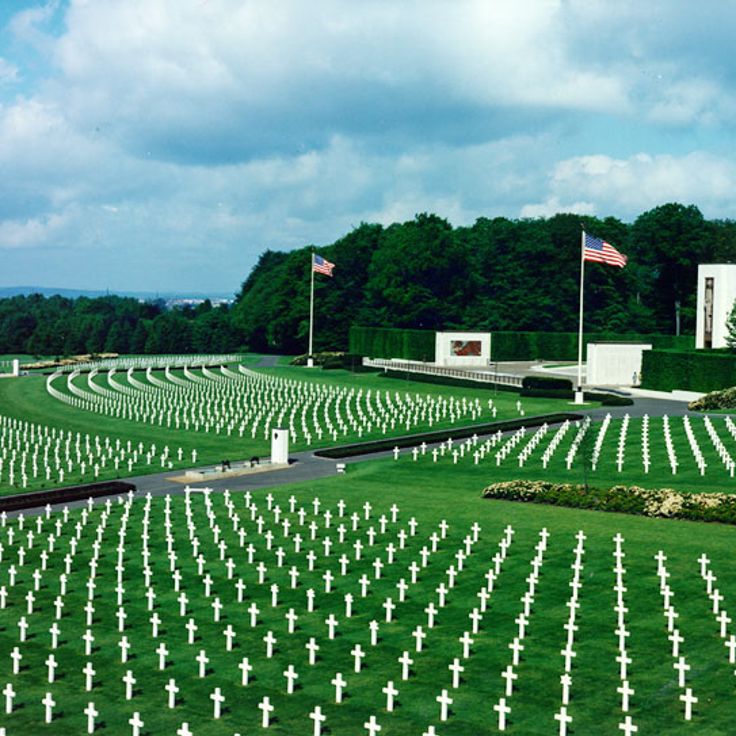
The Luxembourg American Cemetery Memorial is a burial ground in Hamm that fits into Luxembourg's diverse collection of castles, nature reserves, and museums. This cemetery holds the graves of thousands of American soldiers from World War II and spans a large area of land. General George S. Patton, a notable military leader, is among those buried here.
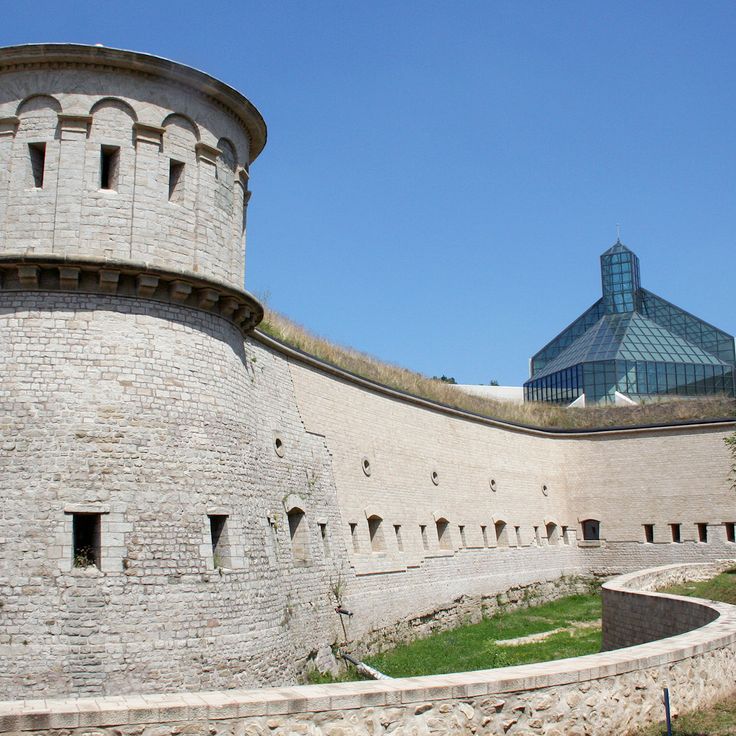
This 18th-century fortress shows how Luxembourg has changed over time. Fort Thüngen houses the Dräi Eechelen Museum, which tells the story of the country's military history. Visitors learn about battles, soldiers, and strategic decisions that shaped Luxembourg. The fortress itself is part of this history - its walls and structures speak of a nation that stood between larger powers. Within Luxembourg's collection of castles, nature reserves, and museums, Fort Thüngen demonstrates how the country preserves its past.
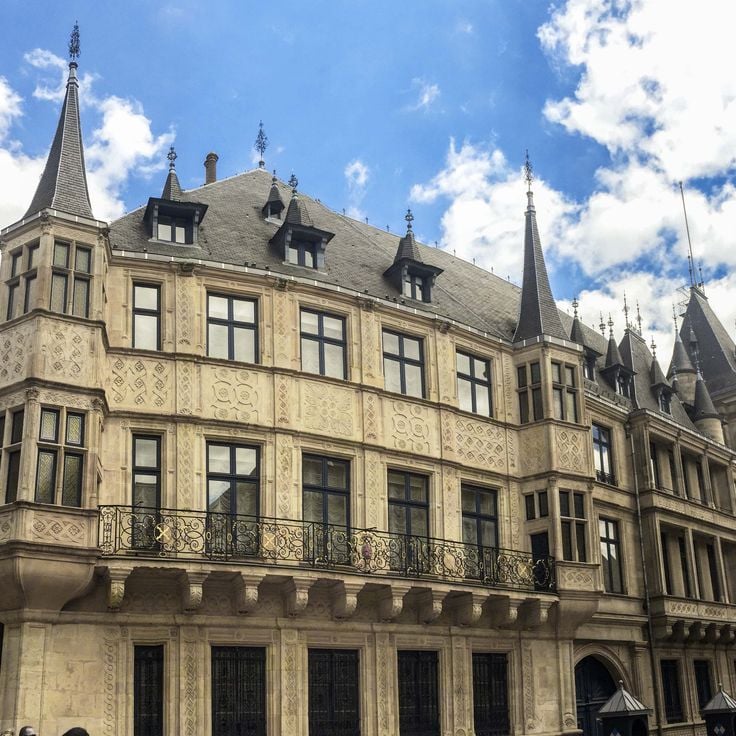
The Grand Ducal Palace is one of the notable destinations across Luxembourg and reflects the country's past. This 16th century stone-walled residence serves as the headquarters of the Luxembourg monarchy. Visitors can join guided tours from July through September to see the interior of this important building.
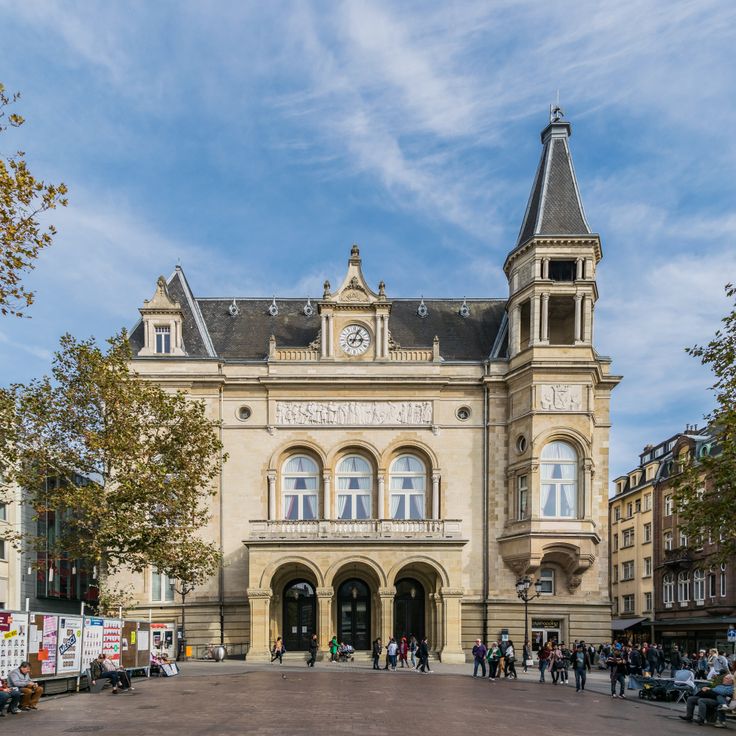
Cercle-Cité is a historic building from 1909 located in the heart of Luxembourg City. It serves as a cultural center with exhibition spaces and concert halls. This building represents the cultural side of Luxembourg alongside its castles, nature reserves, and museums. It reflects the varied landscape of the country, from medieval castle ruins to modern cultural venues.
The Tudor Museum in Rosport displays the history of lead acid batteries and showcases original devices created by Luxembourg inventor Henri Tudor in the 19th century. This museum fits within Luxembourg's range of castles, nature reserves, and cultural institutions, complementing industrial sites like the Haut-Martelange Slate Museum. A visit here offers insight into the country's technical achievements alongside its waterfalls, lakes, and medieval castle ruins.
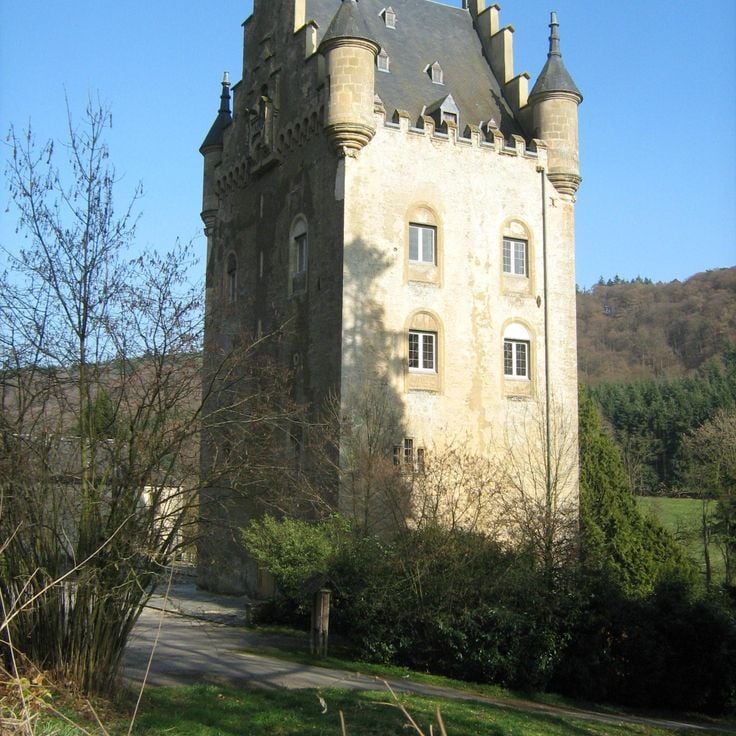
Schoenfels Castle represents one of Luxembourg's medieval fortifications within the country's diverse landscape of castles, nature reserves, and historical sites. Built in the 13th century, this castle tower sits on a rocky outcrop above the Mamer Valley, surrounded by forests and gardens. It stands among other notable structures like Vianden and Beaufort castles, part of a collection that includes nature areas, waterfalls, lakes, and castle ruins scattered throughout the country.
The Haut-Martelange Slate Museum presents the industrial history of slate production, fitting with Luxembourg's collection of castles, nature reserves, and museums. The museum displays original tools, machines, and tunnels that document underground work. Visitors can understand the conditions faced by workers who extracted and processed slate. The collection gives insight into this important local industry.
Vianden Castle is an 11th-century feudal residence that exemplifies the castle heritage central to this collection of Luxembourg destinations. The structure blends Romanesque and Gothic architectural styles, showcasing the building traditions of its era. Its restored interiors provide a view into how people lived within such fortified residences, making it a key example of the country's architectural past.
Beaufort Castle is a notable destination in Luxembourg that showcases the country's history. The complex consists of a medieval castle from the 11th century and a Renaissance palace from the 17th century. With towers, walls, and historic rooms, it offers insights into different periods of architecture and life from past times.
Larochette Castle is among the notable destinations across Luxembourg, a country that combines castles, nature reserves, and museums. This 11th-century fortress stands on a rock outcrop above the White Ernz valley, representing the medieval heritage that defines the region.
Castle of Bourscheid is a medieval fortress perched on a rocky outcrop above the Sauer Valley, standing out among Luxembourg's notable destinations. The castle's twelve towers and sprawling layout reveal how such fortifications were designed and built. Walking through the ruins, you experience the scale of this defensive stronghold and its connection to the landscape. From here, views stretch across the valley and surrounding forests. The site shows how medieval builders chose high ground for protection and control.
The National Mining Museum displays original mining equipment and guides visitors through underground galleries using a 19th-century narrow-gauge railway. It fits among Luxembourg's notable destinations, where castles, nature reserves, and museums define the country. Industrial sites like this museum complement the landscape of waterfalls, lakes, and medieval castle ruins.
Clervaux Castle is a restored 12th-century building in Luxembourg that stands as a notable destination in this collection of the country's most significant places. The castle houses a military museum, a collection of model castles, and a UNESCO-listed photography collection by Edward Steichen. Visitors can walk through the historic rooms and explore the different exhibitions.
Château d'Ansembourg is a castle from 1639 that represents one of Luxembourg's notable destinations, alongside other castles, nature reserves, and museums throughout the country. It features geometric gardens, statues, water features and terraces designed according to 18th-century French garden principles. The landscape of Luxembourg includes waterfalls, lakes, and medieval castle ruins.
The Lorette-Rochefort Cave is a natural underground system with passages and chambers formed in limestone rock during the Devonian period. Within Luxembourg's collection of castles, nature reserves, and museums, this cave holds a special place. It reveals the geological history of the region and offers visitors a look into the rock layers beneath the surface.
Echternach Abbey in Echternach represents the religious heritage of Luxembourg and shows the crafted architecture of the Middle Ages. Founded in 698 by Saint Willibrord, this religious complex fits into the collection of castles, nature reserves, and museums across the country. The basilica with its Romanesque forms and the surviving medieval manuscripts speak to a time when such places served as centers of learning and spirituality.
Hesperange Castle Ruins is a medieval fortress from the 13th century that overlooks the Alzette River. It fits into the collection of Luxembourg destinations that feature castles, nature reserves, and industrial heritage sites. The ruins still display stone walls and defensive structures that speak to the region's fortified past.
Sierck-les-Bains is a border town from the Middle Ages with an 11th century castle sitting on a rocky outcrop. This destination fits well within the collection of notable places across Luxembourg, where castles, nature reserves, and historical sites like Vianden and Beaufort tell the story of the region. The stone houses and old fortifications reflect the rich history of this area, which also contains waterfalls, lakes, and medieval castle ruins.
Mondorf-les-Bains Thermal Bath is a healing center in Luxembourg, part of the country's range of destinations. The facility offers mineral water treatments, massages, and fitness programs. A large swimming pool filled with 36°C water invites visitors to relax. The place combines wellness with Luxembourg's natural resources.
The Stolzembourg Copper Mine is a former 19th century industrial site in Luxembourg where visitors can explore original mining equipment and underground tunnels. Guided tours allow you to walk through the workings and understand how copper was extracted from the earth. This mine represents the industrial heritage that complements the castles, nature reserves, and museums found across Luxembourg.
The Holy Spirit Citadel is a 17th century fortress whose walls now form the foundation for bank buildings and government offices in the center of Luxembourg City. It stands alongside the country's other destinations that range from castles like Vianden and Beaufort to nature reserves and historic industrial sites.
Ellergronn Nature Reserve is part of Luxembourg's collection of destinations that brings together castles, nature reserves, and museums. This reserve sits on a former mining site and provides habitat for native plants and animals. Visitors can walk along marked trails through the landscape, experiencing how the land has transformed into green space where people now spend time outdoors.
Minett Park Fond-de-Gras presents the steel industry heritage of Differdange, with locomotives and mining equipment from the 20th century. This site fits within Luxembourg's collection of castles, nature reserves, and museums that shape the country's landscape and history.
The Dirbach Viaduct is a railway viaduct that spans the Sûre river in Luxembourg. It crosses the river at a height of 50 meters and extends for a length of 95 meters. The viaduct is part of Luxembourg's notable destinations, which alongside castles like Vianden and Beaufort also include nature reserves and industrial sites such as the Haut-Martelange Slate Museum.
The Chapel of Girsterklaus is a 15th-century place of worship in Luxembourg, featuring medieval wall paintings and Gothic religious artworks. This chapel represents the artistic traditions of the region and fits within the collection of Luxembourg's notable destinations, which include castles, nature reserves, and historical sites.
The Haff Réimecher is a nature reserve that fits into Luxembourg's landscape, where castles, nature reserves, and museums shape the country. This wetland spans 30 hectares and provides habitat for many bird species. Visitors can use marked hiking trails to explore the area and experience nature up close.
The Pfaffenthal Lift is a modern glass elevator that connects the Pfaffenthal district with the plateau above. This structure fits within Luxembourg's range of destinations, from medieval castles to contemporary engineering. The lift offers views of the old town while making travel between the lower and upper levels of the city easier. It demonstrates how a small country solves everyday challenges with thoughtful design.
Weiswampach Lakes are two connected bodies of water in Luxembourg that fit into the country's mix of castles, nature reserves, and cultural sites. Like other natural areas such as Ellergronn, these lakes offer outdoor recreation. Visitors can hike on surrounding trails, fish in the waters, and use the water sports base for activities on the water.
Bourglinster Castle is a medieval castle from the 12th century and represents one of the country's major fortifications within Luxembourg's collection of castles, nature reserves, and museums. The castle features a restaurant and event spaces housed in renovated halls, where visitors can dine and attend gatherings. It stands as part of the region's historical landscape, alongside waterfalls, lakes, and other medieval castle ruins.
The Luxembourg City History Museum displays the development of the city over 1000 years. The exhibitions guide you from medieval times to the present day. You see objects and artifacts that document how urban life changed over the centuries. This museum fits perfectly into Luxembourg's broader story of castles, nature reserves, and industrial heritage. Here you gain insight into how a medieval fortress town became a modern capital.
Brandenbourg Castle is a 13th-century fortress ruin that sits on a rocky outcrop above the White Ernz valley. This castle fits into Luxembourg's range of destinations, where you find medieval ruins alongside other notable sites like Vianden and Beaufort castles, nature reserves, and industrial museums.
The Schiessentümpel Waterfall is part of Luxembourg's diverse natural landscapes and demonstrates how water shapes stone over time. The water cascades over three stone steps and is crossed by an old stone bridge. Located in the Black Ernz Valley, this waterfall offers a place where you can experience the power of flowing water and the character of the region.
The Luxembourg American Cemetery Memorial is a burial ground in Hamm that fits into Luxembourg's diverse collection of castles, nature reserves, and museums. This cemetery holds the graves of thousands of American soldiers from World War II and spans a large area of land. General George S. Patton, a notable military leader, is among those buried here.
This 18th-century fortress shows how Luxembourg has changed over time. Fort Thüngen houses the Dräi Eechelen Museum, which tells the story of the country's military history. Visitors learn about battles, soldiers, and strategic decisions that shaped Luxembourg. The fortress itself is part of this history - its walls and structures speak of a nation that stood between larger powers. Within Luxembourg's collection of castles, nature reserves, and museums, Fort Thüngen demonstrates how the country preserves its past.
The Grand Ducal Palace is one of the notable destinations across Luxembourg and reflects the country's past. This 16th century stone-walled residence serves as the headquarters of the Luxembourg monarchy. Visitors can join guided tours from July through September to see the interior of this important building.
Cercle-Cité is a historic building from 1909 located in the heart of Luxembourg City. It serves as a cultural center with exhibition spaces and concert halls. This building represents the cultural side of Luxembourg alongside its castles, nature reserves, and museums. It reflects the varied landscape of the country, from medieval castle ruins to modern cultural venues.
The Tudor Museum in Rosport displays the history of lead acid batteries and showcases original devices created by Luxembourg inventor Henri Tudor in the 19th century. This museum fits within Luxembourg's range of castles, nature reserves, and cultural institutions, complementing industrial sites like the Haut-Martelange Slate Museum. A visit here offers insight into the country's technical achievements alongside its waterfalls, lakes, and medieval castle ruins.
Schoenfels Castle represents one of Luxembourg's medieval fortifications within the country's diverse landscape of castles, nature reserves, and historical sites. Built in the 13th century, this castle tower sits on a rocky outcrop above the Mamer Valley, surrounded by forests and gardens. It stands among other notable structures like Vianden and Beaufort castles, part of a collection that includes nature areas, waterfalls, lakes, and castle ruins scattered throughout the country.
The Haut-Martelange Slate Museum presents the industrial history of slate production, fitting with Luxembourg's collection of castles, nature reserves, and museums. The museum displays original tools, machines, and tunnels that document underground work. Visitors can understand the conditions faced by workers who extracted and processed slate. The collection gives insight into this important local industry.
Vianden Castle is an 11th-century feudal residence that exemplifies the castle heritage central to this collection of Luxembourg destinations. The structure blends Romanesque and Gothic architectural styles, showcasing the building traditions of its era. Its restored interiors provide a view into how people lived within such fortified residences, making it a key example of the country's architectural past.
Beaufort Castle is a notable destination in Luxembourg that showcases the country's history. The complex consists of a medieval castle from the 11th century and a Renaissance palace from the 17th century. With towers, walls, and historic rooms, it offers insights into different periods of architecture and life from past times.
Larochette Castle is among the notable destinations across Luxembourg, a country that combines castles, nature reserves, and museums. This 11th-century fortress stands on a rock outcrop above the White Ernz valley, representing the medieval heritage that defines the region.
Castle of Bourscheid is a medieval fortress perched on a rocky outcrop above the Sauer Valley, standing out among Luxembourg's notable destinations. The castle's twelve towers and sprawling layout reveal how such fortifications were designed and built. Walking through the ruins, you experience the scale of this defensive stronghold and its connection to the landscape. From here, views stretch across the valley and surrounding forests. The site shows how medieval builders chose high ground for protection and control.
The National Mining Museum displays original mining equipment and guides visitors through underground galleries using a 19th-century narrow-gauge railway. It fits among Luxembourg's notable destinations, where castles, nature reserves, and museums define the country. Industrial sites like this museum complement the landscape of waterfalls, lakes, and medieval castle ruins.
Clervaux Castle is a restored 12th-century building in Luxembourg that stands as a notable destination in this collection of the country's most significant places. The castle houses a military museum, a collection of model castles, and a UNESCO-listed photography collection by Edward Steichen. Visitors can walk through the historic rooms and explore the different exhibitions.
Château d'Ansembourg is a castle from 1639 that represents one of Luxembourg's notable destinations, alongside other castles, nature reserves, and museums throughout the country. It features geometric gardens, statues, water features and terraces designed according to 18th-century French garden principles. The landscape of Luxembourg includes waterfalls, lakes, and medieval castle ruins.
The Lorette-Rochefort Cave is a natural underground system with passages and chambers formed in limestone rock during the Devonian period. Within Luxembourg's collection of castles, nature reserves, and museums, this cave holds a special place. It reveals the geological history of the region and offers visitors a look into the rock layers beneath the surface.
Echternach Abbey in Echternach represents the religious heritage of Luxembourg and shows the crafted architecture of the Middle Ages. Founded in 698 by Saint Willibrord, this religious complex fits into the collection of castles, nature reserves, and museums across the country. The basilica with its Romanesque forms and the surviving medieval manuscripts speak to a time when such places served as centers of learning and spirituality.
Hesperange Castle Ruins is a medieval fortress from the 13th century that overlooks the Alzette River. It fits into the collection of Luxembourg destinations that feature castles, nature reserves, and industrial heritage sites. The ruins still display stone walls and defensive structures that speak to the region's fortified past.
Sierck-les-Bains is a border town from the Middle Ages with an 11th century castle sitting on a rocky outcrop. This destination fits well within the collection of notable places across Luxembourg, where castles, nature reserves, and historical sites like Vianden and Beaufort tell the story of the region. The stone houses and old fortifications reflect the rich history of this area, which also contains waterfalls, lakes, and medieval castle ruins.
Mondorf-les-Bains Thermal Bath is a healing center in Luxembourg, part of the country's range of destinations. The facility offers mineral water treatments, massages, and fitness programs. A large swimming pool filled with 36°C water invites visitors to relax. The place combines wellness with Luxembourg's natural resources.
The Stolzembourg Copper Mine is a former 19th century industrial site in Luxembourg where visitors can explore original mining equipment and underground tunnels. Guided tours allow you to walk through the workings and understand how copper was extracted from the earth. This mine represents the industrial heritage that complements the castles, nature reserves, and museums found across Luxembourg.
The Holy Spirit Citadel is a 17th century fortress whose walls now form the foundation for bank buildings and government offices in the center of Luxembourg City. It stands alongside the country's other destinations that range from castles like Vianden and Beaufort to nature reserves and historic industrial sites.
Ellergronn Nature Reserve is part of Luxembourg's collection of destinations that brings together castles, nature reserves, and museums. This reserve sits on a former mining site and provides habitat for native plants and animals. Visitors can walk along marked trails through the landscape, experiencing how the land has transformed into green space where people now spend time outdoors.
Minett Park Fond-de-Gras presents the steel industry heritage of Differdange, with locomotives and mining equipment from the 20th century. This site fits within Luxembourg's collection of castles, nature reserves, and museums that shape the country's landscape and history.
The Dirbach Viaduct is a railway viaduct that spans the Sûre river in Luxembourg. It crosses the river at a height of 50 meters and extends for a length of 95 meters. The viaduct is part of Luxembourg's notable destinations, which alongside castles like Vianden and Beaufort also include nature reserves and industrial sites such as the Haut-Martelange Slate Museum.
The Chapel of Girsterklaus is a 15th-century place of worship in Luxembourg, featuring medieval wall paintings and Gothic religious artworks. This chapel represents the artistic traditions of the region and fits within the collection of Luxembourg's notable destinations, which include castles, nature reserves, and historical sites.
The Haff Réimecher is a nature reserve that fits into Luxembourg's landscape, where castles, nature reserves, and museums shape the country. This wetland spans 30 hectares and provides habitat for many bird species. Visitors can use marked hiking trails to explore the area and experience nature up close.
The Pfaffenthal Lift is a modern glass elevator that connects the Pfaffenthal district with the plateau above. This structure fits within Luxembourg's range of destinations, from medieval castles to contemporary engineering. The lift offers views of the old town while making travel between the lower and upper levels of the city easier. It demonstrates how a small country solves everyday challenges with thoughtful design.
Weiswampach Lakes are two connected bodies of water in Luxembourg that fit into the country's mix of castles, nature reserves, and cultural sites. Like other natural areas such as Ellergronn, these lakes offer outdoor recreation. Visitors can hike on surrounding trails, fish in the waters, and use the water sports base for activities on the water.
Bourglinster Castle is a medieval castle from the 12th century and represents one of the country's major fortifications within Luxembourg's collection of castles, nature reserves, and museums. The castle features a restaurant and event spaces housed in renovated halls, where visitors can dine and attend gatherings. It stands as part of the region's historical landscape, alongside waterfalls, lakes, and other medieval castle ruins.
The Luxembourg City History Museum displays the development of the city over 1000 years. The exhibitions guide you from medieval times to the present day. You see objects and artifacts that document how urban life changed over the centuries. This museum fits perfectly into Luxembourg's broader story of castles, nature reserves, and industrial heritage. Here you gain insight into how a medieval fortress town became a modern capital.
Brandenbourg Castle is a 13th-century fortress ruin that sits on a rocky outcrop above the White Ernz valley. This castle fits into Luxembourg's range of destinations, where you find medieval ruins alongside other notable sites like Vianden and Beaufort castles, nature reserves, and industrial museums.
The Schiessentümpel Waterfall is part of Luxembourg's diverse natural landscapes and demonstrates how water shapes stone over time. The water cascades over three stone steps and is crossed by an old stone bridge. Located in the Black Ernz Valley, this waterfall offers a place where you can experience the power of flowing water and the character of the region.
The Luxembourg American Cemetery Memorial is a burial ground in Hamm that fits into Luxembourg's diverse collection of castles, nature reserves, and museums. This cemetery holds the graves of thousands of American soldiers from World War II and spans a large area of land. General George S. Patton, a notable military leader, is among those buried here.
This 18th-century fortress shows how Luxembourg has changed over time. Fort Thüngen houses the Dräi Eechelen Museum, which tells the story of the country's military history. Visitors learn about battles, soldiers, and strategic decisions that shaped Luxembourg. The fortress itself is part of this history - its walls and structures speak of a nation that stood between larger powers. Within Luxembourg's collection of castles, nature reserves, and museums, Fort Thüngen demonstrates how the country preserves its past.
The Grand Ducal Palace is one of the notable destinations across Luxembourg and reflects the country's past. This 16th century stone-walled residence serves as the headquarters of the Luxembourg monarchy. Visitors can join guided tours from July through September to see the interior of this important building.
Cercle-Cité is a historic building from 1909 located in the heart of Luxembourg City. It serves as a cultural center with exhibition spaces and concert halls. This building represents the cultural side of Luxembourg alongside its castles, nature reserves, and museums. It reflects the varied landscape of the country, from medieval castle ruins to modern cultural venues.
The Tudor Museum in Rosport displays the history of lead acid batteries and showcases original devices created by Luxembourg inventor Henri Tudor in the 19th century. This museum fits within Luxembourg's range of castles, nature reserves, and cultural institutions, complementing industrial sites like the Haut-Martelange Slate Museum. A visit here offers insight into the country's technical achievements alongside its waterfalls, lakes, and medieval castle ruins.
Schoenfels Castle represents one of Luxembourg's medieval fortifications within the country's diverse landscape of castles, nature reserves, and historical sites. Built in the 13th century, this castle tower sits on a rocky outcrop above the Mamer Valley, surrounded by forests and gardens. It stands among other notable structures like Vianden and Beaufort castles, part of a collection that includes nature areas, waterfalls, lakes, and castle ruins scattered throughout the country.