See the monuments around you in AROpen chests in the app
Around Us is built for your phone — point your camera at the streets and discover the monuments and places around you in augmented reality.Around Us is built for your phone — chests unlock when you walk, explore and capture nearby places.
In the east of Austria, Burgenland offers a landscape of shallow lakes, wine villages and fortresses that tell a thousand years of history.
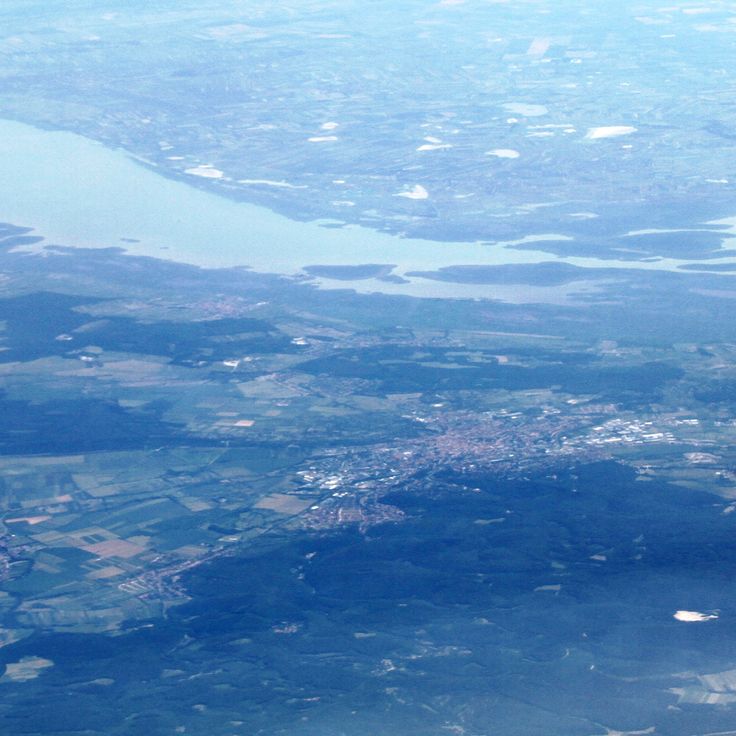
Burgenland is located in the east of Austria, near the border with Hungary. This area is known for Lake Neusiedl, a shallow lake surrounded by wetlands and vineyards. The lakeside and the nearby scenery are part of a UNESCO World Heritage site called Fertö Neusiedlersee, which stretches across the border.
The region has villages where growing grapes has been important for many years. There are also castles and forts that tell the story of a past full of change. The protected natural areas of Burgenland are home to different animals, especially migratory birds that stop in the reed beds.
This collection shows about thirty places to visit in Burgenland. You will find national parks, museums, thermal spas, nature reserves, and cultural sites. Each place gives a different look at this area where nature and human work are linked for a long time.
In the east of Austria, Burgenland offers a landscape of shallow lakes, wine villages and fortresses that tell a thousand years of history.
Burgenland is located in the east of Austria, near the border with Hungary. This area is known for Lake Neusiedl, a shallow lake surrounded by wetlands and vineyards. The lakeside and the nearby scenery are part of a UNESCO World Heritage site called Fertö Neusiedlersee, which stretches across the border.
The region has villages where growing grapes has been important for many years. There are also castles and forts that tell the story of a past full of change. The protected natural areas of Burgenland are home to different animals, especially migratory birds that stop in the reed beds.
This collection shows about thirty places to visit in Burgenland. You will find national parks, museums, thermal spas, nature reserves, and cultural sites. Each place gives a different look at this area where nature and human work are linked for a long time.
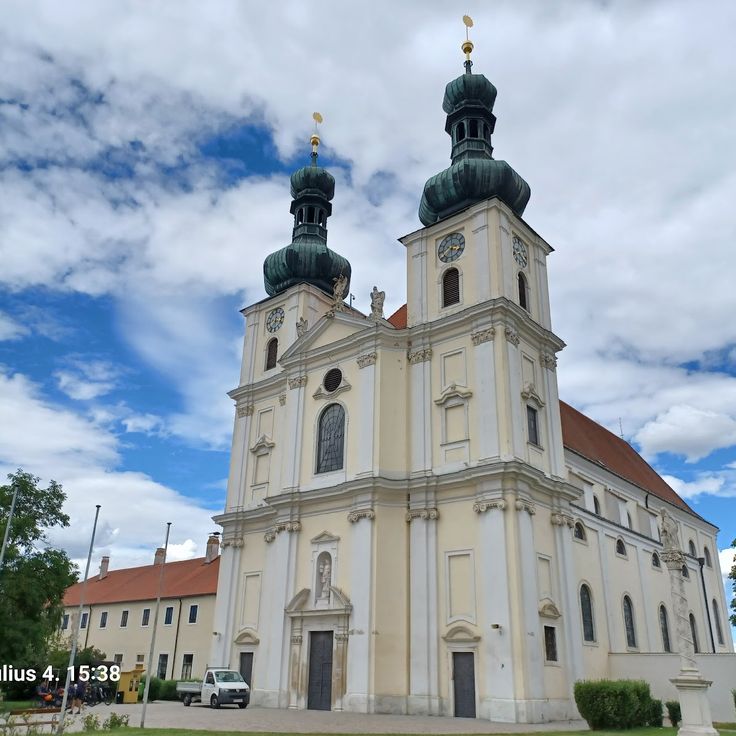
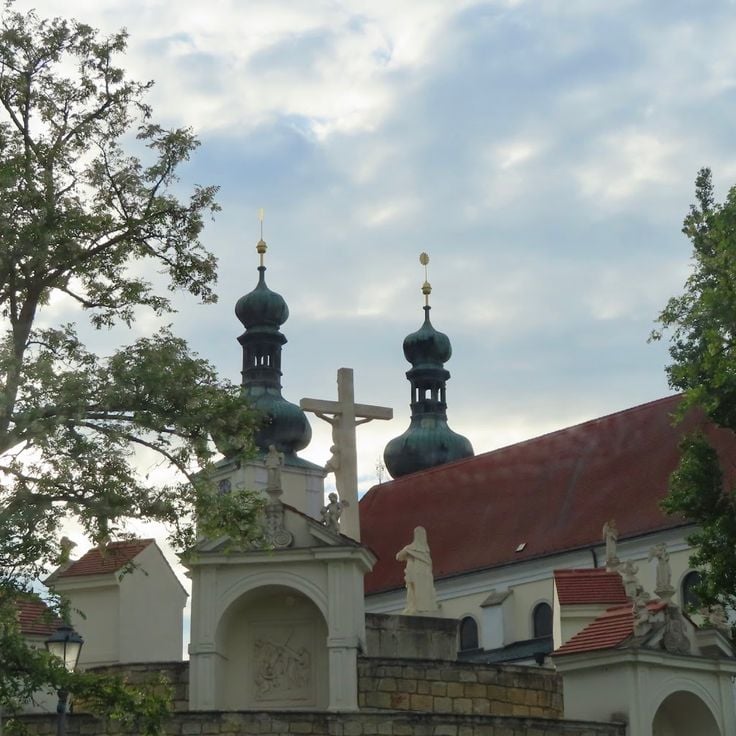
The Basilica of the Birth of Mary in Frauenkirchen is a baroque religious building and a place for pilgrims. It stands in a landscape shaped by centuries of wine-making and religious tradition. The basilica is part of the region’s cultural heritage, where nature and human history are closely connected.
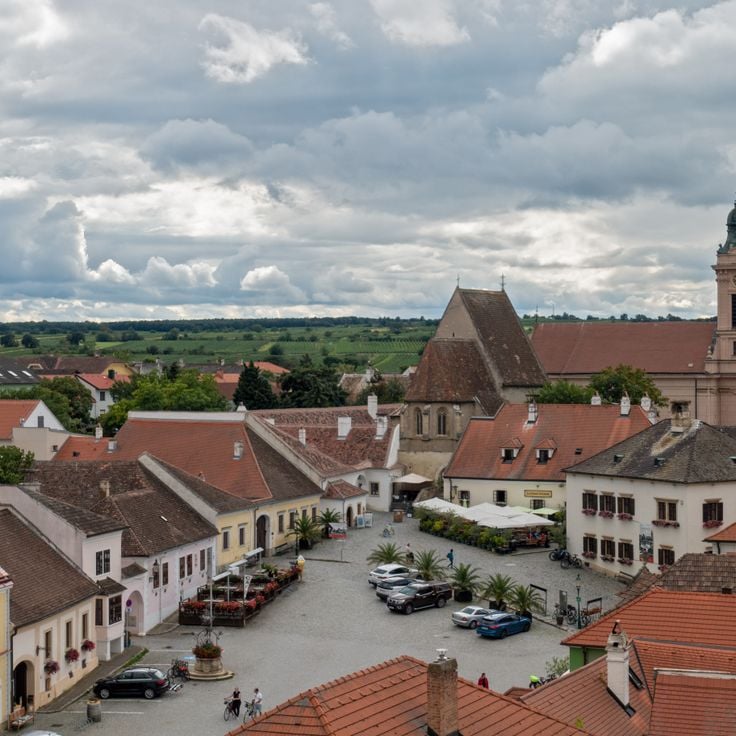
Rust is a historic village on the shores of Lake Neusiedl in Burgenland. The village stands out for its old town with narrow lanes where stork nests are visible on many rooftops. Storks return regularly here, making this place special. Wine production has shaped Rust's identity for centuries, and the surrounding landscape shows traces of this tradition. The lake sits nearby and offers space for various activities. The village brings together history, nature, and local traditions in a natural way.
Mörbisch am See is a lakeside village on Lake Neusiedl where wine and tourism shape daily life. The village is known for its floating stage, where opera performances take place during the warm months. The whitewashed houses with their typical courtyards give the place a distinctive character. Visitors come here to swim, taste wine, and attend the opera festivals.
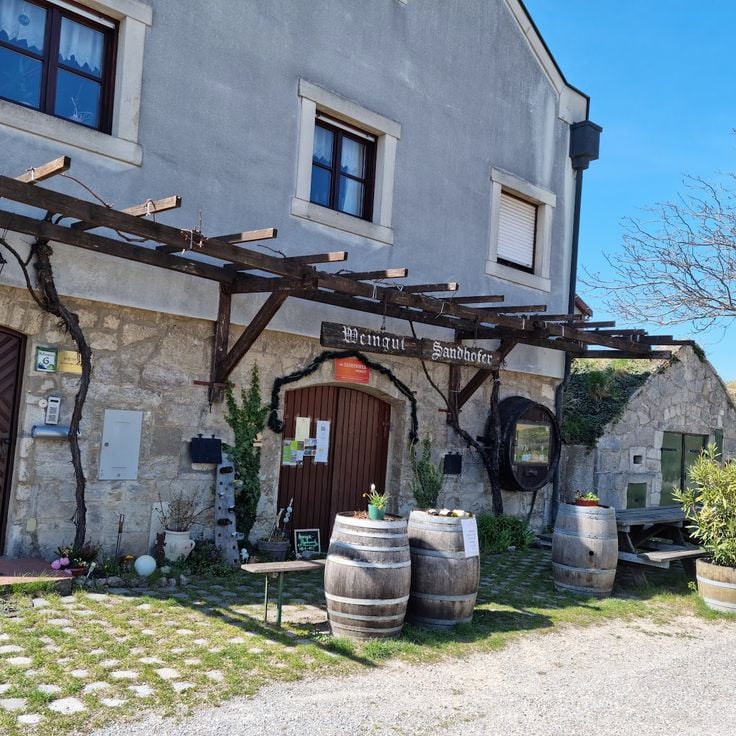
Purbach am Neusiedler See is a wine village in eastern Austria near the Hungarian border, where wine production shapes daily life. The old town center has traditional wine cellars where local producers work and store their harvest. Located near the shallow Neusiedler Lake, this village is part of the Burgenland region where vineyards and natural spaces have coexisted for centuries.
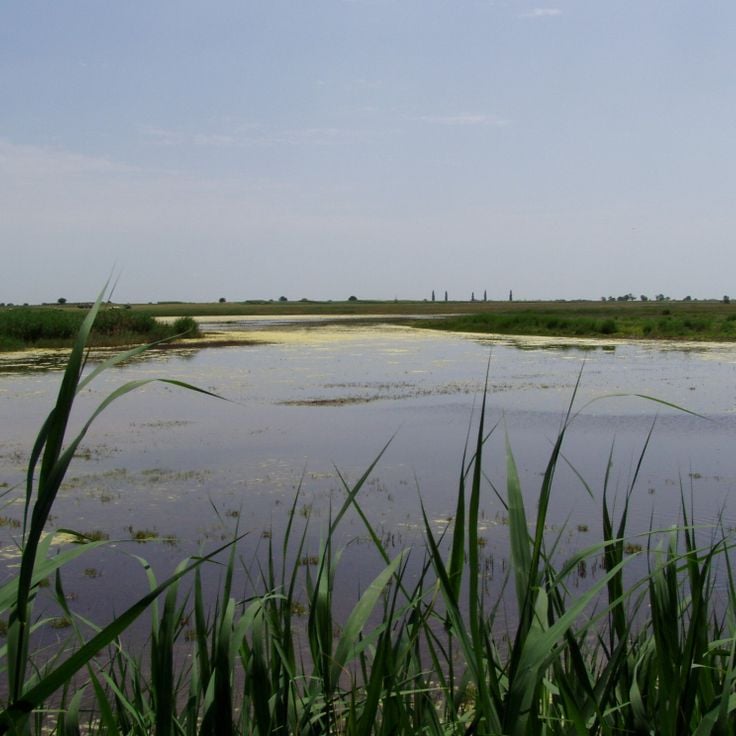
Lake Neusiedl is a shallow lake between Austria and Hungary that shapes the Burgenland region. The water is not very deep, and the shoreline is flat and open. Reed beds, meadows, and vineyards grow around the lake. The lake is known for its bird life, with migrating species stopping here to rest. The landscape changes constantly depending on how light plays on the water and how the seasons transform the vegetation. Many people come here to sail, cycle, or watch nature.
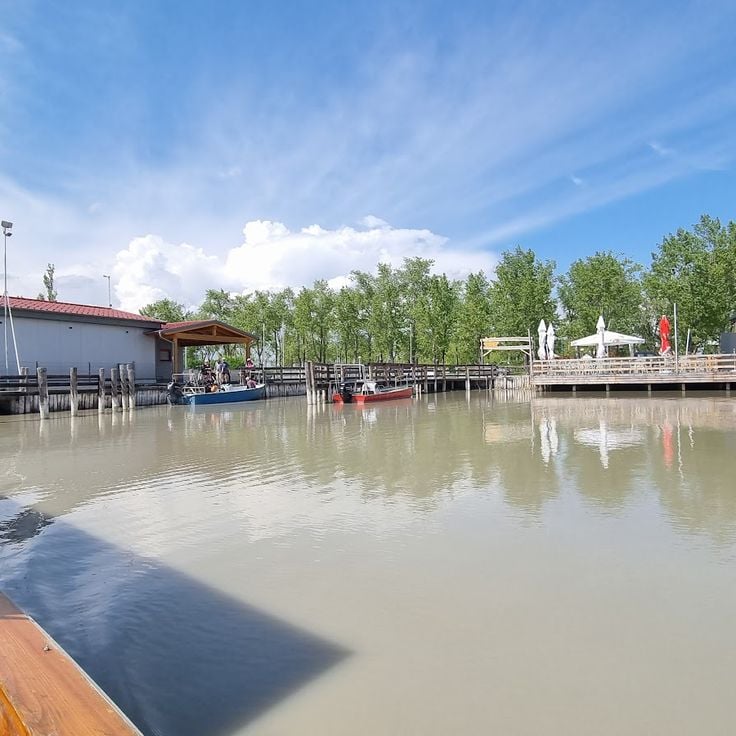
Neusiedl am See is a port town on the shore of Lake Neusiedl, where visitors can reach the water directly. The promenade along the lake offers access to the water and various services for tourists. People can walk here, enjoy views across the lake, and take part in water activities. The town connects the daily life of local residents with visits from travelers exploring this shallow lake landscape.
The Haydnsaal in Eisenstadt is a concert hall connected to the cultural heritage of the Esterhazy family. Located in the heart of this region where music history has lived for centuries, it hosts concerts and musical performances. Visitors can experience classical music in an authentic setting while the hall contributes to the cultural life of Burgenland. This venue offers a direct connection to the musical traditions that have shaped the area.
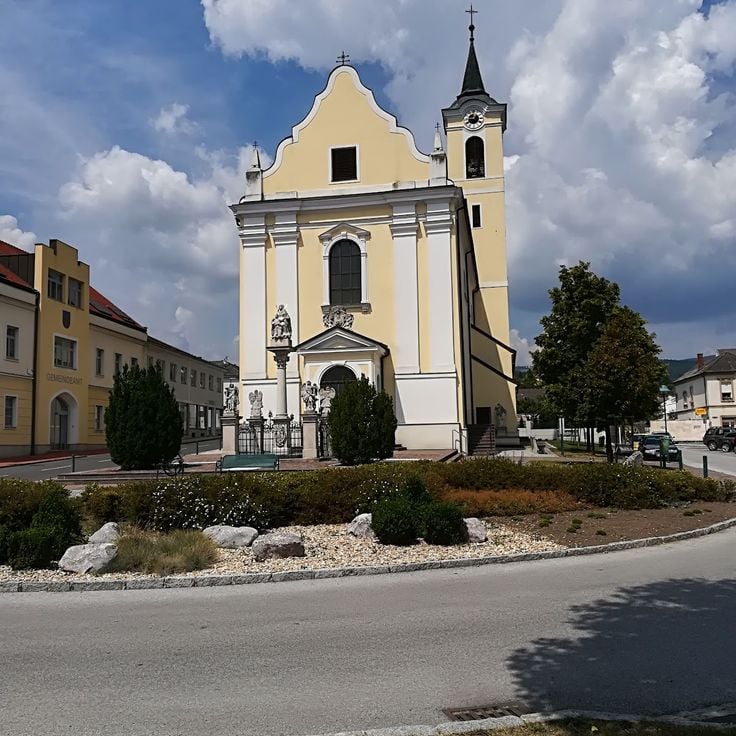
Frauenkirchen is a village in Burgenland that stands out because of its impressive Baroque basilica. The church features notable architecture that shapes the appearance of the entire place. The village itself shows how religious buildings have defined community life for generations. Visitors can experience here the importance of religious centers in the region.
Neusiedler See Seewinkel National Park protects the wetlands and shores around this shallow lake on Austria's border with Hungary. Visitors encounter reed beds, salt marshes, and open water habitats that support varied bird species and other wildlife. The park forms part of the UNESCO World Heritage site Fertö Neusiedlersee and shows how different natural zones coexist in this landscape shaped by water, plants, and seasonal changes.
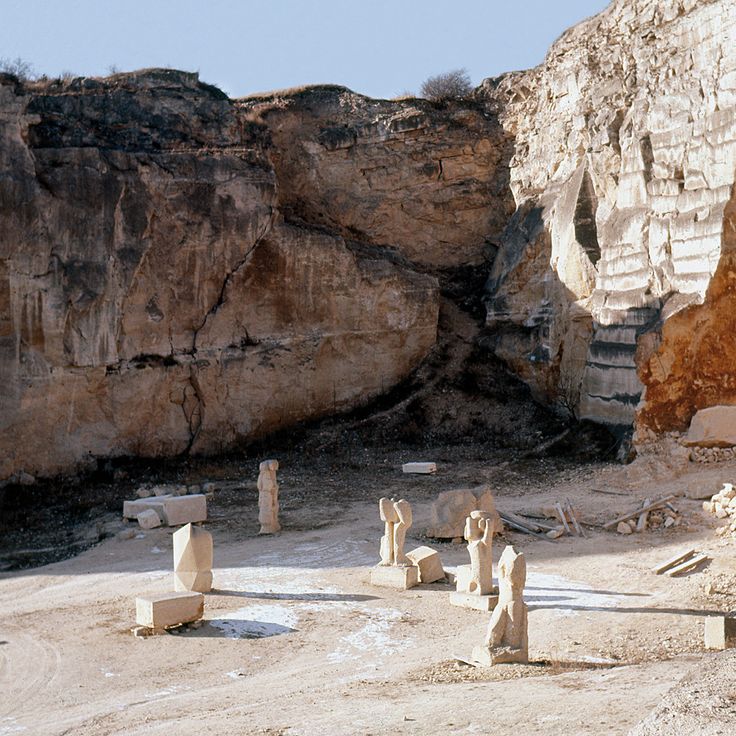
The Roman quarry at St Margarethen is an archaeological site where the Romans once extracted stone. The location was later transformed into a cultural venue. Visitors can see the marks left by ancient quarrying and learn how this resource was used centuries ago. The site connects history with modern culture and demonstrates the link between the Roman past and contemporary life in the Burgenland region.
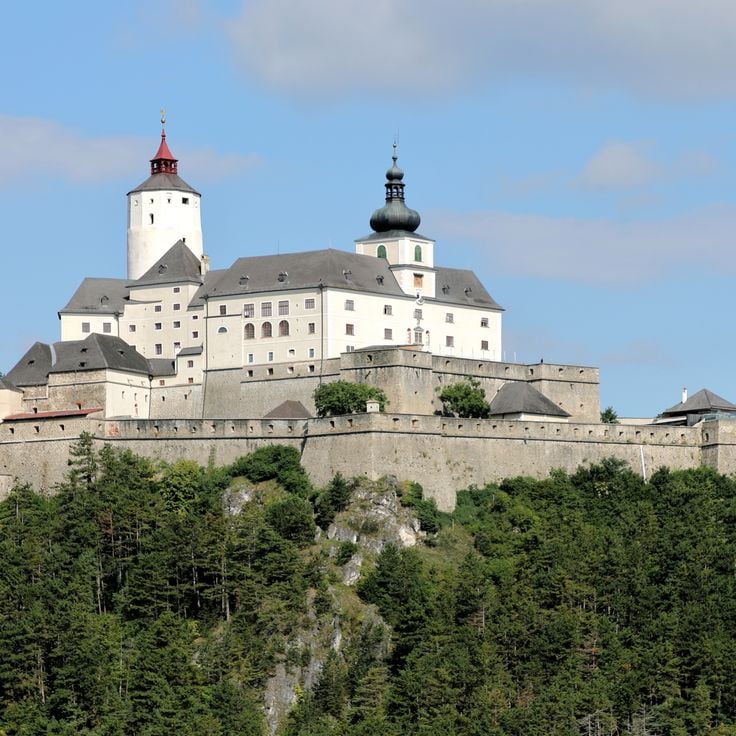
Burg Forchtenstein rises on a rocky hill in Burgenland and has shaped the history of the region for centuries. The castle belonged to the Esterházy family for a long time and holds one of the largest private collections in Austria: weapons, armor, portraits and everyday objects from many centuries fill its rooms. From the walls, you can see far across the hills and the plain stretching toward Hungary.
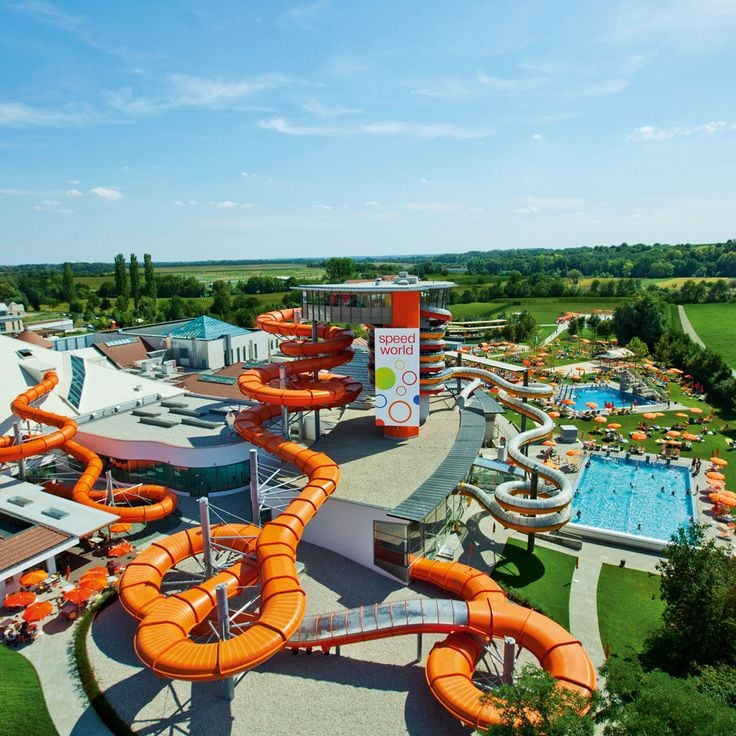
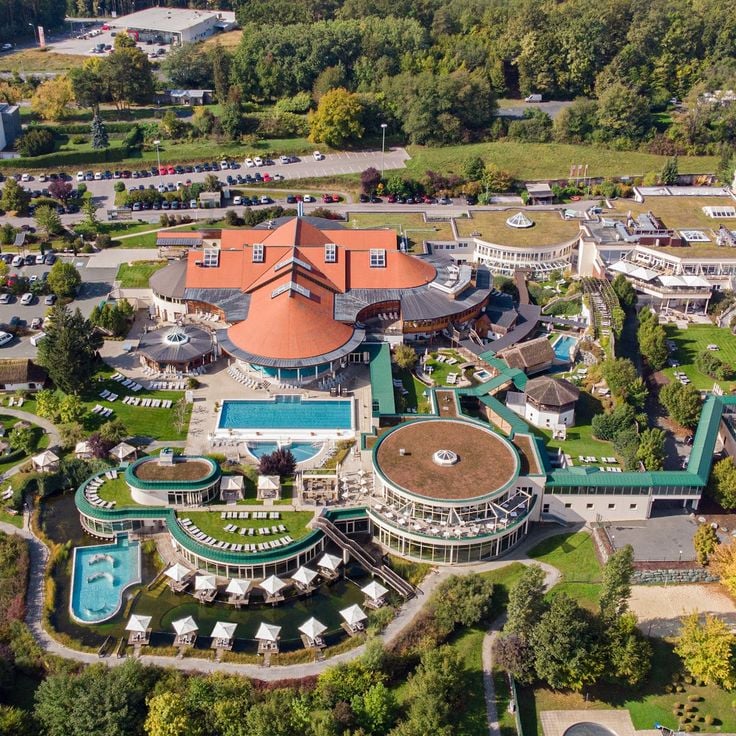
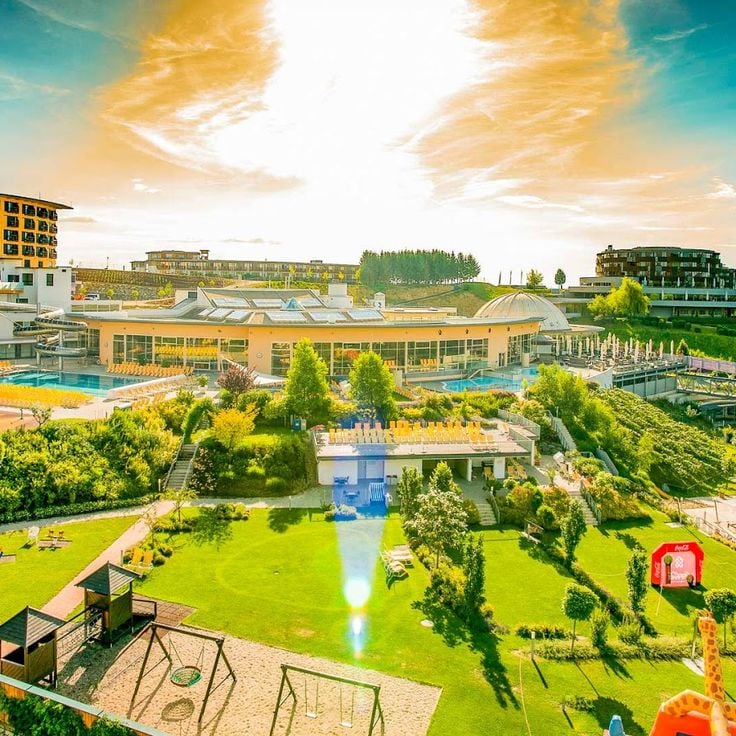
Sonnentherme Lutzmannsburg is a thermal spa in the Burgenland region where visitors can bathe in warm mineral water pools. The facility offers several pools filled with water from natural springs, known for its healing properties. Guests can relax and enjoy the benefits of the mineral-rich water while taking in the surrounding landscape of the region. The thermal spa is a place where relaxation and nature come together.
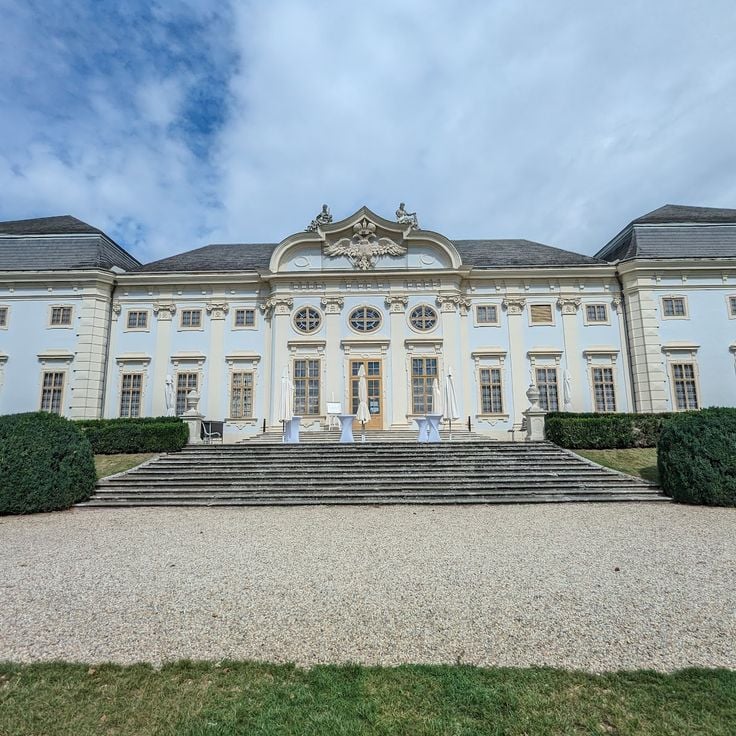
Schloss Halbturn is a palace in Halbturn that displays exhibitions and historical collections. The castle is located in the Burgenland region and offers visitors insight into the history of this border area between Austria and Hungary. The rooms of the palace present artworks and objects that document the cultural development of the region. Visitors can walk through the halls and learn more about the people who lived here.
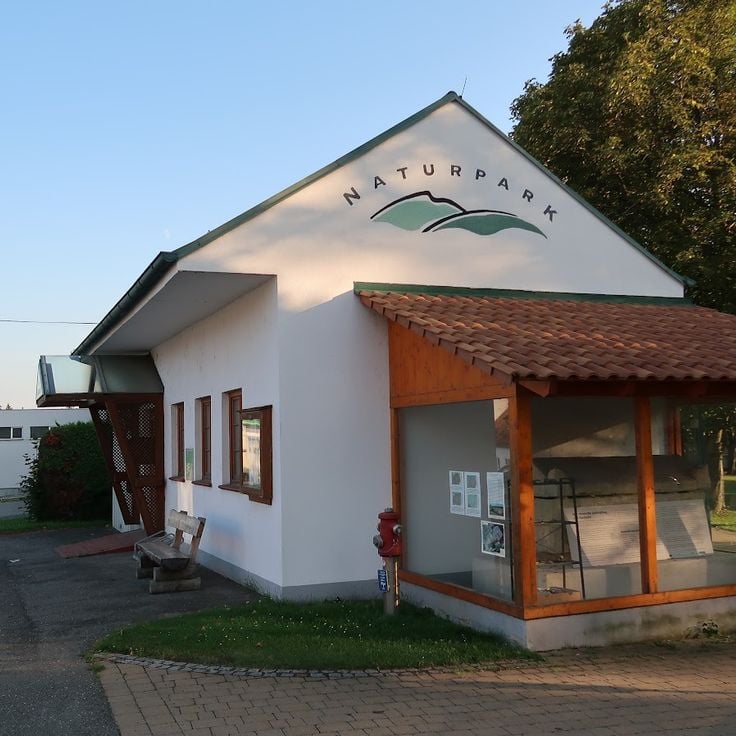
The Naturpark Rosalia Kogelberg sits near Mattersburg and offers visitors forests and rolling hillsides to explore. The park is part of the Burgenland's varied natural landscape, where nature and human activity have long coexisted. The woods and hills here show the diversity of a region positioned between Central Europe and the Balkans.
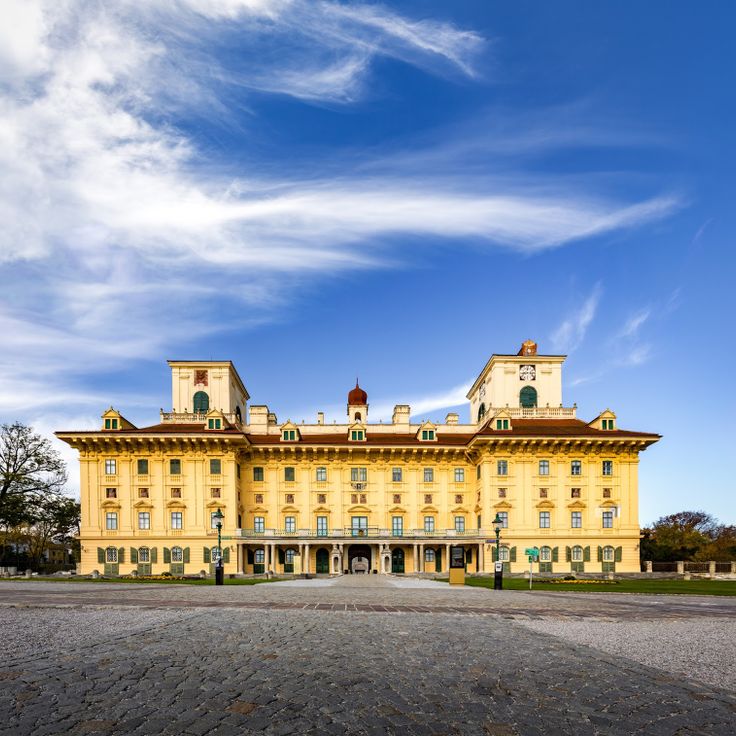
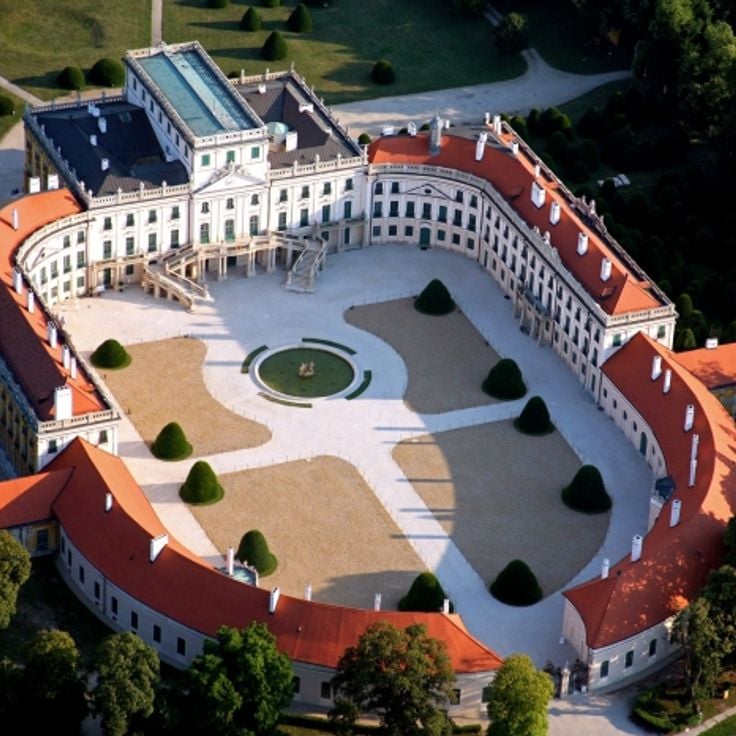
Schloss Esterhazy in Eisenstadt has been the residence of one of the most powerful noble families of Austria for centuries. The castle's architecture and collections tell the history of the region. Today it functions as a cultural center where concerts and exhibitions are held regularly. Visitors can walk through the rooms and see the artworks preserved here.
Eisenstadt is the capital of Burgenland and reflects the long cultural history of this eastern region. The city sits in the western part of Burgenland, near the border with Hungary, and was once the seat of a wealthy family that supported music and the arts. In the old town center, narrow streets wind between historic buildings. Esterhazy Castle rises in the city and shows how the aristocracy lived in earlier times. The composer Joseph Haydn worked there for many years. The city honors this connection, and several museums tell the story of the region's past.
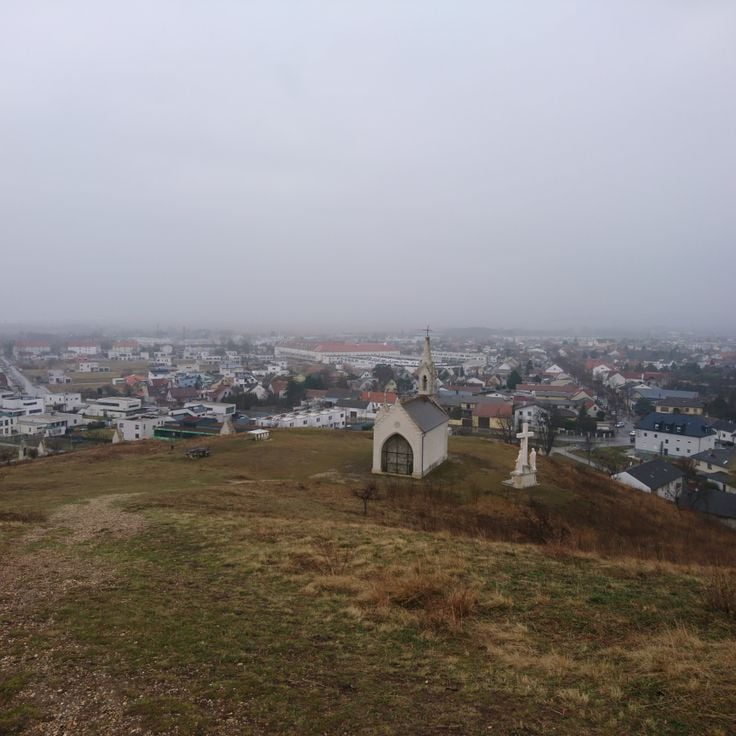
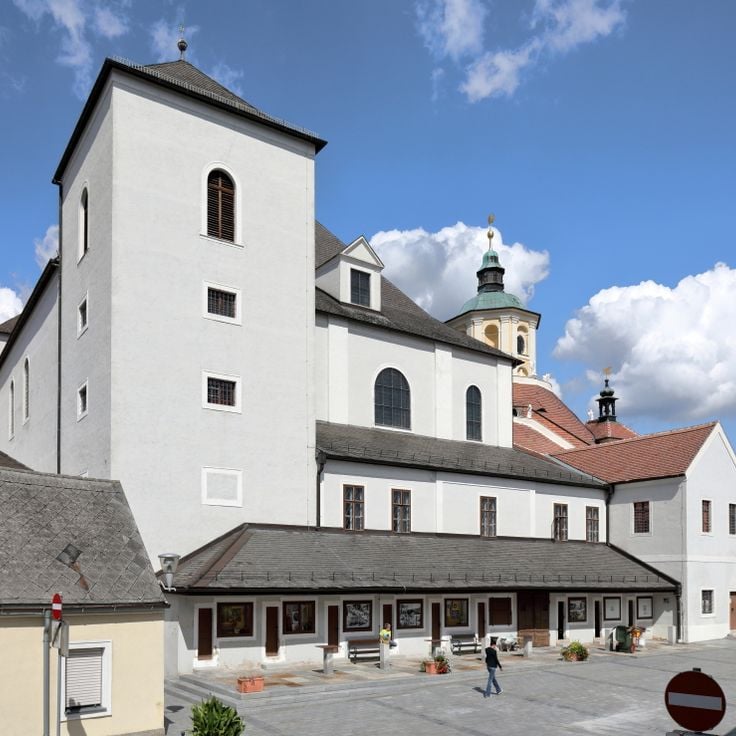
Bergkirche Eisenstadt is a Baroque church that stands on a hill in Eisenstadt. Inside, a mausoleum holds the remains of the famous composer Haydn. This church shows the religious architecture that developed during the Baroque period in this region of Central Europe and continues to this day.
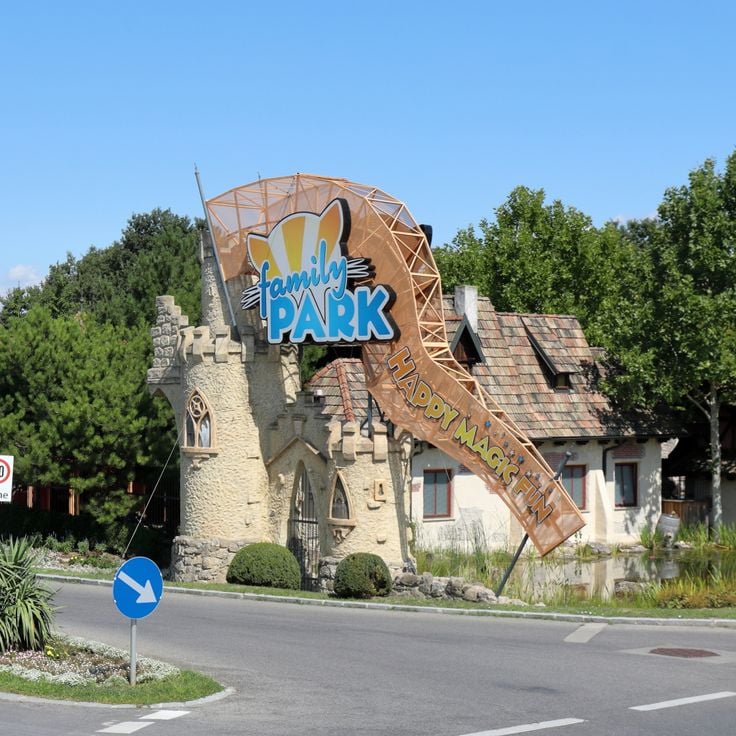
Familypark in St. Margarethen im Burgenland is an amusement park with rides and games for people of all ages. Located in a region known for its lakes, vineyards and historic castles, the park offers fun and adventure for visitors of all ages.
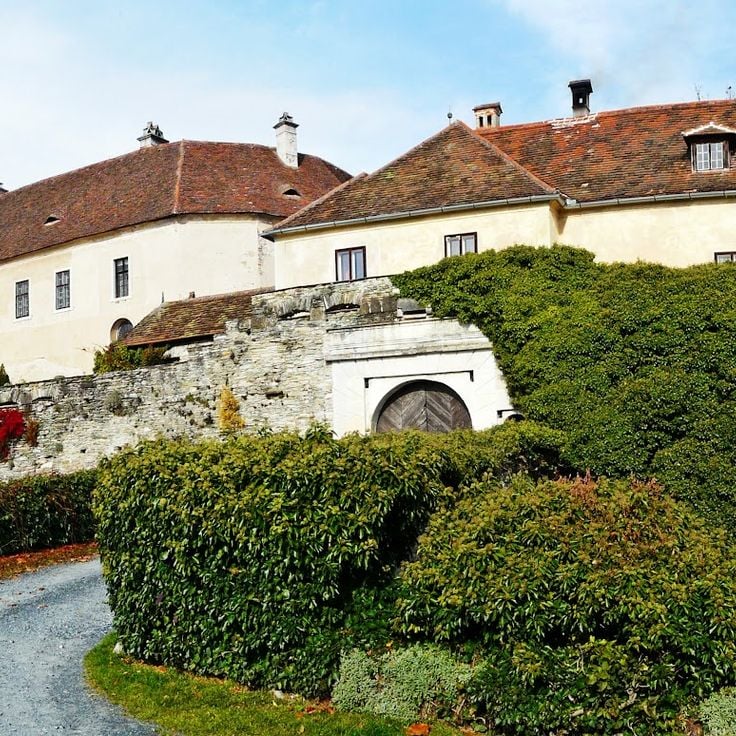
Schloss Lackenbach is a historical castle in the center of Burgenland, reflecting the eventful past of this region between Central Europe and the Balkans. The castle stands within a landscape shaped by centuries of wine cultivation and rural life. It tells of a time when such fortifications were important posts in an area crossed by many cultures.
The Rust Leithaberg wine route runs through northern Burgenland, passing through vineyards and wine villages. This route shows the wine culture of the region, where growers have cultivated grapes for generations. The landscape alternates between gentle hills, vines, and small towns shaped by wine production. Visitors can taste different wines and learn about the work in the cellars.
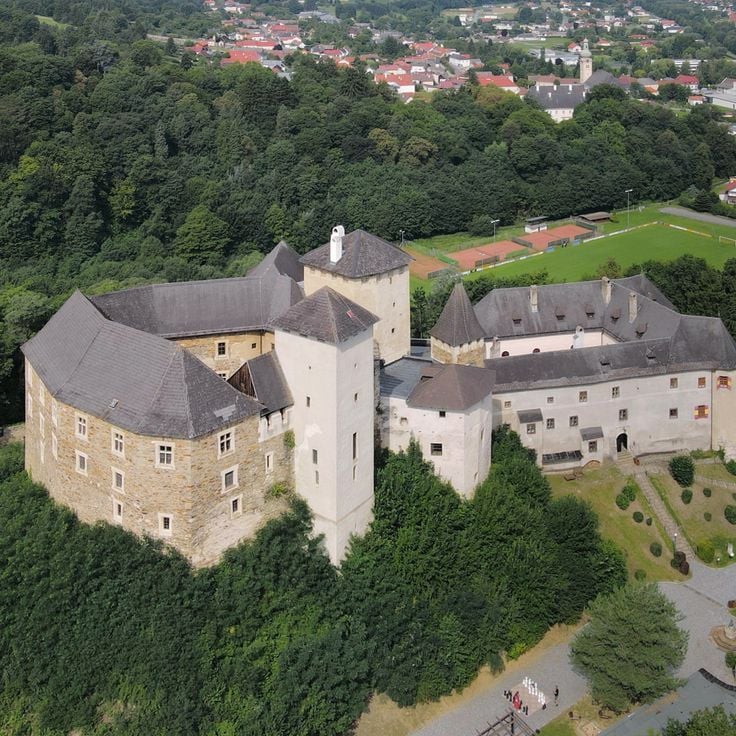
Burg Lockenhaus is a medieval fortress in southern Burgenland that rises on a hilltop and shapes the landscape. This castle complex displays architectural elements from different periods and tells the story of the turbulent history of this border region between Central Europe and the Balkans. Burg Lockenhaus invites visitors to explore its rooms and fortifications while gaining insight into the past of the region.
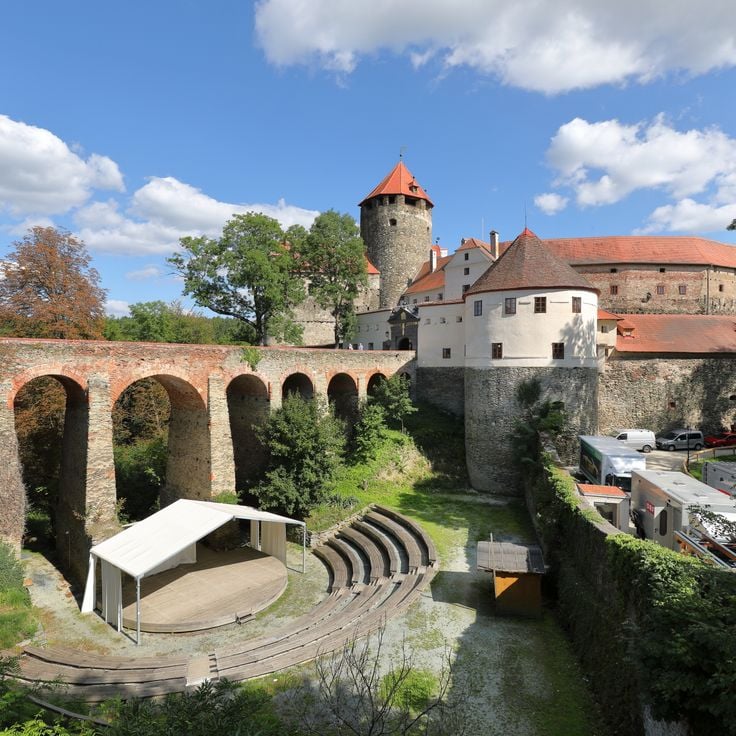
This castle in Stadtschlaining houses a museum dedicated to local history and the theme of peace. The building itself tells the story of the Burgenland's turbulent past, while exhibitions offer visitors insights into how this border region developed.
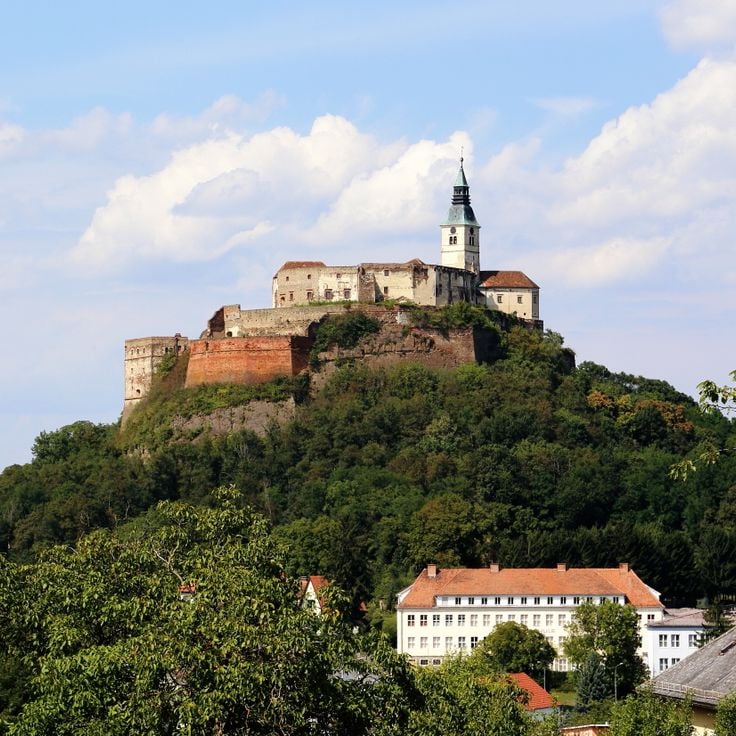
Burg Gussing rises from a volcanic formation in southern Burgenland. The castle overlooks the surrounding landscape and reflects the complex history of this border region between Central Europe and the Balkans. From its walls, visitors can see across the lands where vineyards and settlements have shaped the territory for centuries. The structure stands as evidence of this area's strategic importance and offers insight into the past of this Austrian region.
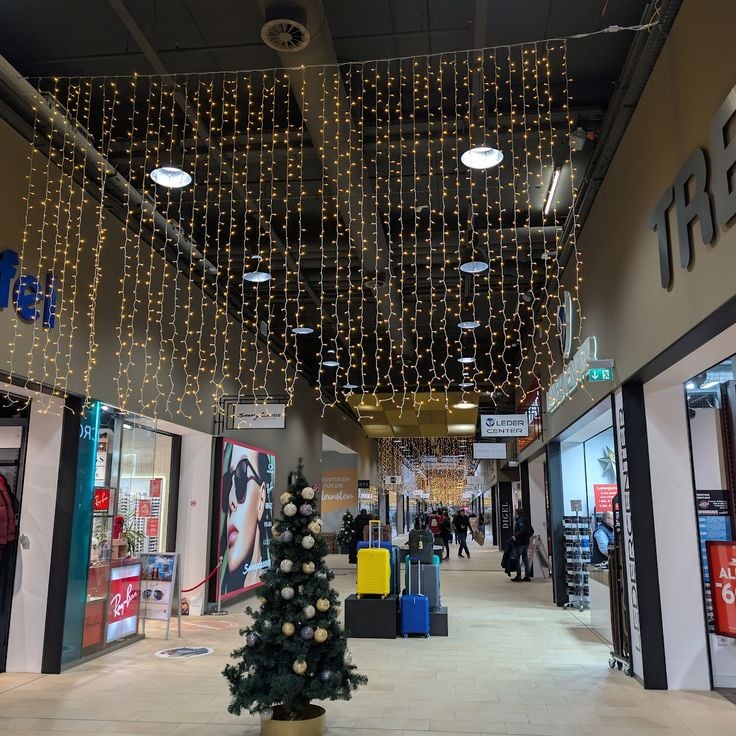
This outlet center in Parndorf features shops from designer brands and popular retailers. Visitors come here looking for discounted products across various categories. The center is easy to reach and sits in a region known for its location between Austria and Hungary.
Bernstein is a village in Burgenland centered around a medieval castle that sits prominently above the town. This castle shaped the region's history and continues to define the character of the place. The village developed as a stopping point on the amber trade route, where merchants moved goods between northern and southern Europe. Walking through Bernstein, you see narrow streets lined with old stone buildings that reflect this trading heritage. Visitors can tour the castle and explore the historical core of the village to understand how trade and local power shaped life here for centuries.
The Avita Resort in Bad Tatzmannsdorf is a thermal spa with modern facilities for relaxation. Visitors can take advantage of the healing properties of the local thermal springs. The resort features multiple pools and wellness areas set within the landscape of Burgenland. Guests come here to take a break from daily life and enjoy the quiet surroundings.
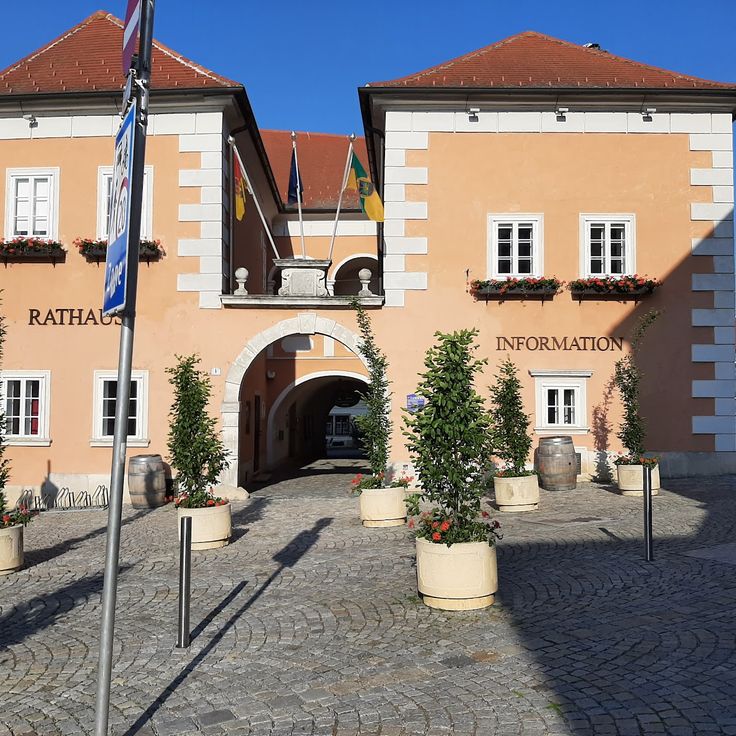
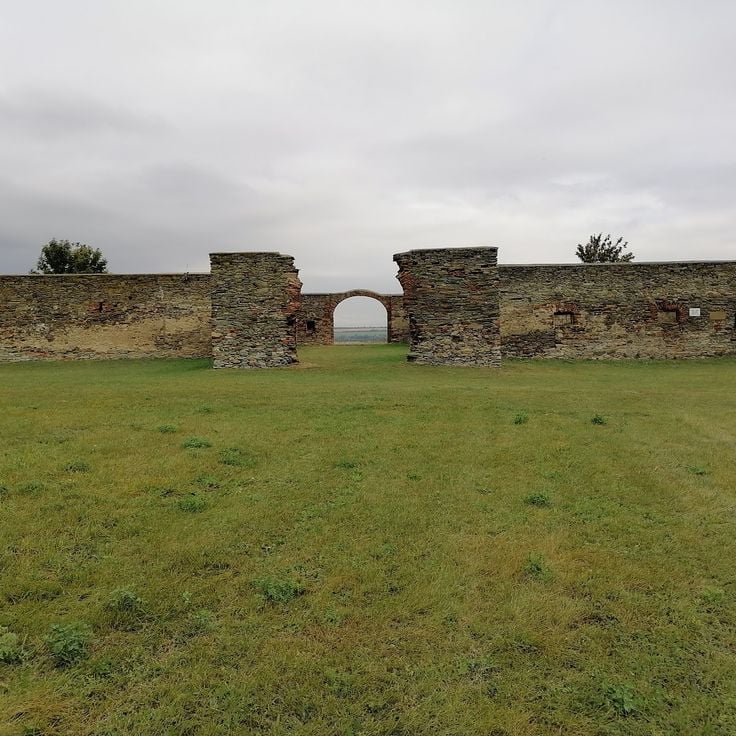
Rechnitz is in southern Burgenland and shows the history of this border region. The city has old buildings that tell stories of its past. Visitors can see the castle that rises above the town and walk through narrow streets. Rechnitz was long an important place between Central Europe and the Balkans. The local architecture reflects the different cultures that have shaped this region.
The Kreuzstadl in Rechnitz is a historical monument that tells the story of this town in Burgenland. It stands as a witness to the past and shows how people have lived and worked here over the centuries. The building is part of the cultural heritage that shapes Rechnitz.
The Naturpark Raab Oerskog Goricko is a transnational nature park in the southeast of Burgenland. It spreads across three countries, connecting Austria, Hungary, and Slovenia. The park protects a varied landscape of river valleys, forests, and hills. The Raab River runs through it, creating habitats for many plants and animals. Small villages sit scattered throughout this region, where farming and nature exist side by side. Walkers find quiet paths through different landscapes here. The park shows how neighboring regions can work together to protect nature.
Naturpark Geschriebenstein Irottkö sits in the western part of Burgenland near the Hungarian border and covers the region's highest point. The park spreads across forests and meadows that can be explored on foot. The landscape shows different habitats, from wet valleys to drier hillsides. Visitors find walking routes of various lengths and levels of difficulty. The place draws people who want to discover Burgenland's nature by walking.
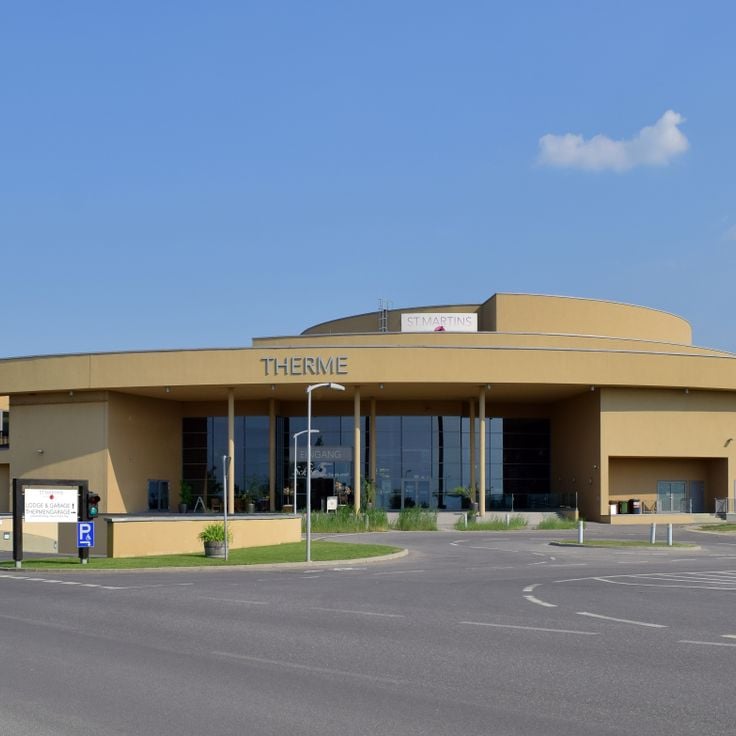
St Martins Therme and Lodge in Frauenkirchen is a thermal bath and wellness center in the Burgenland region. The facility features warm mineral water pools, saunas, and various wellness treatments. Guests can stay overnight and benefit from the healing properties of natural thermal water. The center sits in an area long known for its natural hot springs, where rest and wellness are deeply valued.
The Therme Stegersbach offers thermal pools filled with mineral water and wellness services. The place is in Burgenland, a region where nature and human activity have existed side by side for a long time. The thermal baths make use of the geothermal resources available in the area.
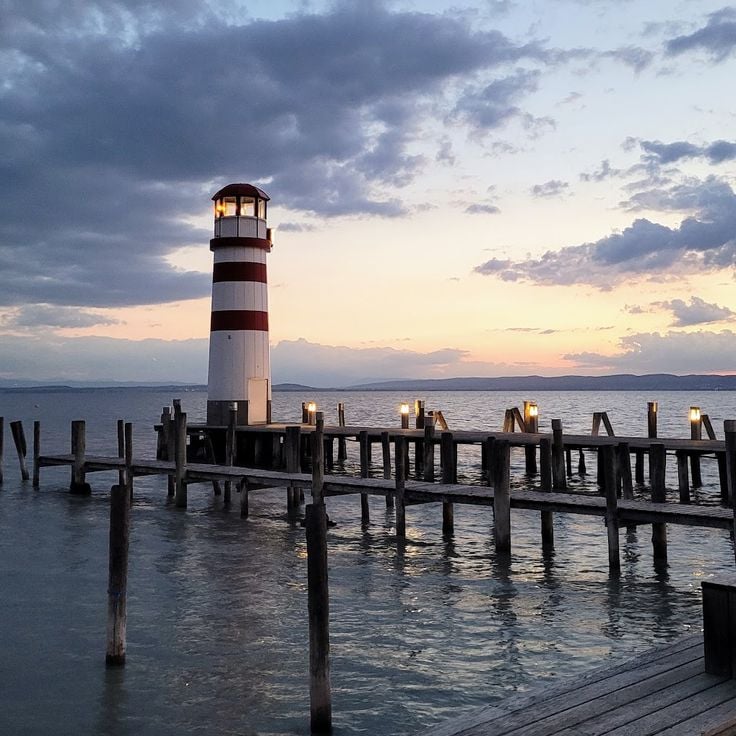
Podersdorf am See is a village on the edge of Lake Neusiedl. The village has a beach and a tall lighthouse that can be seen from far away. Many people come here to swim and sail. The shallow water of the lake is good for these activities. The village faces Hungary on the other side of the border because the lake stretches on both sides. The surroundings show how people and nature have shared this place for a long time.
The Basilica of the Birth of Mary in Frauenkirchen is a baroque religious building and a place for pilgrims. It stands in a landscape shaped by centuries of wine-making and religious tradition. The basilica is part of the region’s cultural heritage, where nature and human history are closely connected.
Rust is a historic village on the shores of Lake Neusiedl in Burgenland. The village stands out for its old town with narrow lanes where stork nests are visible on many rooftops. Storks return regularly here, making this place special. Wine production has shaped Rust's identity for centuries, and the surrounding landscape shows traces of this tradition. The lake sits nearby and offers space for various activities. The village brings together history, nature, and local traditions in a natural way.
Mörbisch am See is a lakeside village on Lake Neusiedl where wine and tourism shape daily life. The village is known for its floating stage, where opera performances take place during the warm months. The whitewashed houses with their typical courtyards give the place a distinctive character. Visitors come here to swim, taste wine, and attend the opera festivals.
Purbach am Neusiedler See is a wine village in eastern Austria near the Hungarian border, where wine production shapes daily life. The old town center has traditional wine cellars where local producers work and store their harvest. Located near the shallow Neusiedler Lake, this village is part of the Burgenland region where vineyards and natural spaces have coexisted for centuries.
Lake Neusiedl is a shallow lake between Austria and Hungary that shapes the Burgenland region. The water is not very deep, and the shoreline is flat and open. Reed beds, meadows, and vineyards grow around the lake. The lake is known for its bird life, with migrating species stopping here to rest. The landscape changes constantly depending on how light plays on the water and how the seasons transform the vegetation. Many people come here to sail, cycle, or watch nature.
Neusiedl am See is a port town on the shore of Lake Neusiedl, where visitors can reach the water directly. The promenade along the lake offers access to the water and various services for tourists. People can walk here, enjoy views across the lake, and take part in water activities. The town connects the daily life of local residents with visits from travelers exploring this shallow lake landscape.
The Haydnsaal in Eisenstadt is a concert hall connected to the cultural heritage of the Esterhazy family. Located in the heart of this region where music history has lived for centuries, it hosts concerts and musical performances. Visitors can experience classical music in an authentic setting while the hall contributes to the cultural life of Burgenland. This venue offers a direct connection to the musical traditions that have shaped the area.
Frauenkirchen is a village in Burgenland that stands out because of its impressive Baroque basilica. The church features notable architecture that shapes the appearance of the entire place. The village itself shows how religious buildings have defined community life for generations. Visitors can experience here the importance of religious centers in the region.
Neusiedler See Seewinkel National Park protects the wetlands and shores around this shallow lake on Austria's border with Hungary. Visitors encounter reed beds, salt marshes, and open water habitats that support varied bird species and other wildlife. The park forms part of the UNESCO World Heritage site Fertö Neusiedlersee and shows how different natural zones coexist in this landscape shaped by water, plants, and seasonal changes.
The Roman quarry at St Margarethen is an archaeological site where the Romans once extracted stone. The location was later transformed into a cultural venue. Visitors can see the marks left by ancient quarrying and learn how this resource was used centuries ago. The site connects history with modern culture and demonstrates the link between the Roman past and contemporary life in the Burgenland region.
Burg Forchtenstein rises on a rocky hill in Burgenland and has shaped the history of the region for centuries. The castle belonged to the Esterházy family for a long time and holds one of the largest private collections in Austria: weapons, armor, portraits and everyday objects from many centuries fill its rooms. From the walls, you can see far across the hills and the plain stretching toward Hungary.
Sonnentherme Lutzmannsburg is a thermal spa in the Burgenland region where visitors can bathe in warm mineral water pools. The facility offers several pools filled with water from natural springs, known for its healing properties. Guests can relax and enjoy the benefits of the mineral-rich water while taking in the surrounding landscape of the region. The thermal spa is a place where relaxation and nature come together.
Schloss Halbturn is a palace in Halbturn that displays exhibitions and historical collections. The castle is located in the Burgenland region and offers visitors insight into the history of this border area between Austria and Hungary. The rooms of the palace present artworks and objects that document the cultural development of the region. Visitors can walk through the halls and learn more about the people who lived here.
The Naturpark Rosalia Kogelberg sits near Mattersburg and offers visitors forests and rolling hillsides to explore. The park is part of the Burgenland's varied natural landscape, where nature and human activity have long coexisted. The woods and hills here show the diversity of a region positioned between Central Europe and the Balkans.
Schloss Esterhazy in Eisenstadt has been the residence of one of the most powerful noble families of Austria for centuries. The castle's architecture and collections tell the history of the region. Today it functions as a cultural center where concerts and exhibitions are held regularly. Visitors can walk through the rooms and see the artworks preserved here.
Eisenstadt is the capital of Burgenland and reflects the long cultural history of this eastern region. The city sits in the western part of Burgenland, near the border with Hungary, and was once the seat of a wealthy family that supported music and the arts. In the old town center, narrow streets wind between historic buildings. Esterhazy Castle rises in the city and shows how the aristocracy lived in earlier times. The composer Joseph Haydn worked there for many years. The city honors this connection, and several museums tell the story of the region's past.
Bergkirche Eisenstadt is a Baroque church that stands on a hill in Eisenstadt. Inside, a mausoleum holds the remains of the famous composer Haydn. This church shows the religious architecture that developed during the Baroque period in this region of Central Europe and continues to this day.
Familypark in St. Margarethen im Burgenland is an amusement park with rides and games for people of all ages. Located in a region known for its lakes, vineyards and historic castles, the park offers fun and adventure for visitors of all ages.
Schloss Lackenbach is a historical castle in the center of Burgenland, reflecting the eventful past of this region between Central Europe and the Balkans. The castle stands within a landscape shaped by centuries of wine cultivation and rural life. It tells of a time when such fortifications were important posts in an area crossed by many cultures.
The Rust Leithaberg wine route runs through northern Burgenland, passing through vineyards and wine villages. This route shows the wine culture of the region, where growers have cultivated grapes for generations. The landscape alternates between gentle hills, vines, and small towns shaped by wine production. Visitors can taste different wines and learn about the work in the cellars.
Burg Lockenhaus is a medieval fortress in southern Burgenland that rises on a hilltop and shapes the landscape. This castle complex displays architectural elements from different periods and tells the story of the turbulent history of this border region between Central Europe and the Balkans. Burg Lockenhaus invites visitors to explore its rooms and fortifications while gaining insight into the past of the region.
This castle in Stadtschlaining houses a museum dedicated to local history and the theme of peace. The building itself tells the story of the Burgenland's turbulent past, while exhibitions offer visitors insights into how this border region developed.
Burg Gussing rises from a volcanic formation in southern Burgenland. The castle overlooks the surrounding landscape and reflects the complex history of this border region between Central Europe and the Balkans. From its walls, visitors can see across the lands where vineyards and settlements have shaped the territory for centuries. The structure stands as evidence of this area's strategic importance and offers insight into the past of this Austrian region.
This outlet center in Parndorf features shops from designer brands and popular retailers. Visitors come here looking for discounted products across various categories. The center is easy to reach and sits in a region known for its location between Austria and Hungary.
Bernstein is a village in Burgenland centered around a medieval castle that sits prominently above the town. This castle shaped the region's history and continues to define the character of the place. The village developed as a stopping point on the amber trade route, where merchants moved goods between northern and southern Europe. Walking through Bernstein, you see narrow streets lined with old stone buildings that reflect this trading heritage. Visitors can tour the castle and explore the historical core of the village to understand how trade and local power shaped life here for centuries.
The Avita Resort in Bad Tatzmannsdorf is a thermal spa with modern facilities for relaxation. Visitors can take advantage of the healing properties of the local thermal springs. The resort features multiple pools and wellness areas set within the landscape of Burgenland. Guests come here to take a break from daily life and enjoy the quiet surroundings.
Rechnitz is in southern Burgenland and shows the history of this border region. The city has old buildings that tell stories of its past. Visitors can see the castle that rises above the town and walk through narrow streets. Rechnitz was long an important place between Central Europe and the Balkans. The local architecture reflects the different cultures that have shaped this region.
The Kreuzstadl in Rechnitz is a historical monument that tells the story of this town in Burgenland. It stands as a witness to the past and shows how people have lived and worked here over the centuries. The building is part of the cultural heritage that shapes Rechnitz.
The Naturpark Raab Oerskog Goricko is a transnational nature park in the southeast of Burgenland. It spreads across three countries, connecting Austria, Hungary, and Slovenia. The park protects a varied landscape of river valleys, forests, and hills. The Raab River runs through it, creating habitats for many plants and animals. Small villages sit scattered throughout this region, where farming and nature exist side by side. Walkers find quiet paths through different landscapes here. The park shows how neighboring regions can work together to protect nature.
Naturpark Geschriebenstein Irottkö sits in the western part of Burgenland near the Hungarian border and covers the region's highest point. The park spreads across forests and meadows that can be explored on foot. The landscape shows different habitats, from wet valleys to drier hillsides. Visitors find walking routes of various lengths and levels of difficulty. The place draws people who want to discover Burgenland's nature by walking.
St Martins Therme and Lodge in Frauenkirchen is a thermal bath and wellness center in the Burgenland region. The facility features warm mineral water pools, saunas, and various wellness treatments. Guests can stay overnight and benefit from the healing properties of natural thermal water. The center sits in an area long known for its natural hot springs, where rest and wellness are deeply valued.
The Therme Stegersbach offers thermal pools filled with mineral water and wellness services. The place is in Burgenland, a region where nature and human activity have existed side by side for a long time. The thermal baths make use of the geothermal resources available in the area.
Podersdorf am See is a village on the edge of Lake Neusiedl. The village has a beach and a tall lighthouse that can be seen from far away. Many people come here to swim and sail. The shallow water of the lake is good for these activities. The village faces Hungary on the other side of the border because the lake stretches on both sides. The surroundings show how people and nature have shared this place for a long time.
The Basilica of the Birth of Mary in Frauenkirchen is a baroque religious building and a place for pilgrims. It stands in a landscape shaped by centuries of wine-making and religious tradition. The basilica is part of the region’s cultural heritage, where nature and human history are closely connected.
Rust is a historic village on the shores of Lake Neusiedl in Burgenland. The village stands out for its old town with narrow lanes where stork nests are visible on many rooftops. Storks return regularly here, making this place special. Wine production has shaped Rust's identity for centuries, and the surrounding landscape shows traces of this tradition. The lake sits nearby and offers space for various activities. The village brings together history, nature, and local traditions in a natural way.
Mörbisch am See is a lakeside village on Lake Neusiedl where wine and tourism shape daily life. The village is known for its floating stage, where opera performances take place during the warm months. The whitewashed houses with their typical courtyards give the place a distinctive character. Visitors come here to swim, taste wine, and attend the opera festivals.
Purbach am Neusiedler See is a wine village in eastern Austria near the Hungarian border, where wine production shapes daily life. The old town center has traditional wine cellars where local producers work and store their harvest. Located near the shallow Neusiedler Lake, this village is part of the Burgenland region where vineyards and natural spaces have coexisted for centuries.
Lake Neusiedl is a shallow lake between Austria and Hungary that shapes the Burgenland region. The water is not very deep, and the shoreline is flat and open. Reed beds, meadows, and vineyards grow around the lake. The lake is known for its bird life, with migrating species stopping here to rest. The landscape changes constantly depending on how light plays on the water and how the seasons transform the vegetation. Many people come here to sail, cycle, or watch nature.
Neusiedl am See is a port town on the shore of Lake Neusiedl, where visitors can reach the water directly. The promenade along the lake offers access to the water and various services for tourists. People can walk here, enjoy views across the lake, and take part in water activities. The town connects the daily life of local residents with visits from travelers exploring this shallow lake landscape.
The Haydnsaal in Eisenstadt is a concert hall connected to the cultural heritage of the Esterhazy family. Located in the heart of this region where music history has lived for centuries, it hosts concerts and musical performances. Visitors can experience classical music in an authentic setting while the hall contributes to the cultural life of Burgenland. This venue offers a direct connection to the musical traditions that have shaped the area.
Frauenkirchen is a village in Burgenland that stands out because of its impressive Baroque basilica. The church features notable architecture that shapes the appearance of the entire place. The village itself shows how religious buildings have defined community life for generations. Visitors can experience here the importance of religious centers in the region.
Neusiedler See Seewinkel National Park protects the wetlands and shores around this shallow lake on Austria's border with Hungary. Visitors encounter reed beds, salt marshes, and open water habitats that support varied bird species and other wildlife. The park forms part of the UNESCO World Heritage site Fertö Neusiedlersee and shows how different natural zones coexist in this landscape shaped by water, plants, and seasonal changes.
The Roman quarry at St Margarethen is an archaeological site where the Romans once extracted stone. The location was later transformed into a cultural venue. Visitors can see the marks left by ancient quarrying and learn how this resource was used centuries ago. The site connects history with modern culture and demonstrates the link between the Roman past and contemporary life in the Burgenland region.
Burg Forchtenstein rises on a rocky hill in Burgenland and has shaped the history of the region for centuries. The castle belonged to the Esterházy family for a long time and holds one of the largest private collections in Austria: weapons, armor, portraits and everyday objects from many centuries fill its rooms. From the walls, you can see far across the hills and the plain stretching toward Hungary.
Sonnentherme Lutzmannsburg is a thermal spa in the Burgenland region where visitors can bathe in warm mineral water pools. The facility offers several pools filled with water from natural springs, known for its healing properties. Guests can relax and enjoy the benefits of the mineral-rich water while taking in the surrounding landscape of the region. The thermal spa is a place where relaxation and nature come together.
Schloss Halbturn is a palace in Halbturn that displays exhibitions and historical collections. The castle is located in the Burgenland region and offers visitors insight into the history of this border area between Austria and Hungary. The rooms of the palace present artworks and objects that document the cultural development of the region. Visitors can walk through the halls and learn more about the people who lived here.
The Naturpark Rosalia Kogelberg sits near Mattersburg and offers visitors forests and rolling hillsides to explore. The park is part of the Burgenland's varied natural landscape, where nature and human activity have long coexisted. The woods and hills here show the diversity of a region positioned between Central Europe and the Balkans.
Schloss Esterhazy in Eisenstadt has been the residence of one of the most powerful noble families of Austria for centuries. The castle's architecture and collections tell the history of the region. Today it functions as a cultural center where concerts and exhibitions are held regularly. Visitors can walk through the rooms and see the artworks preserved here.
Eisenstadt is the capital of Burgenland and reflects the long cultural history of this eastern region. The city sits in the western part of Burgenland, near the border with Hungary, and was once the seat of a wealthy family that supported music and the arts. In the old town center, narrow streets wind between historic buildings. Esterhazy Castle rises in the city and shows how the aristocracy lived in earlier times. The composer Joseph Haydn worked there for many years. The city honors this connection, and several museums tell the story of the region's past.
Bergkirche Eisenstadt is a Baroque church that stands on a hill in Eisenstadt. Inside, a mausoleum holds the remains of the famous composer Haydn. This church shows the religious architecture that developed during the Baroque period in this region of Central Europe and continues to this day.
Familypark in St. Margarethen im Burgenland is an amusement park with rides and games for people of all ages. Located in a region known for its lakes, vineyards and historic castles, the park offers fun and adventure for visitors of all ages.
Schloss Lackenbach is a historical castle in the center of Burgenland, reflecting the eventful past of this region between Central Europe and the Balkans. The castle stands within a landscape shaped by centuries of wine cultivation and rural life. It tells of a time when such fortifications were important posts in an area crossed by many cultures.
The Rust Leithaberg wine route runs through northern Burgenland, passing through vineyards and wine villages. This route shows the wine culture of the region, where growers have cultivated grapes for generations. The landscape alternates between gentle hills, vines, and small towns shaped by wine production. Visitors can taste different wines and learn about the work in the cellars.
Burg Lockenhaus is a medieval fortress in southern Burgenland that rises on a hilltop and shapes the landscape. This castle complex displays architectural elements from different periods and tells the story of the turbulent history of this border region between Central Europe and the Balkans. Burg Lockenhaus invites visitors to explore its rooms and fortifications while gaining insight into the past of the region.
This castle in Stadtschlaining houses a museum dedicated to local history and the theme of peace. The building itself tells the story of the Burgenland's turbulent past, while exhibitions offer visitors insights into how this border region developed.
Burg Gussing rises from a volcanic formation in southern Burgenland. The castle overlooks the surrounding landscape and reflects the complex history of this border region between Central Europe and the Balkans. From its walls, visitors can see across the lands where vineyards and settlements have shaped the territory for centuries. The structure stands as evidence of this area's strategic importance and offers insight into the past of this Austrian region.
This outlet center in Parndorf features shops from designer brands and popular retailers. Visitors come here looking for discounted products across various categories. The center is easy to reach and sits in a region known for its location between Austria and Hungary.
Bernstein is a village in Burgenland centered around a medieval castle that sits prominently above the town. This castle shaped the region's history and continues to define the character of the place. The village developed as a stopping point on the amber trade route, where merchants moved goods between northern and southern Europe. Walking through Bernstein, you see narrow streets lined with old stone buildings that reflect this trading heritage. Visitors can tour the castle and explore the historical core of the village to understand how trade and local power shaped life here for centuries.
The Avita Resort in Bad Tatzmannsdorf is a thermal spa with modern facilities for relaxation. Visitors can take advantage of the healing properties of the local thermal springs. The resort features multiple pools and wellness areas set within the landscape of Burgenland. Guests come here to take a break from daily life and enjoy the quiet surroundings.
Rechnitz is in southern Burgenland and shows the history of this border region. The city has old buildings that tell stories of its past. Visitors can see the castle that rises above the town and walk through narrow streets. Rechnitz was long an important place between Central Europe and the Balkans. The local architecture reflects the different cultures that have shaped this region.
The Kreuzstadl in Rechnitz is a historical monument that tells the story of this town in Burgenland. It stands as a witness to the past and shows how people have lived and worked here over the centuries. The building is part of the cultural heritage that shapes Rechnitz.
The Naturpark Raab Oerskog Goricko is a transnational nature park in the southeast of Burgenland. It spreads across three countries, connecting Austria, Hungary, and Slovenia. The park protects a varied landscape of river valleys, forests, and hills. The Raab River runs through it, creating habitats for many plants and animals. Small villages sit scattered throughout this region, where farming and nature exist side by side. Walkers find quiet paths through different landscapes here. The park shows how neighboring regions can work together to protect nature.
Naturpark Geschriebenstein Irottkö sits in the western part of Burgenland near the Hungarian border and covers the region's highest point. The park spreads across forests and meadows that can be explored on foot. The landscape shows different habitats, from wet valleys to drier hillsides. Visitors find walking routes of various lengths and levels of difficulty. The place draws people who want to discover Burgenland's nature by walking.
St Martins Therme and Lodge in Frauenkirchen is a thermal bath and wellness center in the Burgenland region. The facility features warm mineral water pools, saunas, and various wellness treatments. Guests can stay overnight and benefit from the healing properties of natural thermal water. The center sits in an area long known for its natural hot springs, where rest and wellness are deeply valued.
The Therme Stegersbach offers thermal pools filled with mineral water and wellness services. The place is in Burgenland, a region where nature and human activity have existed side by side for a long time. The thermal baths make use of the geothermal resources available in the area.
Podersdorf am See is a village on the edge of Lake Neusiedl. The village has a beach and a tall lighthouse that can be seen from far away. Many people come here to swim and sail. The shallow water of the lake is good for these activities. The village faces Hungary on the other side of the border because the lake stretches on both sides. The surroundings show how people and nature have shared this place for a long time.
Rent a bike to explore the region. The flat paths around Lake Neusiedl are made for that, and you will see daily life much better than by car. You can also stop at the small village restaurants.