See the monuments around you in AROpen chests in the app
Around Us is built for your phone — point your camera at the streets and discover the monuments and places around you in augmented reality.Around Us is built for your phone — chests unlock when you walk, explore and capture nearby places.
South Australia: natural sites, vineyards, and coastal discoveries
South Australia travels from the streets of Adelaide to the red lands of the outback in just a few hours of driving. This collection includes more than thirty sites that show the variety of the state: old city neighborhoods, vineyards on the hills, beaches where the bush reaches the sea, islands filled with sea lions and kangaroos, national parks with gorges and rock formations that are millions of years old.
The Adelaide central market is close to the wineries of the Barossa Valley, the cliffs of Fleurieu Peninsula, Kangaroo Island with its colonies of marine animals, the Flinders Ranges with their carved landscapes, and the salty lakes inland. Each place shows a different face of this land where nature takes up space, even near towns. The route connects city, countryside, coast, and desert.
South Australia: natural sites, vineyards, and coastal discoveries
South Australia travels from the streets of Adelaide to the red lands of the outback in just a few hours of driving. This collection includes more than thirty sites that show the variety of the state: old city neighborhoods, vineyards on the hills, beaches where the bush reaches the sea, islands filled with sea lions and kangaroos, national parks with gorges and rock formations that are millions of years old.
The Adelaide central market is close to the wineries of the Barossa Valley, the cliffs of Fleurieu Peninsula, Kangaroo Island with its colonies of marine animals, the Flinders Ranges with their carved landscapes, and the salty lakes inland. Each place shows a different face of this land where nature takes up space, even near towns. The route connects city, countryside, coast, and desert.
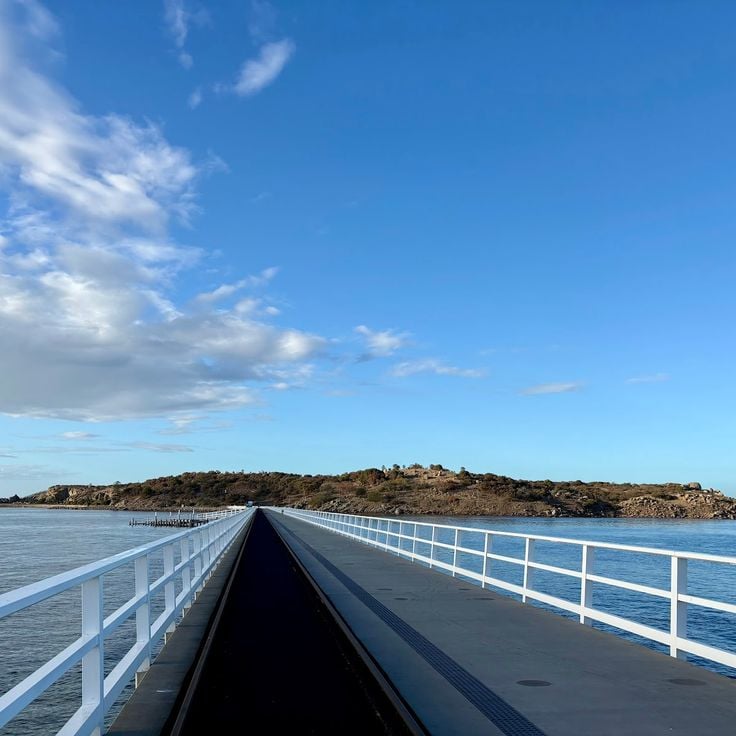
Granite Island sits off Victor Harbor as a rocky island with walking trails and abundant marine life. Visitors can reach the island by a causeway or ride the historic tram. The rock formations and coastal views define this place. Seabirds and marine creatures make their home here.
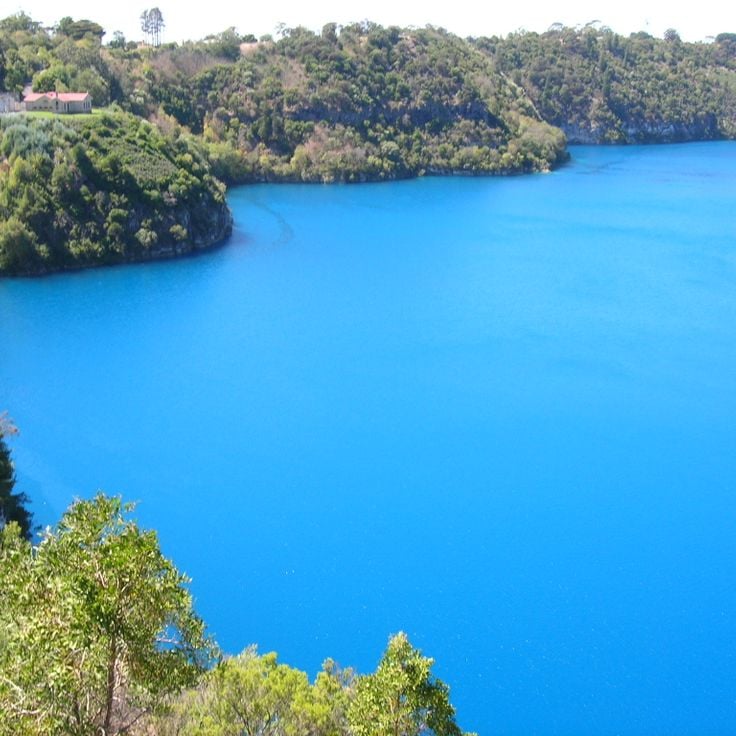
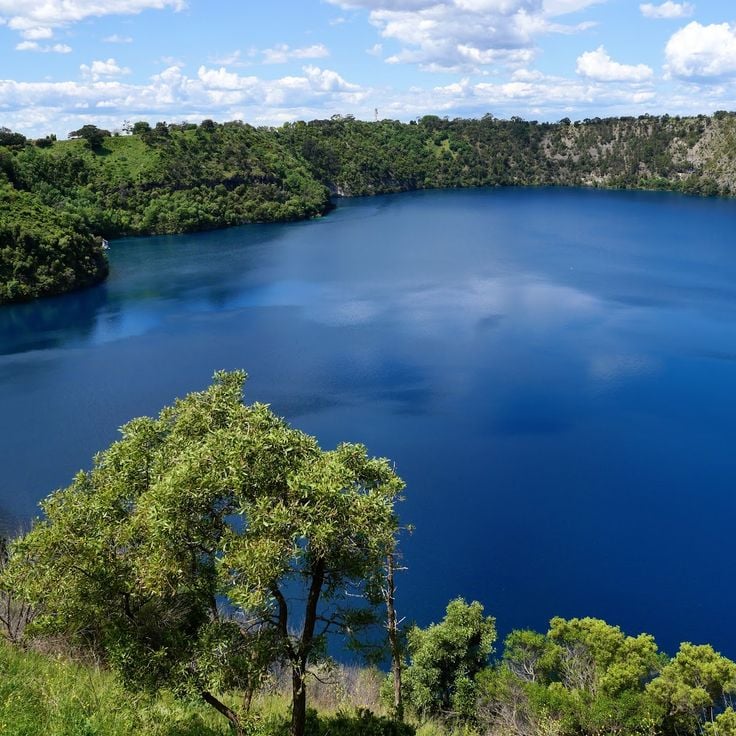
Blue Lake is a crater lake in Mount Gambier filled with water of an intense blue color. The lake sits in a volcanic depression created when a volcano collapsed. The water's striking hue comes from the minerals dissolved in it and the depth of the lake. Visitors can walk around the shore and observe how the blue water reflects light differently depending on the weather and time of day. This lake is one of the natural features that shows the volcanic origins of the region.
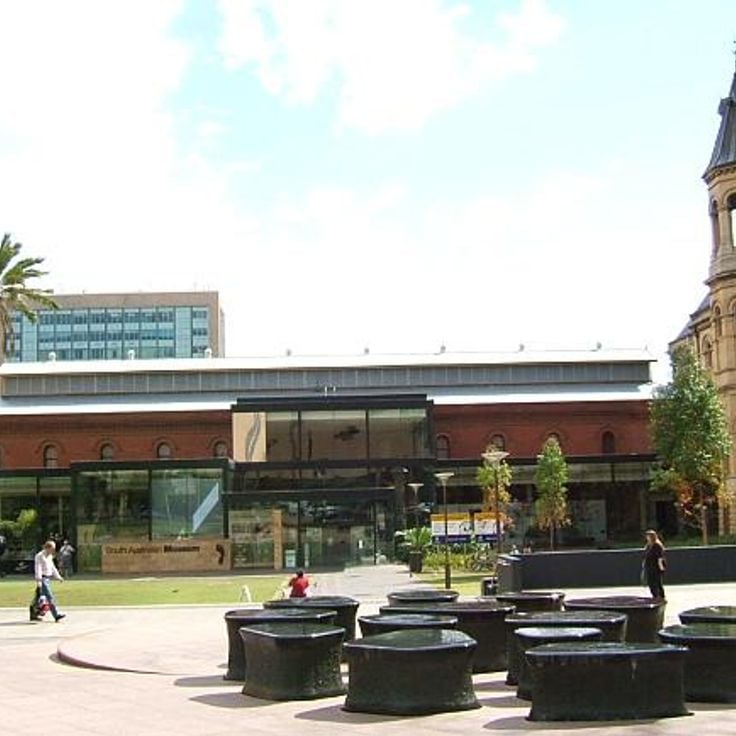
The South Australian Museum in Adelaide displays the natural history and Aboriginal cultures of the region. Its collections document the diverse plants, animals, and the Aboriginal peoples who have inhabited South Australia for thousands of years. The museum helps visitors understand the history and nature that shaped this part of the continent.
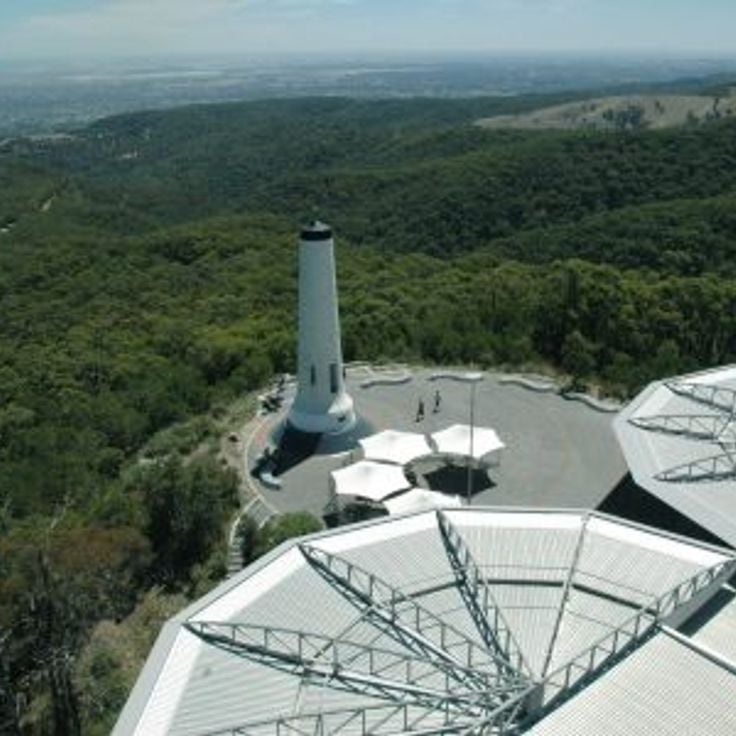
Mount Lofty Summit offers views across the entire city of Adelaide and the land beyond. From the top, you can see the plains stretching toward the coast and the Adelaide Hills surrounding you. On clear days, the view extends far into the landscape. The summit is easy to reach and many people make the trip to see the vista and take photographs.
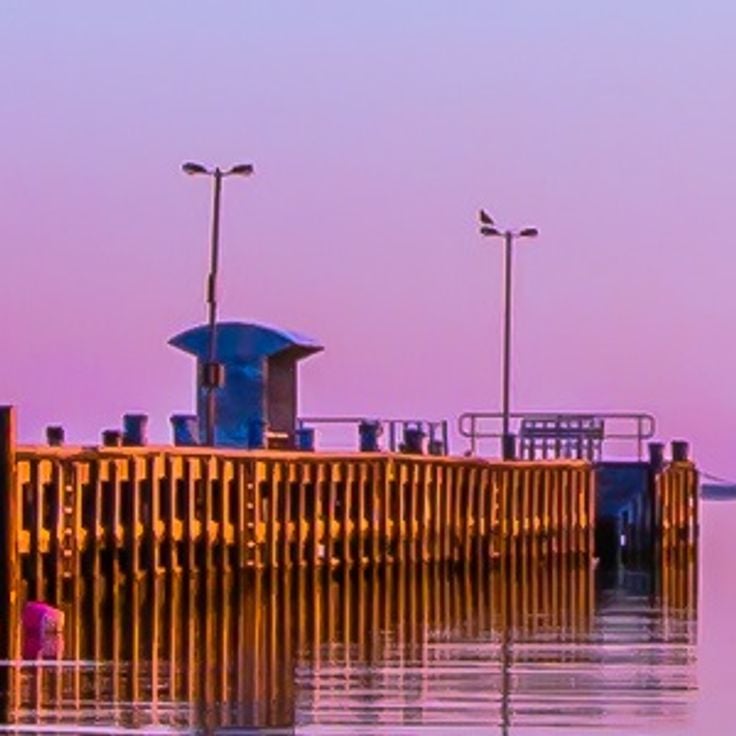
Port Elliot is a small historic port on the Fleurieu Peninsula with a sandy beach and coastal promenade. Once a center of shipping and trade, the town now welcomes visitors to walk along the waterfront and explore the shoreline. The beach is suitable for swimming and relaxing, while the promenade features local shops and cafes. The harbor retains its character from earlier times and serves as a quiet retreat by the sea.
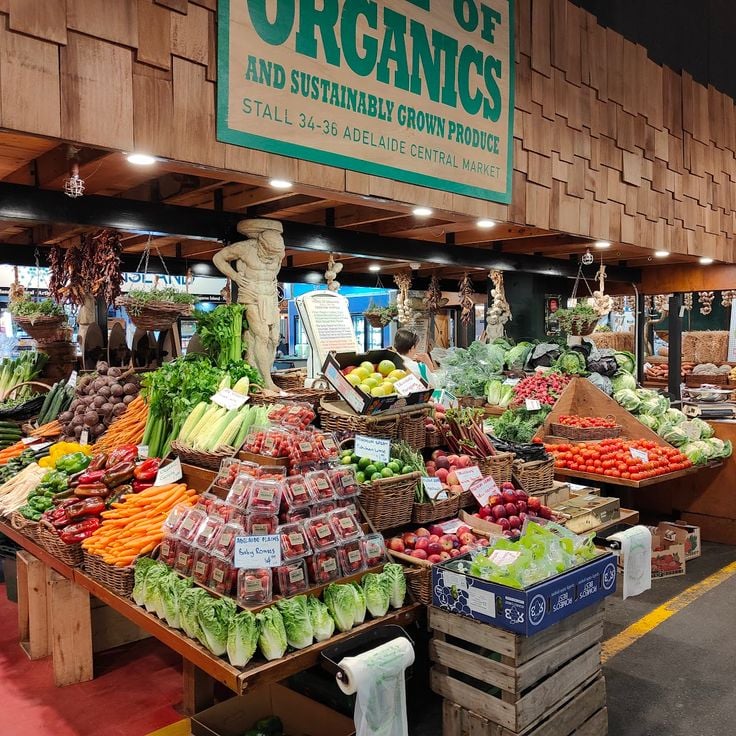
This market in Adelaide is a place where locals and visitors come together to buy fresh fruit, vegetables, meat, and local specialties. It is covered and shows the culinary diversity of South Australia. The market is part of city life and conveys the impression of a vibrant trading center where regional products are central. It reflects how people shop and eat in the region.
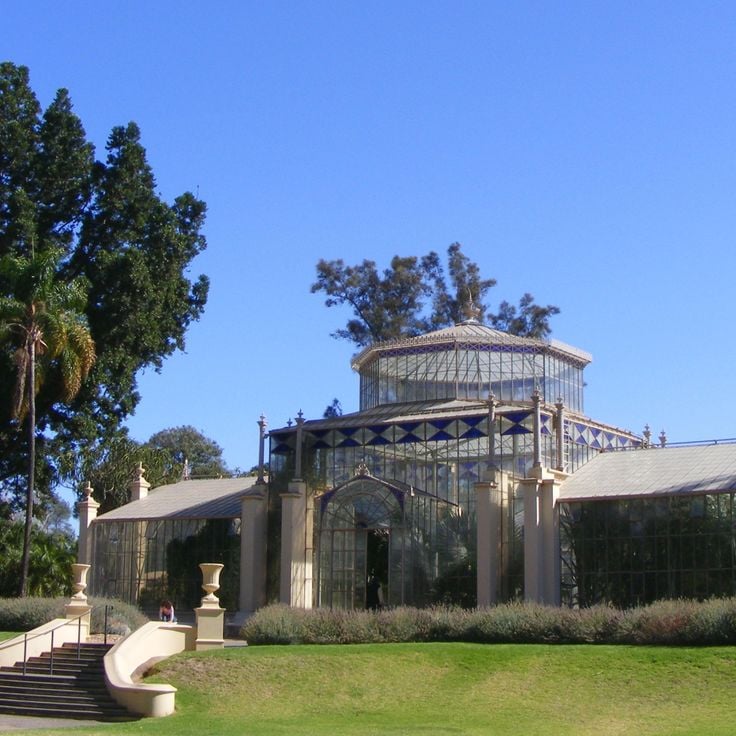
The Adelaide Botanic Garden displays plants from Australia and around the world. Located in the city center, it offers visitors a chance to walk through different growing zones and see how plants thrive in various conditions. The gardens are spacious and well-organized, with mature trees, themed sections, and collections that show the diversity of plant life from many regions.
McLaren Vale is one of Australia's most important wine regions, located on the Fleurieu Peninsula. More than 80 wineries are spread across rolling hills and valleys throughout the area. The region is known worldwide for its Shiraz wines, which are produced by estates ranging from small family operations to large producers. Visitors can drive the wine routes, taste wines directly at the cellars, and learn about the varieties grown here. The landscape shifts between vineyards, eucalyptus forests, and coastal views. Beyond wine, the region offers restaurants, art galleries, and small shops in local villages.
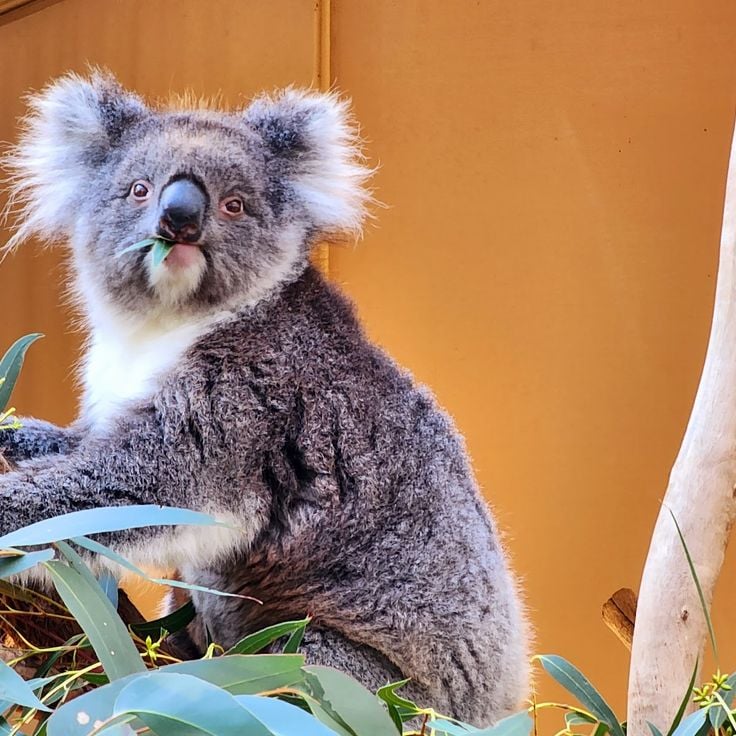
Cleland Wildlife Park in the Adelaide Hills allows visitors to encounter koalas, kangaroos, and other native Australian species in their natural habitat. The park offers an up-close experience with these animals and provides insight into the wildlife that defines South Australia. This site fits well within the broader exploration of South Australia's diverse landscapes, where nature plays a central role even near populated areas.
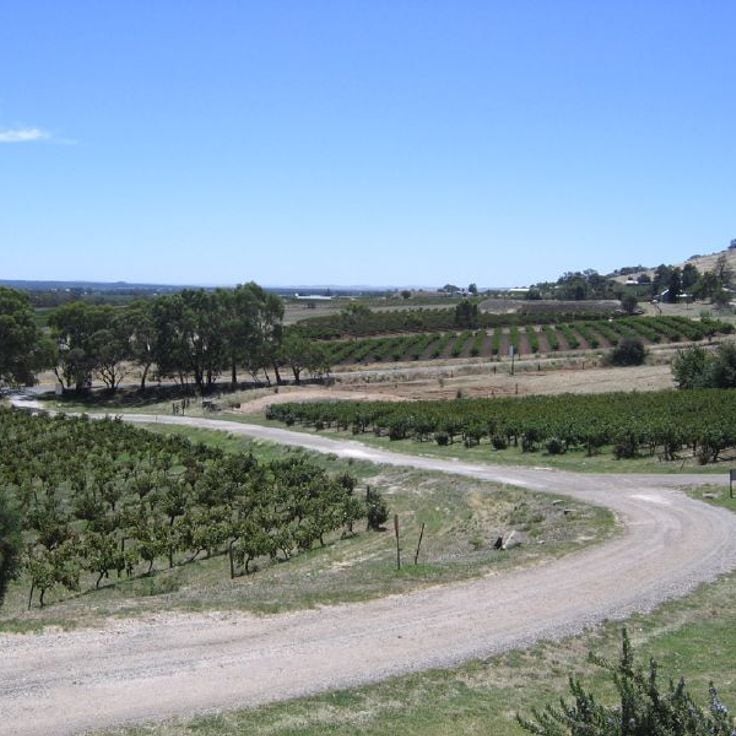
The Barossa Valley is a renowned wine region in South Australia known for producing quality wines. The region spreads across rolling hills dotted with wineries that welcome visitors. Between the vines, you find tasting rooms, restaurants, and small family properties. The landscape shows vineyards, eucalyptus trees, and occasional villages. Many families have worked the land here for generations. Walking through the region, you encounter a mix of rural traditions and contemporary hospitality.
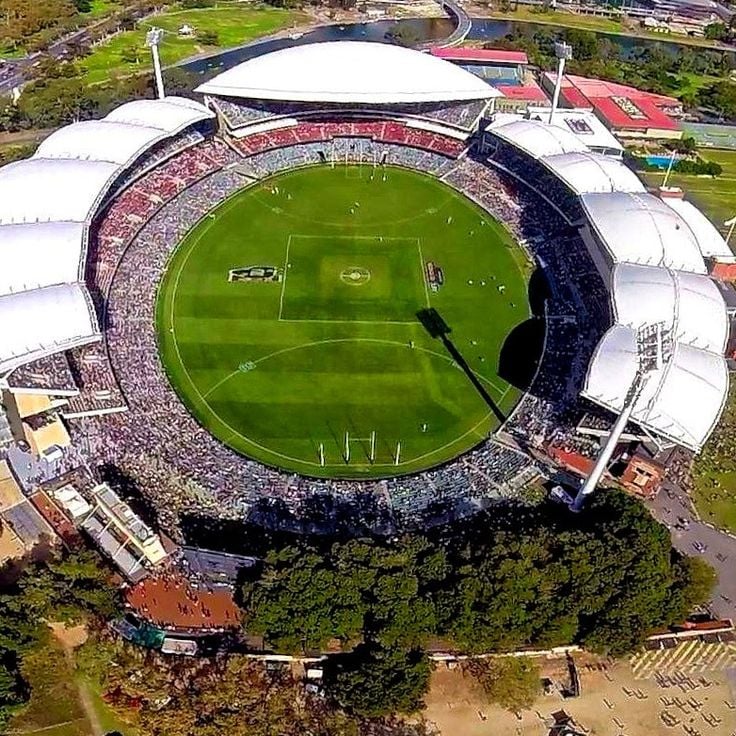
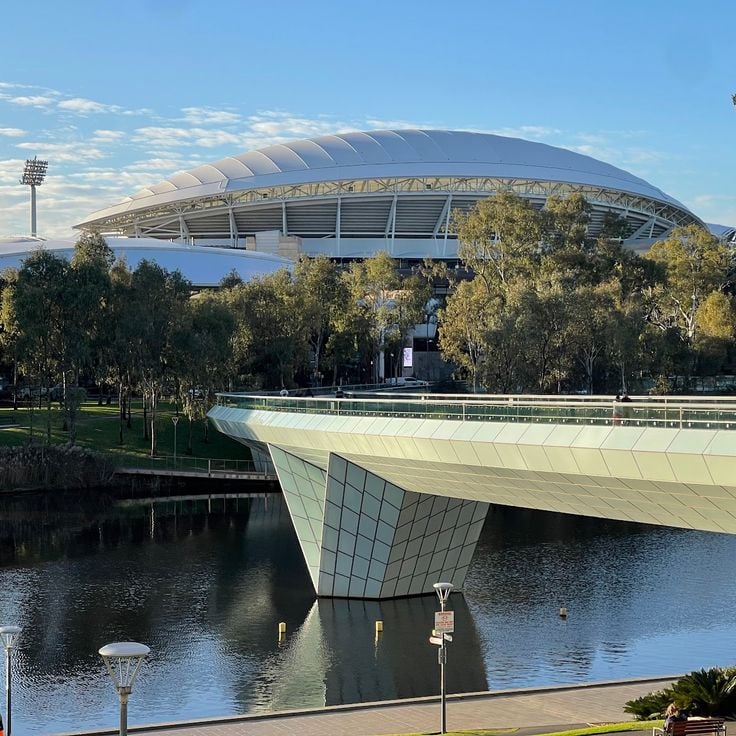
Adelaide Oval is a stadium in central Adelaide where cricket matches and Australian football games are held. It is a central venue for sports and events in South Australia, located near the Yarra River and surrounded by the city's parks and historic buildings.
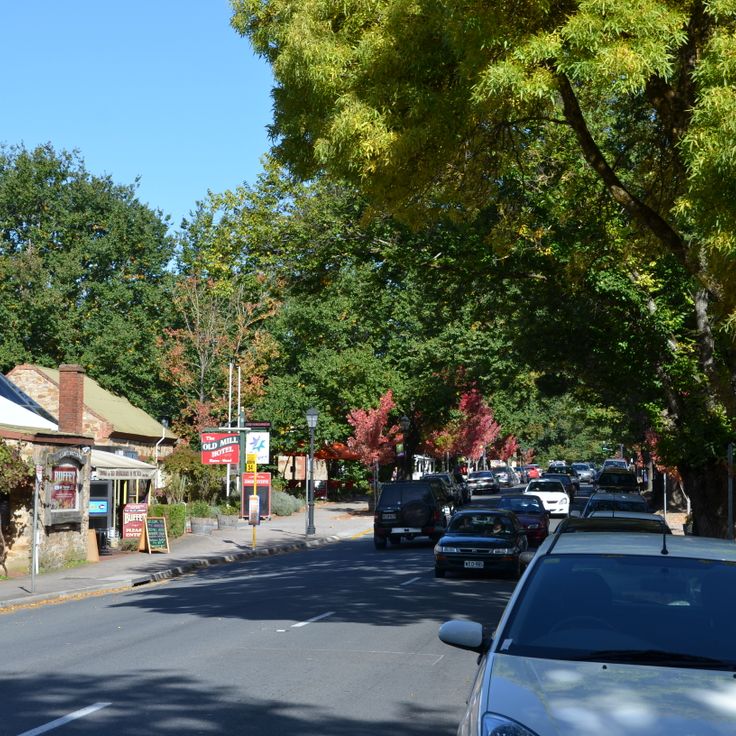
Hahndorf is a village in the Adelaide Hills that tells the story of German immigrants who arrived in the 19th century. The streets show original architecture from that period, with stone and brick buildings that reflect how these families built their community. Walking through the village, you see old churches, houses, and museums that speak to this heritage. The village has kept its original character and remains a place where you can experience history directly. You will find shops, restaurants, and galleries throughout that shape daily life here.
Adelaide Riverbank Precinct is a riverside area in the city with pathways, green spaces, and restaurants along the water. It is a place where people walk, eat, and gather for events. This precinct shows how the city connects with its river and brings nature into urban life. It is part of a collection that covers all sides of South Australia: from city streets to red desert landscapes, from vineyards in the hills to beaches, islands, and national parks.
Victor Harbor is a coastal town on the Fleurieu Peninsula, offering beaches, seaside walks, and access to Granite Island. The town shows how South Australian shores blend human settlement with natural spaces. From the water, visitors can spot sea lions and other marine animals. The area invites long walks along the coast and exploration of rock formations. Victor Harbor fits into this collection as an example of South Australia's coastlines, where inhabited zones meet wild bush and open water.
Admirals Arch is a natural rock formation on Kangaroo Island that serves as a habitat for Australian fur seals. This striking curved structure shapes the southern coast of the island and stands among its most notable features. The site draws visitors who come to observe seal behavior and explore the landscape. The formation demonstrates how waves and time have sculpted stone over countless years. Here you can experience the island's wildlife up close.
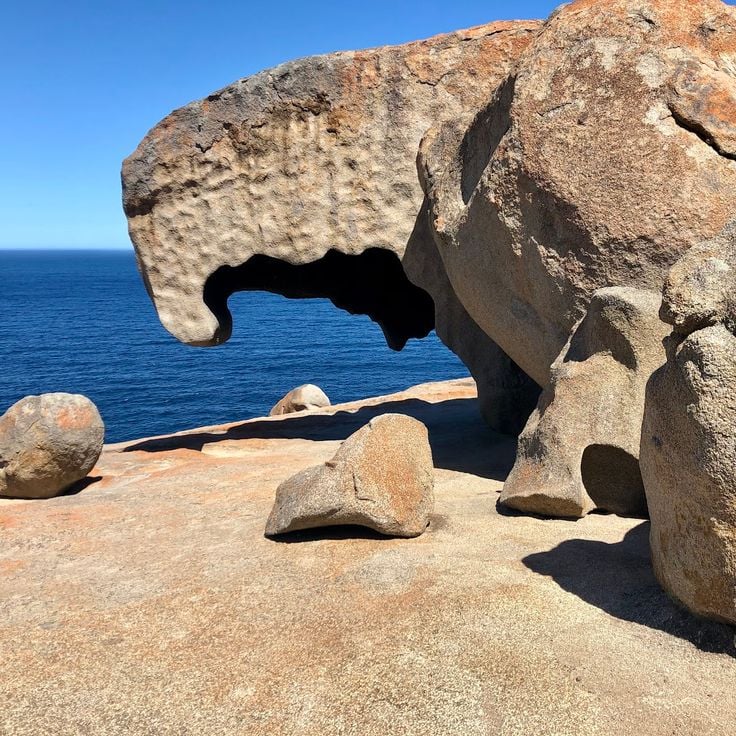
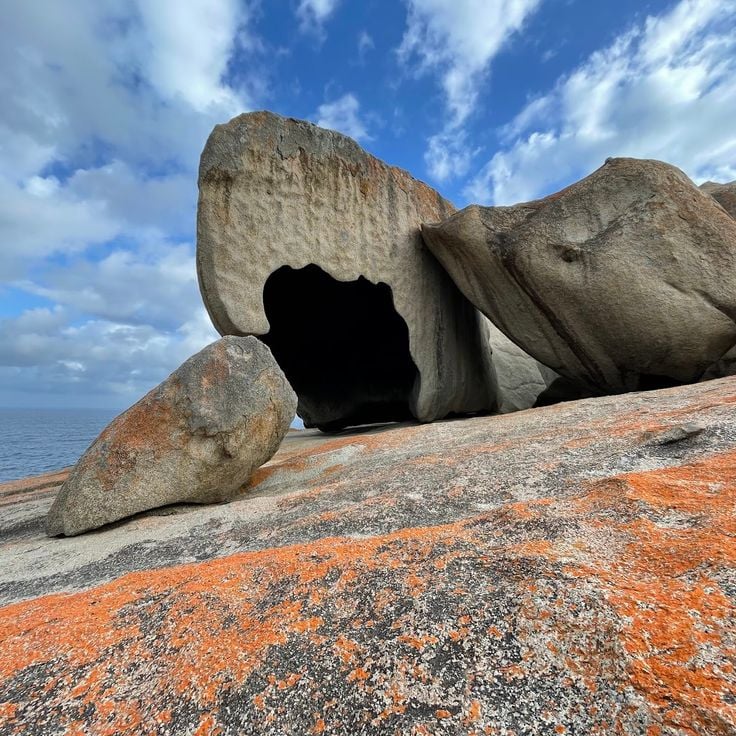
The Remarkable Rocks on Kangaroo Island are stone formations shaped by wind and ocean over millions of years. They rise from the landscape in strange shapes and overlook the sea. Located in Flinders Chase National Park, this site shows how nature carves rock into unusual forms. Visitors can walk around and observe the effects of erosion up close.
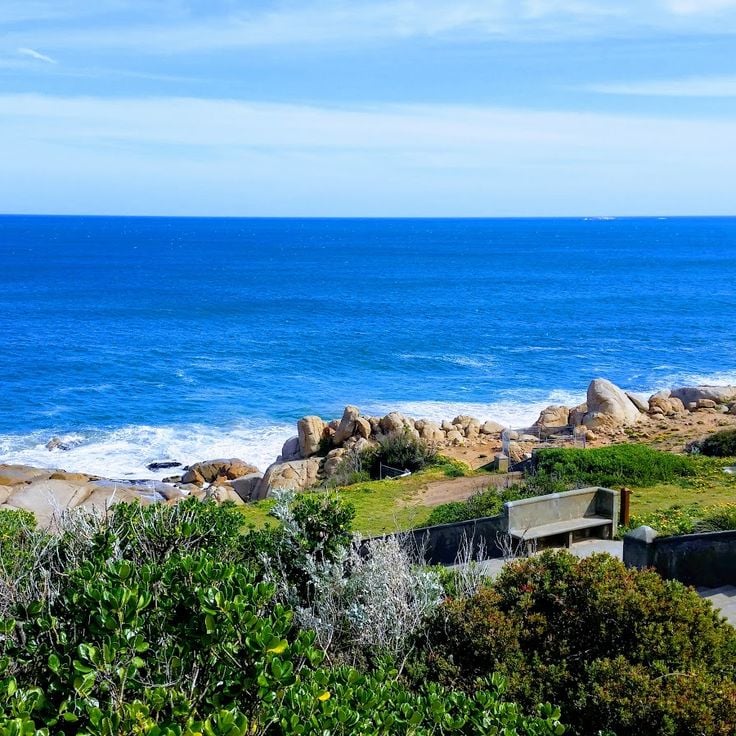
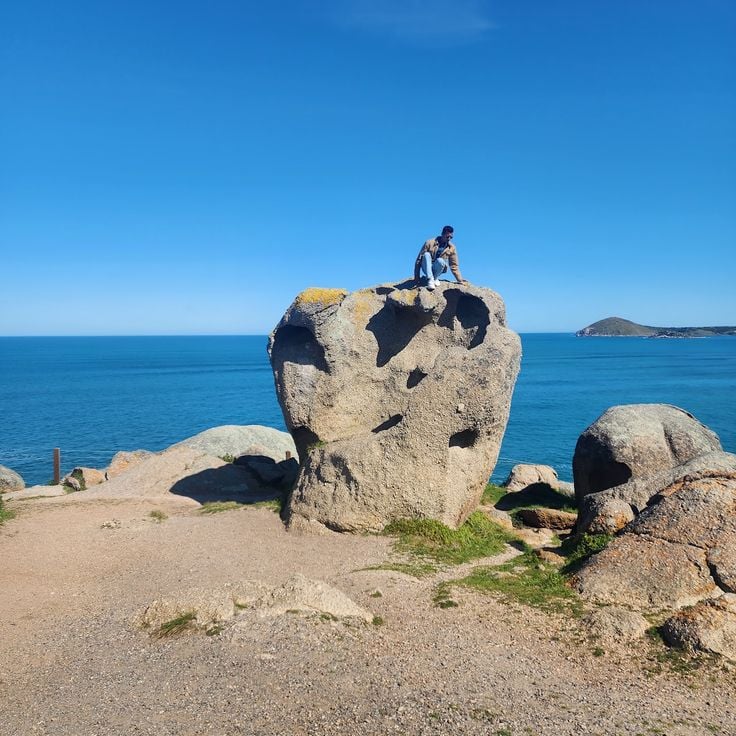
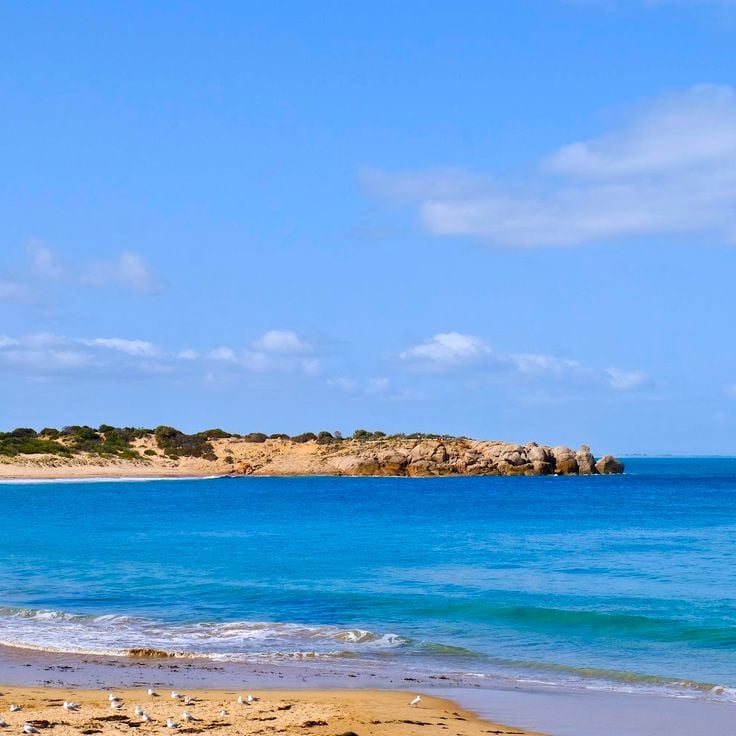
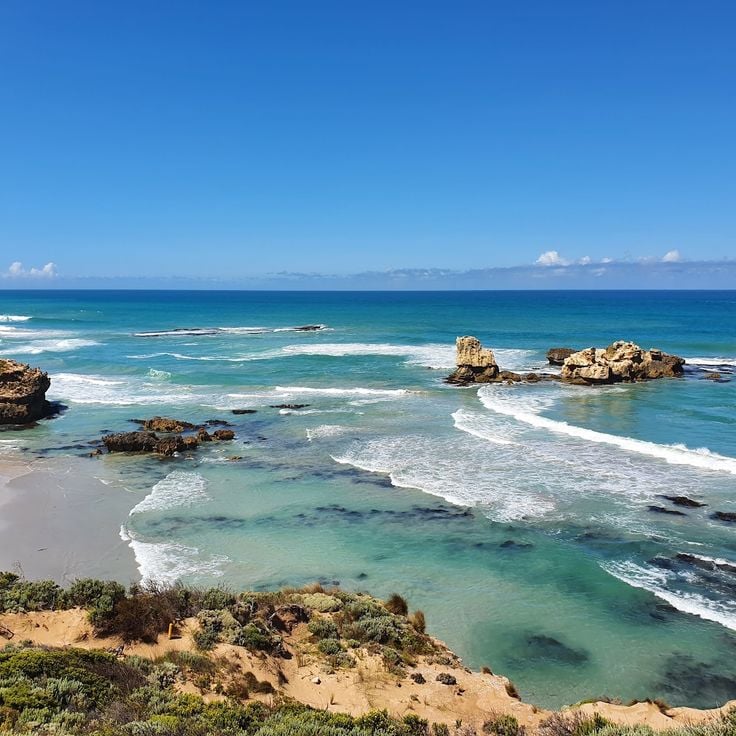
Horseshoe Bay on the Fleurieu Peninsula has a curved shoreline that gives the beach its distinctive shape. The water is clear and sheltered by the surrounding cliffs. You can swim safely here, and the sand is soft underfoot. The bay sits between rocky outcrops that create a natural shelter. The setting feels quiet and intimate, away from busier beaches. This is a place where you notice the small details, like how the light hits the water or the way the cliffs frame the view.
Flinders Chase National Park sits at the western tip of Kangaroo Island and shows what this island offers. The park covers wild coastal landscapes with tall cliffs that drop straight into the sea. Seals and sea lions live here in their natural colonies. Visitors walk among rocks and bays where nature feels untamed. Wildlife is abundant: besides marine mammals, you find kangaroos and birds. The park displays the rugged side of South Australia's coast, far from settled areas.
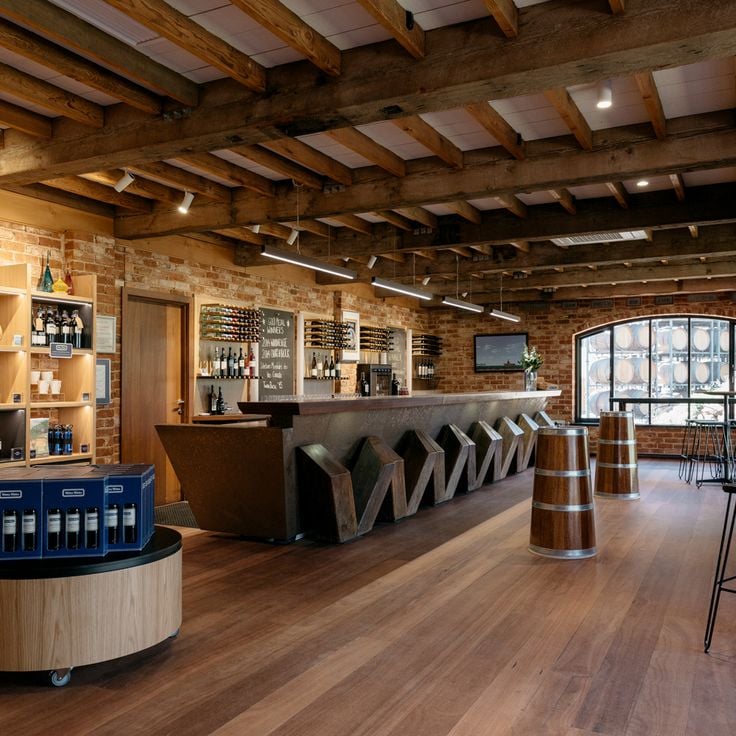
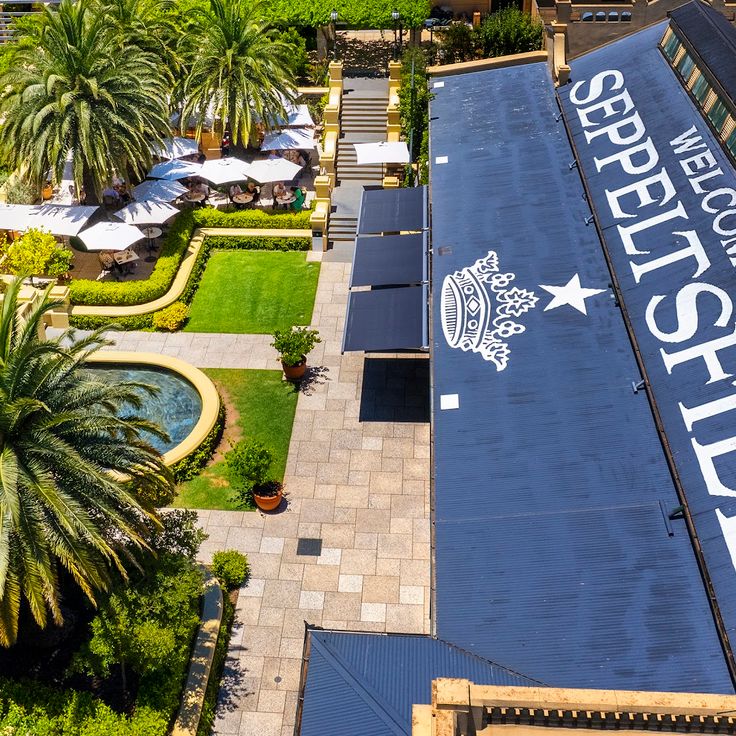
Seppeltsfield is a historic winery in the Barossa Valley where visitors can experience wine production firsthand. The property features cellars, tastings, and ways to learn about how wine is made. It is part of a collection of 35 sites across South Australia that shows the diversity of the state: from the ordered streets of Adelaide to the red expanses of the outback, with vineyards nestled in hills, beaches where the sea meets the bush, islands home to sea lions and kangaroos, and national parks with gorges and ancient rock formations.
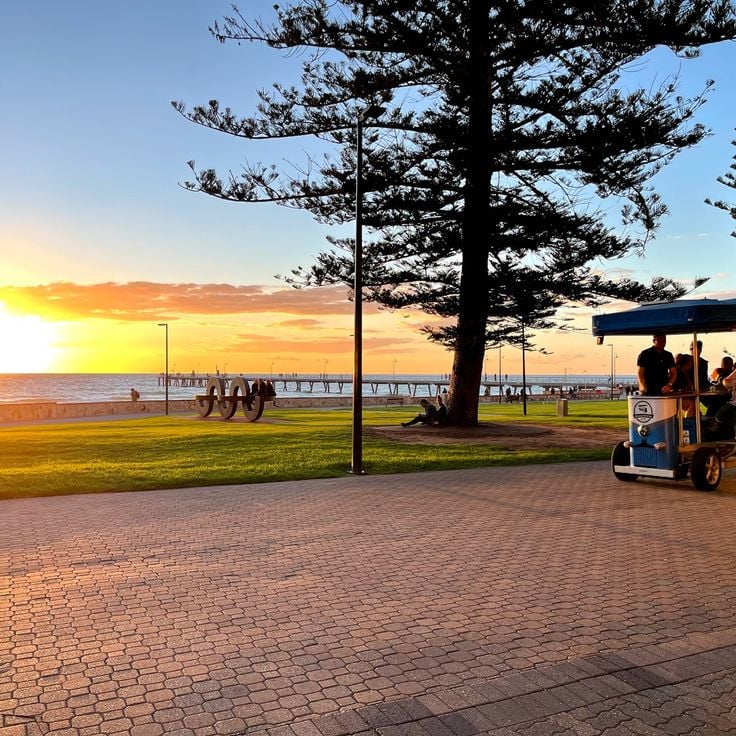
Glenelg Beach is a sandy beach near Adelaide with a promenade running along the waterfront. The beach has cafes, restaurants, and facilities for swimming and water activities. It is a popular spot where locals and visitors spend time by the water, walking along the shore or sitting at one of the beachfront establishments.
Mount Gambier is a town in the Limestone Coast region dominated by crater lakes. The most famous is the Blue Lake, known for its deep blue color caused by minerals in the water. The town sits on a highland plateau and offers walking trails around the lakes and through the surrounding landscape. Visitors find a quiet place where nature and town life exist side by side.
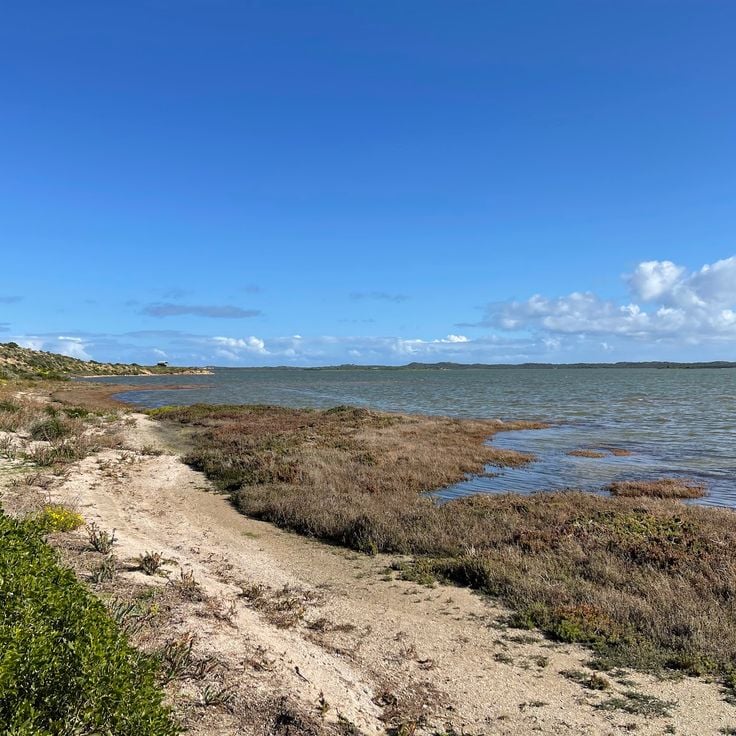
Coorong National Park sits on South Australia's coast where the Murray River meets the sea. The park spreads across lagoons, sand dunes, and wetlands that create a singular landscape. Water and land merge here to form an environment where birds and fish thrive. Walking through Coorong, you encounter a coastal wilderness that shows how nature functions at the junction of river and ocean.
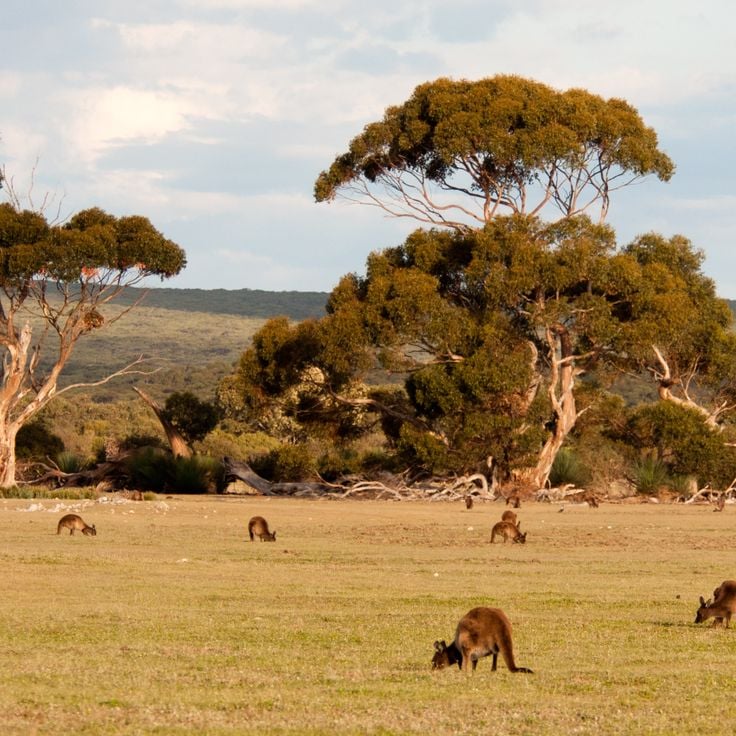
Kangaroo Island sits off the coast of South Australia and serves as a natural refuge where sea lions, kangaroos, and birds roam freely. This island is part of this collection as an example of South Australia's diverse landscapes, showing how wildlife and nature remain prominent even away from settled areas. Visitors discover rock formations, walking trails through eucalyptus forests, and bays where the ocean meets rocky shores.
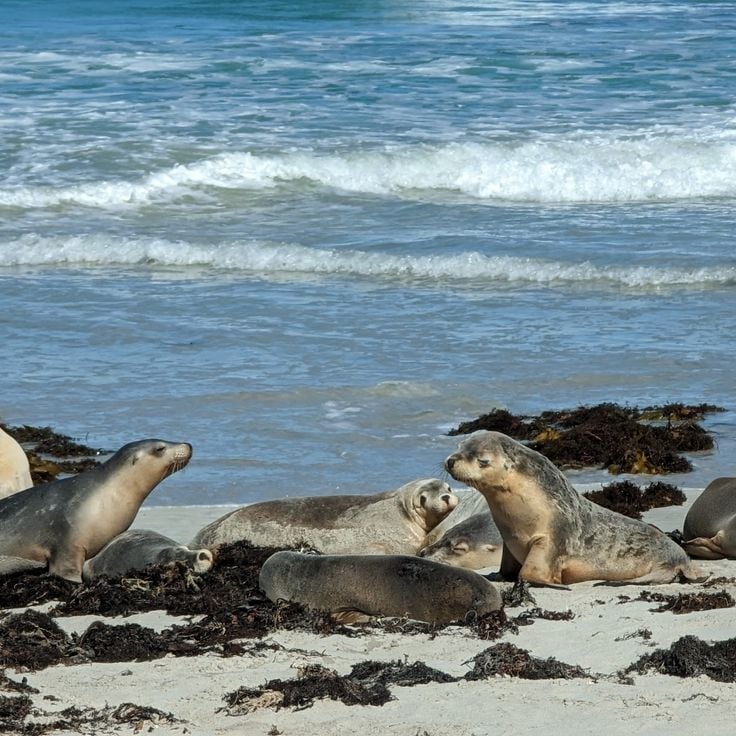
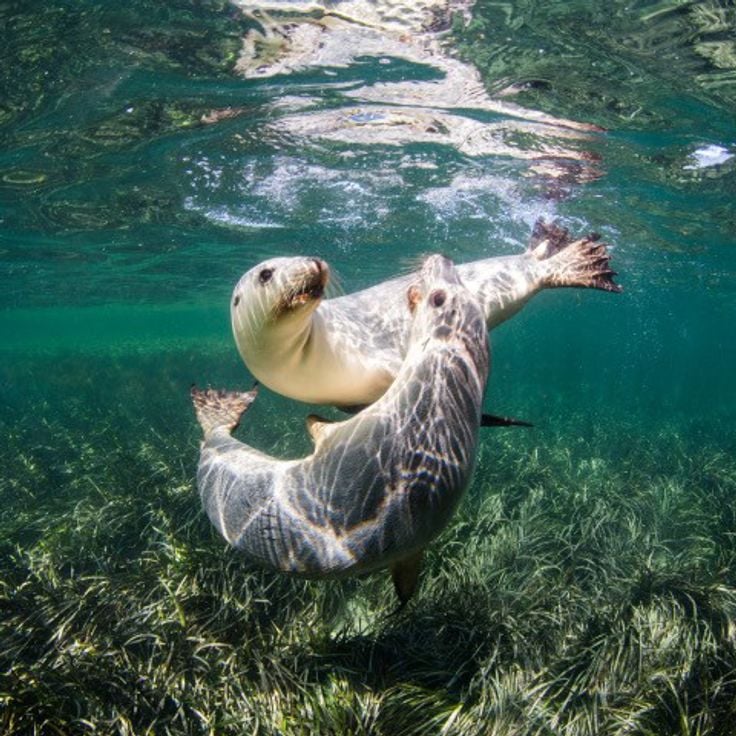
Seal Bay Conservation Park on Kangaroo Island is a protected area where you can watch Australian sea lions in their natural habitat. The park sits along a rocky bay and allows visitors to observe these animals up close as they rest on the beach or enter the water. It is one of the few places in Australia where sea lions are so easily spotted. A walking path descends to the beach, where guided tours provide information about the behavior and way of life of these marine mammals.
Naracoorte Caves National Park is located on the Limestone Coast and is a UNESCO World Heritage site. The park contains caves with ancient fossils and remains of Australian megafauna. Visitors can walk through underground chambers and see the geological layers that span millions of years. The caves reveal how the landscape and animal life changed over time. The park connects natural history with the red rocks and vegetation typical of the region.
Robe is a coastal town on the Limestone Coast with colonial-era buildings, sandy beaches and a waterfront promenade. The town reflects early settlement history and provides access to coves and rock formations. Streets run between old houses down to the sea, where visitors can walk or swim.
Baird Bay is a coastal spot on the Eyre Peninsula where visitors come to see marine animals. Boats take people out to watch seals, dolphins, and sometimes whales. The water is clear and the coast provides a good base for exploring the ocean. The small town nearby has what you need for a day by the sea.
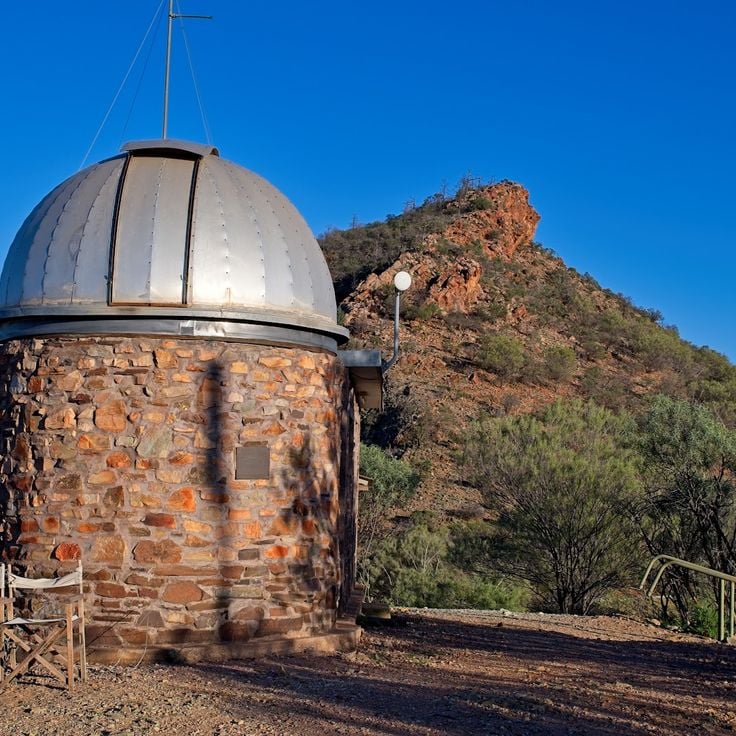
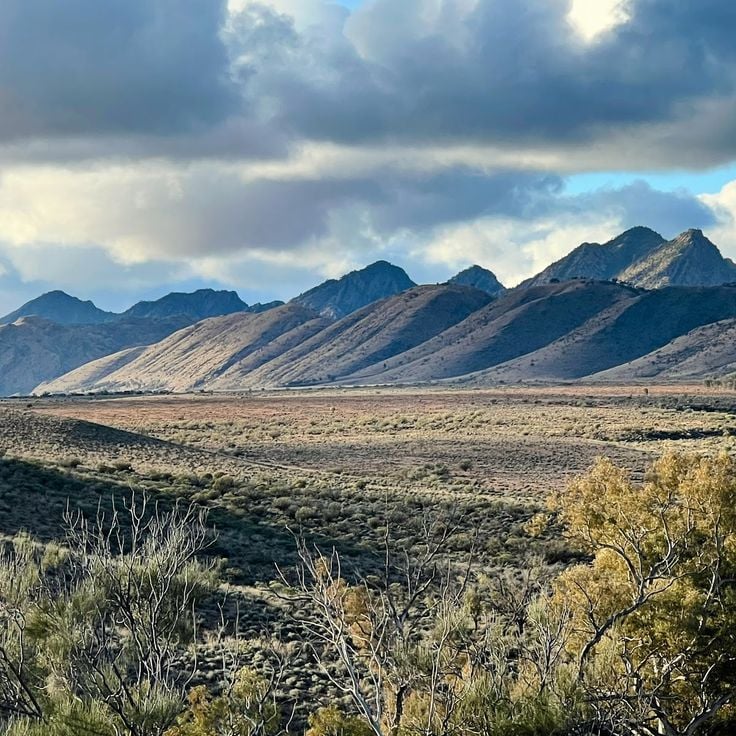
Arkaroola Wilderness Sanctuary is a nature reserve in the Flinders Ranges that combines rugged mountain terrain with red desert landscapes. This site represents the wild side of South Australia, far from settled areas. Visitors walk through gorges, explore ancient rock formations, and observe the region's wildlife. The sanctuary shows what the Australian outback looks like in its raw state, part of the broader South Australian experience that stretches from cities to deserts.
The Brachina Gorge Geological Trail winds through a ravine in the Flinders Ranges, where rock walls display layers from different geological periods. As you walk between red and grey-brown formations, you can see how the landscape has changed over millions of years. The stones around you once lay beneath ancient seas, and now they stand as a record of the continent's deep past. This trail fits into the collection because it reveals how nature shaped South Australia across vast stretches of time.
Coffin Bay National Park on the Eyre Peninsula displays South Australia's rugged coastal character. The park combines water and land in striking ways, with sheltered bays and sandy beaches where seabirds and dolphins appear. Coastal vegetation adapts to fierce winds. Walking trails lead to viewpoints overlooking the water and surrounding landscape. The bay has historic oyster farming sites scattered along its edges. Boaters and swimmers come for the clear water and protected coves. This park shows how varied the southern coast of Australia can be.
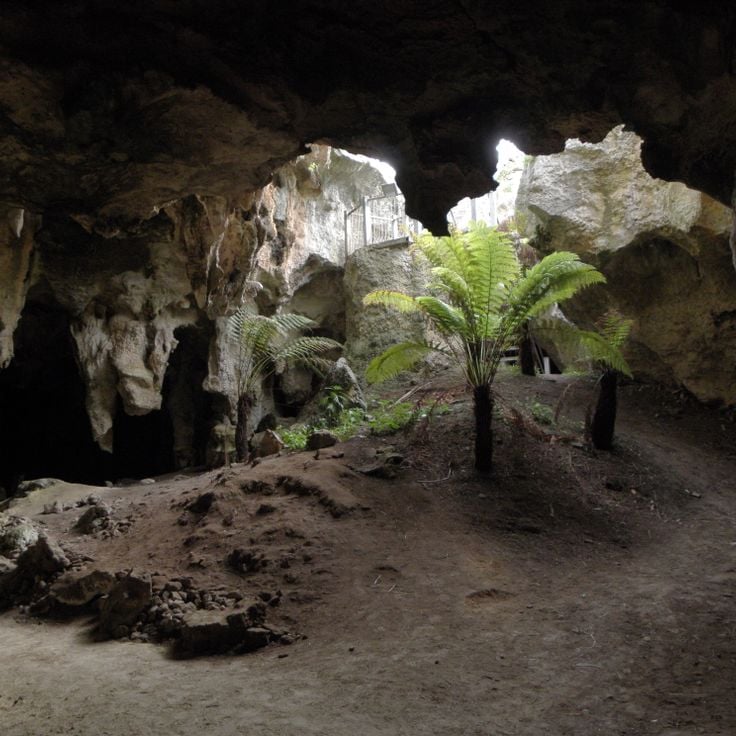
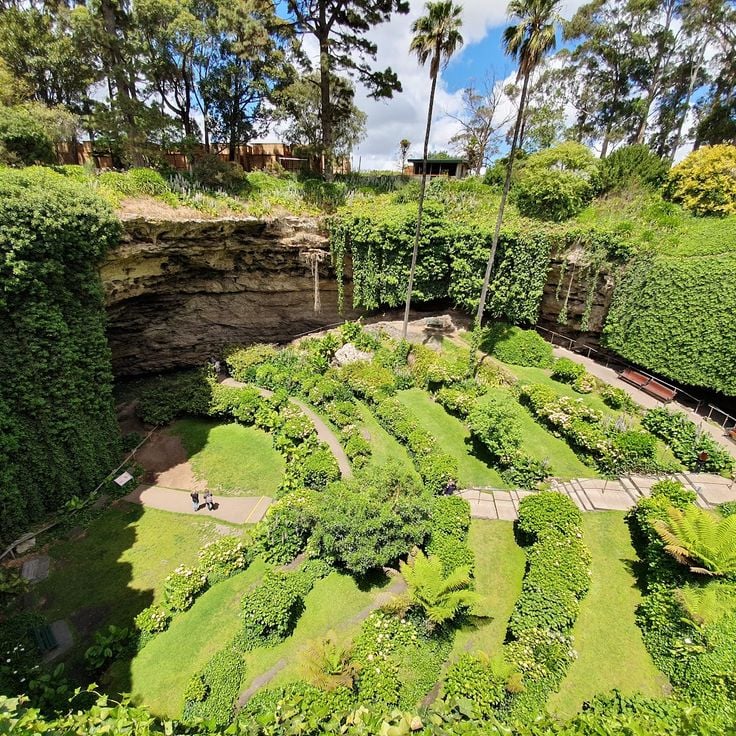
Umpherston Sinkhole is a natural pit near Mount Gambier that contains an underground garden filled with tree ferns and a subterranean pool. This place shows how water and time have carved out a hidden world beneath the surface. Visitors descend into the sinkhole to walk among ferns and see how life thrives in this sheltered, damp environment, far removed from the dry landscape above.
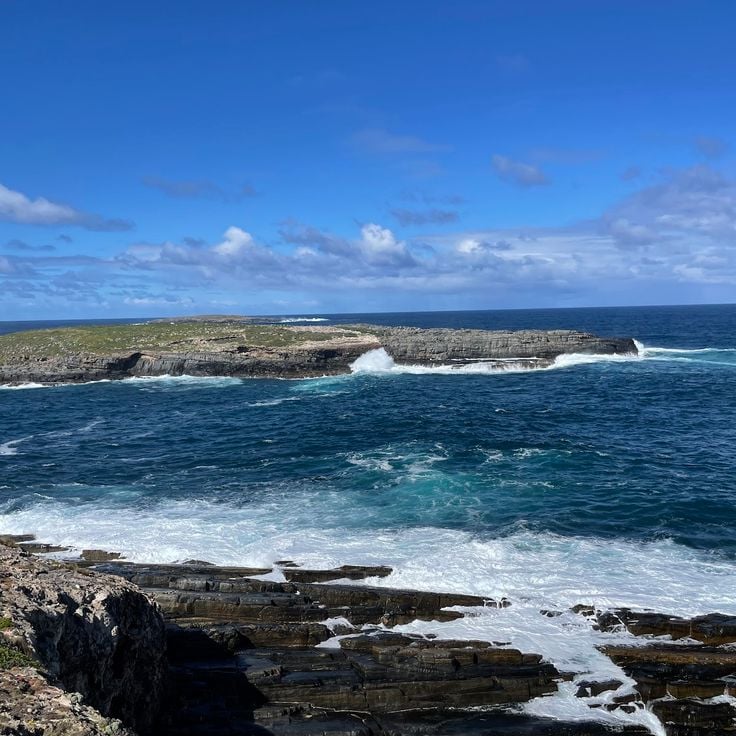
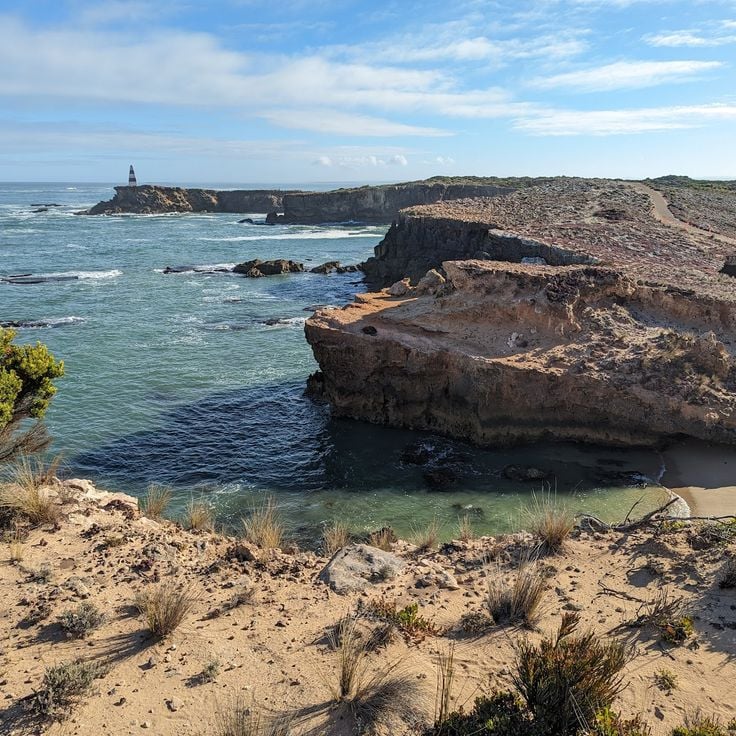
Lincoln National Park sits on the Eyre Peninsula and features a coastal landscape with cliffs, coves, and rich marine life. The park shows the rugged side of South Australia's coastline, where rock formations drop into the sea and waves crash against stone. Visitors walk along cliff-edge paths, look down into small coves, and watch seabirds and marine animals in their natural setting.
Port Lincoln is a coastal town on the Eyre Peninsula and serves as a base for marine adventures. The town has an active harbor where fishing boats and tourist vessels depart regularly. Several beaches line the bay, offering places to swim and walk along the shore. Boat trips leave from here to see great white sharks, sea lions, and other marine life. The town itself is small and straightforward, with local restaurants serving fresh seafood. The surrounding landscape is open and windswept, typical of this part of Australia.
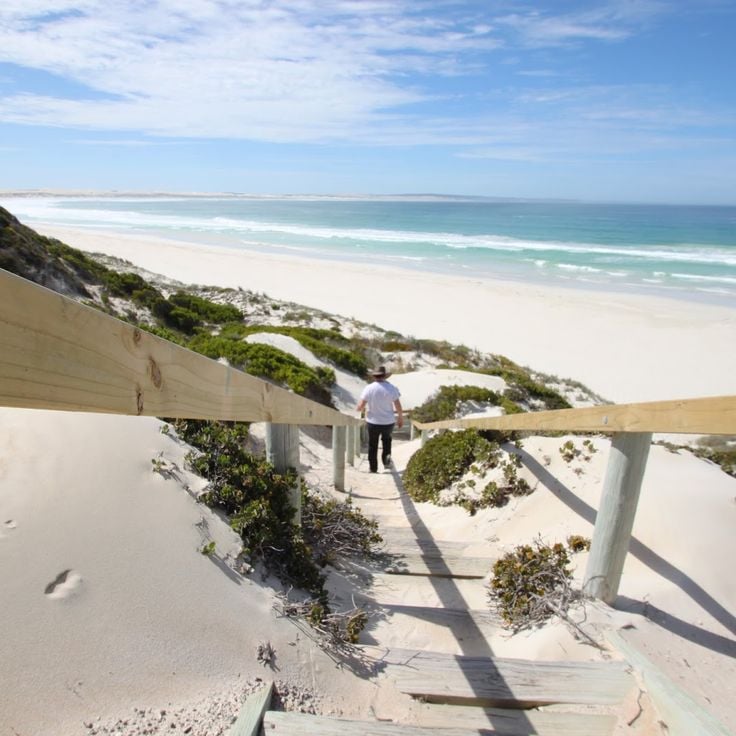
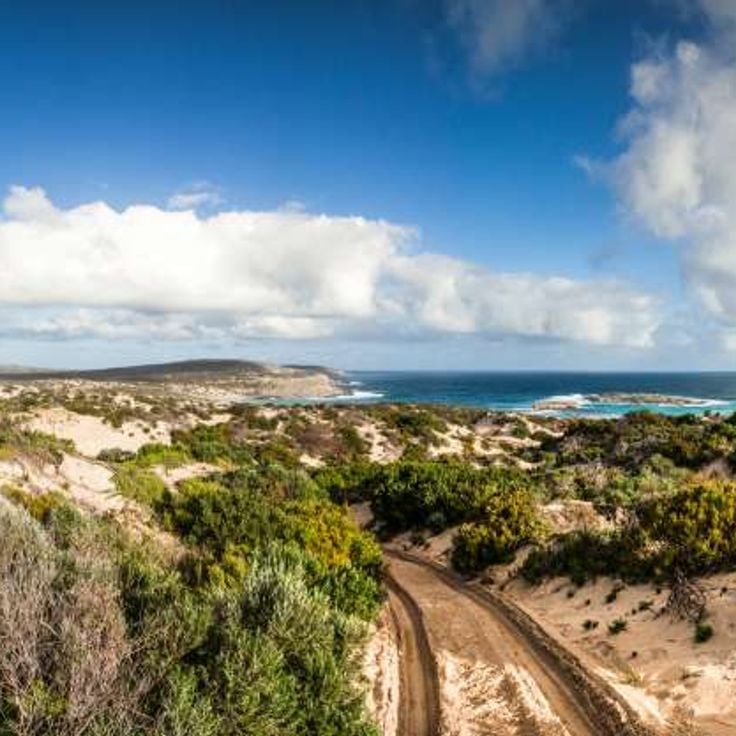
Canunda National Park sits near Robe and shows visitors a side of South Australia's coast that feels raw and open. White sand dunes roll across the landscape, and beaches stretch along the water's edge. The park protects marine life in its waters, making it a place where the ocean and land meet on equal terms. Walking here, you notice how the dunes shift shape with the wind and how the vegetation adapts to the salt spray. This is one of those spaces where nature occupies the foreground, even as towns sit nearby.
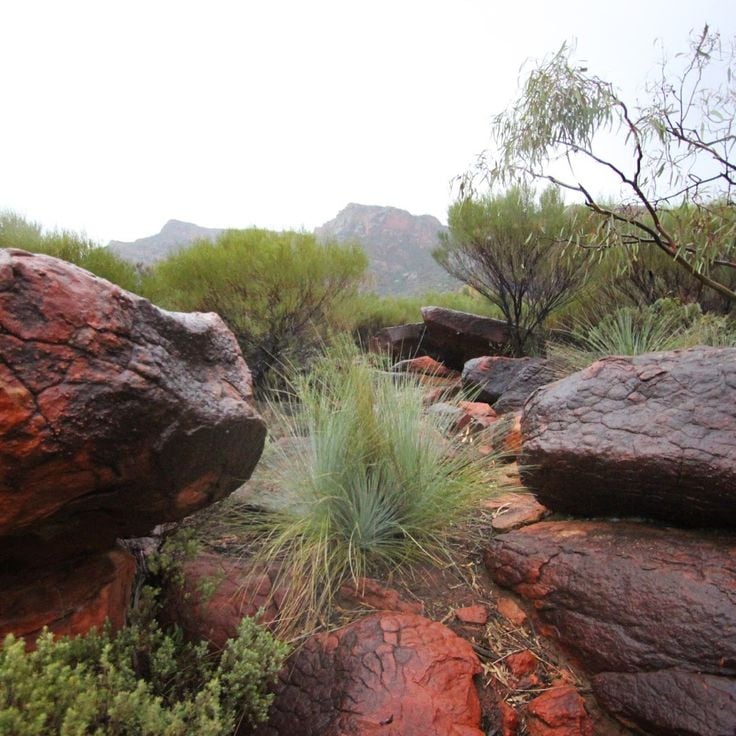
Ikara-Flinders Ranges National Park is a mountainous park with deep gorges and steep terrain. At its heart sits Wilpena Pound, a large natural amphitheater of rock. Walkers can explore trails that wind through red and brown stone formations millions of years old. The landscape feels almost otherworldly with its jagged shapes and wide vistas. The park shows what Australia's outback looks like - dry, rocky, and filled with geological history.
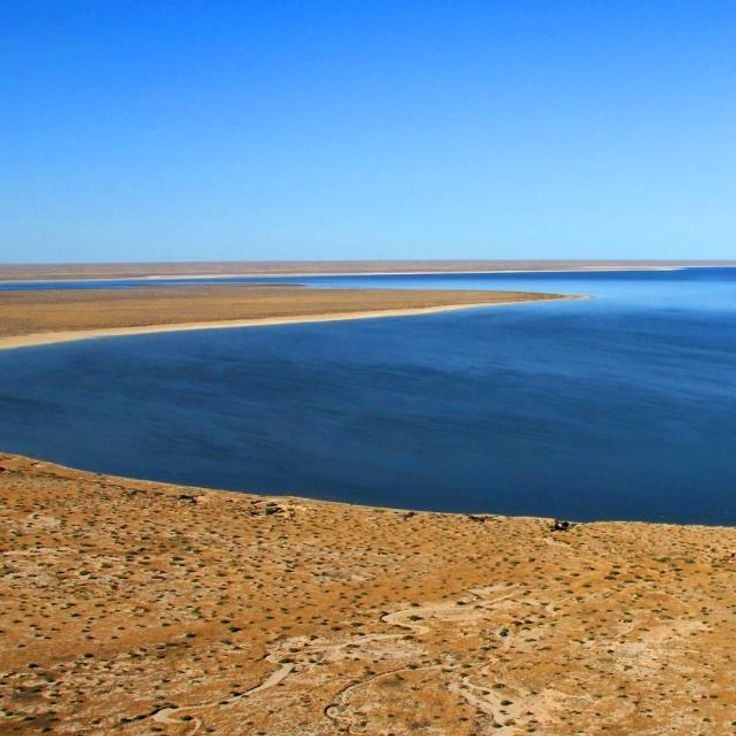
Kati Thanda-Lake Eyre is a salt lake in the outback that fills only occasionally, creating a rare experience of transformed landscape. When rain falls and the lake comes alive with water, the scenery changes completely. The water attracts millions of fish and birds that are otherwise absent from this dry region. The lake sits far below sea level and is one of the lowest points in Australia. Most of the time, you see only salt crusts and dried basins, but after good rainfall, this place becomes one of the most active places in the region.
Granite Island sits off Victor Harbor as a rocky island with walking trails and abundant marine life. Visitors can reach the island by a causeway or ride the historic tram. The rock formations and coastal views define this place. Seabirds and marine creatures make their home here.
Blue Lake is a crater lake in Mount Gambier filled with water of an intense blue color. The lake sits in a volcanic depression created when a volcano collapsed. The water's striking hue comes from the minerals dissolved in it and the depth of the lake. Visitors can walk around the shore and observe how the blue water reflects light differently depending on the weather and time of day. This lake is one of the natural features that shows the volcanic origins of the region.
The South Australian Museum in Adelaide displays the natural history and Aboriginal cultures of the region. Its collections document the diverse plants, animals, and the Aboriginal peoples who have inhabited South Australia for thousands of years. The museum helps visitors understand the history and nature that shaped this part of the continent.
Mount Lofty Summit offers views across the entire city of Adelaide and the land beyond. From the top, you can see the plains stretching toward the coast and the Adelaide Hills surrounding you. On clear days, the view extends far into the landscape. The summit is easy to reach and many people make the trip to see the vista and take photographs.
Port Elliot is a small historic port on the Fleurieu Peninsula with a sandy beach and coastal promenade. Once a center of shipping and trade, the town now welcomes visitors to walk along the waterfront and explore the shoreline. The beach is suitable for swimming and relaxing, while the promenade features local shops and cafes. The harbor retains its character from earlier times and serves as a quiet retreat by the sea.
This market in Adelaide is a place where locals and visitors come together to buy fresh fruit, vegetables, meat, and local specialties. It is covered and shows the culinary diversity of South Australia. The market is part of city life and conveys the impression of a vibrant trading center where regional products are central. It reflects how people shop and eat in the region.
The Adelaide Botanic Garden displays plants from Australia and around the world. Located in the city center, it offers visitors a chance to walk through different growing zones and see how plants thrive in various conditions. The gardens are spacious and well-organized, with mature trees, themed sections, and collections that show the diversity of plant life from many regions.
McLaren Vale is one of Australia's most important wine regions, located on the Fleurieu Peninsula. More than 80 wineries are spread across rolling hills and valleys throughout the area. The region is known worldwide for its Shiraz wines, which are produced by estates ranging from small family operations to large producers. Visitors can drive the wine routes, taste wines directly at the cellars, and learn about the varieties grown here. The landscape shifts between vineyards, eucalyptus forests, and coastal views. Beyond wine, the region offers restaurants, art galleries, and small shops in local villages.
Cleland Wildlife Park in the Adelaide Hills allows visitors to encounter koalas, kangaroos, and other native Australian species in their natural habitat. The park offers an up-close experience with these animals and provides insight into the wildlife that defines South Australia. This site fits well within the broader exploration of South Australia's diverse landscapes, where nature plays a central role even near populated areas.
The Barossa Valley is a renowned wine region in South Australia known for producing quality wines. The region spreads across rolling hills dotted with wineries that welcome visitors. Between the vines, you find tasting rooms, restaurants, and small family properties. The landscape shows vineyards, eucalyptus trees, and occasional villages. Many families have worked the land here for generations. Walking through the region, you encounter a mix of rural traditions and contemporary hospitality.
Adelaide Oval is a stadium in central Adelaide where cricket matches and Australian football games are held. It is a central venue for sports and events in South Australia, located near the Yarra River and surrounded by the city's parks and historic buildings.
Hahndorf is a village in the Adelaide Hills that tells the story of German immigrants who arrived in the 19th century. The streets show original architecture from that period, with stone and brick buildings that reflect how these families built their community. Walking through the village, you see old churches, houses, and museums that speak to this heritage. The village has kept its original character and remains a place where you can experience history directly. You will find shops, restaurants, and galleries throughout that shape daily life here.
Adelaide Riverbank Precinct is a riverside area in the city with pathways, green spaces, and restaurants along the water. It is a place where people walk, eat, and gather for events. This precinct shows how the city connects with its river and brings nature into urban life. It is part of a collection that covers all sides of South Australia: from city streets to red desert landscapes, from vineyards in the hills to beaches, islands, and national parks.
Victor Harbor is a coastal town on the Fleurieu Peninsula, offering beaches, seaside walks, and access to Granite Island. The town shows how South Australian shores blend human settlement with natural spaces. From the water, visitors can spot sea lions and other marine animals. The area invites long walks along the coast and exploration of rock formations. Victor Harbor fits into this collection as an example of South Australia's coastlines, where inhabited zones meet wild bush and open water.
Admirals Arch is a natural rock formation on Kangaroo Island that serves as a habitat for Australian fur seals. This striking curved structure shapes the southern coast of the island and stands among its most notable features. The site draws visitors who come to observe seal behavior and explore the landscape. The formation demonstrates how waves and time have sculpted stone over countless years. Here you can experience the island's wildlife up close.
The Remarkable Rocks on Kangaroo Island are stone formations shaped by wind and ocean over millions of years. They rise from the landscape in strange shapes and overlook the sea. Located in Flinders Chase National Park, this site shows how nature carves rock into unusual forms. Visitors can walk around and observe the effects of erosion up close.
Horseshoe Bay on the Fleurieu Peninsula has a curved shoreline that gives the beach its distinctive shape. The water is clear and sheltered by the surrounding cliffs. You can swim safely here, and the sand is soft underfoot. The bay sits between rocky outcrops that create a natural shelter. The setting feels quiet and intimate, away from busier beaches. This is a place where you notice the small details, like how the light hits the water or the way the cliffs frame the view.
Flinders Chase National Park sits at the western tip of Kangaroo Island and shows what this island offers. The park covers wild coastal landscapes with tall cliffs that drop straight into the sea. Seals and sea lions live here in their natural colonies. Visitors walk among rocks and bays where nature feels untamed. Wildlife is abundant: besides marine mammals, you find kangaroos and birds. The park displays the rugged side of South Australia's coast, far from settled areas.
Seppeltsfield is a historic winery in the Barossa Valley where visitors can experience wine production firsthand. The property features cellars, tastings, and ways to learn about how wine is made. It is part of a collection of 35 sites across South Australia that shows the diversity of the state: from the ordered streets of Adelaide to the red expanses of the outback, with vineyards nestled in hills, beaches where the sea meets the bush, islands home to sea lions and kangaroos, and national parks with gorges and ancient rock formations.
Glenelg Beach is a sandy beach near Adelaide with a promenade running along the waterfront. The beach has cafes, restaurants, and facilities for swimming and water activities. It is a popular spot where locals and visitors spend time by the water, walking along the shore or sitting at one of the beachfront establishments.
Mount Gambier is a town in the Limestone Coast region dominated by crater lakes. The most famous is the Blue Lake, known for its deep blue color caused by minerals in the water. The town sits on a highland plateau and offers walking trails around the lakes and through the surrounding landscape. Visitors find a quiet place where nature and town life exist side by side.
Coorong National Park sits on South Australia's coast where the Murray River meets the sea. The park spreads across lagoons, sand dunes, and wetlands that create a singular landscape. Water and land merge here to form an environment where birds and fish thrive. Walking through Coorong, you encounter a coastal wilderness that shows how nature functions at the junction of river and ocean.
Kangaroo Island sits off the coast of South Australia and serves as a natural refuge where sea lions, kangaroos, and birds roam freely. This island is part of this collection as an example of South Australia's diverse landscapes, showing how wildlife and nature remain prominent even away from settled areas. Visitors discover rock formations, walking trails through eucalyptus forests, and bays where the ocean meets rocky shores.
Seal Bay Conservation Park on Kangaroo Island is a protected area where you can watch Australian sea lions in their natural habitat. The park sits along a rocky bay and allows visitors to observe these animals up close as they rest on the beach or enter the water. It is one of the few places in Australia where sea lions are so easily spotted. A walking path descends to the beach, where guided tours provide information about the behavior and way of life of these marine mammals.
Naracoorte Caves National Park is located on the Limestone Coast and is a UNESCO World Heritage site. The park contains caves with ancient fossils and remains of Australian megafauna. Visitors can walk through underground chambers and see the geological layers that span millions of years. The caves reveal how the landscape and animal life changed over time. The park connects natural history with the red rocks and vegetation typical of the region.
Robe is a coastal town on the Limestone Coast with colonial-era buildings, sandy beaches and a waterfront promenade. The town reflects early settlement history and provides access to coves and rock formations. Streets run between old houses down to the sea, where visitors can walk or swim.
Baird Bay is a coastal spot on the Eyre Peninsula where visitors come to see marine animals. Boats take people out to watch seals, dolphins, and sometimes whales. The water is clear and the coast provides a good base for exploring the ocean. The small town nearby has what you need for a day by the sea.
Arkaroola Wilderness Sanctuary is a nature reserve in the Flinders Ranges that combines rugged mountain terrain with red desert landscapes. This site represents the wild side of South Australia, far from settled areas. Visitors walk through gorges, explore ancient rock formations, and observe the region's wildlife. The sanctuary shows what the Australian outback looks like in its raw state, part of the broader South Australian experience that stretches from cities to deserts.
The Brachina Gorge Geological Trail winds through a ravine in the Flinders Ranges, where rock walls display layers from different geological periods. As you walk between red and grey-brown formations, you can see how the landscape has changed over millions of years. The stones around you once lay beneath ancient seas, and now they stand as a record of the continent's deep past. This trail fits into the collection because it reveals how nature shaped South Australia across vast stretches of time.
Coffin Bay National Park on the Eyre Peninsula displays South Australia's rugged coastal character. The park combines water and land in striking ways, with sheltered bays and sandy beaches where seabirds and dolphins appear. Coastal vegetation adapts to fierce winds. Walking trails lead to viewpoints overlooking the water and surrounding landscape. The bay has historic oyster farming sites scattered along its edges. Boaters and swimmers come for the clear water and protected coves. This park shows how varied the southern coast of Australia can be.
Umpherston Sinkhole is a natural pit near Mount Gambier that contains an underground garden filled with tree ferns and a subterranean pool. This place shows how water and time have carved out a hidden world beneath the surface. Visitors descend into the sinkhole to walk among ferns and see how life thrives in this sheltered, damp environment, far removed from the dry landscape above.
Lincoln National Park sits on the Eyre Peninsula and features a coastal landscape with cliffs, coves, and rich marine life. The park shows the rugged side of South Australia's coastline, where rock formations drop into the sea and waves crash against stone. Visitors walk along cliff-edge paths, look down into small coves, and watch seabirds and marine animals in their natural setting.
Port Lincoln is a coastal town on the Eyre Peninsula and serves as a base for marine adventures. The town has an active harbor where fishing boats and tourist vessels depart regularly. Several beaches line the bay, offering places to swim and walk along the shore. Boat trips leave from here to see great white sharks, sea lions, and other marine life. The town itself is small and straightforward, with local restaurants serving fresh seafood. The surrounding landscape is open and windswept, typical of this part of Australia.
Canunda National Park sits near Robe and shows visitors a side of South Australia's coast that feels raw and open. White sand dunes roll across the landscape, and beaches stretch along the water's edge. The park protects marine life in its waters, making it a place where the ocean and land meet on equal terms. Walking here, you notice how the dunes shift shape with the wind and how the vegetation adapts to the salt spray. This is one of those spaces where nature occupies the foreground, even as towns sit nearby.
Ikara-Flinders Ranges National Park is a mountainous park with deep gorges and steep terrain. At its heart sits Wilpena Pound, a large natural amphitheater of rock. Walkers can explore trails that wind through red and brown stone formations millions of years old. The landscape feels almost otherworldly with its jagged shapes and wide vistas. The park shows what Australia's outback looks like - dry, rocky, and filled with geological history.
Kati Thanda-Lake Eyre is a salt lake in the outback that fills only occasionally, creating a rare experience of transformed landscape. When rain falls and the lake comes alive with water, the scenery changes completely. The water attracts millions of fish and birds that are otherwise absent from this dry region. The lake sits far below sea level and is one of the lowest points in Australia. Most of the time, you see only salt crusts and dried basins, but after good rainfall, this place becomes one of the most active places in the region.
Granite Island sits off Victor Harbor as a rocky island with walking trails and abundant marine life. Visitors can reach the island by a causeway or ride the historic tram. The rock formations and coastal views define this place. Seabirds and marine creatures make their home here.
Blue Lake is a crater lake in Mount Gambier filled with water of an intense blue color. The lake sits in a volcanic depression created when a volcano collapsed. The water's striking hue comes from the minerals dissolved in it and the depth of the lake. Visitors can walk around the shore and observe how the blue water reflects light differently depending on the weather and time of day. This lake is one of the natural features that shows the volcanic origins of the region.
The South Australian Museum in Adelaide displays the natural history and Aboriginal cultures of the region. Its collections document the diverse plants, animals, and the Aboriginal peoples who have inhabited South Australia for thousands of years. The museum helps visitors understand the history and nature that shaped this part of the continent.
Mount Lofty Summit offers views across the entire city of Adelaide and the land beyond. From the top, you can see the plains stretching toward the coast and the Adelaide Hills surrounding you. On clear days, the view extends far into the landscape. The summit is easy to reach and many people make the trip to see the vista and take photographs.
Port Elliot is a small historic port on the Fleurieu Peninsula with a sandy beach and coastal promenade. Once a center of shipping and trade, the town now welcomes visitors to walk along the waterfront and explore the shoreline. The beach is suitable for swimming and relaxing, while the promenade features local shops and cafes. The harbor retains its character from earlier times and serves as a quiet retreat by the sea.
This market in Adelaide is a place where locals and visitors come together to buy fresh fruit, vegetables, meat, and local specialties. It is covered and shows the culinary diversity of South Australia. The market is part of city life and conveys the impression of a vibrant trading center where regional products are central. It reflects how people shop and eat in the region.
The Adelaide Botanic Garden displays plants from Australia and around the world. Located in the city center, it offers visitors a chance to walk through different growing zones and see how plants thrive in various conditions. The gardens are spacious and well-organized, with mature trees, themed sections, and collections that show the diversity of plant life from many regions.
McLaren Vale is one of Australia's most important wine regions, located on the Fleurieu Peninsula. More than 80 wineries are spread across rolling hills and valleys throughout the area. The region is known worldwide for its Shiraz wines, which are produced by estates ranging from small family operations to large producers. Visitors can drive the wine routes, taste wines directly at the cellars, and learn about the varieties grown here. The landscape shifts between vineyards, eucalyptus forests, and coastal views. Beyond wine, the region offers restaurants, art galleries, and small shops in local villages.
Cleland Wildlife Park in the Adelaide Hills allows visitors to encounter koalas, kangaroos, and other native Australian species in their natural habitat. The park offers an up-close experience with these animals and provides insight into the wildlife that defines South Australia. This site fits well within the broader exploration of South Australia's diverse landscapes, where nature plays a central role even near populated areas.
The Barossa Valley is a renowned wine region in South Australia known for producing quality wines. The region spreads across rolling hills dotted with wineries that welcome visitors. Between the vines, you find tasting rooms, restaurants, and small family properties. The landscape shows vineyards, eucalyptus trees, and occasional villages. Many families have worked the land here for generations. Walking through the region, you encounter a mix of rural traditions and contemporary hospitality.
Adelaide Oval is a stadium in central Adelaide where cricket matches and Australian football games are held. It is a central venue for sports and events in South Australia, located near the Yarra River and surrounded by the city's parks and historic buildings.
Hahndorf is a village in the Adelaide Hills that tells the story of German immigrants who arrived in the 19th century. The streets show original architecture from that period, with stone and brick buildings that reflect how these families built their community. Walking through the village, you see old churches, houses, and museums that speak to this heritage. The village has kept its original character and remains a place where you can experience history directly. You will find shops, restaurants, and galleries throughout that shape daily life here.
Adelaide Riverbank Precinct is a riverside area in the city with pathways, green spaces, and restaurants along the water. It is a place where people walk, eat, and gather for events. This precinct shows how the city connects with its river and brings nature into urban life. It is part of a collection that covers all sides of South Australia: from city streets to red desert landscapes, from vineyards in the hills to beaches, islands, and national parks.
Victor Harbor is a coastal town on the Fleurieu Peninsula, offering beaches, seaside walks, and access to Granite Island. The town shows how South Australian shores blend human settlement with natural spaces. From the water, visitors can spot sea lions and other marine animals. The area invites long walks along the coast and exploration of rock formations. Victor Harbor fits into this collection as an example of South Australia's coastlines, where inhabited zones meet wild bush and open water.
Admirals Arch is a natural rock formation on Kangaroo Island that serves as a habitat for Australian fur seals. This striking curved structure shapes the southern coast of the island and stands among its most notable features. The site draws visitors who come to observe seal behavior and explore the landscape. The formation demonstrates how waves and time have sculpted stone over countless years. Here you can experience the island's wildlife up close.
The Remarkable Rocks on Kangaroo Island are stone formations shaped by wind and ocean over millions of years. They rise from the landscape in strange shapes and overlook the sea. Located in Flinders Chase National Park, this site shows how nature carves rock into unusual forms. Visitors can walk around and observe the effects of erosion up close.
Horseshoe Bay on the Fleurieu Peninsula has a curved shoreline that gives the beach its distinctive shape. The water is clear and sheltered by the surrounding cliffs. You can swim safely here, and the sand is soft underfoot. The bay sits between rocky outcrops that create a natural shelter. The setting feels quiet and intimate, away from busier beaches. This is a place where you notice the small details, like how the light hits the water or the way the cliffs frame the view.
Flinders Chase National Park sits at the western tip of Kangaroo Island and shows what this island offers. The park covers wild coastal landscapes with tall cliffs that drop straight into the sea. Seals and sea lions live here in their natural colonies. Visitors walk among rocks and bays where nature feels untamed. Wildlife is abundant: besides marine mammals, you find kangaroos and birds. The park displays the rugged side of South Australia's coast, far from settled areas.
Seppeltsfield is a historic winery in the Barossa Valley where visitors can experience wine production firsthand. The property features cellars, tastings, and ways to learn about how wine is made. It is part of a collection of 35 sites across South Australia that shows the diversity of the state: from the ordered streets of Adelaide to the red expanses of the outback, with vineyards nestled in hills, beaches where the sea meets the bush, islands home to sea lions and kangaroos, and national parks with gorges and ancient rock formations.
Glenelg Beach is a sandy beach near Adelaide with a promenade running along the waterfront. The beach has cafes, restaurants, and facilities for swimming and water activities. It is a popular spot where locals and visitors spend time by the water, walking along the shore or sitting at one of the beachfront establishments.
Mount Gambier is a town in the Limestone Coast region dominated by crater lakes. The most famous is the Blue Lake, known for its deep blue color caused by minerals in the water. The town sits on a highland plateau and offers walking trails around the lakes and through the surrounding landscape. Visitors find a quiet place where nature and town life exist side by side.
Coorong National Park sits on South Australia's coast where the Murray River meets the sea. The park spreads across lagoons, sand dunes, and wetlands that create a singular landscape. Water and land merge here to form an environment where birds and fish thrive. Walking through Coorong, you encounter a coastal wilderness that shows how nature functions at the junction of river and ocean.
Kangaroo Island sits off the coast of South Australia and serves as a natural refuge where sea lions, kangaroos, and birds roam freely. This island is part of this collection as an example of South Australia's diverse landscapes, showing how wildlife and nature remain prominent even away from settled areas. Visitors discover rock formations, walking trails through eucalyptus forests, and bays where the ocean meets rocky shores.
Seal Bay Conservation Park on Kangaroo Island is a protected area where you can watch Australian sea lions in their natural habitat. The park sits along a rocky bay and allows visitors to observe these animals up close as they rest on the beach or enter the water. It is one of the few places in Australia where sea lions are so easily spotted. A walking path descends to the beach, where guided tours provide information about the behavior and way of life of these marine mammals.
Naracoorte Caves National Park is located on the Limestone Coast and is a UNESCO World Heritage site. The park contains caves with ancient fossils and remains of Australian megafauna. Visitors can walk through underground chambers and see the geological layers that span millions of years. The caves reveal how the landscape and animal life changed over time. The park connects natural history with the red rocks and vegetation typical of the region.
Robe is a coastal town on the Limestone Coast with colonial-era buildings, sandy beaches and a waterfront promenade. The town reflects early settlement history and provides access to coves and rock formations. Streets run between old houses down to the sea, where visitors can walk or swim.
Baird Bay is a coastal spot on the Eyre Peninsula where visitors come to see marine animals. Boats take people out to watch seals, dolphins, and sometimes whales. The water is clear and the coast provides a good base for exploring the ocean. The small town nearby has what you need for a day by the sea.
Arkaroola Wilderness Sanctuary is a nature reserve in the Flinders Ranges that combines rugged mountain terrain with red desert landscapes. This site represents the wild side of South Australia, far from settled areas. Visitors walk through gorges, explore ancient rock formations, and observe the region's wildlife. The sanctuary shows what the Australian outback looks like in its raw state, part of the broader South Australian experience that stretches from cities to deserts.
The Brachina Gorge Geological Trail winds through a ravine in the Flinders Ranges, where rock walls display layers from different geological periods. As you walk between red and grey-brown formations, you can see how the landscape has changed over millions of years. The stones around you once lay beneath ancient seas, and now they stand as a record of the continent's deep past. This trail fits into the collection because it reveals how nature shaped South Australia across vast stretches of time.
Coffin Bay National Park on the Eyre Peninsula displays South Australia's rugged coastal character. The park combines water and land in striking ways, with sheltered bays and sandy beaches where seabirds and dolphins appear. Coastal vegetation adapts to fierce winds. Walking trails lead to viewpoints overlooking the water and surrounding landscape. The bay has historic oyster farming sites scattered along its edges. Boaters and swimmers come for the clear water and protected coves. This park shows how varied the southern coast of Australia can be.
Umpherston Sinkhole is a natural pit near Mount Gambier that contains an underground garden filled with tree ferns and a subterranean pool. This place shows how water and time have carved out a hidden world beneath the surface. Visitors descend into the sinkhole to walk among ferns and see how life thrives in this sheltered, damp environment, far removed from the dry landscape above.
Lincoln National Park sits on the Eyre Peninsula and features a coastal landscape with cliffs, coves, and rich marine life. The park shows the rugged side of South Australia's coastline, where rock formations drop into the sea and waves crash against stone. Visitors walk along cliff-edge paths, look down into small coves, and watch seabirds and marine animals in their natural setting.
Port Lincoln is a coastal town on the Eyre Peninsula and serves as a base for marine adventures. The town has an active harbor where fishing boats and tourist vessels depart regularly. Several beaches line the bay, offering places to swim and walk along the shore. Boat trips leave from here to see great white sharks, sea lions, and other marine life. The town itself is small and straightforward, with local restaurants serving fresh seafood. The surrounding landscape is open and windswept, typical of this part of Australia.
Canunda National Park sits near Robe and shows visitors a side of South Australia's coast that feels raw and open. White sand dunes roll across the landscape, and beaches stretch along the water's edge. The park protects marine life in its waters, making it a place where the ocean and land meet on equal terms. Walking here, you notice how the dunes shift shape with the wind and how the vegetation adapts to the salt spray. This is one of those spaces where nature occupies the foreground, even as towns sit nearby.
Ikara-Flinders Ranges National Park is a mountainous park with deep gorges and steep terrain. At its heart sits Wilpena Pound, a large natural amphitheater of rock. Walkers can explore trails that wind through red and brown stone formations millions of years old. The landscape feels almost otherworldly with its jagged shapes and wide vistas. The park shows what Australia's outback looks like - dry, rocky, and filled with geological history.
Kati Thanda-Lake Eyre is a salt lake in the outback that fills only occasionally, creating a rare experience of transformed landscape. When rain falls and the lake comes alive with water, the scenery changes completely. The water attracts millions of fish and birds that are otherwise absent from this dry region. The lake sits far below sea level and is one of the lowest points in Australia. Most of the time, you see only salt crusts and dried basins, but after good rainfall, this place becomes one of the most active places in the region.