See the monuments around you in AROpen chests in the app
Around Us is built for your phone — point your camera at the streets and discover the monuments and places around you in augmented reality.Around Us is built for your phone — chests unlock when you walk, explore and capture nearby places.
Across continents, Olympic stadiums are places where architecture and sport history come together.
Here we present the main Olympic stadiums and parks around the world, from summer and winter Games. These sites have hosted major international sports events and remain popular tourist spots. You will see notable buildings, lively public areas, and signs of the history of world sports.
Across continents, Olympic stadiums are places where architecture and sport history come together.
Here we present the main Olympic stadiums and parks around the world, from summer and winter Games. These sites have hosted major international sports events and remain popular tourist spots. You will see notable buildings, lively public areas, and signs of the history of world sports.
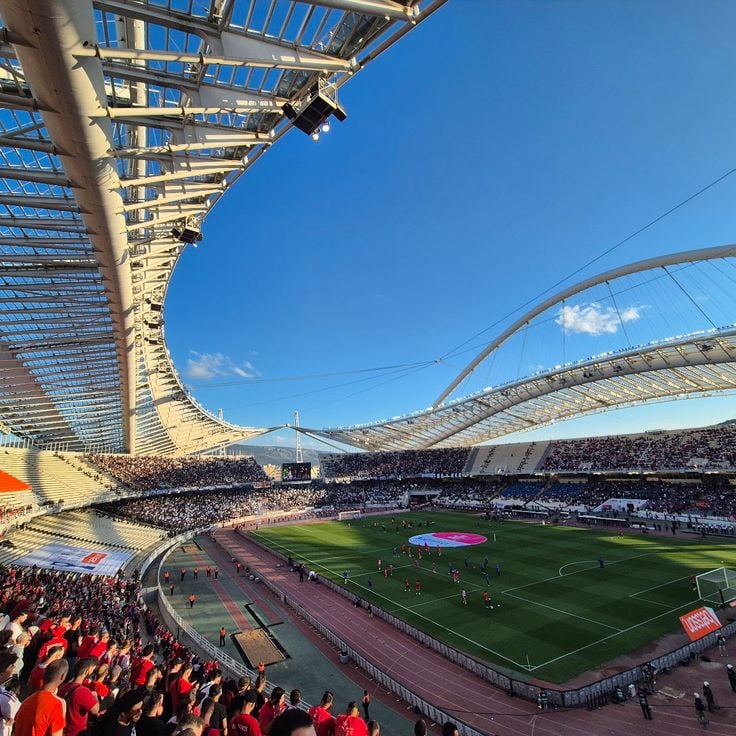
The Olympic Stadium of Athens is a modern venue built for the 2004 Olympic Games. It features a distinctive architectural design and continues to serve as an important location for international sporting events and a major tourist destination. Visitors can experience the history of the modern Olympics and appreciate the stadium's architectural qualities.
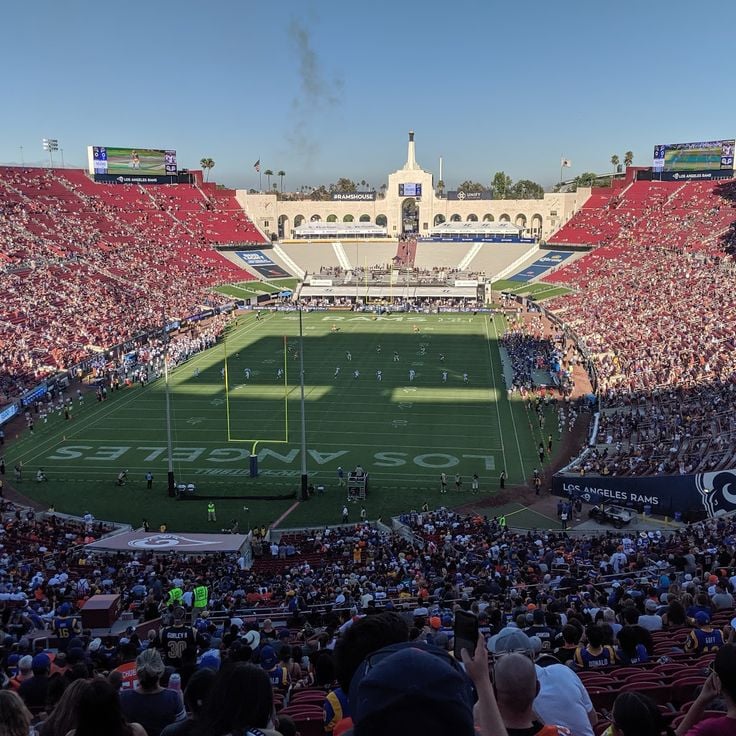
The Los Angeles Memorial Coliseum is a historic stadium that hosted the Olympic Games in 1932 and 1984. Built in 1923, this structure displays impressive architecture and remains an important venue for international sporting events. Visitors can experience the living history of Olympic sports here and explore the grounds that have welcomed generations of athletes and spectators.
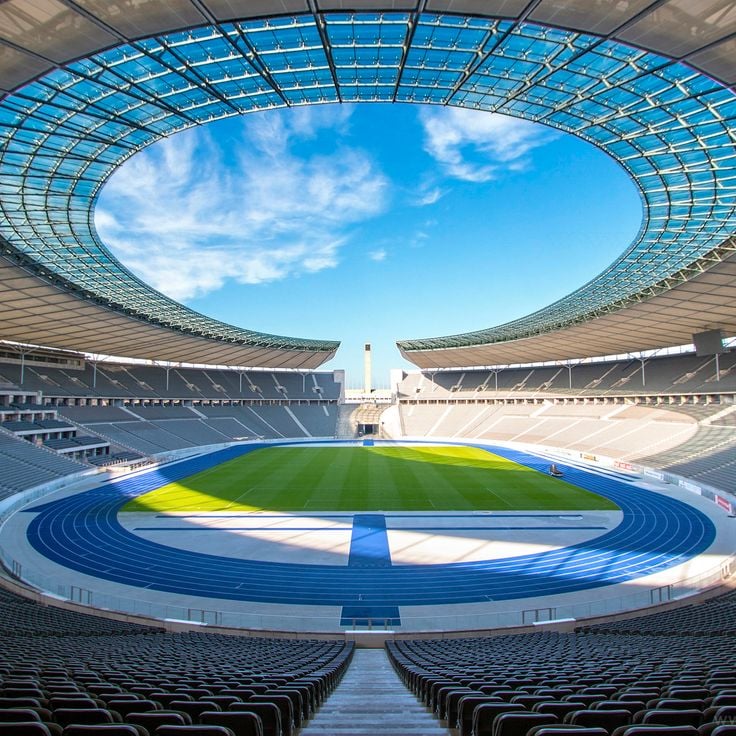
The Berlin Olympic Stadium is a historic stadium built in 1936 with early 20th century architecture. Constructed for the Olympic Games, it holds a large capacity for spectators. Today it stands as a witness to sports history and draws visitors from around the world who want to experience its architecture and significance.
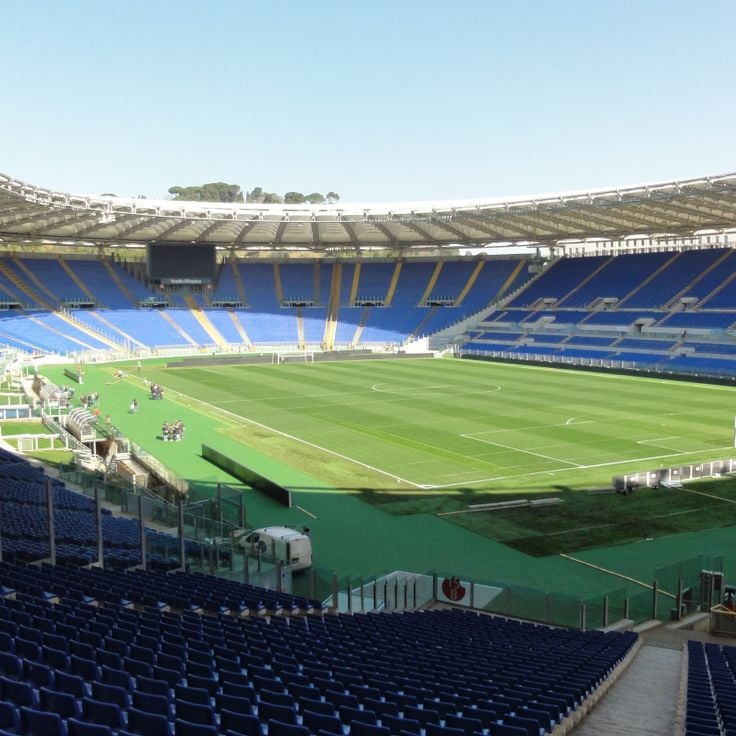
The Olympic Stadium of Rome hosted the 1960 Summer Games and sits within Rome's sports complex. This stadium marks an important moment in Olympic history and draws visitors who want to experience where one of the world's greatest sporting events took place. The architecture shows the design thinking of that era, and walking through it connects you to decades of athletic achievement.
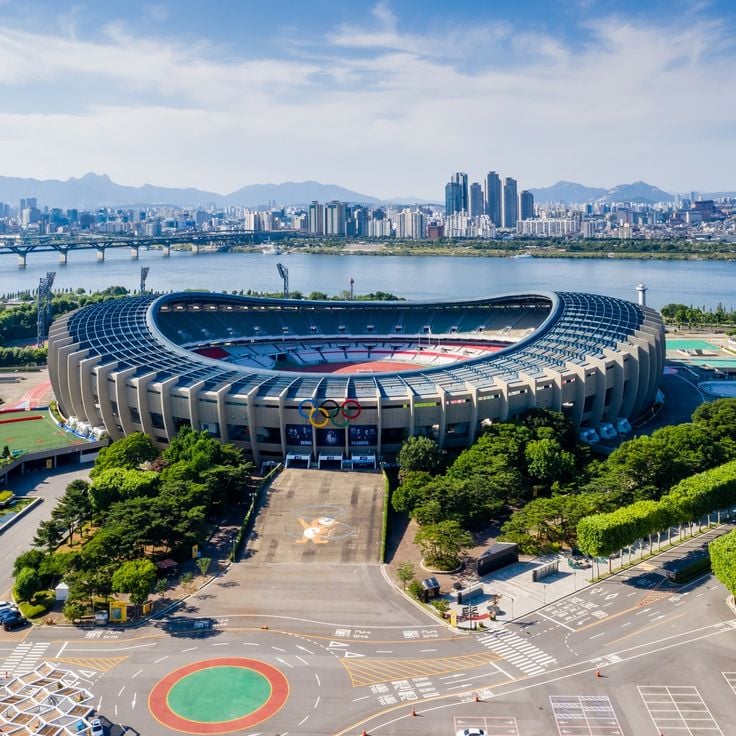
The Seoul Olympic Stadium served as the main venue for the 1988 Summer Olympics. Its design draws inspiration from traditional Korean architectural forms and continues to shape the city's landscape. The stadium remains an active sports facility that hosts various events and attracts visitors interested in Olympic history and modern sporting venues.
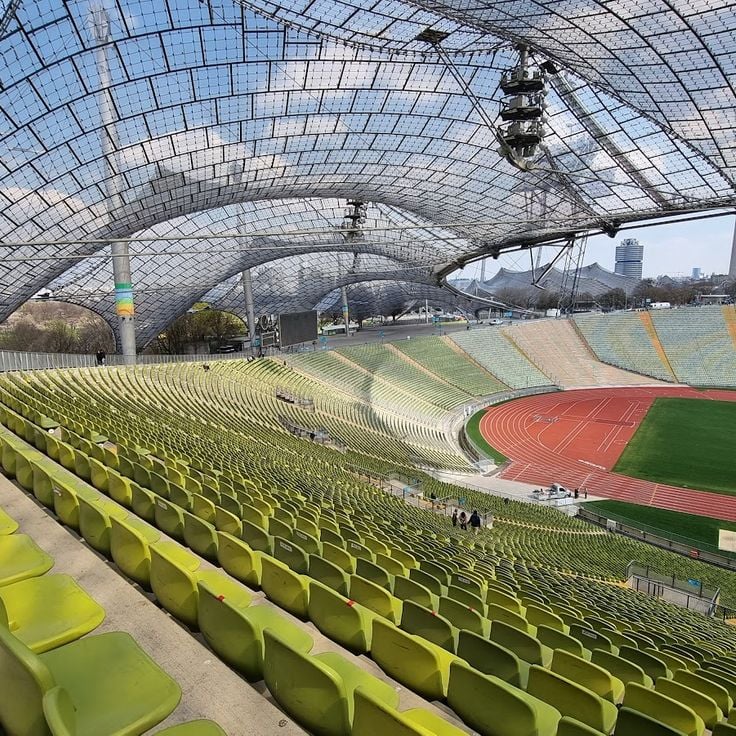
The Olympic Stadium of Munich is a sports facility with distinctive modern architecture from the 1970s. The building stands out for its innovative roof made of steel cables and plastic film, which appears to float lightly above the stadium. The complex hosted the 1972 Summer Olympic Games and remains an important venue for sporting events and cultural gatherings. Visitors find not only sports facilities here, but also green spaces and public areas that invite them to spend time.
The Montreal Olympic Stadium was built for the 1976 Olympic Games and is known for its distinctive leaning tower. The stadium remains an important landmark in the city and a venue for international sporting events. The modern architecture shapes the cityscape and attracts visitors interested in Olympic history.
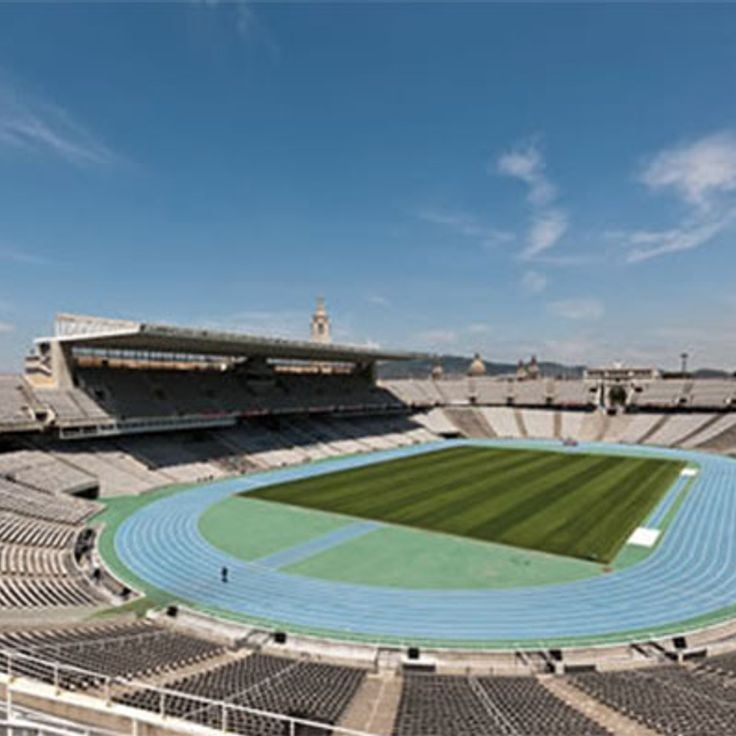
The Estadi Olímpic Lluís Companys sits in the hills of Barcelona and hosted the 1992 Olympic Games. This stadium is an important witness to Olympic history and draws visitors from around the world who want to experience its architecture and the stories of the athletes who competed here.
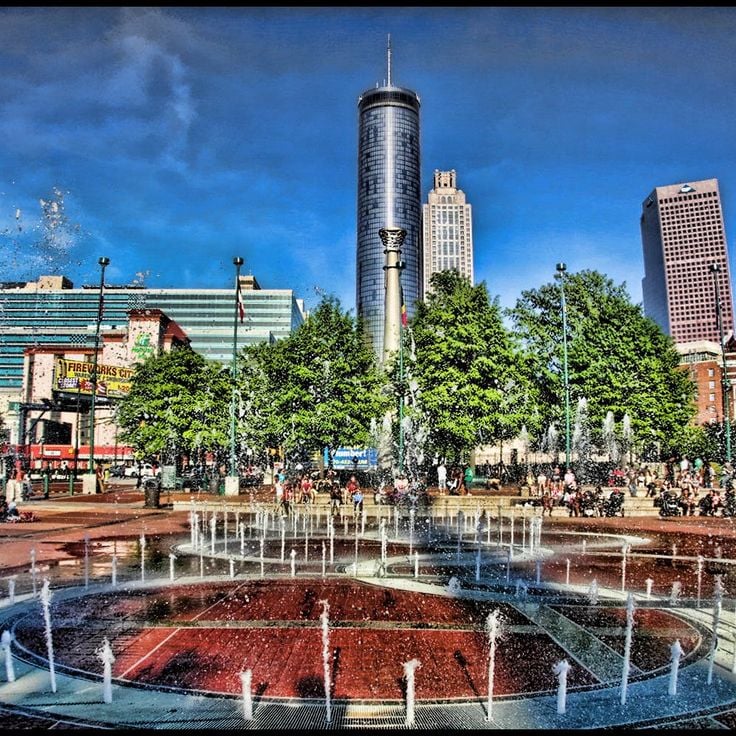
Centennial Olympic Park was created for the 1996 Summer Olympics in Atlanta and has become a public retreat in the heart of the city. Visitors and locals find open spaces, walking paths, and areas to rest among the landscaping. The park lets you experience the Olympic legacy while enjoying green surroundings in the middle of downtown. It is a place where the city's sporting past meets everyday life.
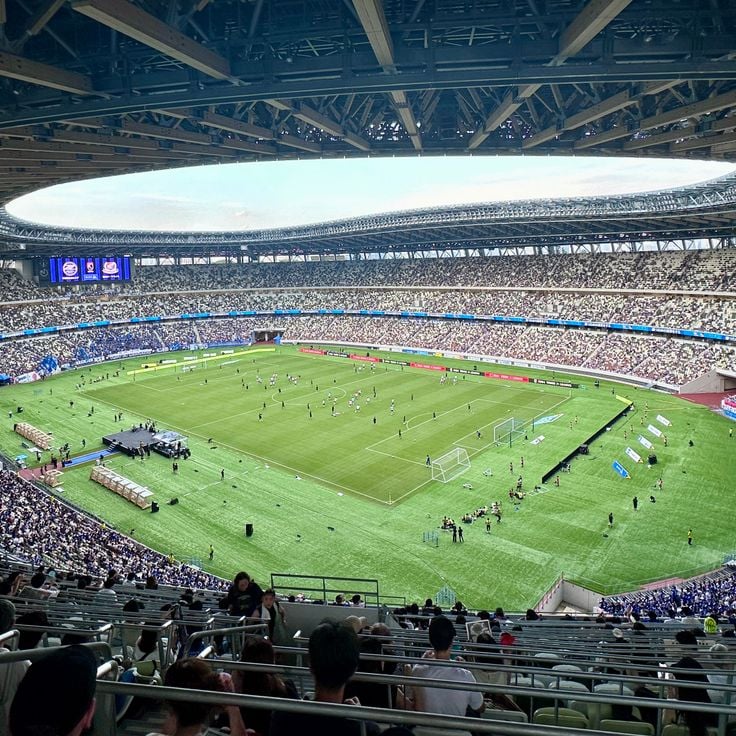
The Tokyo Olympic Stadium is a modern arena built for the 2020 Olympic Games. The building features a contemporary style and is used for international sports competitions. This stadium combines sports tradition with current design and attracts visitors from all over the world who want to learn about the history of the Olympic Games.
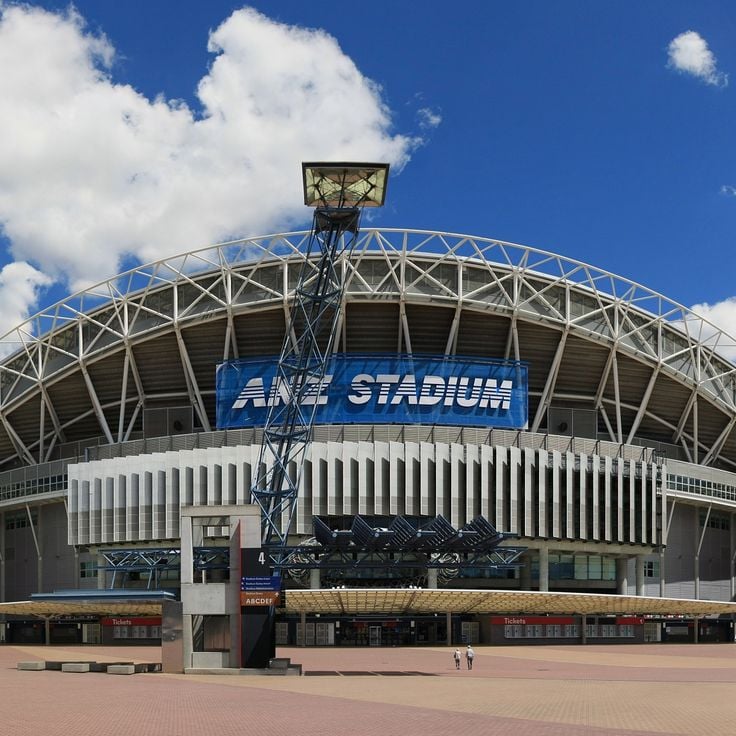
The Sydney Olympic Stadium hosted the 2000 Olympic Games and sits near the harbor. The building has a distinctive roof with white shells that look like sails. The venue is now an important location for sports and events in the city. Many people visit the stadium to see concerts and other major events.
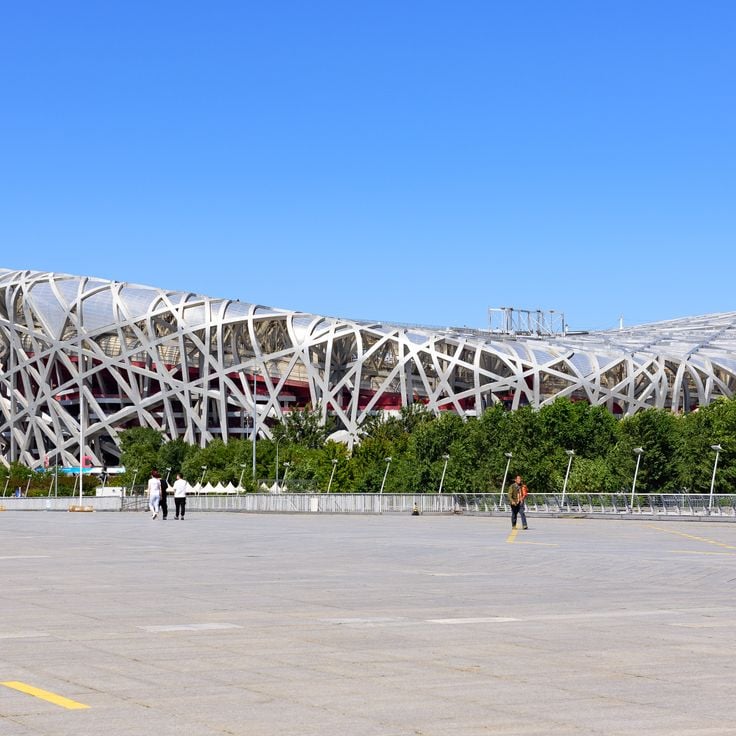
The Beijing National Stadium was built in 1 as the main venue for the 2008 Summer Olympics. It is recognized by its unique design made of crisscrossing steel beams that look like a large bird's nest. The stadium hosts more than 90,000 spectators and remains an important place for sports events and visitors from around the world today. Its modern look makes it a notable example of current stadium design.
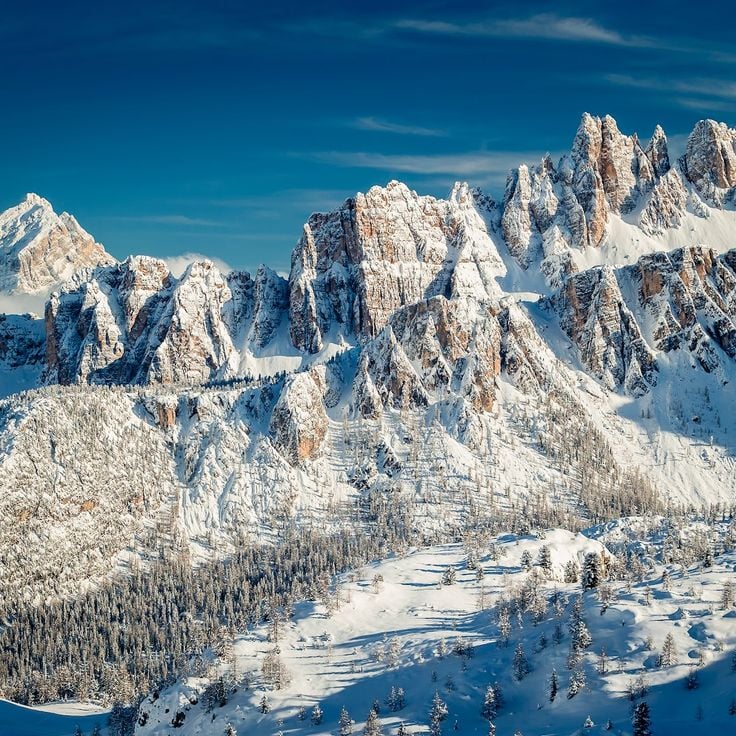
Cortina d'Ampezzo is a mountain resort in Italy that hosted the Winter Olympics in 1956 and was again a host at the start of 2026. This place combines the history of winter sports with the beauty of the Dolomites and remains an important destination for athletes and visitors from around the world.
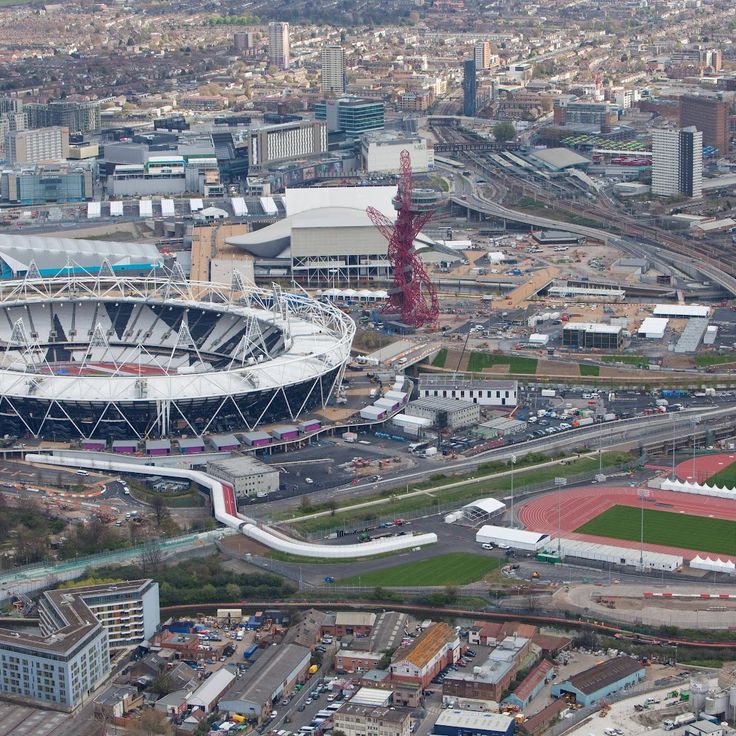
Queen Elizabeth Olympic Park was built for the 2012 Summer Games in London and combines sports venues with green spaces. The park features modern buildings and gives visitors room to walk and spend time outdoors. Sports events and concerts happen here regularly. It is a place where athletes train, crowds gather to watch competitions, and people enjoy the open air.
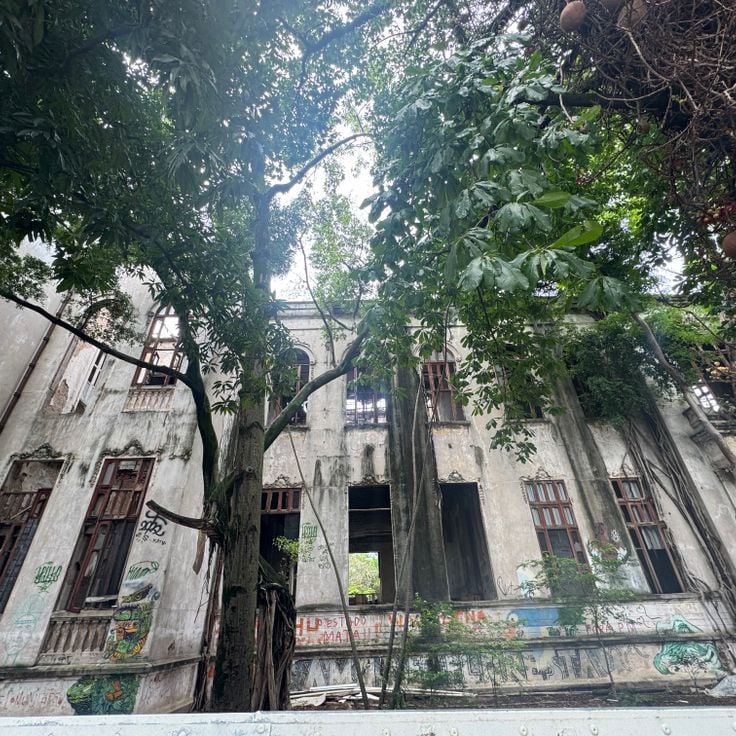
The Maracanã Stadium in Rio de Janeiro is a large historic stadium that hosted the 2016 Olympic Games and other major international sporting events. This stadium stands as a witness to sports history and remains an important venue for sporting events and visitors from around the world.
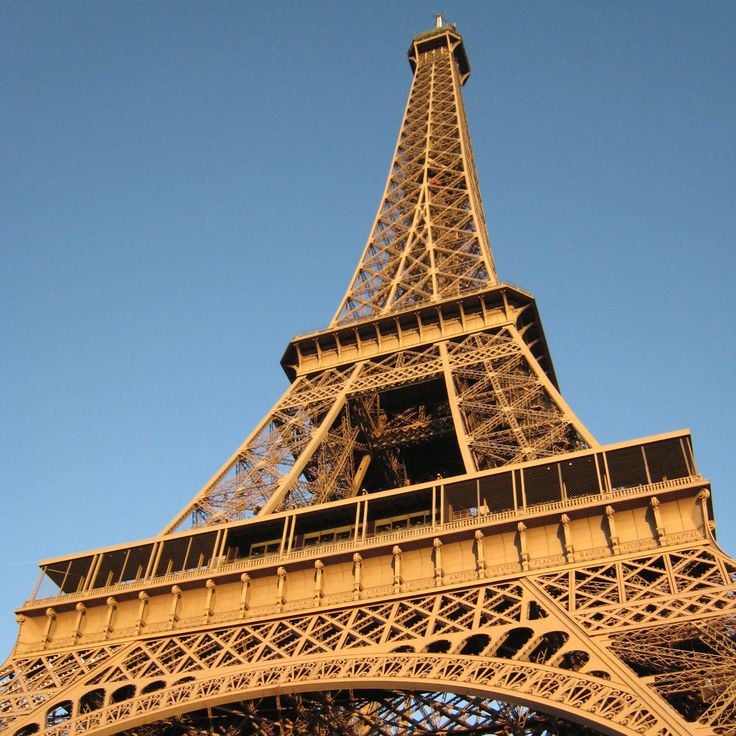
The Eiffel Tower served as the striking backdrop for the opening and closing ceremonies of the 2024 Paris Olympic Games. This iron structure has towered over the city for generations and became a stage for the spectacle of international competition during the Games. Today, visitors can experience the history of sport and the grandeur of these global athletic events from this legendary location.
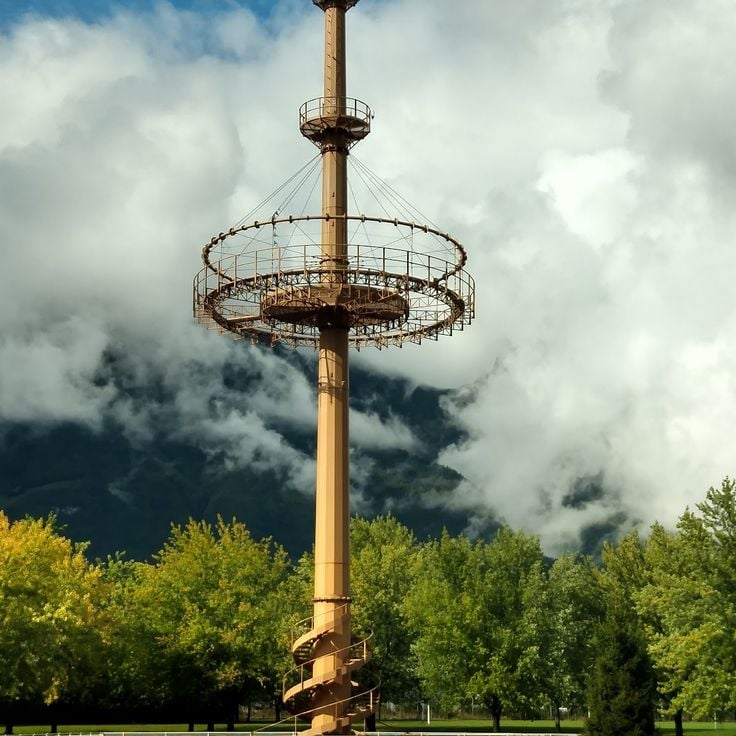
Albertville's Olympic Park hosted the 1992 Winter Games in the French Alps. This park preserves the facilities and structures built for these international competitions. Visitors can explore the venues where athletes from around the world competed while experiencing the mountain landscape of the region.
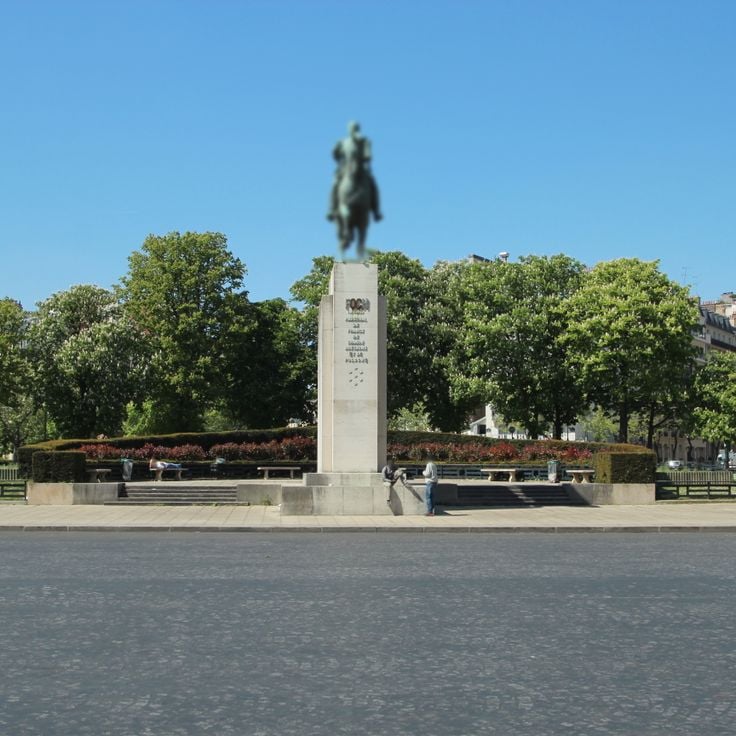
The Trocadero served as a central hub for ceremonies and public gatherings during the 2024 Olympic Games. This platform overlooking the Eiffel Tower played a key role in shaping the Olympic experience in Paris. Visitors could watch competitions and ceremonial moments from here and experience the city from a unique vantage point.
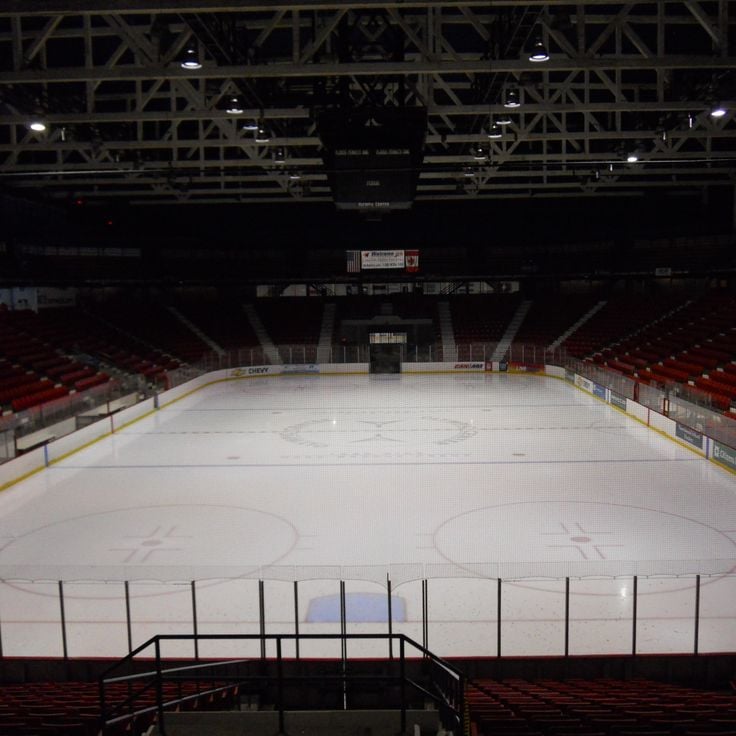
The Lake Placid Olympic Center hosted the Winter Games of 1932 and 1980 in the Adirondacks. This place tells the story of winter sports through its facilities, where athletes from around the world competed for medals. The buildings and the tracks still mark this area today and attract sports lovers who want to see where these historic competitions took place.
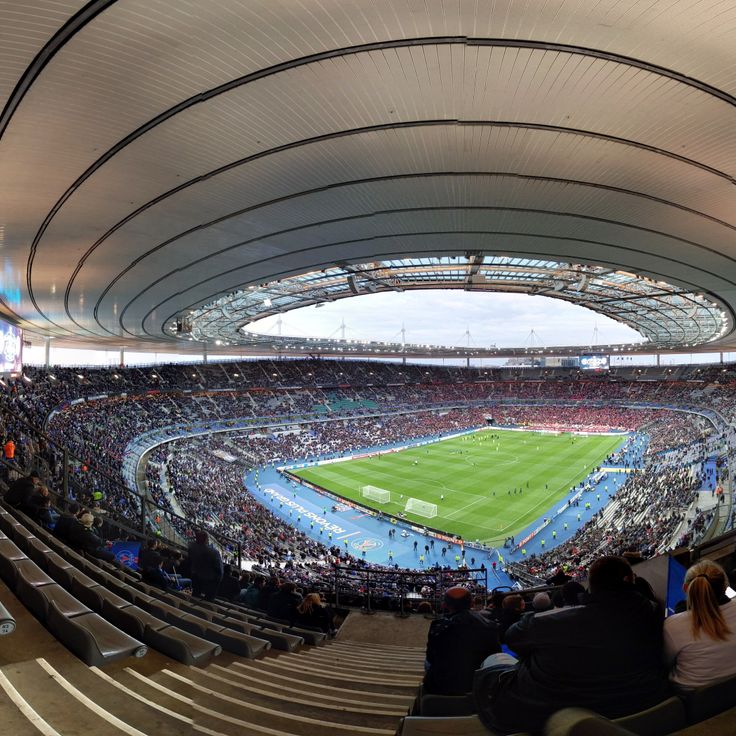
The Stade de France in Saint-Denis hosted the 2024 Olympic Games. Located near Paris, this stadium serves as a venue for major international sporting events. With its modern architecture and large capacity, it is an important destination for sports fans and visitors who want to experience Olympic history.
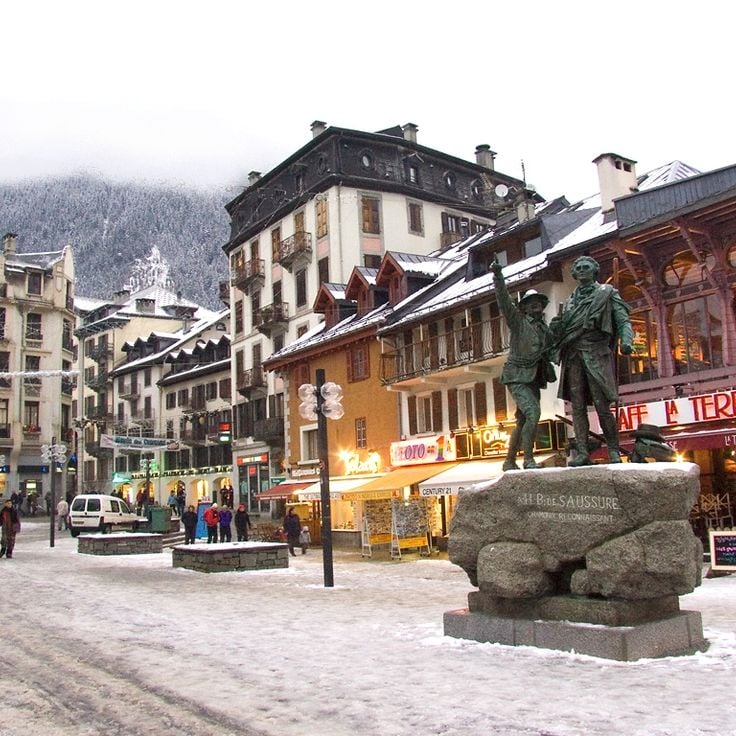
Chamonix is a mountain town in the French Alps that hosted the first Winter Olympics in 1924. This place played a key role in starting winter sports around the world and keeps the areas where athletes competed. The town combines old Olympic sites with the mountain environment, drawing visitors interested in how winter competitions began.
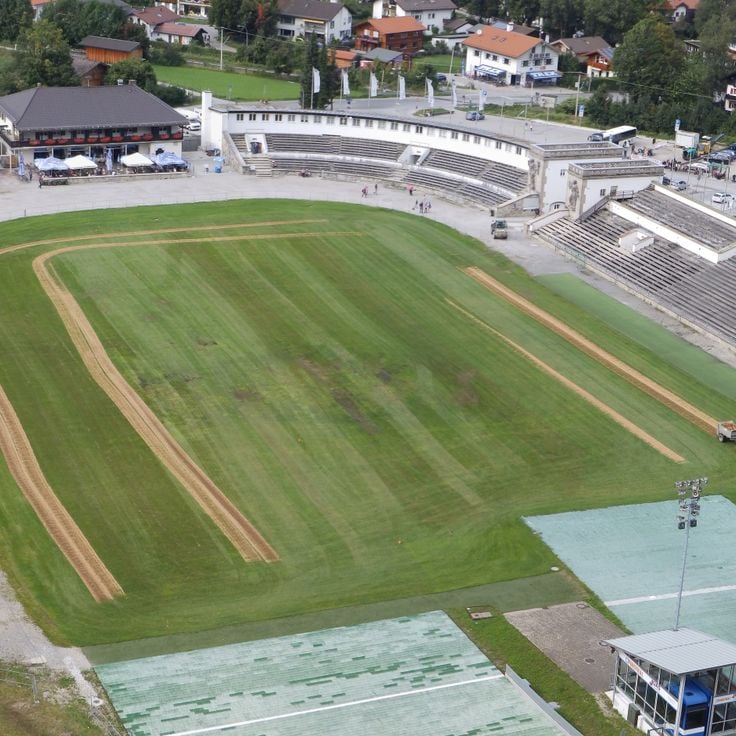
The Olympia-Skistadion in Garmisch-Partenkirchen hosted the Winter Games in 1936 and remains set within the Bavarian Alps. Ski jumping facilities are built into the mountainous terrain, creating a setting where sports and nature coexist. This venue has retained its role as a place where visitors can experience the history of Olympic competition. The installations show how sports venues can be designed to work with the surrounding landscape.
The Olympic ski jumping hill in Grenoble served as the venue for ski jumping events during the 1968 Winter Olympic Games. This facility remains an important site for those following the history of Olympic competition and attracts visitors interested in the evolution of winter sports.
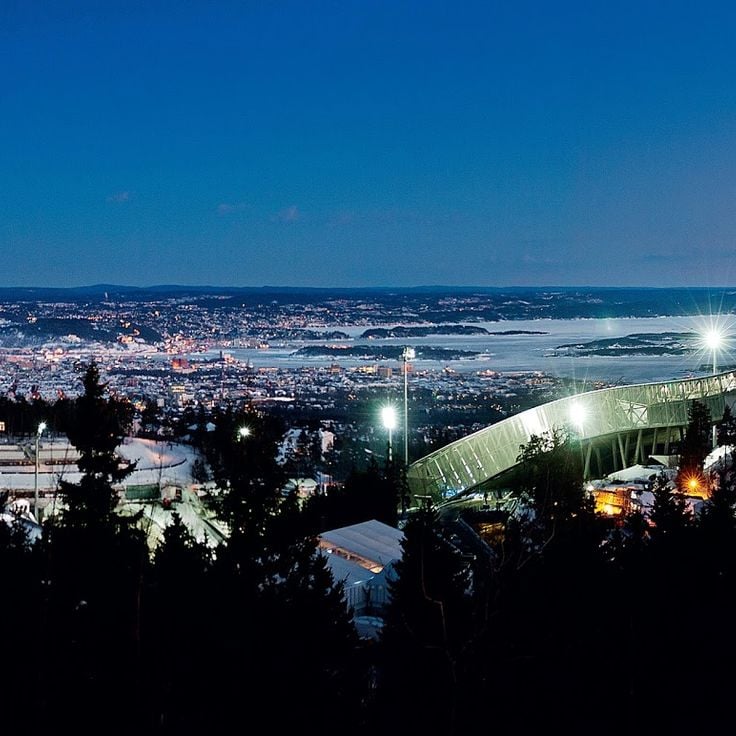
The Holmenkollen Ski Jump is a historic ski jumping facility in Oslo that has been operating since 1952. This site has hosted generations of jumpers and remains one of the oldest continuously used facilities of its kind. Visitors can climb the stands, explore the museum, and enjoy views of the city and surrounding forests. The jump is a center of Norwegian skiing and attracts athletes and tourists throughout the year.
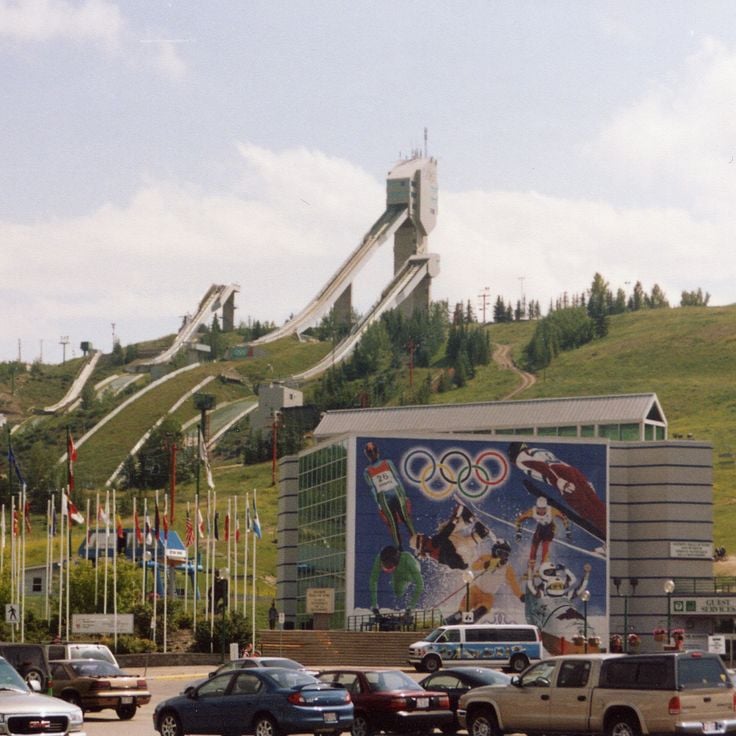
Calgary Olympic Park hosted the 1988 Winter Olympics. The site preserves its ski jumping and bobsleigh facilities, which continue to be used for training and competitions today. The park stands as a witness to international sports history and remains an important destination for visitors exploring Olympic venues around the world.
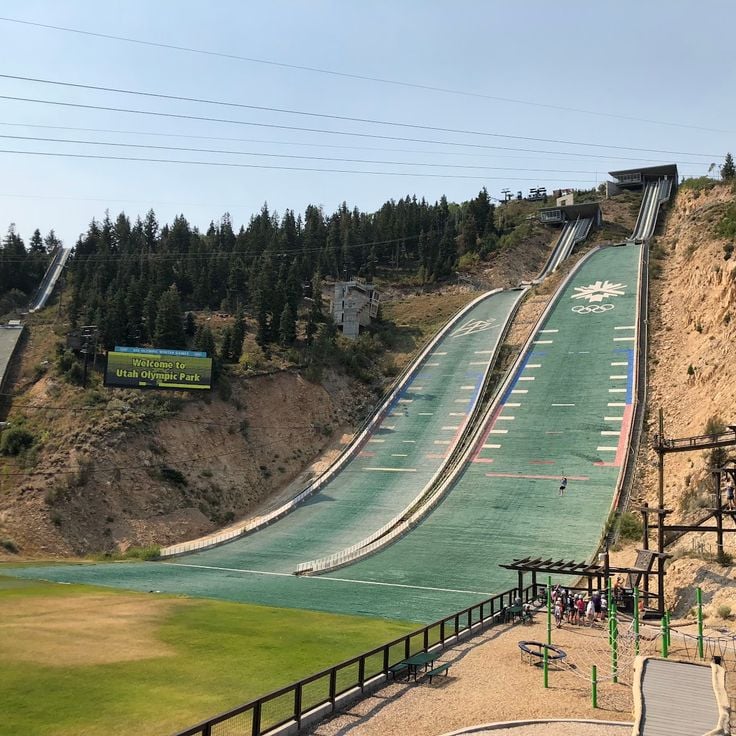
The Utah Olympic Park is an Olympic center located in Park City that hosted the winter events of the 2002 Olympic Games. This site displays the infrastructure built for international winter competitions and now serves as a training and competition venue for various winter sports including ski jumping, bobsleigh, and skeleton.
Vancouver's Olympic Park was created for the 2010 Winter Games in British Columbia. This place showcases the facilities built to host international competitions. Visitors can see the venues where athletes from around the world competed. The park remains a record of sports history and is used today by locals and tourists alike.
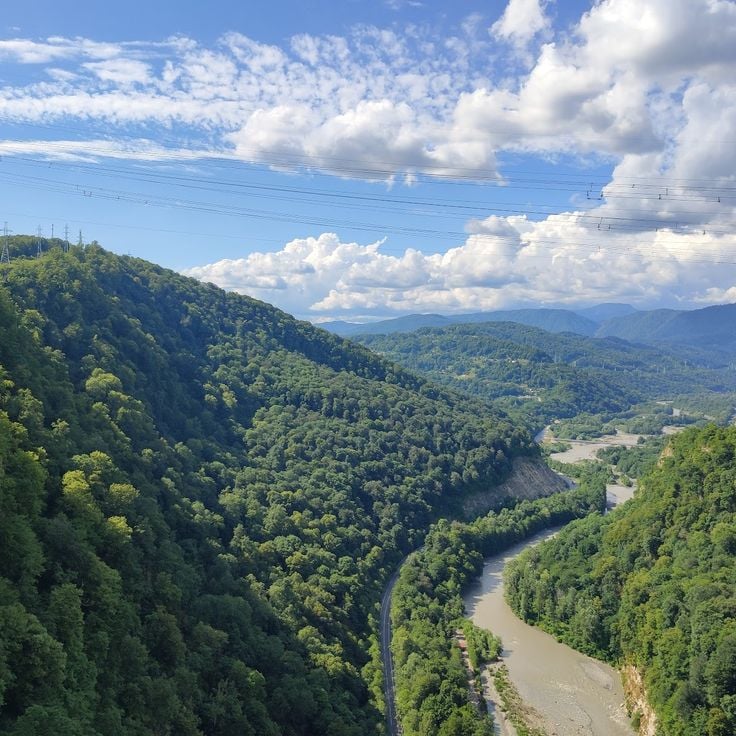
The Sochi Olympic Park hosted the 2014 Winter Olympic Games and sits along the Black Sea coast. This complex was built to meet the demands of international competition, with facilities ranging from ice arenas to ski slopes woven into the natural landscape. The park shows how an entire region was transformed to welcome the Olympics. Visitors can explore multiple venues that reveal the scale of hosting such a major global event, and the place remains a living record of winter sports and Olympic history.
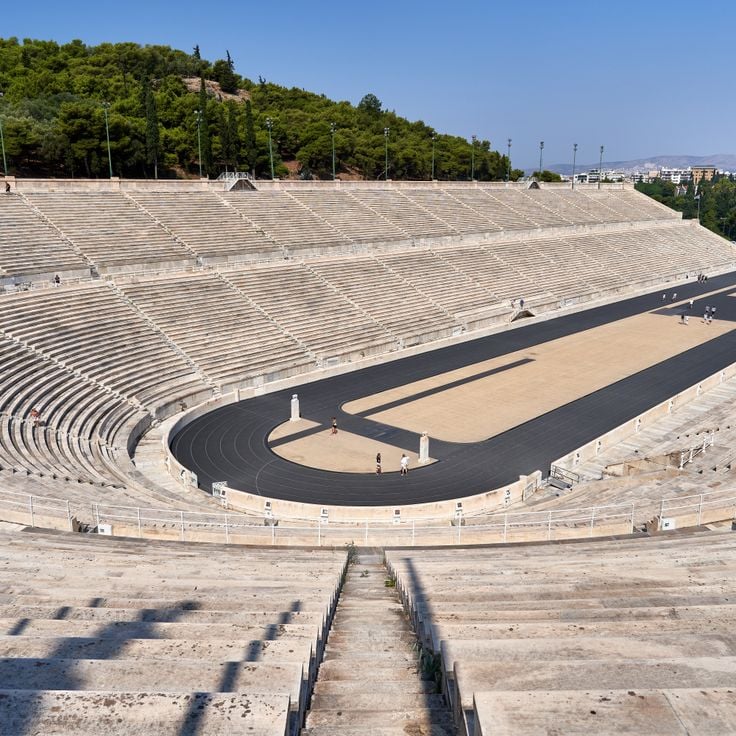
The Panathenaic Stadium in Athens is an ancient stadium that was restored and hosted the Olympic Games in 1896 and 2004. This stadium is an important site in sports history and ranks among the world's most significant Olympic venues. Visitors can experience the impressive architecture and historical character of one of the oldest Olympic stadiums.
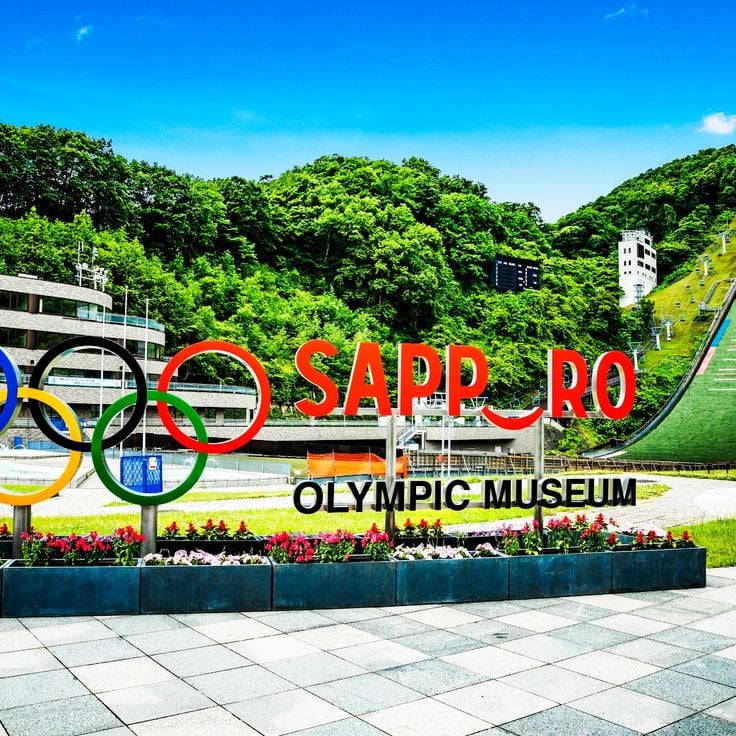
The Sapporo Olympic Park hosted the Winter Games in 1972 in northern Japan. This park remains an important destination for visitors interested in sports history. You will find notable architecture and public spaces that recall the greatest international sporting competitions.
The Olympic Stadium of Athens is a modern venue built for the 2004 Olympic Games. It features a distinctive architectural design and continues to serve as an important location for international sporting events and a major tourist destination. Visitors can experience the history of the modern Olympics and appreciate the stadium's architectural qualities.
The Los Angeles Memorial Coliseum is a historic stadium that hosted the Olympic Games in 1932 and 1984. Built in 1923, this structure displays impressive architecture and remains an important venue for international sporting events. Visitors can experience the living history of Olympic sports here and explore the grounds that have welcomed generations of athletes and spectators.
The Berlin Olympic Stadium is a historic stadium built in 1936 with early 20th century architecture. Constructed for the Olympic Games, it holds a large capacity for spectators. Today it stands as a witness to sports history and draws visitors from around the world who want to experience its architecture and significance.
The Olympic Stadium of Rome hosted the 1960 Summer Games and sits within Rome's sports complex. This stadium marks an important moment in Olympic history and draws visitors who want to experience where one of the world's greatest sporting events took place. The architecture shows the design thinking of that era, and walking through it connects you to decades of athletic achievement.
The Seoul Olympic Stadium served as the main venue for the 1988 Summer Olympics. Its design draws inspiration from traditional Korean architectural forms and continues to shape the city's landscape. The stadium remains an active sports facility that hosts various events and attracts visitors interested in Olympic history and modern sporting venues.
The Olympic Stadium of Munich is a sports facility with distinctive modern architecture from the 1970s. The building stands out for its innovative roof made of steel cables and plastic film, which appears to float lightly above the stadium. The complex hosted the 1972 Summer Olympic Games and remains an important venue for sporting events and cultural gatherings. Visitors find not only sports facilities here, but also green spaces and public areas that invite them to spend time.
The Montreal Olympic Stadium was built for the 1976 Olympic Games and is known for its distinctive leaning tower. The stadium remains an important landmark in the city and a venue for international sporting events. The modern architecture shapes the cityscape and attracts visitors interested in Olympic history.
The Estadi Olímpic Lluís Companys sits in the hills of Barcelona and hosted the 1992 Olympic Games. This stadium is an important witness to Olympic history and draws visitors from around the world who want to experience its architecture and the stories of the athletes who competed here.
Centennial Olympic Park was created for the 1996 Summer Olympics in Atlanta and has become a public retreat in the heart of the city. Visitors and locals find open spaces, walking paths, and areas to rest among the landscaping. The park lets you experience the Olympic legacy while enjoying green surroundings in the middle of downtown. It is a place where the city's sporting past meets everyday life.
The Tokyo Olympic Stadium is a modern arena built for the 2020 Olympic Games. The building features a contemporary style and is used for international sports competitions. This stadium combines sports tradition with current design and attracts visitors from all over the world who want to learn about the history of the Olympic Games.
The Sydney Olympic Stadium hosted the 2000 Olympic Games and sits near the harbor. The building has a distinctive roof with white shells that look like sails. The venue is now an important location for sports and events in the city. Many people visit the stadium to see concerts and other major events.
The Beijing National Stadium was built in 1 as the main venue for the 2008 Summer Olympics. It is recognized by its unique design made of crisscrossing steel beams that look like a large bird's nest. The stadium hosts more than 90,000 spectators and remains an important place for sports events and visitors from around the world today. Its modern look makes it a notable example of current stadium design.
Cortina d'Ampezzo is a mountain resort in Italy that hosted the Winter Olympics in 1956 and was again a host at the start of 2026. This place combines the history of winter sports with the beauty of the Dolomites and remains an important destination for athletes and visitors from around the world.
Queen Elizabeth Olympic Park was built for the 2012 Summer Games in London and combines sports venues with green spaces. The park features modern buildings and gives visitors room to walk and spend time outdoors. Sports events and concerts happen here regularly. It is a place where athletes train, crowds gather to watch competitions, and people enjoy the open air.
The Maracanã Stadium in Rio de Janeiro is a large historic stadium that hosted the 2016 Olympic Games and other major international sporting events. This stadium stands as a witness to sports history and remains an important venue for sporting events and visitors from around the world.
The Eiffel Tower served as the striking backdrop for the opening and closing ceremonies of the 2024 Paris Olympic Games. This iron structure has towered over the city for generations and became a stage for the spectacle of international competition during the Games. Today, visitors can experience the history of sport and the grandeur of these global athletic events from this legendary location.
Albertville's Olympic Park hosted the 1992 Winter Games in the French Alps. This park preserves the facilities and structures built for these international competitions. Visitors can explore the venues where athletes from around the world competed while experiencing the mountain landscape of the region.
The Trocadero served as a central hub for ceremonies and public gatherings during the 2024 Olympic Games. This platform overlooking the Eiffel Tower played a key role in shaping the Olympic experience in Paris. Visitors could watch competitions and ceremonial moments from here and experience the city from a unique vantage point.
The Lake Placid Olympic Center hosted the Winter Games of 1932 and 1980 in the Adirondacks. This place tells the story of winter sports through its facilities, where athletes from around the world competed for medals. The buildings and the tracks still mark this area today and attract sports lovers who want to see where these historic competitions took place.
The Stade de France in Saint-Denis hosted the 2024 Olympic Games. Located near Paris, this stadium serves as a venue for major international sporting events. With its modern architecture and large capacity, it is an important destination for sports fans and visitors who want to experience Olympic history.
Chamonix is a mountain town in the French Alps that hosted the first Winter Olympics in 1924. This place played a key role in starting winter sports around the world and keeps the areas where athletes competed. The town combines old Olympic sites with the mountain environment, drawing visitors interested in how winter competitions began.
The Olympia-Skistadion in Garmisch-Partenkirchen hosted the Winter Games in 1936 and remains set within the Bavarian Alps. Ski jumping facilities are built into the mountainous terrain, creating a setting where sports and nature coexist. This venue has retained its role as a place where visitors can experience the history of Olympic competition. The installations show how sports venues can be designed to work with the surrounding landscape.
The Olympic ski jumping hill in Grenoble served as the venue for ski jumping events during the 1968 Winter Olympic Games. This facility remains an important site for those following the history of Olympic competition and attracts visitors interested in the evolution of winter sports.
The Holmenkollen Ski Jump is a historic ski jumping facility in Oslo that has been operating since 1952. This site has hosted generations of jumpers and remains one of the oldest continuously used facilities of its kind. Visitors can climb the stands, explore the museum, and enjoy views of the city and surrounding forests. The jump is a center of Norwegian skiing and attracts athletes and tourists throughout the year.
Calgary Olympic Park hosted the 1988 Winter Olympics. The site preserves its ski jumping and bobsleigh facilities, which continue to be used for training and competitions today. The park stands as a witness to international sports history and remains an important destination for visitors exploring Olympic venues around the world.
The Utah Olympic Park is an Olympic center located in Park City that hosted the winter events of the 2002 Olympic Games. This site displays the infrastructure built for international winter competitions and now serves as a training and competition venue for various winter sports including ski jumping, bobsleigh, and skeleton.
Vancouver's Olympic Park was created for the 2010 Winter Games in British Columbia. This place showcases the facilities built to host international competitions. Visitors can see the venues where athletes from around the world competed. The park remains a record of sports history and is used today by locals and tourists alike.
The Sochi Olympic Park hosted the 2014 Winter Olympic Games and sits along the Black Sea coast. This complex was built to meet the demands of international competition, with facilities ranging from ice arenas to ski slopes woven into the natural landscape. The park shows how an entire region was transformed to welcome the Olympics. Visitors can explore multiple venues that reveal the scale of hosting such a major global event, and the place remains a living record of winter sports and Olympic history.
The Panathenaic Stadium in Athens is an ancient stadium that was restored and hosted the Olympic Games in 1896 and 2004. This stadium is an important site in sports history and ranks among the world's most significant Olympic venues. Visitors can experience the impressive architecture and historical character of one of the oldest Olympic stadiums.
The Sapporo Olympic Park hosted the Winter Games in 1972 in northern Japan. This park remains an important destination for visitors interested in sports history. You will find notable architecture and public spaces that recall the greatest international sporting competitions.
The Olympic Stadium of Athens is a modern venue built for the 2004 Olympic Games. It features a distinctive architectural design and continues to serve as an important location for international sporting events and a major tourist destination. Visitors can experience the history of the modern Olympics and appreciate the stadium's architectural qualities.
The Los Angeles Memorial Coliseum is a historic stadium that hosted the Olympic Games in 1932 and 1984. Built in 1923, this structure displays impressive architecture and remains an important venue for international sporting events. Visitors can experience the living history of Olympic sports here and explore the grounds that have welcomed generations of athletes and spectators.
The Berlin Olympic Stadium is a historic stadium built in 1936 with early 20th century architecture. Constructed for the Olympic Games, it holds a large capacity for spectators. Today it stands as a witness to sports history and draws visitors from around the world who want to experience its architecture and significance.
The Olympic Stadium of Rome hosted the 1960 Summer Games and sits within Rome's sports complex. This stadium marks an important moment in Olympic history and draws visitors who want to experience where one of the world's greatest sporting events took place. The architecture shows the design thinking of that era, and walking through it connects you to decades of athletic achievement.
The Seoul Olympic Stadium served as the main venue for the 1988 Summer Olympics. Its design draws inspiration from traditional Korean architectural forms and continues to shape the city's landscape. The stadium remains an active sports facility that hosts various events and attracts visitors interested in Olympic history and modern sporting venues.
The Olympic Stadium of Munich is a sports facility with distinctive modern architecture from the 1970s. The building stands out for its innovative roof made of steel cables and plastic film, which appears to float lightly above the stadium. The complex hosted the 1972 Summer Olympic Games and remains an important venue for sporting events and cultural gatherings. Visitors find not only sports facilities here, but also green spaces and public areas that invite them to spend time.
The Montreal Olympic Stadium was built for the 1976 Olympic Games and is known for its distinctive leaning tower. The stadium remains an important landmark in the city and a venue for international sporting events. The modern architecture shapes the cityscape and attracts visitors interested in Olympic history.
The Estadi Olímpic Lluís Companys sits in the hills of Barcelona and hosted the 1992 Olympic Games. This stadium is an important witness to Olympic history and draws visitors from around the world who want to experience its architecture and the stories of the athletes who competed here.
Centennial Olympic Park was created for the 1996 Summer Olympics in Atlanta and has become a public retreat in the heart of the city. Visitors and locals find open spaces, walking paths, and areas to rest among the landscaping. The park lets you experience the Olympic legacy while enjoying green surroundings in the middle of downtown. It is a place where the city's sporting past meets everyday life.
The Tokyo Olympic Stadium is a modern arena built for the 2020 Olympic Games. The building features a contemporary style and is used for international sports competitions. This stadium combines sports tradition with current design and attracts visitors from all over the world who want to learn about the history of the Olympic Games.
The Sydney Olympic Stadium hosted the 2000 Olympic Games and sits near the harbor. The building has a distinctive roof with white shells that look like sails. The venue is now an important location for sports and events in the city. Many people visit the stadium to see concerts and other major events.
The Beijing National Stadium was built in 1 as the main venue for the 2008 Summer Olympics. It is recognized by its unique design made of crisscrossing steel beams that look like a large bird's nest. The stadium hosts more than 90,000 spectators and remains an important place for sports events and visitors from around the world today. Its modern look makes it a notable example of current stadium design.
Cortina d'Ampezzo is a mountain resort in Italy that hosted the Winter Olympics in 1956 and was again a host at the start of 2026. This place combines the history of winter sports with the beauty of the Dolomites and remains an important destination for athletes and visitors from around the world.
Queen Elizabeth Olympic Park was built for the 2012 Summer Games in London and combines sports venues with green spaces. The park features modern buildings and gives visitors room to walk and spend time outdoors. Sports events and concerts happen here regularly. It is a place where athletes train, crowds gather to watch competitions, and people enjoy the open air.
The Maracanã Stadium in Rio de Janeiro is a large historic stadium that hosted the 2016 Olympic Games and other major international sporting events. This stadium stands as a witness to sports history and remains an important venue for sporting events and visitors from around the world.
The Eiffel Tower served as the striking backdrop for the opening and closing ceremonies of the 2024 Paris Olympic Games. This iron structure has towered over the city for generations and became a stage for the spectacle of international competition during the Games. Today, visitors can experience the history of sport and the grandeur of these global athletic events from this legendary location.
Albertville's Olympic Park hosted the 1992 Winter Games in the French Alps. This park preserves the facilities and structures built for these international competitions. Visitors can explore the venues where athletes from around the world competed while experiencing the mountain landscape of the region.
The Trocadero served as a central hub for ceremonies and public gatherings during the 2024 Olympic Games. This platform overlooking the Eiffel Tower played a key role in shaping the Olympic experience in Paris. Visitors could watch competitions and ceremonial moments from here and experience the city from a unique vantage point.
The Lake Placid Olympic Center hosted the Winter Games of 1932 and 1980 in the Adirondacks. This place tells the story of winter sports through its facilities, where athletes from around the world competed for medals. The buildings and the tracks still mark this area today and attract sports lovers who want to see where these historic competitions took place.
The Stade de France in Saint-Denis hosted the 2024 Olympic Games. Located near Paris, this stadium serves as a venue for major international sporting events. With its modern architecture and large capacity, it is an important destination for sports fans and visitors who want to experience Olympic history.
Chamonix is a mountain town in the French Alps that hosted the first Winter Olympics in 1924. This place played a key role in starting winter sports around the world and keeps the areas where athletes competed. The town combines old Olympic sites with the mountain environment, drawing visitors interested in how winter competitions began.
The Olympia-Skistadion in Garmisch-Partenkirchen hosted the Winter Games in 1936 and remains set within the Bavarian Alps. Ski jumping facilities are built into the mountainous terrain, creating a setting where sports and nature coexist. This venue has retained its role as a place where visitors can experience the history of Olympic competition. The installations show how sports venues can be designed to work with the surrounding landscape.
The Olympic ski jumping hill in Grenoble served as the venue for ski jumping events during the 1968 Winter Olympic Games. This facility remains an important site for those following the history of Olympic competition and attracts visitors interested in the evolution of winter sports.
The Holmenkollen Ski Jump is a historic ski jumping facility in Oslo that has been operating since 1952. This site has hosted generations of jumpers and remains one of the oldest continuously used facilities of its kind. Visitors can climb the stands, explore the museum, and enjoy views of the city and surrounding forests. The jump is a center of Norwegian skiing and attracts athletes and tourists throughout the year.
Calgary Olympic Park hosted the 1988 Winter Olympics. The site preserves its ski jumping and bobsleigh facilities, which continue to be used for training and competitions today. The park stands as a witness to international sports history and remains an important destination for visitors exploring Olympic venues around the world.
The Utah Olympic Park is an Olympic center located in Park City that hosted the winter events of the 2002 Olympic Games. This site displays the infrastructure built for international winter competitions and now serves as a training and competition venue for various winter sports including ski jumping, bobsleigh, and skeleton.
Vancouver's Olympic Park was created for the 2010 Winter Games in British Columbia. This place showcases the facilities built to host international competitions. Visitors can see the venues where athletes from around the world competed. The park remains a record of sports history and is used today by locals and tourists alike.
The Sochi Olympic Park hosted the 2014 Winter Olympic Games and sits along the Black Sea coast. This complex was built to meet the demands of international competition, with facilities ranging from ice arenas to ski slopes woven into the natural landscape. The park shows how an entire region was transformed to welcome the Olympics. Visitors can explore multiple venues that reveal the scale of hosting such a major global event, and the place remains a living record of winter sports and Olympic history.
The Panathenaic Stadium in Athens is an ancient stadium that was restored and hosted the Olympic Games in 1896 and 2004. This stadium is an important site in sports history and ranks among the world's most significant Olympic venues. Visitors can experience the impressive architecture and historical character of one of the oldest Olympic stadiums.
The Sapporo Olympic Park hosted the Winter Games in 1972 in northern Japan. This park remains an important destination for visitors interested in sports history. You will find notable architecture and public spaces that recall the greatest international sporting competitions.
When visiting these stadiums, you will see how sports shape cities. Each place shows a different time. Plan your visits according to the seasons, as some winter Olympic sites are only open in winter. A tip: go early in the morning to avoid crowds and enjoy the quietness.