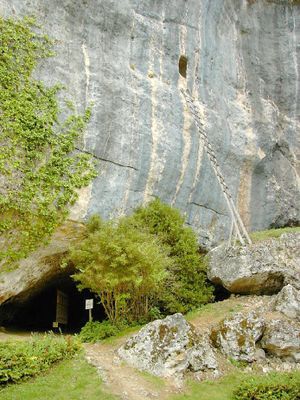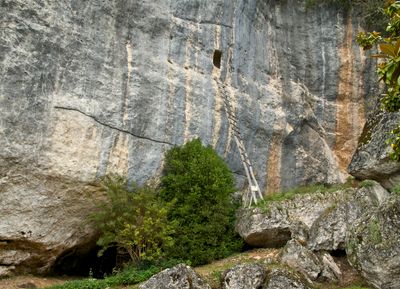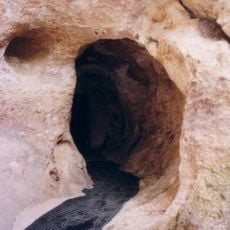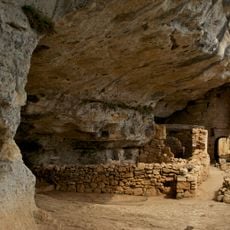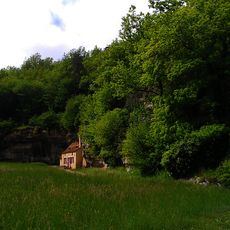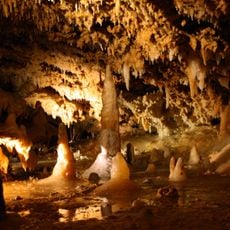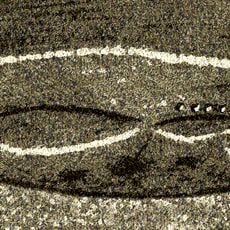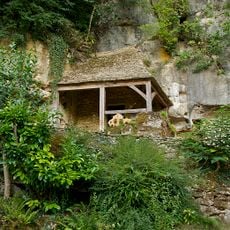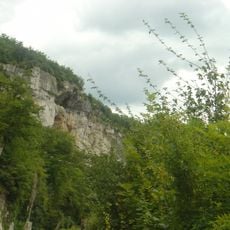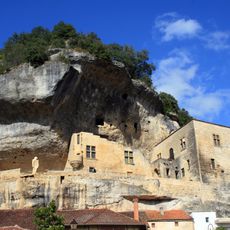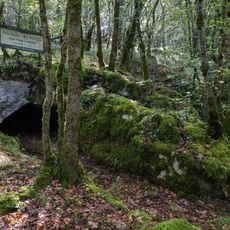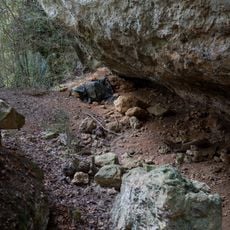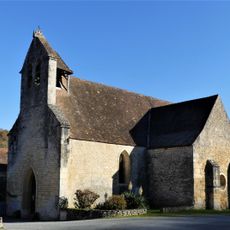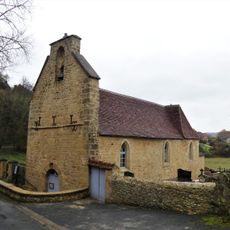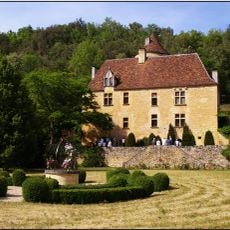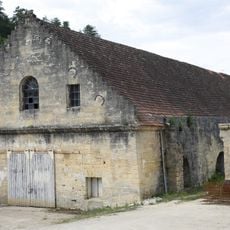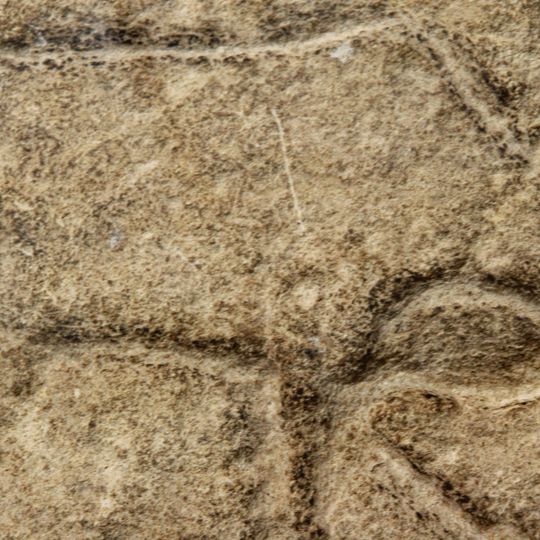
Laugerie-Basse, Prehistoric rock shelter in Les Eyzies-de-Tayac-Sireuil, France.
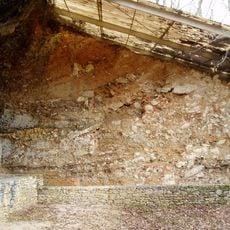
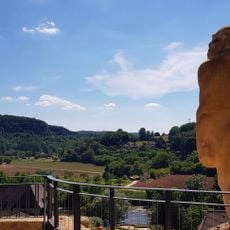
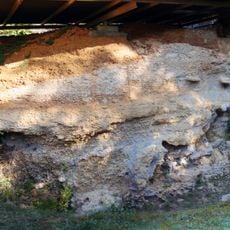
Laugerie-Basse is an archaeological site with two rock shelters carved into limestone cliffs along the right bank of the Vézère River. Both shelters contain layered deposits of fireplaces, tools, and remains that record many thousands of years of human use.
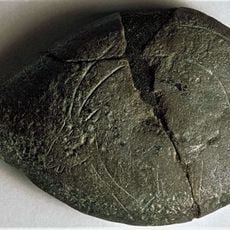
The site was first excavated in 1863 by Édouard Lartet and Henry Christy, revealing more than 600 Magdalenian artifacts. These early systematic digs were crucial in establishing how archaeologists understood prehistoric art and human settlement patterns.
The site takes its name from local terms referring to the natural rock shelters that have drawn people for thousands of years. Visitors today can see evidence of how early people made their tools and organized daily life within these natural stone enclosures.
The site is explained through information panels and digital displays that help visitors understand the archaeological layers and discoveries. Combined entry tickets with the nearby Grotte du Grand Roc make it possible to visit several prehistoric locations during a single trip.
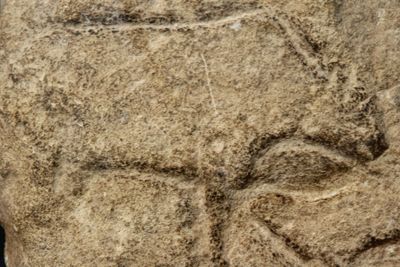
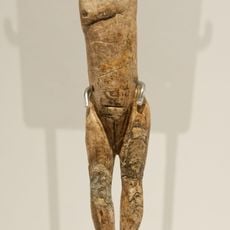
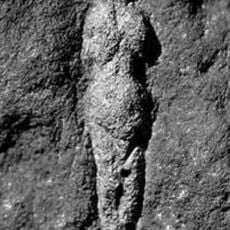
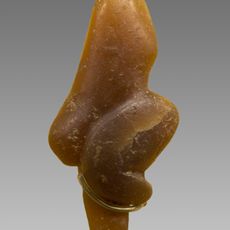
A small female figurine discovered in one shelter in 1864 puzzled early scientists and eventually led to recognition of an entirely new category of prehistoric art. This find showed that early people created abstract forms quite different from the cave paintings already known to researchers.
The community of curious travelers
AroundUs brings together thousands of curated places, local tips, and hidden gems, enriched daily by 60,000 contributors worldwide.