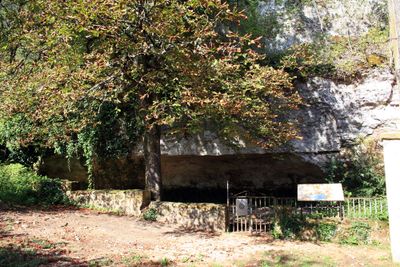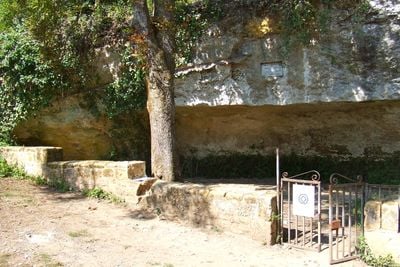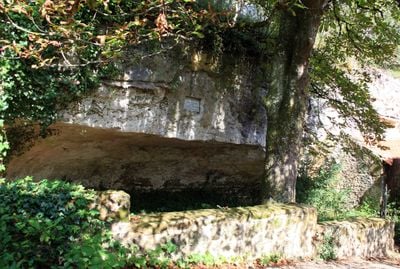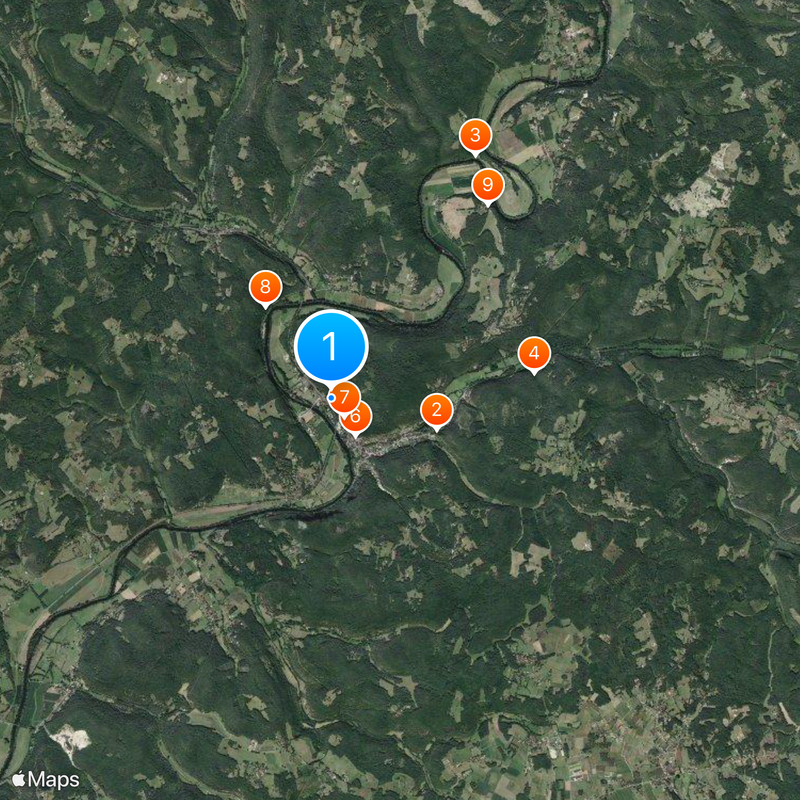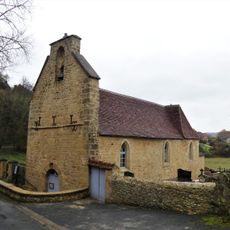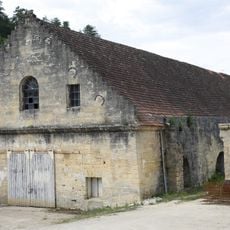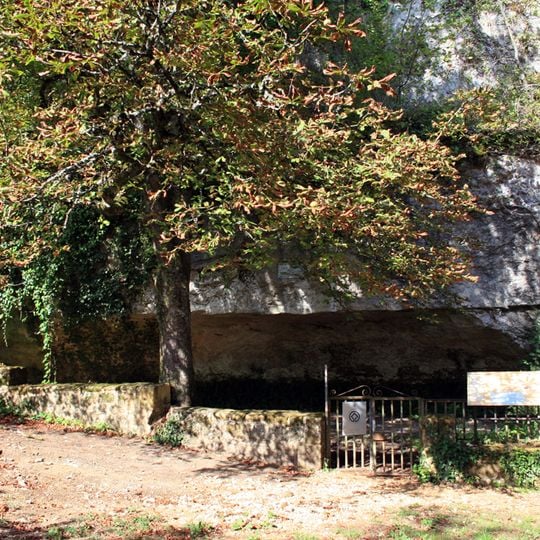
Cro-Magnon site, Archaeological site in Les Eyzies, France
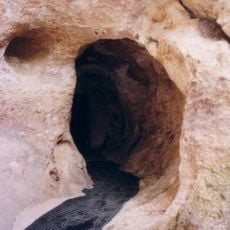
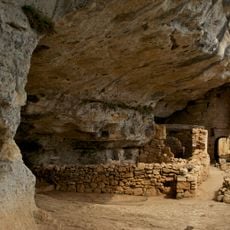
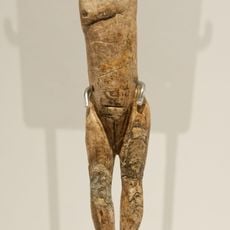
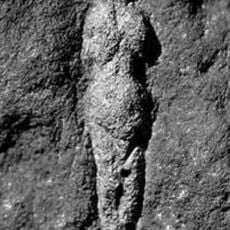
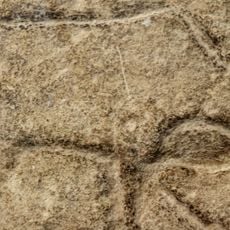
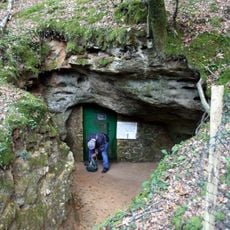
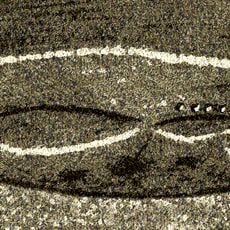
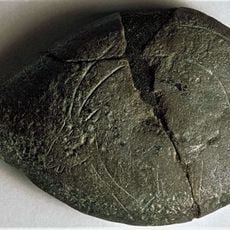
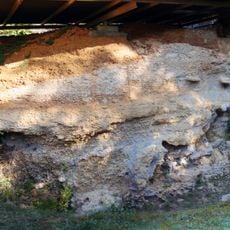
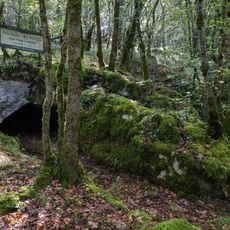
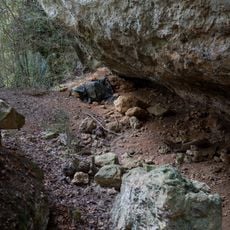
The Cro-Magnon site is a rock shelter within the Dordogne cliffs where archaeologists uncovered remains spanning thousands of years of the Upper Paleolithic period. Multiple dig layers reveal stone and bone tools alongside carved objects and the human skeletons that made this location scientifically important.
Workers accidentally found ancient human bones during construction in 1868, prompting French scientist Louis Lartet to launch the first formal excavation at the shelter. This pioneering investigation laid the foundation for modern understanding of how early modern Europeans lived and adapted to their world.
The shelter's name became the scientific label for all early modern humans in Europe after discoveries here. When you walk through the site, you recognize how a single location shaped the way researchers worldwide classify an entire human population.
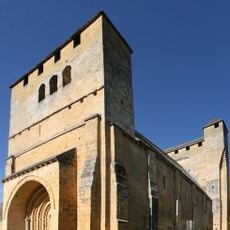
An exhibition center at the location presents the discoveries through interactive screens and holographic displays that help explain what was found and why it matters. Plan to spend time with the displays and wear comfortable shoes, as you will walk through the rock shelter and surrounding grounds.
One of the adult male skeletons found here shows signs of neurofibromatosis, a genetic condition that causes growths along the nerves. This finding is striking because it documents that such a condition affected humans tens of thousands of years ago.
The community of curious travelers
AroundUs brings together thousands of curated places, local tips, and hidden gems, enriched daily by 60,000 contributors worldwide.