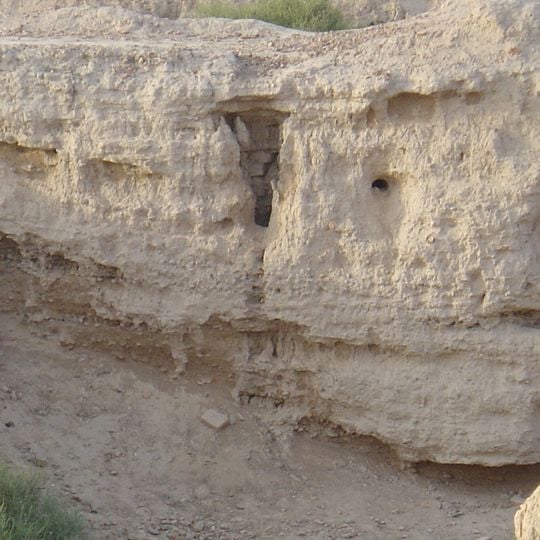
Kalibangan, Archaeological site from Indus Valley Civilization in Hanumangarh District, India
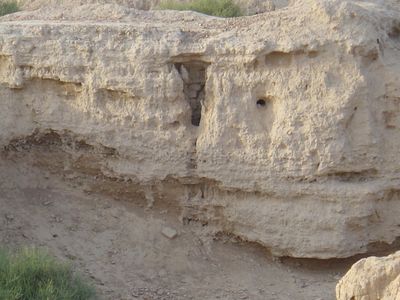
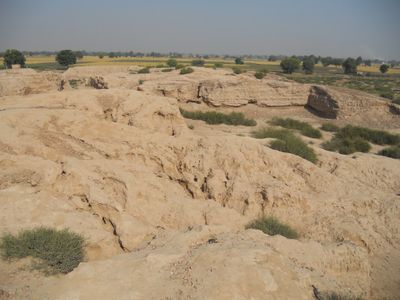
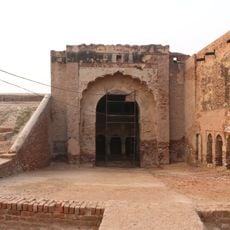
Kalibangan is an archaeological site from the Indus Valley Civilization in Hanumangarh District, Rajasthan, preserving remains of early urban planning and residential structures. The excavation site extends over half a kilometer and includes two primary mounds containing building remains of a fortified citadel and associated residential quarters.
Excavations between 1960 and 1970 uncovered settlements from the Early Harappan phase around 3000 BCE and the Mature Harappan phase from 2600 BCE. The city was later abandoned after a change in river course affected water supply to the settlement.
The name Kalibangan means black bangles in Hindi, referring to ceramic fragments found in the fields. The archaeological museum displays terracotta figurines, metal objects, stone tools, pottery vessels, and artifacts from different phases of civilization development, offering visitors insight into daily life of early settlers.
Visitors can explore three dedicated galleries that present artifacts, including decorated pottery, tools, ornaments, and structural remains from the ancient settlements. The site sits in open terrain, so arriving early in the morning or later in the afternoon helps avoid intense heat.
The site preserves evidence of the earliest known ploughed field in the world, featuring a grid pattern of furrows from ancient agricultural practices. Excavations also revealed fire altars that may have been used for ritual purposes, suggesting complex social and religious structures.
The community of curious travelers
AroundUs brings together thousands of curated places, local tips, and hidden gems, enriched daily by 91,592 contributors worldwide.