Hindon River, Tributary river in Uttar Pradesh, India.
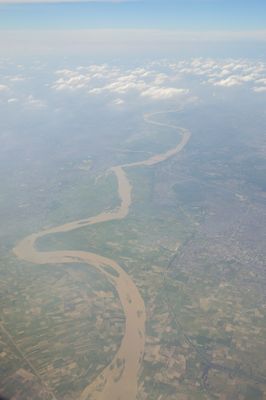
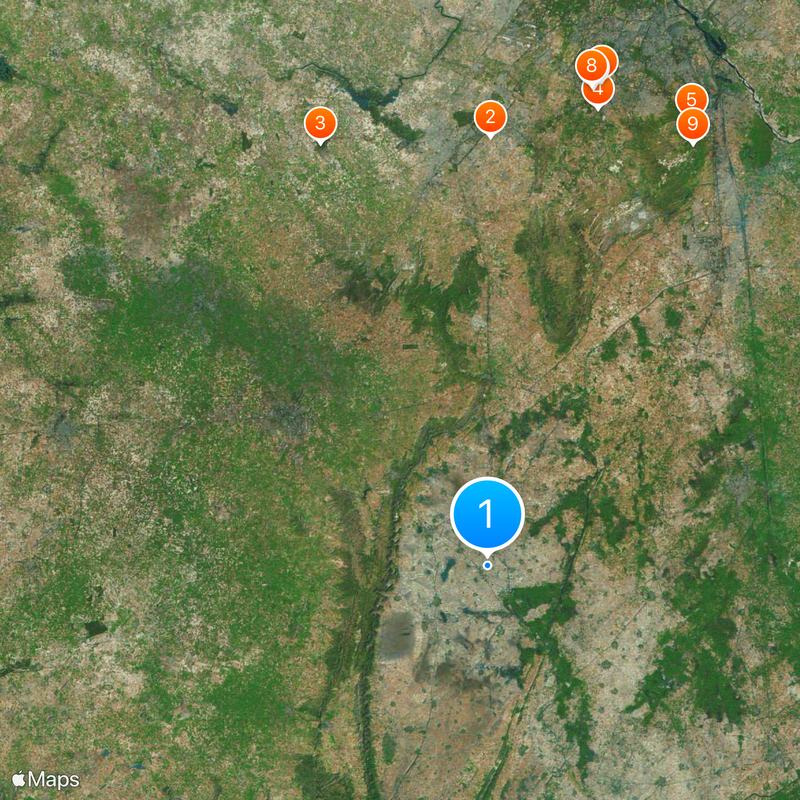
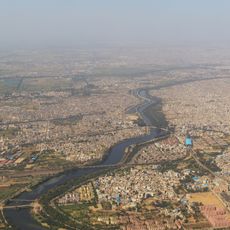
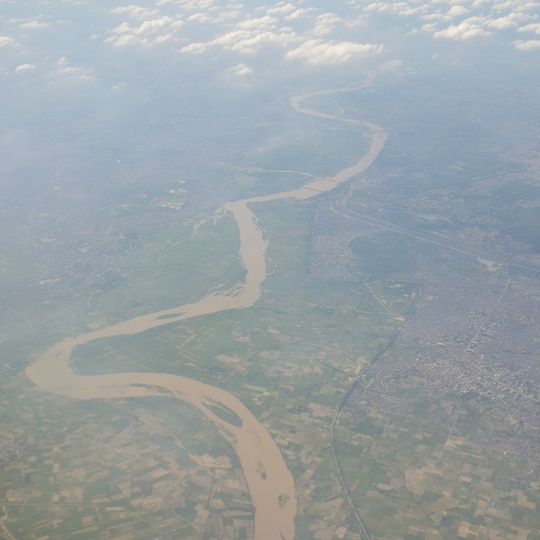
The Hindon River is a tributary that winds for about 400 kilometers across multiple districts of Uttar Pradesh, flowing between the Ganges and Yamuna rivers. It eventually reaches the Noida area, making it a significant waterway in northern India's river network.
The river formed as a natural waterway in the Ganges-Yamuna plain and played a role in Indian history, particularly during the 1857 uprising. Grave sites of British soldiers near Ghaziabad mark the military conflicts that took place along its banks during that period.
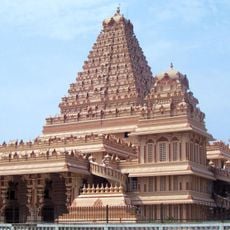
The river holds spiritual importance for local communities, with ancient temples like the Mahadev Temple near Sardhana standing along its banks. These sacred sites reflect how the waterway has been woven into the religious life and stories of the people living in the surrounding regions.
The best time to visit is during the monsoon season when the river carries more water and the surrounding landscape becomes greener. Wear comfortable shoes and watch your footing, especially along wet riverbanks where paths can be slippery.
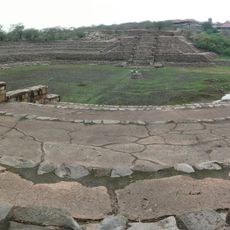
The archaeological site of Alamgirpur lies along the river's banks, revealing remains from the Indus Valley Civilization. This ancient site connects the present-day region directly to one of South Asia's oldest known cultures.
The community of curious travelers
AroundUs brings together thousands of curated places, local tips, and hidden gems, enriched daily by 60,000 contributors worldwide.