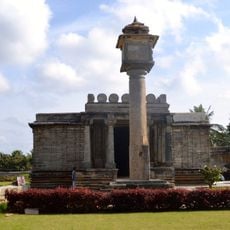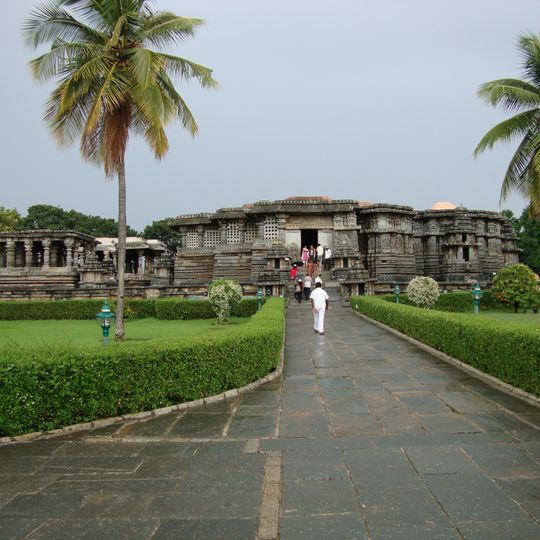
Hoysaleswara Temple, Hindu temple in Halebidu, India
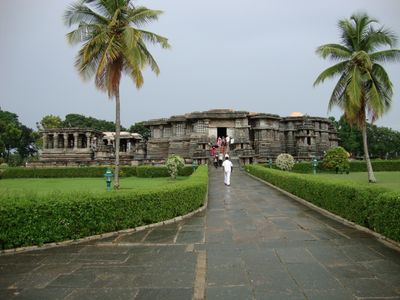
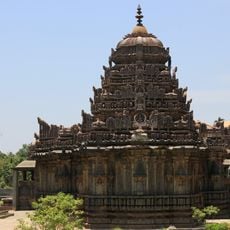
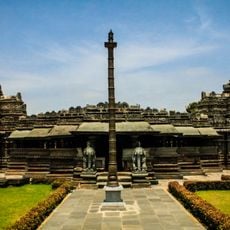
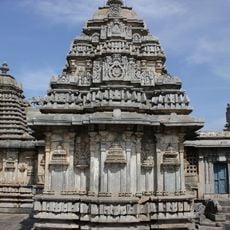
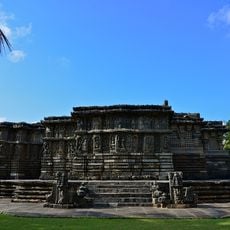
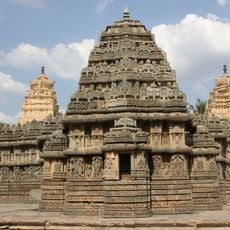
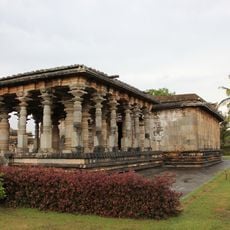
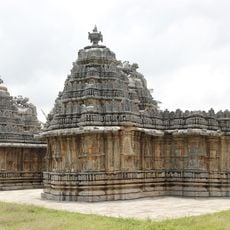
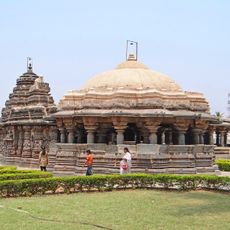
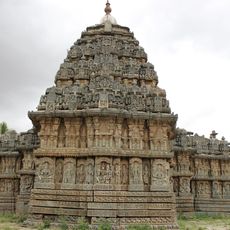
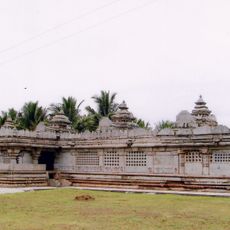
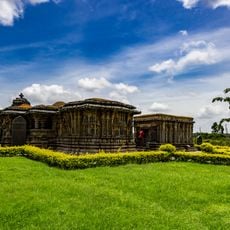
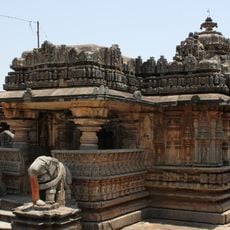
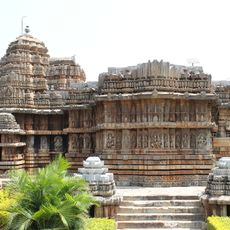
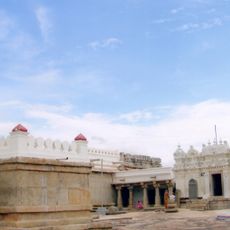
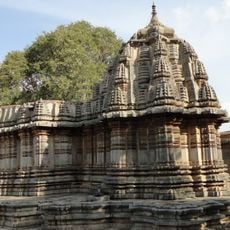
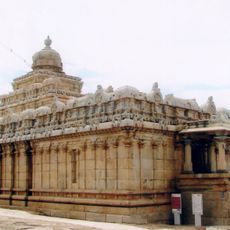
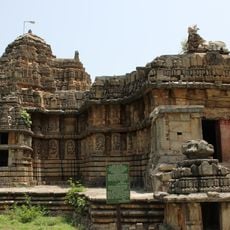
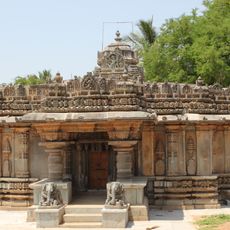
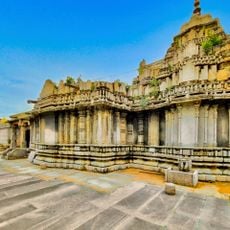
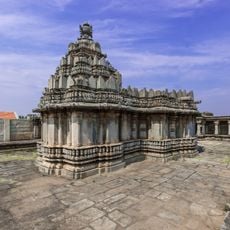
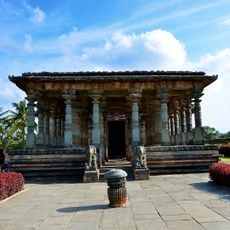
The Hoysaleswara Temple is a Hindu place of worship in Halebidu, within Hassan district in India, built entirely from dark gray soapstone. The outer walls display continuous stone carvings of gods, mythological beings, and scenes from sacred texts arranged in multiple horizontal bands around the entire structure.
Construction began in 1121 under Hoysala king Vishnuvardhana as the main temple of his capital Dwarasamudra, later called Halebidu. The work continued for about four decades and was never fully completed as invasions from the north weakened the Hoysala kingdom during the 14th century.
The name comes from King Vishnuvardhana Hoysaleswara, the ruler who commissioned the construction, while the word Hoysala itself refers to the dynasty that once controlled this region. Visitors today can still see devotees offering prayers and flowers at the sanctums, especially during early morning hours when local rituals take place.
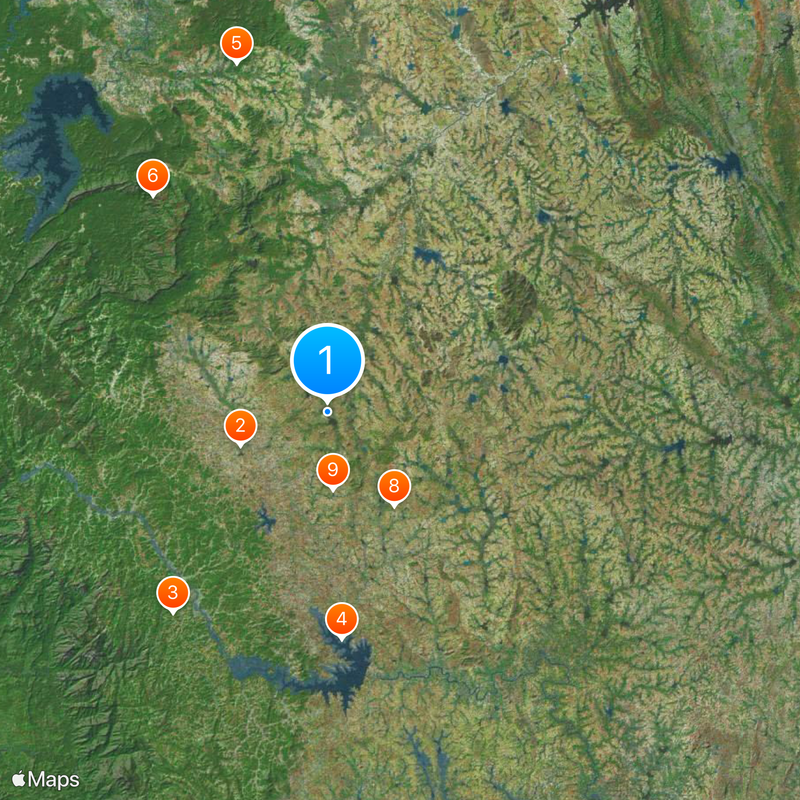
The site lies roughly 130 kilometers (81 miles) from Bengaluru and is best visited during the cooler months between October and February. Most areas of the compound are accessible at ground level, though some low thresholds at the entrances to the sanctums need to be crossed.
Many of the stone carvings bear chiseled signatures of craftsmen and guilds, showing which artists worked on specific wall sections. These inscriptions allow visitors today to follow the work of individual sculptors as they walk around the structure.
The community of curious travelers
AroundUs brings together thousands of curated places, local tips, and hidden gems, enriched daily by 60,000 contributors worldwide.