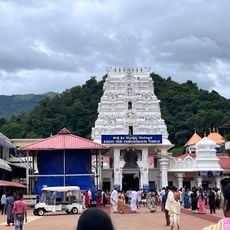
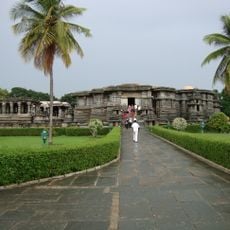
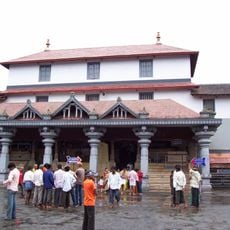
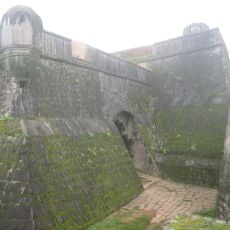
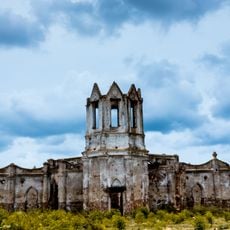
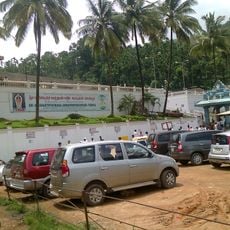
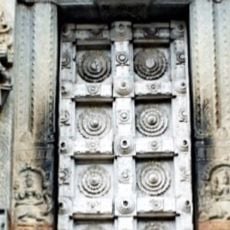
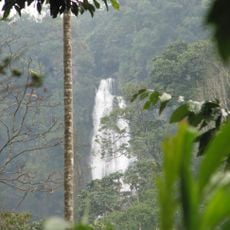
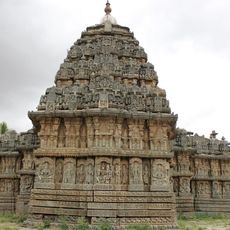
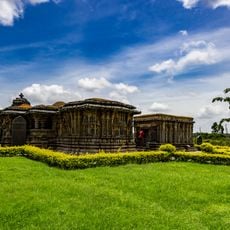
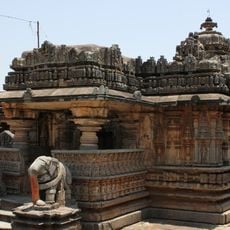
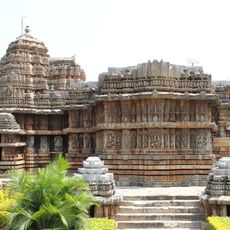
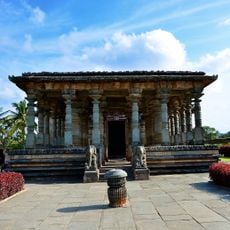
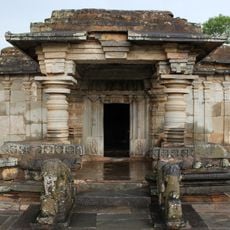
Chennakesava Temple, Hindu temple in Belur, India
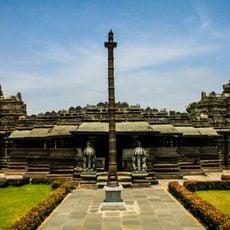
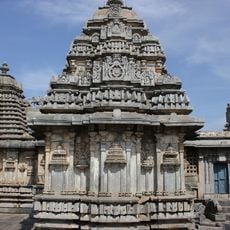
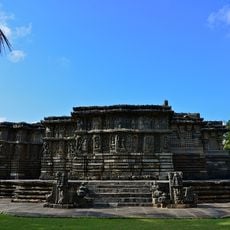
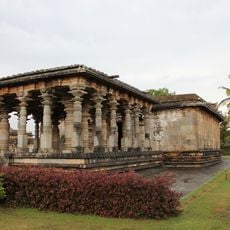
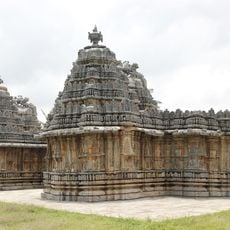
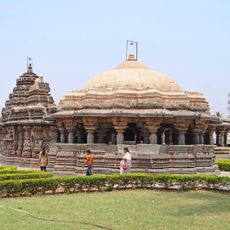
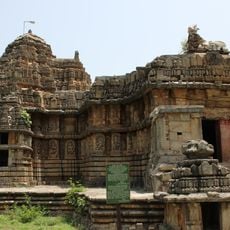
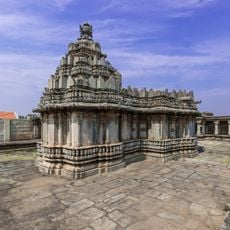
Chennakesava is a Hoysala-period temple in Belur, southern Karnataka state, known for its elaborately carved exterior walls. The complex stands on a raised platform, the main hall is supported by polished pillars, and every surface displays figures from epic narratives.
King Vishnuvardhana commissioned the temple in 1117 CE, and it was consecrated that year, though the complex expanded for over a hundred years. In 1326 CE a Delhi Sultanate army plundered Belur, and the temple was later repaired under the Vijayanagara Empire. It was inscribed as part of the Sacred Ensembles of the Hoysalas UNESCO World Heritage Site in 2023.
The name Chennakesava means "handsome Kesava," a form of Vishnu to whom the temple is dedicated. In inscriptions of Vishnuvardhana's era the main shrine is called Vijaya-Narayana, while the smaller temple built by queen Santala Devi is called Chennakesava; today they are known as the Chennakesava and Chennigaraya temples. The temple has been an active Vaishnava pilgrimage site since its consecration.
The temple lies about 35 km northwest of Hassan, roughly 16 km from Halebidu and 220 km west of Bengaluru via the four-lane NH75. Hassan is the nearest city with rail links to major Karnataka cities; Belur has no nearby airport. The main hall was originally open, and later pierced-stone screens, added for security, darken the interior while still lighting the sanctum.
Inside hangs a heavy stone chain carved from a single block, suspended freely from the ceiling. The craftsmen left this as a demonstration of their mastery, and it remains movable after centuries.
The community of curious travelers
AroundUs brings together thousands of curated places, local tips, and hidden gems, enriched daily by 92,310 contributors worldwide.