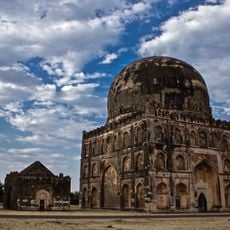
Kanaganahalli, Buddhist archaeological site in Kalaburagi district, India.
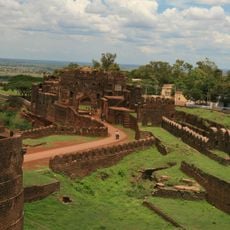
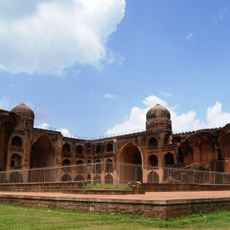
Kanaganahalli is a Buddhist archaeological site in Kalaburgi district that stretches along the Bhima River and holds remains from ancient times. The site preserves limestone structures and architectural fragments that reveal the development of a religious community across several centuries.
The site dates from the 1st century BC to the 3rd century AD, showing the growth of stupa construction and religious architecture. Excavations carried out between 1994 and 2001 uncovered the foundations of the main stupa and other structures that had been buried.
The limestone panels scattered across the site display carved reliefs showing Buddhist teachings, royal figures, and scenes from daily life in the Satavahana period. These images offer a direct window into the beliefs and daily existence of people who lived here centuries ago.
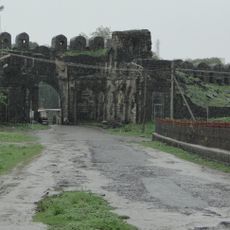
The site is best explored on foot with sturdy shoes, as it covers several areas with varying terrain. The Archaeological Survey of India maintains protective structures and clear pathways, making it straightforward for visitors to move through the grounds.
A particularly significant discovery at this location is a stone portrait of an ancient emperor, which stands as the only known visual representation from this region. This portrait sheds light on the artistic and diplomatic connections that existed during that era.
The community of curious travelers
AroundUs brings together thousands of curated places, local tips, and hidden gems, enriched daily by 90,855 contributors worldwide.