Prince of Wales Island, Arctic island in Nunavut, Canada
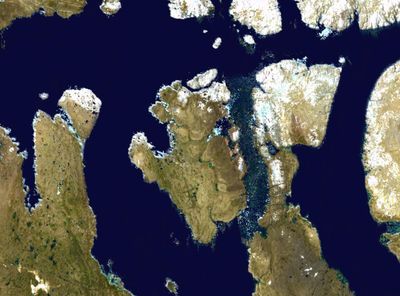
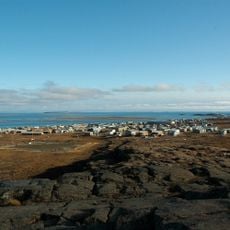
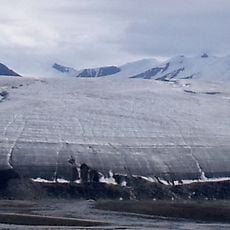
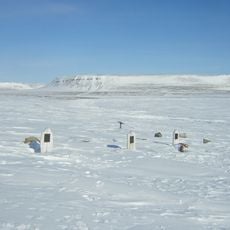
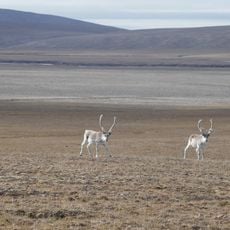
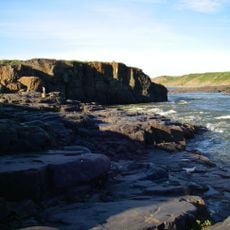
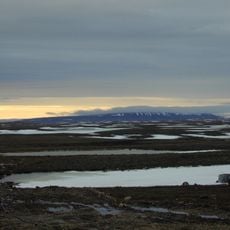
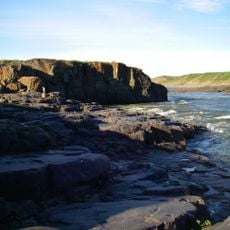
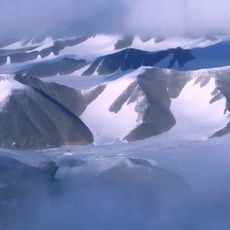
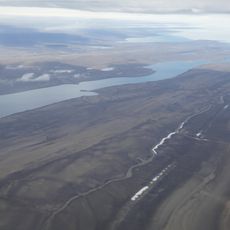
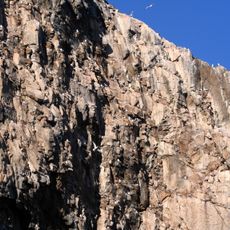
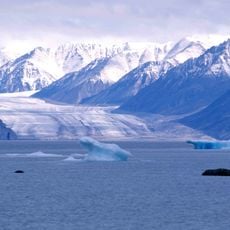
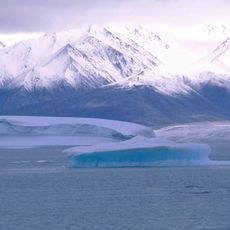
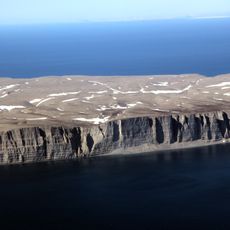
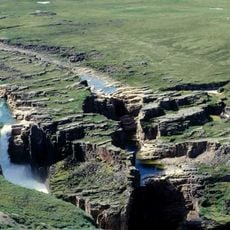
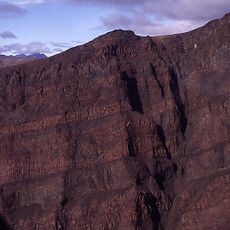
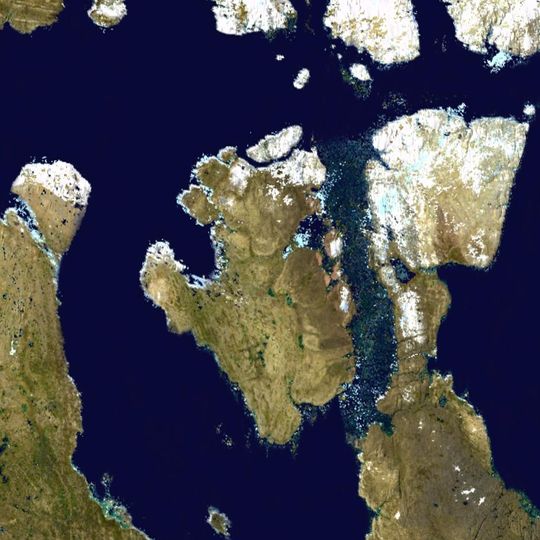
Prince of Wales Island is a large Arctic island in Nunavut featuring an irregular coastline with numerous deep bays cutting into its shores. The terrain consists of low-lying areas and gentle hills covered in sparse tundra vegetation, with rocky ridges rising in the northern section.
The island was first charted in 1851 by Francis Leopold McClintock during a rescue expedition searching for John Franklin's missing Arctic exploration team. This early exploration was part of 19th-century efforts to understand the Northwest Passage and locate lost explorers.
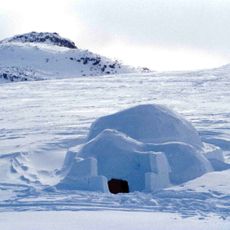
The island holds deep meaning for Inuit communities who have used its waters and lands for hunting and fishing for generations. Visitors walking across the tundra can observe the routes and camps that hunters still use today to navigate this remote Arctic region.
The island is completely uninhabited and very difficult to reach, surrounded by pack ice with no airstrip or regular transport links. Visitors need specialized Arctic equipment and careful preparation to handle the harsh climate and remote location.
The island is so large and remote that it has remained completely uninhabited, with no permanent human settlements or research stations anywhere on its surface. This absence of infrastructure makes it one of the few places in Arctic Canada where the landscape stays entirely undisturbed by modern development.
The community of curious travelers
AroundUs brings together thousands of curated places, local tips, and hidden gems, enriched daily by 90,753 contributors worldwide.