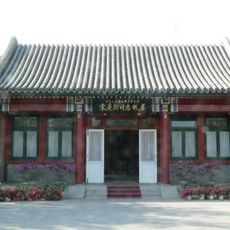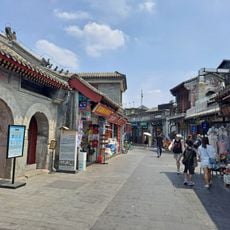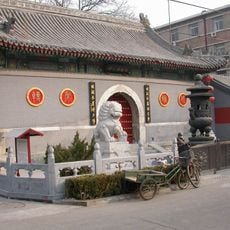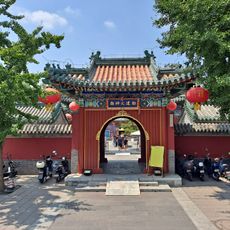
Nanluoguxiang, Traditional hutong in Dongcheng District, Beijing, China
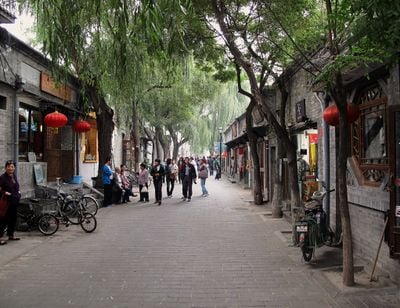
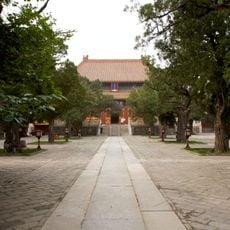
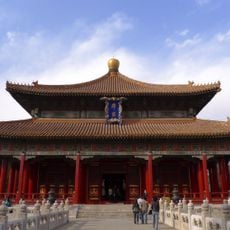
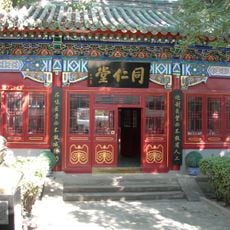
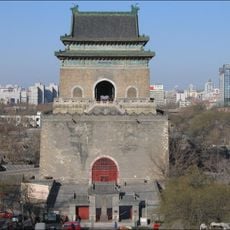
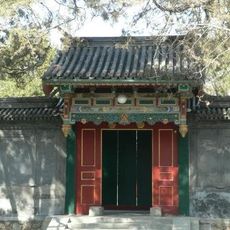
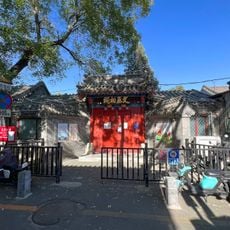
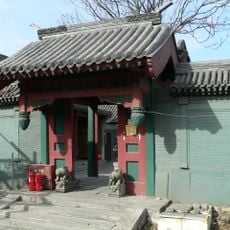
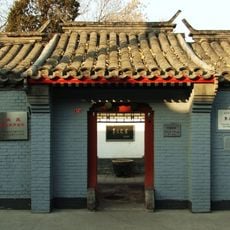
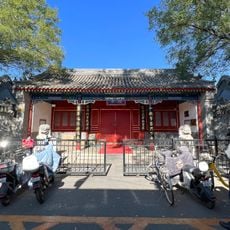
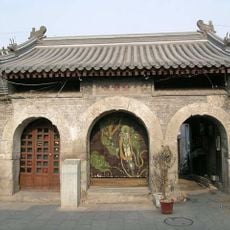
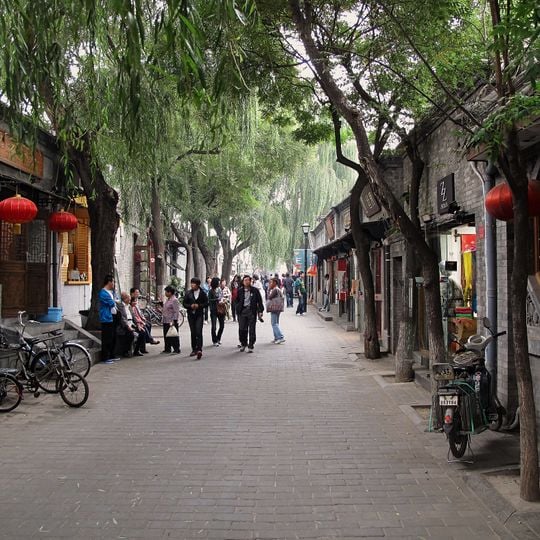
Nanluoguxiang is an 800-meter-long narrow lane in Dongcheng with traditional gray walls and tiled roofs of residential courtyards forming a network of eight parallel hutongs on each side. The pedestrian passage dominates the space, with vehicles rarely entering the interconnected alleyways.
The lane took shape during the construction of Dadu city under the Yuan Dynasty around the 13th century as part of the grid city plan. The current name was given during the Qing Dynasty in the 18th century, linking the old settlement with its geographical and cultural identity.
The name comes from historical references to a silk tree garden and a nearby hill, words borrowed from the Mongolian origins of this place. Artisans, tea house owners, and young creatives now inhabit the lanes, keeping traditional ways alive while bringing new energy to everyday routines here.
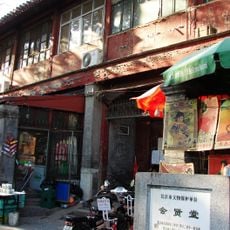
Walk through the place to fully experience it, as the narrow lanes are not meant for vehicles and are filled with cafes, shops, and craft workshops. Arriving early in the morning or late afternoon is best to avoid crowds and find better light for exploring.
The sixteen side hutongs and main lane received recognition as one of Beijing's first 25 protected historic areas in 1990, making it among the longest-protected hutong networks in the city. This early designation set a precedent for preserving other traditional neighborhoods.
The community of curious travelers
AroundUs brings together thousands of curated places, local tips, and hidden gems, enriched daily by 92,656 contributors worldwide.