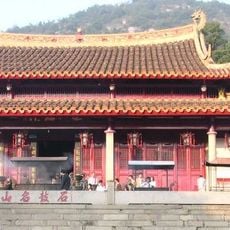
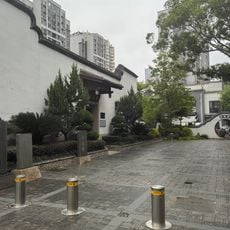
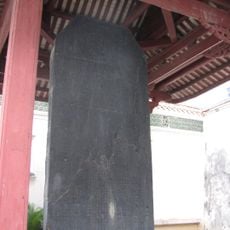
Linyang Temple, Buddhist temple in Shoushan Township, China
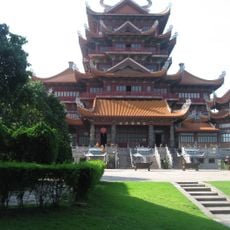
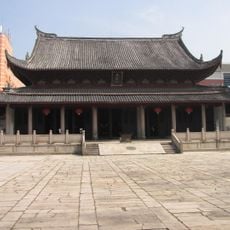
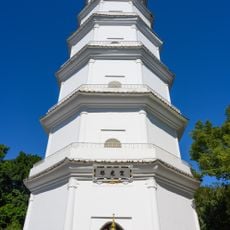
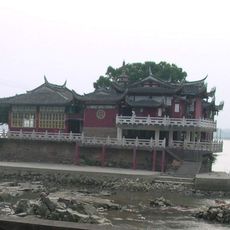
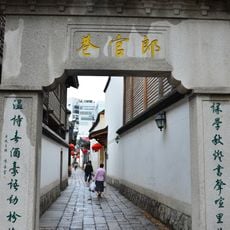
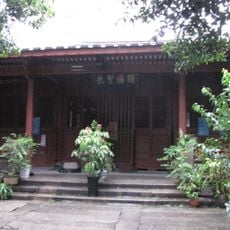
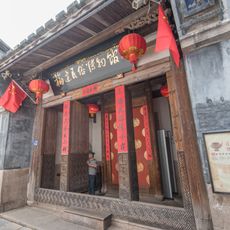
Linyang Temple sits on a mountain in Fuzhou's Jin'an District and contains several traditional halls built in classical Chinese style. The complex spreads across the hillside with different structures arranged according to traditional architectural principles.
According to the Three Mountains Annals, the temple was first built in 931 as Linyang-yuan under Emperor Mingzong of the Later Tang; the Mindu-ji instead gives 936, under Shi Jingtang of the Later Jin. It was restored in 1612, the 40th year of the Wanli era, and master Guyue raised funds to rebuild it during the Guangxu era, modeling the buildings on Yongquan Temple. Yuan Ying was proposed as abbot in 1930, the temple reopened in 1981 and was designated a National Key Buddhist Temple in 1983.
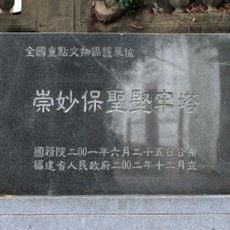
Linyang Temple belongs to the Caodong school of Chan Buddhism and is listed among the National Key Buddhist Temples in Han Chinese Area. Master Guyue raised funds to rebuild it in the Guangxu era, modelling the buildings on Yongquan Temple, and master Yuan Ying was proposed as abbot in 1930. West of the temple stands a single-storey round stone relic stupa built in 560, during the Chen dynasty.
The temple stands on the slope of Ruifeng Mountain in Jin'an District, Fuzhou, so the approach involves uphill walking. The site is a short drive from the city center, and the grounds are laid out on terraces, with stairs connecting the halls. Visitors should wear comfortable shoes and allow time to climb between the buildings.
West of the temple stands a single-storey circular stone reliquary ossuary built in the fourth year of Yongding of the Chen dynasty (560), older than the temple itself. The temple was long known as Linyang-yuan and later Rui Peak Monastery, and it belongs to the Caodong school of Chan Buddhism.
The community of curious travelers
AroundUs brings together thousands of curated places, local tips, and hidden gems, enriched daily by 94,528 contributors worldwide.