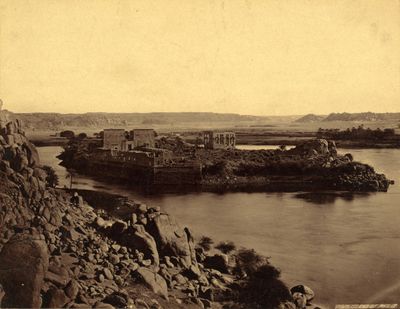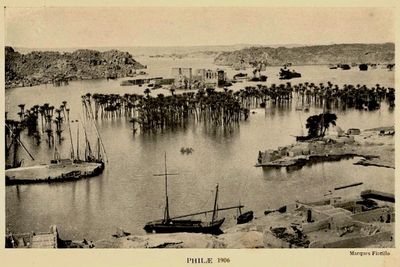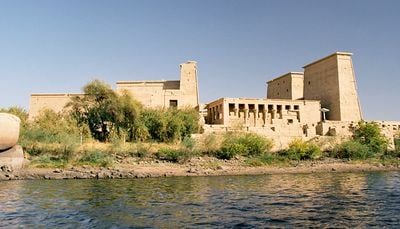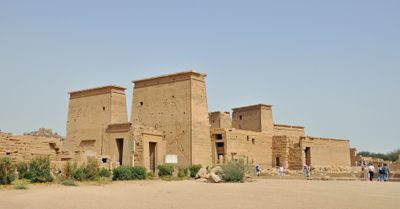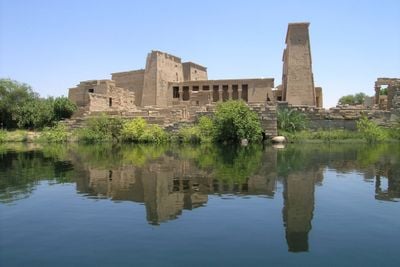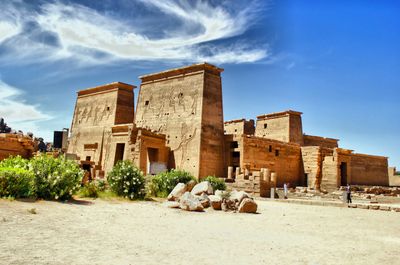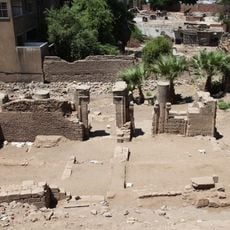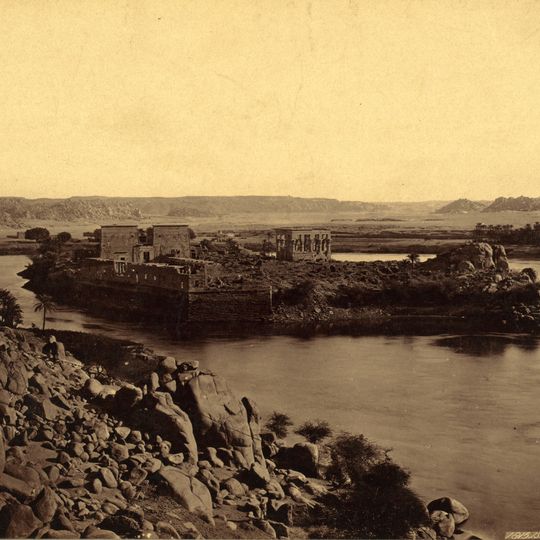
Philae, Former island in Aswan, Egypt.
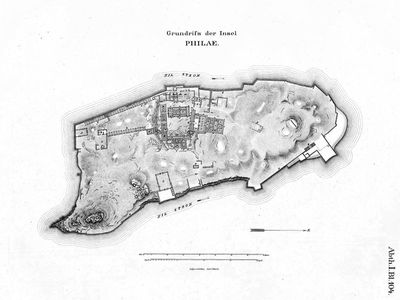
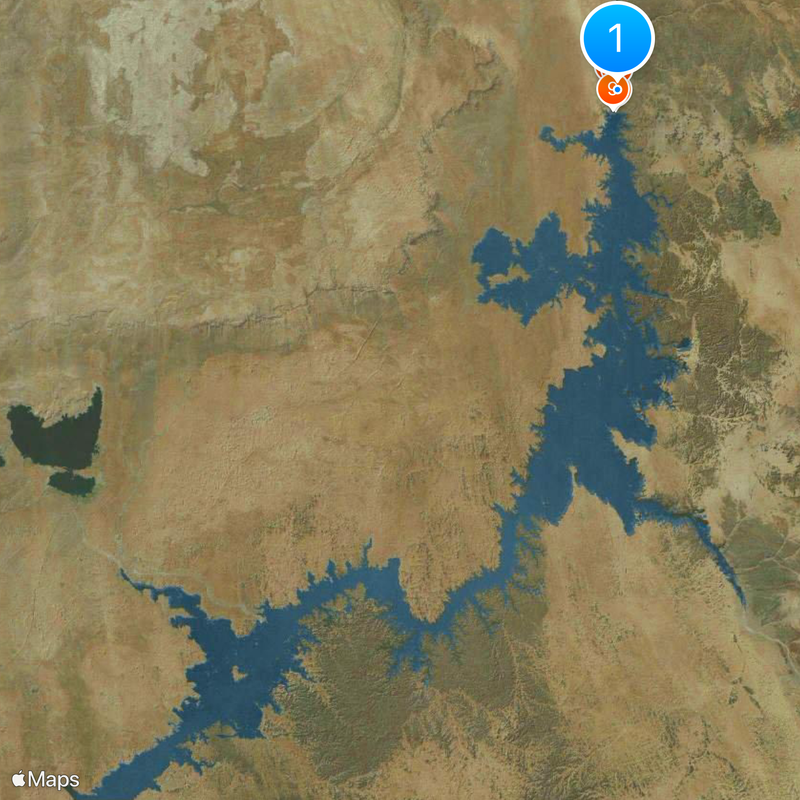
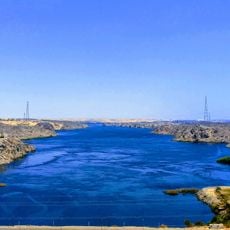
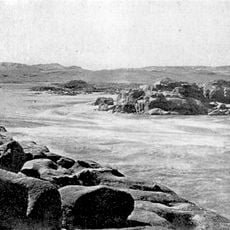
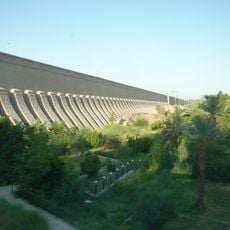
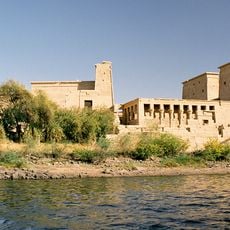
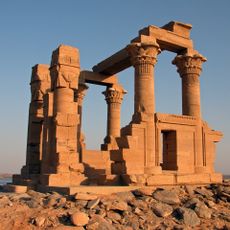
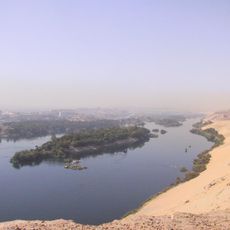
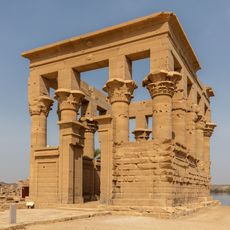
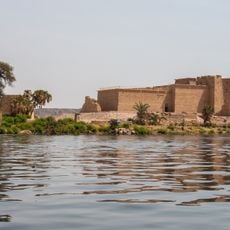
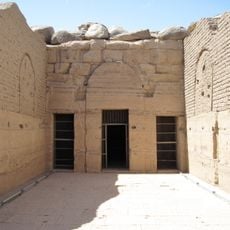
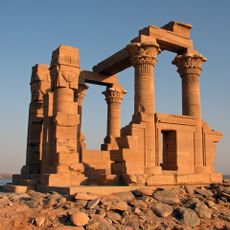
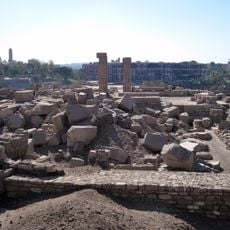
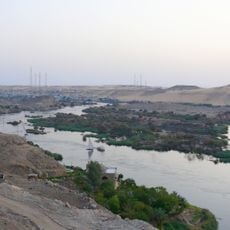
Philae was a small granite island between the old Aswan Dam and the High Dam, measuring about 1,500 by 490 feet (460 by 150 meters). The ancient temples were moved to nearby Agilkia Island in the 1970s, where they stand today.
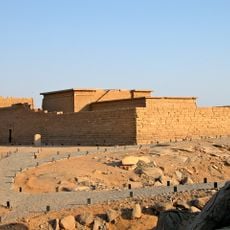
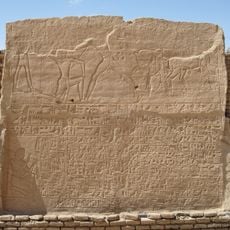
The earliest buildings date from the seventh century BCE under Taharqa, followed by larger structures under Nektanebos II in the fourth century BCE. The sanctuary remained active until the sixth century CE, when Emperor Justinian ordered its closure.
The name comes from ancient Egyptian P-aaleq meaning boundary or remote place, as this spot marked the southern edge of Egypt and the start of Nubia. Today you can still see crosses carved on columns, reminders of the sixth-century conversion of a temple into a church.
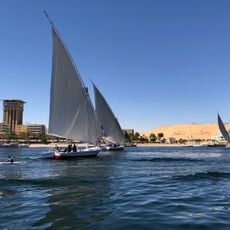
Visitors reach the temple complex by boat from Aswan and a tour takes around two hours to walk through. Morning hours are quieter and better for photos, as the light is less harsh then.
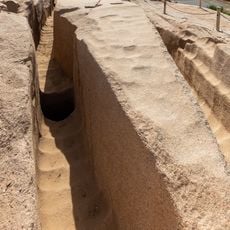
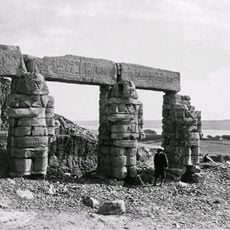
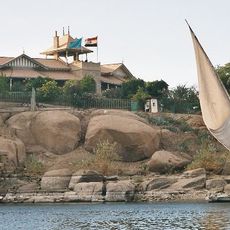
Saving the temples required cutting apart over 40,000 granite blocks, numbering each piece and rebuilding them on higher Agilkia ground. Even the shape of the new island was reshaped to match the old silhouette, keeping the impression the same.
The community of curious travelers
AroundUs brings together thousands of curated places, local tips, and hidden gems, enriched daily by 92,757 contributors worldwide.