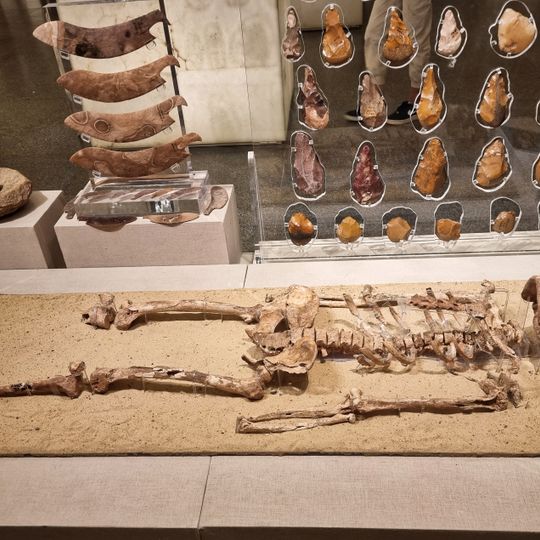
Nazlet Khater, Archaeological flint mine in Sohag Governorate, Egypt
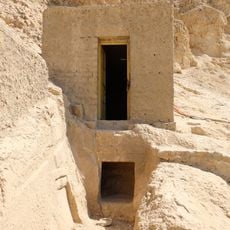
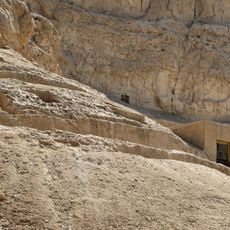
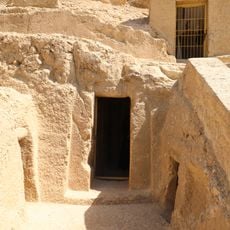
Nazlet Khater is an archaeological site on a limestone plateau in Upper Egypt where researchers have uncovered evidence of ancient flint extraction activities. The location contains scattered stone tools and multiple points where early people removed raw material from the ground for their daily needs.
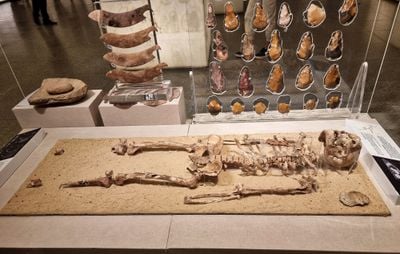
The site gained significance when researchers uncovered a complete human skeleton in 1980 dating back roughly 35,000 years. This discovery placed the ancient human population in Upper Egypt much earlier than previously understood and revealed their toolmaking abilities.
The discovery of specialized stone tools and extraction techniques demonstrates the advanced capabilities of early human populations in prehistoric Egypt.
This is a protected research site that requires special permission from Egyptian authorities before visiting. Travelers should check locally in advance since access is typically limited to research teams and may not be available to casual visitors.
The skeleton was not found alone but was surrounded by stone tools, suggesting that early people buried their dead with valued possessions. This indicates deliberate care in how individuals were laid to rest.
The community of curious travelers
AroundUs brings together thousands of curated places, local tips, and hidden gems, enriched daily by 91,398 contributors worldwide.