Abu Simbel, Ancient temple complex in Aswan Governorate, Egypt.
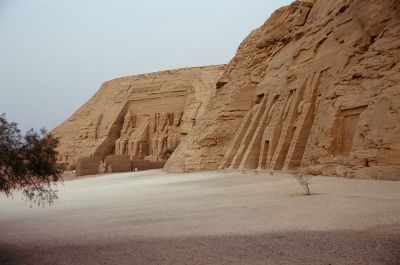
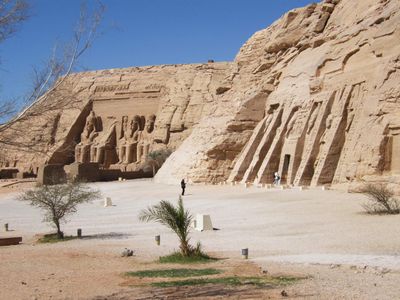
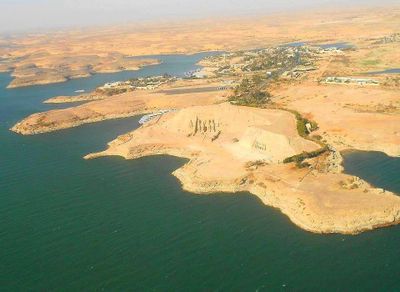
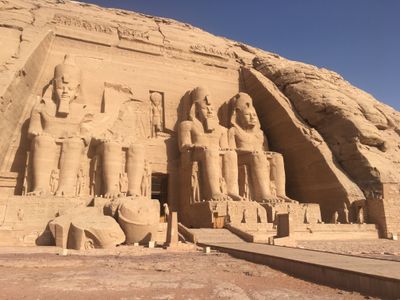
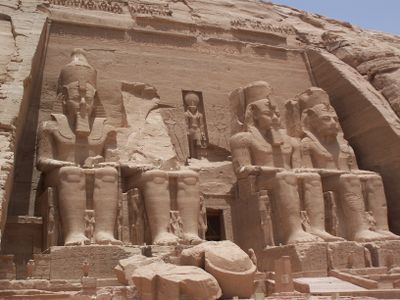
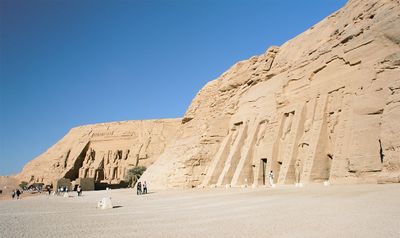
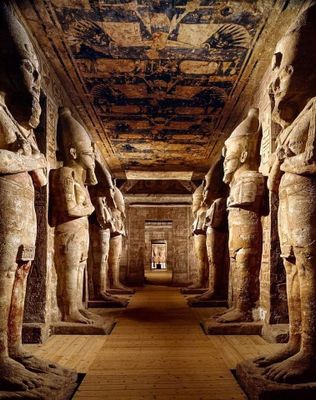
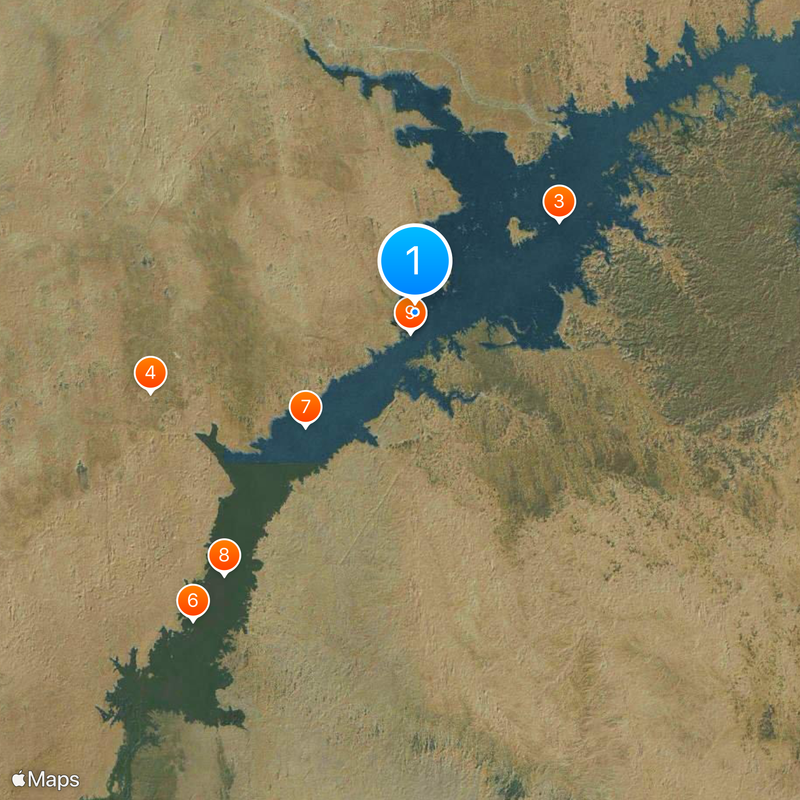
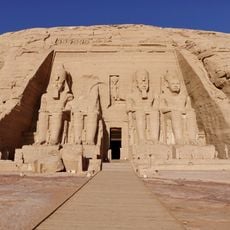
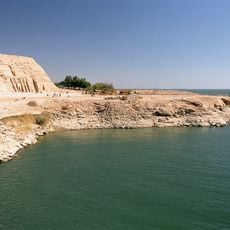
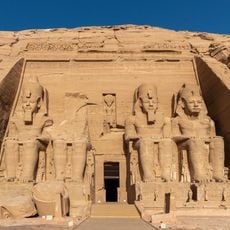
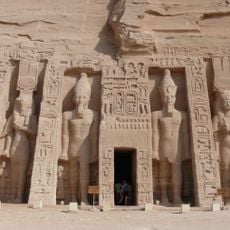
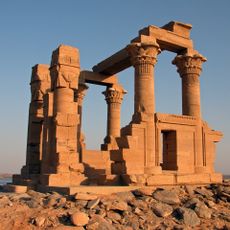
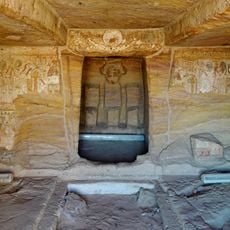
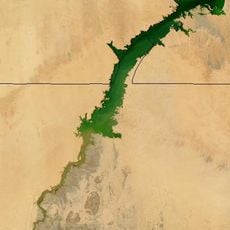
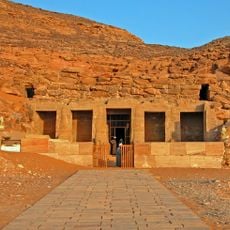
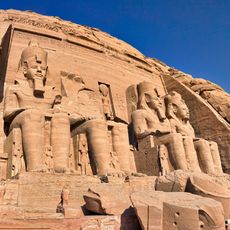
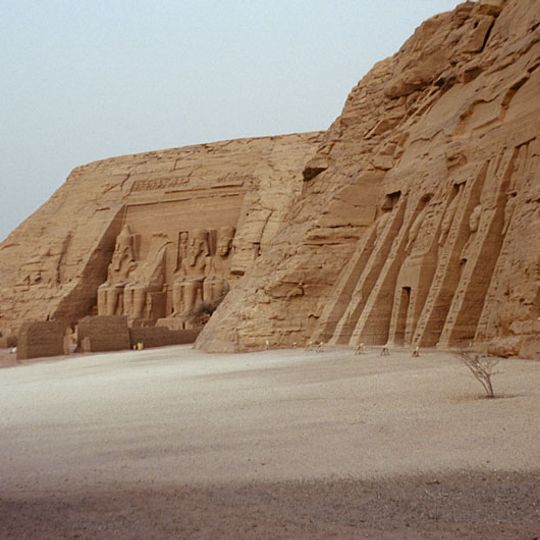
Abu Simbel consists of two large rock-cut temples standing on the western shore of Lake Nasser. Colossal statues of Pharaoh Ramesses II frame the entrances, while the interiors contain columned halls and sanctuary chambers.
The temples were carved into the mountainside during the 13th century BC under Pharaoh Ramesses II to assert Egyptian authority over Nubia. They date to a period when the region held strategic importance for the kingdom.
The temple walls display carved scenes showing religious rituals, battles, and the pharaoh's connection to Egyptian gods. These images tell the story of his power and the beliefs of his time.
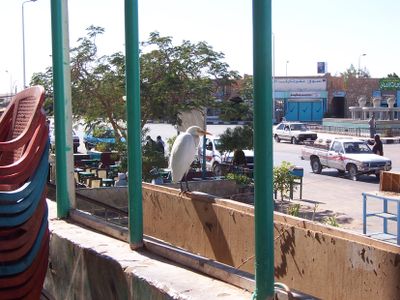
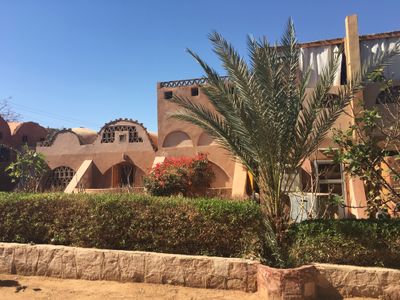
The site welcomes visitors year-round and is served by a nearby airport. Several accommodation options are available in the surrounding village, with the most comfortable visiting period being October through March.
Both temples were relocated approximately 65 meters higher in 1968 to protect them from flooding caused by construction of the Aswan High Dam. This remarkable engineering project preserved these ancient monuments for future generations.
The community of curious travelers
AroundUs brings together thousands of curated places, local tips, and hidden gems, enriched daily by 91,662 contributors worldwide.