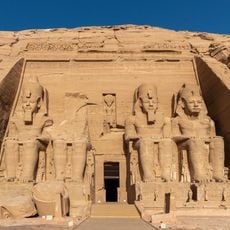
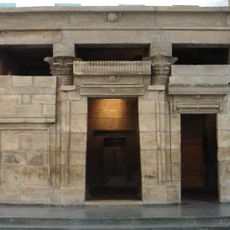
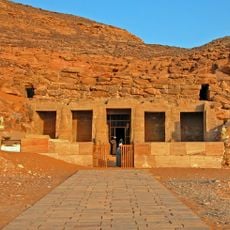
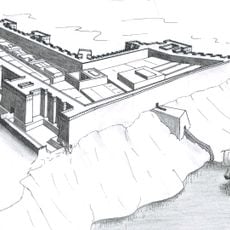
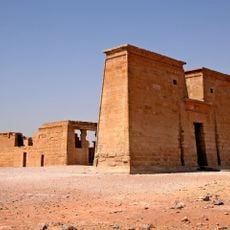
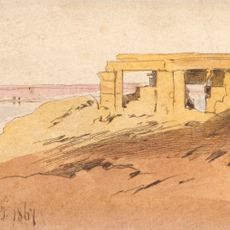
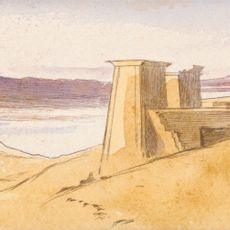
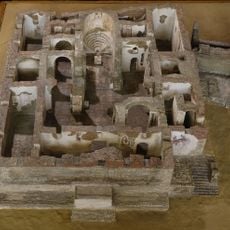
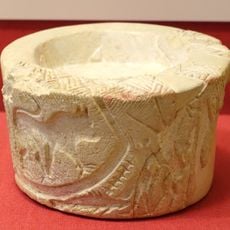
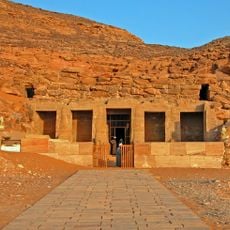
Sayala, Archaeological site in Lower Nubia, Egypt.
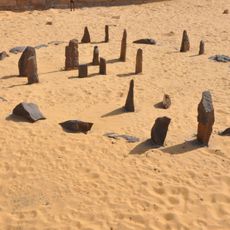
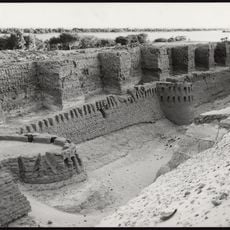
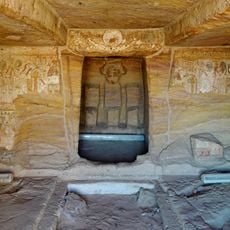
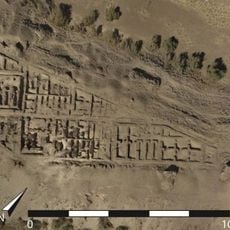
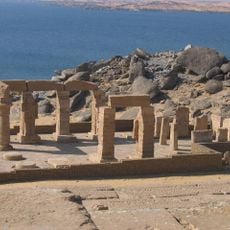
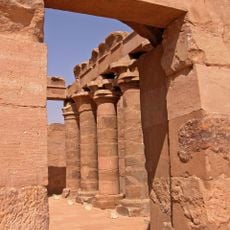
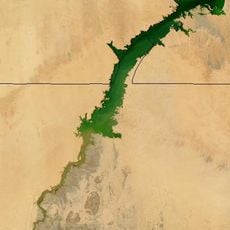
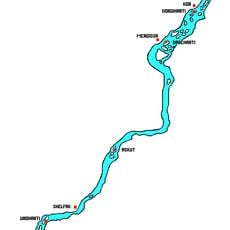
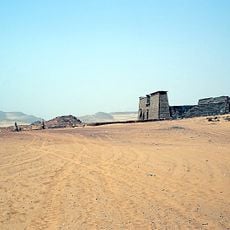
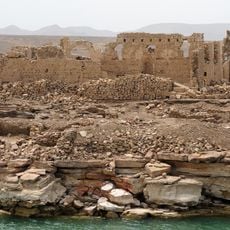
Sayala is an archaeological site with multiple cemetery zones along the eastern bank of the Nile River in Lower Egypt. The site contains stone burial mounds and pit graves arranged in different complexes showing various burial practices across time.
The site was excavated between 1961 and 1965 by Austrian researchers who uncovered around 650 burials dating from the third to sixth centuries AD. These investigations marked a turning point in combining excavation with laboratory science to understand ancient lives.
The name reflects the burial grounds scattered across the landscape, marking how communities organized their dead across different areas. Walking through the site today, you can see how these separate cemetery zones reveal the social groupings of ancient inhabitants.
The site is located in a remote region of Lower Egypt and requires careful planning to visit. Research work on-site focuses on laboratory examination of human remains, so visiting with local guides is recommended for understanding what you are seeing.
Scientists were able to detect evidence of an ancient disease in the remains of multiple individuals by analyzing DNA and biological markers preserved in bone. This discovery revealed that such infections affected populations at this location thousands of years ago.
The community of curious travelers
AroundUs brings together thousands of curated places, local tips, and hidden gems, enriched daily by 92,722 contributors worldwide.