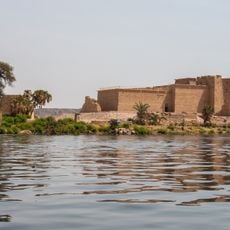
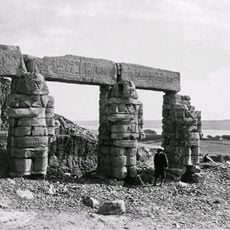
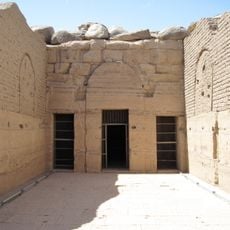
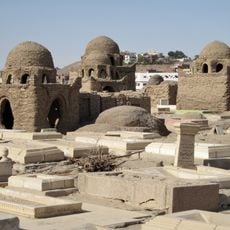
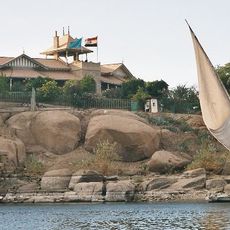
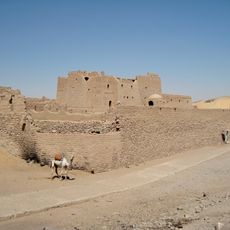
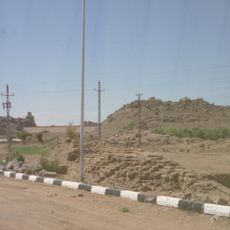
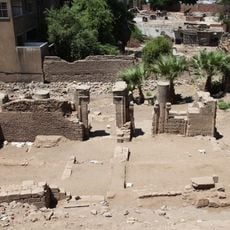
Temple of Satet, Ancient temple ruins in Elephantine Island, Egypt
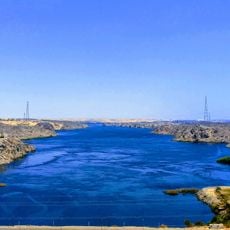
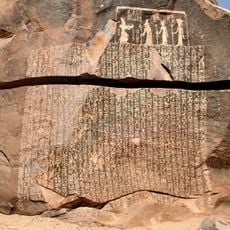
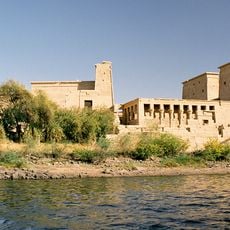
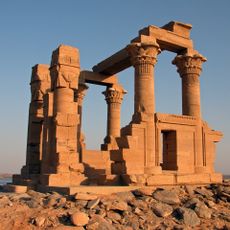
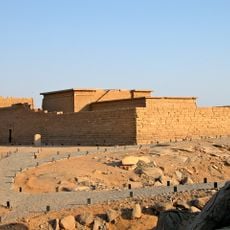
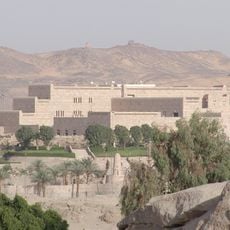
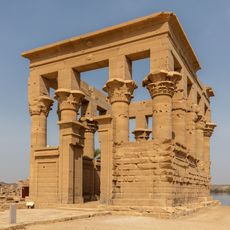
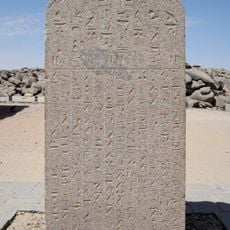
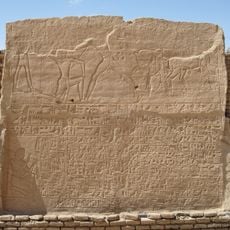
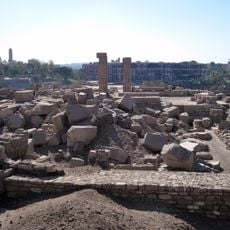
The Temple of Satet sits on the southern side of Elephantine Island with stone walls, columns, and hieroglyphic carvings devoted to the goddess of Nile floods. The site shows different building phases from various periods, with older and newer stonework visible side by side.
The first construction phase dates to the early dynastic period, after which the temple was rebuilt and expanded many times over centuries. Most structures visible today were built during the Middle Kingdom, when the complex reached its largest size.
The goddess Satet was honored here because locals believed she controlled the Nile floods that made crops possible. Visitors can still see how deeply river life shaped ancient religious beliefs through the stone structures and carved details.
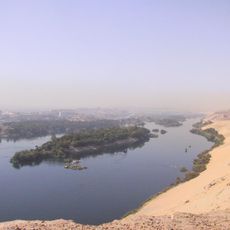
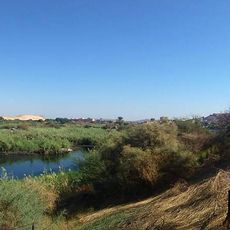
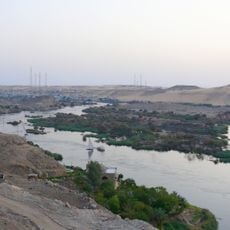
The temple is reached only by ferry from Aswan to Elephantine Island, followed by a short walk through the archaeological area. The grounds are open and fairly flat, but bring water and sun protection since there is little natural shelter.
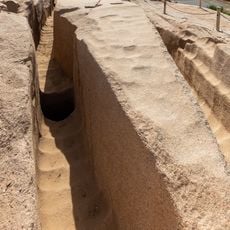
The site contains one of Egypt's oldest Nile measuring devices called a nilometer, which priests used to predict water levels. This system allowed priests to forecast crop yields long before modern methods were invented.
The community of curious travelers
AroundUs brings together thousands of curated places, local tips, and hidden gems, enriched daily by 90,899 contributors worldwide.