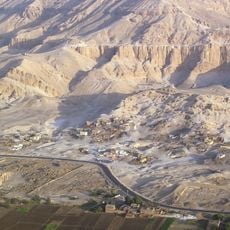
Tomb of Nakhtamun TT335, Ancient Egyptian tomb in Theban Necropolis, Egypt
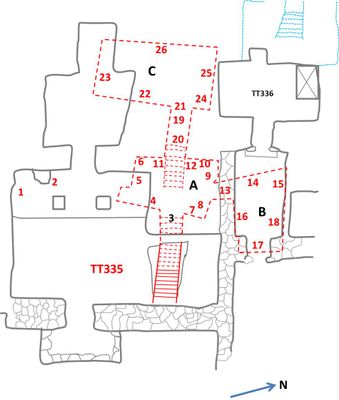
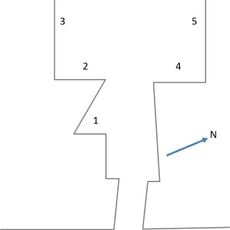
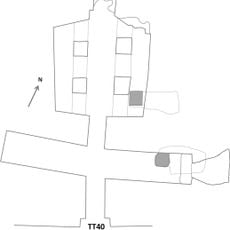
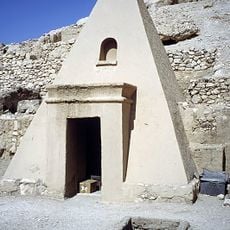
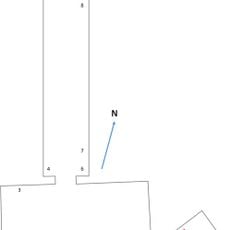
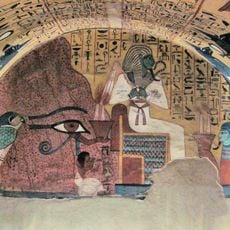
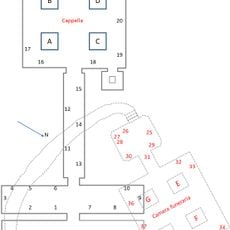
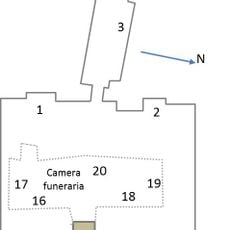
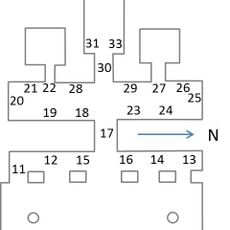
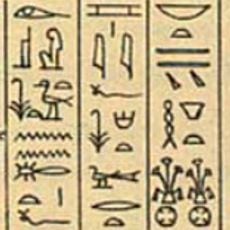
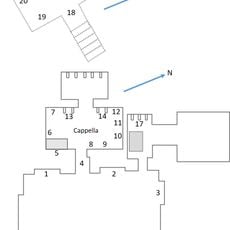
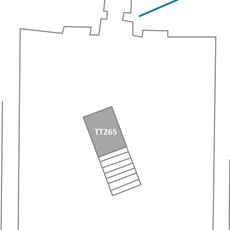
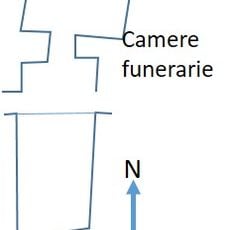
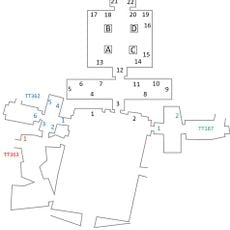
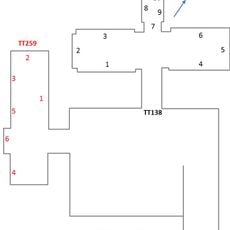
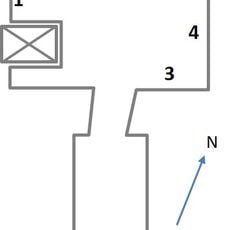
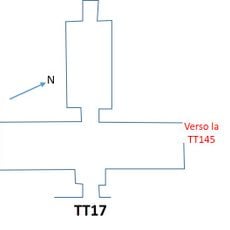
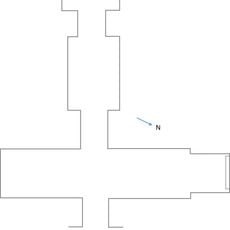
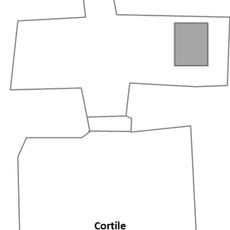
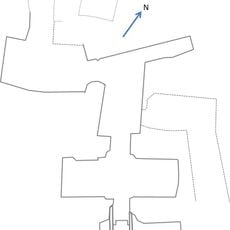
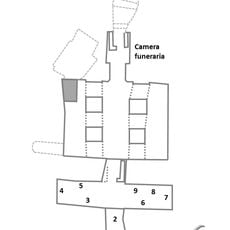
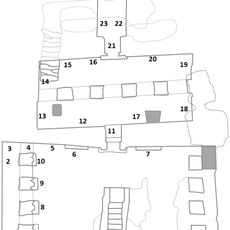
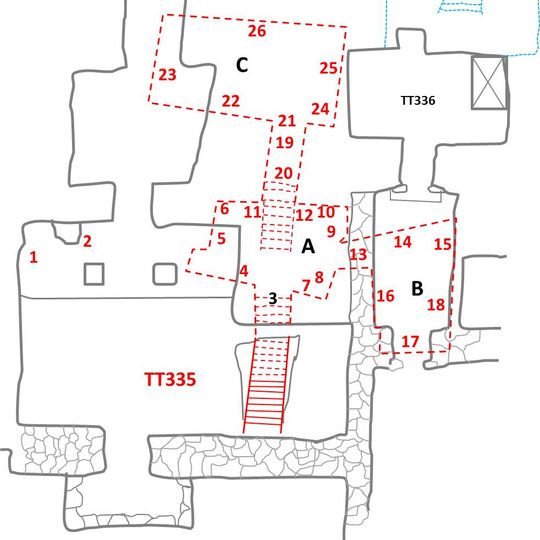
The Tomb of Nakhtamun TT335 is an underground burial site on the west bank of the Nile with multiple chambers decorated with wall paintings and hieroglyphic texts. The interior features three funerary chambers with monochrome decorations predominantly rendered in golden tones throughout the spaces.
This burial site dates to the reigns of Ramesses II and Merenptah during the 19th Dynasty and was discovered intact in 1925 by French egyptologist Bernard Bruyere. The discovery provides insight into burial practices and tomb construction methods of that era.
The painted scenes show everyday activities such as hunting, feasts, and religious rites that reveal how wealthy Egyptians spent their time and what mattered to them. These images give visitors a window into the social world and daily routines of the ancient elite.
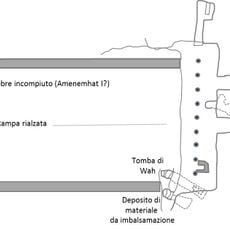
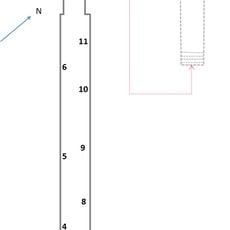
The burial chambers are accessed through shaft entrances typical of private tombs from this period. Visitors should be prepared for uneven floor surfaces and limited natural light inside the underground rooms.
The tomb owner was a sculptor who worked on royal monuments in the Valley of the Kings, showing the valued role of skilled craftspeople in society. Such burials belonging to talented artisans are relatively uncommon compared to those of higher-ranking officials.
The community of curious travelers
AroundUs brings together thousands of curated places, local tips, and hidden gems, enriched daily by 92,518 contributors worldwide.