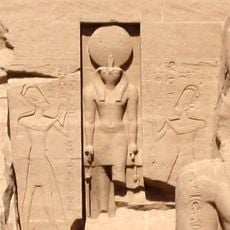
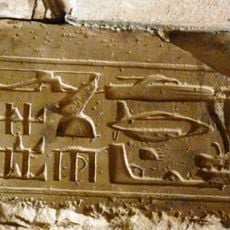
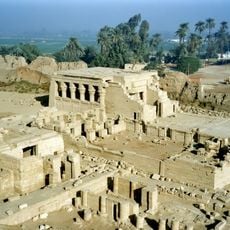
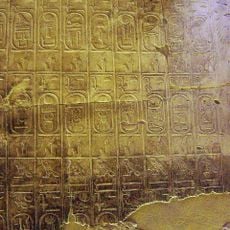
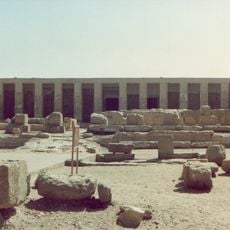
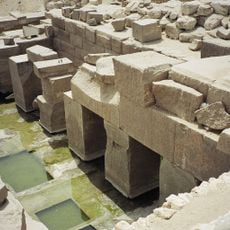
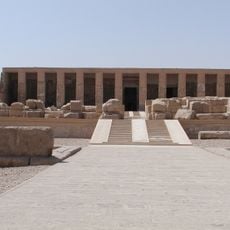
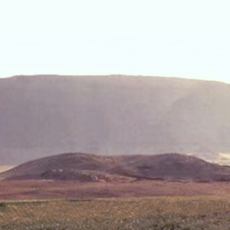
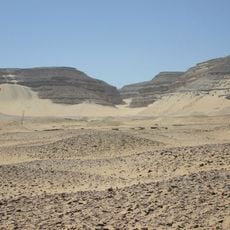
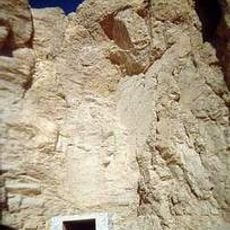
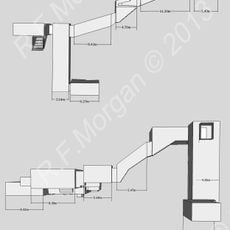
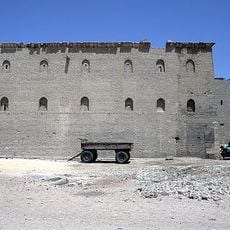
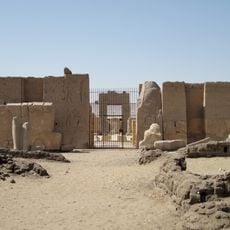
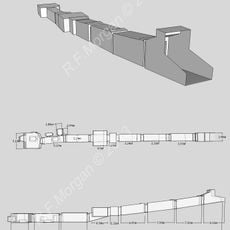
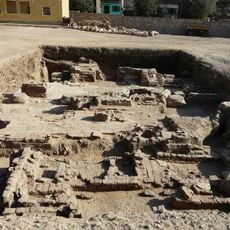
Wah-Sut, Archaeological settlement from Middle Kingdom in South Abydos, Egypt.
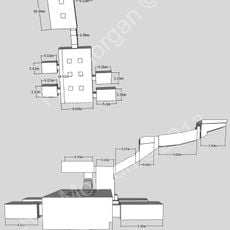
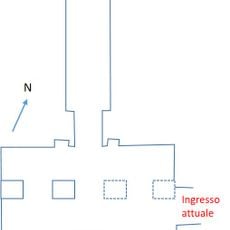
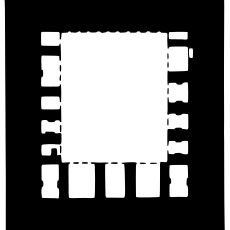
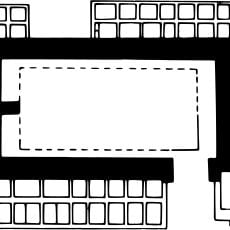
Wah-Sut was an organized Middle Kingdom settlement with clearly separated zones for administration, housing, and storage connected through a planned street grid. The administrative building measured roughly 53 by 82 meters, featured fifteen columns, and contained multiple courtyards for official business, while residential areas occupied the rest of the town.
The site was founded around 1850 BCE as housing for workers engaged in building and maintaining Pharaoh Senusret III's funerary complex at Abydos during Egypt's Twelfth Dynasty. It represents one of the few preserved examples of an organized worker town from that era.
The settlement held deep religious significance as a center dedicated to serving the cult of Pharaoh Senusret III, with priests performing daily offerings at temples beyond the town boundaries. This connection to royal worship shaped how residents organized their lives and gave purpose to their community.
The site is exposed and dry, so bring sun protection and plenty of water when visiting. The different areas of the ancient town are walkable, but the terrain is uneven in places, making sturdy shoes advisable for comfortable exploration.
Excavations uncovered a decorated birth brick used in childbirth ceremonies that displayed images connected to ancient Egyptian fertility practices and the supernatural. This artifact offers a rare glimpse into personal religious ceremonies in everyday life that are seldom documented elsewhere.
The community of curious travelers
AroundUs brings together thousands of curated places, local tips, and hidden gems, enriched daily by 90,965 contributors worldwide.