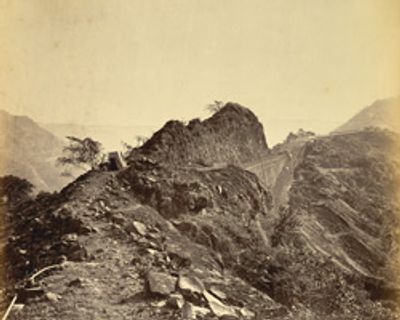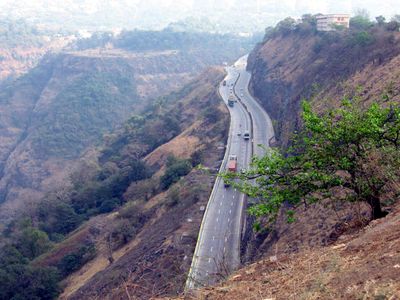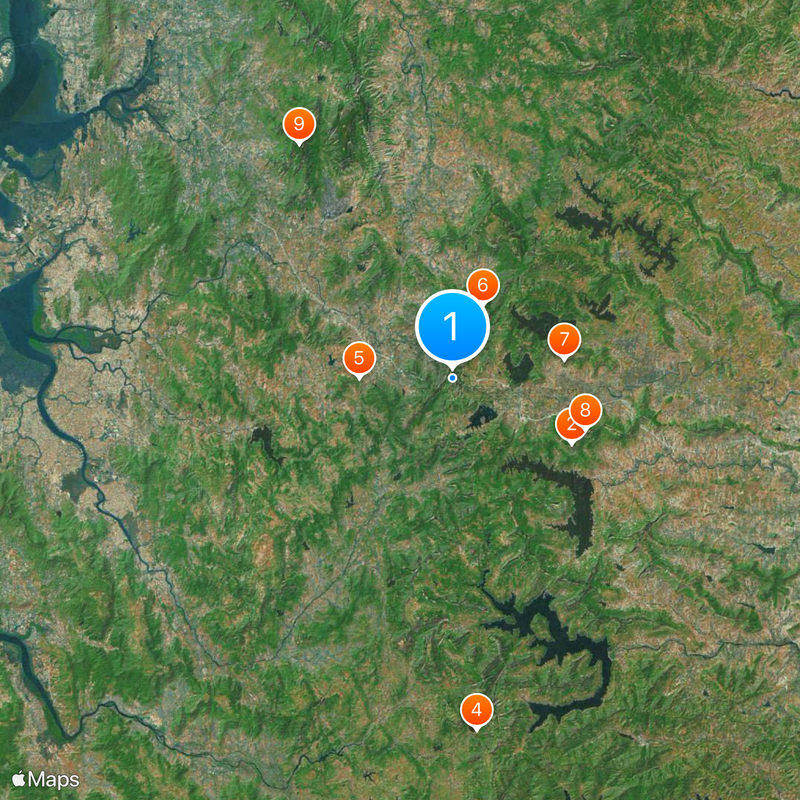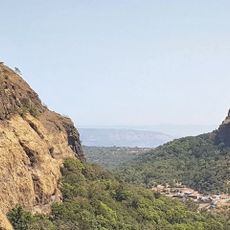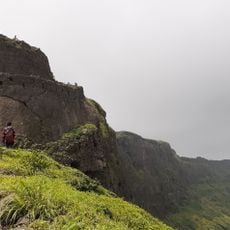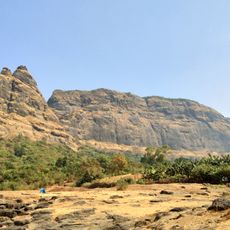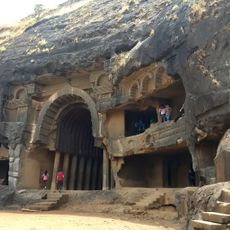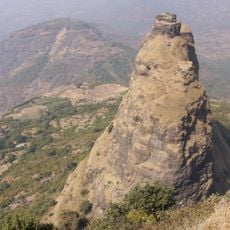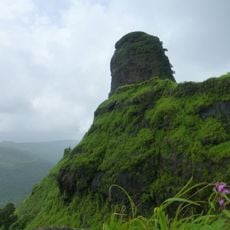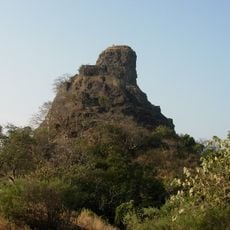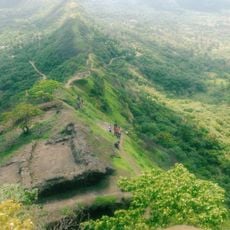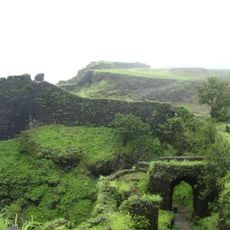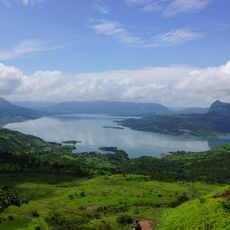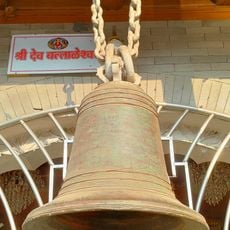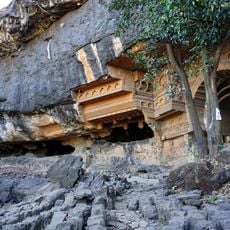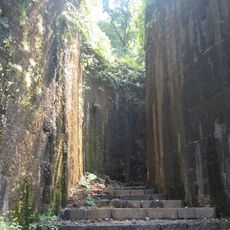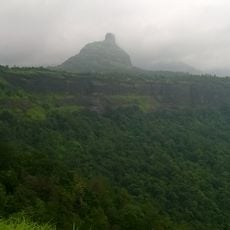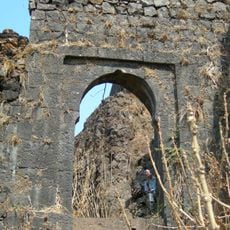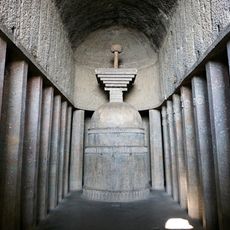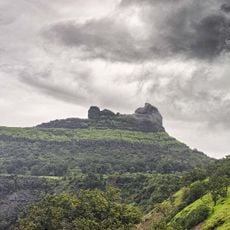
Bhor Ghat, Railway mountain passage in Western Ghats, Maharashtra, India.
Bhor Ghat is a mountain pass on the crest of the Western Ghats between Khopoli and Khandala in Maharashtra. Its railway, part of the Mumbai–Chennai line, runs 21 km between Palasdari and Khandala through 28 tunnels. The road ghat is 18 km long, with six lanes on the Mumbai–Pune expressway and four on the old Mumbai–Pune road.
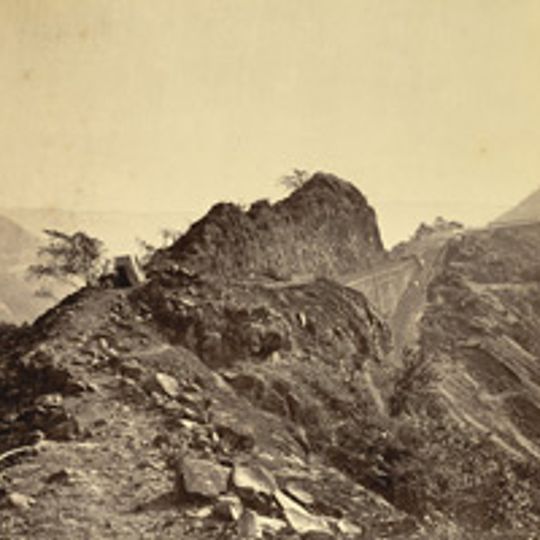
In February 1781 the pass was the site of the Battle of Bhorghat, where Maratha forces from Pune intercepted and defeated a British force marching from Bombay. A motorable route was later traced with information from a Dhangar tribesman named Shigroba. The Great Indian Peninsula Railway's line through the ghat, with 28 tunnels and old bridges, opened on 21 April 1863, linking Mumbai to the Deccan plains.
The pass is commonly called Khandala Ghat, and it appears in many Marathi stories, novels and songs. Marathi writer Shubhada Gogte's book on the ghat covers the ten years from 1853 to 1865 of its railway construction, told through a schoolboy who joins the works as a link between British officers and labourers. Hindi and Marathi film songs also name Khandala.
The road ghat runs 18 km between Khopoli and Khandala, with six lanes on the Mumbai–Pune expressway and four on the old Mumbai–Pune road. On the railway, trains between Karjat and Lonavala are pushed up the incline by banking locomotives such as WAG-7 or WCAM-3. Two four-lane tunnels are proposed between the Khalapur toll booth near Khopoli and the Sinhagad institute at Lonavala to bypass the ghat, cutting the expressway distance from 18 km to 12 km.
Workers dug through rock masses without modern explosives or drilling machines, making the project an enormous feat of manual labor. Some tunnel sections were carved entirely by hand using hammer and chisel into the stone.
The community of curious travelers
AroundUs brings together thousands of curated places, local tips, and hidden gems, enriched daily by 94,647 contributors worldwide.