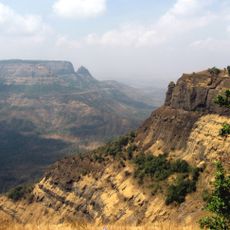
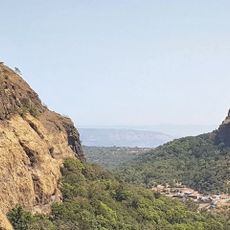
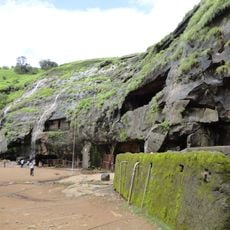
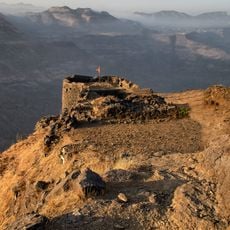
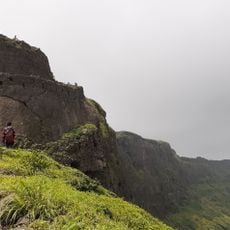
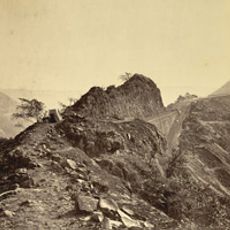
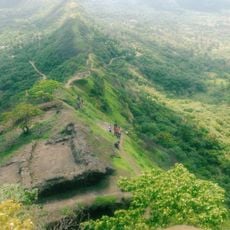
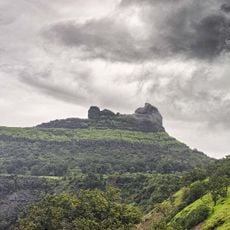
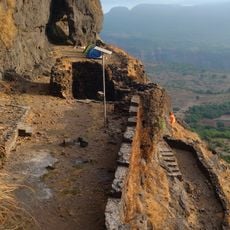
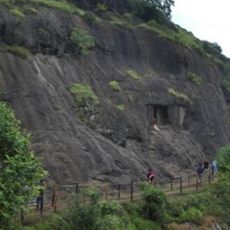
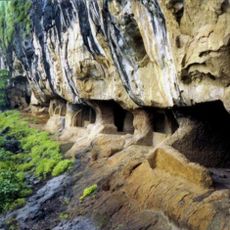
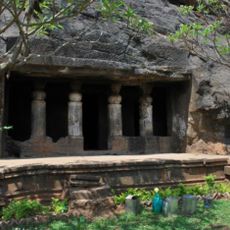
Bhaja Caves, Buddhist caves in Pune district, India.
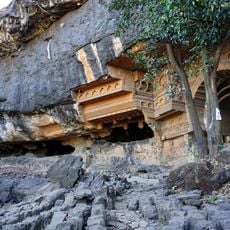
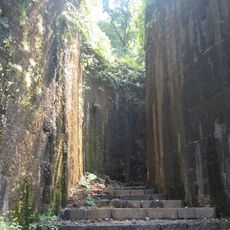
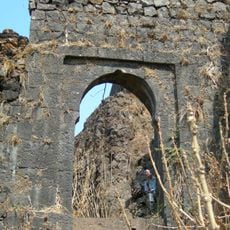
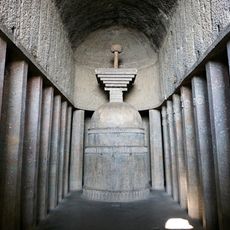
Bhaja Caves is a group of 22 rock-cut caves 400 feet above Bhaja village, including a chaitya hall with a horseshoe-arched entrance and 27 octagonal columns, plus viharas with cells and stone beds. The facade has carved rail patterns and chaitya windows, and a waterfall flows nearby during the monsoon.
These caves were created in the 2nd century BCE during a flourishing period of Buddhism in the region. They represent an early phase of Buddhist architecture and served as dwellings and prayer spaces for monks.
Carvings at Bhaja include a woman playing the tabla and another dancing, evidence the instrument was used in India some 2,300 years ago. Inscriptions name donors and resident monks, among them Ampinika, Dhammagiri and Sanghdina, whose relics lie in the 14 stupas. A ploughman's wife, Bodhi, is recorded as gifting Cave VI.
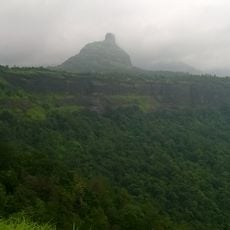
The site is accessible via a short walking path from Bhaja village and lies on a popular trekking route. The best time to visit is from October through February, when weather is cool and dry.
Cave XII's chaitya hall has a barrel-vaulted ceiling with ancient wooden ribs still set into it, and its 27 octagonal columns lean inward to mimic wooden supports. The dagoba at the apse measures 11 feet across at floor level. A carving on the floor in front of the stupa shows a game board.
The community of curious travelers
AroundUs brings together thousands of curated places, local tips, and hidden gems, enriched daily by 93,762 contributors worldwide.