Bedse Caves, Buddhist rock-cut caves in Pune district, India
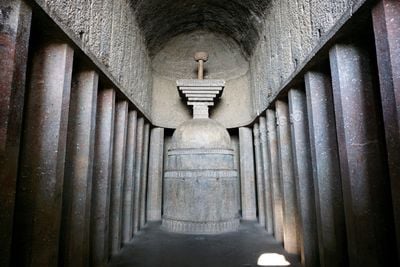
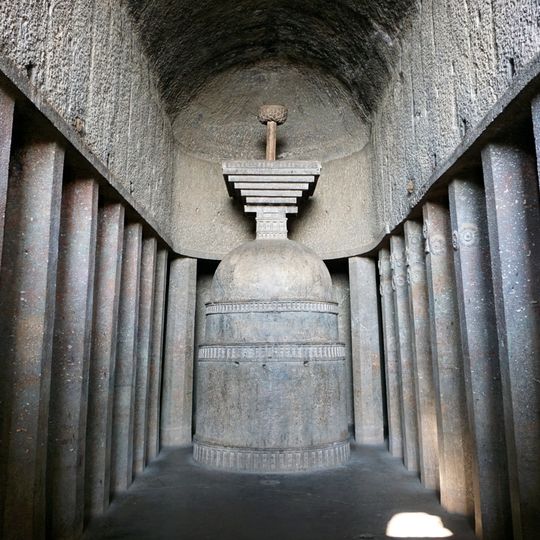
Bedse Caves are Buddhist rock-cut caves in Pune district consisting of two main sections carved into the mountainside. The first section is a prayer hall with a large stone stupa, while the second section is a monastery with nine individual cells for monks.
These caves were created in the first century BCE during the Satavahana period when Buddhism was spreading across the region. They were built as monastic dwellings to provide monks with spaces for meditation and shelter.
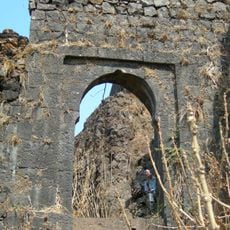
The caves were known in ancient times as Markud, a name recorded in an inscription carved at the site. Another inscription on a gate arch records the gift of Pushyanka, son of Ananda Sethi from Nashik, an early written mention of that city. Water cisterns outside the caves carry a further donation inscription.
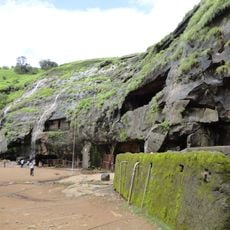
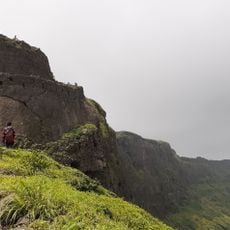
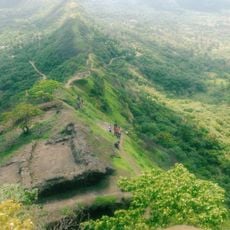
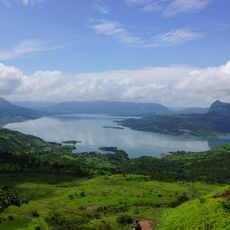
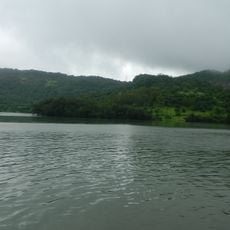
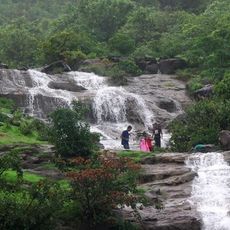
The caves face east, so early morning light brings out the carvings. The climb is about 400 steps from the base, and the site is reached from Kamshet via Bedse village, or from Somatne-Phata on the Pune-Mumbai NH4. The rainy season fills the surrounding hills with greenery and small waterfalls.
The vihara's main chamber has a rectangular plan with a rounded apsidal far end and a vaulted roof, a form closer to a chaitya hall than a typical monastery. Nine doors around it lead to cells, each framed by a relief chaitya-arch, with four more cells outside where a wooden screen once stood.
The community of curious travelers
AroundUs brings together thousands of curated places, local tips, and hidden gems, enriched daily by 92,718 contributors worldwide.