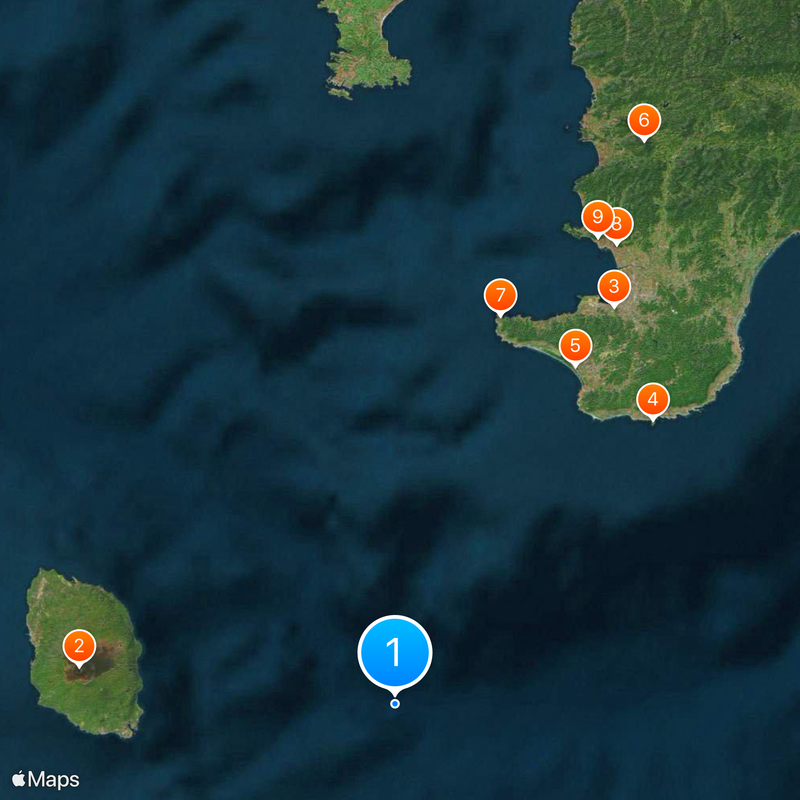
Sagami Trough, Undersea trough in Kanagawa Prefecture and Tokyo, Japan.
The Sagami Trough is an undersea canyon that runs along the coast of Japan, stretching for hundreds of kilometers across the ocean floor. It marks the boundary where two tectonic plates meet and descends to depths that make it one of the deepest submarine features in the region.
The trough became a major focus of scientific research following the Great Kanto earthquake in 1923. This event prompted scientists to intensively study the seafloor structure and the movements of tectonic plates in the area.
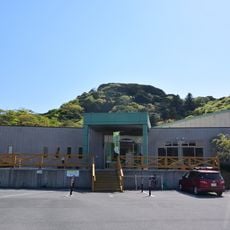
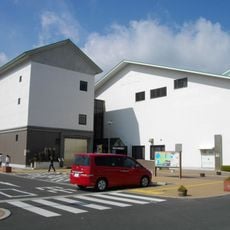
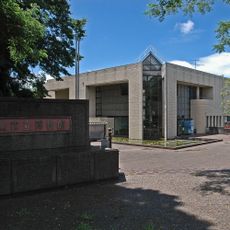
Marine research stations near the trough contribute to Japan's understanding of ocean sciences, with local institutions conducting regular surveys of underwater landscapes.
The trough can only be explored through scientific expeditions and specialized research vessels due to its location far beneath the ocean's surface. Monitoring equipment at various points continuously tracks seismic activity along this underwater zone.
The sediment layers of the trough contain a geological archive of past earthquakes, helping researchers predict future seismic events in this region. These underwater archives serve as nature's record of crustal activity.
The community of curious travelers
AroundUs brings together thousands of curated places, local tips, and hidden gems, enriched daily by 90,804 contributors worldwide.