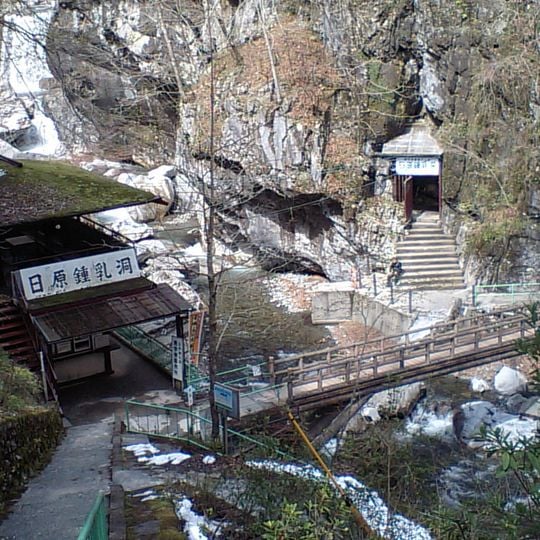
Nippara Cave, Limestone cave in Okutama, Japan
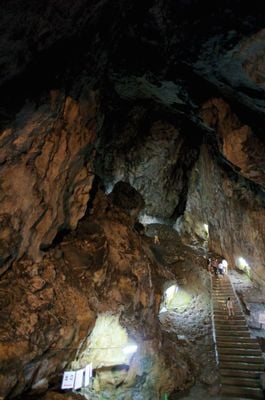
Nippara Cave (日原鍾乳洞) is a limestone cave in Nippara, Okutama, Tokyo, with a total length of 1,270 m and a height difference of 134 m, among the largest in the Kanto region. Its interior holds Paleozoic strata and many stalactites and stalagmites, which Shugendō practitioners in the Edo period named Kongōzue. The Shingū Dō passage reaches 527 m in depth. The temperature inside stays at 11 °C year-round.
The cave formed through limestone dissolution over millions of years and served as a mountain worship site during the Edo period. Archaeological discoveries including ancient bronze mirrors and coin offerings found within its chambers reveal the site's long spiritual use.
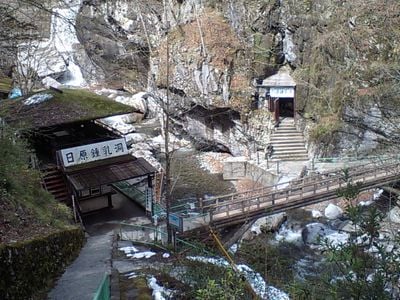
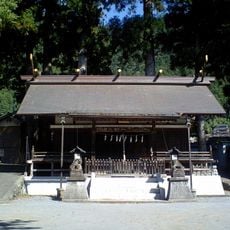
The cave was a centre of mountain worship, and Shugendō practitioners in the Edo period named the stalagmites and stalactites Kongōzue ("diamond staff"). The name Nippara Shōnyūdō combines the place name with the Japanese word for limestone cave. The Nippara Hoshōkai now manages the site, and the Ichiishiyama Shrine stands near the entrance.
The cave is open daily except 30 December to 3 January. From Okutama Station, a Nishi Tokyo Bus takes about 30 minutes to the Nippara Shōnyūdō stop, but on holidays buses stop at Higashi-Nippara, a 20-minute walk away. Route 204 is narrow with falling rocks, and the car park fills on holidays. The interior stays at 11 degrees Celsius, so bring a jacket.
The cave holds strata from the Paleozoic era, and the temperature inside stays at about 11 degrees Celsius all year. Its deepest section, Shingū Dō, reaches 527 meters. Practitioners of Shugendō in the Edo period named the stalagmites and stalactites Kongōzue, after the staff they carry.
The community of curious travelers
AroundUs brings together thousands of curated places, local tips, and hidden gems, enriched daily by 93,357 contributors worldwide.