Ueyama Kofun, Final stage kofun in Kashihara, Japan
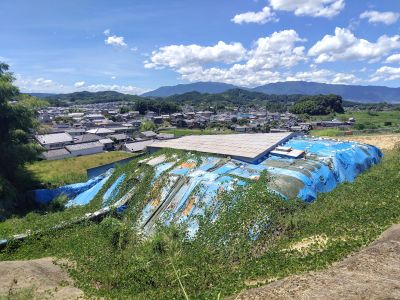
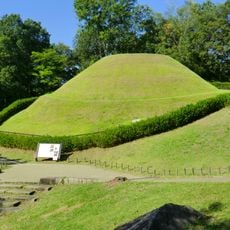
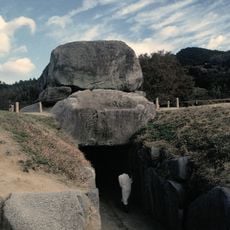
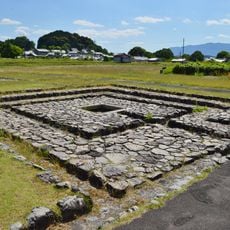
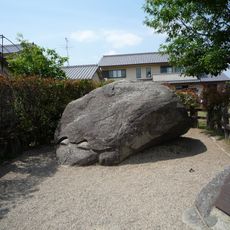
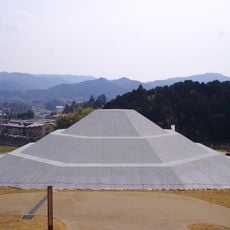
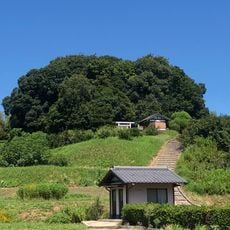
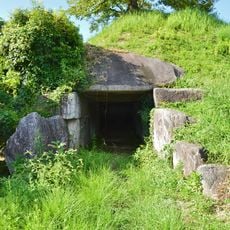
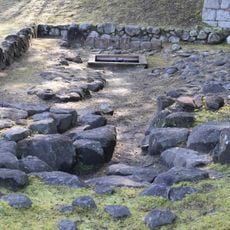
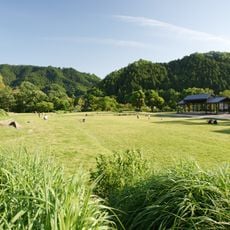
Ueyama Kofun is a 40 m east-west by 27 m north-south rectangular mound in Kashihara, cut into the south slope of a hill, with a U-shaped moat around its east, west and north sides. Two horizontal stone chambers lie side by side in the mound, giving it the name "double-chamber tomb". The east chamber is 13 m long with a 6.5 m burial chamber and once held a house-shaped sarcophagus of Aso welded tuff; the west chamber is also 13 m long but has a 5.2 m burial chamber and retains a pivot stone for a door.
Ueyama Kofun is a late Kofun period rectangular mound in Kashihara, Nara Prefecture. It is thought to have been the joint tomb of Empress Suiko and her son Prince Takeda before their remains were moved to Yamada Takatsuka Kofun in the Isonokami valley. The mound was excavated in 2000 and designated a national historic site in 2002.
The mound is identified with the tomb where Empress Suiko was buried alongside her son Prince Takeda in 628, as recorded in the Nihon Shoki; the Kojiki notes the grave was later moved to Shikano's great tomb. The two chambers, built at the end of the 6th and early 7th centuries, held an Aso welded tuff house-shaped sarcophagus in the east chamber.
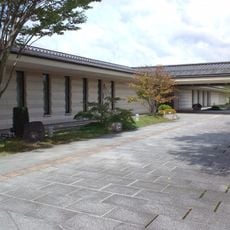
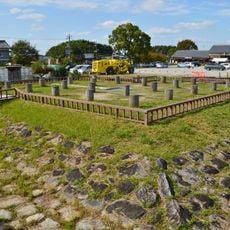
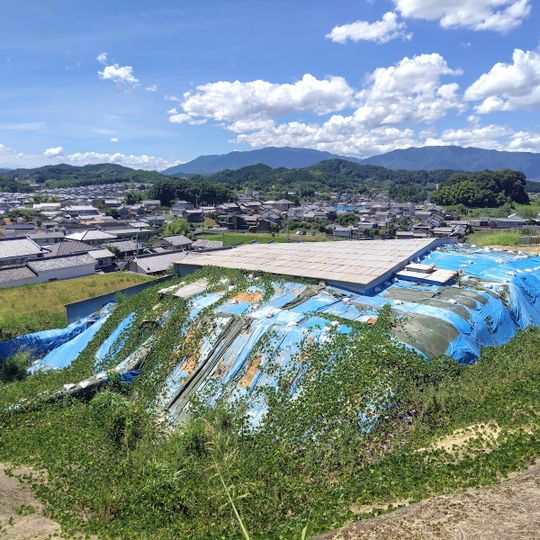
The site is not open to the public: excavation and maintenance work for its development as a historical park continued until 2019, and the stone chambers have been closed. On 15 January 2013, stones on the side of a horizontal chamber collapsed after rain and snow seeped into the soil and swelled the mound.
The dual stone chambers here are unusual for their side-by-side arrangement, suggesting this mound served a shared burial purpose that was not common for all royal burials of that period. This layout reveals details about family relationships and ceremonial practices that differed from what larger contemporary mounds reveal.
The community of curious travelers
AroundUs brings together thousands of curated places, local tips, and hidden gems, enriched daily by 95,215 contributors worldwide.