Atsuhitakahiko-jinja, Shinto shrine in Japan
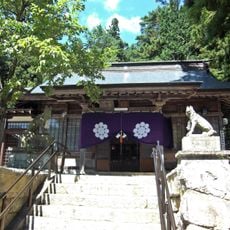
Atsuhitakahiko-jinja stands in Kakuda, Miyagi, as a Gō-sha-ranked shrine with a haiden, honden and smaller subsidiary shrines on its grounds. Within the precinct are a Himegamine Inari shrine and a Hakusan-hime shrine honouring Kukurihime, Izanagi, Izanami and Mizuha-no-megami. The shrine's go-shintai is described in the Igu-gun-shi as a bronze Buddha cast at Nyoi-ji in Yamashiro Province by order of Emperor En'yū.
According to shrine tradition, Yamato Takeru, son of Emperor Keikō, set up a worship site on the slopes of Mount Ōmori in Igu and enshrined Ninigi-no-Mikoto; after his death, Emperor Keikō had a shrine built honoring both deities. The shrine is listed in the Engishiki Jinmyōchō as one of the 100 shikinaisha of Mutsu Province, and in 1872 it was designated the only gōsha in Igu District.
The shrine's name links the sun deity Ame no Hihoko and the fire deity Ho no Ninigi, both enshrined here with Yamato Takeru. In spring, the reitaisai formerly gathered the mikoshi of Kashima Shrine in Marumori and Katori Shrine in Oyama, Kakuda, for a joint procession; today only the Katori mikoshi joins. The shrine is also prayed to for easy childbirth and fire prevention.
The shrine stands in Kakuda, Miyagi Prefecture, and the Igu district office site, Kōriyama ruins, lies about 4 km west of it. The precinct holds the haiden, heiden and honden, plus Haku-san Hime Shrine and Koshimine Inari Shrine. The spring grand festival now combines the mikoshi procession with the Katori Shrine portable shrine.
The shrine's go-shintai is said to be a bronze Buddha cast at Nyoi-ji in Yamashiro Province on the order of Emperor En'yū, as recorded in the Igū-gunshi. The shrine stands 4 km east of the ruins of the Igū district office at Kōriyama, and in 1872 it was designated the only gō-sha in Igū District.
The community of curious travelers
AroundUs brings together thousands of curated places, local tips, and hidden gems, enriched daily by 94,949 contributors worldwide.