Hakone Barrier, Restored checkpoint in Hakone, Japan
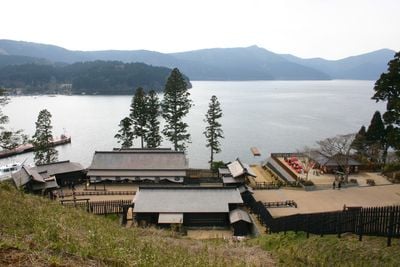
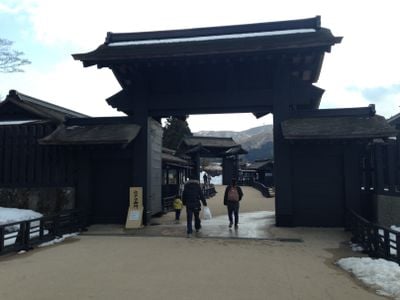
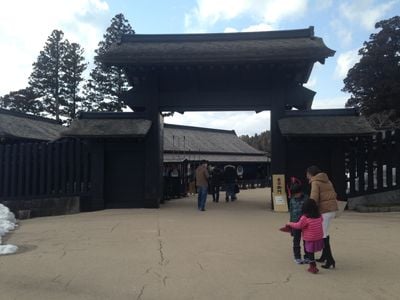
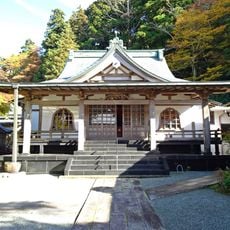
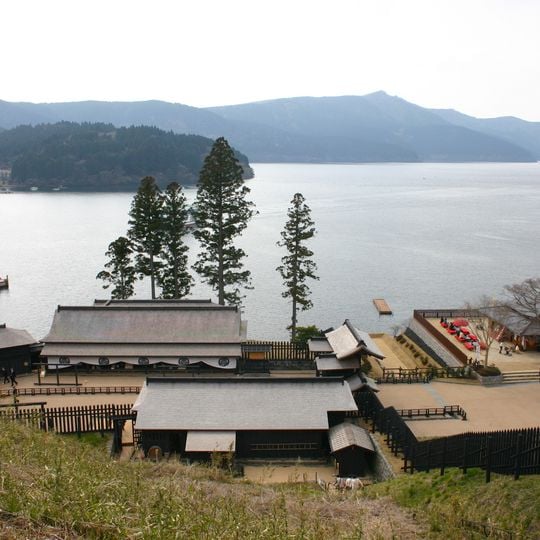
The Hakone Barrier sits on the shore of Lake Ashi with Mount Byobu rising behind it, showing inspection zones, guard buildings, and detention cells across its grounds. The compound displays typical checkpoint architecture from the Edo period, with wooden structures and strict passage areas.
The barrier was set up around 1618–1619, when the shogunate built the post town of Hakone-juku and moved the checkpoint to the shore of Lake Ashi; it operated until the Meiji government abolished all barriers in 1869. Odawara Domain ran it for most of that time. The site became a National Historic Site in 1923, was excavated from 1999 to 2001, and buildings were reconstructed from the foundations and mid-Edo descriptions, with full opening in 2007.
Guards performed thorough inspections of women travelers, preventing wives of feudal lords from secretly leaving Edo. These measures helped the shogunate maintain political control over the nobility.
Buses from Odawara Station take around 55 minutes to reach the entrance, where adults pay 500 yen and children pay 250 yen for admission. The grounds are easy to walk through, with covered areas for rainy days.
The 2007 reconstruction used the same craft techniques and materials as the original, after researchers discovered detailed construction plans from the late Edo period. Each wooden element was shaped and joined using historical methods.
The community of curious travelers
AroundUs brings together thousands of curated places, local tips, and hidden gems, enriched daily by 94,828 contributors worldwide.